Sanitation Improvements in Uganda: Empowering Youth Innovation
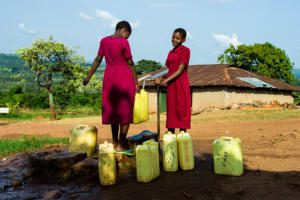 In Uganda, more than 24 million people—more than 60% of the population—lack access to basic drinking water services. Nearly one in 10 still practice open defecation and two-thirds of households do not use soap when washing. Despite these challenges, the country continues to make progress in improving school hygiene and sanitation. Local youth are leading many of these efforts. Across the country, students and communities collaborate on projects that address public health concerns and support sustainable development. These sanitation improvements in Uganda strengthen education, especially for girls and help protect children from preventable diseases.
Addressing a National Sanitation Crisis
Many Ugandan schools still face serious challenges related to water, sanitation and hygiene (WASH). According to UNICEF, nearly 30% of schools do not have usable toilets and 40% lack access to handwashing stations. These shortages contribute to frequent illnesses, absenteeism and high dropout rates, particularly among girls, who are more likely to miss school during menstruation when hygiene facilities are inadequate.
The Centre for African Justice notes that poor WASH conditions in schools harm students’ health, attendance and dignity. While Uganda has policies like the School Health Policy in place, implementation often falls short, particularly in rural regions. To bridge these gaps, youth-led movements and nonprofit organizations continue to play a vital role in sanitation improvements in Uganda and raising community awareness.
Students Lead Practical Sanitation Solutions
A collaborative project between Wright State University students and a rural Ugandan school offers a clear example of youth-driven innovation. The engineering students co-designed and installed composting latrines, handwashing stations and improved gray water discharge systems. These improvements introduced sustainable technology while strengthening local ownership. Teachers, students and parents reported stronger attendance and a renewed sense of pride in their school environment.
Clean Water Boosts Girls’ Education
Access to clean water directly supports girls’ education. At God’s Hope Primary School, the nonprofit Simone’s Kids installed a clean water system that replaced unsafe, time-consuming water collection, reducing student absenteeism. Previously, children spent hours walking to collect water from unsafe sources. The new system provides safe drinking water and supports regular handwashing practices. Girls, in particular, benefited from private sanitation facilities, which allowed them to manage menstrual hygiene and continue their education without disruption.
Safe Water Unlocks Opportunity
Water for Good, a nonprofit working in Uganda, highlights how safe water systems open new possibilities for children. A young girl shared how a new well at her school enabled her to attend classes regularly and focus on her future goals. These stories show how basic water access can change educational outcomes and help students imagine new possibilities.
A Sustainable Path Forward
Youth-led sanitation efforts in Uganda reflect a broader commitment to health, equity and education. By installing clean water systems, building safe toilets and promoting hygiene, these projects create safer learning environments. Continued investment in school sanitation could support better academic outcomes and strengthen national development. Uganda’s youth remain central to this progress, shaping a future where all students can learn and thrive with dignity.
– Vasara Mikulevicius
Vasara is based in West Bloomfield, MI, USA and focuses on Good News and Global Health for The Borgen Project.
Photo: Flickr
