• Link to X
  • Link to Facebook
  • Link to Instagram
  • Link to TikTok
  • Link to Youtube
  • About
    • About Us
      • President
      • Board of Directors
      • Board of Advisors
      • Financials
      • Our Methodology
      • Success Tracker
      • Contact
  • Act Now
    • 30 Ways to Help
      • Email Congress
      • Call Congress
      • Volunteer
      • Courses & Certificates
      • Be a Donor
    • Internships
      • In-Office Internships
      • Remote Internships
    • Legislation
      • Politics 101
  • The Blog
  • The Podcast
  • Magazine
  • Donate
  • Click to open the search input field Click to open the search input field Search
  • Menu Menu

Archive for category: Development

Information and stories on development news.

Development, Global Poverty, Women's Empowerment

3 Ethical Fashion Brands Fighting Poverty

Fashion Brands Fighting Poverty
Others are increasingly holding businesses accountable for their practices. Accountability—in regards to environmental impact, gender equality and racial representation—is rising within all industries. The fashion industry is no exception. Fast fashion brands like Uniqlo and the recently bankrupt Forever21 continue to confront criticism. These companies and others have disastrous environmental impacts and use inhumane working conditions and wages. It is increasingly difficult to find fashion brands fighting poverty.

Fortunately, the industry is starting to change. Ethical brands are on the rise, with some even building business models that fight against global poverty. These business models safely employ women and men in impoverished countries. But being a conscious consumer is also trendy: a 2019 McKinsey report found that two-thirds of global consumers admitted a brand’s stance on social and environmental issues influenced whether they purchased from that brand. From everyday shopping staples to high-end fashion pieces, ethical approaches to fashion transform the industry and improve the lives of those who work for these companies. Here are three ethical fashion brands fighting poverty.

Indego Africa

Indego Africa aims to alleviate poverty for women and their families through artisan employment and entrepreneurial education. The brand teaches women to intricately weave baskets and bags. Founder Matthew Mitro lived in Nigeria for six years. His inspiration drew on his work with Nigerian women and thus started Indego Africa in 2007. Employing over 1,200 artisans, the brand has extended its impact into Rwanda and Ghana. According to its 2018-2019 Annual and Social Impact Report, 90% of artisans employed through Indego Africa could pay for all or most of their children’s education.

Production occurs in Rwanda and Ghana. All of the company’s profits go towards business and vocational programs to educate Indego Africa’s employees and young adults, particularly young women, in nearby communities. Indigo Africa designs its programs to cater to the large demographic of unemployed young adults. By fostering educational platforms in areas like technology, business and leadership, Indego Africa carves out a clear path to economic independence for young women in Africa.

Gift of Hope

Gift of Hope supplies handmade goods to buyers, as well as hope to Haitian children who became orphans when their families can no longer afford to care for them. Founder Mallery Neptune first visited Haiti when she was 16, but it was not until she turned 20 that she founded the Haiti Foundation Against Poverty in 2007. The program started with a focus on sponsoring children and providing food for the elderly. By 2010, it expanded into the Gift of Hope project, a program designed to create jobs for Haitian mothers. In Haiti, women struggle to secure stable and sustainable employment and therefore disproportionately experience poverty.

As an extension of the Haiti Foundation Against Poverty, Gift of Hope employs over 70 jewelry-makers, seamstresses and other Haitian artisans. The nonprofit employs impoverished women who have lost their children to poverty (or are at risk of doing so) and pays them three times more than the minimum wage. This practice draws individuals and their families out of poverty. Every purchase with Gift of Hope saves a child from orphan-hood, reuniting families.

Carcel

Fashion label Carcel is proof that high-end fashion brands can too adopt ethical practice within their supply chains. Headed by Veronica D’Souza, the Danish company works with incarcerated women in Peru and Thailand where the poverty rates as of 2018 are 22% and 9.85%, respectively. Oftentimes the company’s employees have been imprisoned for human trafficking and drug-related crimes, but D’Souza believes they fell onto these paths because they could not escape the cycle of poverty.

Carcel works with the National Prison System in Peru and the Ministry of Justice in Thailand. They give 27 women the opportunity to hone local craftsmanship. In conjunction with mastering clothes-making techniques, Carcel offers instructional programs on managing cash, financial literacy and English. These programs equip women with educational tools to secure financial stability. Upon their release from prison, women have the skills they need to avoid re-incarceration or falling back into poverty. Fashion brands fighting poverty are increasingly popular, giving hope for improving the lives of thousands of workers worldwide.

– Grace Mayer
Photo: Flickr

September 4, 2020
https://borgenproject.org/wp-content/uploads/borgen-project-logo.svg 0 0 Kim Thelwell https://borgenproject.org/wp-content/uploads/borgen-project-logo.svg Kim Thelwell2020-09-04 01:30:172024-05-29 23:22:423 Ethical Fashion Brands Fighting Poverty
Development, Global Poverty

Iceland Supports Geothermal Energy in Africa

Geothermal Energy in AfricaAfrica leads the world in annual population growth, but unfortunately produces the least amount of electricity of any continent. To mitigate this issue while being mindful of the continent’s vulnerability to climate change, African leaders are working to exploit natural energy sources. Recent efforts have begun to focus on establishing plants for geothermal energy in Africa. This involves harnessing energy from the Earth’s heat by digging underground. The east coast of Africa, home of the East African Rift System (EARS), presents a viable location for achieving this endeavor due to its geographical properties: this 6,500-kilometer stretch of progressive breakage in the Earth has constantly shifting plate tectonics that generate a large, renewable source of energy. Nations worldwide are coming together to help develop strong geothermal energy systems in Africa, with Iceland leading the way.
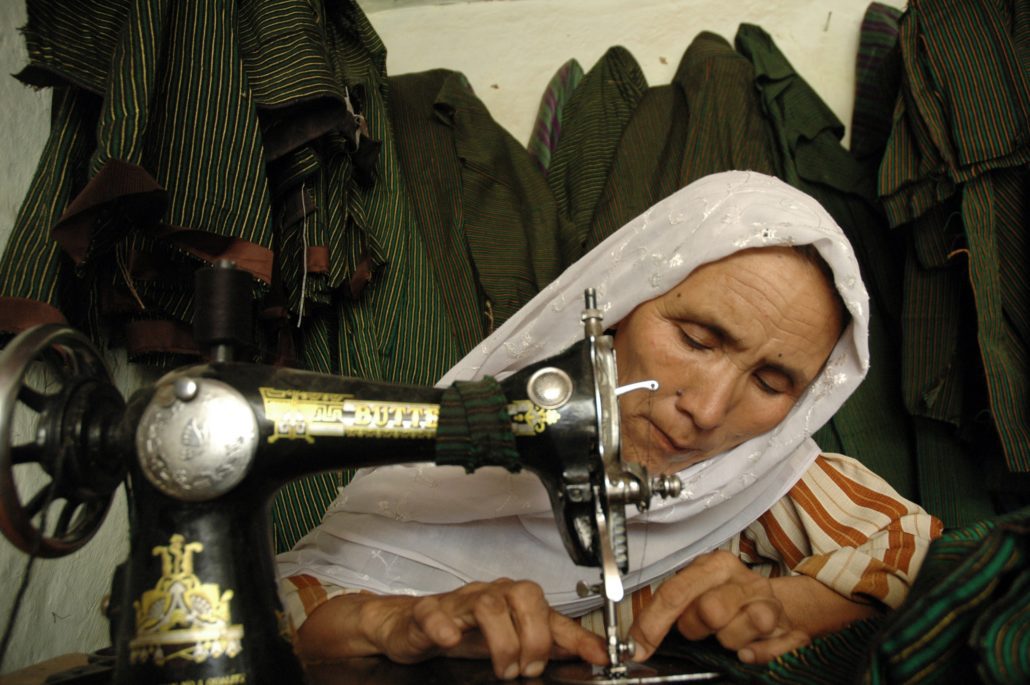
The Need for Electricity Access in Africa

Electricity access plays a significant role in lowering poverty in Africa. A study conducted by The World Bank found that affordable electrification can raise average household income by increasing farming and manufacturing production during off-seasons, as well as helping businesses create efficient services for production and expansion. Expanding electrification encourages economic investment, increases GDP per capita and creates jobs. For instance, when South Africa enacted an electric grid roll-out to poorer communities, the country experienced a 40%-53% boost in business activities due to heightened electricity access. Overall, generating electricity in impoverished areas will enhance economic capabilities and increase sustainability.

Potential for Geothermal Energy in Africa

The EARS is located in northern Syria and runs south to Mozambique. Countries along this rift include Ethiopia, Tanzania, Kenya, Rwanda, Eritrea and Uganda. These countries would benefit immensely from the rift’s geothermal energy since, depending on the country, only 35%-75% of the population had reliable electricity in 2018. In fact, initiatives like the African Rift Geothermal Development Facility project were designed to address this exact disparity using geothermal energy. The project’s goal is to gain access to untapped geothermal energy for these countries along the rift. The United Nations Environment Programme pledged $4.75 million for this official start-up in 2015. The project has had success so far in networking with other countries and attracting investors for financial support.

Geothermal energy in Africa is necessary to supplement the general lack of electricity. It is also essential to shift away from the other, less sustainable power sources currently in use. Coal is one of the most environmentally detrimental types of fuel, for example. Despite this fact, South Africa relies on coal-burning as its primary energy source; only 8.8% of the country’s electric needs are fulfilled by renewable energy. Coal-burning and other non-renewable techniques endanger Africa’s people and climate by polluting the air with various heavy metals.

Iceland Empowering Africa

Iceland, however, is a pioneer in geothermal energy: the country’s electricity obtains its power almost entirely by renewable resources. The country is currently advocating the creation of geothermal energy in Africa through several projects.

  1. Geothermal Training Programme (GTP): In collaboration with the United Nations, this six-month annual postgraduate training program teaches individuals from developing countries about geothermal construction and exploration. Between 1976 and 2016, about 39% of graduates originated from African countries. This demonstrates the impact of the GTP in fostering geothermal potential through the next generation of innovators.
  2. African Women Energy Entrepreneurs Framework: With a focus on addressing the barriers that hinder women as entrepreneurs in business, this project was launched in 2017 to support innovative environmental solutions in Africa and promote gender equality within the energy sector. Women are trained in sustainable energy technologies and management in order to create renewable energy policies and partnerships.
  3. Africa Geothermal Centre of Excellence (AGCE): Currently in the preliminary stages with help from Iceland and other partner countries, the AGCE aims to expand geothermal research and training. Its goal is to produce geothermal scientists, engineers and technicians to ensure geothermal expansion in Africa for years to come. Governments of multiple African countries are committed to creating this center in order to achieve their climate change and sustainability goals.

Iceland is also a member of the United Nations Environment Programme (UNEP). The country is commended for its work in Africa. The UNEP Energy Programme Manager Meseret Teklemariam Zemedkun stated, “Iceland has been a steadfast and important partner to UNEP in bringing geothermal expertise to East Africa.” Beyond fostering geothermal energy in Africa, Iceland’s financial contributions help support the UNEP’s other projects and overall mission. Iceland continues to be a world leader in demonstrating the significance of renewable energy. The country accomplishes this goal by addressing Africa’s present and building for its future.

– Radley Tan
Photo: Flickr

September 2, 2020
https://borgenproject.org/wp-content/uploads/borgen-project-logo.svg 0 0 Kim Thelwell https://borgenproject.org/wp-content/uploads/borgen-project-logo.svg Kim Thelwell2020-09-02 09:49:392024-06-06 00:43:11Iceland Supports Geothermal Energy in Africa
COVID-19, Development, Health

CATCH Technology for Virus Discovery

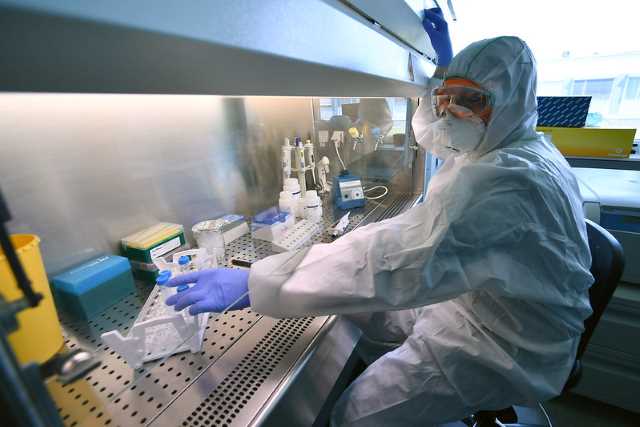
CATCH Technology for Virus DiscoveryAccurate and efficient virus detection is needed now more than ever. In areas like Africa, one of the most prevalent diseases is the viral disease of HIV/AIDS. Thousands of people die every year due to viral diseases like HIV/AIDS and even the seemingly harmless flu. The most recent of viruses is COVID-19, the rapidly spreading virus that has led to a global pandemic. CATCH technology for virus discovery provides hope for a less disease-stricken future.
CATCH Technology for Virus Discovery

First developed in 2019 by scientists at the Broad Institute, CATCH provides scientists with an efficient new way to detect and code viruses. In scientific terms, CATCH stands for Compact Aggregation of Targets for Comprehensive Hybridization. CATCH is a computational method that allows scientists and users to design probes that then catch genetic material for all viruses known to humans. This tool is particularly helpful for viruses like Zika, which is very difficult to see in clinical samples. CATCH is able to very accurately and quickly detect even viruses that occur in low abundance in clinical samples. Due to these abilities, CATCH could play a key role in future disease prevention and treatment.

Advantages of CATCH

  1. It is adaptable. As new mutations and strains of viruses are discovered and uploaded to the GenBank database, CATCH users can quickly redesign a set of probes with up-to-date information.
  2. It is efficient at detecting viruses. The Zika outbreak in 2015 proved to be particularly problematic because the Zika virus was not easily detectable within the human body. Zika is difficult to detect because even in patients who contract the virus, blood samples would often have a very low amount of actual Zika virus particles. This is where CATCH proves to be such a groundbreaking method for virus detection. CATCH can detect even the lowest amount of virus particles present in a sample.
  3. It has the power to detect all human viruses. While the first version of CATCH only targeted 20 viruses, as the software developed, the number of viruses it targeted expanded. Now, CATCH has the ability to target all forms of viruses known to infect humans. As more viruses are discovered, they can be easily added to CATCH.
  4. It is accessible. The software for CATCH is available to any member of the public on Github and the development and validation of the tool is available via an online scientific website, Nature Biotechnology.

Impact of CATCH in Africa

In a study by researchers Hayden Metsky and Katie Siddle, data gathered using CATCH helped discover that the ZIka virus was present in several regions, months before scientists could detect it.

At the time of the Lassa outbreak in Nigeria in 2018, the Lassa virus was difficult to sequence and hard to detect. The researchers proved that by using CATCH, content of the samples of the 2018 Lassa virus could be rescued. This means that the Lassa virus will be more easily detectable.

The above results warrant the use of CATCH technology for virus discovery and for future outbreaks. The CATCH tool can be used to provide low-cost disease surveillance and the information required to control outbreaks. In the very depths of a viral pandemic like COVID-19, the CATCH tool creates hope for the future of global health.

– Lucia Kenig-Ziesler
Photo: Flickr

September 2, 2020
https://borgenproject.org/wp-content/uploads/borgen-project-logo.svg 0 0 Kim Thelwell https://borgenproject.org/wp-content/uploads/borgen-project-logo.svg Kim Thelwell2020-09-02 08:08:182020-09-02 08:12:32CATCH Technology for Virus Discovery
Development, Global Poverty

Microfinance for Poverty Reduction

Microfinance poverty reduction
Commercial banks often find themselves unable to provide financial services in rural areas. Poor credit histories, limited manpower, customers illiteracy and accommodation problems of the staff limit commercial bank operation. Microfinance is a simplistic tool to remedy this issue. It is the provision of small loans to the impoverished to help those who otherwise do not have access to traditional banking services to engage in or establish an income-generating activity. Microfinance has been a renowned initiative for poverty reduction as well as economic and social development for over 30 years.

Microfinance Models

The concept for microfinance was propounded by Mohammad Yunus, who subsequently founded the Grameen Bank in Bangladesh to provide credit facilities to the poor and boost their entrepreneurial potential. Since then, microfinance has taken a range of forms.

These forms include non-governmental organizations, credit unions, cooperatives, associations, community banking, Self Help Groups, ROSCAs, small businesses and village banking models.

The Dark Side of Microfinance

In terms of poverty reduction, two key questions have emerged: first, to what extent has microfinance contributed to creating a long-lasting and permanent difference to help households escape poverty? Second, to what extent do microfinance programs reach the worst off, “chronic poor” and not just the “transient poor.”

The total number of microcredit borrowers has magnified exponentially from less than 20 million in the 1970s to over 211 million in 2013. There are undeniable success stories regarding the transformative effect of microfinance on individuals and households. But until recently, there has been very little research that shows the impact of microfinance in a way that demonstrates causality.

In their book “Finance Against Poverty” (1996), David Hulme and Paul Mosley were first to criticize microfinance. They suggested that microfinance helps those above the poverty line more than those below the poverty line. In some instances, they found that microcredit makes life for those at the base of the pyramid even worse. Some argue microfinance contributes to creating debt traps for the poor whereby they sink into the vicious cycle of repayment of loans, and due to increasing interest rates, they are never able to escape.

An unprecedented consequence of microfinancing is the increase in organ trafficking, especially in Bangladesh. When borrowers are unable to repay their debt, traffickers pressure them into selling their organs. In most cases, these borrowers are uneducated about the implications of their actions. In other cases, debtors go as far as to take their own lives.

The Silver Lining

However, despite its shortcomings, microfinance has hardly been a failure in the case of poverty reduction. Rather than seeing it as a poverty panacea, microfinancing is more aptly a means of expanding opportunities for the disadvantaged.

Perhaps one of the most significant advantages of microfinancing is empowerment. Empowerment is at the center of human progress. Microfinance is helping the world reach the first Millennium Development Goal: eradicating poverty and hunger. It is also helping reach the MGD 3 to promote gender equality and empower women.

For example, Self Help Groups are a popular microfinance model in India, particularly among rural women. These groups provide a platform to act on a variety of social issues such as health, nutrition, domestic violence, etc. During the pandemic, the SHGs were incredibly useful in distributing masks and sanitizer to meet shortages and running community kitchens.

Financial Diaries of people living on $2 or less per day have shown that microcredit helps many families make critical purchases that they could not otherwise afford during times of scarcity.

No single aspect of development, be it microfinance, health or education, can work towards poverty reduction. The amalgamation of all different facets, when targeted to the poor at the grassroots level, is a powerful tool in the fight against poverty and puts the world on the path to an egalitarian society.

– Riddhi Bhattacharya
Photo: Wikimedia Commons

September 2, 2020
https://borgenproject.org/wp-content/uploads/borgen-project-logo.svg 0 0 Kim Thelwell https://borgenproject.org/wp-content/uploads/borgen-project-logo.svg Kim Thelwell2020-09-02 07:30:522024-05-29 23:22:30Microfinance for Poverty Reduction
Development, Global Poverty, Homelessness

3 Organizations Fighting Homelessness in Israel

Homelessness in Israel
Israel has one of the highest poverty rates among developed countries. In 2016, approximately 21% of Israelis were below the poverty line. Despite this prevalent issue, the country has yet to adopt a system for combating homelessness. The Israeli Association for Civil Rights reported 25,000 homeless people residing in Israel, though the Ministry of Welfare and Social Services accounted for just 1,872 people living on the streets. Due to social services’ stringent standards for qualifying people as “homeless,” thousands of street dwellers and otherwise vulnerable people are unable to find permanent housing and meet their basic living needs. These three organizations have acknowledged the housing crisis and are fighting homelessness in Israel by providing positive communities, social support and safe housing opportunities to those most in need.

 3 Organizations Fighting Homelessness in Israel

  1. Homeless World Cup Foundation. This organization works in Tel Aviv to support Football for the Homeless, a program that coordinates weekly training sessions for homeless adults. The Homeless World Cup Foundation organizes an annual week-long soccer tournament with over 500 players from countries around the world, all of whom have experienced homelessness. In 2019, the Cardiff 2019 Homeless World Cup attracted over 80,000 spectators as well as millions of online viewers. Participants’ social workers typically refer them to the Football for the Homeless training program. In addition to playing soccer, participants can gain coaching qualifications to help maintain the program’s sustainable business structure. In 2019, Israel sent three teams (two from Tel Aviv and one from Jerusalem) with four players each to the Homeless World Cup in Cardiff, Wales.
  2. Israel Homeless Association. The Israel Homeless Association (IHA) supports young professionals and families who have become homeless due to economic upheaval in the Middle East and diminishing social services in Israel. Examples of such beneficiaries include young parents living in tent cities or those unable to afford public transportation to work outside of their neighborhood. For three consecutive years, IHA has provided clothing to every person registered with the Homeless Offices in Beer Sheva and Eilat. The organization also collaborated with members of the Knesset to relocate seven families subject to forcible evacuation in Beer Sheva, and later distributed over $7,500 worth of toys to 130 displaced children in the Negev region. Such accolades have contributed to IHA’s ranking as one of the premier micro-charities in Israel.
  3. ELEM / Youth in Distress in Israel. ELEM / Youth in Distress in Israel aims to “treat and transform” the lives of vulnerable young people in Israel. ELEM’s 285 professionals and 2,000 volunteers make the organization one of the region’s leading nonprofits. ELEM serves 21,000 youth on an annual basis and cites the 100,000 children seeking its services as evidence for the urgent need to support Israel’s young people in crisis. This year, ELEM funded 82 youth programs that provide services such as mentoring, counseling and vocational training in 42 cities across Israel. To help protect highly vulnerable young women living on the street, ELEM founded The Shelter for Homeless Young Women in Jerusalem. The shelter serves 18- to 26-year-old women struggling with substance use disorders, prostitution and estranged family members. This space offers these women unconditional humanitarian aid, clothing, hot food, showers and legal advice. In 2018, the shelter succeeded in increasing street patrols to protect vulnerable women in the neighborhood, developing a professional training course for new volunteers and moving to a renovated new building. In the future, ELEM hopes to further develop the shelter to allow for extended opening hours and continued support for young women following their stays at the shelter.

A Long-term Solution

Due to the dynamic and diverse nature of homelessness, Israel’s policies governing social and housing services struggle to account for a significant portion of this population. The aforementioned organizations work to fill the housing gap that the government left by creating positive and sustainable living experiences for Israel’s homeless population; however, additional work is necessary to reduce homelessness in Israel.

In response to the city’s homelessness crisis, the Tel Aviv municipality is planning to implement Housing First programming. Housing First is an innovative model for addressing urban homelessness that multiple cities across the United States has already adopted along with countries including France, Denmark and Finland.

In exchange for 30% of their income and coordinated check-ins from program representatives, Housing First residents have 24/7 access to a one-room apartment and other long-term benefits. Following their transitions into permanent housing, residents receive supportive services and swift connection to opportunities within their local communities.

In January 2020, Housing First was still in its very early planning stages and some have noted the significant need for government funding; however, Tel Aviv City Hall states that its social services department continues to closely investigate the model. Despite the financial and political challenges of implementing a new strategy for managing homelessness in Israel, city officials reported that “the existing solutions are short-term and in too many cases don’t free the homeless from the circle of suffering…we are not giving up and are examining innovative methods used around the world.”

– Lindsay Rosenthal
Photo: Wikipedia


August 29, 2020
https://borgenproject.org/wp-content/uploads/borgen-project-logo.svg 0 0 Jennifer Philipp https://borgenproject.org/wp-content/uploads/borgen-project-logo.svg Jennifer Philipp2020-08-29 01:30:132020-08-28 06:38:373 Organizations Fighting Homelessness in Israel
Development, Global Poverty

Palm Oil Production in Indonesia

Palm Oil in Indonesia
One can find palm oil in most U.S. packaged products. Indonesia was the top palm oil exporter in 2019 with a record output of 36.18 million tons, making this resource a significant contributor to economic prosperity. However, meeting the high demand for palm oil has taken a toll on the country’s social and natural environment. Here is some information about palm oil production in Indonesia.

The Need for Palm Oil

The market for palm oil quickly became robust following a rise in boycotts of trans fats in packaged food items. Many companies previously utilized trans fats to extend products’ shelf lives, but discoveries of their associated health risks in comparison to other vegetable oils led to a worldwide shift toward safer alternatives like palm oil. Palm oil is cheaper to produce and buy than other oils, costing roughly $2 per 2.2 pounds. Although its low price is certainly beneficial, the heavy demand for palm oil has harmed plantations workers and forest regions.

Deforestation and Reduction of Biodiversity

Indonesia is the largest exporter of palm oil, producing approximately half of the global product. Palm trees are highly efficient, so growers can produce palm oil quickly and in large volumes. Still, the deforestation that is necessary to expanding palm oil plantations is devastating to forest areas and wildlife. Global Forest Watch stated that between 2001 and 2018, Indonesia lost “26 million hectares (Mha) of the forest,” leading to a 25% deforestation rate — the highest in the world. This land clearing releases carbon into the atmosphere, causing wildfires that reduce biodiversity to a mere 15%.

Societal Impacts

To accommodate the growing palm oil industry, many indigenous people had to leave their homes. In addition to losing their shelters, these individuals have lost rights to their land, culture and resources. The Human Rights Watch carefully inspects the devastation that many native families experience.

Local workers within the palm oil industry have experienced a burden from long hours and little pay, sometimes working overtime without proper compensation. For females, the gender divide makes conditions even worse: these workers usually do not receive paid contracts, meaning their labor is abused. Despite a minimum wage requirement set in 2017, women receive 66,000 rupees ($5) a day. Their male counterparts obtain nearly 100,000 rupees ($7.50) a day. Additionally, women often work in maintenance management where they work with harmful pesticides and chemicals, predisposing them to more health problems than men. The accumulation of these negative conditions perpetuates the cycle of poverty for many Indonesian palm oil workers.

Economic Impacts

Palm oil production in Indonesia generates nearly $18 billion annually in foreign exchange, a significant benefit to the country’s economy. In comparison to other vegetable oils, palm oil is the most sustainable, efficient and versatile option. Despite the deforestation that has destroyed much of Indonesia’s forest area, palm oil production remains more environmentally friendly than any of its alternatives. Even with a substantial gender pay divide, the industry lifts locals out of poverty by providing over 4.5 million jobs.

Here to Help

The Asian Agri’s One to One Commitment has helped local palm oil farmers develop smallholder partnerships since 1987, with the ultimate goal of improving land productivity. Independent smallholders often lack access to the newest technology or industry standards. Asian Agri creates partnership opportunities to assist these local farmers keeping their protocols as effective as possible. The One to One Commitment has boosted the efficiency of palm oil farms, improving incomes and living standards for thousands. Given the palm oil industry’s overwhelming success, Asian Agri’s investment in local stakeholders provides hope for the future of palm oil production in Indonesia.

– Allison Lloyd
Photo: Flickr

August 26, 2020
https://borgenproject.org/wp-content/uploads/borgen-project-logo.svg 0 0 Kim Thelwell https://borgenproject.org/wp-content/uploads/borgen-project-logo.svg Kim Thelwell2020-08-26 01:30:442020-08-25 14:06:24Palm Oil Production in Indonesia
Development

Five Facts About Solar Power in Chile

solar power in chileChile, among the most stable countries in South America, has completely turned its energy crisis around. In recent years, solar power in Chile has become a model for green energy infrastructure around the world.

Five Facts About Solar Power in Chile

  1. In 2014 Chile was on the brink of an energy crisis. At that time, a drought waged war against 33% of Chile’s energy that relied on hydroelectric power. Copper mining in Chile had also started to draw more energy and has continued to rapidly increase its energy consumption. Consequently, the cost of energy for Chile’s 17.9 million people had increased by 20% since 2010, and prices were expected only to continue to rise.

  2. Solar power in Chile saved the day. In response to this imminent national disaster, Chile invested its efforts into solar panels. The nation soon became the first in Latin America to produce more than one gigawatt of solar energy. The industry continued to grow, and Chile now relies on renewable energy for 22.8% of its power as of December 2019; 47% of this energy is solar energy. In March 2020, Chile produced 1,300 gigawatt-hours of renewable energy.

  3. Chile’s economy has since boomed. In 2000, the percentage of people in Chile living in poverty sat at 30%, but by 2013 that number had fallen to 14.4%. The approach of an energy crisis in 2014 appeared to threaten this upswing. Yet, with the help of solar power, Chile avoided this tragedy. In 2017 the rate of Chileans living below the poverty line dropped even further, to only 8.6%.

  1. Energy prices now reflect Chile’s economic success. Since the adoption of solar power in Chile, the cost of energy to its citizens has dropped considerably. The cost of copper dropped soon after Chile embraced solar energy as its savior. This caused the northern half of the country to come into an excess of energy, resulting in 192 days of free energy for people living there in 2015. This marked an enormous improvement from the expensive energy prices of 2014.

  2. Chile has immense solar power potential. Because of its flat ground and abundant solar radiation, the Atacama Desert possesses some of the largest solar power potential on Earth. The 123-megawatt Granja solar plant exemplifies Chile’s ability to harvest that potential. Completed by Solarpack in March 2020, Granja represents Chile’s dedication to ecological progress and green energy. Plus, at $21.10 per megawatt-hour, in 2016, the Granja project was regarded as having the most competitive energy price.

Chile’s explosive solar energy sector has impressed the world and improved the lives of its people. Such ecological and economic harmony presents a model for other countries that wish to follow in Chile’s footsteps.

– Will Sikich
Photo: Flickr

August 25, 2020
https://borgenproject.org/wp-content/uploads/borgen-project-logo.svg 0 0 Kim Thelwell https://borgenproject.org/wp-content/uploads/borgen-project-logo.svg Kim Thelwell2020-08-25 01:30:452020-08-26 06:13:34Five Facts About Solar Power in Chile
Development, Global Poverty

5 Contributions to Inuit Poverty in Northern Canada

Inuit Poverty
The Inuit are a group of Aboriginal peoples who have occupied the Arctic lowlands for the past 5,000 years. They have a robust history and culture but suffer from one of the highest levels of poverty in the world. In Northern Canada, Inuit live in four regions that comprise the Inuit Nunangat: Nunavut, the Northwest Territories, northern Quebec and northern Labrador. The Inuit Nunangat, where most of the 65,000 Canadian Inuit live, is a territory that includes the land, water and ice — all integral elements of Inuit culture. This region spans 53 communities and ultimately makes up 35% of Canada’s landmass. Given the significant presence of Inuit throughout the country, some are giving much attention to the poverty that this group has faced. Here are five contributions to Inuit poverty in Northern Canada.

5 Contributions to Inuit Poverty

  1. Colonization. Inuit poverty in Northern Canada stems from European colonization. In the 1700s, European whalers and fur traders entered the Arctic region to hunt and barter with the Inuit. While trade brought new technologies into Inuit communities, this era left the land depleted of seals, whales and fish. Later, missionaries and the Canadian government entered Inuit society as well. Following that, Inuit Tapiriit Kanatami wrote that: “many but certainly not all of the traditions, values, skills and knowledge that bound us together as Inuit gave way in response to the demands placed on us from the outside.” This culminated in pressure for Inuit societies to adopt Western culture and begin engaging in the world economy.
  2. Economy. The “Inuit Great Depression” occurred due to contentions over the commercial seal trade, a primary source of income for many Inuit communities. The International Fund for Animal Welfare (IFAW) successfully mobilized public opinion against Inuit seal hunting and in 1983 the European Economic Community placed a ban on the importation of fur and seal skins. Despite the written exemption for indigenous Inuit hunters, markets across the Arctic crashed and the Inuit economy suffered immensely. During this ban, the average income of an Inuit hunter fell from $54,000 CAD to $1,000 CAD. An estimated 18 out of 20 Inuit villages lost at least 60% of their income. Today, Inuit regions have some of the highest unemployment rates in Canada along with the highest suicide rates globally. The second ban by the E.U. in 2010 further exacerbated Inuit poverty. The need to work also takes time away from hunting, as well as limits Inuit access to traditional natural resources like food.
  3. Food. Due to geographic location, Inuit sustenance relies on hunting. The Inuit have less access to goods readily available throughout the rest of Canada since grocery stores struggle to supply food to remote Arctic regions. Depending on the season, planes cannot deliver fresh produce. Environmental changes diminish access and availability of traditional food, and store-bought alternatives are extremely expensive. A healthy diet for a four-person Inuit family costs an estimated $18,200-$23,400 per year, while the median yearly income is less than $17,000. The increased reliance on processed food leads to poor nutrition and health problems.
  4. Health. Health is another major challenge to Inuit people. According to UNICEF, “[Inuit] experience higher infant mortality rates, lower child immunization rates, poorer nutritional status and endemic rates of obesity, diabetes and other chronic diseases.” More than this, they “suffer higher rates of suicide, depression, substance abuse and fetal alcohol spectrum disorder and their representation in the welfare and justice systems is generally higher than in the non-Aboriginal population.” Housing exacerbates these health conditions.
  5. Shelter. Inuit communities suffer some of the worst living conditions in Canada. The close living quarters allow communicable diseases like viruses and pneumonia to spread quickly, making Inuit children less likely than non-Aboriginal children to receive medical treatment. In fact, 31% of Inuit live in crowded homes due to housing shortages throughout their communities. UNICEF reports that approximately 28% of Inuit live in homes needing major repairs. Deteriorating housing poses a great risk to Inuit health and safety.

To combat some of the economic burdens that the Inuit bear and to mend relations with indigenous peoples, the Government of Canada initiated an act in 2019 to provide Inuit with economic opportunity and lifelong prosperity. The Indigenous Skills and Employment Training (ISET) Program, in partnership with the Kakivak Association, offers community needs-based skills training and development programs. While Canada needs to do much work to right the wrongs toward Indigenous peoples, it is making progress to help end Inuit poverty in Northern Canada.

– Rochelle Gluzman
Photo: Flickr
August 24, 2020
https://borgenproject.org/wp-content/uploads/borgen-project-logo.svg 0 0 Jennifer Philipp https://borgenproject.org/wp-content/uploads/borgen-project-logo.svg Jennifer Philipp2020-08-24 13:30:172024-05-29 23:22:155 Contributions to Inuit Poverty in Northern Canada
Development, Global Poverty, Health

7 Facts About Child Labor in Argentina

Child Labor in ArgentinaMore than 125 million children are currently forced into child labor, primarily to help financially support their families. Argentina is one of the many countries that informally uses child labor in its factories and industries. Unfortunately, these children are often overworked and underpaid. As the cruelty and injustice of child labor become increasingly exposed, strides are being made to eliminate the inhumane practice worldwide. Here are seven facts about child labor in Argentina.

7 Facts About Child Labor in Argentina

  1. Cruel conditions and high poverty levels force many young Argentinians into child labor. More than 19% of children ages five to fifteen enter the labor system to provide for their families. This figure is typically higher in urban areas, with up to 43% of children working to supplement their families.

  2. Gender plays a defining role in economic prosperity. In Argentina, there is a large socioeconomic gender gap between men and women in wages and school enrollment. For children under fifteen, a 22% wage gap exists between boys and girls. The problem worsens with age: men are 40% more likely to receive higher wages than women in comparable fields. As such, men more commonly drop out of school and work full-time to provide for their families.

  3. Actions are being taken to reduce child labor. While child labor remains prevalent, many projects and programs have helped lessen the practice in Argentina. Extensive time and work obligations limit many of these children from attending school and flourishing in their education. Proniño, a philanthropy program in Buenos Aires, aims to rectify this problem by funding scholarships for families dependent on their children for income. With more than 1,590 beneficiaries, Proniño has provided hope to numerous students with only a 1.9% dropout rate.

  4. Human trafficking is an improving, yet rampant concern. In Argentina, more than 10,000 victims were rescued from human trafficking. Yet, many are still suffering: there are currently at least 4,000 human trafficking victims every year, most of whom are women and children. Human trafficking often entails coercing children into illicit activities like drug dealing or sexual exploitation. Large international organizations such as UNICEF are taking major steps to eradicate these actions and increase opportunities for disadvantaged children in Argentina. For example, the Ministry of Education and UNICEF enacted a two-year program to provide scholarships for students to attend school in areas protected from human trafficking.  Similarly, UNICEF has allocated an annual budget of $123 million to establish social programs for countries including Argentina. This funding also strengthens educational opportunities for children vulnerable to dangerous household situations and child labor.

  5. Child labor takes many forms. Although common forms of child labor, such as sweatshops, are technically banned in Argentina, the practice persists in other, less obvious forms. For example, many children in the countryside are coerced into prostitution or work on tobacco fields. Despite the historic popularity of these actions, drastic measures are emerging to mitigate their occurrence. Particularly, the Argentinian government is taking stronger stances against child labor laws and corrupt business practices, such as exploiting children to work on plantations. In fact, the government signed a 2018-2020 plan to end human trafficking, child prostitution and exploitation. Also, for the first time, the government sent out a nationwide survey through Argentina’s National Institute of Statistics to better understand child labor laws. The government is currently researching more measures to eliminate child labor.

  6. Healthcare access and child labor are interconnected. Access to healthcare is a prolonged problem in Argentina that perpetuates children into forced labor. Many poor Argentinian families turn to child labor as one of the only ways to afford the medical attention they need. However, a law established in 2005 provides health services and medical supplies to underprivileged children, eliminating much of the financial pressure to engage in child labor for this purpose.

  7. International organizations are getting involved. The United Nations has established objectives to not only lower child labor, but also limit poverty in Argentina. By establishing the Millennial Development Goals, the United Nations hopes to free 760,000 children and families living in underdeveloped areas from child labor. This project focuses on three major hubs of child labor within the country: Buenos Aires, Mendoza and Santa Fe.

Although Argentina still uses child labor in many of its business practices, governments and international organizations are acting swiftly to reduce the amount of forced labor impressed upon young children. With these comprehensive plans in the making, there is promise for eradicating child labor in Argentina.

– Aishwarya Thiyagarajan
Photo: Flickr

August 22, 2020
https://borgenproject.org/wp-content/uploads/borgen-project-logo.svg 0 0 Jennifer Philipp https://borgenproject.org/wp-content/uploads/borgen-project-logo.svg Jennifer Philipp2020-08-22 15:43:182024-12-13 18:02:077 Facts About Child Labor in Argentina
Development, Global Poverty, United Nations, Women & Children

U.N. Supports Aid for Women and Girls

Aid for Women and Girls
A recent hearing at the United Nations Human Rights Council illuminated the impact of COVID-19 and general global health emergencies on women and girls in impoverished communities, calling for increased aid for women and girls by the U.N.

How COVID-19 Impacts Women and Girls

The U.N. Deputy High Commissioner for Human Rights, Nada Al-Nashif, made a statement to the U.N. Council for Human Rights on the consequences of the global COVID-19 pandemic for women and girls stating, “experience demonstrates that insecurity and displacement fuel increases in sexual and gender-based violence, as well as other crimes and human rights violations.”

Testimonies like those shared by the U.N. News Podcast The Lid is On elaborate on the implications of COVID-19. One episode features a Ugandan activist named Zahara who reports that, in addition to increased rates of violence, rural women are currently suffering limited access to education, medical care and community support due to the pandemic.

The Deputy High Commissioner stresses that the situation for many women in poor communities is already critical. She notes that high rates of teen pregnancy, inadequate access to education and high rates of sexual violence in countries like Myanmar and South Sudan have only been exacerbated by the global COVID-19 outbreak. As a result, Al-Nashif called for greater legislation to provide judicial protection and increased aid for women and girls in vulnerable circumstances now and in the future.

Supporting Women through US Legislation

Like Al-Nashif, many members of Congress are pushing for increased aid for women and girls abroad. In addition to legislation providing international COVID-19 relief, bills are aiming to create long-term solutions to the challenges faced by women and girls. For instance, the Keeping Girls in School Act — recently passed in the House of Representatives and introduced in the Senate — would permit USAID to allocate funds specifically to confront “societal, cultural, health, and other barriers” that prevent girls from receiving a quality secondary education in foreign countries.

Similarly, the Girls’ Leadership, Engagement, Agency, and Development Act (Girls’ LEAD Act) — introduced in the Senate in October 2019 —seeks to create opportunities to gain experience in leadership and government through USAID. By expanding programs and aid for girls abroad, supporters of the bill hope to cultivate communities where women in leadership lift women and girls from positions of vulnerability to voices for societal change.

Looking Ahead

The U.N. has made it clear that women and girls in impoverished communities around the world suffer disproportionately during emergencies like the current COVID-19 outbreak. As such, international organizations firmly believe that increased foreign aid is critical. Legislation like the Keeping Girls in School Act and the Girls’ LEAD Act would support long-term assistance to prevent women and girls abroad from these vulnerabilities not just in times of crisis, but in everyday life.

– Courtney Bergsieker
Photo: Flickr

August 20, 2020
https://borgenproject.org/wp-content/uploads/borgen-project-logo.svg 0 0 Kim Thelwell https://borgenproject.org/wp-content/uploads/borgen-project-logo.svg Kim Thelwell2020-08-20 18:45:002020-08-21 14:31:51U.N. Supports Aid for Women and Girls
Page 61 of 163«‹5960616263›»

Get Smarter

  • Global Poverty 101
  • Global Poverty… The Good News
  • Global Poverty & U.S. Jobs
  • Global Poverty and National Security
  • Innovative Solutions to Poverty
  • Global Poverty & Aid FAQ’s
Search Search

Take Action

  • Call Congress
  • Email Congress
  • Donate
  • 30 Ways to Help
  • Volunteer Ops
  • Internships
  • Courses & Certificates
  • The Podcast
Borgen Project

“The Borgen Project is an incredible nonprofit organization that is addressing poverty and hunger and working towards ending them.”

-The Huffington Post

Inside The Borgen Project

  • Contact
  • About
  • Financials
  • President
  • Board of Directors
  • Board of Advisors

International Links

  • UK Email Parliament
  • UK Donate
  • Canada Email Parliament

Get Smarter

  • Global Poverty 101
  • Global Poverty… The Good News
  • Global Poverty & U.S. Jobs
  • Global Poverty and National Security
  • Innovative Solutions to Poverty
  • Global Poverty & Aid FAQ’s

Ways to Help

  • Call Congress
  • Email Congress
  • Donate
  • 30 Ways to Help
  • Volunteer Ops
  • Internships
  • Courses & Certificates
  • The Podcast
Scroll to top Scroll to top Scroll to top