5 Contributions to Inuit Poverty in Northern Canada
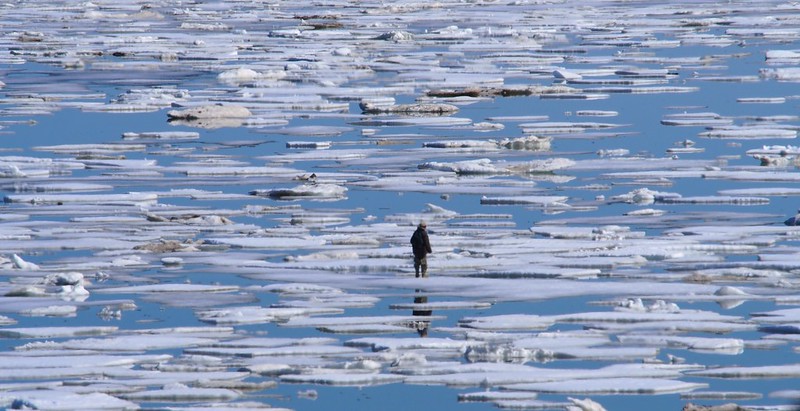
The Inuit are a group of Aboriginal peoples who have occupied the Arctic lowlands for the past 5,000 years. They have a robust history and culture but suffer from one of the highest levels of poverty in the world. In Northern Canada, Inuit live in four regions that comprise the Inuit Nunangat: Nunavut, the Northwest Territories, northern Quebec and northern Labrador. The Inuit Nunangat, where most of the 65,000 Canadian Inuit live, is a territory that includes the land, water and ice — all integral elements of Inuit culture. This region spans 53 communities and ultimately makes up 35% of Canada’s landmass. Given the significant presence of Inuit throughout the country, some are giving much attention to the poverty that this group has faced. Here are five contributions to Inuit poverty in Northern Canada.
5 Contributions to Inuit Poverty
- Colonization. Inuit poverty in Northern Canada stems from European colonization. In the 1700s, European whalers and fur traders entered the Arctic region to hunt and barter with the Inuit. While trade brought new technologies into Inuit communities, this era left the land depleted of seals, whales and fish. Later, missionaries and the Canadian government entered Inuit society as well. Following that, Inuit Tapiriit Kanatami wrote that: “many but certainly not all of the traditions, values, skills and knowledge that bound us together as Inuit gave way in response to the demands placed on us from the outside.” This culminated in pressure for Inuit societies to adopt Western culture and begin engaging in the world economy.
- Economy. The “Inuit Great Depression” occurred due to contentions over the commercial seal trade, a primary source of income for many Inuit communities. The International Fund for Animal Welfare (IFAW) successfully mobilized public opinion against Inuit seal hunting and in 1983 the European Economic Community placed a ban on the importation of fur and seal skins. Despite the written exemption for indigenous Inuit hunters, markets across the Arctic crashed and the Inuit economy suffered immensely. During this ban, the average income of an Inuit hunter fell from $54,000 CAD to $1,000 CAD. An estimated 18 out of 20 Inuit villages lost at least 60% of their income. Today, Inuit regions have some of the highest unemployment rates in Canada along with the highest suicide rates globally. The second ban by the E.U. in 2010 further exacerbated Inuit poverty. The need to work also takes time away from hunting, as well as limits Inuit access to traditional natural resources like food.
- Food. Due to geographic location, Inuit sustenance relies on hunting. The Inuit have less access to goods readily available throughout the rest of Canada since grocery stores struggle to supply food to remote Arctic regions. Depending on the season, planes cannot deliver fresh produce. Environmental changes diminish access and availability of traditional food, and store-bought alternatives are extremely expensive. A healthy diet for a four-person Inuit family costs an estimated $18,200-$23,400 per year, while the median yearly income is less than $17,000. The increased reliance on processed food leads to poor nutrition and health problems.
- Health. Health is another major challenge to Inuit people. According to UNICEF, “[Inuit] experience higher infant mortality rates, lower child immunization rates, poorer nutritional status and endemic rates of obesity, diabetes and other chronic diseases.” More than this, they “suffer higher rates of suicide, depression, substance abuse and fetal alcohol spectrum disorder and their representation in the welfare and justice systems is generally higher than in the non-Aboriginal population.” Housing exacerbates these health conditions.
- Shelter. Inuit communities suffer some of the worst living conditions in Canada. The close living quarters allow communicable diseases like viruses and pneumonia to spread quickly, making Inuit children less likely than non-Aboriginal children to receive medical treatment. In fact, 31% of Inuit live in crowded homes due to housing shortages throughout their communities. UNICEF reports that approximately 28% of Inuit live in homes needing major repairs. Deteriorating housing poses a great risk to Inuit health and safety.
To combat some of the economic burdens that the Inuit bear and to mend relations with indigenous peoples, the Government of Canada initiated an act in 2019 to provide Inuit with economic opportunity and lifelong prosperity. The Indigenous Skills and Employment Training (ISET) Program, in partnership with the Kakivak Association, offers community needs-based skills training and development programs. While Canada needs to do much work to right the wrongs toward Indigenous peoples, it is making progress to help end Inuit poverty in Northern Canada.
Photo: Flickr
