• Link to X
  • Link to Facebook
  • Link to Instagram
  • Link to TikTok
  • Link to Youtube
  • About
    • About Us
      • President
      • Board of Directors
      • Board of Advisors
      • Financials
      • Our Methodology
      • Success Tracker
      • Contact
  • Act Now
    • 30 Ways to Help
      • Email Congress
      • Call Congress
      • Volunteer
      • Courses & Certificates
      • Be a Donor
    • Internships
      • In-Office Internships
      • Remote Internships
    • Legislation
      • Politics 101
  • The Blog
  • The Podcast
  • Magazine
  • Donate
  • Click to open the search input field Click to open the search input field Search
  • Menu Menu

Archive for category: COVID-19

COVID-19, COVID-19, Global Poverty

Dr. Walensky and the Global COVID-19 Response

Global COVID-19 Response
President Joe Biden’s selection of Dr. Rochelle Walensky to run the Centers for Disease Control and Prevention (CDC) will be instrumental in strengthening the agency’s global COVID-19 response moving forward. By strengthening the agency in three key ways, Dr. Walensky will benefit the CDC’s pandemic response both at home and abroad.

3 Ways Dr. Rochelle Walensky Will Benefit COVID-19 Global Response

  1. Dr. Walensky’s previous work improving access to HIV testing brings hope that, under her leadership, the CDC will strengthen the global COVID-19 response by determining effective testing measures and increasing access to testing. Scientists continue to call for increased testing to effectively manage and control the spread of COVID-19 as the number of confirmed cases remains uncertain due to insufficient testing worldwide. Dr. Walensky has received international recognition for prior work on cost-effective HIV testing, care and prevention. Her previous research has emphasized the importance of providing treatment to those living with HIV while also highlighting the need for greater access to HIV testing in order to reduce the spread of the disease. Given Dr. Walensky’s knowledge and experience demonstrating the cost-effectiveness of increased access to HIV testing, expectations have determined that she will similarly advocate for more accurate COVID-19 testing as the head of the CDC.
  2. A study by Dr. Walensky and other researchers demonstrates the need for greater investments in overall vaccine distribution if countries hope to control the spread of the coronavirus through immunization. While Dr. Walensky’s expertise in HIV prevention will prove to be essential as COVID-19 vaccines become available, growing concerns exist regarding vaccine distribution in low-income countries. The wealthiest countries have purchased the two leading COVID-19 vaccines, threatening to delay access to vaccines in poorer nations. This situation could be devastating for developed and developing countries alike, as even countries that achieve herd immunity could be vulnerable to outbreaks if the world’s poorest countries do not bring the virus under control. While the researchers’ research centers on vaccine distribution within the United States, the concerns they present apply to vaccine distribution in developing countries, where proper investments in vaccination campaigns will be necessary to ensure equitable distribution of vaccines to all people. By placing these concerns at the forefront of vaccine distribution, the CDC under Dr. Walensky will benefit the agency’s ability to assist vaccination campaigns internationally.
  3. Dr. Walensky’s colleagues and mentors have praised her for her ability to bring cultural sensitivity to her work, a practice that will endure as she leads the CDC. Her previous work has equipped Dr. Walensky with the experience necessary to provide tailored knowledge and COVID-19 support to developing countries within the respective contexts. With limited COVID-19 funding, the CDC will benefit from Dr. Walensky’s guidance, as she recognizes the importance of addressing underlying factors that contribute to the spread of COVID-19, including poverty and the living conditions of the impoverished. Additionally, others know her for her effective communication within underserved and marginalized communities.  By improving adherence to CDC guidelines in communities that have historically experienced exclusion or mistreatment by Western medical professionals, Dr. Walensky will further benefit the CDC’s response.

Although the CDC has previously lacked in its ability to respond to the pandemic both domestically and internationally, Dr. Walensky’s leadership will benefit the global COVID-19 response by strengthening the agency’s focus on adequately combating the virus globally. Her prior experience and research insights will help shine a light on those at risk of being left behind.

– Emely Recinos
Photo: Flickr

January 3, 2021
https://borgenproject.org/wp-content/uploads/borgen-project-logo.svg 0 0 Kim Thelwell https://borgenproject.org/wp-content/uploads/borgen-project-logo.svg Kim Thelwell2021-01-03 12:44:212021-03-31 12:44:35Dr. Walensky and the Global COVID-19 Response
COVID-19, Developing Countries, Global Poverty, Homelessness, Humanitarian Aid

Hurricanes in Honduras: 7 Responses to Eta and Iota

Hurricanes in HondurasIn November 2020, Hurricane Eta and Hurricane Iota made landfall just two weeks apart in northeastern Nicaragua. The hurricanes spread across Central America. Honduras was one of the countries hit with severe destruction. In the wake of these storms, homelessness in Honduras reached all-time highs and an active humanitarian crisis unfolded as humanitarian organizations and policymakers struggled to contend with flooding, displacement and the spread of COVID-19. The aftermath of hurricanes in Honduras requires urgent humanitarian aid.

Poverty in Honduras

Nearly half of Honduras’ population lives in poverty. The poverty rate is higher in rural parts of the country than it is in urban centers. Whereas half of all Hondurans who live in the countryside subsist in varying states of poverty, less than half of all Hondurans who live in urban areas lead lives plagued by poverty,

The disparity between rich Hondurans and poor Hondurans is overwhelmingly large. A robust middle-class has yet to take shape in Honduras so Hondurans filter into one of two polarized class groups. A high rate of violence makes life treacherous for the poor.

Seasonal flooding has a detrimental effect on economic growth. Flooding from Hurricane Eta and Hurricane Iota combined with seasonal flooding make 2020 one of the worst years in Honduras’ history. Livestock and farmlands were swept away and Hondurans have had to search desperately for other means to feed themselves.

Homelessness and Hurricanes in Honduras

In 1998, three million Hondurans were made homeless by Hurricane Mitch and tens of thousands were forced to flee to the United States. The devastation that was unleashed by Hurricane Mitch is the closest analog to the combined effects of Eta and Iota. Reports on the rate of homelessness in Honduras after Eta and Iota remain incomplete, but it is undoubtedly high, similar in scope to the rate of homelessness in Honduras after Hurricane Mitch.

7 Responses to Hurricane Eta and Hurricane Iota

  1. Public Investment in Infrastructure and Social Programs. Honduran President Juan Orlando Hernandez plans to engage “four times the nation’s annual budget in infrastructure and social programs to help Hondurans recover from devastating storms.” His plan will put thousands of Hondurans to work rebuilding the nation’s infrastructure, so it works on two important levels. First, his plan creates jobs for Hondurans whose livelihoods were lost as a result of the hurricanes. Second, it will lead to necessary rebuilding projects.

  2. USAID Funding. By the beginning of December 2020, USAID had committed close to $50 million for humanitarian aid to meet the needs of Honduras’ relief efforts. Funding goes to securing “emergency food, shelter, urgent medical care, clean water, sanitation and hygiene.”

  3. USAID’s Honduras Emergency WASH and Shelter (HEWS) Program. In mid-December 2020, USAID announced that it will send packs of materials to “select families” through its HEWS program, which families can use to rebuild damaged or destroyed homes. Experts will also be sent to teach families how to use the material that has been sent and to work alongside families during the initial stages of the rebuilding process.

  4. Project HOPE Emergency Medical Teams. In remote villages, where poverty rates tend to be highest, villagers have scarce access to medical services. Project HOPE medical teams focus on these locations because unsanitary water supplies have been identified there. Also, cases of COVID-19 have been reported.

  5. Project HOPE WASH Program. Potable water is provided to 3,000 families through Project HOPE’s WASH program. Additionally, resources for sanitizing water, including chlorine and training materials, are provided to families so that water purification practices can be carried out indefinitely.

  6. AMDA Emergency Relief. Relief supplies, including food, coverings and hygienic supplies, were distributed to several dozen families through a partnership between AMDA and AMDA-Honduras. The rate of homelessness in Honduras is so high that many people have taken shelter in nursing homes. Hondurans who lost their homes as a result of Eta and Iota live side by side with Honduras’ elderly. Similar AMDA relief packs were distributed throughout such facilities.

  7. Distribution of KN95 and Surgical Masks. Concerns about the spread of COVID-19 have accompanied the disastrous effects of Hurricane Eta and Hurricane Iota. Project HOPE distributed hundreds of thousands of KN95 and surgical masks to activists, doctors and frontline workers throughout Honduras to help contain the spread of COVID-19.

Hope on the Horizon for Honduras

Hurricanes in Honduras coupled with COVID-19 created severe consequences for people living there. Long-term concerns include the effect that lack of adequate health services will have on mothers, pregnant women, newborns and young children. Many humanitarian organizations are prioritizing aid to remote parts of the country to mitigate the effects of isolation. The spread of disease is an additional concern. A comprehensive solution to the crisis at hand will involve combined efforts.

– Taylor Pangman
Photo: Flickr

January 1, 2021
https://borgenproject.org/wp-content/uploads/borgen-project-logo.svg 0 0 Lynsey Alexander https://borgenproject.org/wp-content/uploads/borgen-project-logo.svg Lynsey Alexander2021-01-01 01:30:352024-05-30 07:56:06Hurricanes in Honduras: 7 Responses to Eta and Iota
COVID-19, Global Poverty, Homelessness

Migrant Workers Face Homelessness in the United Arab Emirates

Homelessness in the United Arab EmiratesThe United Arab Emirates’s economy has taken a severe downturn due to the COVID-19 pandemic, leaving hundreds of workers homeless. Those most vulnerable include migrant workers from India, The Philippines and Sri Lanka who cannot afford to return to their home countries. Concerned individuals are helping migrant workers facing homelessness in the United Arab Emirates.
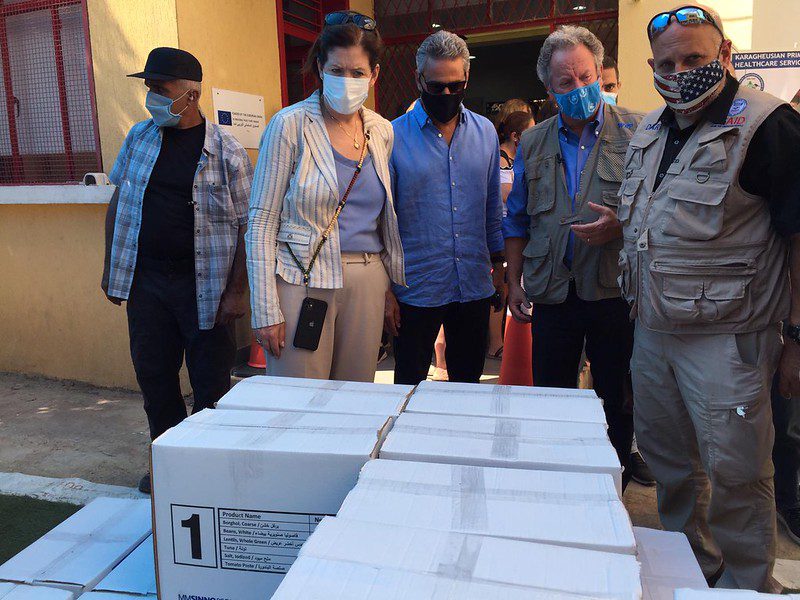
COVID-19, Job losses and Poverty

Heavily influenced by COVID-19 and lockdown rules, The United Arab Emirates’s economy reduced by 6.1% in 2020 alone, leading to significant job losses nationwide. Furthermore, unemployment hit 5%, an all-time high for the country. The true state of poverty in the UAE is unclear as there is little data on official poverty statistics, with many sources reporting a zero poverty rate, which many believe to be inaccurate considering the incidences of homelessness in the United Arab Emirates.

Homelessness Among Migrant Workers

Every year, people from nearby countries flock to Dubai for work using work or tourist visas, many of which expired during the COVID-19 lockdowns. Unable to afford housing outside of work accommodation, thousands of workers from India, Sri Lanka, The Philippines and other nearby countries have found themselves facing homelessness in the United Arab Emirates during the COVID-19 pandemic.

While the UAE government “offered an amnesty” for fines issued for overstaying visas, many migrant workers are still struggling without any options. Purchasing an airline ticket home remains out of budget for many and the UAE has been slow to repatriate as the capacity for quarantine centers is limited, causing many to remain homeless in the UAE. The parks below towering skyscrapers have become the temporary homes of migrant workers with nowhere to sleep.

In Satwa, a neighborhood in Dubai, only 25% of migrants still hold jobs and can afford to rent a room. Up to 750 workers who defaulted on their rent now sleep in public parks and parking lots. Furthermore, these newly homeless people are often turned away from restaurants, service shops and other public places due to COVID-19 restrictions.

While the UAE does not keep track of unemployed migrants, the Phillippine Consulate in Dubai estimates that 30,000 Filipinos are now facing unemployment, potentially facing homelessness in the United Arab Emirates at the same time. The Consul General of Sri Lanka reported that a third of all homeless Sri Lankans are yet to be repatriated, leaving 6,000 without shelter or hope of getting home.

Communities Help Migrant Workers

Where the government has been slow to address the issue of homelessness in the United Arab Emirates, some citizens are taking it upon themselves to help people return home despite complications. Due to the UAE’s “strict laws on fundraising,” flights can only be purchased by one donor.

One concerned and compassionate woman, Mahnaz Fakih, has found ways around these laws, searching for donors to sponsor flights. She, in total, has helped around 700 displaced people get home, “including a group of 13 pregnant women from Sri Lanka and Ghana.” Fakih herself has purchased 20 airline tickets and continues to coordinate flights.

While the UAE government has provided no recent updates regarding its plan to fully repatriate the displaced homeless population, the efforts by the local community are significant and inspiring.

– Caroline Bersch
Photo:pixabay

December 30, 2020
https://borgenproject.org/wp-content/uploads/borgen-project-logo.svg 0 0 Lynsey Alexander https://borgenproject.org/wp-content/uploads/borgen-project-logo.svg Lynsey Alexander2020-12-30 01:30:382021-09-14 07:32:50Migrant Workers Face Homelessness in the United Arab Emirates
COVID-19, Global Poverty, Hunger

World Food Programme Solutions for 2021

World Food Programme Solutions for 2021
A United Nations General Assembly meeting took place on December 4, 2020. Its primary focus concerned the trajectory of the COVID-19 pandemic as precautionary measures continued and vaccines emerged. With 2020 nearly over, the resounding political, social and economic effects of the pandemic began to materialize. But all did not disappear despite the grim outlook. A handful of humanitarian organizations are busy strategizing solutions for 2021.

Closing 2020

The last few months of 2020 showed the world that the pandemic is just the beginning. The disease itself constitutes merely one of a myriad of societal problems that a pandemic can bring. COVID-19 has had an unpredictable ripple effect. PPE loans in the United States, damaged food supply chains in Africa and the closings of borders all over the world demonstrate the pandemic’s extent.

Earlier in December 2020, before the General Assembly meeting, the UN estimated that the pandemic, the resulting economic impact and the concurrent precautionary and protective measures that governments were taking had already caused a 40% rise in the number of people in need of humanitarian assistance. What may be the most evident incoming challenge is global famine. David Beasley, chief of the World Food Programme (WFP), warned that famines “of biblical proportions” are imminent for dozens of countries.

2021 Predictions

David Beasley spoke at length at the General Assembly meeting. His prediction for a catastrophe in 2021 made headlines and effectively set the tone for the entirety of the 193-nation conference. The upcoming COVID-19 vaccines constituted a positive note, though greater concerns regarding distribution overshadowed them. Speakers at the meeting warned against a stampede for vaccines that could result in wealthier countries crushing others in the race to eradicate COVID-19. While the pandemic is global, the UN fears that the fight against it may become individualistic and needlessly competitive.

The head of the World Health Organization (WHO), Tedros Adhanom Ghebreyesus, echoed fears of the COVID-19 vaccine competition. He called for $4.3 billion USD to go into a global vaccine-sharing program, saying “solutions must be shared equitably as global public goods.”

Solutions for 2021

Despite the dire circumstances, Beasley and his organization have the leverage to play a crucial role in manifesting solutions for 2021. The World Food Programme works as more than just an international food bank: it enjoys the global spotlight after winning the 2020 Nobel Peace Prize for “bettering conditions for peace in conflict-affected areas and for acting as a driving force to prevent the use of hunger as a weapon of war and conflict.”

The achievements that landed the World Food Programme this coveted prize also provided some positivity at the December conference. The General Assembly served as the WFP’s proverbial megaphone to world leaders. Thanks to the publicity surrounding the meeting, the WFP could grab the world’s attention.

As COVID-19 continues to rise and economies across the world take a resounding hit, humanitarian budgets stretching thin. Low- and middle-income countries particularly suffer. Beasley predicts that the WFP needs $15 billion in 2021 to address the global famine conditions that the pandemic has caused. Beasley says that the inability to meet leaders or address parliaments in person may hinder fundraising efforts. It will be difficult to sensitize those in charge of financial allocations.

Nonetheless, the World Food Programme and similar organizations are working tirelessly to raise money and create frameworks for solutions to the pandemic and its concurrent issues. Events as routine as a UN General Assembly meeting have provided the podia necessary for titans of humanitarian aid to make their causes known. With any luck, their solutions for 2021 will keep millions afloat.

– Stirling MacDougall
Photo: Flickr

December 26, 2020
https://borgenproject.org/wp-content/uploads/borgen-project-logo.svg 0 0 Jennifer Philipp https://borgenproject.org/wp-content/uploads/borgen-project-logo.svg Jennifer Philipp2020-12-26 12:29:282021-04-23 12:29:45World Food Programme Solutions for 2021
COVID-19, Global Poverty, USAID

USAID is Aiding the Dominican Republic  

USAID is Aiding the Dominican Republic 
Since the COVID-19 pandemic, the Dominican Republic has suffered a tremendous amount of loss. The impact of the virus has caused medical centers to max out, full to their capacity with very little resources for patients. The strain of providing enough medical care, hospital and ICU beds has put the healthcare system in the Dominican Republic in an exhausting position, needing much aid and support to get back on its feet. With this country running out of resources to help patients battle the COVID-19 pandemic, the United States Agency for International Development (USAID) has stepped in with support, donating ventilators to medical centers. Here is some additional information about how USAID is aiding the Dominican Republic.

USAID and COVID-19

The Dominican Republic has had 131,131 confirmed cases of the COVID-19 pandemic and 2,269 confirmed deaths. COVID-19 has hit the Dominican Republic hardest in the West Indies, as it has been struggling to stay afloat with the large amounts of COVID-19 cases. USAID is aiding the Dominican Republic by donating 50 ventilators and two hospital beds in response to the fight against the COVID-19 pandemic and to give relief to disaster operations. With both of those donations in combination, USAID has supported the Dominican Republic with around $1.85 million in resources thus far. With this amount of resources going toward healthcare systems in the Dominican Republic, the Dominican Republic’s government is now able to extend medical resources and expand medical care within its healthcare facilities.

USAID’s History with the Dominican Republic

USAID is aiding the Dominican Republic government faithfully and has been supporting it for over 50 years, financially and assisting it with poverty reduction. It is continuously providing humanitarian assistance to many developing countries around the globe, creating partnerships with governments, multilateral organizations and private sectors, along with other organizations. USAID not only assists with the disasters of the COVID-19 pandemic but has also been aiding the Dominican Republic in providing basic needs to the community such as sanitation, access to clean water and shelter for the most vulnerable.

Within the last decade, USAID has helped the Dominican Republic, improving the quality of life for those living along the poverty lines. It has invested around $80 million within the last decade to provide clean water access, health services and proper sanitation, reaching the most vulnerable communities. With the COVID-19 outbreak, providing sanitation and access to clean water has been more essential than ever, a top priority for USAID. It has been working right alongside local communities and private sectors, establishing plans and solutions within the country.

Responses to Developing Countries During the COVID-19 Pandemic

The United States continues to support countries globally, funding several humanitarian services. USAID has helped in strengthening clinical care, building clinical capacity, improving disease surveillance and more.

Along with USAID providing services and aid to the Dominican Republic, the World Bank Group, an institution that provides loans and grants to governments of low-income countries in support, has rolled out around $14 billion to support systems to strengthen the response efforts to COVID-19 in developing countries. With these institutions continuing to provide rapid financing and support, the Dominican Republic can implement more effective and rapid response efforts to the COVID-19 pandemic.

USAID has and continues to meet critical needs in the social protection arena, providing psychological support and water and sanitation assistance, along with food and security. The donation of the ventilators is only a small way that USAID is supporting developing countries in response to the fight against COVID-19.

– Kendra Anderson
Photo: Flickr

December 22, 2020
https://borgenproject.org/wp-content/uploads/borgen-project-logo.svg 0 0 Lynsey Alexander https://borgenproject.org/wp-content/uploads/borgen-project-logo.svg Lynsey Alexander2020-12-22 11:35:312024-05-30 07:56:08USAID is Aiding the Dominican Republic  
COVID-19, Global Poverty

Reducing Period Poverty in Malaysia

Period Poverty in Malaysia
Period poverty in Malaysia has caused a wide health gap for its lower-income families, but recent action by local organizations and legislation has sought to bring change.

Period poverty describes the inaccessibility of menstruation products and washing facilities to those who menstruate, often resulting in missing school days and job opportunities. More than 500 million women and girls face period poverty across the globe each month. While there are no exact statistics on how many people experience period poverty in Malaysia, organizations such as the NGO MyCorps Alumni and All Women’s Action Society have stepped up to tackle the problem and help those in need.

Accessibility to Supplies

For those who cannot afford the cost of menstruation products every month, many turn to using alternate methods that can pose harm. Malaysia’s National Population and Development Board reported that lower-income women may use coconut husks or newspapers for their periods. Local organizations have stepped up to tackle period poverty in Malaysia in order to supply sanitary products to all who need them.

The Malaysian NGO MyCorps Alumni created the Bunga Pads initiative in July 2019, creating a program to provide sanitary pads to lower-income female students. Fitriyati Bakri, the creator of the initiative, received inspiration from a trip to Bangladesh where she spoke with a few school girls and learned of their struggles attending school while they had their periods. Bakri created a program for Bangladeshi women by teaching them how to make reusable pads and brought it back to Malaysia when she realized how prominent the issue was in lower-income communities. The pads comprise environmentally friendly bamboo material and can last a person 3-5 years of use.

Movement Restrictions

Malaysia’s Movement Control Order to help contain the COVID-19 outbreak has increased the difficulty of women and girls attaining the products that they need. Restrictions consist of limited travel and only leaving for essential items, of which sanitary pads are not included.

The All Women’s Action Society (AWAM) of Malaysia set out to provide much-needed sanitary products to women who were unable to obtain them due to restricted movement. AWAM emerged as a women’s rights organization, educating and providing resources for women’s health, domestic violence and sexual harassment.

Kotex Malaysia donated more than 500 pads to AWAM for its 35-year anniversary dinner. Though the dinner was canceled due to COVID-19, AWAM was able to distribute the pads in the Dun Kampung Tunku. These pads will allow increased mobility to those unable to acquire them as essential items.

Legislation

An additional obstacle to period justice in Malaysia is the taxation on menstruation products. The added cost makes it more difficult for lower-income women to buy them.

The Malaysian government removed the tax on menstrual products such as tampons and sanitary napkins on June 1, 2018. The tax on period products in Malaysia came into effect in 2015 but met with some online backlash from girls and women across the country insisting the tax would reduce accessibility to low-income households.

Malaysia joins multiple countries that have recently repealed their taxes on menstruation products, including Australia, along with India and Canada. Scotland recently became the first country in the world to provide free period products for the country. The Period Products (Free Provision) (Scotland) Bill passed on Nov. 24, 2020, ensuring that schools, universities and local authorities must provide period products to those who need them.

Although Malaysia has not passed a similar bill, lawmakers in the country are calling on their government to provide research into period poverty within the nation. Hannah Yeoh, Deputy of the Women, Family and Community Ministry, called on the Education Ministry to research how period poverty affects women and girls’ education and health in November 2019.

While Malaysia still has some ways to go regarding period poverty, it has made strides towards period justice at both the local and legislative levels.

– June Noyes
Photo: Flickr

December 18, 2020
https://borgenproject.org/wp-content/uploads/borgen-project-logo.svg 0 0 Jennifer Philipp https://borgenproject.org/wp-content/uploads/borgen-project-logo.svg Jennifer Philipp2020-12-18 09:33:002024-06-07 05:08:11Reducing Period Poverty in Malaysia
COVID-19, Education, Global Poverty

Kandari is Providing Aid During COVID-19

Kandari is Providing Aid
The government of Bangladesh confirmed its first COVID-19 cases on March 8, 2020. As cases rapidly increased, so did the number of families living below the poverty line. Two months later, a second disaster struck — Cyclone Amphan. The United Nations projected that 500,000 families lost their homes. Moreover, it destroyed the structure of the Deluti Secondary School in Bangladesh, the only school within a 50-mile radius. Kandari, a local nonprofit, plans on rebuilding it with the help of volunteers and donations. Additionally, Kandari is providing aid pertaining to feeding families and providing quality education during the present challenges of COVID-19 and the destruction from Cyclone Amphan.

About Kandari

Afsara Alvee, a 27-year-old from Khulna, was living in the United States when her mother called and told her that she and Afsara’s younger brother received positive tests for COVID-19. In an interview with The Borgen Project, Afsara said that they were able to recover from home, but she knew there were many other families in Bangladesh suffering the same fate under worse conditions. In response, she founded Kandari, a nonprofit that provides resources to low-income and middle-class families that COVID-19 affected in Bangladesh.

“When their paycheck stops coming, that’s the time it hits,” Afsara said. “Because of their social status, it’s hard for them to ask for help. They never thought of going to a food bank because of the shame. But we can provide them food for at least a week or so.”

Kandari is providing aid by feeding families. Afsara oversees 17 volunteers who have been delivering food, including rice, lentils, chickpeas, oil and onions, to about 1,400 families since the start of the pandemic. Her goal is to reach 4,000 families but obtaining funding has been a challenge. When crowdfunding runs out, she spends her own money to keep Kandari’s efforts going.

The total number of confirmed COVID-19 cases in Bangladesh reached 495,841 and 7,156 deaths on December 16, 2020, according to Johns Hopkins University. Although many countries were not prepared for a global pandemic, Bangladesh must also recover from Cyclone Amphan.

Providing Quality Education

Another way Kandari is providing aid, next to ensuring food security, is by working toward granting quality education. One in four people is illiterate in Bangladesh according to the Bangladesh Bureau of Statistics. Afsara said that children who must help their families with labor or have disabilities have rarely had access to education even before COVID-19 and Cyclone Amphan forced schools to close. Her proposed education program would help provide textbooks and lunches to children in orphanages or ones whose parents are day laborers.

Cyclone Amphan hit the Deluti Secondary School particularly hard. No other schools exist in a 50-mile radius and about 202 students attended the school before the pandemic. Kandari plans on rebuilding the school and has raised $865 of its $7,000 goal on GoFundMe.

“Our slogan is there is no tomorrow because there is no tomorrow. If you see that someone needs help, if you think something bad is going to happen, then you should do something today to prevent that,” Afsara said.

Plans for the Future

Kandari means “helmsman,” someone who would guide and work selflessly to reach a destination. Afsara hopes to extend her mission to other parts of the world as well.

“We don’t want to just help today, we want to help with something that’s going to impact that person who may impact the economy and definitely impact our whole society,” Afsara said.

Afsara’s latest project, A Touch of Warmth, will give hundreds of people on the streets of Bangladesh in Dhaka, Dinajpur, Rangpur, Jessore and Bandarban blankets to cope with the winter months. She said she is always looking for more volunteers and donations to contribute to Kandari’s ongoing efforts.

– Maya Gacina
Photo: Afsara Alvee, founder of Kandari

December 17, 2020
https://borgenproject.org/wp-content/uploads/borgen-project-logo.svg 0 0 Jennifer Philipp https://borgenproject.org/wp-content/uploads/borgen-project-logo.svg Jennifer Philipp2020-12-17 15:33:422020-12-18 11:18:33Kandari is Providing Aid During COVID-19
Children, COVID-19, Global Poverty, Health

Rise in Teen Pregnancy During Kenya’s Lockdown

rise of teen pregnancy during kenya's lockdownIn Kenya, amid COVID-19-induced lockdowns, the nation is noting a significant rise in teen pregnancies. Over a three-month period of the lockdown, there was a 40% rise in the number of teen pregnancies in Kenya, with 152,000 pregnancies reported. There are a number of reasons why this figure has increased since Kenya went into lockdown, each of which contributes to the rise in teen pregnancy.

One significant cause of the rise in teen pregnancy in Kenya is the lack of access to sexual and reproductive health services during the pandemic. As the country focuses its health care system and medical resources on fighting the coronavirus and caring for the sick, reproductive health services can fall by the wayside. Additionally, historical evidence on epidemics shows that lockdowns and restrictions on movement make it difficult for girls to access the limited medical services that are available.

Impact of COVID-19 Lockdown

Even before the pandemic, Kenya was already struggling with reduced funding for reproductive and sexual health services and sex education in schools. The cultural taboo around talking about sexual health at home leaves Kenyan teenagers reliant on their schools for this knowledge, yet they do not receive the necessary education for pregnancy prevention because the sex education curriculum mainly focuses on HIV prevention and abstinence.

However, Kenyan students do not have access to even this limited sexual health education during lockdowns. Thus, unplanned pregnancy increases drastically as nearly 4,000 school girls have become pregnant during the Kenyan COVID-19 lockdown.

Teen pregnancy in Kenya during the lockdown also disproportionately affects girls who are living in poverty. The lockdown is stressful and even dangerous for those who struggled financially even before work and schools shut down. When they attended school, students living in poverty received free meals and hygiene products. However, students no longer have access to these resources because Kenyan schools are anticipated to remain closed until 2021.

Due to these school closures, the added burden of parents taking care of children who are now confined to their homes worsens the hardships of poverty. Additionally, many parents whose families live in poverty have lost their jobs during the pandemic. Since they no longer earn any income, parents are struggling to afford essential goods. In an effort to assist the family, teen girls may turn to older men for access to food, money and other resources they do not have access to during the pandemic, and in some cases, teens are impregnated by those men.

Lifelong Consequences

Teen girls who become pregnant during the lockdown face a lifetime of difficult consequences. Pregnancy and childbirth-related complications are the number one cause of death globally for 15 to 19-year-old girls, and in Kenya, adolescent girls made up 45% of severe abortion complication cases.

This is especially dangerous given that pregnant mothers already face the threat of coronavirus and a medical system struggling to handle the pandemic. Girls living in poverty or in areas without easy access to medical facilities risk not receiving maternal and newborn health services, putting the health of both mother and baby at risk.

The consequences of teen pregnancy in Kenya continue after childbirth and often affect the trajectory of a young mother’s future. About 98% of pregnant teenagers are not in school and most never return after giving birth. After being forced to drop out of school, teenagers struggle to secure higher-paying jobs, and thus, remain in impoverishment. This perpetuates the cycle of poverty immensely. In addition, taking care of a child requires money, time and resources that are hard to come by for impoverished teenagers. This further contributes to the poverty these girls live in because they often must raise their children without adequate funds, therefore, forcing the family deeper into poverty.

Reform Efforts

Although these statistics may seem dire, organizations in Kenya are working to reduce the rate of teen pregnancy and ensure mothers and babies get proper health care support. The Kenya Association for Maternal and Neonatal Health (KAMANEH) works to promote reproductive health education and provide affordable, accessible health services. These essential services make pregnancy and childbirth much safer for Kenyan women and girls living in poverty.

KAMANEH has partnered with the Medical Link Integrated Health Program, a Kenyan NGO. The partners work to develop reproductive health programs in hospitals and maternity centers in impoverished areas of Nairobi. The organization also runs women’s groups that host training once or twice a year on maternal and reproductive health.

The groups then produce songs and performances about proper health behaviors to educate their communities. KAMANEH works to establish 21 health care facilities throughout impoverished counties in Kenya with high maternal mortality rates. To help improve maternal health care quality, KAMANEH plans to equip these clinics with trained midwives and medical supplies.

COVID-19 lockdowns contribute to the rise in teen pregnancy rates. The structure of the Kenyan health and education systems has worsened the situation substantially. But, with the proper reproductive education and health services, there is still hope for Kenyan teenagers to overcome this issue.

– Allie Beutel
Photo: Flickr

December 12, 2020
https://borgenproject.org/wp-content/uploads/borgen-project-logo.svg 0 0 Kim Thelwell https://borgenproject.org/wp-content/uploads/borgen-project-logo.svg Kim Thelwell2020-12-12 01:30:272024-05-30 07:55:55Rise in Teen Pregnancy During Kenya’s Lockdown
Children, COVID-19, Education, Global Poverty, Inequality

Teaching Children in Sub-Saharan Africa Via TV Amid COVID-19

Teaching Children In Sub-Saharan AfricaAs a result of the coronavirus pandemic, schools around the world have been forced to find innovative and sometimes unusual alternatives to traditional forms of teaching. Several countries in sub-Saharan Africa, such as Tanzania and Kenya, have decided to close schools until January 2021. As a result, the nations’ education departments are collaborating to create educational television programs as a solution for teaching children in sub-Saharan Africa during COVID-19.
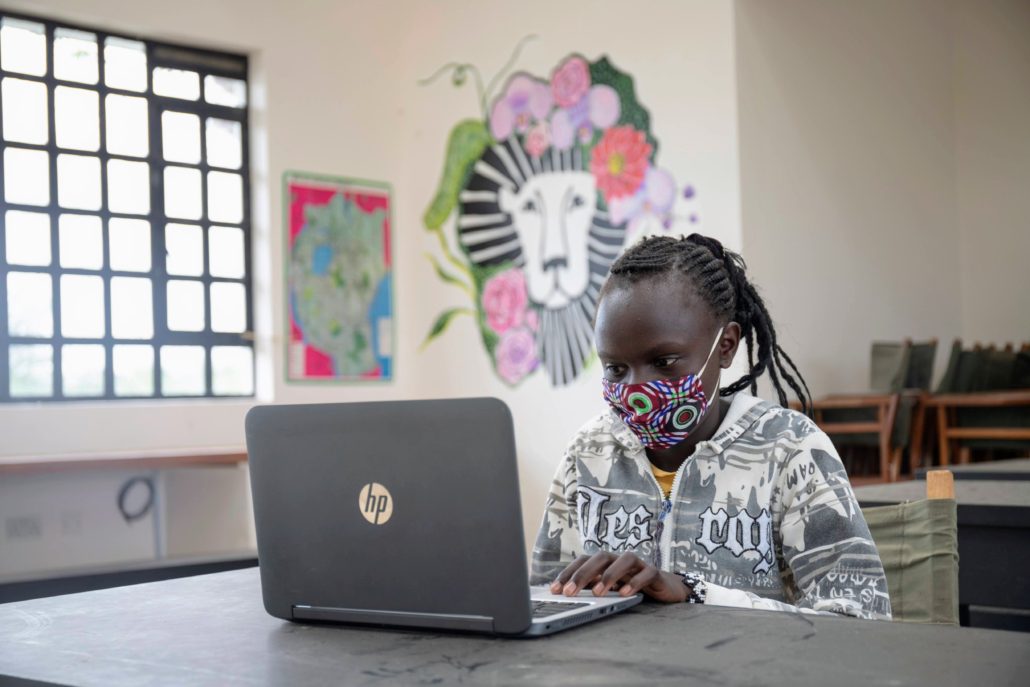
Teaching Children in Sub-Saharan Africa During COVID-19

Bringing access to education to every child is a task that many African nations are working on, but have not yet achieved. Recent statistics from the United Nations Educational, Scientific and Cultural Organization (UNESCO) show that one-third of the children in sub-Saharan Africa are not in school. This issue is also a gendered one, with UNESCO reporting that only 8% of girls finish secondary school.

The COVID-19 pandemic has made it all the more difficult for children in this region to access educational resources. UNESCO monitoring shows that COVID-19 has affected 1.2 billion children’s education around the world. In addition, many organizations believe that developing nations will continue to struggle to fund education in the upcoming years due to the urgent redirecting of funds in response to coronavirus.

Governments in sub-Saharan Africa are not left with many choices but to shut down schools to best protect the health of civilians. Online schooling is not an option for many children in this region. UNICEF reports that at least one in two children in sub-Saharan Africa do not have access to the internet, with many more lacking stable and uninterrupted connections. In turn, governments have turned to television programs during COVID-19 as a creative alternative that may be more accessible than online programs.

Ubongo

Ubongo, which means ‘brain’ in Swahili, is one of Africa’s most popular producers of children’s entertainment. Founded in 2013, its programs now reach more than 17 million homes across Africa. The organization produces free, entertaining educational content on television, radio and mobile phones to ensure the most access possible.

Ubongo has programs for different age groups, ranging from ages 3 to 14. One challenge that Ubongo faces is the difference in language across the continent. However, CEO and co-founder Nisha Ligon explains that the organization is actively working to adapt its content to the needs of children across Africa as its capacity grows.

For many children who are unable to attend school due to government regulations, Ubongo is the only way to continue learning. One Tanzanian mother told Reuters that Ubongo has helped her child “differentiate a lot of shapes and colors, both in English and Swahili.”

According to Ubongo’s head of communications, Iman Lipumba, the COVID-19 pandemic has given the organization the opportunity and responsibility to expand its operations. Between March and August 2020, Ubongo expanded from nine countries to 20.

Teaching children in sub-Saharan Africa via educational television programs during COVID-19 has given many children the opportunity to broaden their knowledge, but TV programs are certainly not a permanent nor comparable replacement to in-class learning. However, in the near future, during which COVID-19 will surely continue to affect access to education, Ubongo plans to develop more content about health and the prevention of COVID-19.

– Leina Gabra
Photo: Flickr

December 10, 2020
https://borgenproject.org/wp-content/uploads/borgen-project-logo.svg 0 0 Kim Thelwell https://borgenproject.org/wp-content/uploads/borgen-project-logo.svg Kim Thelwell2020-12-10 07:57:452024-05-30 07:55:37Teaching Children in Sub-Saharan Africa Via TV Amid COVID-19
COVID-19, Education, Global Poverty

A Kenyan Center’s Aim to Create Sustainable Change

Create Sustainable Change
A new resource center in Jua Kali, Kenya is using the community to maximize its impact and create sustainable change. It is working with government and school officials to provide free, life-enrichment services not previously available to locals.

Although Kenya boasts one of the fastest-growing economies in Sub-Saharan Africa, 36.1% of Kenyans live below the national poverty line, according to the latest report by the Kenya National Bureau of Statistics. The Leo Project targets Kenyans aiming to empower marginalized communities.

But how does one accurately identify what a community needs to empower itself and create sustainable change? The team at The Leo Project has come up with a simple solution: just ask. By working with community leaders, schools and locals, The Leo Project has created a model of community-driven, positive social change centered on the idea that Kenyans know best what Kenyans need to create sustainable change.

The Leo Project

Jessica Danforth, executive director of The Leo Project, founded the organization in honor of her best friend Caitlin O’Hara who died of cystic fibrosis in 2016. The mission of the project is to move beyond the limits of a traditional classroom. Moreover, it intends to provide supportive services and create opportunities not traditionally available to vulnerable populations in Nanyuki, Kenya.

Schooling in Kenya is highly focused on students passing two standardized examinations that determine whether they can progress to the next level of education. As such, formal classroom settings tend to only offer subjects or activities pertaining to standardized exams. To address this issue, The Leo Project partnered with two local primary schools to teach students computer skills, digital literacy, coding, music and art. It also worked to provide them with tutoring, a library, counseling and mindfulness services.

“I think part of the reason that we opened the project is to open kids’ eyes to different opportunities that there are available for them,” Danforth said in an interview with The Borgen Project.

Danforth explained that children in Kenya often want to become lawyers, doctors or accountants because they do not have exposure to the alternatives. Part of the mission of The Leo Project is to give them exposure to opportunities in fields such as graphic design, art, coding or therapy.

Creating Sustainable Change Through Community Participation

Since the resource center’s opening in January 2020, The Leo Project’s mission and services have evolved based on conversations with community leaders and members, resting on the idea that Kenyans know what Kenyans need. The Leo Project uses these conversations to both confirm that Kenyans need the services it plans to offer and to discover new areas to dive into.

During pre-opening meetings, heads of schools expressed the need for literacy classes, because parents would come to them unable to read their child’s report card, Danforth said. The Leo Project’s numeracy and literacy classes emerged from this conversation.

Mental Health Services

According to government statistics, around 11.5 million Kenyans have suffered from a mental illness at least once in their lives, but cultural stigmas surrounding mental health prevent people from seeking help and create a lack of qualified professionals who can provide treatment. In Kenya, there are only 88 psychiatrists and 427 psychiatrist nurses trained in the mental health field. As a result, when Danforth and the team approached community leaders and heads of schools about the mental health services they planned to offer, leaders jumped at the idea.

Engaging the Community

“Spending time with the community and actually getting them very involved and hiring people from the local community and not trying to impart our beliefs or our views as an American, I think, is really important,” Danforth said.

Additionally, Danforth explained that the fact that The Leo Project is not a school or government entity has allowed it the freedom to pilot programs, react to real-time feedback and adapt as necessary without the hindrance of bureaucratic red tape.

“We’re hoping that The Leo Project becomes a place where the community can sort of unite as a whole,” Danforth said, “and we’re hoping to educate as many people as possible.” To reach more people, Danforth hopes to replicate this model across Kenya with the first step being to conduct more fieldwork and data analysis in other communities to better understand their needs, noting that every community is different.

The Leo Project currently partners with the Africa Yoga Project, Daraja Academy, Flying Kites and Education for All Children is looking to expand its partner base. The creation of sustainable change in a community is a large-scale project. The more people and partners working on a project, the broader the knowledge-base that shapes that change and the more effective it becomes. As a result, the goal is to partner with as many organizations as possible and, by doing so, make The Leo Project more sustainable in the long run, Danforth said.

The COVID-19 Shift

The Leo Project is located just outside Nanyuki, Kenya and was serving around 4,000 beneficiaries until the coronavirus pandemic hit. Despite having closed its doors in March 2020, The Leo Project has transitioned to providing relief services to its community and those farther away.

Other educational organizations in Kenya have made a similar shift in activities in response to the pandemic. Danforth and The Leo Project team have been in contact with partner organizations to discuss both strategies for aid and best practices in this new environment, applying the project’s pre-pandemic model of communication to ensure a positive impact and basing pandemic-time services on community need.

Danforth explained to The Borgen Project that people had issues getting incorrect information about COVID-19 in Kenya from social media platforms. In an effort to combat this, The Leo Project created an online learning platform where Kenyans can access factual information about the virus. Through this platform, the center has also continued its adult literacy and numeracy, financial literacy and computer classes.

How The Leo Project Inspires Other NGOs

The organization has had a number of other NGOs reach out about using the model for their own projects post-COVID-19, Danforth said. With the help of chiefs, community leaders, government officials and locals, The Leo Project has been distributing two-month supplies of food to the most vulnerable families in the surrounding communities. As of Aug. 18, 2020, The Leo Project reached over 1,000 families and plans to continue this until January 2021 when Kenya has scheduled the reopening of schools.

When the pandemic hit, The Leo Project also hired local women to make masks for distribution and built hand-washing stations throughout Jua Kali and in surrounding communities.

The organization’s model of community participation to create sustainable change has driven its efforts during the pandemic, as it has worked with local leaders, community members and partner organizations to aid Kenyans through the crisis.

– Olivia du Bois
Photo: Jessica Danforth of The Leo Project

December 7, 2020
https://borgenproject.org/wp-content/uploads/borgen-project-logo.svg 0 0 Jennifer Philipp https://borgenproject.org/wp-content/uploads/borgen-project-logo.svg Jennifer Philipp2020-12-07 01:31:362020-12-11 05:59:10A Kenyan Center’s Aim to Create Sustainable Change
Page 18 of 25«‹1617181920›»

Get Smarter

  • Global Poverty 101
  • Global Poverty… The Good News
  • Global Poverty & U.S. Jobs
  • Global Poverty and National Security
  • Innovative Solutions to Poverty
  • Global Poverty & Aid FAQ’s
Search Search

Take Action

  • Call Congress
  • Email Congress
  • Donate
  • 30 Ways to Help
  • Volunteer Ops
  • Internships
  • Courses & Certificates
  • The Podcast
Borgen Project

“The Borgen Project is an incredible nonprofit organization that is addressing poverty and hunger and working towards ending them.”

-The Huffington Post

Inside The Borgen Project

  • Contact
  • About
  • Financials
  • President
  • Board of Directors
  • Board of Advisors

International Links

  • UK Email Parliament
  • UK Donate
  • Canada Email Parliament

Get Smarter

  • Global Poverty 101
  • Global Poverty… The Good News
  • Global Poverty & U.S. Jobs
  • Global Poverty and National Security
  • Innovative Solutions to Poverty
  • Global Poverty & Aid FAQ’s

Ways to Help

  • Call Congress
  • Email Congress
  • Donate
  • 30 Ways to Help
  • Volunteer Ops
  • Internships
  • Courses & Certificates
  • The Podcast
Scroll to top Scroll to top Scroll to top
