• Link to X
  • Link to Facebook
  • Link to Instagram
  • Link to TikTok
  • Link to Youtube
  • About
    • About Us
      • President
      • Board of Directors
      • Board of Advisors
      • Financials
      • Our Methodology
      • Success Tracker
      • Contact
  • Act Now
    • 30 Ways to Help
      • Email Congress
      • Call Congress
      • Volunteer
      • Courses & Certificates
      • Be a Donor
    • Internships
      • In-Office Internships
      • Remote Internships
    • Legislation
      • Politics 101
  • The Blog
  • The Podcast
  • Magazine
  • Donate
  • Click to open the search input field Click to open the search input field Search
  • Menu Menu

Archive for category: Child Poverty

Child Poverty, Global Poverty

Child Poverty in Libya: Causes, Effects and Solutions

Child Poverty in LibyaAs of 2023, approximately one-third of the Libyan population is living below the poverty line, indicating a significant issue of child poverty within the country. Consequently, Libya has an assigned score of 6.97/10 on the Realization of Children’s Rights Index (RCRI). This rating categorizes the situation of children’s rights in Libya as “difficult.”

Causes

The issue of conflict has played a significant role in exacerbating child poverty in Libya. For instance, the Libyan Revolt of 2011 had a detrimental impact on health care standards, depriving parents and children of essential medical care. As a result, they experienced a reduced ability to work, and this pushed families further into poverty. The uprising also resulted in the loss or injury of many parents, further hindering their capacity to fulfill their work responsibilities effectively. The revolt caused the deaths of at least 1,142 civilians and injured over 1,000, leaving behind orphaned children and intensifying child poverty in Libya.

Another contributing factor to child poverty was the disruption of education during the war. Despite the availability of free schooling, more than 61,000 students were unable to complete their academic term in 2011. Moreover, the destruction of 15 school buildings by bombings exacerbated the educational deficit.

Effects

The most damaging effect of child poverty is on the health and well-being of affected children. According to a U.N. report, only 14% of children aged between 6 and 23 months receive the minimum diet as of 2019. The same report reveals that 321,200 children are in need of primary and secondary health services in Libya.

The widespread malnutrition of Libyan children is incredibly damaging to the child’s growth, well-being and development. According to United Nations International Children’s Emergency Fund (UNICEF), the negative effects of malnutrition in the first 1000 days of a child’s life include reduced brain development, a weakened immune system and visual impairment.

Another impact of living in a post-conflict and impoverished society comes from the desire to obtain funds regardless of the method. In Libya, many children living in poverty collect and sell weapons and ammunition left over from wartime to earn money for their families. Other kids pick up weapons or shrapnel out of sheer curiosity, relishing in new, shiny, foreign objects. Naturally, this is very dangerous. Unfortunately, some children have injured themselves or unfortunately lost their lives as a result.

Solutions

Concrete measures exist to alleviate child poverty rates in Libya. Since 2018, the World Food Programme (WFP) has been actively addressing malnutrition in Libya. Through monthly provisions of food and support, the WFP assists around 90,000 vulnerable individuals. Additionally, it offers financial contributions to bolster the country’s social programs. Collaborating with the U.N. and the Government of Libya, the WFP strives to implement effective solutions to reduce child poverty rates in the post-conflict era.

There has been notable progress in reducing infant mortality rates, but further advancements require attention to youth development.

Education stands as the key to breaking the cycle of child poverty in Libya. Education not only alleviates poverty at an individual level but also at a societal level. According to the World Bank, education enhances employment opportunities, fostering economic growth and innovation.

By ensuring improved access to education, this long-term solution aims to break the cycle of child poverty in Libya. In enhancing job prospects for children facing poverty, education plays a crucial role in their empowerment.

The Multi-Year Resilience Programme

There is ongoing progress with respect to addressing the challenging goal of tackling child poverty in Libya. One notable organization working towards this is ‘Education Cannot Wait‘, founded in 2016 by international humanitarian aid and development actors. Its mission is to create a safe learning environment for children affected by crisis. Education Cannot Wait has launched initiatives in crisis-affected countries, including Afghanistan, Brazil, Iraq and Libya.

The Multi-Year Resilience Programme (MYRP), initiated in 2022 with an investment of $11.1 million, is part of these efforts. The MYRP focuses on improving education access by implementing various strategies. The poorest children receive cash transfers, and this helps to alleviate financial constraints on education. Investments go into training teachers to ensure the delivery of high-quality and inclusive education.

As of June 2023, the MYRP has yielded positive results in Libya. There are currently 723 teachers, and 28,000 children have benefited from additional support in schools, including improved sanitation and access to clean water. Furthermore, 2,975 children have received crucial free meals provided by the schools.

While these efforts show promise, the problem of child poverty in Libya requires further attention. There is a need for more commitment and vigilance from all involved parties working to drive change.

– Tom Eccles
Photo: Unsplash
July 14, 2023
https://borgenproject.org/wp-content/uploads/borgen-project-logo.svg 0 0 Jennifer Philipp https://borgenproject.org/wp-content/uploads/borgen-project-logo.svg Jennifer Philipp2023-07-14 07:30:442023-07-11 04:03:12Child Poverty in Libya: Causes, Effects and Solutions
Child Poverty, Global Poverty

The Impact of Peruvian Coca Farming 

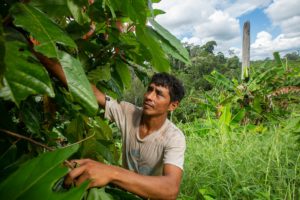
Peruvian Coca FarmingPeruvian anti-drug police seized 58 kilograms of cocaine, destined for Belgium, at the port of Paita, Peru in May 2023. The cocaine packages had the Nazi flag and the blocks had the imprint of the name “Hitler.” In March 2023, Peruvian authorities discovered 2.3 tonnes of cocaine that were to undergo transport to Turkey.

Cocaine from Peru goes to South American countries for domestic consumption or to further destinations such as Asia, Europe and the United States (U.S.) that have a high demand for the drug. Peru is the second largest producer of cocaine and cultivator of the coca leaf, the primary ingredient in cocaine, in the world, according to The Guardian. In 2021, Peru produced 785 metric tons of cocaine and cultivated 84,400 hectares.

Peruvian coca farming majorly contributes to increased deforestation rates of the Peruvian Amazon, the prevalence of child labor and poverty in rural areas. Several U.S. government programs are continuously collaborating with the Peruvian government to implement strategies to eradicate illicit coca, create alternative development projects, ban illegal narcotics and minimize domestic drug abuse.

Deforestation and Indigenous Communities

Illegal coca production has spread across the Peruvian Amazon during the pandemic due to minimal state presence. The center of the illegal drug trade in Peru is the Valley of the Apurímac, Ene and Mantaro Rivers (VRAEM). The VRAEM and several other parts of the forest are being “felled and burned” to make space for coca fields, contributing to deforestation. Not only is the number of illicit coca farms expanding, but the proliferation of laboratories converting coca leaves into cocaine and the construction of clandestine airstrips for drug trafficking are posing significant environmental threats. As a result, these activities contribute to the degradation of the natural habitat and ecosystems in the Amazon region. In addition, deforestation of the Amazon exacerbates climate change by releasing an increased amount of carbon dioxide into the atmosphere, leading to a rise in the temperature of the Earth’s surface.

Peruvian coca farming is negatively impacting the hundreds of indigenous communities who live in the Amazon. The expansion of coca farming leads to the encroachment of ancestral indigenous lands which can result in the displacement of entire communities. The expansion of coca production also places community members at heightened vulnerability, increasing the risk of being forcibly recruited into the production process and becoming addicted to cocaine. Indigenous leaders and environmental activists have become targets of violence for openly opposing drug trafficking. Almost 20 local leaders have been killed since the start of the COVID-19 pandemic, according to Insight Crime.

How Coca Farming Targets Children

Many families who cultivate coca in Peru use child labor because children are too young for prosecution for illicit activity. In areas where coca production rises, there is a corresponding increase in the use of labor in those areas. According to Maria Sviatschi, when children are part of illegal labor markets, they acquire industry-specific skills at an early age. This often puts the children on “a criminal life path” in the cocaine industry. When these children grow up, they are 30% more likely to face imprisonment for violent and drug-related crimes. They are also 30% more likely to have lower earnings, consequently increasing poverty rates in Peru.

Illicit Coca Eradication and Poverty Reduction Efforts

During the pandemic, the national poverty rate increased to 30.1%. The U.S. The Department of State’s Bureau of International Narcotics and Law Enforcement Affairs (INL) is collaborating with the Peruvian government and anti-drug police to eradicate illicit coca activities. The United Nations Office on Drugs and Crim (UNODC) has worked with the Peruvian government and farmers for decades to provide alternative development opportunities to decrease poverty rates and boost economic growth through legal avenues. The project targets “endemic coca-producing” areas where there are high poverty rates.

Looking Ahead

Collaborative efforts between the Peruvian government, the U.S. and international organizations are making strides toward eradicating illicit coca activities and reducing poverty. Programs focused on alternative development and poverty reduction are providing opportunities for communities previously involved in Peruvian coca farming to pursue legal avenues of economic growth. By addressing the root causes of illicit coca production, these initiatives aim to contribute to the preservation of the environment and the well-being of indigenous communities in the Peruvian Amazon.

– Surya Patil
Photo: Flickr

June 29, 2023
https://borgenproject.org/wp-content/uploads/borgen-project-logo.svg 0 0 Jennifer Philipp https://borgenproject.org/wp-content/uploads/borgen-project-logo.svg Jennifer Philipp2023-06-29 01:30:202024-05-30 22:31:11The Impact of Peruvian Coca Farming 
Child Poverty

Addressing Child and Youth Poverty in the EU

Child and Youth Poverty in the EUResearch suggests that child and youth poverty in the EU is of significant concern. In light of this fact, several organizations are taking action to address the issue.

Youth Poverty in the EU

Eurostat research shows that young Europeans face a higher risk of experiencing poverty than the population as a whole. Whereas in 2021, about 20% of people aged 15-29 faced a risk of falling into poverty, and this risk stood at 17% for the EU population overall. Since 2010, the at-risk poverty rate for the age group 15-29 has remained higher than that of the general population, but the difference between these rates has decreased since hitting a peak in 2016.

In particular, Denmark notes the greatest discrepancy, with 25.6% of youth at risk of poverty in 2021 compared to 12.3% of the total population. On the opposite spectrum, Latvia, Malta, Estonia and Croatia reported significantly smaller gaps and the Czech Republic had the lowest percentage of children and youth at risk of poverty in the EU.

Eurostat data reveals that in 2021, Romania (23.1%), Bulgaria (18.7%) and Greece (14.2%) had the highest percentages of severely materially and socially deprived youth aged 15-29. For the general EU population, this rate stood at about 6%.

Eurostat also clarified that 11 of the 26 European Union members with data had a rate of less than 3%. These countries include Luxembourg, Poland, Sweden, Cyprus, Czechia, Netherlands, Croatia, Slovenia, Finland, Austria and Estonia.

Youth platform YPulse says inflation, higher costs of energy, slow income growths and global supply chain problems have impacted “living standards and spending habits of young Europeans,” making food insecurity, poverty and homelessness a more significant issue. Young Europeans have to resort to meeting only some of their basic needs instead of all due to these issues.

Child Poverty in the EU

The aid organization Save the Children reported in March 2023 that more than 200,000 children in the EU faced the risk of falling into poverty. This brings the total number of European children at risk of poverty to almost 20 million, or every fourth child, largely due to higher costs of living and the impacts of the COVID-19 pandemic. In 2021,  about 2 million children residing in Germany endured poverty. Romania and Spain noted the worst statistics on children at risk of poverty or social exclusion at 33.4% and 41.5% respectively. Poverty and social exclusion rates among children appeared less intense in Finland and Denmark at 13.3% and 14% respectively.

Save the Children notes that the conflict in Ukraine has caused food prices to sore, making it more difficult for families to secure their food needs. The organization reports that “children with migrant backgrounds, refugees, asylum-seekers, undocumented and unaccompanied children are among the hardest hit. ” Additionally, “children living in single-parent families, large-disadvantaged families, children with disabilities [and] children belonging to ethnic minorities were also at risk.”

Tackling Child and Youth Poverty in the EU

The European Commission and UNICEF started a three-year commitment called the European Child Guarantee Phase III program in seven countries across the continent to resolve child poverty and social exclusion. The program came to a close in April 2023.

UNICEF’s website highlights the program’s impacts. “In Bulgaria, Croatia, Greece and Italy, the pilot [program] helped reach more than 30,000 children and young adults and 16,000 caregivers dealing with vulnerable groups, such as children with disabilities, children living in precarious family situations, children residing in institutions and refugee and migrant children.”

The program participants received assistance in the form of “early childhood education and care; inclusive education and school-based activities and nutrition; health care and family support [as well as] care and protection services,” UNICEF highlights.

Through the commitment of organizations and governments, there is hope that child and youth poverty can reduce, and Europe’s future young people can experience a life that is poverty-free.

– Klaudia Laura Sebestyen
Photo: Unsplash

June 19, 2023
https://borgenproject.org/wp-content/uploads/borgen-project-logo.svg 0 0 Kim Thelwell https://borgenproject.org/wp-content/uploads/borgen-project-logo.svg Kim Thelwell2023-06-19 07:30:422023-06-15 14:44:38Addressing Child and Youth Poverty in the EU
Child Labor, Child Poverty, Global Poverty

Combating Child Poverty in Bangladesh

Child Poverty in Bangladesh
According to the Center for Policy Dialogue in Bangladesh, in 2020, 46% of children in Bangladesh endured multidimensional poverty — the experience of several deprivations at once.  The government and organizations are taking action to address the pressing issue of child poverty in Bangladesh.

5 Facts About Child Poverty in Bangladesh

  1. Low Educational Attainment Rates. According to UNICEF, Bangladesh notes a primary school net enrolment rate of 97.42% but a primary school completion rate of 85.85%. The primary school drop-out rate is 14.15%. The secondary net enrolment rate is lower than primary, at 70.25%. The secondary school completion rate is also concerning, standing at just 64.24%. The secondary drop-out rate is 35.66%. This data comes from the Annual Primary School Census (APSC) 2021 and the Bangladesh Bureau of Educational Information and Statistics (BANBEIS). Poverty plays a significant role in these low completion and high dropout rates.
  2. Child Labor. A study that UNICEF conducted in 2019 revealed that every one out of 10 boys between the ages of 12 to 14 in Bangladesh hold full-time jobs. While the income that these children earn varies, most boys younger than 14 earn an income of less than $40 per month. Due to the impacts of the COVID-19 pandemic pushing more families into poverty, more households have resorted to pulling their children out of school and pushing them into child labor to contribute to household income.
  3. Malnutrition. Stunting, which poor nutrition causes and detrimentally impacts the psychological and mental development of children, affects 36% of children under the age of 5 in Bangladesh, according to the World Food Programme (WFP). Moreover, this percentage rises to 50% among those who are living in extreme poverty and slums. About 5.5 million children under 5 suffer from chronic malnourishment.
  4. Gender Inequality. In Bangladesh, families tend to prioritize investing in the education of boys over girls. This is due to societal gender roles that dictate that females should bear the burden of household chores and caretaking. Impoverished families are also more likely to push their young daughters into child marriage to reduce the financial burden on the family.
  5. Insufficient Social Protection. UNICEF reports that about 30% of children in Bangladesh “live and sleep in public or open spaces (streets, stations, terminals, fields and parks) without the most basic amenities.” Additionally, about 82% of these children face abuse and harassment from pedestrians. According to Bangladesh’s Survey on Street Children 2022, children living on the street are vulnerable to illnesses. Additionally, a quarter of the street children surveyed report experiencing unjust treatment and abuse from law enforcement agencies. Despite these harsh conditions, 70% of street children in Bangladesh aspire to live a better life and many wish to attend school.

Taking Action to Reduce Child Poverty in Bangladesh

In 2013, the Bangladesh government collaborated with the World Bank to launch a program called Reaching Out of School Children (ROSCII). This initiative opened new opportunities for impoverished students to complete their primary education and pursue secondary education. Since 2017, the program provided quality primary education to 735,000 impoverished children from underserved rural areas and slums, with girls accounting for 50% of this number.

UNICEF reports that 90% of children in Bangladesh experience “physical punishment or psychological aggression” from caregivers or educators. To uphold the rights of children who experience violence, neglect and exploitation, UNICEF is striving to establish a child-friendly justice system in Bangladesh.

In 2015, the Government of Bangladesh launched the Income Support Program for the Poorest (ISPP), commonly known as the Jawtno program. “The program supported 600,000 poor pregnant women and mothers with children under five years, in locations with high child malnutrition and poverty rates. It provided cash payments to incentivize the parents’ use of services aimed at improving their children’s nutrition, cognitive development and readiness for school,” the World Bank highlights. The program recorded positive results. For instance, mothers used the cash payments to invest in their children’s development and engaged with their children more to strengthen the mother-child bond and prepare them for school.

The World Bank and UNICEF have supported the Bangladeshi government’s efforts to reduce child poverty in Bangladesh. With this support, the country’s government is working to ensure that all children live a higher quality of life.

– Gurjot Kaur
Photo: Flickr

May 29, 2023
https://borgenproject.org/wp-content/uploads/borgen-project-logo.svg 0 0 Kim Thelwell https://borgenproject.org/wp-content/uploads/borgen-project-logo.svg Kim Thelwell2023-05-29 01:21:192024-05-30 22:31:10Combating Child Poverty in Bangladesh
Child Poverty

Child Poverty in Papua New Guinea: Health care and Education

Child Poverty in Papua New GuineaChildren in Papua New Guinea (PNG) represent kinship, community and unity. Yet, many of them suffer neglect. Child poverty in Papua New Guinea has left 41% of the country’s children living in difficult conditions. There is an increasing level of concern for the lack of education and health care in the country.

Education

Only 35% of students complete primary school due to factors such as poor teacher training, low enrollment levels as well as the long and dangerous journeys many children have to embark on to get to school. A 2010 report found that the PNG government was failing to educate around 2 million elementary and primary school-aged children. This also carries into adulthood, with an estimated half of the population unable to read or write.

Unfortunately, young girls are more often the ones who miss out on education as they are more at risk on journeys to school and the education system is less accommodating to them. This explains why their primary school attendance is 7% less than boys. Although there are many implications to this, one significant impact is that girls are more vulnerable to physical and sexual abuse and become dependent on marriage. This has resulted in an estimated 27% of the female population going into marriage by their 18th birthday.

Improving Education

The crisis of education in PNG has reached the global community. Australia, in particular, has committed to helping raise education levels in PNG. Prime Ministers Kevin Rudd and Michael Somare are dedicated to raising PNG’s basic education attendance to 70%. Efforts have involved subsidies and investments to remove school fees, the building of more schoolhouses and the provision of better teacher training.

Health Care

The lack of access to basic health care impacts child poverty in PNG. Infant mortality rates and childhood malnutrition have been the highest in that region of Asia. Statistics have revealed that nearly half of children between 6 to 59 months suffer from stunting and 16% of children under the age of 5 are too thin for their height.

Another good indication of health care levels among children is immunization rates, which is again lacking in PNG with the past decades’ immunization rates stagnating at 60%. In fact, COVID-19 was a huge hit to the general vaccination rates in the country. Many new mothers were skeptical about the new pandemic vaccine and this led to new concerns for other standard immunizations. The third dose of the vital DTP (diphtheria, tetanus and pertussis) injection, for example, plummeted in dosage from 64% to 31% between 2009 and 2022.

Improving Health Care

PNG’s neighboring country, Australia, has played an important role in supporting the health care systems. Also, with the help of World Vision International, Australia is helping to address child health care issues in PNG through a variety of routes. One solution the country has implemented is to increase education on nutrition and encourage more healthy eating driven by locally available ingredients. Through investments in health care, around 28,628 people in PNG have been provided with access to essential medical treatments.

Looking Ahead

Despite the challenges that children in PNG face, efforts are underway to improve their education and health care conditions. Initiatives supported by Australia and organizations like World Vision International are helping to raise education levels, remove barriers to school attendance and provide better teacher training. Additionally, investments in health care are addressing child health issues, increasing access to essential medical treatments and promoting nutrition education. These endeavors offer hope for the alleviation of child poverty in Papua New Guinea.

 
– Daisy How
Photo: Flickr
May 19, 2023
https://borgenproject.org/wp-content/uploads/borgen-project-logo.svg 0 0 Kim Thelwell https://borgenproject.org/wp-content/uploads/borgen-project-logo.svg Kim Thelwell2023-05-19 01:06:282023-05-30 18:01:05Child Poverty in Papua New Guinea: Health care and Education
Child Poverty

Reducing Child Poverty in Lesotho

Child Poverty in LesothoLesotho, a country in Southern Africa, has 57% of families living below the poverty line. Child poverty in Lesotho is an issue that affects children in various ways, with some dropping out of school and others suffering from malnutrition.

According to the United Nations International Children’s Emergency Fund (UNICEF), more than 2 in 5 children in Lesotho are poor, as classified by the Multiple Overlapping Deprivation Analysis (MODA) tools. The tool evaluates each child’s poverty level based on their life experience rather than household income.

Evaluating Child Poverty in Lesotho

MODA uses eight criteria, which include housing, water, nutrition, healthcare, sanitation, education, access to information and protection from violence, for children aged 0-17 years. According to the MODA results, more than 45% of children in Lesotho are multi-dimensionally poor, and many of them are infants between 0-23 months.

In terms of health care, complications from pregnancy are the primary cause of sickness and death among children. Despite education being free, one in five children in rural areas of Lesotho is not attending school. The reasons for this typically involve children becoming heads of families due to HIV/AIDS, early child marriage and child labor. According to a UNICEF report, child poverty is higher in rural areas of Lesotho, with a rate of 72.6%, compared to urban areas, which is 61.2%.

Another area of concern is malnutrition among children. The high rate of malnutrition in Lesotho results in stunting in nearly 35% of children. Those most affected tend to be children whose mothers have little or no education. This occurs as a result of poor feeding practices, lack of care and poor environmental conditions.

Initiatives to Help Reduce Child Poverty in Lesotho

  1. Global Partnership for Education (GPE): Although the percentage of child poverty in Lesotho remains high, the country experienced growth in its GDP and a decline in the poverty rate, which went from more than 56% in 2002 to just under 50% in 2017. The World Bank and the government of Lesotho agreed to work together to meet the educational needs of children in the country, especially those who have dropped out of school and live in rural areas. To that end, the GPE released a grant of $7.1 million to help improve the quality of education and facilitate child care and development.
  2. International Development Association Fund: The World Bank also released a $22 million credit from the International Development Association Fund to improve the quality of nutrition and strengthen the health system from the COVID-19 pandemic. This project will help with the implementation of the National Food and Nutrition Strategy in Lesotho which involves strengthening nutrition service deliveries in the communities with respect to women, children and adolescents who are stunted.
  3. The Child Grant Program (CGP): This initiative, developed by UNICEF in collaboration with the European Union, reduces the effect of poverty in poor households by ensuring that those registered with the National Information System for Social Assistance have access to cash. The program has had a significant impact in reducing poverty among children and households, especially in female-headed homes. UNICEF and the Ministry of Social Development launched the use of digital payment for child grant programs in Lesotho to make the payment process more seamless. Out of 48,000 homes enrolled in the program, 7,000 households can now use their mobile phones for payment transactions. This has made the process of updating the National Information System for Social Assistance easier for citizens.

Looking Ahead

Despite the widespread poverty among children in Lesotho, the government, UNICEF and the World Bank continue working to address the issue. The government and these organizations have implemented programs and initiatives to improve access to education, health care and basic needs. These efforts seek to provide children in Lesotho with a brighter future free from the constraints of poverty.

– Chidinma Nwoha
Photo: Flickr

May 9, 2023
https://borgenproject.org/wp-content/uploads/borgen-project-logo.svg 0 0 Naida Jahic https://borgenproject.org/wp-content/uploads/borgen-project-logo.svg Naida Jahic2023-05-09 07:30:072023-05-08 17:22:41Reducing Child Poverty in Lesotho
Child Poverty, Global Poverty

Child Poverty in Jordan

Child Poverty in Jordan
According to UNICEF Jordan, one in five out of Jordan’s 3.16 million children endure multidimensional poverty. Children living in poverty suffer from a lack of health care options, inaccessible education, shortages of clean drinking water and nutritious food and lack of knowledge on proper hygiene practices. With the help of nonprofit organizations, child poverty in Jordan can reduce.

Children Face the Harshest Impacts of Poverty

In Jordan, refugee and stateless children suffer the greatest from extreme poverty. This is because, in Jordan, a child only receives citizenship based on the status of their father’s citizenship. This leaves children of single mothers or of multi-nationality households without rights. Public education and government-funded programs are not accessible to these children. A lack of access to education also keeps children rooted in cycles of poverty.

With 63% of Jordan’s population aged 30 years and younger, the impacts of poverty have hit Jordan’s younger population the hardest. In developing countries such as Jordan, with a national poverty rate of 15.7% in 2019, poverty also impacts the quality of health care services provided by medical centers as these centers typically lack essential resources and skilled professionals. Without adequate health care and nutrition, child mortality rates rise.

According to the World Bank, Jordan’s under-5 child mortality rate stood at 15 per 1,000 births in 2020. For reference, the global under-5 child mortality rate stood at about 37 deaths per every 1,000 births in the same year. Jordan’s child mortality rate has reduced significantly from 27 deaths in 2000, likely due to increased health care provisions.

Save the Children Takes Action

Save the Children has worked in Jordan since 1974, aiding more than 1.5 million children and families annually. Save the Children says every one out of 63 children in Jordan does not live to celebrate their fifth birthday, which is nine times higher than the rate in the United States. The organization provides resources to support the protection, health and education of vulnerable children in Jordan, regardless of their citizenship status.

For instance, from 2012 to 2022, Save the Children ran Early Childhood Care and Development Centers in the governates and refugee camps Azraq, Zaatari and Irbid. “These centers accommodate children aged 3 to 5 years, including children with disabilities, and work on preparing them for basic education by providing them with psychological, social and emotional support. The children also receive classes in writing, reading and mathematics, the organization’s website says. The organization also works on providing training for parents and caregivers to enhance their ability to contribute to the development of their children and improve children’s academic performance.

Looking Ahead in the Fight Against Child Poverty in Jordan

While child poverty in Jordan is prevalent, Save the Children is making a significant difference to improve health and education among children in Jordan. Through its continued work, as well as international aid, vulnerable children in Jordan should continue to receive the help they need.

– Leah Smith
Photo: Flickr

March 17, 2023
https://borgenproject.org/wp-content/uploads/borgen-project-logo.svg 0 0 Kim Thelwell https://borgenproject.org/wp-content/uploads/borgen-project-logo.svg Kim Thelwell2023-03-17 01:30:372023-03-15 12:03:23Child Poverty in Jordan
Child Poverty, Global Poverty

What to Know about Child Poverty in Bangladesh

Child Poverty in Bangladesh
Bangladesh is a South Asian country with a history of economic troubles and high poverty rates. The World Bank ranked Bangladesh the 61st weakest economy in the world in 2021, with a GDP per capita of just $6,493. As one of the more impoverished countries in the world, and with children aged 0 to 14 accounting for around 26% of the country’s total population of 169.4 million in 2021, it is unsurprising that child poverty remains an area of focus for Bangladesh.

Education in Bangladesh

Education is one of the most pivotal factors affecting poverty and living conditions in any country, and there are multiple reasons for this. Implementing efficient and successful education systems can create a path to political participation. Another benefit of sufficient education is that it is possible to improve the overall health of a nation by teaching about good health practices and topics such as nutrition.

Improving the education system would not only reduce child poverty in Bangladesh but would also help prevent poverty from continuing into adulthood by increasing job opportunities. Increased jobs, driven by education, can stimulate the incomes of poor families and boost national economic growth by breaking the cycle of extreme poverty and underdevelopment.

Bangladesh has seen development in the rates of child education over recent years, with nine out of 10 children in school at the age of six, according to an education fact sheet from 2020. However, there are still some issues with education rates, particularly among children living in poverty. For example:

  • About 52% of children who lack foundational reading skills are within the bottom two wealth quintiles, demonstrating the undisputable link between poverty and education rates.
  • Completion of primary education stood at 83% but completion of higher secondary education declined to 29%.
  • Only 12% of children in the lowest wealth quintile complete higher secondary education compared to 50% from the wealthiest quintile.

Children’s Health

World Bank data records in 2020 place the infant mortality rate in Bangladesh at 24 per 1,000 births, a relatively high figure when compared to a rate of four per 1,000 births for the U.K. (a considerably more wealthy country) in the same year.

Children in Bangladesh are vulnerable to illness and disease with pneumonia standing as one of the most deadly conditions for infants. Pneumonia accounts for 19% of deaths in children under 5 annually, a 2021 research article by Ahmed Ehsanur Rahman and others says.

Malnutrition is another indicator of child poverty in Bangladesh and massively affects overall health by increasing the risk of disease, stunting growth and raising the risk of infant mortality. One way to measure malnutrition among children is stunting, which refers to children who fail to reach their expected height for their age due to various factors of poor health. According to the Global Nutrition Report, stunting impacted 28% of children under 5 in Bangladesh in 2019.

Access to Water and Sanitation

In 2020, only 58% of Bangladesh’s total population had access to a sufficient handwashing facility with soap and clean water. The COVID-19 pandemic, which began in early 2020, made poor sanitation provisions much more concerning. The World Bank reports that, in 2020, only 59% of the population had access to “safely managed clean drinking water services.”

The provision of sanitation also impacts education. Across Bangladesh, in 2018, just 50% of primary schools provided gender-segregated toilets for girls to use, which has contributed to 25% of girls skipping school during their menstrual cycles.

In 2018, E. coli bacteria appeared in about 80% of water samples from “private piped water taps,” which is comparable to the rate of contamination in pond water. Poor water quality is particularly dangerous for children as they can easily contract diseases. This emphasizes the importance of ensuring high-quality water provision. WaterAid reports that 3.79 million people in Bangladesh lack access to clean water, 75.4 million people lack access to proper toilet facilities and more than 1,000 children under 5 face diarrhea-related deaths annually as a consequence of unclean water and poor sanitation in the country.

Taking Action

The World Bank launched a Multipurpose Disaster Shelter Project (MDSP) in 2022, which will run until June 2023, focused on providing safe havens for more than 14 million people in coastal regions of Bangladesh that are susceptible to cyclones and floods. The project involved the construction of 552 new shelters in Bangladesh, which will function as primary schools during normal weather conditions. The project also constructed more than 550 kilometers of evacuation roads and renovated 450 already established shelters.

The BRAC, a non-governmental organization based in Bangladesh, initiated its BRAC Education Programme (BEP) more than 30 years ago. The program works to build and operate schools, establish libraries and educational programs and implement a variety of other structural reforms to the education system in Bangladesh. In 2019, the BEP provided education to 3.17 million students in 35,957 schools set up as part of the program. The BRAC partners with charities from across the world to implement its programs in Bangladesh and beyond.

The World Bank approved $200 million in September 2020 for a project to improve access to safe water and sanitation in rural areas of Bangladesh through piped water schemes. The aims of the project look to improve overall access to water, sanitation and hygiene in Bangladesh.

In Dhaka, a Bangladesh city where only 20% of the population has access to a safe sewage system, Water & Sanitation for the Urban Poor (WSUP) launched SWEEP, a service that provides residents with safe and sanitary disposal of human waste. The program reduces the spread of disease among the urban poor by abiding by proper health and hygiene measures during the waste removal process.

Through the efforts of several organizations working to combat poverty-related conditions and hold children at the forefront of initiatives, the nation has made strides regarding child poverty in Bangladesh. With continued progress, children in Bangladesh can live an improved quality of life with full access to basic necessities.

– Sophie Sadera
Photo: Flickr

March 17, 2023
https://borgenproject.org/wp-content/uploads/borgen-project-logo.svg 0 0 Kim Thelwell https://borgenproject.org/wp-content/uploads/borgen-project-logo.svg Kim Thelwell2023-03-17 01:30:302024-05-30 22:30:50What to Know about Child Poverty in Bangladesh
Child Poverty, Global Poverty

Child Poverty in Ghana

Child Poverty in Ghana
In Ghana, both the incidence and intensity of child poverty have steadily decreased in recent years. From 2008 to 2014, for example, multidimensional child poverty in Ghana dropped by 11.6% in urban areas and 11.4% in rural areas while severity reduced by 0.1% and 3.0% in urban and rural areas respectively. Despite these successes, however, it is still a significant problem that deserves much attention. Many Ghanaian children still face health complications, lack of education and child labor, which the U.N. and non-governmental organizations (NGOs) alike must address head-on.

General Data

According to 2014 data, multidimensional child poverty in Ghana stood at about 34.7% in urban areas and 75.9% in rural areas. Also of great concern is the severity of child poverty, which stood at about 43.7% and 52.3% in urban and rural areas respectively. A January 2020 UNICEF study also found that 73.4% of children in Ghana suffer from multidimensional poverty, experiencing at least three dimensions of deprivation. These dimensions include nutrition, health, learning and development, child protection, water, sanitation, housing and information.

The multidimensional poverty rate is greatest among children under the age of 5 at around eight in 10, whereas the rate for children aged 5-17 is about seven in 10. Many Ghanaian children are disadvantaged financially as well — 28.2% of Ghanaian children are considered monetarily poor based on their family’s income. Again, the statistics are generally worse in rural than in urban areas.

Health

Multidimensional poverty in Ghana leads to poor health in children. According to UNICEF, “One child in every five in Ghana experiences stunted growth during the first thousand days of life caused by inadequate nourishment, frequent illness and an unhealthy environment,” affecting their development physically, socially and cognitively. Additionally, a lack of knowledge, skills and monetary resources to prepare nutritious meals for children means children’s diets typically lack diversity. Many children also go unvaccinated, leaving them susceptible to diseases.

Education

The deprivations that come with child poverty in Ghana also impact children’s education, as “[c]lasses are overcrowded, water and sanitation facilities are inadequate and trained teachers and school books are in short supply,” according to UNICEF. Children with disabilities are especially impacted as one in every five disabled children from the ages of 6-24 has never received an education due to discrimination. Many of these issues have worsened with the onset of the COVID-19 pandemic, which forced many schools to shut down, further depriving millions of children of proper education.

Child Labor

Child labor is another factor affecting children in Ghana. Estimates indicate that about 21% of children in Ghana aged 5-17 are involved in child labor, with 14% of those children laboring in hazardous working conditions. About 79.2% of working children in Ghana work in agriculture, primarily in cocoa production, where many face health risks such as musculoskeletal disorders, head injuries and fractures, among others.

While child labor in Ghana has long been a point of concern, the COVID-19 pandemic certainly exacerbated it as school shutdowns and widespread unemployment forced many more children into the workforce. According to interviews of several Ghanaian children by Human Rights Watch, many of these children faced exposure to dangerous substances and chemicals, including mercury. A number of children did not even receive payment for their services.

The Bright Side: Progress and Aid

Amid persistent child poverty in Ghana, several NGOs are stepping up to provide much-needed aid. World Vision International, for example, has worked with communities within the country to reduce poverty and injustices.

According to its annual National Impact Report from 2021, the organization has provided aid through a number of means, including providing more than 20,000 school supplies, such as books, pencils and backpacks to 7,180 children. The organization has also built water systems to provide clean drinking and bathing water for more than 38,000 children.

WVI also helped provide various health and training programs to educate Ghanaian parents on nutrition and “appropriate feeding practices” and taught more than 49,000 community members strategies for the prevention and treatment of diseases such as malaria and diarrhea.

Onechild Ghana came about in 2002 and seeks to provide educational opportunities for thousands of children by providing resources from fundamental infrastructure (classrooms and dorms with running water, toilets and electricity) to funds for vocational schools so that students can learn subjects such as electricals, masonry, math, English and health. Onechild Ghana currently supports more than 1,000 children across 14 different vocational schools in Ghana.

Such support from NGOs, along with coordinated plans by international government bodies such as UNICEF and others, can make significant improvements in the lives of Ghanaian children and reverse the course of child poverty in Ghana.

– Adam Cvik
Photo: Wikipedia Commons

February 27, 2023
https://borgenproject.org/wp-content/uploads/borgen-project-logo.svg 0 0 Kim Thelwell https://borgenproject.org/wp-content/uploads/borgen-project-logo.svg Kim Thelwell2023-02-27 01:30:452023-03-22 02:03:54Child Poverty in Ghana
Child Poverty, Children, Global Poverty, Technology

How Digital Technologies Can Help End Child Poverty

Digital Technologies
Impoverished children have long been the target of anti-poverty efforts. In addition to being one of the groups most vulnerable to the effects of penury, ensuring children have opportunities to grow economically and socially is vital in the long-term fight against global poverty, considering they will form coming generations. This aspect has become more important than ever; due to factors such as the COVID-19 pandemic, child poverty has seen a substantial increase in many parts of the world, and the fight against child poverty as a whole has experienced complications. Thankfully, focusing on digital technologies can yield multiple solutions to many of the issues bound up in child poverty.

Understanding Child Poverty

Today, 1 billion children are in multidimensional poverty (with about 356 million of those children being in extreme poverty), which means they lack access to various necessities ranging from clean water and food to a proper education. In recent years this number has unfortunately increased, with the COVID-19 pandemic pushing another 100 million children into poverty.

The effects of child poverty can be devastating, both short and long-term. About 3.1 million children die each year (or 8,500 children a day) from a lack of proper nutrition. For many other children, not having adequate nutrition or clean food can lead to several issues such as stunted growth. In the long term, if these impoverished children are unable to get a proper education, that will stymie opportunities for them to climb the economic and social ladders and raise themselves out of poverty. For these issues and many more, child poverty is a vital facet to focus on when fighting against world impoverishment.

Technological Solutions

Thankfully, digital technology has emerged as one avenue to fight child poverty. For example, one huge way digital technologies are improving the lives of impoverished children is by providing greater access to education. As technologies like computers and cellular connectivity continue to gain a greater foothold in the world’s poorest regions, they provide opportunities for children to have complete, safe and efficacious access to sources of education. Studies that the United Nations and agencies like UNICEF have backed this up by showing that using digital technologies to educate poor children can not only help them get into the educational system but help them catch up on time they lost in the classroom during events such as the COVID-19 pandemic.

Digital technology can also help fight child poverty in ways many may have never considered. For example, the introduction of new technologies into poor regions can help improve their Civil Registration and Vital Statistics (CRVS) systems, programs that various national governments use to record data such as birth date, place and other vital information about individuals. These systems do not have records of many of the world’s poorest children, which means these children cannot access things that their governments provide such as social, health and education services. Streamlining digital technologies that allow for poor children to be registered in these systems, will ensure they have the full support and protection of rights from the government necessary to thrive and survive.

Looking Forward

Child poverty remains a top issue in the fight against global poverty. Thankfully, several of the issues rooted in this fight are possible to combat through the promotion of the innovative use of digital technology in the world’s poorest regions. As more research continues into how digital technologies can help end child poverty, progress will continue.

– Elijah Beglyakov
Photo: Flickr

February 9, 2023
https://borgenproject.org/wp-content/uploads/borgen-project-logo.svg 0 0 Jennifer Philipp https://borgenproject.org/wp-content/uploads/borgen-project-logo.svg Jennifer Philipp2023-02-09 01:30:482023-02-08 05:39:32How Digital Technologies Can Help End Child Poverty
Page 12 of 17«‹1011121314›»

Get Smarter

  • Global Poverty 101
  • Global Poverty… The Good News
  • Global Poverty & U.S. Jobs
  • Global Poverty and National Security
  • Innovative Solutions to Poverty
  • Global Poverty & Aid FAQ’s
Search Search

Take Action

  • Call Congress
  • Email Congress
  • Donate
  • 30 Ways to Help
  • Volunteer Ops
  • Internships
  • Courses & Certificates
  • The Podcast
Borgen Project

“The Borgen Project is an incredible nonprofit organization that is addressing poverty and hunger and working towards ending them.”

-The Huffington Post

Inside The Borgen Project

  • Contact
  • About
  • Financials
  • President
  • Board of Directors
  • Board of Advisors

International Links

  • UK Email Parliament
  • UK Donate
  • Canada Email Parliament

Get Smarter

  • Global Poverty 101
  • Global Poverty… The Good News
  • Global Poverty & U.S. Jobs
  • Global Poverty and National Security
  • Innovative Solutions to Poverty
  • Global Poverty & Aid FAQ’s

Ways to Help

  • Call Congress
  • Email Congress
  • Donate
  • 30 Ways to Help
  • Volunteer Ops
  • Internships
  • Courses & Certificates
  • The Podcast
Scroll to top Scroll to top Scroll to top
