Reducing Child Poverty in Lesotho
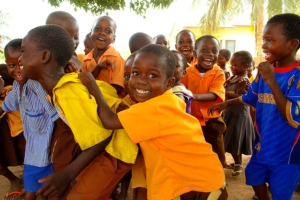 Lesotho, a country in Southern Africa, has 57% of families living below the poverty line. Child poverty in Lesotho is an issue that affects children in various ways, with some dropping out of school and others suffering from malnutrition.
According to the United Nations International Children’s Emergency Fund (UNICEF), more than 2 in 5 children in Lesotho are poor, as classified by the Multiple Overlapping Deprivation Analysis (MODA) tools. The tool evaluates each child’s poverty level based on their life experience rather than household income.
Evaluating Child Poverty in Lesotho
MODA uses eight criteria, which include housing, water, nutrition, healthcare, sanitation, education, access to information and protection from violence, for children aged 0-17 years. According to the MODA results, more than 45% of children in Lesotho are multi-dimensionally poor, and many of them are infants between 0-23 months.
In terms of health care, complications from pregnancy are the primary cause of sickness and death among children. Despite education being free, one in five children in rural areas of Lesotho is not attending school. The reasons for this typically involve children becoming heads of families due to HIV/AIDS, early child marriage and child labor. According to a UNICEF report, child poverty is higher in rural areas of Lesotho, with a rate of 72.6%, compared to urban areas, which is 61.2%.
Another area of concern is malnutrition among children. The high rate of malnutrition in Lesotho results in stunting in nearly 35% of children. Those most affected tend to be children whose mothers have little or no education. This occurs as a result of poor feeding practices, lack of care and poor environmental conditions.
Initiatives to Help Reduce Child Poverty in Lesotho
- Global Partnership for Education (GPE): Although the percentage of child poverty in Lesotho remains high, the country experienced growth in its GDP and a decline in the poverty rate, which went from more than 56% in 2002 to just under 50% in 2017. The World Bank and the government of Lesotho agreed to work together to meet the educational needs of children in the country, especially those who have dropped out of school and live in rural areas. To that end, the GPE released a grant of $7.1 million to help improve the quality of education and facilitate child care and development.
- International Development Association Fund: The World Bank also released a $22 million credit from the International Development Association Fund to improve the quality of nutrition and strengthen the health system from the COVID-19 pandemic. This project will help with the implementation of the National Food and Nutrition Strategy in Lesotho which involves strengthening nutrition service deliveries in the communities with respect to women, children and adolescents who are stunted.
- The Child Grant Program (CGP): This initiative, developed by UNICEF in collaboration with the European Union, reduces the effect of poverty in poor households by ensuring that those registered with the National Information System for Social Assistance have access to cash. The program has had a significant impact in reducing poverty among children and households, especially in female-headed homes. UNICEF and the Ministry of Social Development launched the use of digital payment for child grant programs in Lesotho to make the payment process more seamless. Out of 48,000 homes enrolled in the program, 7,000 households can now use their mobile phones for payment transactions. This has made the process of updating the National Information System for Social Assistance easier for citizens.
Looking Ahead
Despite the widespread poverty among children in Lesotho, the government, UNICEF and the World Bank continue working to address the issue. The government and these organizations have implemented programs and initiatives to improve access to education, health care and basic needs. These efforts seek to provide children in Lesotho with a brighter future free from the constraints of poverty.
– Chidinma Nwoha
Photo: Flickr
