Genetic InnovationsAlmost 430 million people in Africa face extreme poverty. This is nearly a third of Africa’s population. The World Bank reported that the majority of these people rely on agriculture, making the link between poverty and agriculture inextricable. Although agriculture can be a prosperous sector, African farmers often lack the resources and genetic innovations that have afforded farmers around the world such a surge in their production.

This is exemplified by sub-Saharan Africa’s fertilizer use being seven times lower than the global average. Another challenge farmers face is the increasing frequency of drought. Drought inhibits agricultural production and exacerbates food insecurity, displacement and poverty. However, genetic innovation provides a solution to these problems.

Providing African farmers with livestock and crops that are genetically optimized to thrive in these conditions has been incredibly effective. These are some of the genetic innovations lifting African farmers out of poverty.

Drought-Resistant Rice in Guinea

Although rice is farmed within Guinea, the country still imports around $230 million worth of the commodity each year. The low output of rice in Guinea can be partly attributed to harsh growing conditions in the region. The rice species that have adapted to these conditions are naturally low-yielding.

A genetically superior type of rice called New Rice for Africa (NERICA) has been created to help Africa overcome this problem. By breeding high-yielding Asian rice variants with the lower-yielding but adaptive African variant, NERICA was born as the first rice variant to produce a high yield in Africa’s climate. Even in the absence of fertilizer, these variants generate 50% more yield than other rice varieties.

Not only is NERICA higher-yielding, but it also contains more protein than other varieties in Guinea, which supports the nutritional needs of a country where malnutrition is rife. At least 20,000 farmers in Guinea have benefited from NERICA rice since its adoption in the country.

Resilient Sheep and Goats in Kenya

Livestock are a life-changing asset for farmers in Kenya. For small-scale farmers, the death of just one animal can put their livelihoods at risk. Heat stress, disease and parasites are some of the main threats to livestock. Through selective cross-breeding, sheep and goats that can withstand higher temperatures and are more resistant to disease and parasites have been produced.

In Kenya, genetically advantageous Galla goats and Red Maasai sheep have been added to existing herds. Not only are these breeds more resilient, but they also increase household income by supplying more milk and selling for a higher price than their equivalent local breeds. These genetically advantageous breeds have reduced food insecurity by around 90% in Kenya.

High-Yielding Beans in Ethiopia

Ethiopia is one of Africa’s lowest-income countries. Four million farmers in Ethiopia rely on beans as a source of both food and income. However, limited access to expensive farming resources combined with frequent droughts limits the yield of smaller-scale farmers. Beans are a staple in the region and enhancing their yield can increase food security and provide a route out of poverty for small-scale farmers.

Therefore, genetically superior beans that grow faster and withstand drought have been produced through selective breeding. These varieties have more than tripled the average bean yield per hectare in Ethiopia. Since their rollout, the adoption of these beans has increased the household income for 2.5 million families in Ethiopia.

A Sustainable Route Out of Poverty

Genetic innovations like these are life-changing for small-scale farmers in Africa. Since crops and livestock produce offspring with similarly advantageous genes, the initiatives have a sustained impact and provide a long-term solution to Africa’s poverty crisis. Greater investment into agricultural research and wider-scale implementation of these innovations will be crucial for ending poverty in Africa.

– Catrin Jones

Catrin is based in Cardiff, Wales and focuses on Technology and Solutions and Politics for The Borgen Project.

Photo: Flickr
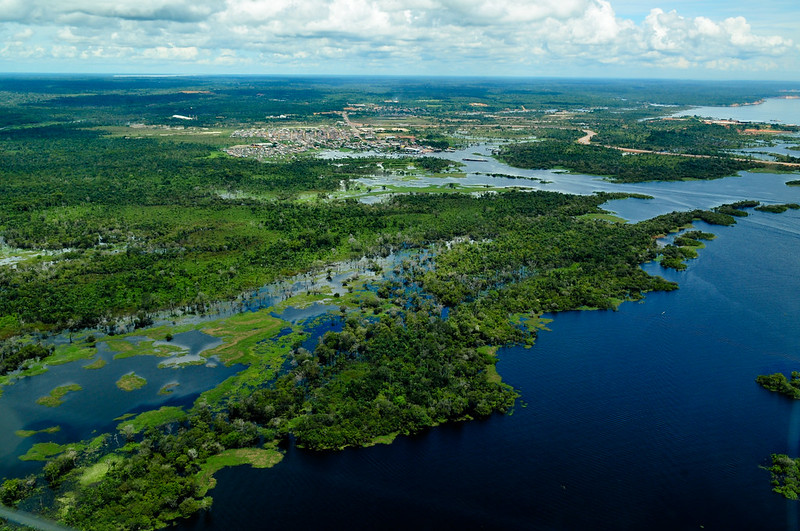
Amazon Rainforest ReforestationDeforestation has significant environmental, social and economic impacts, so Amazon rainforest reforestation is important for many organizations. The Eden Projects works with local communities living in extreme poverty to revive and supervise land, providing employment opportunities and fair wages. Thus, it fosters economic opportunity and serves as a means for these communities to alleviate themselves from poverty.

What Is Deforestation?

Deforestation is “the decrease in forest areas across the world that are lost for other uses such as agricultural croplands, urbanization or mining activities.” Often, when land ownership systems are fragile in developing countries like Brazil, large corporations acquire the land and repurpose it for other activities – thus disrupting the lives of the local communities.

Forests sustain local communities and Indigenous people, providing them with food, medicine, shelter, building resources and even holding significant cultural importance. Due to deforestation, around 20% of the Amazon rainforest is razed, propelling many of these locals further into poverty, as they are losing their sustainable resources.

Causes and Effects of Deforestation

Agriculture is the main cause of deforestation, accounting for around 80%. Subsistence agriculture, where the food produced is mostly consumed by the farming family and not sold, contributes to 33% of this agricultural-driven deforestation. About 40% is from commercial agriculture, like soya plantations and livestock farming in Brazil. Infrastructure, such as roads, railways, dam-building, mining and logging, are other causes of deforestation.

Poverty is another cause of deforestation, as many local communities and Indigenous people are dependent on forests. When they are faced with a lack of income and poverty, they resort to clearing the forest for its resources or agriculture. While poverty can be a cause of deforestation, it is also an effect.

Locals whose survival hinges on forests, using them for hunting, gathering resources and for their own agriculture, end up having to choose between leaving or staying. Either way, they face repercussions. If they decide to go, they face the challenge of starting a new life and avoiding conflict by relinquishing their land. If they choose to stay, they can work for the corporations that subject them to deplorable working conditions and unfair wages.

Deforestation also causes soil erosion, which can increase the likelihood of floods and landslides. Soil erosion also reduces soil fertility, impacting food production and causing food insecurity as it is unsuitable for agricultural use.

Eden Projects

Eden Projects is a nonprofit organization that works with local communities and focuses on restoring landscapes in developing countries like Brazil, Kenya and the Philippines. The organization defines land restoration as “a holistic, standards-based approach to restoration and conservation that generates environmental, socioeconomic and biodiversity benefits for the well-being of communities and the planet.”

The Eden Projects has initiated a land restoration project to reforest the Amazon rainforest, Cerrado and coastal mangrove estuaries. The project was started in 2021 and involves collaborating with local communities and leaders to bring the rainforest back to life. The Eden Projects believes in building strong relationships with the local leaders and communities, as they share similar goals of creating a sustainable environment.

How Eden Is Helping

Planting trees helps to restore the 62 million hectares of lost forest in Brazil. Around 30,000 hectares of trees have been reforested by Eden in Brazil, with Amazon rainforest reforestation focusing on mangrove estuaries. Mangrove estuaries play a crucial role in serving as habitats for animals, stabilizing coastlines and diminishing erosion.

With 9.3 million Brazilians living in extreme poverty as of 2018, Eden is helping by creating economic opportunity with its reforestation aid. Eden’s Amazon rainforest reforestation creates employment opportunities for local communities and establishes livelihood opportunities for those facing extreme poverty.

The project hires locals to work on project sites and in nurseries at a fair wage. It also involves them in the maintenance and protection of recently planted areas to engage them in the care of the forests. Eden also allocates a percentage of species planted for sustainable community use, benefitting the locals who relied on the land before deforestation occurred.

Some socioeconomic benefits of the employment opportunities Eden provides include parents who cannot provide food for their families, being able to provide healthy meals, paying school fees and allowing their children to achieve an education. Further economic opportunities arise as microenterprises emerge in the communities.

Final Remark

The vicious cycle of deforestation and poverty perpetuates a harmful loop of environmental and socioeconomic challenges. Amazon rainforest reforestation initiatives represent a crucial step toward addressing the challenges of deforestation. These initiatives aim to address the factors that drive deforestation while also providing employment opportunities for local communities, alleviating them from the extreme poverty they face. These initiatives involve planting new trees, restoring and preserving biodiversity and fostering sustainable livelihoods.

– Isabella Green

Isabella is based in Aylesbury, UK and focuses on Good News for The Borgen Project.

Photo: Flickr
Food Security in IndiaIn Telangana, South India, artificial intelligence (AI) helps address food security by helping farmers. The country is a prime example of how emerging AI technology is applied to global issues. The Indian government, in collaboration with agricultural aid organizations, has launched an AI program called Saalu Baagu. This program aims to use AI-based tools to solve agricultural challenges. AI programs and emerging technologies are experiencing ongoing growth and expansion in the country.

AI and Farming

The Telangana government divided its AI implementation process into distinct phases. Phase one focused on introducing a variety of AI-based agritech services to thousands of farmers. Phase two reached more than 20,000 chili and groundnut farmers in three districts. The project began in 2022 and has received the support of various AI tech companies and the Bill and Melinda Gates Foundation.

The Saagu Baagu program has had major success with farmers and crop yields, specifically chili crops. The program has enabled AI-focused startup companies like AgNext, a company helping farmers assess the quality and physical attributes of their chiles. Over 18 months, Indian farmers have experienced a 21% increase in plant growth per acre and a 9% decrease in pesticide usage. More than 500,000 farmers are now engaged in the program and have utilized AI tools in their farming.

The success of the Saagu Baagu signifies the potential for AI to help not just agriculture in India but also crop health on a global scale. AI has helped to address food security in India through revolutionary and adaptable technology that could work in a variety of agricultural environments. The program’s impact in Telangana has exemplified the ability of emerging AI technologies to assist modern farming techniques and strategies. Planting schedules, crop health and yield predictions are all challenges faced by farmers that AI has been able to leviate and make more efficient.

The Future of AI and Food Security

AI could help feed the world and prevent global hunger now and in the foreseeable future. “AI is going to transform the way we produce, store, distribute and market food in ways that will improve food safety, efficiency, resilience and sustainability,” said Gbola Adesogan, associate vice president and director of the Global Food Systems Institute. Efficient and sustainable farming will be the key to global food security.

AI is playing a pivotal role in addressing food security in India. Additionally, it holds promise for farmers worldwide in the future:

  1. It facilitates the analysis of vast data sets, enabling the development of resilient crops capable of withstanding various environmental challenges.
  2. AI offers valuable insights to farmers regarding soil conditions, optimal planting times and harvest periods, thereby enhancing agricultural productivity.
  3. AI technology aids in the early detection of diseases and pests, enabling proactive measures to safeguard crops and maximize yields.

AI has proven to be an incredibly useful tool in empowering farmers to face modern economic and environmental challenges. Technology will be essential to combating global food security and poverty through agriculture.

– Jacob Buckner

Jacob is based in Raleigh, NC, USA and focuses on Technology and Solutions for The Borgen Project.

Photo: Flickr

How Mangrove Expansion in Pakistan Is Helping Local Communities Sindh, the southeastern region of Pakistan, hosts up to 600,000 hectares of mangroves and tropical trees that primarily grow in saltwater. Over the past century, the country has lost up to three-quarters of its mangrove forests, but there have been significant efforts to restore and expand these areas. The current Prime Minister, Imran Khan, has committed to planting 10 billion trees by 2023. Expanding mangrove forests has yielded numerous benefits for local communities, including creating jobs, enhancing food security and protecting neighborhoods from natural disasters.
Mangroves as Natural Protectors

Before the mangrove expansion, severe flooding and monsoons in the Sindh region displaced 8 million people and caused financial losses of up to $30 billion. Fortunately, mangroves naturally function as protective barriers against storms, cyclones and floods. This trait inevitably adds a layer of protection, helping to mitigate serious destruction in many communities.

Economic and Ecological Benefits

In Sindh province, up to 100,000 people work in fisheries and the expansion of mangroves in Pakistan has led to a healthier and more diverse habitat for fish and shrimp, enhancing food and employment security. Many locals have seen improved seafood yields, attributing the increase in crab, shrimp and fish to the expansion of mangroves. This growth has also boosted community welfare by creating jobs and community projects. Locals find employment in planting and transporting mangrove saplings and protecting these planted areas from damage.

The proactive restoration of mangroves in Sindh, Pakistan, is set to bolster ecological resilience, with the expanded forests acting as vital carbon sinks. This initiative, aligning with global climate action goals, not only supports local biodiversity but also integrates community development with environmental conservation, thereby positioning the region as a leader in ecological restoration efforts.

Community Empowerment

Local women and young people can also earn money by supplying, growing and providing their mangrove seeds to developers and government agencies, creating valuable income sources for many households living below the poverty line. The expansion of mangroves in Pakistan has proven successful, with the area of mangrove forests increasing from approximately 184 square miles in 1990 to 565 square miles in 2020. Moreover, this growth has helped local communities lessen the impact of natural disasters, secure sustainable income and employment and protect food sources.

Looking Forward

The expansion of mangrove forests in Sindh represents a beacon of environmental and economic renewal. As these ecosystems thrive, they continue to provide essential protection against natural disasters and bolster local economies through fisheries. Community engagement in mangrove restoration not only empowers residents but also instills a sense of stewardship over natural resources. The ongoing efforts to restore mangrove areas are expected to further enhance biodiversity and ecological stability in the region. Each new mangrove planted is a step toward a more sustainable and resilient future for the Sindh communities.

– Zaynab Yusuf

Zaynab is based in London, UK and focuses on Good News for The Borgen Project.

Photo: Unsplash

Urban Farming in São PauloAs one of the largest cities in the world, São Paulo faces numerous challenges, including poverty, food insecurity and environmental degradation. However, innovative initiatives centered around urban agriculture are offering a ray of hope for its residents. The movement to make urban areas greener and more sustainable has been gaining ground in Brazil and worldwide since the early 2000s. Moreso, urban farming in São Paulo is emerging as a pivotal strategy to address ongoing issues, highlighting its growing importance in the city’s efforts to improve the quality of life for its residents.

Urban Farming in São Paulo

Urban farming refers to growing fruits, vegetables and herbs within urban areas, utilizing limited space such as rooftops, vacant lots and community gardens. In São Paulo, where access to fresh, nutritious food can be scarce in low-income neighborhoods, urban farming initiatives are playing a crucial role in addressing food deserts and improving food security. By bringing agriculture closer to urban dwellers, these initiatives reduce the distance food needs to travel from farm to table, thereby lowering costs and increasing accessibility.

Despite the numerous benefits of urban farming, it still faces challenges and limitations. Land tenure issues, limited access to resources and bureaucratic hurdles can hinder the scalability and sustainability of urban farming initiatives. In addition, the unequal distribution of wealth and resources within the city exacerbates existing disparities, making it difficult for some communities to fully engage with urban farming efforts.

Environmental Impact of Urban Farming

Urban farming in São Paulo has environmental benefits that extend beyond its economic and social impacts. By converting vacant lots into green spaces, urban farms help mitigate the urban heat island effect, improve air quality and promote biodiversity. Additionally, these initiatives often employ sustainable farming practices such as composting, rainwater harvesting and organic cultivation methods, thereby reducing the city’s ecological footprint and enhancing its resilience to climate change.

Hortelões Urbanos

The Hortelões Urbanos network or Urban Horticulturists, stands out as a leading initiative in São Paulo. Its members champion food autonomy and strive to lessen reliance on traditional farming practices, agribusiness and large retailers. Key principles of the network include fostering equal partnerships between rural and urban communities and opposing the adverse effects of agribusiness on natural resources, transportation, excessive packaging, waste production and labor exploitation.

Nagib and Nakamura report that initiatives like these promote the sharing of experiences and information about urban agriculture, whether at the household or community level. Involving residents in the cultivation process fosters a sense of ownership and empowerment within these communities.

Urban farming in São Paulo offers economic opportunities for vulnerable populations, thereby contributing to poverty alleviation. Through training programs and cooperatives, individuals living in impoverished areas are equipped with the knowledge and resources to grow their food or even start small-scale agricultural businesses. By selling surplus produce at local markets or participating in community-supported agriculture (CSA) programs, urban farmers can potentially generate additional income, thus reducing their reliance on expensive store-bought groceries and improving their financial stability.

Looking Ahead

Urban farming offers significant potential as a strategy for reducing poverty and developing communities in São Paulo. The ongoing initiatives enhance access to fresh food, generate economic opportunities and promote environmental sustainability, presenting a comprehensive solution to the intricate issues urban populations encounter. As São Paulo expands and progresses, urban farming is poised to play a crucial role in the city’s endeavors to create a more equitable and resilient environment for all residents.

– Rhys Woodward

Rhys is based in Edinburgh, Scotland and focuses on World News for The Borgen Project.

Photo: Flickr

Cacao Pods: Repurposed to Alleviate Poverty in AfricaThe cocoa industry holds the promise of becoming a source of clean energy, enhancing agricultural output and lessening poverty among farmers. According to the World Resource Institute, approximately 75% of the cacao pod is discarded during cultivation, harvesting and consumption of cocoa beans, as the beans, used for making chocolate and cocoa butter, are the most valuable parts. This practice leads to soil degradation and contributes to deforestation, diminishing the availability of fertile land for farming. Research from Wageningen University shows that smallholder cocoa farmers in Ivory Coast and Ghana earn about $1 per person a day, insufficient to meet basic needs.

Sustainable Utilization of Cacao Pods

Collecting and repurposing the husk, pulp and shell of cacao pods results in several uses. For instance, the pulp can be processed into a nutritious and delicious beverage, creating new market opportunities within the chocolate industry. Additionally, cocoa bean shells can be transformed into cocoa flour, a healthy, gluten-free alternative to traditional flour. These innovative uses of cacao pod byproducts provides farmers with additional products to sell beyond chocolate, as well as, enhance their profits, diversify their produce and also enjoy environmental benefits. Cocoa bean shells can be used as fertilizer and mulch, helping to suppress weeds and retain soil moisture, thus improving soil health. Moreover, enhanced soil quality supports increased production and helps farmers achieve larger yields, contributing to poverty alleviation among cocoa farmers.

Animal Feed and Soil Health Improvement

Repurposing cacao pods not only helps reduce soil degradation, providing farmers with more reusable land for crop planting but also serves as a cost-effective animal feed source. This dual benefit enhances agricultural productivity and contributes to reducing poverty among cocoa farmers by lowering animal husbandry expenses.

Cacao Pods for Clean Energy Production

A study identified cacao pod husks as a viable source for electricity generation in Uganda. Methods such as direct combustion, gasification, pyrolysis, anaerobic digestion and hydrothermal carbonization can convert these husks into energy. Utilizing cacao pods for power could significantly benefit rural areas in Uganda by providing electrification. This shift has the potential to reduce deforestation, mitigate climate change and preserve biodiversity, transforming the socio-economic landscape of these communities.

Innovative Projects for Cacao Pod Waste Repurposing

The Circular Economy Cocoa: From Bean to Bar Project and the Cote d’Ivoire Biomass Electricity Production initiative are pioneering new methods to repurpose cacao pod waste for more sustainable production. The Cote d’Ivoire initiative focuses on a power plant that uses cacao pod waste to generate clean energy, as outlined by the Private Financing Advisory Network (PFAN). Meanwhile, the Circular Economy Cocoa program in Helvetas Vietnam aims to transform Vietnam’s cocoa production into a renewable sector. This transformation involves recycling cocoa waste as an energy source, eliminating harmful chemicals in manufacturing, reducing the intensity of resource production and introducing eco-friendly packaging solutions.

Looking Forward

Embracing innovative approaches to repurpose cacao pod waste marks a promising step toward sustainable agriculture and energy production, offering cocoa farmers in regions like Ivory Coast, Ghana and Uganda a brighter future. These initiatives not only aim to elevate farmers’ livelihoods but also set a precedent for environmental stewardship in the cocoa industry, steering toward a more sustainable and prosperous path for all involved.

– Erika David

Erika is based in Union, NJ, USA and focuses on World News for The Borgen Project.

Photo: Unsplash

How Tree Planting in Africa is Revolutionizing AgricultureIn Sub-Saharan Africa, where farming engages 52% of the workforce, agroforestry is gaining traction as a transformative agricultural practice. This part of agriculture entails interspersing trees among other crops or grazing lands and holds great promise for diversifying production while enhancing agricultural output and substantially boosting practitioners’ income. Addressing food insecurity and poverty, tree planting in Africa offers substantial benefits to smallholder farmers. With support from local government subsidies and foreign aid, more agricultural workers are adopting agroforestry, driving positive change for millions.

Enhancing Productivity Through Agroforestry

Tree planting in Africa offers farmers a versatile agricultural method, allowing them to choose from a variety of native tree species. These species fall into three primary categories: fertilizer, fruit or nut-bearing and fuelwood. Fertilizer trees increase soil fertility and nutrient density, often more effectively than synthetic alternatives. By integrating these species through intercropping techniques, farmers significantly improve agricultural productivity and enhance crop resilience to flooding and other challenging conditions.

Diversifying Income through Tree Planting

Fruit- and nut-bearing trees provide rural Africans with a significant opportunity to earn extra income by selling their byproducts. For livestock farmers, these trees are especially valuable. The foliage serves as important feed, improving the productivity of grazing animals. These trees offer crucial shade and shelter for livestock during hot seasons or droughts.

Fuelwood trees, also known as timber trees, are known for their fast growth rates. Although not directly integrated into agricultural practices, these trees provide significant benefits. Farmers can sell their wood for fuel or construction. They can also use the timber to make furniture or other goods for sale, thereby increasing and diversifying their income opportunities.

Regardless of the tree variety each farmer prioritizes, tree planting in Africa provides significant economic benefits. African governments and international aid initiatives recognize agroforestry’s potential, offering subsidies, grants and educational programs to encourage farmer participation. These programs are often organized by region, with a focus on initiatives in Western and Southeastern Africa.

Agroforestry in West Africa

Agroforestry stands out as a key agricultural method in West Africa, especially in countries like Mali, Burkina Faso and Ghana. Burkina Faso and Mali lead the way, with about 50% of households engaging in agroforestry. This contributes to tree-based products making up roughly 25% of their income. These countries actively use agricultural subsidies and capacity-building initiatives to strengthen their farming communities. This support spurs economic growth and helps reduce poverty among rural populations.

Foreign aid plays a pivotal role in supporting farmers across these countries with grants and educational programs. A key example is the Africa Research in Sustainable Intensification for the Next Generation (Africa RISING) Program, backed by USAID under the U.S. government’s Feed the Future initiative. This program assists farmers in adopting innovative agricultural practices, such as tree planting in Africa. Focused on adding value, improving market access, and forging partnerships, Africa RISING has made significant progress in West Africa and beyond, targeting 1.1 million households between 2016 and 2021.

USAID further collaborates with Mali’s government through its Country Development Cooperation Strategy, which aims to provide agroforestry assistance to more than 64,000 farmers by subsidizing improved technologies and offering education on enhanced management practices. With the potential to benefit nearly 200,000 individuals, this initiative alone is anticipated to decrease the prevalence of hunger in Mali by a substantial 14%.

Initiatives in Southeast Africa

In Tanzania, land productivity has dropped by a staggering 70% in the last 15 years. To alleviate this, Africa RISING developed a Land Degradation Index (LDI), which has facilitated effective mapping of areas that stand to gain substantially from the adoption of agroforestry. Comprehensive strategies such as these are essential for engaging with farmers and swiftly addressing issues related to diminished output and are crucial steps toward mitigating the severe impacts of food insecurity and poverty.

Research conducted by CIFOR-ICRAF, an internationally-funded agroforestry organization, has played a pivotal role in supporting Zambia’s endeavors to establish a National Agroforestry Policy. With approximately 80% of Zambia’s population relying directly on natural resources for sustenance, several CIFOR-ICRAF-supported programs are making significant strides in aiding citizens. These initiatives encompass the provision of grants, upscaling activities and facilitating connections between private producers and local entities.

Looking Ahead

Agroforestry in Sub-Saharan Africa represents a beacon of hope for sustainable agriculture and poverty alleviation. With increasing support from local governments and international aid, more farmers are poised to embrace this transformative practice, unlocking new economic possibilities and enhancing food security. The commitment to expanding agroforestry initiatives promises to empower communities, foster environmental resilience and pave the way for a greener, more prosperous future across the continent.

– Matthew Candau

Matthew is based in Fife, UK and focuses on Technology and Solutions for The Borgen Project. 

Photo: Flickr

Trees for the FutureIn the vast expanse of Sub-Saharan Africa, where communities face many challenges, Trees for the Future has emerged as a beacon of hope. The organization is known chiefly for its large-scale ecosystem restoration efforts and, as of recently, recognized as a United Nations (U.N.) World Restoration Flagship. But Trees for the Future is much more than just that; its focus transcends mere reforestation efforts.

It pioneers initiatives that catalyze profound socioeconomic transformations and improve countless individuals’ lives across nine African countries. The organization works with the belief that “farmers have the power to change everything” and that to solve issues of hunger and poverty, farmers should be at the forefront of the solution.

The Forest Garden Approach

This organization intrinsically follows the philosophy of teaching a man to fish. The innovative Forest Garden Approach lies at the heart of Trees for the Future’s mission. This approach is where the organization’s staff train the locals in a regenerative agroforestry technique through a four-year program where the group also provides them with seeds and other resources. Unlike conventional monoculture methods, this approach integrates trees with crops, transforming degraded landscapes into thriving ecosystems.

By planting a diverse array of tree species alongside staple crops such as maize and beans, communities not only replenish greenery but also foster economic stability. The Forest Garden Approach transcends the conventional paradigm of small-scale farming by addressing the intertwined challenges of poverty and food insecurity. Families cultivating forest gardens not only benefit from increased yields and improved soil fertility but also gain access to a continuous source of food and income.

Village Savings and Loans Association Training

In 2020, Trees for the Future introduced Village Savings and Loans Association (VSLA) Training as an additional element to its program, alongside promoting sustainable agriculture to empower communities. Recognizing the critical link between financial literacy and communal economic advancement, this training equips locals with the skills and resources needed to break the cycle of poverty.

Through VSLAs, typically made up of 15–30 members, community members learn to establish savings and lend their savings to one another at low-interest rates. By fostering a culture of financial inclusion and cooperation, Trees for the Future empowers individuals to pursue income-generating activities and invest in their futures.

A Transformative Impact

Forest gardens in rural villages once plagued by food insecurity and economic hardship now flourish, yielding abundant harvests and sustaining families year-round. One such success that Trees for the Future shares on its blog is the story of Fatoumata, a Senegal farmer who diversified her crops, secured a stable income and became a leader in her community. Today, she serves as a role model for other women, inspiring them to embrace opportunities for economic empowerment.

Conclusion

With the aim of creating 230,000 jobs by 2030, Trees for the Future stands against the challenges of poverty and food insecurity that so many people face. Through initiatives like the Forest Garden Approach and VSLA Training, the organization exemplifies the transformative power of grassroots efforts in fostering community resilience and prosperity. Trees for the Future offers a compelling vision of hope and possibility by championing sustainable agriculture and economic empowerment.

– Danielle Schaafsma
Photo: Unsplash

The Influence of Media: How Netflix is Addressing Famine in MalawiMalawi, a country in East Africa, has faced eight droughts in the past 36 years, impacting more than 24 million people. In today’s digital era, film and media significantly influence public awareness. The Netflix film “The Boy Who Harnessed the Wind,” sheds light on drought and famine in Malawi, illustrating the power of storytelling in highlighting critical environmental and societal issues.
The true story-based film “The Boy Who Harnessed the Wind” vividly captures the harsh realities of drought in Malawi, underlining the urgency of global intervention. It aligns with the World Bank’s “Malawi Drought Recovery and Resilience Project” which aims to mitigate and prevent the dire consequences of drought. It also showcases the critical role of such initiatives in addressing environmental crises.

Depiction of Drought in the Film

The film is set in Kasungu, a town in central Malawi, where the narrative focuses on William Kamkwamba and how drought impacts both his life and the lives of his neighbors. Water shortages, primarily caused by a lack of precipitation in Malawi, mean that crops cannot grow. This also means that crop production becomes unstable, resulting in widespread food scarcity.

Drought often escalates to famine, leading to widespread hunger, as depicted in “The Boy Who Harnessed the Wind.” The film shows the stark realities of drought in Malawi through scenes of parched earth, crop failures and distressed children. While dramatized for emotional impact, these portrayals accurately highlight the devastating effects of drought and famine on communities.

Drought and famine in Malawi not only lead to starvation but also have devastating economic effects. The scarcity of water results in poor agricultural conditions and the loss of livestock, stripping individuals of their main sources of income and livelihood. This cycle exacerbates the country’s poverty and hinders economic development.

The agriculture sector, crucial for the majority of Malawi’s rural population, suffers significantly from drought and famine. This scenario leads to a decrease in exportable resources, making generating income for the economy challenging. Consequently, poverty intensifies in rural areas where agriculture is a primary livelihood, highlighting the need for sustainable solutions to water scarcity and agricultural resilience.

Famine in Malawi: A Promising Future

Droughts in Malawi, often triggered by natural resource scarcity such as rain, present complex challenges for prevention and control. However, effective measures exist, as highlighted by the Malawi Drought Recovery and Resilience Project. This initiative showcases how technology and financial strategies can mitigate the country’s vulnerability to climate risks and disasters, providing a practical approach to bolstering resilience against drought in low-income nations.

In addition to preventative actions, supporting communities after drought’s severe consequences is crucial, as demonstrated by the World Bank’s economic aid initiative for Malawi, which includes a $104 million grant. This funding aids in providing food relief, restoring dry lands and introducing drought-resistant crops, offering direct assistance to Malawi’s affected communities.

Looking Ahead

“The Boy Who Harnessed the Wind” serves as a poignant reminder of Malawi’s resilience in the face of environmental adversities, driving home the urgency for global and local action. With initiatives like the Malawi Drought Recovery and Resilience Project gaining momentum, there’s renewed hope for sustainable solutions to combat drought and enhance agricultural resilience. As awareness spreads through powerful storytelling and concerted efforts continue, the future for Malawi looks increasingly promising, with paths paved toward recovery, sustainability and economic stability.

– Amelie Bunce
Photo: Unsplash

How Jersey’s Dairy for Development Scheme Reduces Poverty AbroadThe island of Jersey’s official aid agency, Jersey Overseas Aid (JOA), operates several grant schemes to help the world’s poorest and most vulnerable populations escape poverty. By leveraging Jersey’s strengths, JOA maximizes the impact of its development aid, despite the island’s small size. Among its initiatives, is the Dairy for Development initiative, which aims at the promotion of the Jersey cow and stands out for its transformative effects in countries like Malawi, Rwanda, Zambia, Ethiopia and Nepal, demonstrating an innovative approach to combating poverty.

The Legacy of the Jersey Cow

Following the enactment of a 1763 law prohibiting cattle imports to Jersey, the distinct purebred Jersey cow breed emerged over time. Renowned for its longevity, nutrient-rich milk and charming appearance, the Jersey cow symbolizes local pride, as evidenced by bronze statues in the town center.

Jersey cows are highly valued globally due to their ability to produce high-quality and profitable dairy products and are ranked as the world’s second most favored breed. The Royal Jersey Agricultural and Horticultural Society (RJAHS) tapped into this breed’s promise to elevate dairy sectors in poverty-stricken nations. Consequently, it launched the ‘Dairy for Development’ initiative in 2004, exporting bull semen and offering technical assistance to Rwanda. This move aimed to bolster local dairy production by introducing the Jersey cow’s superior genetics, showcasing a strategic approach to enhance dairy yields and livelihoods in challenging environments.

Expanding Dairy for Development

In 2017, in collaboration with the RJAHS, JOA launched a grant scheme that significantly benefited Rwanda and other poverty-stricken countries by exporting Jersey cattle and genetic materials. Moreover, these countries were chosen for their long-standing dairy farming traditions and the pressing need to combat poverty and malnutrition. In addition, Jersey cattle known for its exceptional heat tolerance compared to other European dairy breeds, were particularly suited to the environmental conditions of these selected nations.

Objectives and Impacts of Dairy for Development

The scheme objectives are designed to create a multifaceted positive impact. These objectives are centered around enhancing dairy production efficiency, fostering sustainable agricultural practices and promoting economic growth within impoverished communities.

People often question why RJAHS/JOA focuses on dairy rather than other agricultural sectors. With Africa expected to hold a third of the global cattle population by 2029 but only contributing to 5% of the world’s milk production, enhancing dairy production’s efficiency and quality is crucial for selected countries. The Jersey Inka Nziza (Jersey ‘Good Cow’) Phase II project in Rwanda exemplifies the significant benefits this initiative offers its beneficiaries.

Following the first phase’s success from 2017 to 2019, JOA funded a second phase for Jersey Inka Nziza (JIN) from 2019 to 2021. This phase worked with 12,000 smallholder farms, introducing artificial insemination, enhancing cattle feeding and establishing numerous farmer self-help groups alongside training opportunities. It also aimed to bolster gender equality at the local level.

Looking Ahead

Through the collaboration between Jersey Overseas Aid (JOA) and the Royal Jersey Agricultural and Horticultural Society (RJAHS), Jersey delivers impactful development grants and programs that empower communities and combat poverty. This partnership leverages Jersey’s unique breed of cattle to transcend the island’s size limitations, demonstrating that smaller, well-structured projects like Dairy for Development can play a vital role in international poverty reduction efforts.

– Moses Sappe
Photo: Unsplash