• Link to X
  • Link to Facebook
  • Link to Instagram
  • Link to TikTok
  • Link to Youtube
  • About
    • About Us
      • President
      • Board of Directors
      • Board of Advisors
      • Financials
      • Our Methodology
      • Success Tracker
      • Contact
  • Act Now
    • 30 Ways to Help
      • Email Congress
      • Call Congress
      • Volunteer
      • Courses & Certificates
      • Be a Donor
    • Internships
      • In-Office Internships
      • Remote Internships
    • Legislation
      • Politics 101
  • The Blog
  • The Podcast
  • Magazine
  • Donate
  • Click to open the search input field Click to open the search input field Search
  • Menu Menu

Archive for category: Africa

Africa, Developing Countries, Global Poverty

The Impact of Custos Care Foundation

Custos Care FoundationCustos Care Foundation (CCF), a nongovernmental organization based in Enugu State, Nigeria, aims to promote social justice and reduce poverty and inequality by empowering underprivileged groups through skills development, health care, well-being and basic education. By working closely with local communities and partners, CCF seeks to drive sustainable change in Enugu State and beyond.

The Mama Care Initiative

According to a publication by PubMed, data from the obstetric unit of the University of Nigeria Teaching Hospital (UNTH) in Enugu, Nigeria, shows that between January 2003 and December 2005, there were 49 maternal deaths, 2,131 deliveries and 2,044 live births. This results in a maternal mortality ratio of 2,397.3 maternal deaths per 100,000 live births during the study period. In response, CCF recently launched the “Mama Care Initiative,” a significant milestone in providing one-year health insurance premiums for 1,701 pregnant women across Enugu State’s 17 Local Government Areas (LGAs), with approximately 100 per LGA in the pilot phase.

A notable case involved a baby from the Oji River LGA who was born prematurely at a primary health care facility. The family was unable to secure the funds necessary to transfer the infant to a secondary facility equipped with an incubator. However, with the assistance of CCF, the baby was successfully transferred to the UNTH, where she received the necessary care and support needed for her health and survival.

Child Abuse Awareness and Sensitization

CCF is currently organizing sensitization programs in primary schools across the 17 LGAs in Enugu State to raise awareness about child abuse. This initiative is anchored in two key program areas: social protection and basic education for all. The objective is to educate school pupils in Enugu State about child abuse, including its identification and prevention. So far, CCF has visited 13 schools, reaching approximately 6,000 pupils directly and more than 5,000 indirectly through media campaigns, including social media outreach.

Skills Acquisition Training for Women and Youth

The issue of poverty, exacerbated by unemployment and a shortage of skills, has significantly impacted the living standards of the population. While the current government in the state has made commendable efforts to build workforce capacity, the organization is also dedicated to bridging the capacity gap.

Through the CCF’s “Craft UP Initiative,” the foundation has trained 68 women and youth in the state in vocational skills related to leather work, including shoemaking, bag making and belt production. To further support their endeavors, it established a skills acquisition center focused on tailoring and leatherworking.

This center provides these individuals with the opportunity to utilize our state-of-the-art industrial machines at no cost, enabling them to produce high-quality goods in larger quantities.

Youth Aspire Boot Camp 2024

In 2024, CCF hosted a four-day youth boot camp for 100 young people from Enugu State, consisting of both male and female participants, alongside more than 30 volunteers and resource persons. Participants aged 15 to 20 were selected from various locations across the state, with a commitment to inclusivity that ensured equitable representation across gender, social status and abilities.

The youths acquired a diverse range of skills, including information and communication technology (ICT) competencies such as coding and the creation of 3D and 2D animations. They also developed vocational skills in areas like weaving, tailoring, bead-making, social media marketing and content creation.

Final Remark

By engaging with local partners and communities, Custos Care Foundation not only provides essential services but also cultivates a culture of empowerment and resilience. As it continues to bridge gaps in health, education and vocational training, CCF stands as a beacon of hope for underprivileged groups in Enugu State, driving meaningful progress and inspiring a brighter future.

– Staff Reports
Photo: Flickr

November 5, 2024
https://borgenproject.org/wp-content/uploads/borgen-project-logo.svg 0 0 Hemant Gupta https://borgenproject.org/wp-content/uploads/borgen-project-logo.svg Hemant Gupta2024-11-05 01:30:222024-11-03 01:15:37The Impact of Custos Care Foundation
Africa, Global Poverty, Homeless

Ekwere Akpan Foundation: Giving Hope

Ekwere Akpan FoundationThe Ekwere Akpan Foundation is a nongovernmental organization (NGO) established with the primary aim of providing hope to elderly widows orphans and underprivileged individuals facing various health disparities in rural and some urban areas in Nigeria. The objectives of the Ekwere Akpan Foundation include addressing the needs of widows and widowers by promoting their independence through empowerment programs and free training.

Additionally, it focuses on caring for orphans by providing them access to education through scholarships and skills acquisition programs. Beyond addressing the needs of older widows, widowers and orphans, the organization is dedicated to tackling the challenges faced by people living in the rural parts of Nigeria, particularly those in Akwa Ibom, a state in the southern part of Nigeria.

Challenges Faced by Rural Communities in Akwa Ibom

  1. Poverty: This is a complex and pressing issue that affects millions of individuals and families worldwide. It is a multifaceted problem that manifests through limited access to essential services such as education, healthcare and clean water. Many rural communities in Nigeria depend on agriculture for their livelihoods; however, they face numerous challenges that hinder their productivity. Poor soil quality, inadequate access to modern farming techniques and the adverse effects of climate instability can significantly impact crop yields, leading to food insecurity.
  2. Food insecurity: Despite the fact that many people in this community are farmers, they often struggle to make ends meet, with old widows who can no longer engage in agriculture facing severe hunger. Economic challenges limit their ability to purchase enough food and a lack of infrastructure often compounds this situation. Consequently, food insecurity can lead to malnutrition and other health-related issues, negatively impacting the overall well-being of the community.
  3. Health Challenges: Due to malnutrition and pervasive poverty, many residents of these communities face various health challenges, including protein malnutrition, cholera, blindness, chronic respiratory diseases, strokes and diabetes. These significant health issues contribute to the overall struggles of the community. The shortage of healthcare facilities and medical professionals, along with the high cost of healthcare in urban areas, exacerbates these challenges. A minor health issue that could be easily treated in a hospital often escalates due to the prohibitive costs of transportation and treatment, potentially leading to severe complications or even death.
  4. Homelessness: Shelter is one of the necessities of life. Yet, the living conditions in these communities prevent them from creating a space they can truly call home. Many reside in shattered houses, mud buildings or incomplete structures, which allow all manner of reptiles to crawl in. These poor living conditions become particularly unfavorable during the rainy season, as rainwater seeps directly into their homes, exposing residents to various illnesses, including hypothermia. Some individuals lack even these dilapidated buildings and resort to constructing makeshift shelters with wood just to lay their heads. This situation fosters a cycle of isolation and despair, as those affected may feel marginalized and disconnected from the broader community.

What Is Being Done

In December 2023, the NGO donated foodstuffs to older widows in the rural community of Ikot Akpafuk, located in the Nsit Ubium Local Government Area (LGA) of Akwa Ibom. Furthermore, in partnership with the International Center for Leadership Development Nigeria (ICLDNG), the Foundation has educated more than 500 students and youths on safe internet practices, aiming to empower them with the knowledge to navigate the digital world securely and responsibly.

As an organization dedicated not only to eradicating poverty but also to improving the overall well-being of individuals, the Foundation has partnered with the Nigeria Youth Civil Society Organizations (CSOs) to raise awareness about the “Coalition Against Synthetic Drug Threat.” This initiative aims to enlighten the general public about the dangers of synthetic drugs and promote healthier choices within the community.

Additionally, the Foundation has advocated for donations to support community members suffering from bilateral visually significant cataracts, including an elderly widow who has become visually impaired due to this illness. The organization has also sought assistance for individuals whose homes have collapsed due to excessive rainfall and inadequate building structures.

Final Note

The Ekwere Akpan Foundation is making significant strides in addressing poverty and improving the quality of life for vulnerable populations in Akwa Ibom, Nigeria. Through its multifaceted approach, the organization empowers youth with essential skills and advocates for health awareness. It provides immediate relief to those in need. With its commitment to the well-being of marginalized groups, the Foundation exemplifies the transformative impact of grassroots initiatives in creating sustainable change.

– Staff Reports
Photo: Pexels

November 4, 2024
https://borgenproject.org/wp-content/uploads/borgen-project-logo.svg 0 0 Hemant Gupta https://borgenproject.org/wp-content/uploads/borgen-project-logo.svg Hemant Gupta2024-11-04 01:30:202024-11-03 01:11:19Ekwere Akpan Foundation: Giving Hope
Africa, Global Poverty, Health

PHAAE: Mission for Clean Water and Sanitation in Rural Nigeria

PHAAEIn Nigeria, more than 80% of schools do not have basic sanitation or running water, leaving children and their communities vulnerable to waterborne diseases and poor hygiene. These challenges not only affect health but also school attendance, particularly for girls who miss school due to the lack of proper facilities during menstruation. The absence of these essential resources exacerbates inequality, leaving rural children significantly disadvantaged compared to their urban counterparts.

Public Health Aid Awareness & Education (PHAAE), a nongovernmental organization (NGO), focuses on addressing the critical lack of access to clean water and sanitation facilities in rural communities across Nigeria. PHAAE’s work is vital in bridging this gap by providing water systems and sanitation facilities, starting with schools and extending to entire communities. By improving hygiene infrastructure, PHAAE enhances educational environments, reduces disease risks and promotes long-term community health.

Public Health Aid Awareness & Education

PHAAE adopts a community-centered and sustainable approach to addressing rural Nigerian communities’ water and sanitation crisis. Starting with a thorough needs assessment in collaboration with local leaders and school administrators, PHAAE tailors interventions to meet each community’s unique requirements. Schools serve as central hubs for education and social progress, so by installing clean water systems and sanitation facilities there, PHAAE enhances learning environments and extends these essential resources to the broader community. Each water facility positively impacts thousands of residents beyond the school, creating lasting community-wide benefits.

Transforming Lives

Through partnerships with sponsors like the U.S. Embassy and global philanthropists, PHAAE has transformed thousands of lives, affirming that clean water and sanitation are essential rights for every child and community. PHAAE’s initiatives have significantly enhanced the health, education and overall well-being of the communities it serves. By equipping rural schools with clean water and sanitation facilities, the organization has greatly improved the quality of life for students and extended these benefits to surrounding communities.

In Kunyami, Abuja, a PHAAE water project initially designed for 1,500 students now benefits more than 5,000 community members, significantly reducing waterborne diseases and promoting better hygiene practices. Before PHAAE’s intervention, children like Sater had to trek long distances to the Toge River for water, sometimes going days without bathing. Today, with clean water accessible directly at school, they can prioritize their education and personal well-being, marking a transformative change in their daily lives.

PHAAE’s projects have broad societal impacts, including increased school attendance, especially for girls who can now attend during menstruation thanks to proper sanitation facilities. In Takushara, during the COVID-19 pandemic, PHAAE provided water and sanitation for 1,300 students and delivered hygiene education, equipping the entire community to navigate the health crisis more effectively. Altogether, these initiatives have positively impacted more than 9,000 people.

Closing Remark

PHAAE’s work is far from over. It is driven by a vision of a world where no child is denied access to clean water and proper sanitation simply because of their birthplace. PHAAE continues to work in rural communities across Nigeria, expanding its reach and deepening its impact.

– Staff Reports
Photo: Flickr

November 3, 2024
https://borgenproject.org/wp-content/uploads/borgen-project-logo.svg 0 0 Hemant Gupta https://borgenproject.org/wp-content/uploads/borgen-project-logo.svg Hemant Gupta2024-11-03 07:30:002024-11-03 01:06:23PHAAE: Mission for Clean Water and Sanitation in Rural Nigeria
Africa, Global Poverty, Sustainable Development Goals

Updates on SDG 2 in Rwanda

SDG 2 in RwandaFood insecurity and malnutrition are persistent issues in Rwanda, a small but growing East African nation striving for middle-income status. In 2021, 20.6% of Rwanda’s population was food insecure, with 1.8% considered severely food insecure. That same year, only 32.8% of children ages 6 to 23 months received meals at the recommended minimum frequency. Consequently, 32.4% of children younger than 5 were stunted, meaning they were shorter than average for their age due to poor nutrition.

SDG 2 in Rwanda: Beacon of Progress

Despite Rwanda’s strides toward the United Nations’ Sustainable Development Goal 2 being impacted by the COVID-19 pandemic, the country remains a beacon of progress. Rwanda’s score in the 2024 Global Hunger Index (GHI) is at 25.2, better than the regional average. This is also a significant improvement from the country’s GHI score in 2015, which was at 30.2 and in 2000, at 49.6, which was considered extremely alarming.

These successes are made possible by numerous initiatives in Rwanda that provide access to healthy and adequate food for vulnerable populations, especially youth. This includes government-led nutrition programs supplying food to early childhood development centers and initiatives such as “One Cup of Milk per Child.” Through targeted agricultural policies, investments in rural development and community-led programs to combat malnutrition, Rwanda has demonstrated that strategic and collaborative efforts can yield meaningful reductions in hunger, even amid global and regional challenges.

SMART Project

Furthermore, in partnership with the World Food Programme (WFP) and other development agencies, Rwanda has been striving for food security through nationwide programs that empower and educate farmers. One such initiative is Rwanda’s Sustainable Market Alliance and Assets Creation for Resilient Communities and Gender Transformation (SMART) project, which is geared toward strengthening agricultural productivity and promoting better harvesting practices.

By providing farmers with access to training and resources, SMART encourages resilience in the face of climate emergencies, equips local farmers, especially women, with skills to increase crop yields and fosters gender equality within the agricultural sector.

A Future With Zero Hunger

Achieving SDG 2 by 2030 might be ambitious, but the steadfast commitment of Rwanda to sustainable and impactful solutions paints a positive outlook. With food security as a central pillar, Rwanda is not only addressing immediate nutritional needs but also laying the groundwork for broader socioeconomic development, a critical step toward attaining middle-income status. Achieving this milestone will not only transform Rwanda but could set a powerful example for the entire region, showcasing the potential of innovative, community-driven initiatives.

However, current world events have been a significant setback for all SDG targets across the globe. These setbacks underscore the need for a stable global economy and strong international cooperation, which are crucial for achieving the U.N.’s ambitious goals. The success of Rwanda will require support from regional and global partners to overcome these challenges, ensuring that efforts to achieve SDG 2 remain on track and continue to inspire progress across the continent.

– Tessah Keza

Tessah is based in Ottawa, ON, Canada and focuses on Good News and Politics for The Borgen Project.

Photo: Flickr

October 29, 2024
https://borgenproject.org/wp-content/uploads/borgen-project-logo.svg 0 0 Hemant Gupta https://borgenproject.org/wp-content/uploads/borgen-project-logo.svg Hemant Gupta2024-10-29 07:30:532024-10-29 11:47:38Updates on SDG 2 in Rwanda
Africa, Global Poverty, Humanitarian Aid

CERF Releases $100 million For Underfunded Crises

CERFOn August 30, 2024, the Central Emergency Response Fund (CERF) of the United Nations released $100 million for critically underfunded crises. CERF provides funding for essential supplies and services during conflict, natural disasters and other emergencies, aiming to support timely and reliable responses in under-funded crises.

Twice annually, the CERF’s Acting Emergency Relief Coordinator (ERC) allocates special grants from the Underfunded Emergencies (UFE) Window to support essential life-saving activities in neglected humanitarian emergencies. Here are the country allocations and the underfunded crises they face.

Underfunded Crises in West Africa

CERF will allocate $10 million to Burkina Faso, where more than 2 million people were internally displaced due to armed conflict between internal militias — part of a broader Sahelian violence caused by Islamic extremism and political instability. Twenty-seven percent of the country requires humanitarian assistance and millions face severe food insecurity.

Similarly, Mali faces a security crisis compounded by economic shocks. More than 7 million require humanitarian assistance, 1.37 million face crisis levels of food insecurity, 1.4 million children face undernourishment, approximately 2,600 individuals face famine and more than 350,000 are internally displaced, according to CERF. Mali will receive $11 million to help displaced populations and alleviate food insecurity

Underfunded Crises in Central and East Africa

Ethiopia is struggling with civil conflict and the aftermath of flooding that has caused deaths, displacement, and food insecurity. Up to half a million could be struggling with displacement and more than 15.8 million are food insecure, according to CERF. Meanwhile, Ethiopia faces cholera and malaria epidemics. CERF will provide $15 million to Ethiopia to help provide access to critical services and to reduce morbidity for 12.3 million vulnerable people.

Malawi is also dealing with weather patterns causing food insecurity among 5.7 million people. Aid worth $11 million could help the country deal with the effects of drought.

Since 2017, Mozambique has experienced violence that has displaced hundreds of thousands of people while weather patterns devastate the agricultural sector, according to CERF. Funding of $7 million is going towards preventing a food insecurity crisis.

Burundi faces food insecurity, violence, epidemics and natural disasters. Heavy rainfall caused flooding by the end of last year and displaced thousands. More than 1 million people are food insecure and landslides have displaced more than 47,000 people, according to CERF. Funding of $5 million will support flood recovery and displaced people.

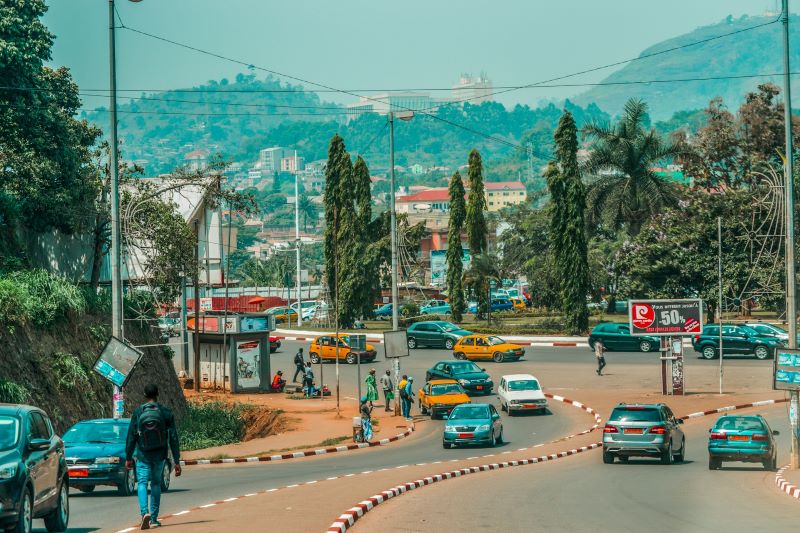
Cameroon experiences several forms of internal violence and natural disasters. Recent floods exacerbate the situation and an estimated 1.8 million people are without adequate water and health services. Receiving $7 million could help vulnerable populations, particularly women and children, against exploitation and malnutrition.

Middle East, South East Asia and the Caribbean

Yemen is considered the largest humanitarian crisis, an eight-year civil war in Yemen between Houthi rebels and Saudi-backed government forces created an economic, social and health crisis. There are 19 million people experiencing a food insecurity crisis while flooding disrupts access to essential services, according to CERF. Many lack sanitation, water and health care access. CERF will provide $20 million to support food security and health for millions in need.

Following a brief period of democratic rule, a 2021 coup in Myanmar devolved into a civil war between a military government and various ethnic militias. Intensified fighting this year increased displacement to 3.1 million people. Almost 13 million people face moderate or severe food insecurity, according to CERF. The organization will provide $12 million to Myanmar which could hopefully help 18 million people who need funding for essential services and support for displaced populations.

Natural disasters and internal gang violence leave 5.5 million people requiring humanitarian assistance in Haiti. There are 578,000 people who are internally displaced, 8.5 million faced food insecurity earlier this year and many face gang violence, according to CERF. Funding of $9 million will support critical needs in the country.

Conclusion

These countries experience underfunded crises despite dire situations and donor pledges. This demonstrates the need for increased attention. The allocation of $100 million by CERF is a crucial step but support from international donors and organizations is essential to address the ongoing challenges these countries face.

– Luke Ravetto

Luke is based in Boston, MA, USA and focuses on Politics for The Borgen Project.

Photo: Flickr

October 28, 2024
https://borgenproject.org/wp-content/uploads/borgen-project-logo.svg 0 0 Naida Jahic https://borgenproject.org/wp-content/uploads/borgen-project-logo.svg Naida Jahic2024-10-28 01:30:252024-10-27 12:08:43CERF Releases $100 million For Underfunded Crises
Africa, Children, Education

Education Initiatives in Namibia

education initiatives in namibiaIn the southwestern African nation of Namibia, education is of vital importance. Compared to its neighbors, Namibia invests around 10% more of total government expenditures on education, at roughly 25%. Furthermore, literacy rates are 92% overall and 95% for youth. This emphasis on the nation’s youth is critical for development in Namibia because an educated population base can raise employment and boost the nation’s economy. Despite these current successes, unequal access to education and poverty remain in the country, with 17.2% of the population living on less than $2.15 per day. In response, both the government and international organizations have developed plans for education initiatives in Namibia that tackle these issues and grow an educated workforce.

Government Work

Education is mandatory for Namibians between 6 and 16 years old and is free for both primary and secondary school since 2013 and 2016, respectively. In 2023, the country announced the Safeguarding Intangible Cultural Heritage in Basic Education in Namibia and Zimbabwe program, which trains teachers in both nations and establishes a community-based style of learning which emphasizes living heritage and culture.

With this initiative, Namibia moves closer to achieving SDG 4 – access to quality education for all. In addition, Namibia has recently undertaken efforts to digitize its education system, launching “The Digital Schools” as a test project to improve “digital learning environments and enhance teachers’ digital skills.”

USAID

Despite the efforts of the Namibian government, inequalities and deficiencies in education persist. Thankfully, international organizations have stepped up to spur development through their education initiatives in Namibia. USAID has been active since the nation’s birth through its Basic Education Systems Project, helping children in densely populated and underserved regions access primary education before it was free to do so.

USAID’s Ambassador Scholarship Program finances education for orphans and vulnerable children and keeps them in school, helping them receive an equal education to more advantaged students. Finally, a Youth Development program instills in students life skills and vocational training to keep them enrolled in education.

Roger Federer and MCC

Since 2018, the Roger Federer Foundation has encouraged a smooth transition for students entering primary school through its School Readiness Initiative. It assists Namibia’s youth with enrolling and staying in school and promotes equal access between girls and boys. Furthermore, its Early Learning Kiosk offers stimulating digital learning to students at a low cost in the form of a tablet.

The Millennium Challenge Corporation (MCC), another U.S.-based development effort, spent $145 million instituting education initiatives in Namibia through its Namibia Compact. The program trained new teachers and offered new textbooks to students. While test scores and education improved somewhat, the MCC founds new facilities to often not meet the needs of Namibian communities.

UNICEF

UNICEF focuses on education at a young age, using its Integrated Early Childhood Development approach to improve nutrition, stimulation and learning opportunities for pre-primary Namibian children, especially the disabled. Furthermore, the program trains parents in skills to ensure their children’s sustained learning on the path to enrollment in primary education.

Namibia is already far ahead of most African nations in terms of education. However, inequalities exist between vulnerable and disabled populations and the rest of the youth population. With both the government of Namibia and outside organizations recognizing this issue and taking action, vast improvements in education—and development as a whole in Namibia—are sure to follow.

– Cole Zickwolff

Cole is based in Los Angeles, CA, USA and focuses on Good News and Technology for The Borgen Project.

Photo: Flickr

October 26, 2024
https://borgenproject.org/wp-content/uploads/borgen-project-logo.svg 0 0 Naida Jahic https://borgenproject.org/wp-content/uploads/borgen-project-logo.svg Naida Jahic2024-10-26 01:30:442024-10-26 01:32:01Education Initiatives in Namibia
Africa, Developing Countries, Global Poverty

Uganda Paves the Way for Palliative Care in Africa

Palliative Care in AfricaPalliative care is crucial in mitigating the suffering of individuals who are suffering from serious and/or terminal illnesses. Of the 54 African countries, 43 have no access to basic palliative care systems. Furthermore, even fewer can provide high-quality care to those who need it. Uganda is paving the way for palliative care in Africa. The country is building a nationwide service for citizens to receive care and comfort in the final stages of their lives.

Current Situation in Africa

Basic palliative care services are unavailable in 79.6% of Africa. The vast majority of the continent’s seriously ill population is denied specialized assistance that would improve their quality of life. Relieving the suffering and stress from somebody’s final days is widely regarded as the compassionate thing to do, as palliative care supports both a patient and their loved ones through difficult times.

Palliative care, when available, is offered to people with illnesses such as cancer, heart disease, dementia and HIV/AIDS. In 2023, there were approximately 396,200 AIDS-related deaths in Africa. The data suggests that most of these individuals would not have had the appropriate medical care, guidance and comfort in the lead-up to their passing. Similarly, it is estimated that 367,000 Africans get diagnosed with dementia annually; again, it can be implied that few of these people receive palliative care that would provide comfort in a time of confusion.

Furthermore, half a million Africans are believed to die from cancer annually. In the next 50 years, the figure is projected to increase by 40%. Therefore, palliative care services need to be implemented now so that the future is as comfortable as possible for those facing cancer and other serious illnesses.

Uganda Paving the Way

Uganda’s population is currently estimated at 46 million and is growing at a rate of 2.9%. This expanding East African nation is making remarkable progress in palliative care, following a comprehensive framework that supports everyone involved in the medical process: patients, health care staff and their loved ones.

The Palliative Care Association of Uganda

The Palliative Care Association of Uganda (PCAU) is one of the key forces driving this positive change in Uganda. Established in 1999, the organization provides holistic care and pain relief for needy people. With more than 1,500 individual members and 230 medical facilities offering PCAU services, they implement a framework supporting seriously ill patients in Uganda. PCAU has developed a strategic plan with five focus areas:

  1. Capacity building 
  2. Advocacy and awareness creation
  3. Palliative care research and information
  4. Governance and support functions 
  5. Sustainability and financial efficiency

Those affiliated with PCAU work hard to implement these strategies. Indeed, outcomes are being achieved with the support of the Ugandan Ministry of Health, ensuring 55,000 people in Uganda receive palliative care.

Hospice Africa

Another key provider of palliative care in Uganda is Hospice Africa. Founded in the U.K. in 1992, the charity trains health care staff. It provides palliative care across Africa, with a significant focus on Uganda. Its clinical headquarters is in Kampala, where programs are implemented, patients are treated and morphine is manufactured.

Uganda serves as the base for Hospice Africa, which provides much of its medical attention there. Notably, 95% of Ugandan cancer patients do not seek curative treatment, highlighting the demand for holistic care. In 2023, three Hospice Africa Uganda sites cared for 2,110 individuals needing medical attention. Among these new patients, 66% were diagnosed with cancer and 7% were younger than the age of 18.

Hospice Africa Uganda’s reach is growing. The financial year 2022/2023 saw a 12% increase in patients as the charity expanded and received more funding to help care for seriously ill people.

What the Future Holds

Uganda is an African nation leading by example in providing palliative care to its citizens. Furthermore, the country is inspiring the rest of the continent to follow suit. However, there is still much work to be done. In October 2024, the Ugandan Ministry of Health reported that only 11% of the 500,000 Ugandans needing palliative care were receiving it. While more progress is needed in Uganda, the country is setting a positive example with its strategic frameworks to assist those needing end-of-life support.

By 2050, the Ugandan population is expected to exceed 100 million, making it encouraging to see effective frameworks for providing holistic care already in place. The increasing availability of palliative care in Uganda is poised to enhance the quality of life for the country’s growing population.

– Megan Hall

Megan is based in Suffolk, UK and focuses on Global Health and Celebs for The Borgen Project.

Photo: Flickr

October 19, 2024
https://borgenproject.org/wp-content/uploads/borgen-project-logo.svg 0 0 Hemant Gupta https://borgenproject.org/wp-content/uploads/borgen-project-logo.svg Hemant Gupta2024-10-19 07:30:132024-10-19 01:00:04Uganda Paves the Way for Palliative Care in Africa
Africa, Disability

How UNPRPD is Addressing Disability and Poverty in Cameroon

Disability and Poverty in CameroonGlobally, 16% of the population experiences significant disability, with the risk of these individuals developing depression, asthma and strokes, doubling. Furthermore, alongside increased risk of contracting health conditions, disabled people are also more vulnerable to poverty; discrimination, stigmas and exclusion from employment are all inequities that disabled people face.

Of the 28.6 million people in Cameroon, 5.4% have a disability. In higher prevalence regions like South and Littoral, this figure can increase to 11%. Discriminatory treatment of disabled people in Cameroon increases the likelihood of these individuals experiencing poverty. For example, disabled adults between the ages of 18-49 in North West Cameroon were almost three times more likely to live in the poor quarter in comparison to non-disabled adults. The United Nations Partnership on the Rights of Persons with Disabilities (UNPRPD) has partnered with U.N. Cameroon to address the experience of disabled people in the Central African country and decrease the chance of individuals becoming impoverished.

UNPRPD’s Work

UNPRD supports nations in implementing a disability-inclusive CRPD, which focuses on the human rights of people with disabilities. The Partnership funds this support with the vision that every person with a disability can fully participate in society and be completely respected, protected, and fulfilled.

With a budget of $700,000, UNPRPD has implemented a program that aims to strengthen disability inclusion within Cameroonian public institutions by monitoring disability-inclusive legislation of key duty bearers, such as CONRHA and CHRC.

UNPRD has identified a Strategic Framework to promote disability inclusion, with five preconditions that must be in place to ensure that the addressing of the rights of disabled persons in Cameroon:

  1. “Equality and non-discrimination”
  2. “Accessibility”
  3. “Inclusive service delivery”
  4. “CRPD-compliant budgeting and financial management”
  5. “Accountability and governance”

These preconditions aim to educate Organizations of Persons with Disabilities so that they can further understand how to improve the experiences of those with disabilities.

Disability and Poverty in Cameroon

UNPRPD’s program could have a significant impact on disability and poverty in Cameroon. Equality and non-discrimination are key to reducing the link between disability and poverty; negative attitudes towards disability increase the likelihood of disabled people experiencing poverty due to lack of understanding, inclusion and respect. According to a 2021 Country Report, a key finding of the program indicated that the development of the non-discriminatory provision of the CRPD to the public, schools and hospitals would combat the stigmatization and exclusion of disabled persons. False perceptions and beliefs about disability are damaging, therefore UNPRD addressing these issues that disabled people face is crucial in destigmatizing disability and reducing poverty. 

Another key precondition that targets poverty in the lives of disabled persons is accessibility. Cameroonian laws that ensure disabled people can access public and private buildings are not always enforced. Moreover, budgets to improve accessibility measures are minimal, excluding disabled persons from having the same opportunities as non-disabled Cameroonians, according to a 2021 Country Report. UNPRPD’s program addresses accessibility issues, minimizing the risk of poverty for disabled people by enabling these individuals the same education and employment opportunities.

Final Thoughts

By 2050, the Cameroonian population could increase by 85%, meaning that an estimated 51,279,577 people will live in the Central African nation. A significant population increase would translate to an increase in poverty also, but UNPRPD is working to prevent this.

The Cameroonian Ministry of Social Affairs (MINAS) met with the UNPRPD program’s steering committee (UNFPA, OHCHR and UNESCO) in May 2024 to discuss its results. Pauline Irène Nguene, Minister of Social Affairs in Cameroon, commended those involved in the project. Nguene directly addressed one of the program’s preconditions – accessibility – and expressed that people with disabilities “will have access to inclusive services without discrimination in Cameroon.”

In a visit to Cameroon in August 2024, the U.N. High Commissioner also noted that more than 40% of Cameroonians are under 15. Indeed, Volker Türk was optimistic that the new generation would “prompt social change […] on equality, on accountability and more”, promising a brighter tomorrow for all Cameroonians.

The UNPRD helps cultivate a more inclusive society for people struggling with disability and poverty in Cameroon, helping individuals in their everyday lives.

– Megan Hall

Megan is based in Suffolk, UK and focuses on Global Health and Celebs for The Borgen Project.

Photo: Unsplash

October 14, 2024
https://borgenproject.org/wp-content/uploads/borgen-project-logo.svg 0 0 Naida Jahic https://borgenproject.org/wp-content/uploads/borgen-project-logo.svg Naida Jahic2024-10-14 07:30:482024-10-14 05:53:32How UNPRPD is Addressing Disability and Poverty in Cameroon
Africa, Aid, Global Poverty

Top 10 Sectors Attracting Foreign Investment in Nigeria

Foreign Investment in NigeriaIn Q1 2024, Nigeria’s foreign capital inflows surged to $3.4 billion, the highest since early 2020, reflecting renewed investor confidence driven by fiscal and monetary reforms. The economy grew by 2.9% in 2023, though inflation soared to 28.9% and the poverty rate increased to 46%. Foreign Portfolio Investments dominated, accounting for 61.5% of inflows, driven by Treasury bill investments. However, Foreign Direct Investment remained low at 3.5%, limited by security and infrastructure concerns in Nigeria.

The banking sector attracted $2.07 billion, but long-term investments in key growth sectors lagged. “Other Investments” rose sharply, raising concerns about reliance on foreign loans. Sustainable growth hinges on addressing exchange liquidity, boosting oil exports and improving infrastructure to attract more FDI. Nonetheless, based on first-quarter performance in 2024, here are the top 10 sectors attracting the most foreign investment in Nigeria:

  1. Banking: The banking sector led the pack with a staggering $2.07 billion in foreign investment, a 629.88% rise from Q4 2023 and a 579.19% increase compared to Q1 2023. The sector’s resilience and central role in the economy make it an attractive investment avenue for foreign capital.
  2. Trading: Trading experienced substantial growth, with $494.93 million in investments—a 645.92% increase from the previous quarter and a 440.75% surge compared to Q1 2023. The sector’s expansion showcases growing investor confidence and the increasing volume of trading activities across Nigeria’s markets.
  3. Telecommunications: Despite a 5.57% decline from Q4 2023, foreign investments in telecommunications amounted to $191.57 million in Q1 2024, an impressive 768.91% increase year-on-year. This underscores continued interest in Nigeria’s telecommunications infrastructure as digital connectivity improves.
  4. Production and Manufacturing: Although the production and manufacturing sectors saw a 57.37% decline from Q4 2023, they still attracted $191.92 million in Q1 2024. Despite ongoing challenges, this sector remains vital to Nigeria’s economic potential.
  5. IT Services: IT Services garnered $171.7 million in Q1 2024, reflecting a 1,789.75% increase from Q4 2023. However, this investment is 20.52% lower than in Q1 2023, indicating some fluctuation in investor sentiment toward Nigeria’s tech sector.
  6. Shares: Investments in the shares sector totaled $98.71 million in Q1 2024. This marked a 91.86% increase from Q4 2023. Furthermore, this is an 11.52% growth compared to Q1 2023, signaling investor confidence in Nigeria’s stock market.
  7. Financing: The financing sector attracted $75.55 million, despite a 44.29% decrease from Q4 2023 and a 36.35% decline year-on-year. Nonetheless, financing remains a critical component of Nigeria’s economic framework.
  8. Electrical: Investments in the electrical sector reached $58.93 million, marking a 15.71% increase from Q4 2023 and a 698.24% surge from Q1 2023. This reflects the growing demand for improved electrical infrastructure.
  9. Agriculture: Foreign investment in agriculture soared by 3,666.67% from Q4 2023, reaching $15.8 million in Q1 2024. This dramatic increase highlights renewed interest in Nigeria’s agricultural potential, vital for food security and economic diversification.
  10. Transport: The transport sector saw a significant rise, with investments totaling $5.05 million, up from just $0.14 million in Q4 2023—a 3,507.14% increase. Although still lower than the same period in 2023, this uptick signals a recovery in a critical sector for Nigeria’s infrastructure and connectivity.

Conclusion

Nigeria’s foreign capital inflows in Q1 2024 showcase a significant rebound, driven by the government’s fiscal and monetary reforms. These reforms are aimed at bolstering investor confidence. While the banking and trading sectors dominated foreign investment in Nigeria in 2024, key industries like telecommunications, agriculture and manufacturing also witnessed notable growth. Indeed, this underscores Nigeria’s potential as a diversified investment destination. However, the concentration of Foreign Portfolio Investments and the continued reliance on external borrowing raise concerns about long-term economic stability.

To sustain growth and attract more Foreign Direct Investment (FDI), Nigeria may need to prioritize enhancing infrastructure, addressing regulatory bottlenecks and improving the overall investment environment. If these challenges are tackled, the nation can position itself as a thriving hub for short- and long-term foreign investment. The country will be able to foster sustainable economic growth and job creation.

– Laila Alaya

Laila is based in Abuja, Nigeria and focuses on Business and New Markets for The Borgen Project.

Photo: Wikimedia Commons

October 13, 2024
https://borgenproject.org/wp-content/uploads/borgen-project-logo.svg 0 0 Hemant Gupta https://borgenproject.org/wp-content/uploads/borgen-project-logo.svg Hemant Gupta2024-10-13 07:30:262024-10-13 06:58:47Top 10 Sectors Attracting Foreign Investment in Nigeria
Africa, Developing Countries, Global Poverty

Women’s Rights in Rwanda

Women's Rights in RwandaRwanda, a small country in East Africa, has emerged as a beacon of hope in the realm of women’s rights. Following the devastating genocide in 1994, Rwanda has made significant strides in empowering women and fostering gender equality. However, challenges remain that need to be addressed.

The Gender Parity

In a landmark move, Rwanda implemented the Gender Parity Law, which mandates that women occupy at least 30% of decision-making positions in government and other institutions. As a result, Rwanda has one of the highest representations of women in parliament globally, with women holding 63.7% of seats in the Chamber of Deputies. This progressive legislation not only promotes gender equality but also enables women to contribute meaningfully to national development and policy-making.

Access to Education

Education plays a pivotal role in empowering women and Rwanda has made substantial progress in this area. The government has prioritized girls’ education through various programs, such as the Girl’s Education Program, which aims to ensure that girls complete their secondary education. As a result, the literacy rate for young women in Rwanda has increased dramatically, reaching 77% in 2022, from 69% in 2018. However, while these initiatives are commendable, ongoing efforts are needed to eliminate barriers that prevent girls from accessing education, particularly in rural areas.

Addressing Gender-Based Violence

Despite the progress made, gender-based violence (GBV) remains a significant challenge in Rwanda. The government has recognized this issue and is actively working to combat it through the National Gender-Based Violence Policy, which aims to prevent violence and provide support to survivors. Community-based programs have also been established to raise awareness about GBV and promote respectful relationships. In 2023, the Rwanda National Police reported a decrease in GBV cases, attributed to heightened awareness and increased reporting mechanisms.

The Role of NGOs

NGOs play a vital role in advocating for women’s rights and supporting government initiatives. Organizations like Women for Women International provide training and support to marginalized women, helping them to reintegrate into society and gain financial independence. The organization has reached more than 10,000 women in Rwanda, equipping them with skills and resources to overcome poverty and violence.

The Path Forward

While Rwanda has made remarkable progress in advancing women’s rights, continuous effort is required to sustain and build on these gains. Ensuring that women are not only represented in decision-making processes but are also active participants in their communities is crucial. The government’s commitment to gender equality, coupled with the support of NGOs, will play a pivotal role in creating an environment where women can thrive.

Ultimately, the advancements in women’s rights in Rwanda are commendable, showcasing a commitment to gender equality and empowerment. While challenges persist, the foundation has been laid for a brighter future for women in Rwanda. It is both reassuring and encouraging to see a nation recognizing the importance of women’s rights as fundamental to national development and progress.

– Jonny Wilkinson

Jonny is based in Paris, France and focuses on Global Health for The Borgen Project.

Photo: Flickr

October 4, 2024
https://borgenproject.org/wp-content/uploads/borgen-project-logo.svg 0 0 Hemant Gupta https://borgenproject.org/wp-content/uploads/borgen-project-logo.svg Hemant Gupta2024-10-04 01:30:532024-10-04 01:20:31Women’s Rights in Rwanda
Page 10 of 24«‹89101112›»

Get Smarter

  • Global Poverty 101
  • Global Poverty… The Good News
  • Global Poverty & U.S. Jobs
  • Global Poverty and National Security
  • Innovative Solutions to Poverty
  • Global Poverty & Aid FAQ’s
Search Search

Take Action

  • Call Congress
  • Email Congress
  • Donate
  • 30 Ways to Help
  • Volunteer Ops
  • Internships
  • Courses & Certificates
  • The Podcast
Borgen Project

“The Borgen Project is an incredible nonprofit organization that is addressing poverty and hunger and working towards ending them.”

-The Huffington Post

Inside The Borgen Project

  • Contact
  • About
  • Financials
  • President
  • Board of Directors
  • Board of Advisors

International Links

  • UK Email Parliament
  • UK Donate
  • Canada Email Parliament

Get Smarter

  • Global Poverty 101
  • Global Poverty… The Good News
  • Global Poverty & U.S. Jobs
  • Global Poverty and National Security
  • Innovative Solutions to Poverty
  • Global Poverty & Aid FAQ’s

Ways to Help

  • Call Congress
  • Email Congress
  • Donate
  • 30 Ways to Help
  • Volunteer Ops
  • Internships
  • Courses & Certificates
  • The Podcast
Scroll to top Scroll to top Scroll to top