Children with Developmental Disabilities
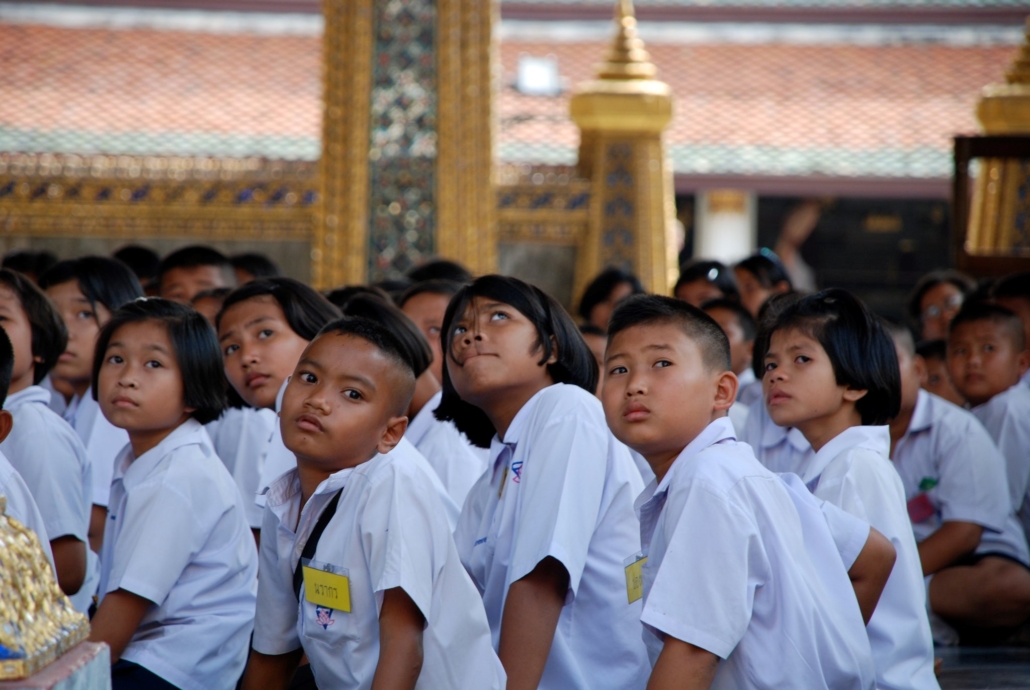
Across all countries, 20.4 percent of children have at least one developmental disability. In developed countries like the U.S., many schools have resources for children with developmental disabilities, but in countries where a solid implementation of an education system is struggling to find a foothold, people with learning disabilities often face an additional, invisible hurdle.
Medical professionals conducted a study that screened populations for developmental disabilities throughout the world. A developmental disability is a type of disability that occurs before adulthood. Some of these are learning disabilities, but all of them impact a child during the prime educational years. The study first sorted countries based on HDI (Human Development Index) a score the U.N. gives to countries according to life expectancy, education and gross domestic product (GDP). In general, this means that countries with higher HDI are more developed, and those with lower HDI are less developed.
Out of a pool of 16 countries, this study included 101,250 children averaging 5 years of age. The countries with the highest number of children with developmental disabilities include Thailand, Bangladesh and Iraq.
Thailand has an HDI of 0.755, Bangladesh has one of 0.608 and Iraq has one of 0.685. For scale, Norway has the highest HDI at 0.953. Thailand ranks 83rd in the world for high human development (though still developing), whereas Bangladesh and Iraq lay in the “medium developed” range.
Thailand
The study concluded that Thailand had 12,911 children with a developmental disability. In Thailand, communities, professional groups and other social institutions provide education and learning centers, which serve as Thailand’s primary agents of education. Thailand has separate schools available for children with developmental disabilities. Thailand gives other resources, like communicative devices, to children with disabilities to aid in education. Thailand has different classifications of disabilities, like intellectual disabilities, learning disabilities and behavioral disorders, and different sorts of schooling options available to accommodate these different groups. The parents and the children can choose which system they would like to use, and it is available as a lifelong educational resource for them.
The Education for Development Foundation (EDF), founded in 1987, started a scholarship in 2003 with the intention of making education more accessible to children with developmental disabilities. This scholarship aims to support the physical, social and emotional development of Thai youth. To qualify, candidates must already demonstrate a certain level of communicative and learning ability.
Bangladesh
The study also found that in Bangladesh, there were 36,987 children with developmental disabilities. It also determined that the rate of enrollment for a primary school in Bangladesh was 97 percent, but only 11 percent of disabled children received any sort of education.
Approaching education with respect to disabilities, methodical diagnosing and treating physical ailments is not possible. A child’s environment has a larger role in deciding how a disability might appear. As such, many early childhood education specialists recommend an approach that relies more on the stage of development the child is in to see what children with disabilities are capable of learning. Similar to how Thailand’s education system handles children with disabilities, Bangladesh has different types of schools to choose from. Unfortunately, that sort of data is not readily available or consistent.
Many international efforts to improve educational and social infrastructure have aimed to support the needs of children with developmental disabilities in impoverished countries. As a result of the UNESCO Declaration on Education for All (1990), the Dakar Framework (2000) and the Salamanca Declaration on Inclusive Education (1994), Bangladesh is working to offer children with developmental disabilities an inclusive education alongside able-bodied children.
While this sentiment does bring the needs of children with developmental disabilities to light, it is not sufficient in clearing various obstacles that arise. One study surveyed educators on the barriers of educating children with disabilities. The results were that 11 out of 15 respondents answered ‘yes’ to a lack of the proper instruments and learning materials.
Iraq
The study showed that Iraq had 11,163 children with developmental disabilities. Malnutrition, an issue in many developing countries, can inhibit cognitive development, leading to learning disabilities and difficulties.
Further, one in three children suffers from an iodine deficiency in the Iraq and Afghanistan areas. This deficiency can result in a slew of health issues including goiter, learning difficulties and severe mental impairment in the worst cases. Statistics have shown that this environmental factor contributes to the rate of mentally disabled individuals. This adds pressure on Iraq to determine adequate educational accommodations for children with developmental disabilities.
Although, since the Iraqi society is advancing technologically, there are diverse ways to deliver education to children. This means that a wider range of people can receive education, including children with developmental disabilities. The United Nations Children’s Fund launched a series of e-projects in an attempt to standardize accessible, inclusive learning. These projects were available to all students – disabled or otherwise. About 4,000 schools had access to these e-projects, not only making education accessible to all but also providing equity to education.
Solutions
Disabled Peoples’ International (DPI), established in 1981, works on behalf of all disabled individuals to give them a proper place in education, the workforce and society alongside able-bodied counterparts. DPI is active in 139 countries and seven regions, including Africa, Asia and the Middle East. DPI also develops educational materials, promotes the rights of disabled people and collects data on disability issues.
In working with MPhasiS F1 Foundation, the organization is creating a Global Youth with Disabilities Network. This network will advocate for the representation of children with developmental disabilities throughout all levels of decision-making. The organization plans to ensure these youths have access to public transportation, health care, education and employment opportunities.
– Catherine Lin
Photo: Flickr
