• Link to X
  • Link to Facebook
  • Link to Instagram
  • Link to TikTok
  • Link to Youtube
  • About
    • About Us
      • President
      • Board of Directors
      • Board of Advisors
      • Financials
      • Our Methodology
      • Success Tracker
      • Contact
  • Act Now
    • 30 Ways to Help
      • Email Congress
      • Call Congress
      • Volunteer
      • Courses & Certificates
      • Be a Donor
    • Internships
      • In-Office Internships
      • Remote Internships
    • Legislation
      • Politics 101
  • The Blog
  • The Podcast
  • Magazine
  • Donate
  • Click to open the search input field Click to open the search input field Search
  • Menu Menu

Archive for category: Global Health

Disease, Global Health, Global Poverty

TB in India: Fighting a Poverty-Driven Epidemic

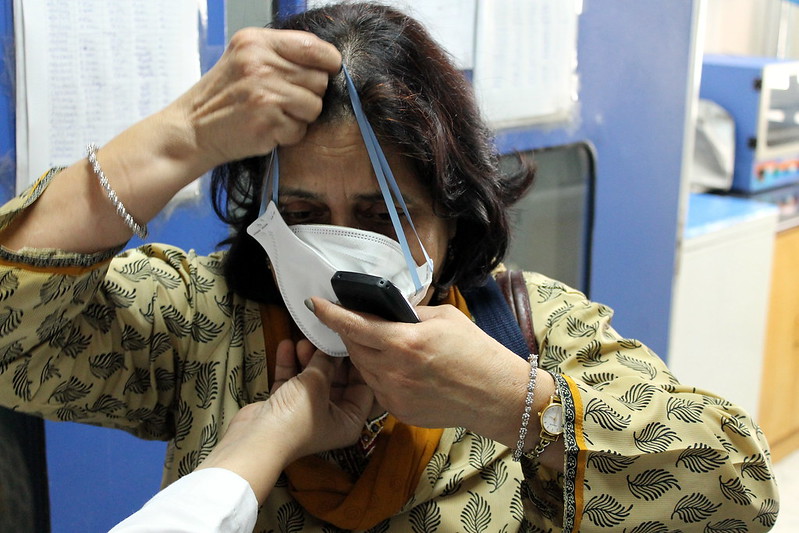
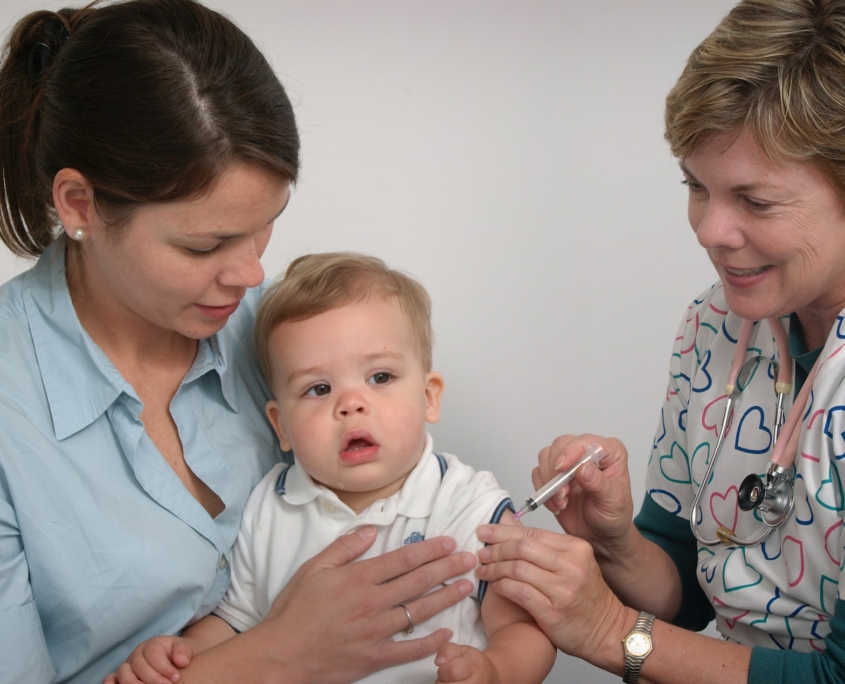
TB Resilience in India: Fighting a Poverty-Driven EpidemicRecently, India’s Tuberculosis (TB) control program has treated more than 19 million patients, yet the country still reports one of the highest TB burdens in the world. Tuberculosis remains the leading infectious disease in India and the growing threat of drug-resistant strains has intensified the challenge. Roughly 300 million Indians continue to live in extreme poverty, facing conditions that heighten their risk of infection, such as undernutrition, overcrowded housing and limited access to timely medical care. Despite these hurdles, a unified effort from the Indian government and global health partners is making measurable progress in reducing TB incidence and strengthening community resilience.

How Poverty Fuels Tuberculosis

India’s long-standing struggle with TB is closely tied to socioeconomic conditions. Families living in poverty often lack access to education, health services and basic sanitation. These ongoing challenges heighten the risk of infection and limit recovery. In recent decades, diseases such as malaria, HIV/AIDS and COVID-19 have similarly exposed how poverty worsens public health outcomes. Although conditions have not improved overnight, recent data shows progress. Between 2017 and 2022, India’s life expectancy and public health infrastructure improved steadily. The government and international partners have worked to strengthen the country’s TB response through increased funding and better community outreach.

Building Resilience Through Partnerships

Multiple global and domestic organizations have joined India’s fight against TB. These include the National TB Elimination Program (NTEP), the United States (U.S.) Centers for Disease Control and Prevention (CDC), the U.S. Agency for International Development (USAID) and SHARE INDIA. Together, they launched targeted programs such as TB Mukt Bharat (TB-Free India) to improve diagnosis, prevention and treatment. The CDC’s Expand ELEVATE  (E2) Project, for example, trained more than 3,000 data analysts in India. These professionals help health authorities track TB outbreaks and respond quickly. The project’s reach now includes more than 600 million people and plays a vital role in India’s health system resilience.

Innovation Driving Change

India has adopted new technologies to diagnose TB faster and monitor cases more effectively. These improvements allow health care workers to detect infections earlier, especially among HIV-positive patients, who face a higher risk and deliver treatment before complications arise. At the 2018 End TB Summit in Delhi, Prime Minister Narendra Modi committed to eliminating TB in India by 2025, five years ahead of the global goal at the time. Since then, the Indian government has increased investments in health care infrastructure and accelerated the rollout of new medical technologies.

Looking Forward

India’s TB response now serves as a model for other countries. The World Health Organization’s Global Tuberculosis Report predicts a 90–95% drop in TB mortality by 2035. Ongoing efforts to test, treat and prevent TB continue to save lives and reduce economic strain on vulnerable communities. By aligning policy, technology and community outreach, India shows that ending TB is within reach. With continued support from both national and international partners, the country moves closer to its goal of a TB-free future—one where poverty no longer determines health outcomes.

– Melody Aminian

Melody is based in Irvine, CA, USA and focuses on Global Health for The Borgen Project.

Photo: Flickr
June 6, 2025
https://borgenproject.org/wp-content/uploads/borgen-project-logo.svg 0 0 Precious Sheidu https://borgenproject.org/wp-content/uploads/borgen-project-logo.svg Precious Sheidu2025-06-06 01:30:272025-06-05 09:22:17TB in India: Fighting a Poverty-Driven Epidemic
Global Health, Global Poverty

A Clearer Future: Papua New Guinea Eradicated Trachoma

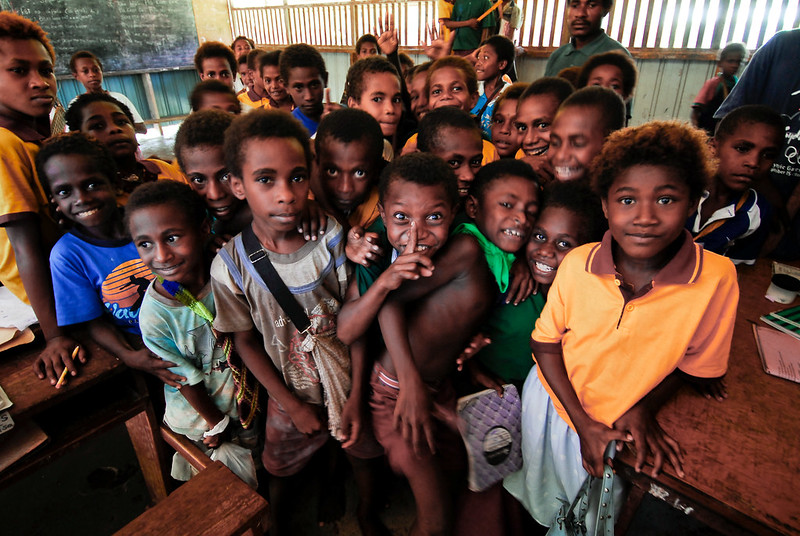
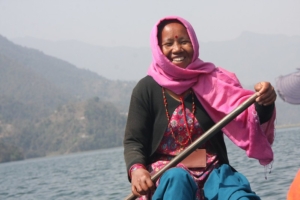
papua new guinea trachomaTrachoma is an infectious disease causing in-turning of the eyelids, visual impairment and often irreversible blindness. The disease is associated with crowded households and inadequate hygiene, access to water, and access to and use of sanitation, primarily affecting women and children within poor and rural regions. According to 2024 data, 103 million people worldwide live in trachoma endemic areas and are at risk of irreversible blindness. However, light is emerging from the dark. Following a 13-year-long struggle against the infectious disease, Papua New Guinea eradicated trachoma as a public health concern, as announced at the 78th World Health Assembly in Geneva.
About Trachoma

Trachoma is one of many neglected tropical diseases (NTDs) ― complex conditions prevalent among impoverished tropical areas and often transmitted through vectors, making them major public health concerns. Almost absent from the global health agenda, NTDs do not get enough resources and attention, perpetuating cycles of poverty, stigma and social exclusion within neglected populations

Trachoma is the leading infectious cause of blindness worldwide and is responsible for the visual impairment or blindness of more than 1.9 million people, according to the World Health Organization (WHO). The bacterium Chlamydia trachomatis spreads through personal contact, such as sharing beds, clothing, and surfaces, and by flies that have come into contact with discharge from the eyes or nose of an infected individual. The average immune system can overcome a single episode of infection but in endemic communities, infection re-occurs frequently, often leading to years of constant infection. If untreated, the infection can cause the eyelid to turn inward, resulting in pain, light intolerance, and eventually irreversible visual impairment or blindness.

Trachoma’s impact is especially harsh in remote and impoverished areas where access to care is limited. Prevalence rates are especially high among pre-school-aged children (as high as 60-90%), and due to greater contact with infected children, women experience trachoma blindness four times as often as men, WHO reports. Blindness and visual impairment cause significantly reduced productivity, the economic cost of which is estimated to be $8 billion per year

Global Elimination Strategies

As of October 21st 2024, 21 countries worldwide have successfully eradicated trachoma as a public health problem, including Cambodia, Ghana and Pakistan. These previously endemic countries implemented the WHO-recommended SAFE strategy, which encompasses:

  1. Surgery to treat trachomatous trichiasis (the blinding stage of the disease)
  2. Antibiotics to clear the infection (specifically mass administration of azithromycin)
  3. Facial cleanliness
  4. Environmental improvement (especially enhancing access to sanitation and clean water)

Papua New Guinea Elimination Strategy

Foundational efforts to eliminate trachoma in Papua New Guinea began in 2012, with organizations including Collaborative Vision, The Brian Holden Vision Institute and The Global Trachoma Mapping Project contributing towards the effort. However, surveys in Papua New Guinea revealed that despite signs of active trachoma in children, there were very low levels of Chlamydia trachomatis and negligible levels of trachomatous trichiasis, suggesting that children were not progressing to severe stages of the disease.

As a result, Papua New Guinea’s National Department of Health organized a series of further assessments, surveys and investigations, building a comprehensive understanding of trachoma’s status in the country. This confirmed that community-wide interventions such as mass antibiotic distribution and large-scale surgery were not necessary. Unlike other countries where trachoma elimination required vast surgery campaigns, mass antibiotic administration and targeted improvements in access to water, hygiene and sanitation, Papua New Guinea’s success was fueled by vigorous disease surveillance.

This is a powerful testament to the country’s ability to adjust its health strategies to the realities of local communities, ensuring the safety of its population whilst reducing unnecessary resource use. Dr Ana Campa, Trachoma Coordinator of the Fred Hollows Foundation New Zealand, stated that “Trachoma in Papua New Guinea is complex and presents atypically. Additional research and ancillary surveys … [were] crucial in understanding the picture of trachoma in the country and ultimately moving the country into drafting its dossier.”

A Clearer Future

To date, 56 countries globally have eliminated at least one NTD, including 22 that have eliminated trachoma as a public health issue. Papua New Guinea eradicated trachoma not only as a medical milestone, but as a demonstration of how context-specific strategies can achieve lasting health improvements. With the list of countries eliminating NTDs rapidly growing, we are gaining considerable momentum towards a world where NTDs are no longer a significant threat to vulnerable populations.

WHO and its partners remain dedicated to helping countries like Papua New Guinea protect their progress against trachoma and move closer to eradicating more NTDs, protecting the world’s poor.

While WHO’s SAFE strategy remains vital to tackling trachoma, Papua New Guinea’s success in eradicating the fatal disease provides a clear example of how innovative strategies rooted in distinct local realities can lead to sustainable health victories.

– Holly McArthur

Holly is based in Somerset, UK and focuses on Good News and Global Health for The Borgen Project.

Photo: Flickr

June 2, 2025
https://borgenproject.org/wp-content/uploads/borgen-project-logo.svg 0 0 Naida Jahic https://borgenproject.org/wp-content/uploads/borgen-project-logo.svg Naida Jahic2025-06-02 07:30:122025-06-02 00:39:53A Clearer Future: Papua New Guinea Eradicated Trachoma
Global Health, Mental Health

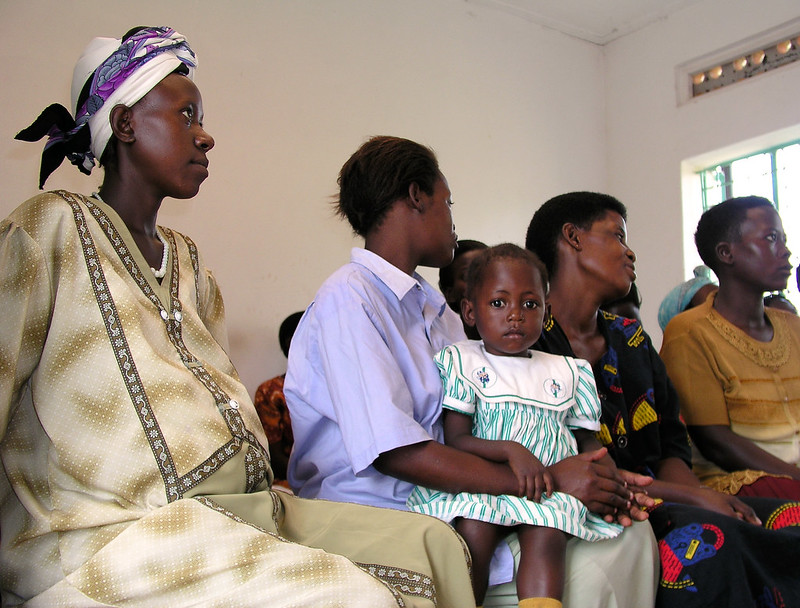
Youth Mental Health in Nepal: A Collaborative Push for Support

Youth Mental Health in NepalAmong the 29.7 million people who live in Nepal, 340,000 adolescents have made suicide attempts. Furthermore, in 2020, UNICEF reported that 470,000 teens had contemplated suicide. These figures position Nepal as having the second-highest youth suicide rate in South Asia, indicating a pressing crisis in youth mental health in Nepal that necessitates immediate intervention.

Background

The 2015 earthquake had a profound impact on Nepal, exposing children to severe psychological stress and long-term emotional strain. It added another layer of trauma to a nation already struggling with poverty and inadequate mental health care. Anxiety, grief and other forms of distress were among the many mental health challenges children faced in the aftermath.

A large-scale epidemiological study reported a prevalence of 19.1% for emotional and behavioral problems in children, indicating that it approximately affects one in every five children in Nepal.

The 2020 National Mental Health Survey indicated a 5.2% prevalence of diagnosable mental disorders among teenagers aged 13 to 17 in Nepal, with 2.8% attributed to neurotic and stress-related conditions.

Availability of Services

The pervasive stigma and insufficient comprehension of mental health are resulting in a high percentage of children and adolescents, particularly in remote locations, being unable to access essential care.

Since its establishment in 2015, the Child and Adolescent Mental Health (CAMH) unit at Kanti Children’s Hospital has remained Nepal’s only full-time outpatient clinic for child and adolescent psychiatry up until 2020.

As of 2022, Nepal had just three outpatient mental health facilities dedicated to children and adolescents, and no inpatient units in the public sector. Additionally, the country’s mental health workforce included approximately 144 psychiatrists, of whom only three specialized in child psychiatry.

When children needed hospitalization for psychiatric issues, they had to go to adult psychiatric facilities, which represents a breach of children’s rights and failed to meet international standards.

Collaborating for Change

In response to these pressing needs following the 2015 earthquake, UNICEF, Save the Children, World Vision, and Plan International initiated a collaborative initiative to enhance children and adolescents’ mental health.

Following the Inter-Agency Standing Committee (IASC) Guidelines on Mental Health and Psychosocial Support, their efforts concentrated on establishing secure and uniform environments for children to initiate emotional recovery, UNICEF reports.

The initiative established child-friendly spaces, and trained 512 community members to facilitate children’s emotional expression through play, routine, and peer contact. Through receiving training in psychological first aid, 3,395 educators and 20,000 community members learned to identify signs of distress and provide basic support, according to UNICEF.

Youth activities had a goal for adolescents to restore confidence and foster connections, while instituting support programs to enhance caregivers’ capacity to care for their children under significant demand.

Jo Malone London and UNICEF

Jo Malone London, in partnership with UNICEF and the Government of Nepal, is undertaking initiatives to improve youth mental health in Nepal by teaching health professionals to better comprehend and treat the mental health requirements of adolescents. The objectives of these trainings are to identify mental health issues, offer counselling, and link patients with specialized care via tele-mental health services at Kanti Children’s Hospital in Kathmandu, UNICEF reports.

This partnership is a component of UNICEF’s overarching strategy to strengthen mental health systems in marginalized regions by addressing challenges such as stigma, awareness, and the scarcity of mental health professionals in rural areas. This ensures that children and adolescents receive the necessary care they need.

UNICEF–Z Zurich Initiative

UNICEF combined global best practices with locally adapted approaches to promote the mental health of Nepal’s adolescents and their caregivers through socio-emotional learning (SEL) tools, with the support of the Z Zurich Foundation. Karnali Province, one of the most disadvantaged regions in the nation, was the primary focus of this initiative. The resources, which include stress management techniques and feelings charts, aim to assist students in identifying their emotions and coping with challenges.

The impact of the UNICEF–Z Zurich Foundation helps students increase comfort in expressing their emotions and their growing willingness to seek help across Western Nepal.

Youth Mental Health in Nepal

The youth of Nepal are starting to articulate what was previously concealed. From classrooms in Karnali to clinics in Kathmandu, transformation is occurring via skilled health professionals, emotional learning resources, and programs founded on trust. The upcoming difficulty is scalability. With sustained dedication, these initial advancements can evolve into enduring advocacy for youth mental health in Nepal, ensuring no child is left unheard.

– Imge Tekniker

Imge is based in London, UK and focuses on Global Health for The Borgen Project.

Photo: Flickr

May 31, 2025
https://borgenproject.org/wp-content/uploads/borgen-project-logo.svg 0 0 Naida Jahic https://borgenproject.org/wp-content/uploads/borgen-project-logo.svg Naida Jahic2025-05-31 07:30:352025-05-31 01:58:19Youth Mental Health in Nepal: A Collaborative Push for Support
Disease, Global Health, Global Poverty

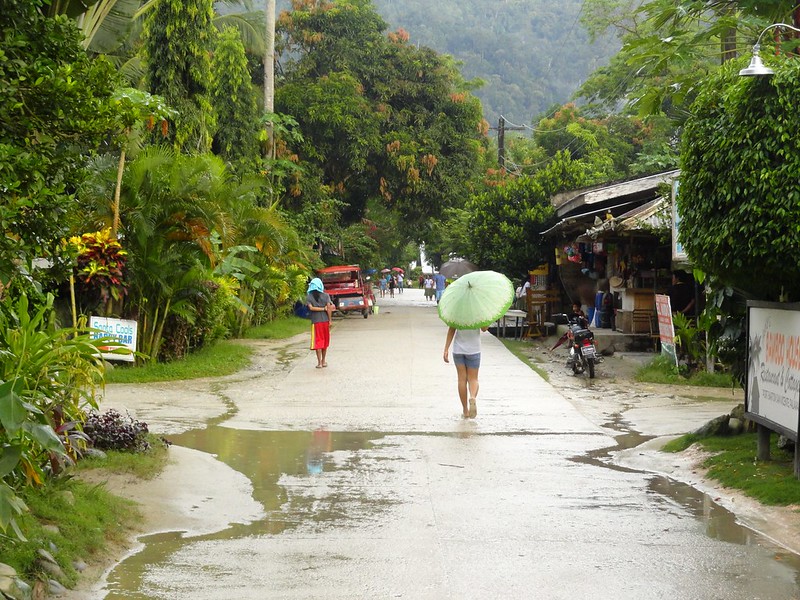
TB in the Philippines: A Persistent Public Health Crisis

TB in the PhilippinesTuberculosis (TB) remains one of the world’s deadliest infectious diseases, with the World Health Organization (WHO) estimating that about 10 million people contract the illness each year. Mycobacterium tuberculosis, the bacteria that cause TB, is currently latent in an estimated 2 billion people worldwide, more than 25% of the global population. While TB affects people globally, the disease has an outsized impact on lower-middle-income countries like the Philippines, where socioeconomic challenges hinder access to treatment and prevention.

The Burden in the Philippines

The Philippines has one of the highest TB incidence rates in Southeast Asia. In 2023, approximately 37,000 people in the country died from TB out of the 739,000 who were diagnosed. This places the national incidence rate more than six times the regional average. The WHO classifies the Philippines as a “high burden” country for multidrug-resistant TB (MDR-TB) and TB/HIV co-infection. Despite recent economic growth, the Philippines remains classified as a lower-middle-income country by the World Bank, with a poverty rate of 15.5% in 2023. TB-related mortality and infection remain elevated, particularly in urban slums, prisons and overcrowded housing environments that allow the bacteria to spread quickly through close human contact.

Link Between Poverty and Infection

TB transmission in the Philippines is not strongly correlated with national wealth, as countries with smaller economies like Cambodia and Laos report fewer cases. Instead, population density, limited health infrastructure and barriers to treatment access help explain the high infection rate. Many patients cannot afford to miss work to complete the full six-month treatment regimen. A 2016–2017 national survey found that 42.4% of TB-affected households spent more than 20% of their annual income on treatment. TB is preventable and curable, but treatment gaps continue to affect the poorest populations most. Patients who cannot access affordable health care risk worsening infections and higher transmission rates. The burden is particularly severe for those with MDR-TB, which requires longer, more expensive treatment courses. TB/HIV co-infection further complicates recovery, especially in vulnerable communities.

Addressing Social Determinants

According to WHO Director-General Dr. Tedros Adhanom Ghebreyesus, “TB is the definitive disease of deprivation.” In this context, tackling TB in the Philippines means improving access to nutrition, housing, education and affordable health care—factors that directly influence disease outcomes.

The Filipino government provides public TB treatment programs, but implementation remains challenging. Many affected individuals cannot afford to complete treatment. In 2024, the U.S. Agency for International Development (USAID) committed $10 million to TB testing and prevention efforts in the Philippines. NGOs like the Global Fund and Doctors Without Borders continue to support screening, awareness and treatment in high-risk communities.

Drug Resistance and the Need for Global Action

Treatment success rates in the Philippines remain below 60%, largely due to the rising prevalence of drug-resistant TB. According to the U.S. National Institutes of Health, emerging TB strains that resist standard antibiotics threaten to undo decades of progress in global TB control. Without sustained investment, the spread of MDR-TB could escalate, placing additional pressure on health care systems.

Looking Ahead

Addressing tuberculosis (TB) in the Philippines necessitates a comprehensive strategy that emphasizes early detection, affordable treatment and community-based care. Enhancing surveillance systems, deploying mobile clinics and integrating TB programs into primary health care networks could improve treatment adherence. Expanding support for individuals living in poverty is also crucial.

According to the World Bank, the treatment success rate for new and relapse TB cases in the Philippines was 78% in 2022, which is below the global average of 88% reported by the World Health Organization. This underscores the need for targeted interventions to improve treatment outcomes.

International partnerships, combined with sustained political commitment, offer an opportunity to reduce TB-related deaths and transmission in the Philippines. While challenges remain, comprehensive efforts focused on health care and poverty reduction could improve outcomes for thousands of Filipinos each year.

– Maxwell Marcello

Maxwell is based in Pittsburgh, PA, USA and focuses on Global Health for The Borgen Project.

Photo: Flickr

May 30, 2025
https://borgenproject.org/wp-content/uploads/borgen-project-logo.svg 0 0 Precious Sheidu https://borgenproject.org/wp-content/uploads/borgen-project-logo.svg Precious Sheidu2025-05-30 07:30:052025-05-30 05:05:22TB in the Philippines: A Persistent Public Health Crisis
Global Health, Global Poverty, Malaria

Prevention Strategies: Malaria in Africa

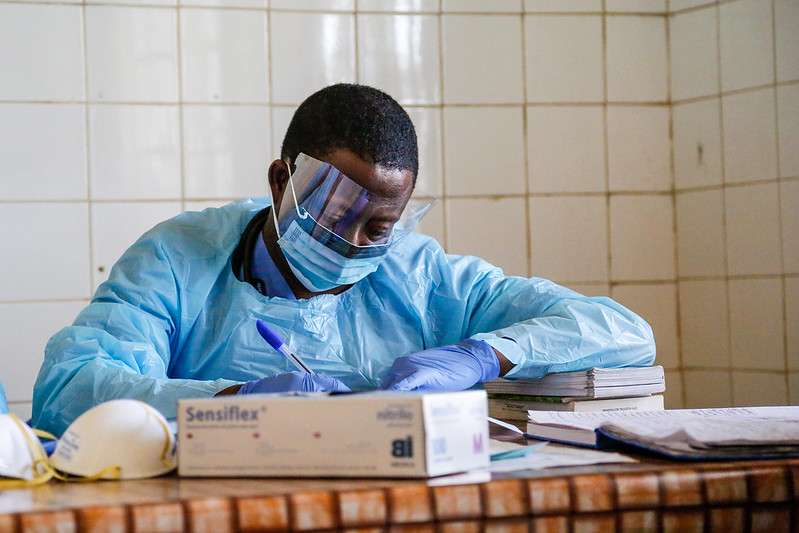
Fighting Malaria: Prevention Strategies in AfricaMalaria remains a major global health concern, especially in sub-Saharan Africa. In 2023, the World Health Organization (WHO) recorded 263 million cases and 597,000 deaths from the disease. More than 95% of all infections occurred in Africa, underscoring the urgent need for scalable, long-term prevention strategies. Despite challenges, innovative approaches are helping reduce malaria rates and protect vulnerable communities from both illness and poverty.
Geographic Burden and Progress

Countries near the equator, such as Nigeria, the Democratic Republic of the Congo, Uganda and Mozambique, face the highest malaria burden. Nigeria alone recorded about 68 million infections. However, prevention efforts across the continent have prevented an estimated 2.2 billion cases and 12.7 million deaths globally, with most of those malaria cases projected to occur in Africa. Some countries have made significant progress. In Rwanda, for example, malaria cases dropped from 4.9 million in 2019 to 749,000 in 2023. Rwanda’s success stems from its focus on high-risk areas, expanded access to free treatment for adults and vaccination programs for children.

Poverty and Risk Factors

Beyond humid weather conditions, poverty plays a major role in malaria transmission. In Nigeria, many families lack access to mosquito nets, insect repellents or screened housing. Poor working conditions also increase exposure. More than 60% of Nigerians work in agriculture and another 9% in trade, professions that require early morning and evening hours outdoors when mosquitoes are most active. Educational barriers further exacerbate the problem. People without formal schooling are less likely to understand malaria transmission or prevention, making them more vulnerable. If left unchecked, malaria disrupts livelihoods, increases health care costs and perpetuates the poverty cycle.

Vaccination and Treatment Strategies

In 2021, the RTS, S/AS01 malaria vaccine became the first to receive a World Health Organization (WHO) recommendation for widespread use. The Centers for Disease Control and Prevention (CDC) supported this rollout, citing the vaccine’s effectiveness in reducing malaria incidence and child mortality. In pilot programs, the vaccine decreased malaria in children by 30% and reduced overall mortality by 13%, even in areas with high usage of long-lasting insecticidal nets (LLINs).

Alongside vaccination, the CDC also promotes LLINs as an effective physical and chemical barrier against mosquitoes. These nets remain a cornerstone of malaria prevention, especially in rural and high-risk regions. For those already infected, Artemisinin-based combination therapies (ACTs) offer a fast-acting solution. Derived from the sweet wormwood plant, Artemisinin targets the malaria parasite in its blood phase, often clearing the infection within hours when administered intravenously. While not preventative, it remains critical for reducing symptoms and preventing severe illness.

Controlling the Source

Anopheles stephensi, a mosquito species resistant to insecticides and active during daylight, has spread to countries like Djibouti. After nearly eradicating malaria in 2012, Djibouti saw a resurgence of 73,000 cases by 2020 due to the insect’s rapid spread. To counter this, the United States (U.S.)-based company Oxitec released tens of thousands genetically modified (GM) male mosquitoes in Djibouti in 2025. These mosquitoes cannot bite or transmit disease. When they mate with wild females, the female dies shortly after, reducing the mosquito population. Although still in early stages, this approach could offer long-term benefits for vector control across East Africa.

A Path Forward

Malaria prevention has evolved through vaccines, targeted treatment, insecticide-treated nets and now genetic engineering. However, continued investment in education, infrastructure and health care access remains crucial. By tackling malaria transmission and its root causes, public health strategies not only save lives but also create pathways out of poverty for millions across Africa.

– Abegail Buchan

Abegail is based in Johnstown, PA, USA and focuses on Global Health for The Borgen Project.

Photo: Flickr

May 25, 2025
https://borgenproject.org/wp-content/uploads/borgen-project-logo.svg 0 0 Precious Sheidu https://borgenproject.org/wp-content/uploads/borgen-project-logo.svg Precious Sheidu2025-05-25 01:30:472025-05-24 23:25:57Prevention Strategies: Malaria in Africa
Global Health, Global Poverty

The Rise of Mpox in Sierra Leone: Assistance and Vaccination

Mpox Sierra LeoneFrom 1991 to 2002, Sierra Leone faced a devastating civil war that left the economy, government, and infrastructure in shambles. The country has made substantial progress in rebuilding itself and has seen significant economic growth within the last few years, but the effects of the civil war and health outbreaks such as Ebola, COVID-19 and Mpox have kept it a low-income country in need of health care assistance.

About Mpox

Mpox is a viral disease belonging to the Orthopoxvirus genus family, first discovered in 1958 with an outbreak of infected monkeys in an animal facility in Denmark. In 1970, the first known human case of mpox was a 9-month-old baby in the Democratic Republic of Congo (DRC). Since then, countries worldwide have reported mpox, majority being in Africa.

Mpox causes painful skin lesions, swollen lymph nodes and high fever. In severe cases, the disease can be fatal. In fact, 1-10% of cases result in death, a large percentage of which are young adults and children.

Mpox can cause further health complications when not properly treated, such as infected lesions, pneumonia, corneal infection with loss of vision, and even sepsis. In cases of pregnancy, mpox can reach the fetus and lead to birth complications.

The virus spreads from person to person primarily through sexual activity. However, it can be contracted when close to a person with mpox, through infectious respiratory particles. It is considered contagious until all lesions have healed and are covered by a new layer of skin. However, not all infected individuals develop symptoms, which can make the spread of mpox in Sierra Leone difficult to trace. There is only a  0.001% chance that a person will contract mpox for a second time. Further, for the rare few who do get mpox again, the symptoms are much milder than the first time.

Mpox in Sierra Leone

Sierra Leone has seen an influx of mpox infections within the last two years. In 2024, the World Health Organization (WHO) declared its highest level of alert regarding the rise in cases. The situation has only worsened, with 2025 alone accounting for 1,140 cases of mpox and nine mpox-related deaths in Sierra Leone.

Resulting from its low-income status, Sierra Leone faces many difficulties in providing health care services to those infected because of a lack of supplies and a limited number of health care workers and medical facilities. However, as foreign assistance and health care agencies have stepped in to help Sierra Leone tackle the current mpox outbreak, there is hope that cases will become manageable.

Assistance in Mpox Prevention and Care

Gavi, the Vaccine Alliance, is working with Sierra Leone to implement mpox preventive measures such as promoting hand washing and the use of facemasks. The National Public Health Agency, along with the WHO, is also assisting the country by increasing disease surveillance protocols to detect the virus faster, allowing for early-stage treatment and quarantine to lessen the spread of mpox in Sierra Leone.

The WHO is also supporting Sierra Leone in the education of health care workers, providing 160 individuals with training in infection prevention, laboratory protocols, and community risk awareness. The organization provided the country $38,000 worth of laboratory supplies, such as testing kits and safety equipment, including medical gloves, gowns, biohazard waste bags and infrared thermometers, according to its website.

Mpox Vaccine

At the beginning of April, Sierra Leone received 61,300 doses of the mpox vaccine from Gavi, the Vaccine Alliance, the Republic of Ireland, as well as immunization assistance from the HO, the African Centres for Disease Control and Prevention and UNICEF, Gavi reports.

The country has begun the process of nationwide vaccination, beginning with exposed health care workers, those at higher risk of infection and children 12 and up, according to Barron’s. It requires two doses, the second administered four weeks after the first. As of May 8, 2025, 24,000 people have received full vaccination for mpox in Sierra Leone.

With the mpox vaccine and aid from health agencies such as the WHO and Gavi, the Vaccine Alliance, Sierra Leone has the resources it needs to curtail the rising number of mpox cases.

– Amelia Dutch Player

Amelia is based in Savannah, GA, USA and focuses on Global Health for The Borgen Project.

Photo: Flickr

May 15, 2025
https://borgenproject.org/wp-content/uploads/borgen-project-logo.svg 0 0 Naida Jahic https://borgenproject.org/wp-content/uploads/borgen-project-logo.svg Naida Jahic2025-05-15 07:30:012025-05-15 00:47:17The Rise of Mpox in Sierra Leone: Assistance and Vaccination
Global Health, Global Poverty

Grassroots Health Initiatives Transforming Communities

Grassroots Health InitiativesSub-Saharan Africa is home to more than a billion people across countries with diverse cultures and economies. Yet across rural communities, a shared reality persists: poverty and limited health care access. Geographic isolation, underfunded health systems and economic hardship often make even basic care inaccessible, and the consequences are fatal. Under-5 child mortality in this region is 68 per 1,000 live births, while 70% of the global maternal deaths occur there. However, there are several grassroots health initiatives in place that aim to improve overall health care in these communities.

Background

Despite commitments like the 2001 Abuja Declaration, most countries in sub-Saharan Africa have not met health funding goals, hence, health systems remain vulnerable, dependent on fluctuating foreign aid. Consequently, even basic services involve out-of-pocket costs that deter those in poverty from accessing essential care.

Most rural areas lack nearby clinics and existing facilities often suffer from shortages in medicine, equipment and staff. As a result, many turn to traditional healers or informal providers. Chronic poverty, gender inequality and food insecurity further restrict access, especially for women who may lack the autonomy or resources to seek care.

Yet amid these challenges, hope is emerging from within. Across Ethiopia, Malawi and Nigeria, women and mothers are leading the charge through grassroots health initiatives ― bridging the gap between poverty and care by bringing services closer to those who need them most. Here are some grassroots health initiatives transforming rural sub-Saharan communities impacted by poverty and poor healthcare access:

Ethiopia’s Health Extension Program

Despite its low-income status, Ethiopia has made notable progress in rural health care through its Health Extension Program (HEP), launched in 2003. The program provides universal access to basic health services. It operates through local health posts staffed by trained Health Extension Workers (HEWs), many of whom are women from the communities they serve. HEWs identify pregnant women, provide antenatal care and refer them to formal health systems if complications arise.

More than 30,000 women received training and are now reaching more than 12 million households with health education, vaccination campaigns and family planning services. These, among other efforts contributed to Ethiopia meeting the under-5 mortality reduction target (MDG4) four years early in 2012, with major improvements in child and maternal health outcomes — including a reduction in infant mortality to only 68 per 1,000 live births.

Meseret’s Story: From Mother to Health Hero

Meseret, from rural Meki, grew up drinking polluted water from the nearby Lake Ziay. A visit from a community health worker introduced her village to water purification, inspiring her to train as a health worker. Today, she works with PSI’s Smart Start program, educating young couples on contraception and financial planning, empowering them to make informed decisions. Meseret’s efforts have contributed towards the 75,000 adolescent girls reached by Smart Start, more than 35,000 of which now use modern contraceptives  — proof of the life-changing impact grassroots health workers can have on underserved communities.

The MaiMwana Project

In rural Malawi, where 73.9% of the population lives on less than $1.25 per day and maternal, neonatal and infant mortality rates are especially high, women-led initiatives like the MaiMwana project and Secret Mothers have become crucial.

Running from 2005 to 2010, the MaiMwana Project mobilized women in Mchinji District to identify health problems, create solutions, and implement interventions like home vegetable gardens and bicycle ambulances. Inspired by similar projects in Asia and South America, it formed 207 groups across 310 villages, involving more than 12,000 attendees, the majority of whom were women. The project contributed towards a 22% reduction in neonatal mortality, highlighting the life-saving potential of women-led, community-rooted health work

Secret Mothers

In Chiyang’anira Village, Chikwawa District, another grassroots solution has emerged: a group of women known as the Secret Mothers, or “Amayi Achinsinsi.” Previously, many pregnant women in the region avoided antenatal appointments due to the expensive 200 km journey to the nearest hospital, but Secret Mothers have improved this situation, supporting them by encouraging antenatal visits and modelling safe health practices. Since its inception in 2012, more than 100 women have joined, including 50-year-old mother Stella Sabstone, a founding member. Thanks to their efforts, eight in 10 expectant mothers now receive appropriate care. By building trust within familiar networks, Secret Mothers are transforming maternal health outcomes in the geographically isolated and economically disadvantaged community.

Grassroots Health Governance in Nigeria

In Nigeria’s Kaduna State, Ward Development Committees (WDCs) have emerged as a powerful community response to maternal health issues. Sparked by a maternal death in Yakasai village, the initiative, developed in collaboration with the Population and Reproductive Health Initiative, engages local leaders, health workers, and community representatives to improve health service delivery and accountability. WDCs promote health education, monitor local facilities and lead programs like the community Maternal and Perinatal Death Surveillance and Response (cMPDSR). These efforts have radically increased facility-based births and antenatal care use.

They also address cultural norms that hinder care. In some areas, WDCs have created policies encouraging the presence of male partners at antenatal visits, a critical shift in communities where health decisions are often male-dominated. While funding and sustainability challenges remain (such as the need for ongoing training), WDCs are helping to build a more responsive, locally-rooted health system to benefit the rural poor.

Grassroots Health Initiatives: Lasting Transformation

What unites these grassroots health initiatives ― from Ethiopia’s HEWs to Malawi’s women’s groups and Nigeria’s Ward Committees ― is their focus on empowering those most affected by poverty. By leveraging local knowledge, building trust, and expanding access, these programs are breaking barriers to health care in some of the world’s most underserved areas.

Women and mothers in particular are leading this transformation. Their leadership is not only radically improving health outcomes but also strengthening community resilience. These locally driven efforts demonstrate that scalable, cost-effective health solutions can emerge from within even the most resource-constrained settings, offering valuable lessons for broader poverty reduction strategies.

– Holly McArthur

Holly is based in Somerset, UK and focuses on Good News and Global Health for The Borgen Project.

Photo: Flickr

May 12, 2025
https://borgenproject.org/wp-content/uploads/borgen-project-logo.svg 0 0 Naida Jahic https://borgenproject.org/wp-content/uploads/borgen-project-logo.svg Naida Jahic2025-05-12 01:30:022025-05-10 12:51:34Grassroots Health Initiatives Transforming Communities
Global Health, Global Poverty, Mental Health

Bridging the Gap: Mental Health Care in the Philippines

mental health PhilippinesIn 2024, the Philippines, a country of more than 100 million people, counted only 1,821 mental health care specialists, falling drastically short of the World Health Organization (WHO) recommended standards. This substantial workforce shortage presents a significant obstacle to accessing mental health care in the Philippines.

Background

According to 2023 data from the Department of Health (DOH), more than 3.6 million Filipinos suffer from mental health conditions, neurological and substance use disorders. Among the most prevalent conditions are major depressive disorder, affecting more than 1.1 million people; bipolar disorder, affecting over 520,000; and schizophrenia, affecting more than 213,000, Inquirer reports.

The mental health crisis escalated during the pandemic. Suicide rates rose by 57.3% between 2019 and 2020, and by 2023, Eastern Visayas had nearly doubled its suicide cases. Additionally, surveys show that one in 10 students has attempted suicide.

For many Filipinos, stigma and shame continue to stand in the way of accessing mental health care in the Philippines. Furthermore, the public mental health infrastructure remains scarce, with only four mental hospitals, 46 psychiatric inpatient units and 29 outpatient facilities nationwide.

As a result, many Filipinos rely on private providers and NGOs, although these services are often unaffordable or unavailable, WHO reports.

Framing Mental Health Through National Policy

Recognizing these challenges, recent efforts have focused on strengthening mental health care in the Philippines through targeted reforms and international collaboration.

The Philippines was a part of WHO’s Special Initiative for Mental Health. This initiative assists a global effort to integrate high-quality mental health care into the core of universal health systems by enhancing access to quality and affordable mental health services.

As part of this special initiative, the WHO calls on governments to integrate mental health into Universal Health Coverage (UHC) systems to ensure access to care without financial hardship.

Philippine Council for Mental Health

Introduced in 2023, the Philippine Council for Mental Health (PCMH) Strategic Framework 2024–2028 aims to enhance treatment accessibility, expand community-based initiatives and uphold mental health as a fundamental human right.

This five-year strategic plan aims to reduce the susceptibility of individuals and communities to substance use, neurological and mental disorders and to prevent and treat substance abuse effectively. The PCMH advocates for the essential human right to mental health through the implementation of critical policies. Initiatives encompass enhancing referral mechanisms and instituting the Mental Health Internal Review Board. Media training is conducted to guarantee proper reporting and representation of suicide.

To close the mental health gap, the DOH provided training in mental health to both health and non-health professionals, boosting early intervention at the primary care service level. The primary care package offers mental health outpatient services, including 12 consultations, follow-up diagnostics, psychoeducation and psychosocial support through medicine access sites.

The National Center for Mental Health now operates crisis hotlines around the clock to provide continuous mental health support.

Expanding Mental Health Care Across Sectors

Aiming to construct more mental health-responsive communities, the government launched initiatives across various agencies and educational institutions. Indeed, these efforts led 78,449 private companies to implement mental health workplace policies that support employee safety and well-being, WHO reports. To help health workers manage stress, 54 hospitals applied “behavioral nudges” and government agencies launched the Healthy Learning Institutions (HLI) Framework in 273 last-mile elementary schools, implementing a broad range of mental health measures.

The DOH is incorporating mental health responsiveness into the UHC framework by reformulating medical education and licensure criteria to facilitate integration initiatives. New rules mandate that future doctors, nurses and allied health professionals receive training to recognize and address mental health disorders within primary care settings. These initiatives facilitate the integration of mental health support into the daily environments where individuals live, work and study.

Maintaining mental health investment in education, workforce, and financing sets the foundation for a more equitable UHC system and increases mental health care in the Philippines, improving community health and resilience.

– Imge Tekniker

Imge is based in London, UK and focuses on Global Health for The Borgen Project.

Photo: Flickr

May 5, 2025
https://borgenproject.org/wp-content/uploads/borgen-project-logo.svg 0 0 Naida Jahic https://borgenproject.org/wp-content/uploads/borgen-project-logo.svg Naida Jahic2025-05-05 01:30:282025-05-05 00:36:40Bridging the Gap: Mental Health Care in the Philippines
Global Health, Global Poverty

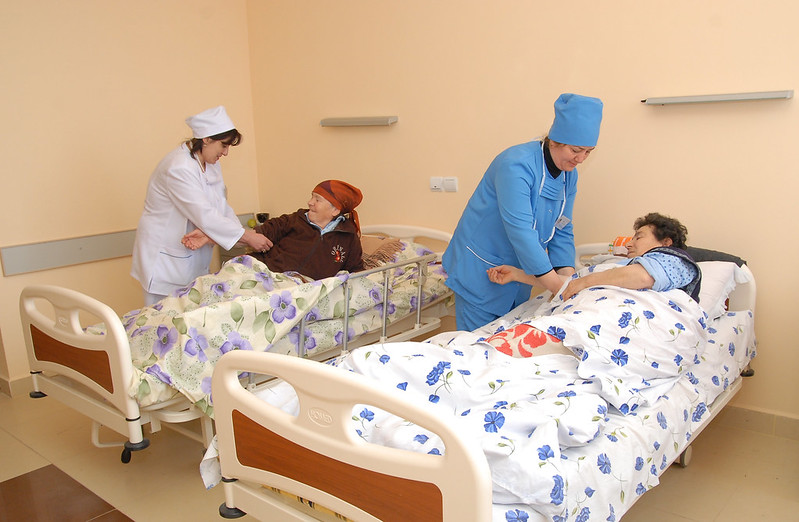
Health care in a Crisis State: Living with Diabetes in Ukraine

Diabetes in UkraineOn February 24, 2022, Russia invaded Ukraine, marking the beginning of a violent occupation which has resulted in more than 1 million casualties as of January 2025, including civilians and soldiers on both sides. In 2022 alone, Ukraine’s poverty rate “increased from 5.5% to 24.1%” – a humanitarian crisis that impacted all aspects of life for Ukrainian citizens, including but certainly not limited to access to safe drinking water and food, energy, transportation and housing. The humanitarian crisis also affected people living with diabetes in Ukraine.

Diabetes in Ukraine

Russia’s occupation of Ukraine did not only have an impact on the immediate physical safety of innocents – it also created a huge issue surrounding the management and treatment of chronic illness. According to the Diabetes Spectrum, “among the displaced Ukrainian population, more than 2.63 million Ukrainians have cardiovascular disease and more than 615,000 people have diabetes.” Furthermore, according to the National Library of Medicine, of “40,000 adults in diabetes care, only approximately 25% [maintain] sustained glucose control.”

Many people with chronic illnesses, specifically diabetics, require consistent medical care on top of strict lifestyle changes – including taking daily medications, undergoing frequent blood sugar level tests and in some cases, having surgery. In a crisis state, where even the most basic necessities are limited, these complex treatments are simply not accessible to the majority of individuals who depend on them. However, several organizations are providing aid and support to individuals struggling with diabetes in Ukraine.

TeleHelp Ukraine

Originally founded at Stanford University, TeleHelp Ukraine is a non-profit organization that specializes in providing telemedical assistance to individuals in Ukraine and Poland. TeleHelp Украïна “completed more than 2,400 consultations as of April 2024… [including] 61 consultations with people with diabetes,” Diabetes Spectrum reports.

Its consultations are completely free, although it does not currently have the resources to cover the costs of medication and other treatment. Additionally, the organization has an extensive staff of translators knowledgeable in medical terminology it is accessible to non-English speakers.

The Ukrainian Diabetic Federation

The Ukrainian Diabetic Federation (UDF) collaborates with government officials, heads events to raise awareness about diabetes in Ukraine, and provides aid to diabetics within the country. UDF also helps to distribute and administer aid to the needy. It distributed “almost 30,000 glucose meters with strips provided for people with diabetes by Direct Relief to cities and villages, to children’s hospital emergency rooms in military hospitals and to ophthalmology clinics across Ukraine. As of July 12, 2022, Direct Relief’s efforts to respond to the crisis in Ukraine have resulted in the delivery of more than 800 tons of emergency medical supplies.”

Diabetes Disaster Response Coalition

The Diabetes Disaster Response Coalition (DDRC) is an international organization that provides support to those on the ground in crisis states. One resource they provide is insulin switching guides in several Eastern European languages. These guides are helpful to ensure that local health care providers who may not have a specialization in diabetes care “safely utilize available insulin options” when it becomes necessary to switch “formulations due to limited supplies or options.” DDRC also manages the collection of donations such as “in-date and unneeded insulin, test strips, [and] meters” to be allocated to those in need.

Although the statistics about diabetes in Ukraine appear overwhelming, there is a multitude of incredible organizations advocating and providing direct aid to those in need.

– Helena Birbrower

Helena is based in Davis, CA, USA and focuses on Global Health and Politics for The Borgen Project.

Photo: Flickr

April 18, 2025
https://borgenproject.org/wp-content/uploads/borgen-project-logo.svg 0 0 Naida Jahic https://borgenproject.org/wp-content/uploads/borgen-project-logo.svg Naida Jahic2025-04-18 07:30:192025-04-17 14:25:10Health care in a Crisis State: Living with Diabetes in Ukraine
Global Health, Global Poverty, Women & Children

USAID cuts deprioritizes Women’s Health in Afghanistan

Women’s Health in Afghanistan The Trump Administration’s USAID cuts have affected many in Afghanistan, severely fracturing their already vulnerable health system. The U.S. previously provided more than 40% of foreign aid to Afghanistan, one of the poorest nations in the world, with a population of roughly 40 million. The World Health Organization (WHO) claims that more than 200 clinics have been closed, deprioritizing women’s health in Afghanistan.

Clinics Closing

Midwives in Afghanistan claim that mother and infant deaths have increased since the health clinics in many remote villages have been permanently closed. Women have not been able to reach the leading hospitals in time to receive proper care from a midwife. Many European nations have also revoked their foreign aid, leaving Afghanistan in a grueling position. The WHO believes 200 more facilities will be permanently closed by June 2025, NPR reports. These foreign aid cuts affect the most vulnerable patients in this developing nation: women, children and low-income populations. There is no direct data on complications and deaths due to the 206 clinics that closed as of March 2025. Midwives from village to village are spreading awareness to each other about pregnancy and childbirth deaths. USAID cuts are deeply deprioritizing women’s health in Afghanistan.

Midwives Testimony

In the western provinces of Herat, a midwife, Faezeh, experienced her clinic closing due to aid cuts. Previously, the clinic had been active at all hours. Many health clinics in Afghanistan not only assist with maternal and newborn care but also provide for the most vulnerable patients, including malnourished children and the elderly, NPR reports. The clinics offer vaccination and nutrition. The clinic in Herat was not reopened despite the older generation’s efforts to negotiate with the public health officer. There is no donor funding available to establish a reopening. Faezeh believes that if the clinic had not closed, the women who recently experienced maternal and infant death would have been able to make it, according to NPR. Clinics that remain open are distantly spaced out, making it virtually inaccessible for Afghans to receive care.

Karima, a maternal care doctor at a regional hospital in Afghanistan, believes that maternal and infant death rates are increasing due to the cuts in prenatal and postpartum services, previously provided by foreign NGOs. The NGO cuts only further deprioritizes women’s health in Afghanistan. A woman in a rural area of Herat lost her baby due to a condition known as meconium aspiration syndrome. A condition in which the baby has been in the womb for too long. This condition only occurs in 5% to 10% of births, NPR reports. It is treatable, but not having professional care in her community prevented this mother from having a life with her child. Women already have strict travel regulations imposed on them by the Taliban. The closing of the clinics is imposing a higher risk on women who do seek to travel to a further village to receive maternal care.

Women for Afghan Women

Foreign aid cuts have affected many nations in the developing world. Women for Afghan Women is partnering with organizations in Afghanistan to expand its help. Like many organizations trying to establish aid and funding for Afghanistan, they have been limited in their pursuits due to government control of the nation. Afghan midwives are the hope for maternal care. Private funding is being sought, but grassroots support is limited. International financing is persistently in conversation in U.S. government relations settings. Support from congressional leaders for the International Affairs budget could bring resolution for the deprioritization of women’s health in Afghanistan and developing nations across the world.

– Mackenzie Inman

Mackenzie is based in Washington DC, US and focuses on Global Health for The Borgen Project.

Photo: Flickr

April 17, 2025
https://borgenproject.org/wp-content/uploads/borgen-project-logo.svg 0 0 Naida Jahic https://borgenproject.org/wp-content/uploads/borgen-project-logo.svg Naida Jahic2025-04-17 01:30:552025-04-17 02:14:36USAID cuts deprioritizes Women’s Health in Afghanistan
Page 3 of 18‹12345›»

Get Smarter

  • Global Poverty 101
  • Global Poverty… The Good News
  • Global Poverty & U.S. Jobs
  • Global Poverty and National Security
  • Innovative Solutions to Poverty
  • Global Poverty & Aid FAQ’s
Search Search

Take Action

  • Call Congress
  • Email Congress
  • Donate
  • 30 Ways to Help
  • Volunteer Ops
  • Internships
  • Courses & Certificates
  • The Podcast
Borgen Project

“The Borgen Project is an incredible nonprofit organization that is addressing poverty and hunger and working towards ending them.”

-The Huffington Post

Inside The Borgen Project

  • Contact
  • About
  • Financials
  • President
  • Board of Directors
  • Board of Advisors

International Links

  • UK Email Parliament
  • UK Donate
  • Canada Email Parliament

Get Smarter

  • Global Poverty 101
  • Global Poverty… The Good News
  • Global Poverty & U.S. Jobs
  • Global Poverty and National Security
  • Innovative Solutions to Poverty
  • Global Poverty & Aid FAQ’s

Ways to Help

  • Call Congress
  • Email Congress
  • Donate
  • 30 Ways to Help
  • Volunteer Ops
  • Internships
  • Courses & Certificates
  • The Podcast
Scroll to top Scroll to top Scroll to top