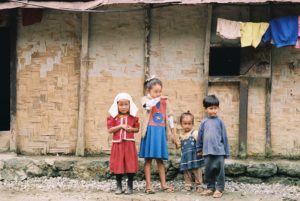
Amid the COVID-19 pandemic, India’s struggle with malnutrition has been playing out behind the scenes. Despite consistent economic growth, nutritional deficiencies have plagued India’s adults and children for years. Nearly 50% of children do not receive adequate nourishment and more than 50% suffer from anemia and other vitamin deficiencies. Efforts by the state have improved the situation over time, but malnutrition in India remains high compared to other developing countries. Recently, the coronavirus pandemic has made matters worse as India’s cancellation of its school lunch program leaves children, who usually rely on these supplementary meals, at-risk. In addition to damaging the economy and people’s ability to buy food, the COVID-19 lockdown has halted state-run services that previously helped people in need access nutritious meals. Recognizing the severity of malnutrition in India during COVID-19, efforts are starting to ensure Indians, especially women and children, fulfill their nutrient requirements.
History of Malnutrition in India
Malnutrition is not a new issue in India. It has been consistently prevalent despite the country’s economic development. In 2019, India ranked 102 of 117 countries in the global hunger index and its hunger situation was labeled as “severe.” Furthermore, India’s childhood malnutrition rate is twice that of sub-Saharan Africa. In this same vein, 45% of children suffer from stunted growth due to their lack of sufficient nutrients necessary for development.
Though adults also suffer from malnutrition, the issue largely affects children. This is because of the lasting implications of malnutrition occurring during development.
Malnutrition in India’s children is attributable to many factors. These include lack of access to nutritious foods, inadequate care practices and pregnant women’s inability to gain sufficient weight. These circumstances can lead to a multitude of consequences. For example, decreased chances of survival for children younger than 5 years old, increased susceptibility to illness, impaired learning abilities and decreased productivity in children and adults, to name a few.
These effects not only affect individuals but can also become detrimental to the growth and prosperity of a society or country. When childhood development suffers impairment, their education and potential to contribute to India’s productivity decreases. Ultimately, this affects long-term, economic growth. India acknowledges that it is in the state’s interest to solve this issue. Therefore, the Indian government has attempted to address malnutrition by creating several aid services.
Initiatives to Combat Malnutrition
Since malnutrition has been recognized as an issue crucial to India’s development, India has led developing countries in the fight against malnutrition.
India’s Integrated Child Development Scheme (ICDS), a program funded by the central government and UNICEF, formed in 1975. The initiative aims to tackle malnutrition by providing primary healthcare and supplementary food to children between the ages of 3 and 6. Also, their mothers would receive the same care. In 2010, the ICDS expanded with the addition of the Pradhan Mantri Matritva Vandana Yojana (PMMVY) program. This expansion strives to improve health and nutrition for pregnant women.
Another government-led effort to combat malnutrition in children is the National Programme of Nutritional Support to Primary Education. This is also known as the Mid-Day Meal scheme. This program provides children in school with meals. Ultimately, this improves both their food security and nutritional status.
Additionally, the Food Safety and Standards Authority of India issued regulations in 2018 for fortifying common foods like rice, wheat and milk to enhance their nutritional quality.
These programs convey the state’s recognition of the severity of malnutrition in India. Also, the necessity of improving conditions for thousands of residents. Between 1990 and 2019, child mortality decreased from 3.4 million to less than 1 million. However, despite this significant progress, malnutrition persists.
The Impact of COVID-19
The COVID-19 pandemic has impacted access to nutritious meals for all Indians. Yet, this is especially true for children relying on supplementary meals. Under normal circumstances, children were guaranteed at least one nutritious meal under India’s government-funded school lunch program. After the imposed lockdown (to prevent the spread of the virus), about 115 million children, dependent on school lunches to fulfill their daily nutrient requirements, no longer had access to this service. Supplementing its current food program, India planned to use a phased approach to reopen schools in September 2020. The nation has announced it will expand its school food program to include breakfast and midday meals. These initiatives aim to reduce malnutrition in India during COVID-19.
While India’s government has been attempting to combat its persistently high childhood and adult malnutrition rates for years. Unfortunately, the pandemic has made the situation even more urgent. As India loosens COVID-19 restrictions, it is imperative that children and women once again gain access to crucial services. Ensuring their nutrient requirements are met is paramount. Furthermore, recognizing the enormity of malnutrition in India during COVID-19 and beyond, India must push more efforts to protect the health of its people.
– Angelica Smyrnios
Photo: Flickr

The Defense Benefits of US Foreign Aid
People have historically looked at U.S. foreign policy as a stool supported by three legs: Defense, Diplomacy and Development. The final leg, development, refers to foreign aid. U.S. foreign aid is a vital tool in the U.S.’s national security toolbox and yet its 2019 budget did not even account for 8% of the budget for the first leg, national defense.
The need for national security is obvious, but the apparent belief that defense spending is the unilateral key to achieving this goal is dangerously reductionist. The U.S. federal budget represents a heavy reliance on military strength and a contrasting disregard for the other two facets of security. Secretary of Defense, Mark Esper, called for a “whole of government approach,” when asked in his Senate confirmation hearing about how the U.S. should approach its competitive coexistence with China.
Where Does the Money Go?
In 2019, over $46 billion went toward foreign assistance, representing a roughly $6 billion decrease from appropriated funds in 2015. Where those tax dollars go matters when understanding the investment they represent in American safety and prosperity. The vast majority of those funds went to the U.S. Department of State and USAID. These are the two principal government agencies with the charge of managing U.S. foreign aid. Within those two federal agencies, funds go into nine categories with Peace and Security, Health and Humanitarian Assistance making up the bulk of aid.
Looking more closely, the Health sector received $9.5 billion in appropriations in 2019. The majority of that figure went towards HIV/AIDS prevention and treatment in sub-Saharan Africa. This can have a substantial impact on reducing poverty as AIDS-related illnesses greatly reduce life expectancy in the countries that the epidemic most affected. Additionally, statistics have proven that the HIV/AIDS epidemic has slowed economic growth in Africa as it often prevents those affected from receiving an education or obtaining a job. Prevention and treatment of this epidemic is just one aspect of U.S. foreign aid.
Slow and Steady
Proving the results of U.S. foreign aid has long been a complicated task. The absence of conflict in a region is hard to credit with just one measure and not nearly as easy to point to as the existence of conflict elsewhere. Specific examples of changes in spending do however uncover gradual successes. Peace and Security funding goes towards military equipment, training and development. However, as the situation improves incrementally in certain countries, USAID and the Department of State are able to shift their efforts towards Democracy, Human Rights and Governance projects.
One example is Afghanistan, which received more U.S. aid in 2019 than any other nation. One should not ignore the fact that 17% of funds went to Peace and Security while 49% went to the aforementioned Democracy, Human Rights and Governance sector. This represents a marked shift as previous years focused the majority of aid on the military. Furthermore, it is representative of the slow yet undeniable progress that just about 1% of the federal budget has made.
When USAID first started working in Afghanistan in December 2002, the literacy rate was 50% for men and 20% for women. The budget that the Afghan government operated on came exclusively from donor support and accounted for just $600 million. The GDP per capita, a useful measure of average living standards in a country, was $250. By 2017, the GDP per capita had risen to $2,000. In 2018, the literacy rates had increased to 55.5% for men and 29.8% for women and the government’s budget had risen to $2.2 billion. These figures are not indications that the task is finished, but just some examples that U.S. foreign aid made the task possible.
Foreign Aid is Key to Grand Strategy
U.S. history has demonstrated the strategic gains of foreign aid countless times throughout U.S. history. Dating all the way back to the Marshall Plan in 1948, the U.S. provided more than $13 billion in aid to Europe so that the continent could rebuild after WWII. This allowed the U.S. to build stronger bilateral and multilateral ties with Europe, forming lasting alliances that reaped benefits in trade and a return to reduced conflict in the region.
During the 1960s, the U.S. improved upon this practice with the creation of USAID and the Peace Corps. From there, U.S. foreign aid expanded beyond to areas like education, agriculture and health. As a result, the U.S. could continue to project more than just military might. Key democratic values like education for girls and boys, free and fair elections, freedoms for the press and more could be developed around the globe. This all occurred in the context of a great power competition between the U.S. and the Soviet Union with a clear understanding of the benefits of a three-legged approach in lieu of a military standing alone. As recently as 2017, a letter to Congress authored by roughly 120 retired U.S. admirals and generals called for a continuation of aid funding in the interest of, “preventing conflict and reducing the need to put our men and women in uniform in harm’s way.”
An End to “Forever Wars”
As the world becomes ever-more intertwined, the U.S. must evolve its own foreign policy to meet new challenges. Relying solely on the military places an impossible task on its shoulders as it attempts to help rebuild nations, improve foreign governments and end global poverty. This work requires professional diplomats trained for these tasks and foreign aid that allows governments and NGOs to do it themselves. In the long term, more foreign aid could mean the sending of fewer troops to war.
– Scott Mistler-Ferguson
Photo: Flickr
5 Key Points to Know About Hunger in Gabon
Many African nations are losing the fight against hunger. Levels of hunger are rising faster than governments can handle, but one country is setting an example of how nations should respond to this persistent struggle. Gabon, an African nation off the west coast of Africa, is taking steps to combat the threat of hunger around the region. Starvation is a massive problem in Africa and Gabon is no exception. Hunger proliferates throughout the African nation, but Gabon, with the help of international organizations, is making big strides that have helped thousands of Gabonese people. Here are five key points to know about hunger in Gabon.
5 Key Points to Know About Hunger in Gabon
Like many other African nations, the threat of malnutrition has not spared Gabon. However, increased efforts on the part of Gabonese parliament and international bodies have proven effective in the fight against rising levels of hunger. Gabon is not 100% free from the hunger plague, but despite this harsh reality, the nation is getting better. Hunger levels in Gabon are decreasing faster than most countries in the same region. Continued commitment by the Gabonese government and international organizations to fight hunger will be the key to end it once and for all.
– Pedro Rodriguez
Photo: Flickr
How Flying Kites is Changing Education in Kenya
Kenya has seen great success in combating poverty, with the national poverty rate declining from 46.8% to 36.1% between 2005 and 2016. Over this same period, the economy grew at an average annual rate of 5.3%. An increased focus on education accompanied this economic success. In line with this new focus — changing education in Kenya is now at the forefront of one nonprofit’s agenda.
Educational Improvements and Barriers
Increased education and poverty reduction closely connect in the developing world. Education gives students the skills to seek better-paying jobs and improve their lives. Acknowledging this, the Kenyan government opted to make primary education free in 2003. It followed up by making secondary education free in 2008 as well. Due to these policies, 94% of rural Kenyans younger than age 13 now enroll in school. However, the quality of education these students receive is highly variable. For example, only 47% of primary school graduates can successfully test into secondary school.
Challenges exist because while school is free, poor children often struggle with difficult home environments. They often must support their families at the expense of their education. Additionally, weak oversight and insufficient government support mean that many areas suffer from poor quality education, lacking recourses or qualified teachers.
Flying Kites
Flying Kites is one organization with the aim of changing education in Kenya — specifically, education quality. The organization is a Kenyan nonprofit that runs a program to educate teachers and works with Kenya’s ministry of education. Importantly, it is trying to make education more accessible to poor students. Flying Kites partners with “high potential, resource-poor” schools to invite teachers to attend workshops and sit in on classrooms at the Flying Kites Academy. These teachers go through a program to teach them how to improve their classrooms and provide more support to students.
The Borgen Project recently had the opportunity to talk with Katie Quinn, the Director of Operations in the U.S. for Flying Kites. She explained how Flying Kites originally began in 2007 with a primary school catered toward disadvantaged students in central Kenya. Today, its school has evolved into one of the highest regarded academies in Kenya. Flying Kites is attempting to replicate that success across the country.
So far, Flying Kites has seen great success in improving education in Kenya with its Teacher Training Center. It evaluates the classroom skills of incoming teachers and has found that only 12% of them are proficient in all skills. However, after a year in the program, 67% of teachers achieved classroom proficiency.
According to Quinn, focusing on teachers is the best way to improve the education system.“The delivery of quality education by engaged and supported teachers dramatically improves student outcomes, empowering even the most vulnerable students to become curious and critical thinkers and to develop the skills they need to become life-long learners and positively impact their families and communities.”
Flying Kites’ Approach During COVID-19
COVID-19 has undoubtedly been a disruption to the lives of Fly Kites’ students. However, the organization is working hard to make sure that every student stays on track. It has provided direct relief to more than 6,000 local families. Also, it has been distributing meals to students in need. The organization has also pledged to cover all back-to-school expenses for students at its partner schools. This will include uniforms, school supplies and more. It hopes to guide its students through this difficult time and ensure that none of them give up their education.
Once the pandemic ends, Flying Kites hopes to continue to expand its reach to schools — changing education in Kenya. Quinn explained how the organization is planning to create a “model schools district” by working with all 45 local primary schools as well as the Kenyan government. The aim is to create a better environment for teachers and their students. By doing so, Flying Kites seeks to create a repeatable model for education in Kenya that improves student outcomes and creates better opportunities to escape poverty.
– Jack McMahon
Photo: Flickr
4 Ways COVID-19 And Global Poverty Connect
Since early 2020, the entire globe has been battling the COVID-19 pandemic and attempting to address the outbreak properly. Most of the world’s population is currently under some form of social distancing as a part of a response to the outbreak. From scientific research to increased travel restrictions, almost every country is working on ways to boost the economy while managing the spread of the virus. However, COVID-19 has affected much more than the economy. Here are four ways COVID-19 and global poverty connect:
4 Ways COVID-19 and Global Poverty Connect
Moving Forward
There are many challenges that families across the globe face as a result of COVID-19. Notably, some organizations have stepped forward to help alleviate circumstances. The World Bank, Care International and the U.N. are among the organizations implementing programs and policies to directly target the four effects of COVID-19 mentioned above.
For example, the World Bank is continuously launching emergency support around the world to address the needs of various countries in response to COVID-19. By offering these financial packages, countries like Ethiopia, which should receive more than $82 million, can obtain essential medical equipment and support for establishing proper healthcare and treatment facilities. These financial packages constitute a total of $160 million over the next 15 months as a part of projects implemented in various countries, such as Mongolia, Kyrgyz Republic, Haiti, Yemen, Afghanistan and India.
– Nada Abuasi
Photo: Flickr
Examining Qatar’s Foreign Aid
Qatar is one of the world’s wealthiest counties, and by some metrics, the wealthiest. Even more so than its fellow petroleum-exporting neighbors, Qatar is an indisputable giant in the oil industry, holding 13% of the world’s global oil supply. The nation’s vast wealth, compounded by its population of only about 3 million, contributes to the Qatari citizens’ notably high quality of life, as seen in Qatar’s minuscule unemployment rate of 0.4% and its population life expectancy of 79.4 years in comparison to the global average of 71 years. The small nation’s close proximity to poorer regions and conflict areas make it a highly capable potential distributor of much needed foreign aid. Qatar has an interesting variety of causes and countries to which it has supplied considerable development assistance, but the country’s massive wealth elicits the possibility of an expanded foreign aid budget. Here is some information about Qatar’s foreign aid.
Regional Development Cooperation
Qatar’s foreign aid record tells the story of a nation devoting most of its foreign development cooperation to its more poverty-stricken neighbors, including Morocco, Yemen, Syria, the West Bank and Gaza Strip region and Egypt. Funding went mostly into sectors such as construction and infrastructure. Unfortunately, the latest foreign aid report by the Qatari government was released in 2013, but the Organization for Economic Cooperation and Development estimates a total foreign aid contribution of $1.3 billion that year alone.
After the summer of 2014, which significantly elevated conflicts between Israel and Gaza, nations including Qatar, the U.S., the U.K. and other Gulf states made foreign aid contributions to Gaza, with Qatar’s being the largest with a pledge of $1 billion. Qatar’s massive donation evolved into a cash distribution program to tens of thousands of family-specific beneficiaries.
Qatari aid in Syria has had an impact on both financial and political levels; Qatar has donated more than $1.6 billion in humanitarian aid for conflict victims as well as vocally called for the removal of Syrian President Bashar Al-Assad.
Contributions to Wealthier Nations
Beyond regular contributions to the surrounding economies of Qatar, the small but financially prosperous nation has given considerable aid to wealthier countries in times of crisis. In 2011, the Tohoku earthquake and tsunami hit Japan and caused $360 billion in damage and took nearly 16,000 lives. Along with a substantive monetary donation, Qatar was the host of a multinational football match to raise funds for Japan in the wake of the disaster. The relief aid went mostly to infrastructural projects and the purchase and transportation of natural gases to refill Japan’s national stores.
The Potential for More
As stated earlier, Qatar’s foreign aid comprised of $1.3 billion in 2013. While this is the latest official report and one that the Qatari government published on its own, Qatar has also worked in a partnership with the OECD to publicize and account for its development aid activity. As per the website for Qatar’s own Department of International Cooperation, one of the departments’ many functions includes participation in the “development of the state policy in the field of aid and developmental and humanitarian assistance” and supporting “economic and social development in developing countries.”
However, despite any prioritization of international development cooperation within the department, one can easily determine that Qatar operates far below its capabilities in terms of being a prominent source of foreign aid. Compare Qatar to the United States, which has a population of about 330 million – 110 times larger than Qatar’s population of about 3 million – and a foreign aid budget of a little under $40 billion. Factoring in the nation’s smaller population and its prosperous financial stature, Qatar is more than capable of being one of the world’s largest contributors to international development cooperation.
– Stirling MacDougall
Photo: Flickr
The Efforts to Lessen Hunger in Moldova
Since its independence from Russia in 1991, the Republic of Moldova has struggled to maintain economic sovereignty and is one of Europe’s most impoverished countries. As the country is rife with poverty, rampant hunger also affects it. Hunger in Moldova is a result of an array of factors that contribute to the multilayered issues that the country faces. Some of these factors include emigration and severe weather.
Natural Disasters
Moldova’s climate creates an ideal environment for extreme weather. In 2007-2015, droughts impacted 90% of the country’s territory and 80% of its population. These natural disasters have proven to be detrimental to the country’s agriculture as they are unpredictable and hinder crop production. As 17.7% of Moldova’s economy is contingent upon agriculture, the prevalence of natural disasters endangers the country’s ability to produce for itself and compete within the international economy. This has resulted in Moldovans suffering from a lack of consistent nutrition and resources that has impacted their overall health. Traditionally, the prevalence of anemia is indicative of hunger. Currently, 26.8% of women in the reproductive stage are anemic.
The COVID-19 Pandemic
Amid the COVID-19 pandemic, the progress to eliminate hunger in Moldova is under threat. Developing countries are currently at risk because they lack the proper resources to contain outbreaks and stabilize affected communities. According to the UNDP, 75% of those in the least developed countries have access to soap and water. With no way to effectively sanitize, the COVID case counts in developing countries are much higher than those in developed countries. The high numbers of cases in Moldova have proved detrimental to the Moldovan workforce, thus leaving many without access to the goods and services they require. Moreover, COVID-19 is not just a health concern, it also places fundamental resources in jeopardy. The UNDP predicts that developing countries will lose over $220 billion in income and that only 45% of people in those countries will have social protection. As a result, the reversal of efforts regarding education, hunger and human rights may occur.
Solutions
While poverty and hunger have endured in Moldova since its independence from Russia, many international organizations have made efforts to improve the wellbeing of its citizens. Contrary to popular belief, efforts do not have to be particularly large scale. Some of the most effective mechanisms to lessen poverty are local, though internationally funded. Examples include improving small-scale food producers and promoting disaster-resistant agricultural practices. When implemented correctly these small changes create a ripple effect into the country as a whole. Consequently, larger organizations provide funding which strengthens the country’s ability to compete in the international economy.
Efforts in Moldova have decreased the poverty rate from 30.2% to 12.7% from 2007 to 2012, which was 7.8% over the 20% goal. This decrease is impressive because it displays the importance of community efforts in the fight against poverty and the subsequent hunger. An additional example of community outreach is that in 2013, the local government was able to support projects that contributed to helping over 100,000 people gain access to clean water sources. A specific project is the Global Humanitarian Agency’s water project, which focuses on the application of underutilized water resources like rainwater and improving sanitation. In regards to hunger in Moldova, clean water is an essential resource and is often a factor that contributes to poverty.
Additionally, local groups have also been able to train roughly 80% of their elected officials in order to identify needs within their communities. As a result of allowing elected officials to identify needs, communities can regain a level of autonomy. Different places have different needs as far as financial and food resources are concerned. Thus, training elected officials allows them to serve as educated ambassadors and make intelligent decisions regarding their respective areas. These examples illustrate the ability of small efforts to catalyze large scale development.
How to Help
There are many organizations for one to choose from if they would like to help end hunger in Moldova. USAID and UNDP are some of the most reputable.
USAID has championed a project known as the Moldova Competitiveness Project which partners with the Swiss government and focuses on the expansion of the Moldovan economy. The project emerged in October 2015 and is transparent about its objectives. The project plans to elevate Moldova’s economy by increasing productivity within Moldovan businesses and innovation as a whole throughout the country. The improvement of the products that Moldova produces would connect it to the global economy and allow it to become economically sustainable. This improvement of products will occur through the project’s support of specialized training for workers and industry excellence centers like ZIPHouse, a creativity center.
Meanwhile, UNDP seeks to lessen poverty by applying the Sustainable Development Goals (SDGs). Effective since 2016, these goals serve as the primary mission statement for UNDP’s global outreach programs. It prioritizes innovation, sustainability and economic equality in an effort to improve the lives of those impoverished and ultimately end poverty as a whole. In response to COVID-19, the UNDP has partnered with the World Health Organization (WHO) in order to aid developing countries amid the pandemic. It focuses on stopping the spread of the virus by utilizing adequate medical equipment and providing resources to bar the economy from collapsing. It has already utilized $20 million but predicts it will cost at least $500 million in order to sufficiently aid 100 countries.
– Stella Vallon
Photo: Flickr
How the Kalahan Forest Reserve Profits Sustainably
In 1971, the Philippine government passed Forestry Administrative Order No. 62 in an attempt to curb national resource deterioration and human displacement caused by increasing deforestation at the hands of agriculturalists and loggers. This administrative order initiated community-based forest governance systems in the Philippines. Shortly after in 1972, the government signed over to the indigenous Ikalahan people legal ownership of their ancestral lands. This step, eventually led to the creation of the Kalahan Forest Reserve.
Deforestation and Land Rights
Five villages of Ikalahan people, located in the northern part of the Philippine island of Luzon, convened to form the Kalahan Educational Foundation (KEF) to claim community ownership of 15,000 hectares of forested land. A memorandum from the federal government allowed the Ikalahan people to manage this land in exchange for the protection of a local watershed. This memorandum set a precedent for future indigenous land tenure rights cases.
KEF Forest Stewardship
Deforestation in the Philippines continued to rise following the 1971 government order, but on the Kalahan Forest Reserve, forest cover is increasing. The KEF executes a multifaceted approach to responsible forest stewardship. The KEF is under the leadership of spokespeople from nine communities within the reserve. It also includes youth and local government representatives. One division of the KEF ensures the local watershed remains unpolluted by wastes. Another oversees research and management of the forest and natural resources. This faction encourages responsible planting, harvesting and crop selection practices among farmers on the reserve. It also investigates forest resource improvements and agroforestry potential and manages land use and land allocation among local families.
Increased Access to Education
Also, the KEF established the Kalahan Academy. It is a facility dedicated to providing Ikalahans and other local children a formal education up to the 12th grade. The Kalahan Academy teaches its pupils about the sustainable forest and natural resource management and focuses on preserving indigenous Ikalahan culture. The academy encourages graduates to pursue a college education, after which many return to work as academy faculty and staff or in local government offices. Others find jobs outside of the Kalahan Forest Reserve, which alleviates local resource pressure and diversifies the communities’ economic opportunities.
Expanded Economic Opportunities
The KEF also established the Mountain Fresh product line. This product line includes preserves made from sustainably harvested indigenous plants like guava, hibiscus and ginger in local markets. Mountain Fresh preserves struggle to expand its market access due to transportation, marketing and raw material resource constraints, but institutional aid from NGOs like the Federation of Peoples’ Sustainable Development Cooperative helps the company to surmount these challenges. Other economic opportunities fostered by the KEF include the sale of sustainably harvested orchids and timber from agroforestry plots. Furthermore, the KEF Board of Trustees hopes to capitalize on carbon trading schemes. In 2002 alone, the Kalahan Forest Reserve sequestered over 38,000 tons of carbon. As the amount of forest cover on the reserve increases, so too does its potential to capture carbon.
Following the legal recognition of their indigenous land rights in 1972 by the Philippine government, the KEF instilled a conservation ethic among the Ikalahan people on the Kalahan Forest Reserve through sustainable forest stewardship practices and educational and economic opportunity. The profits from the KEF’s sustainable enterprises and the economic opportunity generated by formal education contribute to the improving quality of life for the Ikalahan people through local improvements and access to infrastructure, healthcare and education.
– Avery Saklad
Photo: Flickr
Eradicating Malnutrition in India during COVID-19
Amid the COVID-19 pandemic, India’s struggle with malnutrition has been playing out behind the scenes. Despite consistent economic growth, nutritional deficiencies have plagued India’s adults and children for years. Nearly 50% of children do not receive adequate nourishment and more than 50% suffer from anemia and other vitamin deficiencies. Efforts by the state have improved the situation over time, but malnutrition in India remains high compared to other developing countries. Recently, the coronavirus pandemic has made matters worse as India’s cancellation of its school lunch program leaves children, who usually rely on these supplementary meals, at-risk. In addition to damaging the economy and people’s ability to buy food, the COVID-19 lockdown has halted state-run services that previously helped people in need access nutritious meals. Recognizing the severity of malnutrition in India during COVID-19, efforts are starting to ensure Indians, especially women and children, fulfill their nutrient requirements.
History of Malnutrition in India
Malnutrition is not a new issue in India. It has been consistently prevalent despite the country’s economic development. In 2019, India ranked 102 of 117 countries in the global hunger index and its hunger situation was labeled as “severe.” Furthermore, India’s childhood malnutrition rate is twice that of sub-Saharan Africa. In this same vein, 45% of children suffer from stunted growth due to their lack of sufficient nutrients necessary for development.
Though adults also suffer from malnutrition, the issue largely affects children. This is because of the lasting implications of malnutrition occurring during development.
Malnutrition in India’s children is attributable to many factors. These include lack of access to nutritious foods, inadequate care practices and pregnant women’s inability to gain sufficient weight. These circumstances can lead to a multitude of consequences. For example, decreased chances of survival for children younger than 5 years old, increased susceptibility to illness, impaired learning abilities and decreased productivity in children and adults, to name a few.
These effects not only affect individuals but can also become detrimental to the growth and prosperity of a society or country. When childhood development suffers impairment, their education and potential to contribute to India’s productivity decreases. Ultimately, this affects long-term, economic growth. India acknowledges that it is in the state’s interest to solve this issue. Therefore, the Indian government has attempted to address malnutrition by creating several aid services.
Initiatives to Combat Malnutrition
Since malnutrition has been recognized as an issue crucial to India’s development, India has led developing countries in the fight against malnutrition.
India’s Integrated Child Development Scheme (ICDS), a program funded by the central government and UNICEF, formed in 1975. The initiative aims to tackle malnutrition by providing primary healthcare and supplementary food to children between the ages of 3 and 6. Also, their mothers would receive the same care. In 2010, the ICDS expanded with the addition of the Pradhan Mantri Matritva Vandana Yojana (PMMVY) program. This expansion strives to improve health and nutrition for pregnant women.
Another government-led effort to combat malnutrition in children is the National Programme of Nutritional Support to Primary Education. This is also known as the Mid-Day Meal scheme. This program provides children in school with meals. Ultimately, this improves both their food security and nutritional status.
Additionally, the Food Safety and Standards Authority of India issued regulations in 2018 for fortifying common foods like rice, wheat and milk to enhance their nutritional quality.
These programs convey the state’s recognition of the severity of malnutrition in India. Also, the necessity of improving conditions for thousands of residents. Between 1990 and 2019, child mortality decreased from 3.4 million to less than 1 million. However, despite this significant progress, malnutrition persists.
The Impact of COVID-19
The COVID-19 pandemic has impacted access to nutritious meals for all Indians. Yet, this is especially true for children relying on supplementary meals. Under normal circumstances, children were guaranteed at least one nutritious meal under India’s government-funded school lunch program. After the imposed lockdown (to prevent the spread of the virus), about 115 million children, dependent on school lunches to fulfill their daily nutrient requirements, no longer had access to this service. Supplementing its current food program, India planned to use a phased approach to reopen schools in September 2020. The nation has announced it will expand its school food program to include breakfast and midday meals. These initiatives aim to reduce malnutrition in India during COVID-19.
While India’s government has been attempting to combat its persistently high childhood and adult malnutrition rates for years. Unfortunately, the pandemic has made the situation even more urgent. As India loosens COVID-19 restrictions, it is imperative that children and women once again gain access to crucial services. Ensuring their nutrient requirements are met is paramount. Furthermore, recognizing the enormity of malnutrition in India during COVID-19 and beyond, India must push more efforts to protect the health of its people.
– Angelica Smyrnios
Photo: Flickr
Innovations in Poverty Eradication in Cabo Verde
Cabo Verde is an archipelago country with a small population of about 550,000 people. Within this small population, about 3% live at or below a dollar a day. Two of the influencers of poverty in the country are the unstable economy and lack of accessibility to proper healthcare. Despite the prevalence of extreme poverty in Cabo Verde, the percentage of individuals living below a dollar a day has greatly decreased from 8% in 2007 to 3% in 2020 with the help of innovations in poverty eradication in Cabo Verde.
Cabo Verde’s Challenges
The country’s lack of resources, small population and dependency on external aid leaves the country vulnerable to natural disasters and global economic shocks. This economic instability directly impacts the wide-scale poverty in Cabo Verde. This results in a lack of opportunity for those in poverty-stricken areas of Cabo Verde to find ways to improve their lives, especially with the high unemployment that the fragile economy has caused.
Besides the economic challenges that the country faces, healthcare is suffering as there is a limited amount of healthcare facilities on the islands. This leaves people in extreme poverty in Cabo Verde vulnerable to inadequate healthcare. Although there is free access to health facilities that the government funds, these facilities only provide basic care which is not enough for those in dire need of more specific care. In situations where people with serious health conditions need to receive treatment, they are air transported to the necessary hospitals, which is very expensive and not accessible to those living in poverty.
Economic Improvements
In recent years, there have been innovations in poverty eradication in Cabo Verde through continuous improvements in its economy. The Global Innovation Index is a tool that ranks global economies based on the countries’ innovative capabilities. According to the Global Innovation Index, Cabo Verde ranked 100th out of the 131 countries for the Global Innovation Index (GII) in 2020. The country also has a high rank in economic growth in comparison to other Sub-Saharan Africa countries, being ranked number seven out of 26.
Some economic innovations include:
Innovations in Healthcare
Besides the improvements in economic stability, there has also been an increase in innovations in poverty eradication through recent developments in Cabo Verde healthcare. With increased healthcare, Cabo Verdeans have the ability to live healthier lives and therefore contribute to the growth of the country, which can in turn help decrease poverty. Here are some of the improvements:
The growing efforts to implement innovative ways to eradicate poverty in Cabo Verde have shown to be effective in limiting the rate of poverty. The advancements in both the economy and the healthcare system have brought great improvements to the lives of the impoverished in Cabo Verde.
– Zahlea Martin
Photo: Flickr
How Ebola Effects the Economy in the DRC
On June 25, 2020, the Ministry of Health of the Democratic Republic of Congo declared that the 10th Ebola outbreak was over in three provinces. With the rise of COVID-19 cases in the country, Ebola cases have also increased significantly as social distancing became difficult in medical facilities. As of August 13, 2020, there have been 86 confirmed Ebola cases in the northwest Equateur province. As of July 3, 2020, there were a total of 3,481 cases in the entire country. With Ebola and COVID-19 cases rising, medical costs, personnel and resources will heavily affect the economy as government officials scramble to contain the outbreaks. Here is some information about how Ebola has affected the economy in the DRC.
Keeping Inflation in Check
The recent outbreaks in the Equateur province are in remote areas, regions that are difficult for medical supplies to reach. The lack of access to these areas requires an increase in medical cost support, however, the DRC currently cannot shoulder the financial burden due to the COVID-19 pandemic. The economy in the DRC has been stressed because of COVID-19 costs and has been adjusting rates in order to control inflation. During the week of August 10, the Central Bank of DRC increased the key interest rate from 7.5% to 18.5% in order to prevent inflation. Despite the pandemic, Central Bank experts are expecting an increase in the economic growth of 2.4% at the end of 2020. This would be a downward trend from expectations at the beginning of 2020.
Tracking COVID-19 and Ebola
The DRC will only be able to contain both viruses if it can properly document progression and transmission. However, the DRC has more than 500 regions of difficult terrain that do not have access to basic resources. These remote, populous areas are unable to receive medical resources or be properly tracked. They have less access to electricity, medical personnel and resources. The economy in the DRC has exacerbated most funds in order to contain the COVID-19 outbreak. However, the World Health Organization (WHO) has reported that almost 13,000 people have received vaccinations since the 11th Ebola outbreak that started near the end of July 2020.
International Aid
The U.S. Agency for International Development (USAID) is delivering an additional $7.5 million in humanitarian assistance to the DRC for Ebola. With these funds and WHO’s vaccine distribution procedures, testing facilities and medical personnel volunteers, the DRC will be able to more efficiently combat these pandemics.
Additionally, the DRC is receiving a $363 million loan from the International Monetary fund, $47 million from the World Bank and $40 million in emergency funds from the United Nations to strengthen the economy. These monetary aids will go toward the COVID-19 medical response, 11th Ebola outbreak vaccinations and necessary medical facilities.
Conclusion
Despite battling two pandemics at once, the DRC has maintained its composure and enacted the proper medical responses with the resources it has. The economy in the DRC has suffered because of the new Ebola outbreak. However, the DRC’s mission and determination to wipe out the last of the Ebola infections are unparalleled by previous responses. The DRC is on track to declaring another Ebola outbreak over.
– Aria Ma
Photo: Flickr