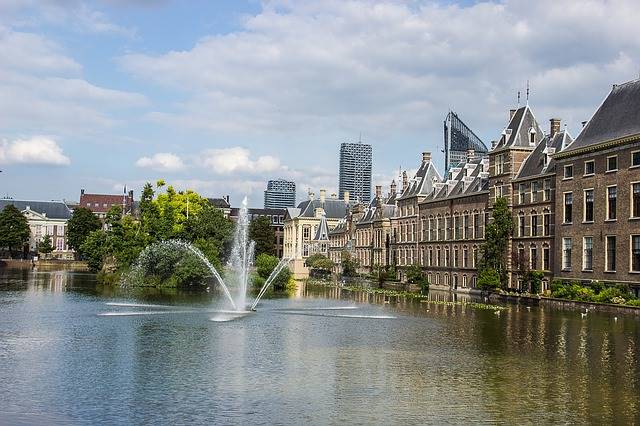
 To an outsider, the Dutch social benefit system may seem easy to gain access to. However, accessing benefits in the Netherlands is not always easy and has its unique obstacles. Additionally, living off of benefits does not come without risks and consequences. There are three common myths regarding the Dutch social benefit system.
Myth #1: The Dutch Receive Benefits Indefinitely
Despite the Netherlands having a reputation for freely distributing welfare benefits, the Dutch social benefit system has become increasingly restrictive recently. This is due to increasing austerity measures, which have continued to intensify, even during the COVID-19 crisis.
Generally, to gain access to the Dutch social benefit system an individual needs to be a Dutch or European citizen, or alternatively, a registered resident. The individual must also be above the age of 18, not be imprisoned or detained, must have little or no income and must not receive a pension or other benefits.
While this may seem like easy entry criteria, the threshold for having social benefits cut is relatively low. Taking a non-student above the age of 21 into one’s home results in an automatic reduction of benefits. This is the case even if the person does not contribute financially and even if they would be homeless otherwise. Social benefit recipients are prohibited from receiving most gifts, even if they are clearly legitimate in nature and not an attempt to cheat the system. If one receives any form of assistance, even from a family member, the government will automatically reduce benefits.
Recently, one low-income, single mother was ordered to pay more than €7,000 after it became known that the woman’s mother would buy the family a bag of groceries once a week. Since the story came to light, the single mother’s case is being re-heard. It is not unheard of for people to be labeled as fraudsters for receiving modest gifts. If the victim’s case did not receive widespread attention, it is likely that the decision would have been upheld.
Myth #2: Foreigners Favored for Social Benefits
As mentioned, one of the first stipulations of receiving benefits is to be legally registered in the Netherlands. For low-income immigrants who have their asylum or residency applications rejected, this creates an overwhelming barrier to economic stability.
Over the past few years, the Dutch government has had to answer to the victims of the childcare benefits scandal, which saw thousands of parents legitimately receiving benefits for childcare having their benefits reclaimed.
Many of these parents were highlighted as potential fraudsters on the basis of having a second nationality and placed on a secret blacklist by the tax authorities. Later, they were denied benefits for things like simple paperwork mistakes or omissions. At one daycare center, only those with a second nationality had their benefits suddenly stripped. Clients with only a Dutch nationality were unaffected.
Myth #3: High Social Benefit Amounts
In many cases, what people receive is less than what they need to get by. For the city of Amsterdam, the net amount that a person may receive per month is €1,021.67 while the maximum for a family is €1,459.52. However, in Amsterdam, the cost of living surpasses that greatly. Those living on this amount must keep a grueling budget with little room for savings. Yet, if they were to receive another form of income to supplement this deficit, they could potentially lose all benefits entirely. This generates a system of poverty where people have little social mobility and must live mere subsistence lifestyles.
In February 2021, the government of the city of Breda chose to officially limit social benefits for homeless people, stating that the homeless do not need as much support money because they have a lower cost of living. The government justified this by stating that homeless people have no housing costs. The cuts had been in place since 2019 but have only recently become policy. The cuts were also motivated by antiquated ideas of addiction. One official invoked ending addiction as a reason to limit social benefits to homeless people.
Political Climate in the Netherlands
In March 2021, Wopke Hoekstra, the party leader of the Christian Democratic Appeal party proposed a plan to gradually reduce eligibility time for benefits. The plan would increase the benefits initially received by beneficiaries from 75% of their old wage to 90% for the first two months. The increase would then be 80% in the next four months and remain at the current 70% in the final six months. According to Hoekstra, the plan would save the government €600 million annually.
Further, over the past decade of government under Rutte’s ruling party, the People’s Party for Freedom and Democracy has pursued a policy of reducing benefits with the aim of eventually phasing out unemployment assistance by 2035 entirely. The Dutch government’s own planning offices have observed this process to be driving an increase in poverty.
Outlook Moving Forward
Poverty in the Netherlands currently occurs at a rate of about 8% of the general population. According to the Dutch Central Planning Bureau (CPB), this percentage is set to increase by one quarter over the next few years if the current plans for further austerity are followed through. The CPB recommends introducing a universal basic income as a solution, which would decrease poverty by 60%.
– Olivia Nelson
Photo: Pixabay

The Benefits of the AfCFTA for the African Economy
The Implementation and Benefits of the AfCFTA
AfCFTA: A Trade Milestone for Reducing Poverty in Africa
The establishment of the AfCFTA marks a key milestone for Africa’s continental trade system. The size of the trade area presents promising economic development and sustainable growth that reaches all market sectors and participants. Additionally, the timing of the initiative launch is expected to contribute to the alleviation of the pandemic’s economic damages.
– Malala Raharisoa Lin
Photo: Flickr
Reaffirming Relations With Ecuador
What is S.Res.22?
S.Res.22 is a new agreement that updates the Trade and Investment Council Agreement. U.S. trade representative, Robert Lighthizer, and minister of foreign trade of Ecuador, Ivan Ontaneda, signed the document in Quito, Ecuador on Dec. 8, 2020. The document updates regulations against corruption in trade and reinforces regulations and processes at the border. It also gives protection to whistleblowers against other crimes like money laundering.
History of US-Ecuador Relations
Ecuador and the U.S. have a long history of good relations. Both have embassies in each other’s countries. The U.S. and Ecuador both work hard to preserve territorial integrity and share resources and harbors. U.S. and Ecuadorian law enforcement work together to address threats posed by transnational crime, narcotics and human trafficking. S.Res.22 references future imports in an effort to promise regulation upkeep with international trade. Both countries have similar goals in areas like democracy, inclusivity, health and education. These shared goals and collaborative efforts maintain positive relations with Ecuador.
Preventing Bribery and Corruption
One specific way that the U.S. and Ecuador plan to update and strengthen trade regulations, as outlined in the press release for the updated Trade and Investment Council, is through preventing corruption. The U.S. and Ecuador plan on drafting regulations to fight against bribery. Financial statements and all monetary records are to be kept current and checked. Both countries will also promote a culture of integrity where the government provides training for border patrol officers to develop honesty and transparency.
Updated Regulations on SMEs
S.Res.22 also aims to affect regulations surrounding small to medium enterprises (SMEs). The U.S. and Ecuador will rely heavily on incubators and accelerators to encourage the success of businesses at the start-up stage. SMEs play a large and significant role in the Ecuadorian economy in that they take up a large portion of the country’s GDP.
The U.S. benefits from a long-term, positive and mutually beneficial relationship with Ecuador. As countries, both have an interest in diplomacy, health and education, territorial integrity and sharing resources. These common goals have maintained positive relations with Ecuador. S.Res.22 seeks to further strengthen relations so that both countries may reap the benefits.
– Alyssa Ranola
Photo: Pexels
Eritrean Refugees Flee Tigray Conflict in Ethiopia
The conflict surrounding the Tigray region in northern Ethiopia, bordering on the south of Eritrea, has forced more than 42,000 refugees to flee west to eastern Sudan since the conflict started in November 2020. The fighting between Ethiopian soldiers and Tigray People’s Liberation Front (TPLF) has resulted in tens of thousands of Eritrean refugees in refugee camps. It erupted violence along Ethiopia’s northern border with targeted killings, abductions, lootings and sexual violence.
Difficulties Due to Conflict
It is still difficult to tell precisely how destructive the conflict in northern Ethiopia is since there are so many access restrictions in place. The conflict gets further complicated with the involvement of the FANO militia group and Eritrean Defence Forces. Even now, as humanitarian workers return to what were sites of violence in the weeks prior, they are finding tens of thousands of Eritrean refugees in dire straits and desperate need of aid. The last and only aid they received was food from the WFP in December 2019.
The camp structures managed to weather most of the violence, and while the TPLF spared some refugees from direct contact with the war, many experienced harassment and threats and underwent forcible recruitment. Roughly 5,000 Eritrean refugees have gone to the town of Shire, Ethiopia, and are living with no shelter, food or water.
Refugees in Sudan
This issue serves as a reminder that violence feeds the cycle of poverty in struggling countries, and conflicts like this hit the vulnerable populations hardest. This includes not only the impoverished but also the displaced. Driven away from an already precarious living situation by the violence, the Eritrean refugees that are fleeing to the impoverished nation of Sudan are malnourished and injured, and have almost none of the means to meet their daily needs.
In addition to poverty, the worst floods have ravaged Sudan in over 100 years, devastating the agricultural sector and leaving many people homeless. The threat of malaria hangs over people’s heads as they struggle to salvage their livelihoods, all while the COVID-19 pandemic continues to rage on. This leaves Sudan ill-equipped to receive and support the refugee population flooding over the eastern border.
International Committee of the Red Cross (ICRC)
Founded on the tenants of the Geneva Convention of 1949, the International Committee of the Red Cross (ICRC) focuses on humanitarian aid and protection for those enduring violent conflicts. Working with the Ethiopian Red Cross Society and the Red Crescent Movement, ICRC has concentrated its efforts on the Tigray refugees.
Efforts have gone toward getting the essentials to refugees by using donations for food, cooking items, blankets and soap. ICRC is also intent on ensuring that refugees have a consistent and safe water supply and a medical care center stocked with the appropriate supplies and equipment, particularly to provide specialized care for victims of sexual violence.
While Eritrean refugees are still facing the fallout from the Tigray conflict, organizations like the International Committee of The Red Cross, the Ethiopian Red Cross Society and the Red Crescent Movement are offering support. Areas these refugees have gone to, like Sudan and other parts of Ethiopia, are taking this aid and working to provide a location with food, medical care, clean water and other supplies necessary to assist refugees through this difficult time.
– Catherine Lin
Photo: Flickr
Closing the Skills Gap in Pakistan’s Youth Workforce
Pakistan is looking to bridge the skills gap between Pakistan’s youth workforce and the upcoming demands of its rising technology and automation markets. Structural change is necessary for Pakistan as the growing youth population faces challenges such as a rising unemployment rate and socioeconomic and gender disparities that keep students out of the classroom. In 2020, youth in Pakistan faced an unemployment rate as high as 8.5%; today, approximately 44% of children and teenagers are out of school. With 64% of the population younger than 30, Pakistan has more young people than ever who have the power to revolutionize its workforce by becoming re-skilled in relevant and desirable industries.
Pakistan’s Fourth Industrial Revolution
Pakistan is ushering in its fourth industrial revolution with a big challenge to overcome: enrolling more youth in schools where they can begin working with technology at an early age. This is especially critical as countries are growing increasingly dependent on online learning and employment during the worldwide COVID-19 crisis.
Pakistan’s rising investments in automation, e-commerce, digital payment systems and more requires the youth workforce to keep pace with new technologies. Such growth poses many new opportunities for the nation, including modernizing technology and making tasks such as digital banking and online learning easier.
According to Parwaaz, a reskilling initiative that the World Economic Forum supports, the top 10 skills of 2025 include:
These skills can take the Pakistani youth beyond their current capabilities by smoothing their transition into the workforce while giving existing employees opportunities for career advancement.
A Multistakeholder Approach to Success
Pakistan’s largest skills development fund, the Punjab Skills and Development Fund (PSDF), is partnering with the World Economic Forum to join the “Reskilling Revolution.” According to Managing Director Saadia Zahidi, the goal of the revolution is to bring better work, skills and education to over 1 billion people by 2030. Challenges to reskilling include high costs, disconnects between training and relevant skills and few private training opportunities. However, with the launch of Parwaaz, a more structured form of reskilling is underway.
A multi-stakeholder public and private skills training initiative, Parwaaz has pinpointed six sectors that require trained workers in order to accommodate future market demands. These sectors include:
Parwaaz is expecting to change the core skills of 40% of workers in the country, raise the rate of automation from 33% in 2020 to 47% by 2025 and give two out of three employers returns on human capital investment. It plans to achieve this by creating incubators that will train 1,000 young people by June 2021 in market-relevant skills. Parwaaz will continue to function with financial and policy support from the Pakistani government and support from other stakeholders such as educational institutions and industry experts.
Integrating Pakistan’s youth workforce into new, more advanced markets is a nationwide effort that will result in high-performing companies, skilled employees, increased innovation and a stable structure for the future. Ultimately, investments in technology, automation and the growing youth workforce will lead to a brighter future for everyone while helping lift vulnerable populations of poverty.
– Julia Ditmar
Photo: Flickr
The Causes and Consequences of Child Marriages in The Middle East
Globally, more than 700 million females living today were child brides. Annually, the Middle East contributes 700,000 child brides to its total of 40 million child brides. Although the number of Syrian child brides has decreased, there has been an increase in the number of child brides in all Middle Eastern and North African (MENA) communities that have seen internal displacement and are otherwise facing conflict. In Iraq, 15% of marriages were child marriages in 1997, but this rose to 24% in 2016. About 5% of those in child marriages in Iraq were younger than 15. In Yemen, which does not have a minimum legal age for marriage, two-thirds of marriages involve child brides, including 44% under the age of 15. Here is some information about child marriages in the Middle East.
Reasons for Child Marriages in the Middle East
In pre-war Syria, 15% of women between the ages of 20 and 25 were wed before they were 18. The number of child brides in all Syrian communities has risen nowadays, even among those not displaced. Among the internally displaced, including migrants whose limitations are conspicuous as opposed to hosting communities, the figures have also increased drastically.
Through forced migration and war, child marriages represent negative coping factors, reinforcing tradition. Families worry about the safety of girls and their “honor” and see marriage as a means of care and protection for their daughters. The girls’ families often desire that they enter marriages with local men in order to gain host community recognition and dowries.
Dangers of Child Marriages
Child marriages affect the development of young girls, which frequently results in childbirth and subsequent emotional withdrawal of the young mother. Early marriages often lead to limited schooling, increased fertility rate and poverty. The development and implementation of the legal minimum age for marriage are necessary to protect girls, who the culture of child marriage influences more than boys. Many countries in the MENA region have minimum marriage age laws, ranging from 13 years of age in Iran to 20 years of age in Tunisia for women and from 15 years of age in Yemen to 21 years of age in Algeria for men.
Plans to End Child Marriages in the Middle East
The Regional Accountability Framework to End Child Marriage in the Arab States/Mena (RAF), a partnership between UNICEF and UNFPA, promotes encouraging women through schooling, health services, character building and employment prosperity through improving their rights and services. Community commitments alter social norms and actions by improving public policy structures and encouraging cross-sectoral efforts to gain skills through collaborative initiatives on health, education, child security and social security. Further approaches include more years of mandatory education, establishing and implementing the legal minimum age of marriage and growing awareness in the community about the damage that early marriage causes. Engaging families in finding ways to avoid child marriage is another solution to ending child marriage that some government officials are discussing.
Overall, awareness of child marriage could save many children. It is a problem that is getting out of hand that has been taking away from girls’ childhoods and leaving them in miserable situations for the rest of their lives. The help of organizations all over the world can make a significant change in the lives of these victims.
– Rand Lateef
Photo: Flickr
Japan’s Response to COVID-19
Culture of the Japanese
One reason Japan has so few coronavirus cases is built into the culture of the Japanese. Japanese people have worn face masks since the flu pandemic in 1919. Masks are also common to wear in Japan when it is cold and flu season. So, when the COVID-19 pandemic hit, wearing masks as a protective measure was widely accepted and used by the Japanese population. Also, the Japanese culture is more socially distant. For instance, Japanese do not hug or shake hands when making acquaintances like Americans do. Social distancing and mask-wearing came naturally to the people of Japan, so the infection rate is very low for them.
Japan’s Healthcare System
Japan has a highly regionalized healthcare system that has helped them minimize the impact of COVID-19. Japanese healthcare institutions, called Public Health Centers (PHCs), are similar to the Center for Disease Control but at a much more local level. However, when COVID-19 hit its peak in Japan, the PHCs struggled to keep up with the surge of patients. So, the PHCs reacted quickly and would send patients to available PHCs and resources to the PHCs that had shortages. Japan’s quick actions and regionalized healthcare system allowed the COVID-19 death rates to stay low and spread to be minimum.
Negatives Impacts of the Virus in Japan
Though Japan has a relatively small infection and the death rate for COVID-19, the Japanese people’s lives have been greatly affected. Japan’s suicide rate has risen considerably since the pandemic hit. There have been 13,000 suicide deaths in Japan this year; a number much higher than the 2,000 COVID-19 deaths. The suicide rates for August were 15.4% higher than those of last year. Economic hardship, unemployment and isolation from society as a result of COVID-19
Japanese women have been disproportionately affected by the secondary effects of COVID-19. The suicide rate for women specifically has risen 40%. Also, 66% of people in Japan who have lost their jobs because of the pandemic were women. In response, Japan has increased its funding towards suicide prevention resources by 3.7 billion yen ($35,520,000).
The Future of Japan Amid COVID
Looking into the future, vaccine security looks very good for all Japanese citizens regardless of economic status. The Japanese government recently approved a bill to provide all of the citizens of Japan with COVID-19 vaccines free of charge. Providing a free vaccine will ensure everyone will have the opportunity to receive one. Since the vaccine cost is covered, the vast population of Japan can be protected from COVID-19 in the future.
Not only is Japan thriving in the fight against COVID-19, the country is also providing aid to help other nations overcome this disease. Recently, Japan recently donated $2.7 million to the Pan American Health Organization (PAHO) to help Latin American countries with the fight against the coronavirus. Specifically, this aid will provide Pan-American nations with slowing the spread by implementing preventative measures and providing information for citizens about the disease.
Overall, Japan has handled the pandemic really well. Their unique approach to regionalized healthcare along with their willingness to wear masks have greatly decreased the COVID-19 damage in Japan. Other countries should use the Japanese response to COVID-19 as an example. Japan’s quick and regionalized response to COVID-19 attributed to the small death and infection rate. Countries should also consider providing their citizens with vaccines to ensure everyone is protected from COVID-19. The wealthy nations should take into account the countries that cannot afford to provide vaccines for their citizens. To ensure our world overcomes this pandemic, resources like vaccines, masks and ventilators will need to be allocated to lower-income nations.
– Hannah Drzewiecki
Photo: Flickr
Living Conditions in Liberia
Living Conditions in Liberia
According to the World Bank, approximately 54% of Liberia’s population lived below the poverty line in 2014. More than 2.1 million Liberians were unable to obtain basic necessities between January and August 2014. Today, 20% of the population lives in extreme poverty.
The number of those living in extreme poverty within urban and rural areas is the same, which is unusual. According to the report, the primary reason why urban areas have such high levels of poverty is that homeowners are unable to afford basic necessities such as food and electricity.
Furthermore, Liberia faces disheartening statistics common in impoverished countries. The nation has one of the highest infant mortality rates in the world, along with many children at risk of death from preventable illnesses like malaria. Life expectancy, education and income are ranked extremely low on a worldwide scale. The nation also has the world’s third-highest unemployment rate.
ChildFund
The ChildFund organization is one working to help improve living conditions in Liberia. Through the support of donors, the organization distributed mosquito nets to more than 477,000 people across the nation. Years of war forced children to forfeit education and serve Liberia. However, ChildFund offers these former child soldiers educational opportunities. The Community Education and Investment Project aims to provide children the opportunity to enroll in schools. Thus far, ChildFund has supplied more than 75,000 books to 110 schools across Liberia.
ChildFund works to empower Liberians and provide them with resources to rebuild their lives. The organization has constructed early childhood development centers, community healthcare facilities and centers for women. Though living conditions in Liberia are less than favorable, ChildFund’s efforts are making a substantial difference.
Liberian Agriculture Project
According to the World Bank’s Country Economist Daniel K. Boakye, improving agriculture will help bring Liberia out of poverty. Increased food growth and therefore increased sales will stimulate the rural communities while providing urban areas with much-needed agricultural products. One organization tackling agriculture in Liberia is the Liberian Agriculture Project.
The Liberian Agriculture Project works to support small-scale farmers of fruit crops such as pineapples and bananas in Liberia. The organization is involved in the growing and handling of sales for rural farmers. Currently, the project is working toward getting specialty products into the seven main food markets in the capital of Monrovia, Liberia. Additionally, making the transition from subsistence farming to commercialized agriculture is another goal.
Although the Civil War ended years ago, living conditions in Liberia continue to be affected by ongoing conflict and tensions. The stress of high unemployment rates, food shortages and limited access to healthcare still affect the average Liberian family. However, efforts put forth by nonprofit organizations and charities like ChildFund and the Liberian Agricultural Project are taking the right steps to help bring Liberia out of poverty.
– Aditya Daita
Photo: Flickr
The Dutch Social Benefit System: Dispelling Myths
Myth #1: The Dutch Receive Benefits Indefinitely
Despite the Netherlands having a reputation for freely distributing welfare benefits, the Dutch social benefit system has become increasingly restrictive recently. This is due to increasing austerity measures, which have continued to intensify, even during the COVID-19 crisis.
Generally, to gain access to the Dutch social benefit system an individual needs to be a Dutch or European citizen, or alternatively, a registered resident. The individual must also be above the age of 18, not be imprisoned or detained, must have little or no income and must not receive a pension or other benefits.
While this may seem like easy entry criteria, the threshold for having social benefits cut is relatively low. Taking a non-student above the age of 21 into one’s home results in an automatic reduction of benefits. This is the case even if the person does not contribute financially and even if they would be homeless otherwise. Social benefit recipients are prohibited from receiving most gifts, even if they are clearly legitimate in nature and not an attempt to cheat the system. If one receives any form of assistance, even from a family member, the government will automatically reduce benefits.
Recently, one low-income, single mother was ordered to pay more than €7,000 after it became known that the woman’s mother would buy the family a bag of groceries once a week. Since the story came to light, the single mother’s case is being re-heard. It is not unheard of for people to be labeled as fraudsters for receiving modest gifts. If the victim’s case did not receive widespread attention, it is likely that the decision would have been upheld.
Myth #2: Foreigners Favored for Social Benefits
As mentioned, one of the first stipulations of receiving benefits is to be legally registered in the Netherlands. For low-income immigrants who have their asylum or residency applications rejected, this creates an overwhelming barrier to economic stability.
Over the past few years, the Dutch government has had to answer to the victims of the childcare benefits scandal, which saw thousands of parents legitimately receiving benefits for childcare having their benefits reclaimed.
Many of these parents were highlighted as potential fraudsters on the basis of having a second nationality and placed on a secret blacklist by the tax authorities. Later, they were denied benefits for things like simple paperwork mistakes or omissions. At one daycare center, only those with a second nationality had their benefits suddenly stripped. Clients with only a Dutch nationality were unaffected.
Myth #3: High Social Benefit Amounts
In many cases, what people receive is less than what they need to get by. For the city of Amsterdam, the net amount that a person may receive per month is €1,021.67 while the maximum for a family is €1,459.52. However, in Amsterdam, the cost of living surpasses that greatly. Those living on this amount must keep a grueling budget with little room for savings. Yet, if they were to receive another form of income to supplement this deficit, they could potentially lose all benefits entirely. This generates a system of poverty where people have little social mobility and must live mere subsistence lifestyles.
In February 2021, the government of the city of Breda chose to officially limit social benefits for homeless people, stating that the homeless do not need as much support money because they have a lower cost of living. The government justified this by stating that homeless people have no housing costs. The cuts had been in place since 2019 but have only recently become policy. The cuts were also motivated by antiquated ideas of addiction. One official invoked ending addiction as a reason to limit social benefits to homeless people.
Political Climate in the Netherlands
In March 2021, Wopke Hoekstra, the party leader of the Christian Democratic Appeal party proposed a plan to gradually reduce eligibility time for benefits. The plan would increase the benefits initially received by beneficiaries from 75% of their old wage to 90% for the first two months. The increase would then be 80% in the next four months and remain at the current 70% in the final six months. According to Hoekstra, the plan would save the government €600 million annually.
Further, over the past decade of government under Rutte’s ruling party, the People’s Party for Freedom and Democracy has pursued a policy of reducing benefits with the aim of eventually phasing out unemployment assistance by 2035 entirely. The Dutch government’s own planning offices have observed this process to be driving an increase in poverty.
Outlook Moving Forward
Poverty in the Netherlands currently occurs at a rate of about 8% of the general population. According to the Dutch Central Planning Bureau (CPB), this percentage is set to increase by one quarter over the next few years if the current plans for further austerity are followed through. The CPB recommends introducing a universal basic income as a solution, which would decrease poverty by 60%.
– Olivia Nelson
Photo: Pixabay
Agricultural Sustainability in the DRC
The Joint WFP-FAO Resilience Program in DRC
A combined effort from the Food and Agriculture Organization (FAO) and the World Food Programme (WFP) focuses on the optimization of agriculture production as well as market revisions and improvements to reduce food insecurity and bolster a declining national economy. Improving agricultural sustainability in the DRC could prove effective in stabilizing a region with enormous agricultural potential.
The Need for Agricultural Sustainability
Providing direct financial relief to the DRC has proven both necessary and effective, especially in the wake of nationwide flooding in 2019 and 2020 on top of widespread armed conflict and displacement. Since 2018, USAID reports that the DRC has received roughly $570 million worth of direct food relief. However, direct relief does not equal sustainability and is a relatively short-term solution. The joint program from the WFP and FAO implements successful strategies to provide much-needed agricultural sustainability in the DRC and creates an important foundation for further improvements.
The Benefits of Cooperation
Promoting organizational cooperation and improving managerial structure has allowed for combined agricultural improvements nationwide. Since 2017, this project has reached 30,000 small farm households and stimulated cooperation that has improved organizational structure and operational capacities. This cooperation has allowed for the distribution of newer agricultural technologies and concepts such as improved seeds and more advanced tools to optimize production.
Increased cooperation has also helped eliminate local conflicts between farmers and has increased the total area of land being cultivated. The program has also provided 7,000 local women with functional literacy education, allowing for more female community engagement as well as involvement in managerial duties in farming communities.
Addressing Nutrition in the DRC
At a local level, the joint program has implemented enhanced nutritional programs to utilize the increasing resources. Increased cooperation and education have allowed for the growth of crops with enhanced nutritional value. To promote long-term sustainability, in 2020, the project utilized direct aid to establish 300 vegetable gardens, reaching 13,510 residents. The program also held 150 culinary demonstrations regarding optimal cooking techniques that are both affordable and nutritious.
Developing the DRC’s Infrastructure
Large agricultural areas such as the DRC rely heavily on infrastructure for transportation and storage of goods. The joint program has fixed 193 kilometers of agricultural roads since implementation in 2017, with 65% of the road rehabilitators being women.
Not only has the program enhanced transportation capabilities but it has also constructed 20 different storage buildings as well as 75 community granaries, allowing for the long-term storage of agricultural products. This enhanced storage capacity reduces waste from spoilage and allows product to be sold during favorable selling seasons, allowing for advanced agricultural sustainability in the DRC.
The Joint WFP-FAO resilience program in the DRC has made significant accomplishments in the country. With further efforts, agricultural sustainability in the DRC can be further developed to improve poverty in the region.
– Jackson Thennis
Photo: Flickr
A Closer Look at Mental Health in Germany
Mental Health in Germany
Germany has similar rates of mental illness to other developed nations, with around 31% of Germans diagnosed with at least one mental illness. Like most other developed nations, depression and anxiety rank the highest among adults but formed at a young age.
Surveys conducted by German health insurance company, DAK, revealed that 24% of 800,000 tested children had some sort of psychological anomaly although less than 2% of those tested between the ages of 10 and 17 were diagnosed with depression.
What Makes Germany Different?
What makes Germany different from the rest of Europe in its fight against mental illness is its level of commitment to finding and treating the mentally ill. Those who suffer from some form of mental illness in Germany have a vast support system provided to them by their government.
Diagnosed German citizens have access to financial support and extensive healthcare services. Germany runs programs to ease the transition from a mental health hospital back to everyday life. It also has programs that provide the mentally ill with jobs. With roughly 270 mental health hospitals and sufficient healthcare workers to assist patients, Germany makes sure that the mentally ill are taken care of.
Perhaps the most effective strategy Germany has employed is its campaign to remove the stigma of mental illness in German society. While one-third of adults suffer from some sort of mental illness during the course of their lives, many do not seek the proper help because of the social stigma attached to mental illness.
Germany has dedicated extensive amounts of resources to create outreach campaigns that promote actively visiting psychologists and testing for mental illness. The country also works to reinforce the idea that seeking assistance for one’s mental illness is nothing to be ashamed of as a large portion of people suffer from them.
Recognizing that mental illness is just as common as physical illness is the first step toward curbing the epidemic. By encouraging citizens to assess their mental health and by providing the necessary support and opportunities for the mentally ill, Germany successfully manages mental health in the country.
A Mental Health Role Model
Germany has taken great strides to ensure that those with mental illnesses are treated as well as any other citizen in the country and has worked hard to create normalcy for testing and treating mental illness.
In order to battle the mental illness epidemic, countries with lacking mental healthcare systems should look to adopt Germany’s stance on battling mental illness, providing not only psychiatric help to those who need it but also giving financial and occupational support to those at risk.
– Christopher McLean
Photo: Flickr