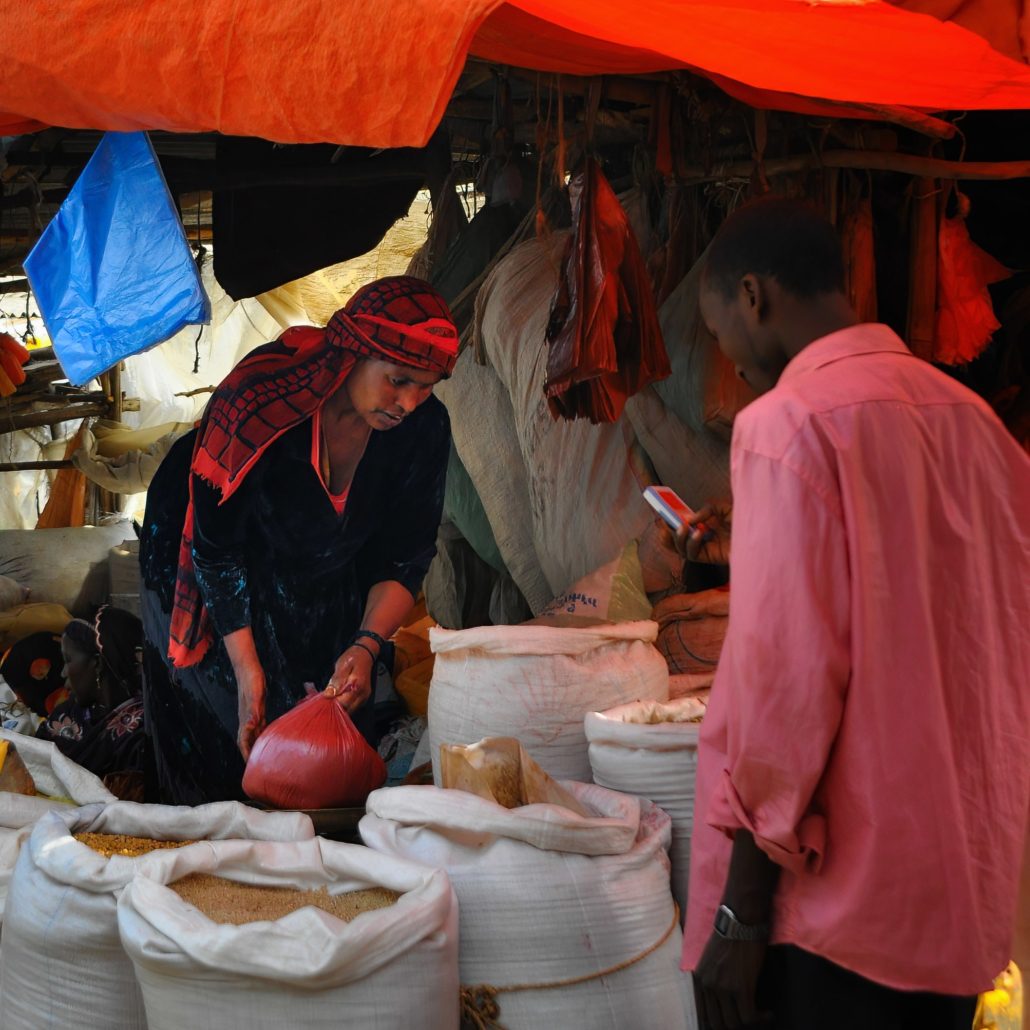
In many developing countries, it is difficult to minimize the loss of crops post-harvest due to infestations and crop deterioration. Staple crops such as maize and wheat and particularly prone to insect infestations. Losses in these crops can prove detrimental to farmers because there is less produce to sell or keep as a food source for themselves and their families. This can lead to reduced profits for these smallholder farmers and increased levels of food insecurity. PICS bags, developed at Purdue University, attempt to tackle these problems and aim to preserve high-quality grain over a longer period of time while minimizing losses in quantity.
The PICS Project
The Purdue Improved Crop Storage (PICS) project, backed by the Bill and Melinda Gates Foundation, among other donors, aimed to create a low-cost technology allowing farmers to store grain without the need for pesticides. PICS bags became the solution.
PICS bags are triple-layer bags with two layers of polyethylene inside a woven sack, selling for between $2 and $4, depending on the region. These bags have the purpose of eliminating insect damage in grain stores and give farmers more selling flexibility by allowing for proper grain storage options in Africa during the off-season. While originally made to store cowpea grain, the bags’ uses extend to other types of grain such as maize, wheat, rice, peanuts and more.
The PICS project has multiple phases. PICS 1, originally standing for Purdue Improved Cowpea Storage, ran from 2007 to 2014 with the aim of bettering “cowpea storage in West and Central Africa.” At the end of this phase, PICS1 “increased total income in the region by $255 million” while reaching 1.7 million households.
PICS2, renamed Purdue Improved Crop Storage, ran from 2011 to 2014. This second phase expanded the use of PICS bags to other crops such as sorghum, rice, beans and more. PICS2 focused on research to determine the effectiveness of the PICS bags against mold growth and mycotoxins, effectiveness in maintaining seed viability and the cost-effectiveness of the bag.
PICS3 is the last phase of the project. This phase intended to “improve market access and food security among smallholder farmers in Sub-Saharan Africa” by building on the accomplishments of the previous phases.
Goals of the PICS Project
The PICS project centers around the United Nations Sustainable Development Goals (SDGs). The project specifically addresses SDG 1 and SDG 2. The PICS bag addresses SDG Goal 1 of “No Poverty” by alleviating poverty for farmers by decreasing losses after harvest. The PICS bag also addresses SDG Goal 2 of “Zero Hunger” by establishing food security and preventing nutritional issues by properly preserving and safeguarding food supplies.
The third phase of the PICS project, PICS3, aimed “to increase the use of hermetic storage” — using sealed airtight products to protect contents from insects and moisture — by 20% in grains. This helps reduce post-harvest losses of these crops and increases the food security and incomes of farmers and their families.
Additionally, the PICS3 project aims to train farmers on the “use of hermetic technologies in at least 14,000 villages” as well as build research capacity to maintain a reduction in crop loss after harvest. The PICS3 project also aims to “develop a sustainable supply chain to make PICS bags available to farmers” and increase the usage of “tools such as radio, cell phones, and [SMS]” to raise awareness on PICS bags as a solution and increase access to the bags.
The PICS bag also intends to improve selling flexibility for farmers. Because the PICS bags can store crops for more than a year after harvest, farmers can wait to sell at ideal profit margins without fear of losing their grain to insects. This way, farmers have more control and can choose to sell later to generate maximum profit depending on market conditions. Additionally, farmers can eat healthy, pesticide-free food themselves and may even have higher surpluses, improving food security.
Reach of the PICS bag
The PICS3 program originally focused on seven countries: Nigeria, Ghana, Burkina Faso, Ethiopia, Tanzania, Uganda and Malawi. Now, more than 23 countries in all parts of Africa and even South Asia buy PICS bags. Additionally, PICS bags are in use in more than 40,000 villages in sub-Saharan Africa and more than 2 million farmers have received training on how to use the bags. Between 2014 to March 2020, the project sold more than 19 million PICS bags.
Drawbacks and Barriers
Since PICS bags came about fairly recently in 2008, there is still not much research on the environmental impact of the PICS bags. Additionally, in order for the PICS bags to work, farmers must follow instructions closely or the PICS bags will not work optimally. For example, if the grain is not clean and dry as the instructions require, there are chances of damage to the inner layer of the bag, which can reduce effectiveness, causing infestation and mold growth to persist. However, in order for farmers to properly adhere to these instructions, farmers must receive sufficient training. While this is a goal of the PICS project, there are barriers to implementation.
The PICS bag is capable of transforming the lives of those who live in countries with agricultural-based economies. This innovative, unassuming bag can improve rural farmers’ quality of life by improving food access and providing a steadier income.
– Shikha Surupa
Photo: Flickr

5 Facts About Being Poor in Argentina
Argentina is the third-largest country in South America with a population of 45.4 million people. A melting pot of ethnicities and a perfect blend between Latin-American and South European customs and traditions. Nevertheless, Argentina has a high poverty rate, rising year after year. Here are five facts about being poor in Argentina.
5 Facts About Being Poor in Argentina
Concluding Thoughts
This summary is only a brief and partial picture of the much more complex political and socioeconomic situation of a developing country like Argentina. The hope is that these five points can provide an idea of what is like being poor in Argentina and what are the key elements to address to allow the country to free itself from poverty.
– Francesco Gozzo
Photo: Flickr
How PICS Bags Improve Post-Harvest Storage
In many developing countries, it is difficult to minimize the loss of crops post-harvest due to infestations and crop deterioration. Staple crops such as maize and wheat and particularly prone to insect infestations. Losses in these crops can prove detrimental to farmers because there is less produce to sell or keep as a food source for themselves and their families. This can lead to reduced profits for these smallholder farmers and increased levels of food insecurity. PICS bags, developed at Purdue University, attempt to tackle these problems and aim to preserve high-quality grain over a longer period of time while minimizing losses in quantity.
The PICS Project
The Purdue Improved Crop Storage (PICS) project, backed by the Bill and Melinda Gates Foundation, among other donors, aimed to create a low-cost technology allowing farmers to store grain without the need for pesticides. PICS bags became the solution.
PICS bags are triple-layer bags with two layers of polyethylene inside a woven sack, selling for between $2 and $4, depending on the region. These bags have the purpose of eliminating insect damage in grain stores and give farmers more selling flexibility by allowing for proper grain storage options in Africa during the off-season. While originally made to store cowpea grain, the bags’ uses extend to other types of grain such as maize, wheat, rice, peanuts and more.
The PICS project has multiple phases. PICS 1, originally standing for Purdue Improved Cowpea Storage, ran from 2007 to 2014 with the aim of bettering “cowpea storage in West and Central Africa.” At the end of this phase, PICS1 “increased total income in the region by $255 million” while reaching 1.7 million households.
PICS2, renamed Purdue Improved Crop Storage, ran from 2011 to 2014. This second phase expanded the use of PICS bags to other crops such as sorghum, rice, beans and more. PICS2 focused on research to determine the effectiveness of the PICS bags against mold growth and mycotoxins, effectiveness in maintaining seed viability and the cost-effectiveness of the bag.
PICS3 is the last phase of the project. This phase intended to “improve market access and food security among smallholder farmers in Sub-Saharan Africa” by building on the accomplishments of the previous phases.
Goals of the PICS Project
The PICS project centers around the United Nations Sustainable Development Goals (SDGs). The project specifically addresses SDG 1 and SDG 2. The PICS bag addresses SDG Goal 1 of “No Poverty” by alleviating poverty for farmers by decreasing losses after harvest. The PICS bag also addresses SDG Goal 2 of “Zero Hunger” by establishing food security and preventing nutritional issues by properly preserving and safeguarding food supplies.
The third phase of the PICS project, PICS3, aimed “to increase the use of hermetic storage” — using sealed airtight products to protect contents from insects and moisture — by 20% in grains. This helps reduce post-harvest losses of these crops and increases the food security and incomes of farmers and their families.
Additionally, the PICS3 project aims to train farmers on the “use of hermetic technologies in at least 14,000 villages” as well as build research capacity to maintain a reduction in crop loss after harvest. The PICS3 project also aims to “develop a sustainable supply chain to make PICS bags available to farmers” and increase the usage of “tools such as radio, cell phones, and [SMS]” to raise awareness on PICS bags as a solution and increase access to the bags.
The PICS bag also intends to improve selling flexibility for farmers. Because the PICS bags can store crops for more than a year after harvest, farmers can wait to sell at ideal profit margins without fear of losing their grain to insects. This way, farmers have more control and can choose to sell later to generate maximum profit depending on market conditions. Additionally, farmers can eat healthy, pesticide-free food themselves and may even have higher surpluses, improving food security.
Reach of the PICS bag
The PICS3 program originally focused on seven countries: Nigeria, Ghana, Burkina Faso, Ethiopia, Tanzania, Uganda and Malawi. Now, more than 23 countries in all parts of Africa and even South Asia buy PICS bags. Additionally, PICS bags are in use in more than 40,000 villages in sub-Saharan Africa and more than 2 million farmers have received training on how to use the bags. Between 2014 to March 2020, the project sold more than 19 million PICS bags.
Drawbacks and Barriers
Since PICS bags came about fairly recently in 2008, there is still not much research on the environmental impact of the PICS bags. Additionally, in order for the PICS bags to work, farmers must follow instructions closely or the PICS bags will not work optimally. For example, if the grain is not clean and dry as the instructions require, there are chances of damage to the inner layer of the bag, which can reduce effectiveness, causing infestation and mold growth to persist. However, in order for farmers to properly adhere to these instructions, farmers must receive sufficient training. While this is a goal of the PICS project, there are barriers to implementation.
The PICS bag is capable of transforming the lives of those who live in countries with agricultural-based economies. This innovative, unassuming bag can improve rural farmers’ quality of life by improving food access and providing a steadier income.
– Shikha Surupa
Photo: Flickr
Reducing Plastic Pollution in the Philippines
Although plastic consumption is higher in more developed countries like the United States, a 2021 report from Our World in Data states that roughly a third of all plastics in the ocean comes from the Philippines. Plastic floods the Philippines’ beaches and rivers. Although people might associate this level of litter with overconsumption, plastic pollution in the Philippines is both the result and cause of poverty.
How Plastic Links to Poverty
Plastic and global poverty interlink in several ways. For one, the prevalence of plastic pollution and other waste in less developed countries is a direct consequence of the global waste trade as more developed countries “export” their waste to less developed countries that lack the means to properly recycle or otherwise dispose of it. The lack of sufficient waste management infrastructure in less developed countries hinders proper plastic disposal as mismanaged plastics move from population hubs into rivers and coastal ecosystems.
In the Philippines, discarding rather than recycling plastics leads to a loss of revenue of more than $890 million annually, which equates to “78% of the material value of the key plastic resins.” Plastic pollution also worsens conditions for the world’s impoverished. Consumption, inhalation and any other exposure to additives in most plastic can cause birth defects, disturb hormonal functions or lead to cancer, among other detrimental impacts.
Plastic pollution in the Philippines also threatens local economies, which are reliant on fishing, shipping and tourism. This pollution notably decreases overall biodiversity, interferes with shipping equipment and mars otherwise beautiful beaches and rivers.
NGOs Tackling Plastic Pollution in the Philippines
Despite the dire situation, several organizations are taking a stand against plastic pollution in the Philippines. These include the Plastic Bank, The Plastic Flamingo and the Blastik Project.
Looking Ahead
Ultimately, pollution and poverty intertwine in a self-feeding cycle. It would be impossible to tackle one without tackling the other, especially because of the global waste trade, which forces less developed countries to bear the consequences of overconsumption in wealthier nations. However, a greater shift to recycling and sustainable development could turn the tide on plastic pollution in the Philippines.
– Lauren Sung
Photo: Flickr
Food Insecurity in Ghana
Difficulties in Northern Ghana
Food insecurity in Ghana is more severe in the north of the country largely due to climatic issues. In the northern region, 90% of Ghanaian households depend on agriculture for their livelihoods, however, this region only has one rainy season in comparison to the south, which has two rainy seasons. This climatic difference impacts food production and worsens both poverty and food insecurity in Ghana’s north. Farmer also face other issues such as “low [market] prices, poor road infrastructure, lack of access to finance, inadequate markets, post-harvest losses, insufficient education and knowledge[and] unsustainable farming systems.” Due to an agricultural dependence among rural people, food insecurity and poverty largely affect rural populations.
The World Food Programme (WFP) Combats Food Insecurity in Ghana
The WFP’s work in Ghana, in general, focuses on four key areas to fight food insecurity in Ghana.
Impact in Numbers
According to a WFP Ghana Country Brief published in August 2021, for the year 2021 overall, the WFP aimed to help 45,000 people through nutritional assistance. In August 2021 alone, more than 4,500 people “received direct food assistance through vouchers.” If one looks at the gender proportions of beneficiaries, women formed 72% of the beneficiaries while men accounted for 28%. Moreover, in 2021, the WFP helped 22,020 small-scale farmers to increase their capacity and connect to markets.
Even though the WFP is seeing success in improving food insecurity in Ghana, worsening environmental conditions like drought stand as additional barriers to food security. Through ongoing support in strengthening the country’s food systems and resilience overall, Ghana can remain out of famine.
– Ander Moreno
Photo: Flickr
A Closer Look at Malaria in Nigeria
Weather Conditions
Nigeria experiences a tropical climate with rainy and dry weather conditions. In fact, “reports estimate that change in weather was responsible for 6% of malaria cases in some low and middle-income countries in the year 2000.” Weather influences the reproductive rate and life span of insect vectors that transmit diseases. There is an established association between weather and the incidence of malaria in Nigeria. The country experiences high levels of rainfall between June and September each year and there is a reported increase in malaria transmission during these humid months. Malaria is especially prevalent in the rural northern region of the country.
Overcrowded Living Conditions
Housing deficits in Nigeria lead to overcrowded living conditions. Nigeria noted 22 million housing shortages in 2018. The vector that transmits malaria spreads from an infected host through a mosquito bite. Overcrowded spaces serve as a conduit for disease outbreaks and can increase the risk of malaria because higher concentrations of carbon dioxide and other chemicals in crowded houses attract mosquitoes. In addition, reports suggest that poorly ventilated dwellings allow mosquitoes to enter more easily than well-constructed housing with screened windows, thus increasing disease transmission.
Poor Sanitary Conditions
Unhygienic living conditions serve as breeding sites for malaria-carrying mosquitoes. About 60 million Nigerians in 2021 lacked access to clean water and safe sanitary facilities. Lack of access to basic amenities hinders compliance to public health measures of proper handwashing and waste disposal. Poor sanitary conditions continue to hinder efforts in eliminating the disease across Nigeria.
Access to Quality Health Care
Malaria is a mosquito-borne disease that continues to stand as a significant public health crisis in Nigeria. It accounts for 30% of infant mortality and 11% of mortality cases, respectively. Nigeria shouldered 31.9% of global malaria deaths in 2020, ranking as the most malaria burdened nation in Africa. Prevention is key in controlling and eliminating malaria. However, about 83 million Nigerians lack access to health care services, resulting in high morbidity rates for those who have poorer health outcomes.
Malaria Treatment
Concerted efforts from stakeholders to eradicate malaria in Nigeria have faced daunting challenges due partly to insurgent attacks on health workers. However, Nigeria is making progress in preventing new infections with the use of insecticide-treated mosquito nets and residual indoor spraying with special consideration for vulnerable groups such as pregnant women and children.
A collaboration between global partners and the Nigerian government in mitigating the effects of malaria accounts for the nation’s malaria progress. Initiatives from the Global Fund, Malaria Consortium, USAID, GAVI and Roll-Back Malaria have been successful in improving global health outcomes by reducing malaria deaths by 60% and saving 7.6 million lives. An estimated 100 million insecticide-treated mosquito nets have undergone distribution between 2017 and 2020 to control malaria in Nigeria. Impressively, malaria prevalence declined to 23% in 2018 from 42% in 2010.
In 2021, the World Health Organization (WHO) approved a vaccine as part of an effort toward eradicating malaria. Mosquirix vaccines are useful as part of malaria prevention strategies but funding from the global health community is necessary for a broader rollout. Access to Mosquirix vaccines will be effective in the fight against the spread of malaria in Nigeria and globally.
The Nigerian government launched the Malaria Eradication Fund to strengthen the country’s public health system in response to the challenge of the disease in 2021. Expectations determine that these resources will aid efforts geared toward the elimination of the disease in the country so that Nigeria can be certified malaria-free by the WHO in 2030.
– Sylvia Eimieho
Photo: Flickr
Examining USAID Programs in South Sudan
Food Security in South Sudan
Food security is one of the largest issues plaguing South Sudan, and as of February 2022, 8.3 million South Sudanese out of a population of 11 million are severely food insecure. To address the crisis of food insecurity, USAID launched a program initially to operate between 2017 to 2020, which was then extended to August 2022, called Sustainable Agriculture for Economic Resiliency Program in South Sudan (SAFER). The SAFER project ultimately seeks to increase the productive capacities and sustainability of South Sudan’s agriculture sector.
In 2018, the SAFER program promoted sustainable crop production by conducting “community-based participatory planning” exercises to identify production constraints and propose interventions to remedy those constraints. During the same reporting period, the SAFER also provided technical assistance and training to lead farmers, village facilitators and NGOs in micro-irrigation, water management and seed production.
In addition to providing direct agricultural assistance, this program also trains local farmers in basic financial literacy, bookkeeping and marketing plans. In 2021, the SAFER program helped facilitate 25 agricultural enterprise groups to develop business plans regarding leadership structure, finances and marketing strategies.
Conflict Mitigation in South Sudan
South Sudan is a remarkably diverse nation with 64 different ethnic groups. Since 2013, South Sudan has become a nation embroiled in civil war and violence with different groups of people taking different sides for different goals. With a precedence of violence and civil war, USAID programs in South Sudan need to mitigate communal conflicts and rising tensions in order to promote stability, thereby also reducing South Sudanese poverty.
The active USAID Viable Support to Transition and Stability (VISTAS) program is a conflict mitigation program that started in 2013 “to promote peaceful coexistence,” foster “a more informed community” and facilitate a greater degree of trauma awareness to advance reconciliation between diverse communities. In 2018, the program hosted a conference in Jebel Boma County with traditional authority representatives, women leaders and youth leaders from Jie, Murle, Kachipo and Toposa to converse on key issues plaguing South Sudan regarding child abduction, gender-based violence, cattle raids and road ambushes.
Dissipating Ethnic Conflicts and Misinformation
Despite the remote locations and conflicts between the Jie, Murle, Kachipo and Toposa ethnic groups, the conference did lead to the development of resolutions and action plans to address inter-community conflicts. VISTAS has also provided technical assistance to media outlets to decrease potentially conflict-inducing miscommunication and misinformation while promoting interdependency through livestock and trade and conducting 196 trauma awareness sessions in 2018.
One of the most important facets of VISTAS is promoting a more well-informed society to prevent conflict through decreasing information asymmetry. To this end, VISTAS has assisted the development of independent media outlets, trained local journalists and set up community learning centers. USAID supplied these community centers with laptops, books and internet access to allow people with little formal education to educate themselves. While the independent media environment continues to face setbacks from the government and security forces, VISTAS has enabled the Juba Monitor and Radio Tamazuj to continue operating as the media outlets both represent large independent media networks designed to deliver information in an objective manner.
The Necessity of USAID Programs
With a poverty rate of 82%, according to the World Bank, today, more than 50% of South Sudan “still depends on emergency aid to survive” and millions are now displaced from the ongoing violence. USAID programs in South Sudan, while not enough to address the root causes of South Sudanese poverty, are necessary to alleviate abject poverty, ensure the survival of millions and develop a plan for long-term stability.
– Alexander Richter
Photo: Flickr
Japanese Foreign Aid is Crucial During COVID-19
International Development Association (IDA)
In December 2021, Japan pledged to give $3.4 billion to the International Development Association (IDA) of the World Bank, a record donation for the nation. The aim of this contribution is to provide developing nations with the resources necessary to rebuild after the economic losses brought on by the COVID-19 pandemic. Japanese Finance Minister Sunichi Suzuki announced, “Now is the time for global solidarity,” according to Reuters. Japanese foreign aid to the IDA will significantly help developing nations facing the highest levels of poverty globally.
COVID-19 Vaccines
Japan has extended its support to other nations beyond simply providing monetary donations. In September 2021, Japan doubled its goal of providing 30 million COVID-19 doses, extending this number to 60 million doses globally. Japan had distributed the first 30 million vaccines to nations with vaccine shortages, such as Taiwan, Vietnam and Indonesia.
The vaccines will continue to reach nations in need and may extend beyond Asia. This donation is crucial in eliminating the health care disparities among nations, especially as the impoverished in developing nations suffer the most from a lack of COVID-19 vaccines. Overall, this is beneficial for all nations because the intensity of the pandemic could calm as vaccine distribution accelerates.
Supporting Latin America and the Caribbean
When Japan is not directly sending vaccines, it donates to organizations that distribute vaccines. Japan donated more than $11.1 million to UNICEF in August 2021 to support Latin America and the Caribbean (LAC). The funds will support the storage of vaccines at ideal temperatures and assist in achieving “effective and inclusive vaccination” across the LAC region. Much of this donation will directly aid in the creation of vaccine sites and the payment of staff and health workers to operate such facilities.
UNICEF reports that children in the LAC region are enduring social, educational and emotional impacts due to COVID-19. Japanese foreign aid in the form of the donation will increase vaccination rates for normality to resume. UNICEF has coordinated much of the efforts to drive donations for vaccines in the LAC region, a region reporting more than 40 million cases and 1.4 million deaths by the close of July 2021, accounting for 20-30% of the global toll of COVID-19 cases. Thus, UNICEF applauds Japan for its donation to accelerate vaccination efforts in the LAC.
Current Top Aid Provider
According to data from the Overseas Development Institute, among the Group of Seven nations, Japan has donated the most in global aid for COVID-19 at $5.1 billion in 2020. In comparison, Germany pledged $4.4 billion while France committed $1.9 billion and Canada gave $1.0 billion. Falling on the lower end of the donation spectrum, Britain gave $990 million while the United States gave $103 million and Italy committed $50 million. However, the United States could surpass Japan’s total donations as the Biden administration has expressed several foreign aid commitments during the COVID-19 pandemic with more to come.
Nonetheless, Japan is contributing greatly to the overall mission of aiding developing countries amid COVID-19, whether it be through monetary or in-kind donations.
Now more than ever, critics affirm that developed countries can do more to support developing nations. Japan has certainly stepped up to the plate during this time of global crisis. Japanese foreign aid has become crucial for developing countries and their recovery from the pandemic.
– Rachel Reardon
Photo: Flickr
HIV/AIDS in Cambodia
Despite the HIV/AIDS epidemic taking the lives of more than 36 million people worldwide, Cambodia has been making efforts toward dramatically reducing cases in the years to come. Since the Southeast Asian country’s first recorded infection in 1991, HIV/AIDS in Cambodia has significantly dropped. The Cambodian government has introduced numerous programs and treatment centers to tackle HIV/AIDS.
A Background of HIV/AIDS
HIV (human immunodeficiency virus) is a virus that attacks the immune system, making infected individuals more susceptible to illness. It spreads through the bodily fluids of those infected, typically through sexual intercourse. It can also spread through mother-to-child transmission and by sharing needles with infected individuals. If left untreated, HIV can lead to AIDS (acquired immunodeficiency syndrome), weakening the immune system even further. As of right now, there are multiple treatment options for HIV/AIDS but no known cures. In 2020, Cambodia noted an estimated 75,000 people “living with HIV/AIDS in the country, with 62,310 of them receiving anti-HIV treatment.”
The Significance of HIV/AIDS Treatment
In 2021, around 17.8% of people in Cambodia lived under the poverty line, according to data from the 2019-2020 Socio-Economic Survey, with rural areas accounting for most of the prevalence. However, in 2020, the unemployment rate stood at just 0.13%, according to Statista.
Between 1998 and 2019, the annual growth rate reached 7.7%, making Cambodia’s economy “one of the fastest-growing economies” globally. According to the Brookings Institution, “HIV/AIDS reduces labor productivity, raises private and public consumption, and thereby, reduces income and savings. With lower savings, the rate of investment falls, reinforcing the decline in economic growth.” Therefore, reducing HIV/AIDS in Cambodia would significantly benefit the economy. In 2010, the Cambodian government received a United Nations Millennium Development Goals (MDG) Award for its efforts in reducing the rate of HIV/AIDS in Cambodia.
The 95-95-95 Plan
In 2014, the Joint United Nations Programme on HIV/AIDS (UNAIDS) introduced a plan to reduce HIV/AIDS cases known as the 95-95-95 goals. According to this plan’s goal for 2030, at least 95% of HIV-positive patients have to receive a diagnosis, 95% of those with a diagnosis must be on ART treatment and 95% of those receiving treatment must reach viral suppression. ART (antiretroviral) therapy involves taking a combination of medicines that target HIV/AIDS virus cells and decrease the viral load. It also prevents the virus from multiplying any further.
In 2021, Cambodian Prime Minister Hun Sen stated that Cambodia is still on track to achieve the 95-95-95 goal by 2025. In 2020, despite the onset of COVID-19, the nation reached the 90-90-90 targets, a slightly lower but similar target to the 95-95-95 target for reducing HIV/AIDS cases.
AHF Cambodia
In 2005, AHF (American Health Foundation) Cambodia introduced its first program. The mission was to “improve treatment and care for HIV/AIDS patients at the government hospitals,” raise the rate of HIV testing and condom use and reduce HIV among high-risk groups such as sex workers and drug users. AHF is providing support to government ART sites to provide ART treatment to more than 46,000 individuals. Since 2011, AHF has created free HIV testing campaigns at “hot spots, entertainment venues, parks and the public gathering of events.” It has also established a mobile clinic to “provide HIV testing and treatment services” to high-risk groups.
Girls Act Program
AHF also introduced the Girls Act program, which launched in 2016. On a weekly basis, close to “7,000 young women ages 15-24 become infected with HIV around the world and approximately 44 girls ages 10-19 died every day from AIDS-related illnesses in 2018.”
The Girls Act program seeks to decrease these numbers by addressing the contributing factors to this data, such as barriers to accessing education and health care services, child marriage and sexual abuse. Girls Act began in Cambodia in 2005 and has more than 40,000 participants. The program is now present in eight other Asian countries and many African, European and Latin American countries.
Looking Ahead
Cambodia’s strides toward addressing the HIV/AIDS epidemic are remarkable. Reducing HIV/AIDS in Cambodia continues to be a fundamental goal. These programs do not only provide treatment to those living with HIV/AIDS but they also offer a future where cases will be far less common in countries like Cambodia.
– Megan Quinn
Photo: Pixabay
How Planting Trees Can Alleviate Poverty
Scotland announced plans to “plant millions of trees” along national rivers to preserve salmon populations. Salmon prefer cold waters and trees help provide shade during hot summer months. Planting trees alongside rivers also improves water quality, stabilizes riverbanks and protects wildlife habitats. Countries can use tree-planting campaigns to attain healthy rivers, which bring social, economic and environmental benefits that can uplift low-income communities. In these ways, planting trees can alleviate poverty.
The Value of Rivers in Low-Income Communities
Around the world, about 2 billion people rely on rivers as direct sources of drinking water, according to the World Wildlife Fund. In areas without electricity or water filtration systems, rivers can provide a quick and accessible supply of drinking water. Globally, “25% of the world’s food production depends on irrigation from rivers.” Rivers indirectly and directly supply billions of people with food and water. Therefore, it is vital to keep rivers and their surroundings clean and healthy. Dam development, rising temperatures and increasing demands for water to use on farms and in hydropower plants put rivers under more pressure than ever before. Protecting and conserving rivers especially benefits low-income communities by sustaining natural resources, like fish, that millions of people rely on to support themselves and their families.
How Trees Lead to Healthy Rivers
Planting trees alongside rivers can improve water quality by limiting pollution and runoff from nearby land. Trees stabilize riverbanks by binding the soil, which reduces the risk of riverbank collapse. Trees also absorb water and intercept heavy rain, which prevents flooding and excessive runoff. Entire ecosystems may arise from planting trees by riverbanks. Land animals form habitats in trees and surrounding wooded areas and species, such as salmon, that live in rivers benefit from the shade that trees provide. Planting trees protect and promote biodiversity in a time when many human factors threaten it. People, plants and animals alike benefit from rivers and rivers benefit from nearby trees. Planting trees can alleviate poverty by improving river health and the ecosystems that millions of people rely on to survive.
Scotland: A Plan in Action
Scotland recognizes the benefits of planting trees along rivers and aims to plant a million trees by 2035. Scotland’s plan involves planting several native tree species, which will preserve the country’s history and improve biodiversity. Fisheries in Aberdeenshire, Scotland, have already “planted 250,000 saplings” alongside the River Dee, which is a salmon fishing hotspot. Scientists found that rivers in the Scottish Highlands and uplands are too warm for wild Atlantic salmon in summer months when the fish swim “upstream to spawn.” Planting trees alongside rivers protects salmon populations and benefits Scottish people who rely on fish for food and income. With socioeconomic and environmental benefits, planting trees can alleviate poverty in places where people rely on rivers for their livelihoods and national success.
Healthy rivers are essential to ecosystems around the world and trees play an essential role in maintaining these environmental networks. As seen in Scotland, tree-planting campaigns can have great influences on preserving local and national wildlife. Planting trees can alleviate poverty by protecting rivers that support life and provide resources to millions of people worldwide.
– Cleo Hudson
Photo: Flickr
The Madrasati Initiative Expands Education in Jordan
Education is integral to the eradication of poverty. Once people have access to a good education, they are capable of pursuing opportunities that can lift them out of poverty and improve their communities. As such, numerous nonprofits and global organizations are working to provide academic opportunities in less developed countries. The Madrasati Initiative, or the “My School” Initiative, is one of these organizations. Its mission is “to improve the physical and educational environment of Jordan’s most neglected public schools.” Since its creation in 2008, the organization has worked to provide better opportunities and education for children in Jordan, especially those living in poverty.
Public Education in Jordan
While schools in Jordan enjoy “nearly universal primary enrollment and gender parity,” schools still suffer from underdevelopment. As a consequence, students underperform in schools and many students struggle to continue their education once they fall behind.
For example, every student across 338 public schools in Jordan failed the public secondary school examination in 2015. These schools mainly fall within impoverished, rural areas and these statistics indicate “an urgent developmental and humanitarian need” to reform the education system and create new avenues for success.
New factors, such as a significant influx of young refugees and the school shutdowns during the COVID-19 pandemic, exacerbate issues that the public education system faces. As the pressure mounts, schools need better resources and more assistance.
The Madrasati Initiative
Queen Rania Al Abdullah, the queen consort of Jordan, launched the Madrasati Initiative to support education in Jordan back in 2008. The nonprofit organization initially centered on the needs of 500 public schools by operating new programs and partnering with numerous other nonprofits, including the Queen Rania Foundation.
The Madrasati Initiative encompasses several programs. These programs renovate schools, promote social cohesion among refugee students and create additional learning environments, including student clubs and music courses, among other goals.
Madrasati’s Accomplishments
The Madrasati Initiative made significant accomplishments over the years. Since its beginning in 2008, Madrasati served well over the initial 500 public schools, moving on to assist 830 underperforming schools throughout Jordan. In total, Madrasati has reached roughly “360,000 students, 17,500 teachers and 800 volunteers.”
As hundreds of thousands of refugees trickle into Jordan, the Madrasati Initiative creates new avenues for refugee children to advance their career prospects. Madrasati worked under the PROSPECTS program, a global partnership that the Dutch government leads, to address poverty and education issues that refugees face. On May 29, 2021, the Madrasati Initiative, the Ministry of Education and the International Labor Organization hosted an event in Amman, Jordan, to provide career guidance services for 3,000 learners, including Jordanian and Syrian refugees. The event is just one of Madrasati’s many efforts to best uplift refugee children.
Beyond its local impact, the Madrasati Initiative also fosters open dialogues about education in Jordan with students and teachers. For example, on July 4, 2021, Madrasati and other partnering organizations and governments mobilized hundreds of students and teachers in Jordan to support academic activities focusing on “promoting youth’s engagement, leadership and active contribution to advance gender equality and the role of women, particularly young women, in peace and security” in Jordan.
Addressing Ongoing Concerns
In addition to these recent accomplishments, the organization, along with its parent institution, the Queen Rania Foundation, adapted to continue its work under new parameters during the COVID-19 pandemic. For a start, the Queen Rania Foundation’s website features educational resources ranging from simple parent guides to “toolkits” that summarize education research on effecting teaching strategies.
In 2020, the Madrasati Initiative also integrated the Jordanian curriculum into online learning services like Noorspace and Kolibri as students switch to remote learning. This allowed more than 4,000 Jordanian and refugee students to continue their education through online classes.
Through the combined support of teachers, international organizations and the Jordanian government, the Madrasati Initiative can continue its efforts to improve education standards in communities and schools with the greatest need. Though education in Jordan may not be perfect, the Madrasati Initiative continues to give students an invaluable opportunity to look toward their futures.
– Lauren Sung
Photo: Flickr