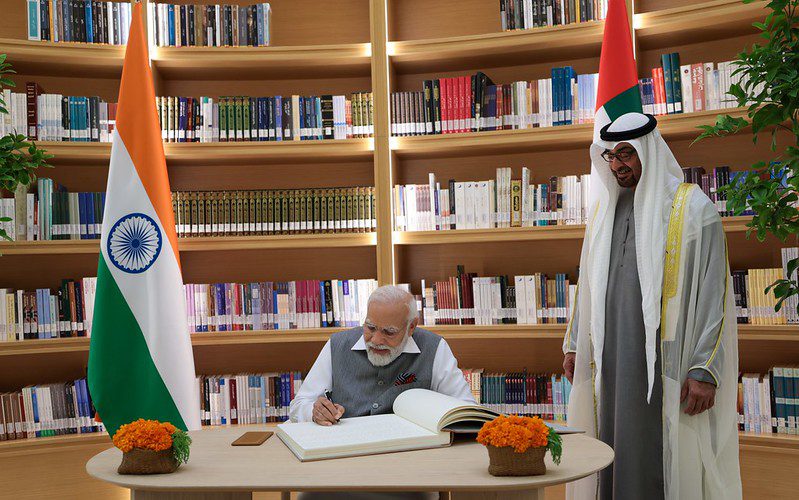
 Narendra Modi, India’s Prime Minister, is often perceived in the Global North as a far-right populist who cares only about votes and identity politics. Counterintuitively, he has also established an impressive and expanding social welfare system. Under the doctrine of “New Welfarism,” the government of India has prioritized providing tangible goods and services (food, shelter, infrastructure, direct cash transfers and more) to vulnerable communities while deemphasizing the provision of intangibles such as education and healthcare.
Despite being controversial in development, New Welfarism has yielded impressive dividends for India’s needy and marginalized. Here are four of the doctrine’s most remarkable achievements.
Food Security in India
According to the World Food Programme (WFP), approximately 21% of India’s 1.4 billion inhabitants live on less than $1.90 daily. Meanwhile, the country is home to a whopping quarter of all undernourished people despite representing only 18% of the global population.
To mitigate this dire food insecurity, the Indian government provides more than half the population—821 million people—with 11-pound (5 kg) bags of free rice or wheat a month. This direct food aid almost quintupled in size during the COVID pandemic, becoming a literal lifeline for millions of Indians as the domestic economy reached a near standstill.
Rural Roads in India
In his second term as Prime Minister (2019-2024), Modi launched a large program titled “PMGSY-III” to construct and upgrade rural roads. While behind schedule to be completed by its slated end date of March 2025, the program’s delays “are nowhere near as egregious as PMGSY-I,” per Newslaundry, an Indian news outlet, in their deep-dive.
Despite the delays, more than 766,000 kilometers of roadway have been completed under the scheme as of August 2024, as have more than 68,000 “upgradation works.” Improving rural infrastructure has been a goal of the Indian government for decades, which is sensible, given that 65% of India’s population lives in rural areas.
Domestic Infrastructure
The Modi government has invested considerable resources to construct homes, electrify rural regions and improve sanitation. One scheme (Pradhan Mantri Awas Yojana or “PMAY” for short) aims to build 20 million affordable homes, with more than 15 million completed. The homes include amenities such as a kitchen, toilet, water supply and electricity. Any Indian without a permanent dwelling is eligible for the program, with priority given to vulnerable and marginalized communities.
The budget for PMAY was increased by 66% in the fiscal year 2023-24 and was again expanded in the FY 2024-25 budget. Rural electrification has been another area of focus for the Modi regime: from 2014 to 2020, the percentage of rural villages with access to electricity increased from 88% to 99.6%.
Aadhar
Aadhar is a voluntary, government-sponsored digital ID that any Indian adult can enroll in. In a testament to the program’s efficacy, 99% of Indians have done so. Aadhar has proven to be a massive development success for India, as it helps the government know who needs support most desperately. Aadhar also enables the state to send direct cash transfers to beneficiaries when linked to a bank account, cutting down on administrative corruption opportunities.
Final Remarks
The Modi government has made praise-worthy progress in the fight against domestic poverty in areas as diverse as food security, rural infrastructure, affordable housing and capacity building. Sadly, this has come at the cost of a decrease in India’s education and health care budgets.
– Kipling Newman
Kipling is based in Denver, CO, USA and focuses on Good News and Global Health for The Borgen Project.
Photo: Flickr

3 Nonprofits Improving Education in Singapore
Project Dignity
Established in 2010, Project Dignity has a mission of giving back “dignity” to lower-class individuals through education and specialized training. The organization provides skills training and employment opportunities for people who are living in poverty. It also welcomes people with learning or physical disabilities. Project Dignity’s Kitchen teaches people the skills needed to work in the food and beverage industry. In addition, other projects focus on educating people and giving unemployed people skills that can potentially help them get employed. Through this service initiative, the organization helps people get employable skills and also gives them confidence in their work and education, helping them escape poverty.
ReadAble
This organization was founded in 2014 and is focused on literacy and education for children living in poverty. It offers reading and language programs for these children. The organization has volunteer tutors who work with children and develop their reading and writing skills. It aims to encourage children to love learning and have a desire to learn more. This organization helps children with less resources and privilege build the confidence and skills needed to do well academically, giving them a better chance at a brighter future. Essentially, this organization works to provide quality education and assistance with education in Singapore for lower-class children.
South Central Community Family Service Centre
Established in 2013, the South Central Community Family Service Centre helps lower-class families that are struggling to make ends meet. It focuses on assisting adults and children in an educational aspect. It provides many services, including financial aid for school fees, tuition programs and educational workshops for children and even their parents. Its approach ensures that families receive not only the financial support they need but also the mentorship and resources to help their children do well in school. This organization does significant work to help lower-income children receive equal education as all other Singaporean children. Ultimately, this organization strives to make quality education in Singapore accessible to all.
Looking Forward
While Singapore is often regarded as a country with the best education, not everyone is living this reality. However, Project Dignity, ReadAble and the South Central Community Family Service Centre are all nonprofit organizations working to make every child employable and have a proper education for a job in the future. These organizations all recognize that education is a key variable in helping children escape the poverty cycle. Disparity in education in Singapore is still a critical issue that has very little awareness.
– Poppy Duggal
Photo: Flickr
Child Poverty in France
European Council Child Guarantee
Poverty and exclusion threaten about 19 million children in the European Union. In light of this, the European Commission adopted a recommendation from the European Council and created the Child Guarantee Act. This act aims to prevent and fight social exclusion by ensuring that vulnerable children have effective access to a range of basic services, such as free education, free health care, healthy food and adequate housing. By adopting the Childhood Guarantee on June 12, 2021, France pledged to enforce the protection of children’s rights to health, education, security and comfort at the national level. Consequently, France also pledged to enhance existing monitoring systems and develop new ones to better protect these rights.
French Child Guarantee National Action Plan
The Child Guarantee National Action Plan proposed by France to the European Council is ambitious, with many of its measures aimed at tackling child poverty receiving widespread approval. The plan focuses on five main points, which are as follows:
Remaining Uncertainties
There are ongoing uncertainties about the funding and implementation conditions for policies designed to tackle child poverty in France. Key concerns include how the French Child Guarantee National Action Plan will be implemented, monitored and evaluated. This is due to an agreement by the Council of the European Union and the European Parliament that requires Member States to allocate 5% of their European Social Fund Plus resources to combat child poverty, but only if their national child poverty rates exceed the European average of 23.4%.
Countries like France do not have to invest a specific percentage of their budget in these efforts. Instead, they only need to allocate an ‘appropriate’ amount. This flexibility in the requirement is concerning, as it could result in inadequate support for vulnerable children in France who are at risk of or currently experiencing poverty, potentially diverting funds to other investments.
Looking Ahead
France faces significant challenges in addressing child poverty. The French Child Guarantee National Action Plan, aligned with the European Council’s Child Guarantee Act, aims to provide vulnerable children with access to essential services like education, health care and housing. However, uncertainties remain regarding the allocation of resources and the effectiveness of these measures, raising concerns about whether the plan will provide sufficient support to those most in need.
– Kristina Grant
Photo: Flickr
$20 Billion in Funding to Boost Ethiopia’s economic recovery
The International Monetary Fund (IMF) and the World Bank have pledged $20 billion in funding in the next four years to support Ethiopia’s economic recovery and growth. This financial assistance aims to boost the financial sector, enhance investment and trade opportunities and advance the overall economy. The plan also focuses on reforming critical areas such as education, renewable energy, urban development and job creation, laying the groundwork for a more sustainable and prosperous future.
Why Does Ethiopia Need Funding?
The effects of the pandemic were felt worldwide and Ethiopia’s agriculture industry, the most significant contributor to the country’s gross domestic product (GDP), was no exception. Accounting for approximately 75% of the workforce and 80% of exports, the sector faced immense pressure as COVID-19 restrictions disrupted the food supply chain, limiting business operations and employment. These disruptions led to decreased crop production, particularly in rural communities, resulting in reduced household incomes, higher food prices and increased financial instability.
Additionally, tensions between Ethiopian and Eritrean forces escalated into the Tigray War from 2020 to 2022. Although a cease-fire agreement was eventually reached, the aftermath of the conflict left widespread devastation across Ethiopia, displacing many people and damaging critical infrastructure. The situation became particularly dire in the Amhara region, with communities deprived of access to food, water and health care. As a result, the area was declared an emergency zone in August 2023.
Relentless natural disasters have also severely impacted Ethiopia in recent years. In November 2023, heavy rainfall caused floods in parts of the Somali region. This year, floods struck several areas, including Afar, Central Ethiopia and Oromia in May and much of the Horn of Africa in June, leading to widespread damage and further displacement. Last month, two catastrophic landslides buried villages in the Gofa zone, marking the deadliest such events in the country’s history. Recovery efforts are ongoing, with humanitarian aid programs working tirelessly to rebuild and restore these devastated areas.
Ethiopia’s Economic Recovery
Since the announcement of the floating currency, Ethiopia’s birr has faced a sharp decline in value, immediately triggering a rise in inflation and widespread concern. In response, the government lifted import bans on more than 30 products that had been restricted since 2022. While this move could enhance Ethiopia’s competitiveness in the global market, the long-term benefits are yet to be seen.
Prime Minister Abiy Ahmed emphasized the importance of this shift, stating that it is “critical to relieving foreign exchange shortages, removing constraints to private sector investment and growth and aligning the prices of imported and exported goods and services with market realities.” The restructuring is expected to keep Ethiopia on track to becoming a middle-income country within the next several years.
Final Note
The $20 billion funding from the IMF and World Bank will help stabilize Ethiopia’s economic recovery by restructuring debt, boosting key sectors and supporting recovery from natural disasters and conflict. This aid is crucial for enhancing global competitiveness and advancing the country toward middle-income status.
– Tanita Love
Photo: Unsplash
Can Bamboo Restore Africa’s Soil Health?
As with many large-scale disasters, the poorest demographic received the most fatal damage. The back-to-back sequence of drought and flash floods hint at a degrading land. The lack of forested and organic bindings present in healthy soil is known to diminish the land’s capability to capture and retain water. Additionally, it can slow the pace of water, leading to increased runoff. This increases the likelihood of floods in the event of rainfall.
Impacts of Land Degradation in Africa
Land degradation is a major threat to poverty alleviation in Africa. Since the majority of Africa’s economy relies on agriculture, the economic progress of African nations and the food and income security of individual households rely heavily on agricultural success and productivity. Here are some of the impacts of soil degradation:
Comprehensive assessments of Africa’s soil health reveal that more than 65 % of arable land is degraded and desertification is widespread. Furthermore, 45% of Africa’s landmass is affected. This signals a need for soil restoration efforts throughout Africa to secure a future where food and income security continue to improve.
Deforestation in Africa
Deforestation is one of the leading causes of land degradation in Africa. More than 4 million hectares of forest are lost annually. This intense deforestation is primarily due to the critical role wood plays in African society. Wood serves as a major energy source for households and it is a primary material in product manufacturing and construction. Additionally, forests are cleared to make way for arable land used in mining coal and establishing farms for profitable cash crops. Forests, therefore, rank as one of Africa’s top resources and their rapid depletion continues at an alarming rate.
The Role of Bamboo in Restoring Soil Health
While many strategies exist to secure the health of Africa’s land simultaneously with Africa’s economic needs, one rather simple solution has been gaining attention from governments, governmental organizations and academics—to have a magical crop resistant to deforestation replace the role of wood within Africa’s economy. Bamboo is the crop in question– a woody grass plant that has superior biological properties from the perspective of a sustainable development goal. The benefits of bamboo can be categorized into the following categories:
The Potential of Bamboo to Transform Africa’s Economy
The bamboo economy is still at an infant stage in Africa. The primary reason for this underdevelopment is to an extent a cultural matter. Historically, wood has provided Africa with certain resources and there is a lack of awareness of Bamboo’s potential value. This is especially the case when considering the threat of soil degradation. Due to this, there is no sufficient value chain for Bamboo in Africa yet. For bamboo to successfully replace the role of wood, governmental investment into bamboo technology, training in bamboo manufacturing and careful plans for developing bamboo value chains could be implemented.
Future Prospects for Bamboo in Africa
The bamboo plant shows promise for a brighter future for Africa. Several African countries such as Ethiopia, Kenya, Uganda and Ghana have identified this opportunity and have begun to construct policies to develop the use of bamboo. With careful planning and investment, the continental transition from wood to a more sustainable resource like bamboo can potentially restore Africa’s soil health degradation crisis.
– Siwon Kim
Photo: Flickr
Having An Impact: NGOs In Tunisia
FISTA
The First Step Together Association (FISTA), is one of the NGOs operating in Tunisia, with a primary focus on at-risk youth, in particular those with cognitive impairments and learning disabilities. Since its humble beginnings in 1989, as a reed-built school housing nine children, FISTA has gradually expanded its operations to cover and support the needs of adolescents impacted by learning disabilities outside of just North Lebanon. The work of FISTA is crucial. Youth with learning disabilities are all too often disregarded even in nations not classified as developing countries.
Another initiative from FISTA, in partnership with UNICEF, is its internship program. This pre-vocational program specifically targets increasing diversity and inclusion in the workforce and empowers those with disabilities or other factors impacting their success to find their footing. The initiative funded a program that engaged eight young individuals in two-month training programs for various trades, including haircutting, mechanical work and restaurant work. Empowering those with disabilities to secure sustainable income is vital in reducing Tunisia’s youth unemployment rate of 40%.
Assen
The Association de Soutien aux Enfants (Children’s Support Association, also known as ASSEN) is an NGO based in Tunisia that supports women and children in the country, particularly by aiding low-income women who aspire to become entrepreneurs. ASSEN focuses on what it calls “micro-projects.” For example, by funding small-scale projects such as building new breeding broilers, ASSEN significantly impacts the economy, aiding a group that might otherwise remain underrepresented. Targeting initiatives like these effectively assists the economy by creating more jobs and enabling those without resources to achieve personal goals and contribute economically.
Islamic Relief Worldwide
Islamic Relief Worldwide (IRW) is an NGO operating primarily in Muslim countries, including a chapter based in Tunisia. Its operations are notably diverse, with programs to assist Tunisian youth through educational initiatives similar to those of FISTA and others focused on supporting the country’s sustainability needs. IRW assists Tunisia in achieving its developmental goals by empowering farmers with the tools and technical knowledge necessary to thrive in the country’s sometimes challenging climate.
In a specific instance, IRW responded to a call for assistance in the Kebili province of Tunisia, a region challenging for farmers due to its climate. When heavy sandstorms in 2017 damaged farmers’ equipment and jeopardized their productivity, IRW intervened. With the organization’s help, 276 farmers received new greenhouses to replace those lost. In a follow-up to this program, 66 farmers received new resources and vocational training to further aid their operations. Supporting Tunisia’s farmers aligns directly with the country’s broader interests and the impact of programs like this from Islamic Relief Worldwide continues to be felt at the moment.
Islamic Relief and Schools
Another example of IRW impacting Tunisia involves its efforts to improve the health and safety of schools in the region. A common challenge faced by Tunisian schools is the lack of access to basic washing facilities, which contributes to poor hygienic standards and the inadvertent spread of diseases such as hepatitis and COVID-19. Additionally, poor infrastructure planning has resulted in many unisex bathrooms, increasing the risk of sexual violence and abuse for many youths. To address these issues, Islamic Relief conducted sessions to stress the importance of hygiene and installed necessary hygiene facilities in schools, benefiting an estimated 75,000 students. Addressing hygiene issues has been a significant game changer, as approximately 100,000 students previously dropped out due to the lack of proper hygienic facilities in schools.
Looking Ahead
NGOs play a pivotal role in addressing Tunisia’s developmental challenges, particularly in areas such as youth unemployment, education and agricultural sustainability. Organizations like FISTA, ASSEN and Islamic Relief Worldwide are implementing targeted initiatives that provide essential support to vulnerable populations, including at-risk youth and low-income women. Through vocational training, micro-projects and improvements in education and agricultural infrastructure, these NGOs in Tunisia contribute significantly to Tunisia’s efforts to overcome its economic hurdles and enhance overall well-being.
– Malik Vega
Photo: Flickr
Aquaponics: Sustainable Farming for Urban Slums
Urban Slums
Urban slums in South America encounter significant challenges, such as food insecurity, unemployment and poor nutrition. A report by the United Nations (U.N.) reveals that nearly 20%, which is more than 130 million people, live in slums across Latin America, where they struggle with limited access to basic services and job opportunities. Many face financial instability, with little to no savings or access to credit. The impact of poverty and food insecurity leads to widespread malnutrition and health issues, especially among children, due to a lack of access to proper sanitation or even clean water. Additionally, the lack of job opportunities perpetuates the cycle of poverty, making it difficult for residents to improve their living conditions.
Aquaponics
Aquaponics is a highly efficient and sustainable solution, using up to 90% less water than traditional agriculture and requiring minimal land space – a perfect fit for densely populated urban areas. It enables year-round food production, reduces reliance on external food sources and creates local employment opportunities. The most common type of fish used is tilapia and the most common plants are leafy greens. With its controlled environment, crops thrive, resulting in better quality and higher yield. A study by SpringerLink found that in aquaponics, more than 50% dedicate less than 10 square meters, with some using larger areas. Notably, more than half of respondents did not receive technical advice, relying instead on web pages, books and acquaintances for information. This goes to reveal how easy and accessible this practice is.
Brazil
In São Paulo, Brazil, the NGO Cidades Sem Fome has undertaken aquaponics projects in multiple urban slums. These initiatives have proven to be highly successful in addressing food insecurity by providing local communities with sustainable access to fresh produce and fish. In addition to significantly contributing to improved nutrition, these projects have also played a crucial role in improving the lives of residents. Through training programs and the creation of employment opportunities, the projects have also fostered the development of valuable skills.
Peru
In Lima, the Peruvian government, along with local NGOs like Cooperar Peru, has initiated aquaponics projects to enhance food security in urban slums. INMED Andes has also set up an aquaponics system in the indigenous community of Yarinacocha to provide a consistent food supply for the local school students and surrounding households. These initiatives have proven successful, offering a reliable source of nutrition, generating employment opportunities and safeguarding often overlooked Indigenous communities. These projects have had a significant positive impact on the community’s health and economy, revealing the potential of aquaponics as a sustainable solution to urban poverty.
Government and Private Sector
Government policies are crucial in promoting aquaponics. In Brazil, for example, government grants and subsidies, such as the Inovagro program, have helped establish aquaponics systems in urban slums. Private sector investment in aquaponics projects has also contributed to their success by providing capital and expertise. While aquaponics systems are cheaper and easier to maintain, they do require a high initial capital investment.
Various programs and initiatives in South America, such as the “Huertos Urbanos” program in Peru, aim to establish urban gardens using aquaponics in slum areas. These programs have facilitated collaboration between different stakeholders, ensuring the sustainability and scalability of aquaponics projects.
Looking Ahead
Aquaponics provides an effective strategy to combat poverty and improve food security in urban slums across South America. Its benefits include sustainable food production, water conservation and economic opportunities. Successful initiatives in Brazil and Peru demonstrate its positive impact on local populations. With continuous support, aquaponics has the potential to significantly reduce poverty, boost nutrition and empower communities in urban slums, making it an essential part of a more sustainable South America.
– Danica Lourdu Nelson
Photo: Flickr
Elderly Poverty in Tanzania
Causes of Elderly Poverty in Tanzania
Numerous factors contribute to the prevalence of elderly poverty in Tanzania. One of the leading causes of elderly poverty in Tanzania is the lack of financial resources and safety nets. Under Tanzania’s gender policy, “Only 1% of Tanzania’s entire population receives formal social security coverages such as pensions and these are largely older men formerly employed in government services.” In Tanzania, some elderly individuals receiving pensions get small amounts, often leaving them in poverty. Even if they are eligible, pension payments are frequently irregular, delayed or unauthorized.
Due to this situation, countless seniors have no choice but to depend on family support or reenter the workforce in their advanced years. Insufficient resources can lead to health issues, including limited access to health care, resulting in illness and decreased ability to carry out daily tasks, including work. HelpAge International in Tanzania reported that older men and women lacked sufficient access to community resources and services, such as safe latrines and sanitation, increasing their vulnerability to poverty and poor health.
Who Suffers More: Men or Women?
In Tanzania, women experience higher levels of poverty compared to men, mainly due to factors such as limited access to education, lower social status and unequal access to resources. According to the Tanzania gender policy, households headed by older women face a 7% higher risk of poverty than those headed by older men.
Widowed women in Tanzania, who often have low social status, are particularly vulnerable to poverty, lack of opportunities, limited access to support systems and exposure to violence. For instance, the lack of proper education among women and girls leaves them reliant on informal support systems.
Organizations Providing Aid
Several nonprofit organizations are working to end elderly poverty in Tanzania. One key initiative, HelpAge International, has been assisting seniors in Tanzania since 1992. The organization has secured regular income for more than 620,000 older people through the Tanzania Social Action Fund. Additionally, it has advocated for the Zanzibar Government to introduce a universal pension for all individuals aged 70 and above.
Tushikamane Pamoja Foundation (TPF) is another organization supporting Tanzania’s elderly population. The Foundation aims to assist vulnerable older adults by providing access to essential humanitarian, social, material and economic support to help them lead dignified lives. In October 2010, the foundation raised approximately $741, which was used to purchase essential items for older people at Msimbazi Old Peoples’ Home. This effort helped improve living conditions and provided much-needed support to the residents.
Final Remark on Elderly Poverty in Tanzania
Although Tanzania still faces significant development challenges, there is hope that one day, its older people will be able to enjoy the retirement they deserve.
– Destiny Lynn Cobos
Photo: Pickpik
Everybody Water Helps Women Achieve Their Dream
Additionally, a lack of clean water can cause water-related illnesses and promote poor sanitation. These issues prevent children from having the resources and ability to attend school and receive an education. In some countries, such as Malawi, UNICEF reported that on average, women spend 54 minutes collecting water, and men spend six minutes. The journey to collect water can often be dangerous or long, especially in intense heat or cold. On top of cooking, cleaning, and caring for children, collecting water is just another job that takes away from the education of young girls. With access to clean water, typical duties placed on girls are made much more accessible, allowing more time for school and independent endeavors.
Founders Story
Megan Hayes and Kimberly Reilly, two women who desire to contribute something through their passion project, founded Everybody Water. The two women are good friends and neighbors who have become business partners. While the organization started its charity work within the community, the company’s efforts quickly expanded past that. When asked why they started the charity, both women expressed their strong desire to have a social impact past their entrepreneurial goals.
Not only does the organization provide clean water, but it also empowers girls and women to pursue education. Reilly says, “Do not underestimate how big of an impact you can have – think big.” Hayes mentions, “Find a way to have giving back be a part of your work, it feels good when you can help others.”
Helping Women in Honduras
Everybody Water contributes 3% of its annual gross revenue to fund clean water and sanitation infrastructure projects, providing homes with running water, sinks, showers and toilets. Its first initiative was in Honduras, where it implemented a 10-mile pipe to run into the village and supply water to people. One woman says, “I had 14 children, raised them with only a gourd on my head. I have been to the water hole every day since I was born, until today.”
Additionally, Reilly speaks about the community’s contribution to the project. Everybody Water helps plan and build the water sources, providing jobs for the men in the village. Furthermore, they are not only providing a water source but also giving hope to these communities. One villager speaks about how, before the water source, there was no school or kindergarten. Now, she says, everything looks different. It is a new environment.
The organization’s impact inspires many and motivates entrepreneurs, showing that it is possible to achieve goals while also giving back. Reilly and Hayes’s social impact in these countries will make a considerable difference in improving the education opportunities and independence of young girls living in these villages.
– Sofia Hattiangadi
Photo: Flickr
Modi’s New Welfarism Doctrine Is Combating Poverty in India
Despite being controversial in development, New Welfarism has yielded impressive dividends for India’s needy and marginalized. Here are four of the doctrine’s most remarkable achievements.
Food Security in India
According to the World Food Programme (WFP), approximately 21% of India’s 1.4 billion inhabitants live on less than $1.90 daily. Meanwhile, the country is home to a whopping quarter of all undernourished people despite representing only 18% of the global population.
To mitigate this dire food insecurity, the Indian government provides more than half the population—821 million people—with 11-pound (5 kg) bags of free rice or wheat a month. This direct food aid almost quintupled in size during the COVID pandemic, becoming a literal lifeline for millions of Indians as the domestic economy reached a near standstill.
Rural Roads in India
In his second term as Prime Minister (2019-2024), Modi launched a large program titled “PMGSY-III” to construct and upgrade rural roads. While behind schedule to be completed by its slated end date of March 2025, the program’s delays “are nowhere near as egregious as PMGSY-I,” per Newslaundry, an Indian news outlet, in their deep-dive.
Despite the delays, more than 766,000 kilometers of roadway have been completed under the scheme as of August 2024, as have more than 68,000 “upgradation works.” Improving rural infrastructure has been a goal of the Indian government for decades, which is sensible, given that 65% of India’s population lives in rural areas.
Domestic Infrastructure
The Modi government has invested considerable resources to construct homes, electrify rural regions and improve sanitation. One scheme (Pradhan Mantri Awas Yojana or “PMAY” for short) aims to build 20 million affordable homes, with more than 15 million completed. The homes include amenities such as a kitchen, toilet, water supply and electricity. Any Indian without a permanent dwelling is eligible for the program, with priority given to vulnerable and marginalized communities.
The budget for PMAY was increased by 66% in the fiscal year 2023-24 and was again expanded in the FY 2024-25 budget. Rural electrification has been another area of focus for the Modi regime: from 2014 to 2020, the percentage of rural villages with access to electricity increased from 88% to 99.6%.
Aadhar
Aadhar is a voluntary, government-sponsored digital ID that any Indian adult can enroll in. In a testament to the program’s efficacy, 99% of Indians have done so. Aadhar has proven to be a massive development success for India, as it helps the government know who needs support most desperately. Aadhar also enables the state to send direct cash transfers to beneficiaries when linked to a bank account, cutting down on administrative corruption opportunities.
Final Remarks
The Modi government has made praise-worthy progress in the fight against domestic poverty in areas as diverse as food security, rural infrastructure, affordable housing and capacity building. Sadly, this has come at the cost of a decrease in India’s education and health care budgets.
– Kipling Newman
Photo: Flickr
Female Starvation in Gaza
Female Starvation in Gaza
For the sick and injured, for pregnant women and breastfeeding mothers, there is virtually no medical help left. Not only is there no medical help left, but breastfeeding mothers are using 25% of their body’s energy just by feeding their children, in comparison the brain only uses 20%. Therefore, mothers especially are starving and desperately fighting to also keep their children alive. “The situation is particularly concerning for mothers and adult women, who often prioritize feeding others over themselves and report greater difficulty accessing food compared to men, leading many to skip meals or reduce their intake to ensure their children are fed,” the U.N. reports.
“Seven out of 10 women interviewed by U.N. Women reported weight loss in the last 30 days, and more than half experience frequent dizziness.” This statistic truly represents the female starvation in Gaza. “I prefer to give the children food first. Then as a mother, I might not eat so I can feed my children. That’s just how life is now. That’s motherhood,” a mother displaced to Rafah, southern Gaza said.
WFP and Action Against Hunger
The World Food Programme (WFP) has warned that it can only meet 20% of its monthly targets, leaving thousands of families at risk of starvation. This 80% is consistently being shown, especially when one in five pregnant women in a central Gaza clinic struggle with malnourishment. Despite high demands, only a small percentage of people receive help. The WFP is assisting more than 1 million people a month in Gaza due to 96% of the population in the city of Gaza being in a crisis level of hunger or worse.
In Gaza, Action Against Hunger has supported more than 200,000 women and girls through their water, sanitation and hygiene services, alongside food baskets, according to its website. In particular, it has a program to “prevent malnutrition among pregnant and breastfeeding mothers and children under 5 years old.”
WEFAQ
Wefaq Society for Women and Child Care, a local women’s organization, is managing to maintain help and support through the hazardous living conditions that are so very prominent in Gaza today. It provides hot meals through the community kitchen to help reduce the rates of hunger within the female population. Winter clothes and accessories are provided alongside blankets and mattresses for comfort and warmth. Hygiene kits, and other essential items like menstrual supplies, milk and nappies for babies. WEFAQ also provides counseling to help aid and rebuild women’s confidence in themselves and their communities.
The female starvation situation in Gaza is very obviously going to be an ongoing issue but through the support of multiple organizations like AAH and WEFAQ, women will finally get the support they truly need.
– Sadie Virgin
Photo: Unsplash