Below is a list of some of the best and most influential world hunger blogs around. The following blogs use various journalistic styles to spread the word about world hunger and news from around the world. After you finish reading through The Borgen Project blog, take a look at some of these!
1. Action Against Hunger- regular postings on major global hunger news and breaking events. The blog is part of the organization’s website. Action Against Hunger is a global humanitarian organization committed to ending world hunger.
2. Bread Blog- part of the Bread for the World organization. This blog reports US national events and important global stories in the fight against global poverty.
3. From Poverty to Power- a blog from OXFAM. It discusses the avenues individuals can take to achieve power. It is based on the thoughts from the Author, Duncan Green, and is meant to serve as a conversation and debate starter about development policy.
4. The Hunger and Under-nutrition Blog– aims to promote an informed dialogue, and serve as a resource for those in the field, and empower people at all levels to do what they can to make undernutrition and nutrition-related deaths and diseases a thing of the past.
5. International Food Policy Research Institute– the organization seeks sustainable solutions for ending world hunger and poverty. They have a vision of a world free of poverty and hunger and their blog focuses on what the IFPRI is doing as well as major news stories.
6. ONE blog- is part of the ONE organization. ONE’s goal is to fight the absurdity of extreme poverty by asking people to advocate for the world’s poor by taking action instead of simply talking about the problem.
7. Plenty to Think About– a blog highlighting, “the thinking persons guide to feeding a hungry planet”. This blog focuses on dietary solutions that can help end world hunger
8. Universities Fighting World Hunger- this organization works with the UN World Food Programme to mobilize US and international universities to make fighting world hunger a core value of higher education institutions. The blog is informative and journalistic and it provides a summary of the actions individuals within the organization are taking to fight world hunger.
9. WhyHunger blog- shares the stories of community-based organizations that are leading by example and working together to build the movement to end hunger and poverty.
10. OXFAM blogs- these blogs come from OXFAM staff around the world and document the problems, successes, and news coming from their local regions.
– Caitlin Zusy
Source: Action Against Hunger, Bread for the World, OXFAM Blogs, Hunger and Under-nutrition Blog, International Food Policy Research Institute, ONE blog, Plenty to Think About, Universities Fighting World Hunger, WhyHunger blog, OXFAM blogs
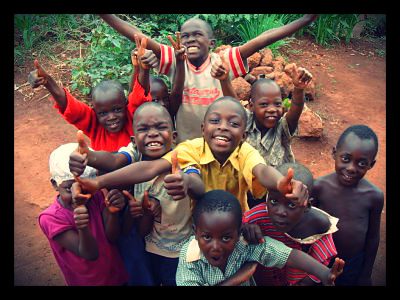
Photo: Africa Dream

Plants Moderate Global Warming
As any camping enthusiast will tell you, nothing quite describes the scent of that first refreshing breath of air they inhale upon waking in the middle of the forest. According to a recent study showing evidence that plants moderate global warming, there might in fact be a scientific explanation for the unusual characteristics of the atmospheric air experienced by campers.
Researchers from the University of Helsinki and the IIADA recently uncovered an ingenious feedback loop that exists between plants and higher atmospheric temperatures. How does it work? Plants moderate global warming through biological aerosols that originate from plants and – via atmospheric oxidation – stick to atmospheric aerosols, forming larger droplets that reflect sunlight and form storm clouds, thus decreasing temperatures.
In regards to evidence showing that plants moderate global warming, IIASA researcher Pauli Paasonen noted that, “Plants, by reacting to changes in temperature, also moderate these changes… Everyone knows the scent of the forest, that scent is made up of these gases.”
Although this amazing mechanism is presentlyonly able to mitigate only 1% of climate warming, the implications that plants moderate global warming is huge since future research can now focus exclusively the effects that such natural aerosols have on climate change, although many of their effects are currently scientifically uncertain.
Research highlighting how plants moderate global warming helps climatologists forge ahead into previously undiscovered frontiers of global warming and climate change. By having greater insight into the specific mechanisms involved in global warming, ongoing research can be aimed at both the construction and deployment of effective countermeasures.
– Brian Turner
Source: Science Daily
Photo: Classic Road Trip
Liter of Light
Fiat lux! Let there be light! A timeless phrase that has been used since biblical times, in classrooms and even in movies has a more humanitarian and sustainable meaning since 2011. MyShelter Foundation, a ‘green-energy for all’ organization, began the Liter of Light project out of a simple idea to light up the homes of those who could not afford to do so themselves. With the help of MIT students, the technology of empty water bottles, water, bleach, and a slab of cement has taken the place of electricity and changed the lives of hundreds of thousands of people around the world.
The first installments began in Manila, Philippines. Since electricity rates are so high, families are forced to keep the lights off during the day. Due to the infrastructure of the homes in many of the poorer areas, however, light does not enter the homes during the day and families are left in darkness.
Building the makeshift light bulbs is easy and requires little to no maintenance. 1 liter plastic bottles are taken, filled with a small amount of bleach to keep the water and bottle clean and free of germs, then filled with water. When sunlight enters the bottle, enough light is produced that equals that of a 55-watt light bulb! The benefits of the water bottle bulbs are endless. Not only do they eliminate the need for electricity during the day, but they also reduce monthly electricity costs, are sustainable, help keep slums free of plastic waste, are easy to install, and add a greater sense of well being to the home environment.
Since 2011, Isang Litrong Liwanag (the translation of Liter of Light in Filipino) has spread to other countries such as Cambodia, India, Vietnam, Spain, Egypt, Peru, Kenya, the Middle East, and even Switzerland. MyShelter hopes to reach its goal of installing 1 million water bottle light bulbs by 2015.
– Deena Dulgerian
Source: A Liter of Light
UAE’s New Ministry of Development and International Cooperation
ABU DHABI, United Arab Emirates – In March, the United Arab Emirates announced the creation of their Ministry of Development and International Cooperation. This new sector of government was established to coordinate all of the development and humanitarian efforts undertaken by the UAE. Since the country was established in 1971, the UAE has made efforts to assist in the development of poorer nations based on the belief that part of their wealth from oil and gas should be devoted to assisting those that are less fortunate. The Arab nation was the sixteenth largest humanitarian donor in 2012, based on the ratio of aid to the size of the economy of each country.
In the past three decades, the UAE has contributed more than $69 billion in loans, grants and developmental assistance in nearly 100 countries around the world. Most recently, the UAE contributed funds to help build hospitals and townships in Iraq, Palestinian territories and Lebanon.
One of the major projects undertaken by the ministry at this time is building refugee camps in Syria to house those displaced by the ongoing conflict. They have already spent over $81 million on Mrajeeb Al Fhood, a refugee camp in Jordan that houses over 25,000 people. The UAE has pledged more than $300 million to continue aiding refugees.
The new Ministry of Development and International Cooperation expanded the already existing Office for the Coordination of Foreign Aid. The purpose of the new ministry is to promote the UAE as a major donor and player in global human development. The majority of the aid that will be provided by the Ministry will be handed out by the government directly, although they are seeking to expand their work with international organizations.
-Allana Welch
Sources: WAM, Gulf Times, UAE Business Council
Photo: Tribune
Indonesia and Regional Food Security
Sufficiency, self-reliance, accessibility, utilization and affordability are key principals in providing food security. Policy makers must focus on maintaining a balance in these principals. When demand is not met by supply, the shortfall can lead to unstable food accessibility.
Self-sufficiency, in many countries, remains the key to continuously providing food security. However, in Indonesia, self-sufficiency has come under threat and the integral agricultural market is at risk. The livelihood of subsistence farmers is increasingly impacted by global issues such as climate change, international food price volatility, and the increasing demand for food from a growing population. The fluctuation and rise in prices of staple foods such as rice, garlic, and onions is leading Indonesia to cooperate with its neighbors to ensure the future of food security nationally and regionally.
Currently, Indonesia’s food policy is based on the aim of self-sufficiency and production is sustained within the economy to such a level that it could eventually lead to a food crisis. While this encourages small-scale farming, it makes food availability uncertain for many of the nation’s poor and compromises a well-balanced diet. While recent changes in dietary patterns and private-sector investment in agriculture will allow for growth and diversification in agricultural production, it may not be enough. As the country of highest productivity and production of rice in the Association of Southeast Asian Nations, Indonesia could potentially generate earnings in the regional market. Subsequently, local markets would gain a boost from the benefits of an export-oriented economy.
Since 1979, East Asian countries have integrated rice reserves to create a formal Strategic Plan of Action on Food Security in 2009 with the end goal being regional food security. While regional food security still has yet to be accomplished, many strides have been made in regional crop risk management, insurance schemes, strategies for regional transportation, and public-private partnerships. Indonesia holds the potential to strengthen self-sufficiency and national food security through aid to domestic competitiveness, systematic cash transfers, and cooperation with non-state stakeholders to minimize the adverse impacts of open food trade regimes. Implementation of these policies and principals would eventually lead to the accomplishment of national and regional food security for Indonesia and East Asia.
– Kira Maixner
Source: The Jakarta Globe
Photo: New Security Beat
Top 10 World Hunger Blogs
Below is a list of some of the best and most influential world hunger blogs around. The following blogs use various journalistic styles to spread the word about world hunger and news from around the world. After you finish reading through The Borgen Project blog, take a look at some of these!
1. Action Against Hunger- regular postings on major global hunger news and breaking events. The blog is part of the organization’s website. Action Against Hunger is a global humanitarian organization committed to ending world hunger.
2. Bread Blog- part of the Bread for the World organization. This blog reports US national events and important global stories in the fight against global poverty.
3. From Poverty to Power- a blog from OXFAM. It discusses the avenues individuals can take to achieve power. It is based on the thoughts from the Author, Duncan Green, and is meant to serve as a conversation and debate starter about development policy.
4. The Hunger and Under-nutrition Blog– aims to promote an informed dialogue, and serve as a resource for those in the field, and empower people at all levels to do what they can to make undernutrition and nutrition-related deaths and diseases a thing of the past.
5. International Food Policy Research Institute– the organization seeks sustainable solutions for ending world hunger and poverty. They have a vision of a world free of poverty and hunger and their blog focuses on what the IFPRI is doing as well as major news stories.
6. ONE blog- is part of the ONE organization. ONE’s goal is to fight the absurdity of extreme poverty by asking people to advocate for the world’s poor by taking action instead of simply talking about the problem.
7. Plenty to Think About– a blog highlighting, “the thinking persons guide to feeding a hungry planet”. This blog focuses on dietary solutions that can help end world hunger
8. Universities Fighting World Hunger- this organization works with the UN World Food Programme to mobilize US and international universities to make fighting world hunger a core value of higher education institutions. The blog is informative and journalistic and it provides a summary of the actions individuals within the organization are taking to fight world hunger.
9. WhyHunger blog- shares the stories of community-based organizations that are leading by example and working together to build the movement to end hunger and poverty.
10. OXFAM blogs- these blogs come from OXFAM staff around the world and document the problems, successes, and news coming from their local regions.
– Caitlin Zusy
Source: Action Against Hunger, Bread for the World, OXFAM Blogs, Hunger and Under-nutrition Blog, International Food Policy Research Institute, ONE blog, Plenty to Think About, Universities Fighting World Hunger, WhyHunger blog, OXFAM blogs
Photo: Africa Dream
Olivia Wilde and the Half the Sky Movement
Wilde recently participated in a PBS documentary and movement known as Half the Sky. Half the Sky is a movement aimed at igniting the change necessary to eliminate the oppression of women and girls worldwide. The Half the Sky movement was started by Nickolas Kristof and Sheryl WuDunn. Kristof and WuDunn wrote a book by the same name, which focused on turning oppression into an opportunity for women worldwide.
The movement uses videos, websites, games, and educational tools to spread awareness of women’s issues as well as to help create solutions to empower women. The video series is a four-hour series broadcast on PBS and other international channels. It was shot in ten countries and includes several celebrities such as Olivia Wilde, America Ferrara, Meg Ryan, and Gabrielle Union. The series displays portraits of women and girls living in some of the worst conditions imaginable, yet fighting to improve and change them.
Wilde appears on the second night of the series. She traveled to the Umoja Women’s Village in Kenya where the women of Umoja make beautiful handmade beaded items. The women in the village depend on the sale of their beaded items to support themselves and their families. The profits fund community projects selected by the women including scholarships for young girls, teacher’s salaries, lunches for preschoolers, and a freshwater and health care project.
Wilde also traveled to visit Jamii Bora. Jamii Bora is a micro-financing organization providing small loans to women in extreme poverty to start their own small businesses. The organization has an incredible success rate, helping women escape poverty and establish themselves independently.
The series hopes to raise global awareness of extreme poverty and hopes to educate and empower women worldwide to help each other out of poverty. The movement spreads a strong message of hope and progress.
– Caitlin Zusy
Source: Half the Sky
Ben Affleck Lives Below the Line
Academy Award winner actor Ben Affleck is taking part in the Living Below the Line challenge. Next week, he will be living on just 1 dollar and 50 cents a day. The challenge requires participants to bid farewell to their comfortable and stable lives for 5 days to experience poverty on a personal scale. Living Below the Line was “cofounded in 2009 by Rich Fleming from the Global Poverty Project and Nick Allardice from the Oaktree Foundation in Australia.”
The U.S. Country Director of the Global Poverty Project, Michael Trainer, said that last year approximately 15,000 people were part of this Living Below the Line challenge and more than 3 million dollars were raised. According to the Yahoo report, Ben Affleck’s participation will build awareness and raise funds for the Global Poverty Project. The Project’s main emphasis is to get people to recognize their potential effectiveness by coming together and fighting to end global poverty. Next week anyone can be, and everyone should be, in solidarity with the poor with this humbling poverty experience.
–Leen Abdallah
Source: Examiner
Children and their Most Prized Possessions
Italian photographer Gabriele Galimberti spent months traveling the world and captured children at their most vulnerable and innocent. His efforts were compiled into the project Toy Stories which documented children with their toys. For each child, Galimberti had them spread out in a very organized fashion all or some of their prized possessions and then photographed them. The toys even reflected not necessarily the socio-economic situations of each child but their geographical location or family’s occupation.
He also noted their demeanor and interaction with both him and the toys. Children in richer countries, he found, were more possessive with their toys while those from poorer countries were much easier to quickly interact.
But don’t be quick to jump to a pessimistic view that rich children are spoiled and don’t have the decency to appreciate what they have. Though it is true, it seems, that Galimberti’s experience illustrates such a pattern but keep in mind that they are just children. However, what this project shows and will hopefully stir up is a parent’s ability to help their children, no matter how young, to become aware of their luxuries and way of life and how those aren’t the same for everyone.
The notion that children are not able to understand such serious topics is completely unfounded. In fact, their strong sense of curiosity already creates the foundation of fostering care and awareness of poverty related issues, especially when it comes to other children. By starting with them at a young age, we can have a chance at making sure the next generation is internally wired to act and think differently about poverty to help end what perhaps this generation may only come close to doing.
Alessia- Catiglion Fiorentino, Italy
Enea- Boulder, Colorado
Chiwa- Mchinji, Malawi
Keynor- Cahwita, Costa Rica
Bethsaida- Port au Prince, Haiti
Taha- Beirut, Lebanon
Cun Zi Yi- Chongqing, CHina
Pavel- Kiev, Ukraine
Maudy- Kalulushi, Zambia
Shaira- Mumbai, India
Arafa & Aisha- Bububu, Zanzibar
Stella- Montecchio, Italy
Tangawizi- Keekorok, Kenya
– Deena Dulgerian
Source: feature shoot, gabriele galimberti
3 Ways Fashion Design Is Encouraging Economic Development in Africa
Everyone loves to wear clothes that accomplish more than the utilitarian purpose of covering the body. From the posh window displays on Rodeo Drive to the highly rated network programs like Project Runway and Fashion Star, people love to wear clothes that are both artistically-creative and well-fitting. The same is true for many developing countries in Africa, where extremely talented fashion designers are looking to sell their products both at home and abroad. These African designers highlight the opportunities that fashion has created for many individuals living in poverty stricken areas. Here are 3 ways that fashion design encourages economic development in Africa.
1. It encourages entrepreneurship – For many business-minded entrepreneurs trying to overcome severe financial constraints, fashion design encourages economic development in Africa by allowing anyone with an eye for fashion an opportunity to generate income both locally and – via the internet – internationally. The market for well-designed clothes is unique based upon the simple fact that despite a global economic slowdown, consumers will always have a need for clothes. Furthermore, if a particular market for clothing is lower than usual, innovative entrepreneurs can take advantage of previously untapped overseas and emerging markets as a means of increasing sales.
2. It stimulates the local economy – For Malawian designer Lilly Alfonso, her company Lillies Creations employs 7 people from a region currently plagued with severe currency devaluation and financial strain. Fashion design encourages economic development in Africa through the employment of talented tailors, textile artists, aspiring models, and support staff necessary for the operation of large design studios; along with the resulting sales opportunities for local fabric retailers and production facilities. Fashion designers help to bolster African economies by the infusion of capital both from the sales and expansion of their small businesses into new markets.
3. It serves as a sustainable business model – Fashion design encourages economic development in Africa due to the inherent sustainability of the clothing and apparel industry. Through the local farmers providing the raw materials, the weavers who construct the fabrics, and the merchants who sell the fabrics in local markets, fashion is an industry that employs many people whose entire economic well being is contingent upon the quarterly sales of the designers. The sustainability of fashion design allows for most of the profits and accompanying investments to go back into the community, along with the eco-friendly methods of cultivation practiced by many African farmers.
In regards to how fashion design encourages economic development in Africa, designer Lilly Alfonso optimistically advises “if you know that you can do it, don’t stop it.”
–Brian Turner
Source: BBC
Flood Resistant Grass Hybrid Can Create Food Security
The effects of flooding are catastrophic to agricultural production and soil efficacy due to the resulting root suffocation – via decreased oxygen availability in the soil – and accompanying topsoil erosion. Furthermore, as global weather patterns change and previously arid areas are exposed to unseasonably high annual rainfall, an increased emphasis is being focused into developing grasses that help to attenuate the impact of flooding. In a breakthrough that’s hypothesized to help bolster global food security in the face of unpredictable weather, a newly discovered flood resistant grass hybrid may shift the advantage towards local farmers.
The newly hybridized Festulolium species of grass, grown by a collaboration between UK researchers from Aberystwyth University, Lancaster University, and University of Nottingham, combines the impressive growth rate of ryegrass with the deep root systems of the meadow fescue grass.
How exactly does the flood resistant grass hybrid help to protect crops? By deploying the Festulolium grass in and around agricultural areas, the quick turnover and absorptive qualities of the hybrid grass help to decrease water run off by more than 51 %. Thus, the sensitive roots of the crops are protected from drowning as the Festulolium grass retains much of the water and serves as a barrier to flooding.
In regards to the newly developed food resistant grass hybrid, James Hutton Institute scientist Kit Macleod noted that, “Hybrid grasses of this type show potential for reducing the likelihood of flood generation, whilst providing pasture for food production under conditions of changing climate.”
Through the development of a flood resistant grass hybrid, a much needed ally in the fight against global climate change as been identified. And thanks to the continued research towards finding innovative methods of flood reduction and water retention, adequate levels of food security will be maintained despite the unpredictable effects of climate change.
– Brian Turner
Source Science Daily
Photo NPR