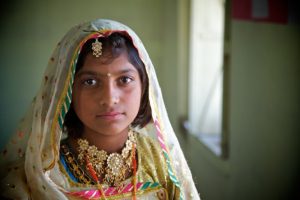
In India, menstruation is more than a biological process. According to the National Library of Medicine (NIH), girls’ health and education are foundational to a country’s development and essential for their full participation in political, economic and cultural life. According to UJAAS, “Period poverty is the lack of access to menstrual products, hygienic sanitation, and period education among women. It is one of the most critical issues faced by women in India.”
Causes of Menstrual Poverty in India
According to UJAAS, one of the most significant causes of menstrual poverty is the stereotypes that surround menstruation. When individuals bring up the topic of a period, the conversation is essentially hushed. The silence surrounding the topic of menstruation has been normalized, according to UJAAS. This causes women to be ashamed and can result in worsening problems.
Additionally, according to UJAAS, there is poor period awareness in India. Talking about menstruation is considered “taboo,” according to India Today. It can be associated with many myths, causing women to think that periods are impure or dirty.
School Dropout Increasing
Menstrual poverty impacts education in India. According to India Today, a lack of access to affordable sanitary products, clean bathrooms and menstrual education can cause many girls to miss school or drop out entirely. According to India Today, 60% of women in India do not attend school during their menstrual cycle.
In many schools, the lack of proper sanitation exacerbates the issue. India Today reports that 15,000 schools in India do not have functional toilets, and in some cases, girls must share toilets with boys or use stalls without doors, leaving them with no safe or private space to manage their periods. Without disposal systems, girls often skip school during menstruation out of fear, shame, or discomfort.
Furthermore, the New Indian Express reports that one in five girls in India drop out of school once they start menstruating. This is mostly because there is not only no menstrual education but also no access to sanitary products inside schools.
Additionally, research from Iwa Publishing shows that girls who go to school on their period have a higher chance of better academic performance. The odds are 14.82 times higher of this when compared to those who do not attend school on their periods.
Menstrual Poverty and Illness in India
According to Save the Child Foundation, menstrual poverty can cause an increased rate of sickness and can sometimes be fatal. When there is little to no access to the products needed, a lack of medical care and poor hygiene, diseases are more likely to occur.
Oftentimes, according to Save the Child Foundation, diseases such as urinary tract infections (UTIs) and other common infections can be fatal. In India, malnutrition is also a severe issue that can impact the health of women during their periods heavily.
In rural India, many women depend on unsafe feminine hygiene products such as rags, hay, sand or ash, according to UJAAS. Along with UTIs, infections such as rashes or bleeding can also be present.
Adding to the health risks is the widespread lack of medical support. According to the Deccan Herald, 91.7% of women do not seek medical help for menstrual health issues due to the lack of female doctors.
According to NIH, a 2024 study surveyed 6,715 girls across 16 states and found that only 14.3% sought treatment from health professionals.
Additionally, the International Journal of Community Medicine & Public Health reported that 62% of participants exhibited RTI symptoms like lower abdominal pain and painful urination, reflecting emerging reproductive morbidity from poor menstrual hygiene.
Solutions in Action
In November 2024, the Union Health Ministry approved the Menstrual Hygiene Policy for School-Going Girls. According to NDTV, this mandates free sanitary pads and hygiene kits for female students in government and aided schools nationwide.
According to NDTV, this policy, formally approved on November 2, 2024, also includes provisions for separate girls’ toilets and safe disposal systems. This marks a major push to normalize menstrual hygiene in schools and ensure dignity in uninterrupted education for adolescent girls.
In Madhya Pradesh, grassroots social enterprises like Saukhyam are advancing sustainable menstrual health through reusable, cloth-based pads made from banana fiber, according to Amma.
The Saukhyam Reusable Pads project, under Sri Mata Amritanandamayi Math’s Amrita SeRVe initiative, has reached more than 500,000 women and girls, according to Amma. This eliminated thousands of menstrual waste and received recognition like the Women Transforming India Award from NITI Aayog.
According to The Pioneer, these eco-friendly pads can last up to three years and have gained interest in more than 500,000 individuals in India as well as internationally. They also foster both environmental sustainability and cost-efficiency for users.
The Future
The Uttar Pradesh government, with the support from UNICEF, has launched the Swachh Garima campaign across 746 Kasturba Gandhi Balika Vidyalayas, according to the Free Press Journal. This initiative equips adolescent girls with scientific menstrual education, nutrition guidance and communication rights.
According to the Free Press Journal, specially trained female teachers deliver interactive lessons and involve parents. This aims to dismantle stigma and reinforce school attendance.
These efforts demonstrate a growing commitment to improving menstrual health management, supporting girls’ education, and breaking the cycle of poverty linked to menstruation stigma.
– Clarissa Dean
Clarissa is based in Bowling Green, KY, USA and focuses on Good News and Celebs for The Borgen Project.
Photo: Flickr

Women in Peru: The Fight for Indigenous Rights
Conga Mine: Máxima Acuña’s Stand for Land and Water
The Conga Mine, a gold and copper project in Cajamarca, posed a significant threat to four lakes that are essential for local water supplies. Máxima Acuña, a Quechua subsistence farmer, emerged as a symbol of resistance after she refused to cede her land to Newmont Mining. Despite facing violent eviction attempts, criminalization, and harassment, Acuña achieved a landmark court ruling in 2014 that halted the mine’s expansion. Her courage earned her the Goldman Environmental Prize and inspired a documentary.
Although the project remains on hold, her success underscores the potential for Indigenous women’s rights in Peru to prevail against corporate power. Grassroots organizations like GRUFIDES continue to back similar legal efforts, illustrating that local activism can have a global impact.
Loreto’s Oil Spills: Women Rise from Crisis to Leadership
In the Amazon, persistent oil spills from the state-owned Petroperú have contaminated rivers and severely impacted the Kukama Indigenous communities. Leaders like Flor de María Paraná have emerged as powerful advocates, establishing organizations to demand clean water, health care and remediation for the spills, ultimately securing a 2021 court order that mandated government action.
Their advocacy has transformed community leadership, with groups such as ONAMIAP pushing for policies that prioritize Indigenous women in environmental and health issues. These accomplishments illustrate how crises can catalyze progress in women’s rights in Peru.
A Path Forward for Women in Peru
In Peru, Indigenous women are transforming challenges into powerful advocacy, proving that grassroots initiatives can effectively address deep-rooted injustices. Despite persistent threats such as inadequate enforcement of prior consultations, gender-based violence, and demands for corporate accountability, their achievements serve as a model for meaningful change. As Peru strives to balance economic development with human rights, the leadership of Indigenous women is essential. Their struggle extends beyond issues of land and water; it envisions a future in which women’s rights in Peru are unequivocally upheld.
– Emilia Bartle
Photo: Flickr
Responding to Crisis: IF Charity in Gaza
Origins and Mission
Souad’s involvement with the Palestinian cause began 20 years ago, when she helped a friend in Morocco raise funds by selling items at a mosque. After moving to the United Kingdom (U.K.) in 2018, she sought to continue her efforts and found Interpal, the organization that preceded IF Charity. Political challenges eventually led to Interpal’s closure and IF Charity emerged in its place with a continued focus on providing life-saving aid to Gaza. Souad believes that the cause itself sets the charity apart. “I think it hurts a lot to see someone suffering or going through hardship nonstop,” she said.
Education Reborn
Education Reborn, one of IF Charity’s signature programs, focuses on restoring learning opportunities for children in Gaza whose schools have been destroyed. The organization supplies essential materials such as tables and books, aiming to ensure that children have the tools and spaces needed to continue their education.
IF Charity also invests in community infrastructure. Its community development program supports water and desalination plant construction, which provides clean water to families and reduces the need for young people to travel long distances. The time saved allows youth to participate in education or pursue job opportunities through the charity’s job creation initiatives.
Food and Energy Security
According to IF Charity’s 2023 to 2024 action report, 90% of people in Gaza experience food insecurity. To address this, the charity distributes vegetable baskets and food parcels. During Ramadan 2024, the organization provided food parcels to 2,338 families. To tackle frequent electricity outages, IF Charity installed solar panels in North Gaza. These panels also support water extraction from wells, contributing to both energy and water access. The charity also organized an Eid fun day in 2024 to provide emotional relief and a sense of normalcy for children and families affected by ongoing conflict.
Overcoming Barriers
Despite its impact, IF Charity faces numerous obstacles. Infrastructure destruction — including hospitals, power lines and roads — hinders aid delivery. Blockades further restrict access to essential supplies. While the organization constructs makeshift clinics and supplies medicine to the extent possible, needs remain high.
Another significant challenge is the transfer of donations. Souad described the difficulty she experienced after raising more than £6,000 for Gaza during Ramadan. Banks refused to transfer funds directly to Gaza, citing restrictions. She explained, “They were happy with it to go to any other country besides Gaza.” Attempts to reroute donations through Türkiye also failed due to bank complications and even IF Charity was unable to accept the funds due to regulatory concerns.
Additionally, the charity faces limitations on social media. Its Instagram page has been shadow-banned, meaning that posts do not appear in users’ feeds and tagging volunteers is restricted. Souad said, “So many hours that the person [spends]… to post pictures, videos,” yet the content does not reach the intended audience.
Looking Ahead
As IF Charity navigates operational hurdles, it continues to create spaces for global participation through events that raise both awareness and support. Annual initiatives in Morocco and Istanbul allow donors and volunteers to engage directly with the charity’s mission while fostering a broader network of solidarity. Despite ongoing challenges, IF Charity remains focused on expanding its reach and sustaining critical aid programs. With continued collaboration and visibility, the organization aims to strengthen its long-term impact in Gaza and beyond.
– Maryam
Photo: Flickr
The Invisible Impact of Menstrual Poverty in India
In India, menstruation is more than a biological process. According to the National Library of Medicine (NIH), girls’ health and education are foundational to a country’s development and essential for their full participation in political, economic and cultural life. According to UJAAS, “Period poverty is the lack of access to menstrual products, hygienic sanitation, and period education among women. It is one of the most critical issues faced by women in India.”
Causes of Menstrual Poverty in India
According to UJAAS, one of the most significant causes of menstrual poverty is the stereotypes that surround menstruation. When individuals bring up the topic of a period, the conversation is essentially hushed. The silence surrounding the topic of menstruation has been normalized, according to UJAAS. This causes women to be ashamed and can result in worsening problems.
Additionally, according to UJAAS, there is poor period awareness in India. Talking about menstruation is considered “taboo,” according to India Today. It can be associated with many myths, causing women to think that periods are impure or dirty.
School Dropout Increasing
Menstrual poverty impacts education in India. According to India Today, a lack of access to affordable sanitary products, clean bathrooms and menstrual education can cause many girls to miss school or drop out entirely. According to India Today, 60% of women in India do not attend school during their menstrual cycle.
In many schools, the lack of proper sanitation exacerbates the issue. India Today reports that 15,000 schools in India do not have functional toilets, and in some cases, girls must share toilets with boys or use stalls without doors, leaving them with no safe or private space to manage their periods. Without disposal systems, girls often skip school during menstruation out of fear, shame, or discomfort.
Furthermore, the New Indian Express reports that one in five girls in India drop out of school once they start menstruating. This is mostly because there is not only no menstrual education but also no access to sanitary products inside schools.
Additionally, research from Iwa Publishing shows that girls who go to school on their period have a higher chance of better academic performance. The odds are 14.82 times higher of this when compared to those who do not attend school on their periods.
Menstrual Poverty and Illness in India
According to Save the Child Foundation, menstrual poverty can cause an increased rate of sickness and can sometimes be fatal. When there is little to no access to the products needed, a lack of medical care and poor hygiene, diseases are more likely to occur.
Oftentimes, according to Save the Child Foundation, diseases such as urinary tract infections (UTIs) and other common infections can be fatal. In India, malnutrition is also a severe issue that can impact the health of women during their periods heavily.
In rural India, many women depend on unsafe feminine hygiene products such as rags, hay, sand or ash, according to UJAAS. Along with UTIs, infections such as rashes or bleeding can also be present.
Adding to the health risks is the widespread lack of medical support. According to the Deccan Herald, 91.7% of women do not seek medical help for menstrual health issues due to the lack of female doctors.
According to NIH, a 2024 study surveyed 6,715 girls across 16 states and found that only 14.3% sought treatment from health professionals.
Additionally, the International Journal of Community Medicine & Public Health reported that 62% of participants exhibited RTI symptoms like lower abdominal pain and painful urination, reflecting emerging reproductive morbidity from poor menstrual hygiene.
Solutions in Action
In November 2024, the Union Health Ministry approved the Menstrual Hygiene Policy for School-Going Girls. According to NDTV, this mandates free sanitary pads and hygiene kits for female students in government and aided schools nationwide.
According to NDTV, this policy, formally approved on November 2, 2024, also includes provisions for separate girls’ toilets and safe disposal systems. This marks a major push to normalize menstrual hygiene in schools and ensure dignity in uninterrupted education for adolescent girls.
In Madhya Pradesh, grassroots social enterprises like Saukhyam are advancing sustainable menstrual health through reusable, cloth-based pads made from banana fiber, according to Amma.
The Saukhyam Reusable Pads project, under Sri Mata Amritanandamayi Math’s Amrita SeRVe initiative, has reached more than 500,000 women and girls, according to Amma. This eliminated thousands of menstrual waste and received recognition like the Women Transforming India Award from NITI Aayog.
According to The Pioneer, these eco-friendly pads can last up to three years and have gained interest in more than 500,000 individuals in India as well as internationally. They also foster both environmental sustainability and cost-efficiency for users.
The Future
The Uttar Pradesh government, with the support from UNICEF, has launched the Swachh Garima campaign across 746 Kasturba Gandhi Balika Vidyalayas, according to the Free Press Journal. This initiative equips adolescent girls with scientific menstrual education, nutrition guidance and communication rights.
According to the Free Press Journal, specially trained female teachers deliver interactive lessons and involve parents. This aims to dismantle stigma and reinforce school attendance.
These efforts demonstrate a growing commitment to improving menstrual health management, supporting girls’ education, and breaking the cycle of poverty linked to menstruation stigma.
– Clarissa Dean
Photo: Flickr
How UNICEF’s initiative is expanding education for Rohingya Girls
UNICEF’s Education Initiative
To address these challenges, UNICEF’s education initiative, in collaboration with 45 partner organizations, has played a successful role in expanding education for Rohingya girls. With support from NGOs such as the Global Partnership for Education, which contributed $11 million just in 2023, the initiative established more than 3,500 learning centres. Today, 80% of children aged 6-11 are part of learning centres with a high attendance rate of 83% and a similar proportion between boys and girls.
Still, enrollment rates decline as girls grow older. As a response, UNICEF began implementing girls-only classrooms in 2022 and increased the number of female volunteers from 71 to 305. These changes were made in recognition of cultural sensitivities, where many families believe girls should not study alongside boys or the fear that girls may be harassed outside the home. As a result, more female teachers, volunteers, and girls-only classrooms helped reassure and encourage parents to keep their daughters in school, increasing the number of girls in secondary education from 17% to 24% over the past two years.
Despite progress, the initiative has recently been facing challenges due to a funding crisis. Some learning centres had to close while others struggled with limited learning materials and a lack of qualified teachers, especially at the secondary level. The 50,000 estimated new arrivals in the camp and another 50,000 refugees waiting for registration further exacerbate this issue, according to the Rohingya Refugee Response.
The 2025-26 Joint Response Plan
To mitigate such challenges, the 2025-26 Joint Response plan, launched on March 24, calls for $71.5 million. Part of this will come from the 2025 Complementary Development Fund to maintain and establish learning facilities.
Another key component of the plan is its aim for a more inclusive education for children aged 3-18. This includes the launch of Early Childhood Development, Accelerated Learning Programmes for over-aged learners, and flexible learning arrangements for disabled children. It also reiterates efforts to continue to encourage girls’ enrollment and attendance by establishing more female-only classes and increasing the recruitment of female teachers.
Notably, the plan states that the education will continue to follow the Myanmar curriculum delivered in Burmese, the Myanmar language. This not only helps preserve cultural identity but also prepares children for eventual repatriation to Myanmar in the future.
The Future
Education for Rohingya girls is a right, a shield against child marriage and labour, and a step toward financial stability. Thanks to the help of volunteers, UNICEF’s education initiative and the support from its partner, thousands of Rohingya girls have gained access to education which opened doors to bigger opportunities. However, as funding falls short, international support is essential more than ever. Only through continued investment can we ensure that these girls will have the chance to learn, grow, and lead.
– Lucy Cho
Photo: Flickr
Transformation of Elderly Poverty in Panama
The Influence of Non-Contributory Pension
In Panama, the elderly make up a significant part of the population, and many are facing tough challenges. Despite efforts underway to support this community, elderly poverty in Panama continues to create harsh realities for many. With pensions often falling short, countless seniors find themselves pushed back into the workforce, not out of choice but necessity, to avoid slipping below the poverty line. Back in 2012, around 26.2% of the demographic are still working, a rate nearly twice as high as that seen in countries belonging to the Organization for Economic Co-operation and Development [OECD]. But the picture grows even more troubling when it becomes evident that many seniors in Latin America work in informal jobs or self-employment without access to social protections or benefits, which forces them to labor far longer.
Fortunately, programs like the Non-Contributory Pensions (NPCs) have begun to turn the tide for elderly poverty in Panama, especially those working in the formal sector. These “social pensions” provide a vital financial lifeline to low-income seniors, offering support even when they have not contributed to traditional pension systems. The impact has been significant; it has greatly reduced extreme poverty by 66.1% and moderate poverty by 56% among Panama’s elderly. While this program does not magically erase poverty overnight, it lays a crucial foundation for organizations to grant older citizens a chance to live with dignity, free from the constant threat of poverty.
“Social protection is thus a universal human right.” In line with this principle, Non-Contributory Pensions (NPCs) have seen a substantial increase in coverage across Latin America since the early 2000s. These programs have become an essential mechanism for safeguarding vulnerable populations, particularly the elderly, from the various risks and challenges associated with aging. For example, as of July 2019, Panamanian elderly individuals who qualify for these pensions receive a guaranteed minimum monthly payment of 120 balboas, providing them with critical financial support.
Healthy Aging in Panama
Healthy aging, which the United Nations General Assembly officially declared in 2020, represents one of the most deliberate and strategic approaches to fostering a sustainable society that supports individuals of all ages, with particular emphasis on the elderly. Panama is among the countries encompassed by the Pan American Health Organization (PAHO), which prioritizes transforming societal attitudes toward aging, promoting community environments that are supportive and welcoming to older adults, and implementing “person-centered care and primary health services” tailored specifically to the needs of the elderly. Additionally, PAHO focuses on ensuring adequate resources and infrastructure for long-term care to enhance the quality of life for older populations.
In Panama, elderly individuals hold a position of great respect within the social hierarchy of their households. Maintaining a healthy lifestyle is crucial not only for nurturing strong family dynamics but also for extending their ability to participate actively in the labor market. Furthermore, good health among the elderly helps reduce medical expenses [especially for the uninsured], promotes greater autonomy, and contributes positively to broader economic growth.
The National Plan for the Elderly
The National Plan for the Elderly 2022–2025, which Panama’s Ministry of Social Protection (MIDES) oversees, coordinates a range of programs aimed at supporting the issue with elderly poverty in Panama. This comprehensive plan centers on three key priorities: economic security, health and the creation of sustainable environments. Its objectives include ensuring access to educational benefits, reducing healthcare costs, actively monitoring the health status of older adults to prevent future complications, improving caregiving services and fostering healthier living environments where older adults can thrive. The plan involves collaborative efforts among institutions such as the Ministry of Health (MINSA) and the Panamanian Social Security Fund.
Looking Forward
In recent years, Panama has made significant efforts to strengthen institutions that support elderly citizens, particularly in low-income communities. With the backing of several international organizations, the country has seen notable progress in addressing pension insecurity since the early twenty-first century. A nation’s economy is deeply influenced by the choices it makes, and Panama’s commitment to caring for its aging population is a powerful example. This initiative is not only economically sound, promoting stability and growth, but also reflects a fundamental human right: the right to dignity and protection at every stage of life.
– LaRaymee Lee
Photo: Unsplash
Ambitious Goals and Quick Results: Mongolia’s Vision 2050
Mongolia’s Vision 2050 was first introduced as a response to the COVID-19 pandemic in May 2020. During 2020, Mongolia experienced an economic reduction of 10%, strikingly fast, unlike previous years. The lockdown on homes also revealed the vulnerability of citizens to poverty, with food insecurity, easy job loss, and a decrease in agricultural products. The policy has three phases: phase one from 2021 to 2030, phase two from 2031 to 2040, and finally from 2041 to 2050.
Mongolia’s Poverty Goals for 2050
Mongolia’s Vision 2050 has many objectives for different parts of the culture and government. For poverty specifically, Mongolia plans to reduce national poverty to 15% by 2030 and 5% by 2050. The first phase, 2021-2030, involves bolstering an economic environment that supports entrepreneurship, expanding the job market by moving many financially unstable citizens to the middle class, and providing at least 75% of herders and farmers with decent equipment and technology to support a stable business flow. On top of this, Mongolia plans to resolve any overdue external debt the government owes while maintaining a stable economy.
By resolving external debt, foreign trade and investment are stronger and less risky, which in turn helps create a steady stream of employment for citizens. If the country improves job opportunities, many Mongolian citizens could transition from poverty into the middle class. One of Mongolia’s Vision 2050 goals is to make the middle class a predominant economic group to encourage job creation and innovation.
The second and third phases, 2031-2050, will foster a competitive nature in business to keep cash flows going smoothly and to prompt innovation among citizens to improve the culture and economy. Alongside these goals is to improve credit ratings and increase national savings. In the last phase, 2041-2050, Mongolia hopes to make the middle class a predominant economic group. With many citizens transitioning to the middle class with a lucrative job environment and encouraging entrepreneurship, inflation should drastically decrease, while employment skyrockets. One of the most ambitious goals in this final stage of Mongolia’s Vision 2050 is to create at least one city completely free of poverty.
Strides in Progress
One of the fastest results that Mongolia’s Vision 2050 accomplished was improved air quality in 2020. This problem partly predated the implementation of Vision 2050, where in 2019, Mongolia’s Voluntary National Review raised the question of growing air pollution, and started taking steps to reduce it. However, thanks to the urgency and efforts of Mongolia’s Vision 2050, in 2020, Mongolia cut air pollution down by 40%.
Halfway through phase one, Mongolia’s Vision 2050 has already yielded some promising results for the rest of the policy plan. The creation of the E-Mongolia app is an e-government service that has been designed for public use. Essentially, the app allows citizens to look up vehicles and property for purchase in a given area. The app also allows citizens to look at personal medical records, prescriptions, and accurate data on floods. The app has made strides in making data, accessibility, and communication easier for citizens and political officials in Mongolia. In other words, the app has improved the quality of life through access and clarification while making political dealings faster and easier.
Value chains for livestock have also improved drastically from 2020 to 2025. Animal husbandry has experienced increases in quality, which has driven down price volatility in Mongolia, specifically for products like cashmere, meat and dairy. The economic potential for livestock bolstering is promising, with many more Mongolian politicians showing an interest in the sector in recent years, and continuing to pour resources and effort into the chain to create a stable pillar of economic income.
The Future
Mongolia’s Vision 2050 continues to work towards the ambitious goals of reducing national poverty to 5% and creating a poverty-free city by 2050. With the swift result of decreased air pollution, the growing focus on the farming economy, and the ease and quality of life improvement brought about by the E-Mongolia app, future success looks tangible and bright for Mongolia.
– Russell Bivins
Photo: Flickr
Invisible Inequality: Disability and Poverty in Singapore
SG Enable is an agency that centers around disability and poverty in Singapore, aiding anyone from different underprivileged backgrounds. It also aims to make Singapore a more inclusive society by helping to advocate and raise awareness.
About Disability and Poverty in Singapore
According to the Singapore government data, around 3.1% of Singapore’s adult population lives with some form of disability, the rate rising to 13.3% among those aged 50 and above, the biggest percentage seen. Students in Singapore cover the smallest percentage at 2.1%.
While the numbers may seem modest, households and communities deeply feel the effects. People with disabilities (PWDs) in Singapore are significantly less likely to be employed: only 32.7% of working-age PWDs held jobs as of 2023, compared to more than 80% in the general population.
Saltandlight, a foundation that provides a digital gathering space for Christians globally, interviewed Aaron Wong, who has a type of muscle dystrophy called charcot-marie-tooth disease and decided to return to Singapore in 2025, where he grew up. Upon returning, Mr. Wong detailed his tough transition into Cheshire House, a nonprofit care home: “I had to be assisted by hired help whom I barely knew with dressing up and toileting. It was humbling and humiliating.” He described Cheshire House as a “godsend” and said that he “started to see that [he] was not in Cheshire Home as a means to an end, but there was meaning and purpose in me being here within its walls with 110 other people.”
Those living with a disability can contact SG Enable for further help. Otherwise, there are other ways to seek help through the specific organization such as The Singapore Association for the Deaf (SA Deaf) or the Singapore Association of the Visually Handicapped (SAVH).
Addressing Disability and Poverty in Singapore
Through multiple initiatives, the Ministry of Social and Family Development (MSF) announced many ways to help those most affected. The Enabling Masterplan of 2030 was announced on October 11, 2022, which outlines the plan for Singapore as a society that is inclusive for all in 2030, as it was created by, for and alongside persons with disabilities and their caregivers. Along the way, the government has also announced new measures in place to help such as flexible work schedules, and building disability-friendly buildings and sites.
The high cost of living exacerbates this inequality around poverty too. In 2021, The National Institute of Health surveyed the possible correlation between disability and poverty in Singapore. The study’s analysis further revealed that individuals with lower levels of education and those who were unemployed or economically inactive were significantly more likely to have disabilities. This association indicates that individuals facing economic hardship might be at a higher risk of disability, or conversely, that the presence of a disability could lead to reduced educational and employment opportunities, thereby increasing the likelihood of experiencing poverty.
However, the government is taking several measures to help bridge the gap between disability and poverty in Singapore. The Ministry of Culture, Community and Youth (MCYS) introduced subsidized health care, housing and education, and a Ministry spokesperson told the BBC that “Singapore has an extensive social safety net.”
The ComCare Endowment Fund
The ComCare Endowment Fund also emerged in June 2005, which financially aids low income people and families through support programs to the public. To qualify, those applying must have a total income for the household of $1,900 or less, or a per capita household earnings of $650 or less. The Straits Time reported that ComCare had distributed more than $236 million to those in need, a Singapore record since the Fund’s creation.
One can define a developed nation by the dignity and opportunity it provides to its most vulnerable citizens, not by GDP or worldwide rankings. Singapore’s next frontier of prosperity may not be innovation or money, but rather deepening its social contract.
– Sumayyah Karim
Photo: Unsplash
How Foreign Aid to Laos Is Key To Sustainable Development
The Lao economy relies on foreign aid and tourism for its investments, while an overwhelming majority of citizens work in agriculture. To build a robust economy and continue to lift people out of poverty, foreign aid focuses on the intersection between changing weather, poverty reduction and biodiversity. Sustainable development which connects rural populations to landscapes and urban cities alike.
Lao Biodiversity and Infrastructure
The environment in Laos comprises 166 species of reptile and amphibian, 700 birds, 90 bats and more than 700 mammals, according to the Convention on Biological Diversity. Situated on the heavily diverse Mekong River, the country contains more than 500 species of fish and 10,000 types of plant, with 40% of its landmass covered by forest. Locals can harness this biodiversity for poverty reduction through agricultural trade.
More than 60% of Laotians work in agriculture, primarily growing a diverse range of rice variants. This natural diversity and rich environment must receive protection to allow the 2 million farmers and laborers to make a profit. This sustainable use of the environment allows economic growth for the poorest in Lao society, while protecting the landscape for future generations.
The agricultural industry struggles when conservation is not at the heart of the sector’s development. Between 2001 and 2022, agricultural land increased from 8% to 18% due to a focus on protected spaces and arable land. Permanent pastures are key to supporting Lao agriculture. Through conservation efforts, the 48,000 unemployed Laotians can find work in conservation projects or crop production. However, these peripheral regions are ill-equipped and disconnected from the rest of the country.
Employment
Agricultural work can also be insecure and susceptible to seasonal fluctuations. Employment in all sectors decreased between 2013 and 2019. Industry itself has created few job opportunities, whereas rising farm incomes have primarily reduced poverty. Conservation projects create jobs that avoid these issues, providing wage-based income and job security. Alex Kremer, World Bank Lao PDR Country Manager, estimates “production forests could create up to 300,000 jobs through sustainable plantations.”
The combination of infrastructure projects and protection against natural disasters further allows Laotians to participate in a growing economy. Between 2010 and 2017, aid from the World Bank improved 171 km along two national roads, cutting travel time by 50% and 72% respectively. This infrastructure for travel and transport is crucial for rural Laotians living in poverty – the current focus of foreign aid to Laos.
How This Helps
The poorest live in rural villages away from larger cities, such as Vientiane and Luang Prabang, and struggle to find funding to improve their tertiary roads. Connecting these communities to larger financial centers and allowing them to travel for work lifts them out of poor conditions and opens them up for business.
During the aforementioned period, the World Bank reports 1,600 km of provincial roads were maintained to connect Laotians across the vast countryside. This allows an existing rural, agricultural economy to be connected to the growing investment centers in the Northern regions of Laos, potentially connecting a rural farmer to western markets.
Through conservation efforts, people not only find jobs but green jobs, which both harness and protect the rich biodiversity of Laos. With further infrastructure investments, local communities can manage their own forests within their local areas, but only if foreign aid can be expanded to the 1,200 villages within protected forest landscapes.
These areas are the hardest to connect to growing urban population ceners, but reaching them is crucial to helping those in extreme poverty on the fringes of Lao society. There is still a lot of work to do, and foreign aid to Laos can bridge these gaps.
The Real-World Impact
The Poverty Reduction Fund does this, for example, with its ‘community-based construction’ of local infrastructure. This also provides education on food consumption, which transforms the approaches of poor families in their health and hunger. Foreign aid to Laos stresses a ‘bottom-up,’ people-focused approach to downsizing poverty, which puts the community and its environment at the heart of poverty-reduction. This initiative was particularly crucial in educating poverty-stricken families who were vulnerable during the coronavirus pandemic.
Foreign aid to Laos is a case study in the intersection between climate, health and poverty in international development. Improving aspects of a country’s infrastructure, seemingly to help just one part of society, simultaneously lifts others out of poverty and improves the overall health of the population. This creates a sense of dignity for the country’s inhabitants, previously unthinkable before the turn of the century.
Important attributes in the makeup of society are amplified through foreign aid in unimaginable, and often intangible, ways. Foreign aid to Laos not only downsizes poverty, but acts as a practical strategy for sustainable development through local infrastructure and job creation.
– Lee Stonehouse
Photo: Unsplash
How National Vocational Training in Egypt is Empowering Youth
Reforming Education to Meet Labor Market Demands
Egypt’s strategic investment in TVET reflects a commitment to building a more resilient and inclusive economy. The Technical Education Reform Strategy is reshaping how young people prepare for the job market, a group that currently sits at 20% unemployment compared to Egypt’s overall 7%, one of the highest in the MENA region. These conditions highlight the urgency of the nation’s tactical use of a competency and skills based curriculum, ensuring new workers can survive the competitive and rapidly evolving labor market each year.
International development partners like the European Training Foundation, the German Development Corporation and the USAID-funded “Workforce Egypt” project have supported this nationwide reform. Together, these efforts have led to the creation of more than 2,900 institutions that blend academic learning with hands-on experience in fields such as agribusiness, hospitality and clean energy.
Partnerships that Power Progress
A central pillar driving reforms in the country’s education policy is the Egypt Impact Lab (EIL), a government-embedded initiative led by J-PAL Middle East and North Africa. It works alongside the Ministry of Education and Technical Education to evaluate and design policies. The EIL provides evidence and projections to ensure that vocational education policies continue to produce workers who support Egypt’s evolving economy.
In addition, the EIL acts as an interconnected space that brings together policymakers, donors and international experts to align priorities and shape reforms. These partnerships are instrumental in converting ambitious ideas into effective, scalable programs that can reach the students who need them most.
Reaching the Marginalized: Refugees and Informal Workers
While Egypt’s education reforms benefit millions of youth, they are particularly crucial for vulnerable communities. Egypt hosts more than 900,000 registered refugees, along with 1.5 million Sudanese migrants fleeing the current crisis. Refugees face high barriers to employment and education, which vocational training in Egypt aims to address. Programs like Caritas Egypt’s “For a Better Future” offer training and entrepreneurship skills to Egyptian and Syrian youth. Participants receive certifications from the Ministry of Social Affairs, gaining a foothold in Egypt’s competitive labor market. Training topics range from plumbing and tailoring to sustainable practices like plastic waste management and water conservation.
The World Food Programme (WFP) also plays a vital role, especially through its skills development program for refugees and marginalized groups. The WFP focuses on building skills in high-demand sectors, while also providing micro-loans to women entrepreneurs and promoting inclusive training opportunities. These policies directly impact participants’ economic well-being, with household incomes of women in the WFP’s She Can program increasing by up to 50%.
A Path Forward
Vocational training in Egypt has developed into a tool of long-term socio-economic growth, laying long term groundwork to equip young people and marginalized groups with the skills to not only sustain the country’s developing economy, but also transform their own lives.
The initiatives and partnerships created by Egypt’s TVET system build futures for millions, holding the potential to reduce the inequality and deprivation that the many Egyptians below the poverty line face every day. Furthermore, as Amr Bosila of the Ministry of Education and Technical Education noted, “By aligning education with labour market needs…Egypt charts a course towards a future of inclusive growth and opportunity.”
– Tom Finighan
Photo: Flickr
Internet Access in Peru: Bridging the Digital Divide
Barriers in Rural Areas
Rural communities, especially those in the Andes Mountains and around Cusco, face the greatest access challenges. Harsh terrain prevents signal transmission and complicates infrastructure development. Many residents also lack the financial means to afford laptops or data plans. As most internet infrastructure concentrates in urban centers, the rural-urban divide continues to widen. As of 2023, 38% of Peruvians lived below the poverty line, with an additional 5.7% at risk of falling into extreme poverty. Amid these economic challenges, internet access remains a privilege rather than a basic utility. However, several organizations are working to change that reality by expanding digital access nationwide.
Improving Access Through Education
art=”1580″ data-end=”2164″>Jangala, an NGO focused on digital access for underserved communities, partners with local organizations to bring internet connectivity to Peru. In Cusco—where 20% of children never finish primary school and 38% never complete secondary education due to financial hardship—Jangala teamed up with the Latin American Foundation of the Future (LAFF). Together, they provided laptops to students and introduced the Jangala Big Box to schools. This technology delivers instant internet access, enabling students to complete homework, collaborate with peers and access new learning tools.
Students in Cusco say that access to online resources through Jangala’s Big Box helps them complete their homework and stay enrolled despite financial challenges. This step forward has created new learning opportunities for students who might otherwise have been forced to drop out, reducing long-term risks of poverty.
A Broader Effort: Internet Para Todos
Beyond Cusco, the initiative Internet Para Todos (Internet for All) works to expand connectivity across Peru. This partnership—formed by Telefónica and Meta (formerly Facebook)—focuses on cost-effective solutions that target remote, rural areas. Since 2016, the group has connected 2.8 million Peruvians and established 1,900 4G sites in more than 15,000 towns. Rather than relying on heavy capital investment, the project uses shared infrastructure and open-access models. This strategy significantly lowers costs and extends services to hard-to-reach populations.
Building Digital Skills
To ensure people can fully benefit from connectivity, Peru launched the Digital Basic Basket program. This initiative supports digital literacy and aims to equip individuals with the skills needed to navigate education, health care and job markets online. The program focuses on rural areas and supplies tablets to students, along with digital training for public sector workers such as teachers and police officers. These ongoing efforts coincide with Peru’s growing digital economy. In 2021, the country’s e-commerce sector reached $9.3 billion—a 35% jump from the previous year. Forecasts predict that by 2030, the market will grow to $15.3 billion.
Looking Ahead
Peru’s journey toward digital inclusion reveals that expanding access requires more than infrastructure—it also depends on digital skills, education and local engagement. Organizations like Jangala and Internet Para Todos play a key role in bridging this divide. By continuing to improve internet access in Peru by building low-cost networks, training communities and supporting long-term solutions, Peru could reduce poverty and unlock greater opportunity for all citizens.
– Felix Hughes
Photo: Flickr