• Link to X
  • Link to Facebook
  • Link to Instagram
  • Link to TikTok
  • Link to Youtube
  • About
    • About Us
      • President
      • Board of Directors
      • Board of Advisors
      • Financials
      • Our Methodology
      • Success Tracker
      • Contact
  • Act Now
    • 30 Ways to Help
      • Email Congress
      • Call Congress
      • Volunteer
      • Courses & Certificates
      • Be a Donor
    • Internships
      • In-Office Internships
      • Remote Internships
    • Legislation
      • Politics 101
  • The Blog
  • The Podcast
  • Magazine
  • Donate
  • Click to open the search input field Click to open the search input field Search
  • Menu Menu

Tag Archive for: United Nations

Posts

Food Insecurity, Global Poverty

Plant Health to Reduce Poverty and Food Insecurity

plant health to reduce poverty
On May 12, 2022, the first International Day of Plant Health, the United Nations Food and Agriculture Organization (FAO) called on the international community to invest more in plant health to reduce poverty and food insecurity. This includes more usage of pesticides to eliminate diseases that harm 40% of food crops according to FAO. The loss of food crops contributes to food insecurity in countries that have economies that rely on agriculture. Furthermore, the loss of food crops will also impact the income of people who live in rural areas since they mostly rely on agricultural trade to stay above the poverty line.

The Idea of Tackling Plant Health

The idea of tackling plant health internationally may be a new concept for those who live in developed countries, but it is a daily struggle for those who live in developing countries. In fact, the International Day of Plant Health emerged after a U.N. General Assembly resolution advocated for it, which Zambia sponsored. It passed unanimously on March 29, 2022.

On May 12, 2022, FAO Director-General Qu Dongyu said that investing in plant health is to “transform agri-food systems to be more efficient, more inclusive, more resilient and more sustainable,” U.N. News reported. This highlights a hidden key factor that drives poverty and food insecurity in the developing world, especially in rural countries.

Countries Affected

Some countries, specifically ones that have agriculture-centric economies, rely on plant health to reduce poverty and food insecurity. For example, On May 21, 2015, FAO reported that 75% of citizens in Moldova depend on agriculture to make a living and to eat food. However, throughout early 2015, Moldova experienced a pest outbreak that impacted food production in the country, which “caused significant economic hardship” for Moldovans.

Similarly, in 2017, an armyworm outbreak wiped out 200,000 tonnes of maize in Zambia that affected agriculture in southern Africa. Zambians rely on agricultural trade for income as agriculture employs 50% of them.

Local Efforts

The grave threat that the armyworm outbreak posed prompted a swift response by countries whose economies are at risk because of the outbreak. On January 11, 2017, Zambia responded to the pest that eliminated around 200,000 tonnes of its maize by using its military to eradicate it. On the other hand, on January 17, 2017, Zimbabwe investigated the damage that the armyworms caused, which included wiping out 20% of the country’s maize, after spraying pesticides on the crops.

International Efforts

International organizations and agencies were instrumental in helping these countries eliminate the pests so they can protect plant health to reduce poverty and food insecurity. For example, On May 21, 2015, Moldova’s Ministry of Agriculture cooperated with the FAO on a two-year project that introduced an “Integrated Pest Management” program, according to FAO. This program entailed training farmers and implementing “measures to discourage the development of pest populations.”

Moreover, on April 5, 2022, the FAO convened the 16th session of the Commission on Phytosanitary Measures, which is the governing body of the International Plant Protection Convention that more than 180 countries signed. The goal of that session was to “set new plant health standards” and “preserve food security.”

History has shown that pests have been effective at destroying crops that are key to food security and poverty in the developing world. However, history is also showing that new and sophisticated methods to protect agriculture and food security are being developed every day. International institutions such as the FAO have been adept at helping developing countries such as Moldova stop the spread of pests. The unity of the international community in pursuing plant health shows that although the pest problem is dire, solving it is way easier. This makes global poverty reduction and preservation of food security even easier goals nowadays.

– Abdullah Dowaihy
Photo: Flickr

June 17, 2022
https://borgenproject.org/wp-content/uploads/borgen-project-logo.svg 0 0 Jennifer Philipp https://borgenproject.org/wp-content/uploads/borgen-project-logo.svg Jennifer Philipp2022-06-17 01:30:302024-05-30 22:26:05Plant Health to Reduce Poverty and Food Insecurity
Global Poverty, Water Crisis

Unravelling Egypt’s Water Crisis

Egypt’s Water Crisis
The once bountiful Nile River in Egypt is the victim of overpopulation in the nation, now barely reaching the Mediterranean Sea. The Nile serves as the main supply of water in Egypt, a source that now seems to be quickly drying up. The construction and use of the Grand Ethiopian Renaissance Dam, or GERD, has dried the Nile River even further. The construction of the dam has received backlash from critics as it only exacerbates the depletion of the river even further, contributing to Egypt’s water crisis.

The combination of the dam, growing population and an ongoing drought leaves Egypt with the threat of complete water scarcity by 2025, putting the livelihoods of millions of farmers in danger. According to the World Bank, Egypt’s agriculture sector employs about a quarter of the 102.3 million population, with agriculture, forestry and fishing accounting for about 11% of the country’s GDP in 2020.

This, in turn, threatens the food supply of Egypt, further impoverishing an already impoverished country with a poverty rate of 32% as of 2020. Egypt’s water crisis has reached a dire point.

Causes of Egypt’s Water Crisis

Long periods of drought and an increasingly hot and arid climate have shrunk the Nile River, the main source of water in Egypt, an issue common for many water supplies all over the world. However, in development mostly unique to Egypt, the construction of a dam on the Nile River has shrunk the amount of available water even further.

The GERD has placed a large amount of strain on the already dwindling supply of water in the country. The GERD, completed in 2020, is the latest development in a dispute over the Nile’s fresh water basin, a water source essential to the survival of many Middle Eastern and North African countries. Ethiopia now appears to have the upper hand in this dispute, with the GERD granting Ethiopia access to a fairly stable amount of water, while restricting the access of other countries, including Egypt.

However, the most significant contributor to Egypt’s water crisis is the country’s population growth. Egypt’s population increases at a rate of around 2% per year. While that number may not sound like much, the constant and steady growth places a lot of stress on an already low amount of usable water. There is simply not enough to go around. The United Nations estimates that Egypt will reach the point of absolute scarcity by the year 2025, which many fear may mark the point of no return for the African nation.

The Impact of Water Scarcity

Beyond the obvious impact of Egypt’s water crisis on the everyday lives of people living within the country, the lack of water will cause large amounts of damage to Egypt’s food supply. The agriculture industry of the country supports nearly 50% of the nation’s population and uses 86% of the fresh water in Egypt, as of 2020. If Egypt were to reach the state of absolute scarcity, millions of people would be out of work, forcing a large portion of Egypt below the poverty line, not to mention the food insecurity that would also occur. In a country already struggling with poverty, less food and less water would only serve to make matters worse.

Taking Action

The Egyptian government is working to address Egypt’s water crisis. These efforts include the passing of the National Water Resources Plan in 2017 with an intention to contribute $50 billion worth of investments in the water sector by 2037. In 2020, Egypt committed to contributing $2.8 billion to increase its desalination capacity, so that it can convert greater amounts of salt water into fresh water. This offers a great renewable source of water. This combination of efforts offers some hope to the nation.

Egypt relies on aid from other countries and organizations around the world as well, remaining optimistic that help will come.

– Thomas Schneider
Photo: Unsplash

June 14, 2022
https://borgenproject.org/wp-content/uploads/borgen-project-logo.svg 0 0 Kim Thelwell https://borgenproject.org/wp-content/uploads/borgen-project-logo.svg Kim Thelwell2022-06-14 01:30:362024-05-30 22:26:05Unravelling Egypt’s Water Crisis
Foreign Aid, Global Poverty

The Impacts of Britain’s Foreign Aid Cuts

Britain's Foreign Aid Cuts
Britain’s budget for direct humanitarian aid, which stood at more than £1.5 billion in 2020, reduced to £744 million in 2021, with official developmental assistance funds from the country down 21% overall. This major budgetary shift, in the form of Britain’s foreign aid cuts, could have long-term devastations on impoverished communities across the world that are trying to recover from the pandemic, extreme weather conditions, and now, the consequences of the Russia-Ukraine war.

Potential Impact

The United Nations (U.N.) stated on April 13, 2022, that the war in Ukraine could potentially push 1.7 billion people into circumstances of poverty and food insecurity. The slashing of the British budget makes these circumstances only direr as the equivalent of more than one-fifth of the world faces the risk of poverty. Cuts to countries such as Ethiopia (from £241 million to £108 million), Kenya (£67 million to £41 million) and Somalia (£121 million to £71 million) raise concerns for African nations and their respective fights against poverty.

Head of government relations at Oxfam, Sam Nadel, noted that these cuts are occurring amid an array of global challenges, such as war, the pandemic and famine in Africa, which ultimately hinders the ability to adequately address these issues and fight off future devastations.

The Impact of the Ukrainian Crisis

Countries like the United States and Britain are putting the remainder of their foreign affairs budgets toward addressing the crisis in Ukraine. In May 2022, British ministers announced an allocation of £220 million worth of humanitarian aid to Ukraine amid the war, meaning, in the broader budget, the remainder of foreign aid for other nations is smaller than before.

The United States Congress approved on May 19, 2022, an aid allocation of $40 billion for Ukraine, which the United States will distribute through traditional means of aid.  This is an all-encompassing budget that includes economic support ($9.4 billion), weapons ($12.5 billion), food assistance ($7 billion) and more. This amount of aid surpasses the amount given to any other individual country in the past decade by the United States and serves as a major shift in the focus of aid distribution. Though U.S. foreign aid only makes up about 1% of the 2022 federal budget, this aid package, so far, exceeds the contributions of all other nations.

Public Opinion

Public opinion plays a significant role in the future of foreign aid priorities. One major way that foreign aid can still make it to impoverished nations is through public outreach. By having citizens call their congressional leaders in support of protecting foreign aid and poverty-focused policy, the risk of aid cuts greatly diminishes.

If the public perception of foreign aid goes against putting more dollars into the foreign assistance budget, then the chances of congressmen being able to pass more federal spending become lower. In the current landscape of federal spending, 73% of U.S. citizens believe that foreign aid to Ukraine is either at the right amount or too little, according to a Washington Post/ABC News poll conducted in April 2022. In addition, U.S. citizens are wary about using direct military action against Russia with 72% against the use of force. U.S. citizens are well aware of the crisis in Ukraine and are keen on vocalizing their support for certain measures.

The Future of Foreign Aid

Britain’s foreign aid cuts come at a time when the world requires significant assistance. Now more than ever, countries must prioritize foreign aid to nations in crisis. Through public outreach, increased foreign aid allocations and more vocal support, aid to nations in crisis can continue. Through the collective efforts of the international community, the world can recover from the current global challenges.

– Albert Vargas
Photo: Flickr

June 14, 2022
https://borgenproject.org/wp-content/uploads/borgen-project-logo.svg 0 0 Kim Thelwell https://borgenproject.org/wp-content/uploads/borgen-project-logo.svg Kim Thelwell2022-06-14 01:30:282022-06-10 13:18:43The Impacts of Britain’s Foreign Aid Cuts
Global Poverty

5 Facts About Workers’ Rights In Southeast Asia

Workers' Rights In Southeast Asia
Labor laws exist to empower and protect workers’ rights. The rights of employees hold their employers accountable for their well-being in the workplace. Commonly, large corporations take advantage of the world’s poor, knowing they can subject these people to dire working conditions and insufficient wages that threaten the health and safety of workers. Not to mention, these insufficient wages keep individuals in the control of poverty, indefinitely. The U.N. has stated that in Southeast Asia specifically, promising developments have occurred in the area of workers’ rights since March 2021. However, social divides, COVID-19, long-lasting systemic customs and the exploitation of the poor, still hinder the development of workers’ rights in the region. In the hopes of raising awareness, here are five facts about workers’ rights in Southeast Asia.

5 Facts About Workers’ Rights in Southeast Asia

  1. Labor Laws Enforcement in Southeast Asia Needs Improvement: The Second U.N. South Asia Forum on Business and Human Rights took place in March 2021 and it involved 89 countries and 1,500 participants, according to OHCHR. Its purpose was to evaluate the problems and prosperities of workers’ rights in Bangladesh, India, Nepal, Pakistan and Sri Lanka. This forum resulted in the conclusion that the enforcement of labor laws in Southeast Asia needs improvement. There are plans to discuss country-specific issues and progress for the 2022 forum.
  2. The COVID-19 Pandemic Expedited the Regression of Secure Jobs in Southeast Asia: While a lack of workers’ rights is prominent, the pandemic has caused the existence of work itself to dwindle. The pandemic pushed 4.7 million people in Southeast Asia into poverty due to the disappearance of 9.3 million jobs. This has caused a sense of desperation and willingness for Southeast Asian workers to subject themselves to substandard working conditions, as work has become a scarcity in the aftermath of the pandemic.
  3. Workers Frequently Experience Unequal and Discriminatory Treatment: In the “Access to justice for migrant workers in Southeast Asia” report, findings concluded that while 20.2 million workers in Southeast Asia have access to labor rights, “they frequently experience unequal and discriminatory treatment in practice.” The report explains this problem occurs primarily due to unsuccessful procedures in resolving worker complaints in Southeast Asia, which allows for these workplace abuses to happen.
  4. Modern Slavery: According to a Global Slavery Index report in 2016, Cambodia, Myanmar, Brunei and Thailand are a part of the top 10 Asian countries with the highest number of people in working conditions of extreme exploitation. The numbers equated to about 2.5 million Southeast Asians “being caught up in the grip of modern slavery,” according to a PLoS Med article.
  5. Workers’ Complaints Need Fair and Responsive Solutions: The “Access to justice for migrant workers in Southeast Asia” report has analyzed Southeast Asian workers’ complaints from Migrant Worker Resource Centers from 2011 to 2015. The analysis of more than 1,000 cases across five countries revealed the most extensive compilation of Southeast Asian worker complaint data. The substantial analysis has revealed that progress in justice has increased, but prominent challenges in fair and responsive solutions persist.

Looking Ahead

Worker’s rights are essential to the eradication of poverty. It is substandard working conditions and wages that keep individuals in an ongoing loop of poverty. When people are provided with the necessary working accommodations, they are more likely to afford more, in turn, becoming customers of places they usually wouldn’t like niche small businesses that are especially healthy for the economy. Drawing attention to issues surrounding workers’ rights in places such as Southeast Asia is especially important to show all the efforts they are making.

– Madeline Ehlert
Photo: Piqsels

May 20, 2022
https://borgenproject.org/wp-content/uploads/borgen-project-logo.svg 0 0 Jennifer Philipp https://borgenproject.org/wp-content/uploads/borgen-project-logo.svg Jennifer Philipp2022-05-20 07:30:422022-05-19 07:06:065 Facts About Workers’ Rights In Southeast Asia
Global Poverty

China’s Global Development Initiative

China’s Global Development Initiative
China has proposed global goals for improving the process of global development amid the COVID-19 pandemic. Proposed by Chinese President Xi Jinping at the opening of the 76th session of the U.N. General Assembly in September 2021, China’s Global Development Initiative (GDI) has support from nearly 100 countries and international organizations. Zhang Jun, China’s permanent representative to the United Nations has emphasized that the initiative is just one action of many that will accelerate the U.N. 2030 Agenda for Sustainable Development.

The UN 2030 Agenda for Sustainable Development

The U.N. 2030 Agenda for Sustainable Development has ambitious goals of eradicating poverty and hunger everywhere, combating inequalities, building inclusive societies, promoting human and gender equality and more by 2030. While these goals are hefty and require immense work, China’s Global Development Initiative is opening doors for the U.N.’s 2030 Agenda to become a reality.

In China’s initiative, the goals of “re-prioritizing development, renewing commitments to the Sustainable Development Goals (SDGs), revitalizing global partnerships and reactivating development cooperation” are consistent with the U.N.’s Agenda. Many working with the U.N. greatly support China’s goals. For example, U.N. Deputy Secretary-General Amina Mohammed has remarked that China’s Global Development Initiative will keep the U.N. 2030 Agenda’s pledge of leaving no one behind.

What is China’s GDI?

As with the U.N.’s Sustainable Development agenda, China’s Global Development Initiative involves international cooperation and efforts to support less developed countries, especially those the pandemic hit particularly hard. For example, the initiative’s goals could include alleviating poverty, managing food security, aiding COVID-19 support, financial development, green development and more.

To make the goals successful, the GDI will work with other organizations and countries to build a community-based network to assist struggling countries. Building strong networks will allow the performance and value of countries to flourish. The organization is only beginning to develop plans of synergy and a strong global community to assist fellow countries.

COVID-19 has been the source of tremendous hardship and struggles for many people globally. The World Bank Blog has reported that a 2015-2021 figure of projected poverty in 2021 was estimated to be 613 million pre-COVID-19. Since the pandemic began, that projection has spiked to 711 million people estimated to live in poverty for the same year. That is 98 million more people who could experience poverty as a result of the pandemic.

Numbers in relation to poverty in lower-income countries may see a reduction with help from the GDI, which some have dubbed “China’s contribution to global development, prosperity and humanity.”

Support From UNIDO

One of the organizations supporting the GDI is the United Nations Industrial Development Organization (UNIDO). China has already made connections with UNIDO regarding the initiative. Cooperating with the China International Development Cooperation Agency (CIDCA) developed in 2018, UNIDO’s work with CIDCA would serve as the intent to promote aid to developing countries.

Both organizations see promise in the partnership in support of China’s Global Development Initiative, with the Chairman of CIDCA, Luo Zhaohui, noting that he looks forward to “developing concrete projects together.”

UNIDO’s director-general Gerd Muller commented that the initiative “is in line with UNIDO’s mission to promote inclusive and sustainable industrial development.” UNIDO and China’s Global Development Initiative share similar goals for global community development and both strive toward supporting fellow countries financially.

While to some, the objectives laid out by the U.N.’s 2030 Agenda may seem far-fetched, those working alongside China’s Global Development Initiative believe otherwise. There is hope and promise for those struggling against poverty and hunger and officials around the world are banning together to fight against these issues with tangible optimism.

– Michelanie Allcock
Photo: Flickr

April 8, 2022
https://borgenproject.org/wp-content/uploads/borgen-project-logo.svg 0 0 Jennifer Philipp https://borgenproject.org/wp-content/uploads/borgen-project-logo.svg Jennifer Philipp2022-04-08 07:30:352022-04-02 03:27:47China’s Global Development Initiative
Global Poverty

The Reality of Elderly Poverty in Vietnam

Elderly Poverty in Vietnam
Elderly poverty in Vietnam is a significant issue considering that Vietnam currently has one of the highest rates of aging populations in the world. Right now, Vietnam is still a young country, despite the fact that its elderly population has increased from 4.9% in 1975 to 7.9% as of 2020. There is reason to have some concern over the aging population. Even just between 2009 and 2019, the elderly population older than the age of 60 increased by 2%. The World Bank has calculated that Vietnam could be the country that is aging fastest globally.

A Closer Look at Elderly Poverty in Vietnam

This aging is due to an increase in life expectancy, which rose by 21.6 years from 1950-1955 to 2010-2015, as well as a decrease in fertility rates in developing countries, from 6.1 children in 1950-1955 to 2.7 children to 2010-2015. By 2050, the percentage of Vietnamese people older than 60 could be one-third of the population, doubling from 11.9 million to 29 million. Among other implications, an aging population in Vietnam could devastate the quality of life for elderly Vietnamese people, especially those already in poverty.

The Need to Work

According to a statistic from the United Nations broadcasted by Channel News Asia, 40% of the Vietnamese elderly population are still working in some capacity, well beyond the normal retirement age in comparison to other nations. Even with work, the Vietnamese elderly’s typically low-income salaries cannot provide the benefits of proper care and shelter. According to CNA Insider, about seven out of 10 elderly people in Vietnam work in the “informal sector,” holding jobs such as trash collectors, taxi drivers and street vendors, all of which can be taxing on an elderly person.

The elderly in poverty in Vietnam have even more financial difficulty as they face higher medical costs with their growing ages. About 39.9% of the elderly in Vietnam exhibit some level of poverty and must rely upon pensions from their government for their basic needs. Yet, these pensions have limitations. Only about one in five of the Vietnamese elderly qualify for pensions; a person younger than the age of 80 must “be officially identified as poor” to receive benefits, a very broad title that many in poverty do not obtain. With age, this lack of support pushes into poverty many elderly who were not formerly impoverished.

Specific Vulnerability

According to a study published in the Journal of Population and Social Studies, despite an overall concern for the Vietnamese elderly, specific groups face an increased likelihood of enduring poverty in comparison to others. Elderly Vietnamese people who live in rural areas are more susceptible to poverty than those in urban areas. The elderly who do not identify with the majority ethnicity in Vietnam, Kinh-Hoa, are also more likely to experience poverty. Such disparities in poverty among the Vietnamese population have led to discussions about how Vietnamese policy can better support minority groups and those in rural areas in addressing the overall issue of elderly poverty in Vietnam.

Growing Support

Many organizations and nations are joining in the effort to alleviate elderly poverty in Vietnam. The Japanese International Cooperation Agency recently teamed up with the World Bank to launch an initiative to develop Vietnamese policy aimed at establishing new structures of state elderly care. This plan seeks to establish better social services to address the elderly in poverty in Vietnam. The initiative consisted of three phases of programs from August 2019 to April 2020 and considers the policies of countries like Thailand, which offers case studies of elderly policy. The former programs mentioned educated policymakers in Vietnam about new models of elderly care. Such a move by Japan also brings hopes of further cooperation between the two nations, which have traditionally had tense relations.

The United Nations Population Fund has also begun working with the Vietnam Committee on Ageing in order to offset the rapidly increasing older population’s effects on the economy. In doing so, the U.N. seeks to develop multiple programs that provide socioeconomic development within Vietnam while supporting the elderly who are in desperate need of government assistance. For example, the U.N. worked with Vietnamese leaders on a resolution in 2017 that called for “population work” to examine how people of different ages experience the rapidly aging population in Vietnam. The U.N. is continuing to support Vietnam with its vast data resources to better develop a policy for elderly care.

Furthermore, global institutions are making an effort to support nations’ elderly populations. The future is bright for the Vietnamese elderly in poverty, but much more work is necessary to ensure that they have a good quality of life. Supporting global institutions that aid the elderly in poverty can help in the fight against general global poverty.

– Rachel Reardon
Photo: Flickr

February 15, 2022
https://borgenproject.org/wp-content/uploads/borgen-project-logo.svg 0 0 Jennifer Philipp https://borgenproject.org/wp-content/uploads/borgen-project-logo.svg Jennifer Philipp2022-02-15 01:30:222024-12-13 18:02:39The Reality of Elderly Poverty in Vietnam
Developing Countries, Development, Food Insecurity, Global Poverty

Rising Levels of Food Insecurity in South Sudan

Food Insecurity in South SudanThe North African country of South Sudan is currently facing its worst hunger crisis to date. Estimations indicate that close to 8.5 million people out of the nation’s total population of 12 million people “will face severe hunger” in 2022, marking an 8% spike from 2021. There are several reasons for the worsening levels of food insecurity in South Sudan.

Issues Contributing to Food Insecurity in South Sudan

South Sudan’s most recent civil war, beginning in December 2013 and ending in February 2020, is one of the many reasons for the major food insecurity in South Sudan, among other issues. According to Oxfam International, the war caused an “economic free–fall,” leading to rising food prices and a crumbling economy. Furthermore, food stocks have diminished and harvests are poor due to extreme weather conditions.

The country is facing “the worst floods in 60 years,” affecting close to 1 million people and serving as a significant contributor to food insecurity in South Sudan. In just seven months, from May 2021 to December 2021, about 800,000 South Sudanese people endured the impacts of “record flooding” within the country. The floods have not only destroyed lands where crops were growing but have also led to the loss of a quarter million “livestock in Jonglei state alone.” The floods also swept away vital supplies such as fishing nets, impacting people relying on fishing in waterways as a means of securing food sources.

Along with the devastating floods, in 2021, the United Nations had to cut its food aid by about 50% due to reduced funding and increased costs of food. This reduction in the amount of food aid from the United Nations alone affects more than three million people.

Extreme Measures and Potential Collapse

To prevent starvation, families are resorting to extreme measures such as “ground-up water lilies” as their only meal of the day. Other people living in hunger have attempted to flee to other towns and states in search of food and shelter.

Further compounding the issue of food insecurity in South Sudan is “government deadlock as the country’s two main political parties try to share power.” Resistance among the political groups to work together is a cause of concern for the head of the United Nations mission in South Sudan, Nicholas Haysom, who warns of “a collapse in the country’s peace deal” if parties cannot find common ground in the political arena.

The World Food Programme (WFP)

One of the organizations working to help end food insecurity in South Sudan is the WFP. The WFP is currently employing a variety of methods to get food to the millions of South Sudanese people enduring food insecurity. These methods “include airdrops, all-terrain vehicles, river barges and SCOPE registration.”

The WFP utilizes airdrops as a last resort to deliver food to the most “dangerous and inaccessible” locations in South Sudan where safe road travel is not possible. The WFP also utilizes SHERPs, a type of all-terrain vehicle, to deliver food supplies to isolated areas where travel is challenging but still possible. The SHERPs can traverse the most adverse roads, go over obstacles and “float across water” in flooded areas.

The WFP also uses river barges that run along the Nile River to transport food to families who live in areas where there are no roads. Lastly, the WFP uses SCOPE, which is a blockchain service employed to “register and document people who receive food assistance” from the WFP. SCOPE helps workers to track the individuals receiving assistance and record each person’s “nutrition and health status” and determine full recovery and treatment success.

Looking Ahead

Although the situation in South Sudan is dire and experts predict these circumstances will worsen, many organizations are committing to providing as much aid as possible to South Sudanese people facing the devastating impacts of several disasters. By supporting these organizations, even an ordinary individual can make a difference in reducing food insecurity in South Sudan.

– Julian Smith
Photo: Flickr

January 25, 2022
https://borgenproject.org/wp-content/uploads/borgen-project-logo.svg 0 0 Kim Thelwell https://borgenproject.org/wp-content/uploads/borgen-project-logo.svg Kim Thelwell2022-01-25 04:03:202022-01-26 05:50:06Rising Levels of Food Insecurity in South Sudan
Developing Countries, Development, Global Poverty

Expo 2020 Dubai Addresses Global Poverty

Expo 2020 Dubai
Expo 2020 Dubai is a gathering of 192 countries each presenting and offering an opportunity to experience their culture, food and innovations. It is the latest of a World Expo tradition that began in London in 1851 as the Great Exhibition of the Works of Industry of All Nations. Expo 2020 is taking place from October 1, 2021, to March 31, 2022, showcasing and promoting different solutions and opportunities that may improve the lives of people around the world. Projects aim to accomplish this by “promoting alternative employment and income opportunities, women in the workplace, competitive products and services and improved market access.”

Overview

Expo 2020 Dubai is the latest of the world’s fairs with the official theme of “Connecting Minds, Creating the Future” plus different sub-theming of sustainability, mobility and opportunity. The Expo 2020 is taking place in the Middle East for the first time. Until construction began at the site of the expo, the Expo occurred in an area of empty desert. The layout of the Expo is a vast 1,000-acre site comprising different zones in the shape of petals focusing on the sub-themes of sustainability, mobility and opportunity.

Due to the COVID-19 restrictions in place, individuals must comply with strict precautions, including mask and vaccination requirements and occupancy limitations on the number of people present at the Expo. One of the other crucial aspects of the Expo 2020 Dubai is that there is a record 191 countries participating and each nation has its own area or pavilion. The Expo is partnering with the United Nations, which has its own pavilion that focuses on its future goals, including sustainability. Once the expo ends at the close of March 2022, “around 80% of the built Expo will transition into residential, business and commercial developments.”

Expo 2020 Dubai Addresses Global Poverty

At the Kenya pavilion, some innovators show their solutions to the country’s problems of “unemployment, poverty and food shortages” through “home farming” using basic hydroponic systems. Dr. Peter Chege Gichuku established Hydroponics Africa Limited in Kenya in 2015 with the purpose and goals of eliminating “the root cause of poverty and food insecurity.” The company is hoping to “provide cost-effective sustainable farming methods without the use of soil and an 80% reduction in water.”

WaterAid provides an example of social development commitments. In Nepal, WaterAid promotes good hygiene practices by using Nepal’s routine immunization program as a “point of contact” to reach mothers and children. The Nepal Ministry of Health and Population leads the initiative with the “financial and technical support” of WaterAid. The project has a dual purpose of “[strengthening] Nepal’s routine immunization system by improving immunization coverage and people’s trust in immunization services” while simultaneously improving hygiene practices to prevent diseases stemming from poor hygiene practices.

Looking Ahead

Many more organizations are participating in Expo 2020 Dubai. They are promoting their solutions and putting forward ideas to address issues of global poverty. The Expo presents an ideal opportunity to present these new innovations to governments of all nations and their citizens. Global events such as Expo 2020 Dubai unite nations across the world with the understanding that global collaboration is necessary to address concerns of a global scale.

– Julian Smith
Photo: Flickr

December 7, 2021
https://borgenproject.org/wp-content/uploads/borgen-project-logo.svg 0 0 Jennifer Philipp https://borgenproject.org/wp-content/uploads/borgen-project-logo.svg Jennifer Philipp2021-12-07 07:30:182024-12-13 18:02:37Expo 2020 Dubai Addresses Global Poverty
Global Poverty

Tamil Poverty in Sri Lanka

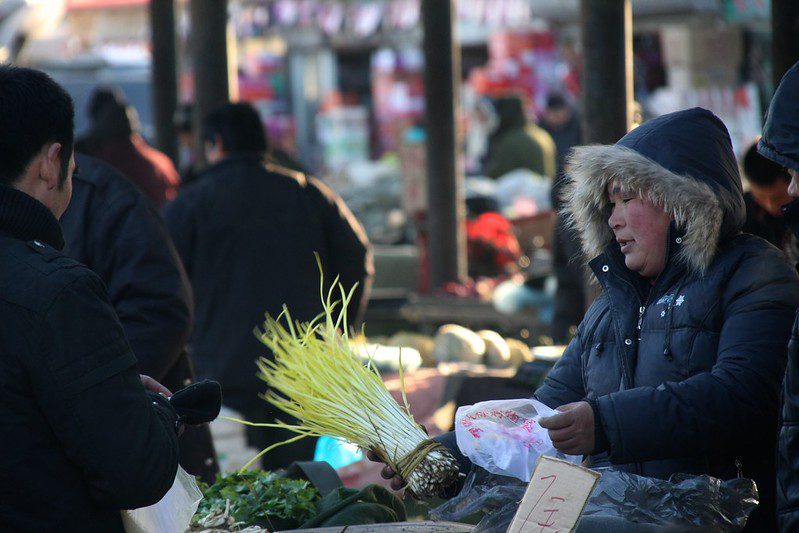
Tamil Poverty in Sri LankaPeople in certain regions and ethnicities within Sri Lanka — more specifically, Tamil, a Hindu ethnic minority in Sri Lanka — feel the effects of poverty especially hard. This is part of the country’s more extensive history of ethnic tension and civil war. Here is information about Tamil poverty in Sri Lanka.

Civil War and Ethnic Strife

Ethnic conflict has been a significant contributing factor for poverty in Sri Lanka among Tamils. Under British imperial rule, authorities heavily favored Tamils over the Buddhist Sinhalese majority of the island. When Sri Lanka obtained independence, Sinhalese — who the British had long excluded — began to reverse this trend of Tamil dominance.

This shift in Sri Lanka would culminate in a 26-year war, ending when the Sinhalese-dominated government finally defeated the Tamil rebels in 2009. The conflict came at an incredible cost as tens of thousands of Sri Lankans died. The U.N. has accused both the Sri Lankan government and rebels of human rights violations during the conflict.

Post Conflict Poverty Among Tamils

The lasting economic effects of the civil war have been significant in Sri Lanka as Tamils suffer from poverty at much higher rates. Tamil-dominated districts are the poorest in Sri Lanka, and poverty among Tamil youth is 7% higher when compared to the rest of the country. These areas have well over half the population living on less than $2.50 a day.

Many Tamils lack access to work in Sri Lanka, and Tamils cannot interact with government authorities as they do not speak the same language. Tamils face poor working conditions when they can find work and have difficulty accessing health care. Education is also difficult to access, and Tamil child labor is more prevalent when compared to the rest of Sri Lanka.

The civil war also dramatically hindered Tamil fishermen from making a living in the waters around the island. Natural disasters since the civil war-like cyclones and floods have heavily impacted Tamil communities, and there is little effort by the Sri Lankan government to assist after such disasters. Very little rebuilding has occurred in Tamil regions that the civil war heavily damaged.

Displacement and Discrimination

To this day, displacement and discrimination impact impoverished Tamils in Sri Lanka. Despite the end of hostilities, the Sri Lankan government has maintained a sizable military force to occupy former rebel-held districts. This resulted in the seizure of land by the military, displacing many Tamils.

Tamil culture and religion have faced significant discrimination since the end of the conflict. Buddhist shrines have replaced Tamil religious sites without the consent of local Tamils. Additionally, Tamil communities are subject to abuses from security forces operating with little oversight. There are signs of promise, however, as more recently the Sri Lankan government has opened the door for Tamil refugees to return from India where tens of thousands had fled in the past.

Poverty in Sri Lanka affects minority Tamils disproportionately more than the rest of the country. Decades of ethnic tensions culminated in a lengthy civil war that devastated Tamil regions. Currently, these same Tamil regions have much higher rates of poverty and much lower access to essential services. In addition, the military has displaced many Tamils and many face discrimination. Yet, a recent repatriation program that Sri Lanka initiated shows promise for Tamils to be able to return to their communities.

– Coulter Layden
Photo: Unsplash

November 28, 2021
https://borgenproject.org/wp-content/uploads/borgen-project-logo.svg 0 0 Kim Thelwell https://borgenproject.org/wp-content/uploads/borgen-project-logo.svg Kim Thelwell2021-11-28 07:30:322021-11-24 11:28:10Tamil Poverty in Sri Lanka
Food & Hunger, Food Security, Food Security, Global Poverty

The Campaign Addressing Food Waste in China

Food Waste in China
By November 1, 2021, China reported more than 97,000 COVID-19 cases and 4,636 deaths. Graphic representations of this data seem to show an upward trend as COVID-19 numbers continue rising. Apart from the direct health impacts of COVID-19, the pandemic has also exacerbated existing social strife, such as nationwide hunger. Along with high rates of hunger, China also reports high rates of food waste, with a recent report from July 2021 stating that the nation discards about 350 million tonnes of its farm produce. Addressing the issue of food waste in China provides a solution to growing rates of hunger in the nation. China’s Clean Plate campaign aims to tackle these two issues simultaneously.

Food Waste Globally

With the global population possibly expanding by 2 billion people by 2025, totaling more than 9 billion global citizens, the United Nations stated that “food production must double by 2050 to meet the demand of the world’s growing population.” Yet, about “one-third of the food” the world produces “for human consumption” annually, equating to 1.3 billion tonnes, goes to waste. Fruits and vegetables account for the greatest portion of food waste. According to the United Nations Environment Programme (UNEP), “if just one-fourth of the food currently lost or wasted globally could be saved, it would be enough to feed 870 million hungry people in the world.”

Food Waste in China

In China, specifically, food waste or loss amounts to “more than 35 million tonnes of food.” This amount of food can “feed 30 to 50 million people.”

In August 2020, President Xi Jinping pressed for the nationwide Clean Plate campaign in response to food waste and the economic and food-centric devastation that COVID-19 caused. At the time of Jinping’s address, the southern end of China had suffered immense flooding, ruining crops and leaving the rest of the nation without a sufficient supply of produce.

In essence, the campaign directs that diners must finish the food on their plates. Encouraging empty plates may lead to less food waste. In response to the Clean Plate campaign, “the Wuhan Catering Industry Association urged restaurants in the city to limit the number of dishes served to diners” to reduce instances of over-ordering, thereby reducing food waste. Culturally, there is a traditional understanding that a clean plate is indicative of “a bad host,” implying that there is “an insufficient amount of food” for diners.

Jinping’s initiative encourages people to be more conscious of food waste in order to address food insecurity in the nation. The Clean Plate initiative has proven to be successful, continuing in an entrepreneurial and consumerist sense. Prior to the Clean Plate initiative, taking leftovers home was unheard of, but has since become a commonality.

Looking Ahead

To avoid past crises of food insecurity, initiatives like Clean Plate encourage consumers to approach food consumption more consciously. Traditionally, in China, ordering more food than necessary is an indicator of power, wealth and status. However, the Clean Plate challenges these traditions in the name of reducing food waste to address hunger in China.

– Maia Nuñez
Photo: Flickr

November 26, 2021
https://borgenproject.org/wp-content/uploads/borgen-project-logo.svg 0 0 Kim Thelwell https://borgenproject.org/wp-content/uploads/borgen-project-logo.svg Kim Thelwell2021-11-26 01:30:262024-06-06 01:05:44The Campaign Addressing Food Waste in China
Page 4 of 44«‹23456›»

Get Smarter

  • Global Poverty 101
  • Global Poverty… The Good News
  • Global Poverty & U.S. Jobs
  • Global Poverty and National Security
  • Innovative Solutions to Poverty
  • Global Poverty & Aid FAQ’s
Search Search

Take Action

  • Call Congress
  • Email Congress
  • Donate
  • 30 Ways to Help
  • Volunteer Ops
  • Internships
  • Courses & Certificates
  • The Podcast
Borgen Project

“The Borgen Project is an incredible nonprofit organization that is addressing poverty and hunger and working towards ending them.”

-The Huffington Post

Inside The Borgen Project

  • Contact
  • About
  • Financials
  • President
  • Board of Directors
  • Board of Advisors

International Links

  • UK Email Parliament
  • UK Donate
  • Canada Email Parliament

Get Smarter

  • Global Poverty 101
  • Global Poverty… The Good News
  • Global Poverty & U.S. Jobs
  • Global Poverty and National Security
  • Innovative Solutions to Poverty
  • Global Poverty & Aid FAQ’s

Ways to Help

  • Call Congress
  • Email Congress
  • Donate
  • 30 Ways to Help
  • Volunteer Ops
  • Internships
  • Courses & Certificates
  • The Podcast
Scroll to top Scroll to top Scroll to top