5 Facts About Workers’ Rights In Southeast Asia
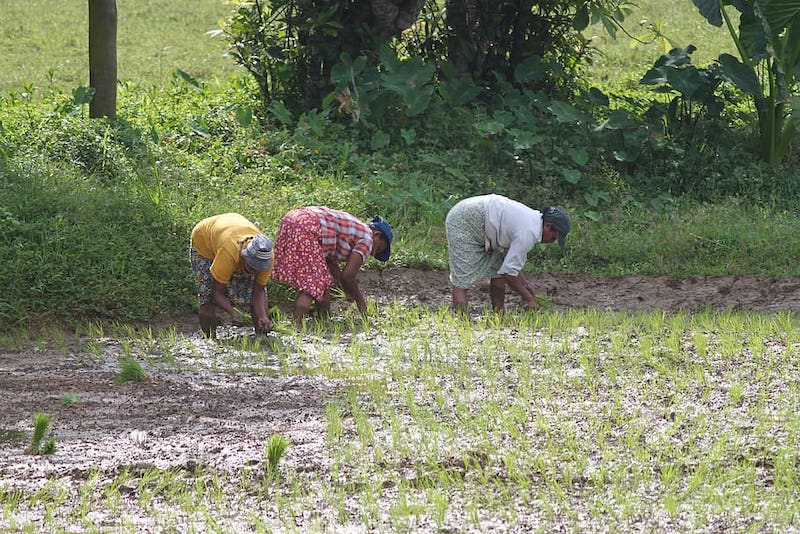
Labor laws exist to empower and protect workers’ rights. The rights of employees hold their employers accountable for their well-being in the workplace. Commonly, large corporations take advantage of the world’s poor, knowing they can subject these people to dire working conditions and insufficient wages that threaten the health and safety of workers. Not to mention, these insufficient wages keep individuals in the control of poverty, indefinitely. The U.N. has stated that in Southeast Asia specifically, promising developments have occurred in the area of workers’ rights since March 2021. However, social divides, COVID-19, long-lasting systemic customs and the exploitation of the poor, still hinder the development of workers’ rights in the region. In the hopes of raising awareness, here are five facts about workers’ rights in Southeast Asia.
5 Facts About Workers’ Rights in Southeast Asia
- Labor Laws Enforcement in Southeast Asia Needs Improvement: The Second U.N. South Asia Forum on Business and Human Rights took place in March 2021 and it involved 89 countries and 1,500 participants, according to OHCHR. Its purpose was to evaluate the problems and prosperities of workers’ rights in Bangladesh, India, Nepal, Pakistan and Sri Lanka. This forum resulted in the conclusion that the enforcement of labor laws in Southeast Asia needs improvement. There are plans to discuss country-specific issues and progress for the 2022 forum.
- The COVID-19 Pandemic Expedited the Regression of Secure Jobs in Southeast Asia: While a lack of workers’ rights is prominent, the pandemic has caused the existence of work itself to dwindle. The pandemic pushed 4.7 million people in Southeast Asia into poverty due to the disappearance of 9.3 million jobs. This has caused a sense of desperation and willingness for Southeast Asian workers to subject themselves to substandard working conditions, as work has become a scarcity in the aftermath of the pandemic.
- Workers Frequently Experience Unequal and Discriminatory Treatment: In the “Access to justice for migrant workers in Southeast Asia” report, findings concluded that while 20.2 million workers in Southeast Asia have access to labor rights, “they frequently experience unequal and discriminatory treatment in practice.” The report explains this problem occurs primarily due to unsuccessful procedures in resolving worker complaints in Southeast Asia, which allows for these workplace abuses to happen.
- Modern Slavery: According to a Global Slavery Index report in 2016, Cambodia, Myanmar, Brunei and Thailand are a part of the top 10 Asian countries with the highest number of people in working conditions of extreme exploitation. The numbers equated to about 2.5 million Southeast Asians “being caught up in the grip of modern slavery,” according to a PLoS Med article.
- Workers’ Complaints Need Fair and Responsive Solutions: The “Access to justice for migrant workers in Southeast Asia” report has analyzed Southeast Asian workers’ complaints from Migrant Worker Resource Centers from 2011 to 2015. The analysis of more than 1,000 cases across five countries revealed the most extensive compilation of Southeast Asian worker complaint data. The substantial analysis has revealed that progress in justice has increased, but prominent challenges in fair and responsive solutions persist.
Looking Ahead
Worker’s rights are essential to the eradication of poverty. It is substandard working conditions and wages that keep individuals in an ongoing loop of poverty. When people are provided with the necessary working accommodations, they are more likely to afford more, in turn, becoming customers of places they usually wouldn’t like niche small businesses that are especially healthy for the economy. Drawing attention to issues surrounding workers’ rights in places such as Southeast Asia is especially important to show all the efforts they are making.
– Madeline Ehlert
Photo: Piqsels
