• Link to X
  • Link to Facebook
  • Link to Instagram
  • Link to TikTok
  • Link to Youtube
  • About
    • About Us
      • President
      • Board of Directors
      • Board of Advisors
      • Financials
      • Our Methodology
      • Success Tracker
      • Contact
  • Act Now
    • 30 Ways to Help
      • Email Congress
      • Call Congress
      • Volunteer
      • Courses & Certificates
      • Be a Donor
    • Internships
      • In-Office Internships
      • Remote Internships
    • Legislation
      • Politics 101
  • The Blog
  • The Podcast
  • Magazine
  • Donate
  • Click to open the search input field Click to open the search input field Search
  • Menu Menu

Tag Archive for: The World Health Organization

Posts

Global Poverty

Mental Health in Jordan

Mental Health in Jordan
The World Health Organization (WHO) has determined Jordan’s mental health system needs significant restructuring, estimating that more than 25% of Jordanians experience mental health symptoms. Increased poverty rates due to conflicts in neighboring countries impacting the social climate have affected Jordan’s ability to cope with mental health in Jordan. Out of 100,000, only 305 Jordanians seek help for mental health symptoms, a problem needing a resolution.

The Current State of Mental Health in Jordan

When discussing the challenges the Jordanian government must address, there are preexisting strengths to build on. The fact that the Jordanian government has acknowledged the problem is a small leap in the right direction, especially in a predominantly Muslim country.

As of 2020, the WHO observed that Jordan’s mental health care system had a solid psychiatry program, a community that wants reform and affordable mental health that is free or inexpensive. The Jordanian Ministry of Health supports implementing the WHO’s mental health action program (mhGAP).

Aside from programs and affordability, mental health in Jordan has a low budget designated for facilitating mental health programs. In 2021, the annual budget reserved 6.1% for health services, and there needs to be more information on how that funding impacts mental health care. Known usages of Jordan’s health funding supported long-stay psychiatric facilities.

Psychiatrists and medication availability are scarce. Before the expansion of mental health in Jordan, there was less than one psychiatrist per 100,000 Jordanians, an unbalanced ratio showing a shortage of resources. In addition, medications, even for common disorders such as depression and anxiety, are sparse, and regulations make it harder to receive medication if available.

Possible Setbacks

The coronavirus pandemic has increased stress levels and poor mental health among adolescents, especially those living in poverty. In an international survey that UNICEF conducted, one in five young people between 15-24 said they had feelings of depression. Therefore, creating an environment where youth can learn about mental health and feel comfortable seeking help is vital.

Many Syrian refugees are in Jordan, with 86% living below the poverty line. Amman, Irbid and Zarqa are the governorates with high refugee populations most vulnerable to poverty, mental health issues and lack of resources.

The traumatic and stressful experiences endured when escaping from a country with political or social instability put many Syrians at risk of contracting mental health conditions. Including Syrians in the conversation is essential to ensure all Jordanians and its refugees have access to effective mental health care. 

Potential Progress with the mhGAP Program

Jordan is the first of six countries that the WHO chose to participate in the mental health action program. The mhGAP program works to introduce mental health care into public health care. The introduction would strengthen early detection, diagnosis, pharmaceutical treatment, therapist interventions and recurring follow-ups.

Eighty new primary healthcare clinics and centers are necessary to meet the goal of improving the state of mental health in Jordan. The country has also introduced new small-scale mental health inpatient units in general hospitals and universities, further increasing accessibility to resources.

In Amman, Irbid and Zarqa, three of the most vulnerable, impoverished areas in Jordan, healthcare practitioners received training and supervision on proper mental healthcare procedures. As a result, three new outpatient centers focused on mental health in Jordan have opened in Amman, Irbid and Zarqa to ensure bountiful resources are available to the public.

The Jordanian Ministry of Health must rework the National Mental Health and Substance Use Action Plan for 2022 to 2025 to ensure the government makes life-saving changes. Developing and finalizing mhGAP plans for mental health in Jordan are the next steps to creating a well-rounded healthcare system.

– Mikada Green
Photo: Flickr

November 9, 2022
https://borgenproject.org/wp-content/uploads/borgen-project-logo.svg 0 0 Naida Jahic https://borgenproject.org/wp-content/uploads/borgen-project-logo.svg Naida Jahic2022-11-09 18:36:132022-11-10 13:41:52Mental Health in Jordan
Global Poverty, Health, Technology

TODOC Provides Affordable Cochlear Implants 

Affordable Cochlear Implants
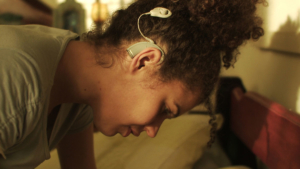
A South Korean tech startup is pioneering a more affordable cochlear implant through automated production. TODOC specializes in making these implants, which use surgically installed devices to help those with severe hearing loss improve their hearing by bypassing damaged portions of the ear. Without the devices, hearing-impaired people are more likely to experience lower economic status, poorer education and more, especially in parts of the world where resources dedicated to people with disabilities are scarce. 

The average cochlear implant costs more than $20,000, putting it firmly out of reach for many in the developing world. At the same time, 80% of people that could benefit from having cochlear hearing live in the developing world.

With higher rates of hearing impairment and limited resources, TODOC’s more affordable cochlear implant poses a possible solution to an issue that is costing the world billions of dollars and pushing many into isolation and poverty.

How Deafness and Hearing Loss Contribute to Poverty

Hearing loss and deafness can create numerous barriers to success, especially when those living with them do not receive sufficient support. One study published in the journal Disability and Society showed that those in the United Kingdom living with hearing impairment on average had lower household incomes, greater difficulties making ends meet, struggled more with unexpected costs and had higher jobless rates than their unimpaired counterparts. 

Compared to those living in the U.K., which boasted an impressive Human Development Index of 0.932 in 2018, people with hearing difficulties are even more likely to face disability-related consequences when living in developing countries. A 2005 study published in the BMJ posited that though children with hearing issues are just as likely to see a doctor, 80% did not receive a hearing aid. As a result, children with hearing impairments on average saw their education delayed until they were more than 10 years old, putting them at a considerable disadvantage to their unimpaired peers. 

Barriers to Distributing Hearing Aids and Other Treatments

Throughout the developing world, similar situations are commonplace. One study published in the International Journal of Environmental Research and Public Health demonstrated that the distribution of hearing aids to families living in proximity to Guatemala City, Guatemala significantly increased household incomes. Another study from BMC Health Services Research demonstrated that children living with disabilities in Sub-Saharan African countries faced numerous barriers, such as widespread poverty, cultural stigma and inadequate healthcare systems, to receiving diagnoses and treatments for their issues, which ultimately decreased their quality of life.

The economic consequences of unaddressed hearing impairment and the lack of affordable cochlear implants in the developing world has received wide documentation. The World Health Organization (WHO) has stated that lower- and middle-income countries have contributed 57% of the $980 billion lost to healthcare costs, educational costs, loss of productivity and societal costs stemming from unaddressed hearing impairment. The number that WHO provided excluded the exorbitant amount of money spent on hearing aids. 

TODOC’s Plans to Improve Hearing For the Poor

Kyou Sik Min, who has previously worked for Samsung Electronics’s healthcare technology division and at other cochlear implant companies, started TODOC with the mission of expanding the cochlear implant market globally. To further this point, Sik Min named the company after the Korean word for the sound made when someone pats another’s shoulder “to create a company that comforts people with hearing loss by ‘patting’ the shoulders of people in difficult situations.” 

The company specifically focuses on creating high-quality, affordable cochlear implants for those who could not otherwise afford them. It also creates nerve stimulation and neuromodulation devices to help researchers and help with nerve pain. To reduce costs and increase output, TODOC has developed a system to manufacture its devices using automation. 

Currently, TODOC does not list a price for any of its devices. There are also questions of if and/or how the company plans to address the issue of the costs and accessibility to the surgery required to implant the devices and the therapy typically required to use cochlear implants.

At the same time, the company lists numerous innovations and improvements attached to its SULLIVAN model of affordable cochlear implants. This includes brain-machine interfacing and what the company calls “superior Neural Interface Technology,” which both have the potential to streamline the device’s implementation and use.

Looking Ahead

The company was invited to the Consumer Electronic Show in January 2022 to show its first line of implants and further advertise its products. In 2021, Min’s pitch for making a more affordable cochlear implant won the company $500,000 in funding at the Entrepreneurial World Cup Finals. Investors have also provided the company with more than millions of dollars in funding, including $3.5 million from the South Korean government. 

Overall, the investments demonstrate the international community’s confidence in TODOC’s ability to deliver on its promise to bring a solution to the developing world’s hearing problems and fight inequity within the cochlear implant industry.

– Ryan Morton
Photo: Wikipedia Commons

October 14, 2022
https://borgenproject.org/wp-content/uploads/borgen-project-logo.svg 0 0 Naida Jahic https://borgenproject.org/wp-content/uploads/borgen-project-logo.svg Naida Jahic2022-10-14 01:30:392024-12-13 18:02:47TODOC Provides Affordable Cochlear Implants 
Global Poverty

Zipline Drones Deliver Medical Supplies Across Africa

reed-willard-practice-edit-zipline-drones-deliver-medical-supplies-across-africa
American start-up company Zipline has a dedication to increasing access to necessary goods for people across the world. One of Zipline’s main objectives is to help improve health care both domestically and globally. Africa, in particular, could benefit greatly from the company’s services. Here is some information about how Zipline drones have been beneficial in Africa.

Health Care and Poverty in Africa

Health care in Africa has been the worst in the world for quite some time, specifically in its sub-Saharan regions. Most of the area simply does not have the infrastructure or available resources to adequately serve the public. Because of this, half of Africa’s health services and supplies come from the private sector.

Many African countries, such as Nigeria, Kenya and Uganda, spend less than 10% of their budgets on health care. These nations also have an insufficient number of doctors for their populations. It is not uncommon to see one doctor for every 1,000 people. The need for proper health care on the continent will only increase as its population continues to grow. More than half of the people living in poverty worldwide are in Africa. Even if there were more doctors and medical supplies available, it is likely that many people would not be able to afford them.

About Zipline

Zipline is a U.S. start-up that launched in 2016. The company’s primary objective is to solve the world’s various accessibility problems. It aims to accomplish this goal by using technology to create an innovative delivery system. Since its creation, Zipline has serviced many countries around the world and continues to add more locations to its operation.

Zipline makes its deliveries via electric aerial drones. In addition to making goods more accessible to people, the company also assists with other regional issues. For instance, by using aerial drones, there are fewer delivery vehicles on the road and thus less traffic. Also, by using renewable energy, there is less air pollution, carbon emissions and use of fossil fuels.

One of the major goods that Zipline transports are medical supplies. Whether it is due to a lack of resources or funding, there are many people in the world without access to adequate health care. By delivering medical supplies worldwide, Zipline is making proper health care services more attainable for even the world’s poorest nations.

Zipline Drones in Africa

In its early years of operation, Zipline serviced African countries such as Ghana and Rwanda – the location of its first flight. In 2016, the company successfully delivered blood to a hospital via drone. Prior to this, getting emergency blood to a hospital took up to three hours. Zipline was able to reduce that time down to just 15 minutes.

In addition to blood, Zipline’s drone service delivers vaccines. In mid-2021, cases of malaria in Ghana reached between 20 and 30 a day. Once the World Health Organization (WHO) approved the distribution of a malaria vaccine, Zipline got to work. In January 2022, the company began delivering the vaccine to high-risk areas, including Ghana.

Moreover, it appears that Zipline has hardly begun reaching its potential. In 2022, it will be distributing medical supplies and vaccines to two more African nations, Nigeria and the Ivory Coast. Nigeria will be operating with three distribution centers and the Ivory Coast will have four. Both nations will be looking to use the delivery service to strengthen their health care systems.

The Impact of Zipline Drones

Following its first flight in 2016, the company expanded its services to various countries around the world. Within its first year of operation, Zipline made deliveries to 12 hospitals in Rwanda alone. Five years later, it provided 75% of Rwanda’s blood supply. It also delivers vaccines to hundreds of hospitals throughout the country.

Zipline is now collaborating with governments of various countries to create a convenient delivery service to improve healthcare across the globe. Zipline’s drones are quick and efficient, meaning that they can save delivery times of supplies and vaccines from a few hours to a few minutes. The time saved could easily be the difference in saving someone’s life.

In just five years, Zipline was able to make more than 200,000 deliveries in five countries, serve 1,900+ medical facilities and deliver 4.5 million doses of medical supplies. As its technology and logistics continue to improve, Zipline will be able to reach even more people worldwide. With strong infrastructure already in place, the company expects to make quality healthcare accessible to billions of people in the world who cannot otherwise attain it.

– Tyshon Johnson
Photo: Flickr

September 19, 2022
https://borgenproject.org/wp-content/uploads/borgen-project-logo.svg 0 0 Naida Jahic https://borgenproject.org/wp-content/uploads/borgen-project-logo.svg Naida Jahic2022-09-19 01:30:482024-06-04 01:08:54Zipline Drones Deliver Medical Supplies Across Africa
Global Poverty

Step-by-Step Program Addresses Mental Health in Lebanon

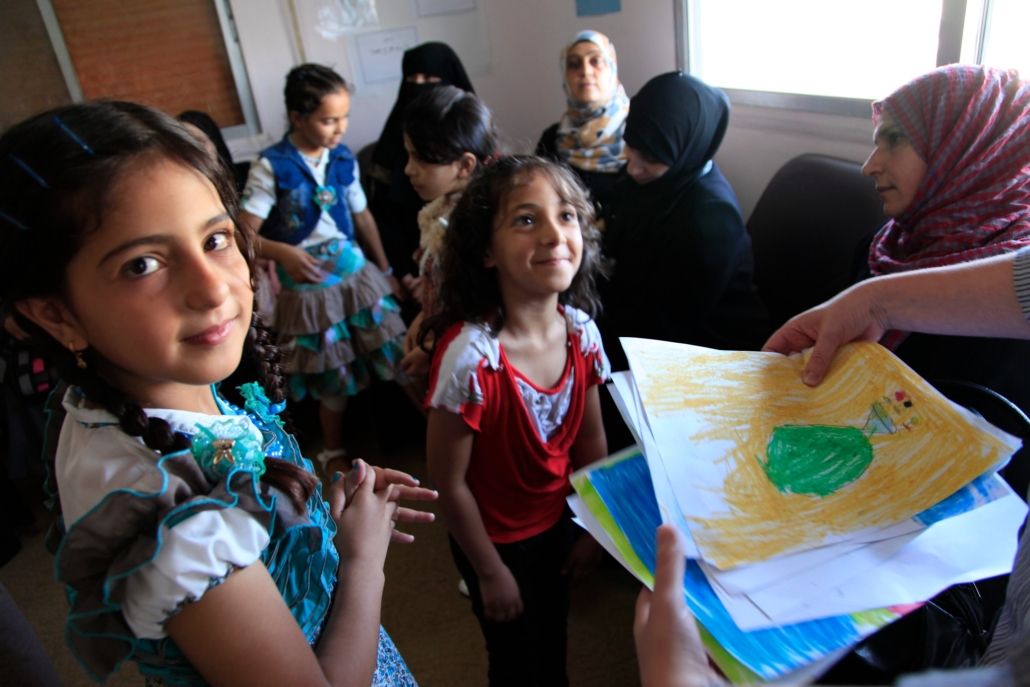
Step-by-Step ProgramIn the battle against poverty, health care stands as an important factor in improving the lives of individuals. One aspect of health that people often overlook due to the precedence of immediate needs, lack of resources or social stigma is mental health. With the onset of the COVID-19 pandemic, which forced society to increasingly interact virtually, and unstable situations in countries where long-term access to trained professionals may not be an option, communities welcome a virtual service that offers mental health support. The program called Step-by-Step is making a difference to mental health in Lebanon.
Step-by-Step Program

In recent years, the World Health Organization (WHO) has prioritized mental health services. It extended its Mental Health Action Plan (2013-2020) to the year 2030  in hopes to increase coverage and services related to mental health.

The WHO created Step-by-Step in 2015 with numerous partners such as the Ministry of Public Health Lebanon and Fondation d’Harcourt. The program serves Lebanon, particularly Syrian refugees.

The goal of the program is to address disparities in treatments in low and middle-income countries. A virtual option for seeking mental health support offers a private self-guided space without societal judgment and potentially reaches larger groups in areas with internet connection but no professional treatment facilities.

A program called the WHO’s Problem Management Plus preceded the current version of Step-by-Step. This initial system targeted a range of mental health issues and provided treatment using a facilitator. The current Step-by-Step program utilized the feedback from the Problem Management Plus program. Step-by-Step now mainly targets depression and focuses on simple, adaptive “behavioral activation” as a means of treatment.

Mental Health in Lebanon

The Step-by-Step program began in Lebanon where there remains a high disparity in accessing and receiving mental health treatment. The disparity is due to a lack of resources, a high influx of refugees and social stigma. Lebanon is a Middle Eastern country located along the coast near the Mediterranean Sea. It borders Syria and Israel, and therefore, sees a large influx of Syrian refugees. The WHO hopes to address problems with mental health in Lebanon through the new digital model that is customized for the various groups in Lebanon.

The WHO and partners completed two randomized control trials with the Lebanese population and Syrian refugees, respectively, and found successful outcomes for addressing mental health issues. After the completion of the trial, the WHO partners continued to provide the service to the larger population of Lebanon in order to gather more data before implementing the program elsewhere.

Current Challenges

In the past, Lebanon experienced political and economic hardships and the onset of the COVID-19 pandemic worsened the situation. The Beirut explosion in August 2020 also exacerbated issues related to health and mental health in Lebanon. Currently, due to the combined effect of these problems, there is a shortage of medicines to treat mental health disorders. Due to the lack of supply, medication grew increasingly expensive in recent years. As 74% of Lebanon faces poverty, according to U.N. data from September 2021, the limits to access to treatments for physical and mental health in Lebanon are progressively more worrying.

Similarly, due to the proximity to Syria, the refugee crisis significantly impacts Lebanon, bringing in many refugees that also need access to mental health services in Lebanon. Internal events within Syria resulted in 13.4 million Syrians facing displacement, and inevitably, the traumas associated with the violence of the country. Prior research studies indicate higher risks for mental disorders among refugees, especially women and children. Estimates from the beginning of the Syrian crisis indicate that more than 2 million people in Syria struggled with depression and anxiety.

Step-by-Step for Syrian Refugees

The WHO and partners completed the Syrian randomized control trial in the initial research of Step-by-Step in December 2020, with positive results that mirrored the trials of the Lebanese civilians. Out of the 569 Syrian adult participants in the trial, women accounted for 58.3% of these participants, a notable factor considering the prior knowledge of the effects of mental health on women and children.

Participants accessed the program using mobile devices or web browsers. The Step-by-Step program consists of “[five] illustrated story sessions with audio recordings of the text to support accessibility” and recommendations of various practices to adopt in response to mental health struggles. Individuals who utilized the program noted “improvements in symptoms of anxiety, post-traumatic stress, well-being and personal problems, with all improvements maintained at 3-month follow-up,” says the WHO.

Given the ongoing hardships that Syrians experience and the medication shortage in Lebanon, Step-by-Step has the potential to advance mental health in Lebanon. The WHO and its partners continue to implement the program within Lebanon with the hope of eventually expanding the program to other countries that cater to specific populations. Upon successful expansion, the program will begin to address the mental health treatment gap in low and middle-income countries.

– Kaylee Messick
Photo: Flickr

September 13, 2022
https://borgenproject.org/wp-content/uploads/borgen-project-logo.svg 0 0 Naida Jahic https://borgenproject.org/wp-content/uploads/borgen-project-logo.svg Naida Jahic2022-09-13 07:30:482022-09-12 11:13:03Step-by-Step Program Addresses Mental Health in Lebanon
Global Poverty

Fighting HIV/AIDS in Sudan

HIV/AIDS in Sudan
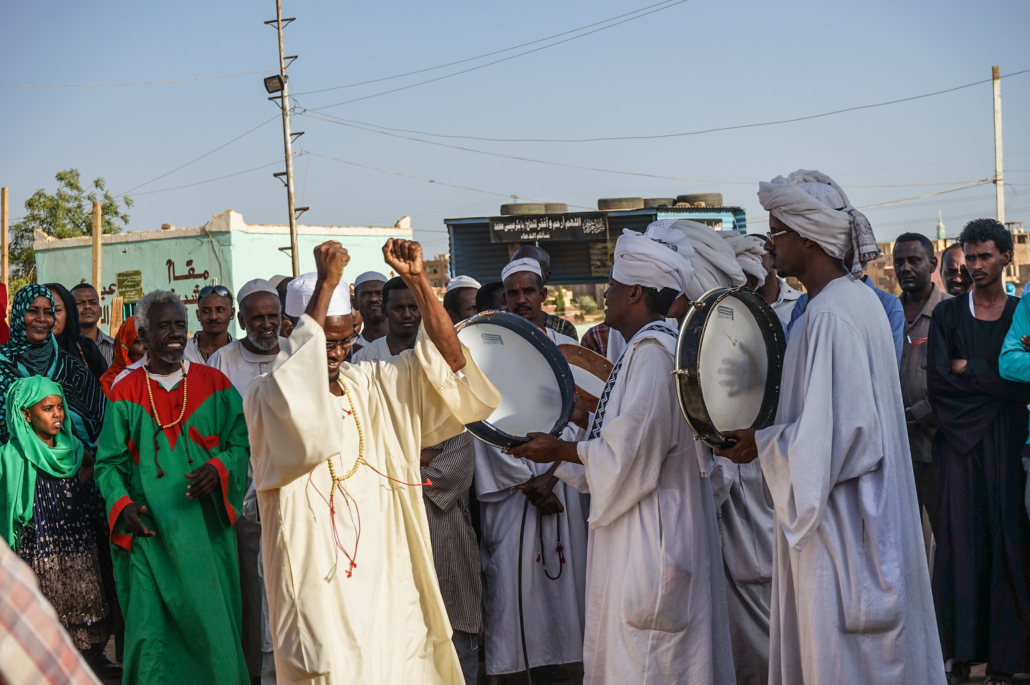
The global epidemic of HIV/AIDS began in 1981 and continues as a severe global issue today, especially in developing countries. Citizens of developing countries are at higher risk of contracting HIV due to factors such as having a weak immune system from prior infections, lack of accessible health care and inadequate preventative education. According to a 2020 UNAIDS report, in Sudan, a developing country of 11.19 million, 0.2% of people aged 15-49 are HIV positive, based on 2019 estimates. Not only is the number significantly lower than in Sudan’s neighboring countries such as Kenya (4.2%), Malawi (8.1%), Zambia (11.1%) and South Sudan (2.3%) but the percentage of people with HIV in Sudan is lower than the global average, which stands at 0.7% as of 2021. Not only is this a significant success for HIV news but this statistic breaks stereotypes about HIV in developing countries as well as overall rates of HIV/AIDS in Sudan are generally low.

Sudan’s Culture and HIV Prevalence

Sudan’s 0.2% HIV prevalence rating gives the country a “low epidemic” classification. Within the geographical region, Sudan’s most commonly practiced religion is Muslim, with 91% of the population practicing the religion. The Muslim religion follows the ideology of the absence of sex until marriage. Islamic teachings also prohibit homosexuality, adultery and intoxicants.

A 2004 study by Peter Gray researched HIV prevalence among different religions and Islam proved to have a negative correlation with HIV prevalence. However, despite these stringent rules, HIV still has some prevalence in Muslim-dominated countries such as Sudan. Muslim leaders initially did not see HIV as an issue in their countries, believing that the rules of their culture made it a non-issue.

In some ways, the conservative attitudes of Muslim societies have created additional barriers to addressing the HIV crisis due to prejudices and stigma, leading to a lack of awareness. Fortunately, over the past decade, more Muslim-dominated countries are acknowledging the prevalence of HIV/AIDS within their borders and are taking steps to increase awareness, preventative care and treatment. This is the case regarding Sudan as well.

The Fight Against HIV/AIDS in Sudan

By the latter part of 2016, Sudan decided to adopt the World Health Organization (WHO) “treat-all policy.” According to WHO, this policy means providing each and every person enduring HIV with “lifelong [antiretroviral treatment], including children, adolescents, adults and pregnant and breastfeeding women, regardless of clinical status or CD4 cell count.” The treat-all policy focuses on treating HIV as early as possible rather than waiting for its progression. This treat-all policy is associated with decreased mortality and transmission rates.

The Correlation Between HIV and Poverty

HIV/AIDS and poverty have several links. For instance:

  • Patients with HIV may find that their condition can get in the way of keeping a steady job, thus affecting a country’s employment levels. Research shows that unemployment among individuals living with HIV/AIDS stands between 45% and 65%.
  • People from lower social classes “have delayed treatment initiation relative to more affluent patients, reducing their chances of survival,” said the American Psychological Association.
  • Those living with HIV in lower social classes face higher mortality rates.

Despite being a developing country, Sudan still has a generally low HIV rate. This not only breaks stereotypes but also shows strides in the fight against HIV/AIDS in Sudan.

– Luke Sherrill
Photo: Flickr

September 13, 2022
https://borgenproject.org/wp-content/uploads/borgen-project-logo.svg 0 0 Naida Jahic https://borgenproject.org/wp-content/uploads/borgen-project-logo.svg Naida Jahic2022-09-13 01:30:252024-12-13 18:02:45Fighting HIV/AIDS in Sudan
Global Poverty

5 Facts about Panama’s Healthcare System

Panama's Healthcare
According to a study, both physical and mental health have links with poverty. Being able to perform basic tasks such as breastfeeding, going to school, growing food and feeding a family all require one to be in good health to stay alive and be a productive member of society. In the same context, if someone is making below minimum wage consistently or struggling in poverty, they likely will not be able to afford adequate health care to keep up with the tasks involved in being a healthy and productive member of society. While Panama has issues in its healthcare system, available facts show the country has one of the better healthcare systems in the world. Here is some information about health in Panama along with fives facts about Panama’s healthcare system.

A Brief Overview of Health in Panama

As early as 2019, Panama had a population of 4.2 million people, with a fertility rate of 2.4. The average year that a citizen of Panama completed their education was year 10. There also appears to be a trend in the life average life expectancy of those in Panama increasing while the fertility rate of Panama will gradually decrease.

Estimates have determined that by 2030, the average life expectancy for males will increase from around 73.8 to 76 years. Meanwhile, for females, life expectancy should rise from 78.1 to around 83 years. Simultaneously, as early as 2017, the fertility rate of Panama went down from 2.8 to 2.3 and should continue to decrease into the future.

5 Facts About Panama’s Healthcare System

  1. Many view Panama’s healthcare system in a positive light. According to the World Health Organization’s (WHO) rankings of the healthcare system in Panama, the country is somewhere in the middle ranking 95th out of 191 registered countries. However, the general public, especially ex-pats traveling there, praise Panama for its healthcare, stating that doctors and nurses have a warm bedside manner and that they provide accurate and adequate service.
  2. Panama City has the best health service locations. Most of the top-notch healthcare facilities in Panama are located in urban areas such as Panama City. One hospital, Punta Pacifica, is the most technologically advanced healthcare facility in Latin America.
  3. Private and public services can be equal options. In some cases, such as being in remote areas, if one is not from the country, they might have to use public services. However, depending on the region, public and private services are available. Public services are also equipped technologically and are prepared to deal with basic emergencies and procedures.
  4. Public healthcare is affordable. While pricing varies in healthcare depending on the emergency and location, public healthcare is very affordable in Panama for the most part. A typical visit to a specialist costs about $50 or potentially less. A visit to the emergency room would normally cost anywhere from $30-$100. In some cases, depending on where you are, it may even be free.
  5. Private healthcare systems offer various discounts. Typically, private healthcare in Panama offers around a 20%-25% discount for retirees when it comes to healthcare expenses. However, Panama sometimes gives out discounts during different seasonal times of the year. For example, Panama has sometimes reduced the cost of mammograms during Breast Cancer Awareness Month in October.

Panama’s healthcare system certainly has positives that the world can emulate. Affordable healthcare is important in ensuring healthy and productive members of society.

– Alex Havardansky
Photo: Flickr

September 10, 2022
https://borgenproject.org/wp-content/uploads/borgen-project-logo.svg 0 0 Jennifer Philipp https://borgenproject.org/wp-content/uploads/borgen-project-logo.svg Jennifer Philipp2022-09-10 07:30:332022-09-07 11:25:255 Facts about Panama’s Healthcare System
Education, Global Poverty, Health

The Health Crisis in Ukraine

Health Crisis in UkraineMonths of war leaves a health crisis in Ukraine and its healthcare system strained to provide proper healthcare to the citizens. As many healthcare facilities are destroyed and many more are overwhelmed with the number of patients, healthcare workers work long hours treating patients with short-term to long-term illnesses like HIV, tuberculosis and polio.
World Health Organization Director-General Dr. Tedros Adhanom Ghebreyesus stated that “this war has gone on for 100 days too many,” as the war in Ukraine is “shattering lives and communities and imperiling the short- and long-term health of Ukraine’s people”.

HIV

The HIV virus affects the immune system and leads to AIDS if untreated. Even before the war started, Ukraine suffered an epidemic of HIV, with an estimated 250,000 people diagnosed and many more not realizing they have the virus. HIV is more common among people who struggle with drug addiction and sex workers, in other words, people living on the marginalized side of society.

USAID provides support and services to treat people with HIV. However, with the ongoing war and the health crisis in Ukraine, it is hard for patients to get tested for HIV or receive the proper treatment.

Tuberculosis

Tuberculosis is a bacterial disease in the lungs with about 33% of cases connected with drug use. Meanwhile, only 76% of patients receive successful treatment for the disease, with the remaining 24% not completing or receiving their treatment too late. Additionally, some TB victims are asymptomatic, causing the disease to spread rapidly.

Because of the war and the COVID-19 pandemic, the rate of detecting TB dropped. TB is one of the leading causes of death of HIV patients, and because of the health crisis in Ukraine, TB can spread easily and cause more deaths.

Polio

Similar to HIV, Ukraine experienced an outbreak of polio before the Russian invasion. Polio is a virus that affects the spinal cord that can lead to paralysis or even death. Children under the age of five are especially vulnerable to the virus.

Vaccination is possible, but the Russian invasion interrupted a campaign to vaccinate children against the virus. Even so, vaccination rates for polio are under 50% in Ukraine. Areas similar to Kharkiv, Ukraine’s second-largest city, have struggled to combat polio due to a lack of vaccination.

World Health Organization Increases Its Presence

Before the war started, Ukraine was on a path of progress with health care. In 2014, the Ministry of Health implemented the National Strategy on Health to help improve the quality of health. However, the ongoing war halted progress as hospitals and health care services were destroyed.

Because of the health crisis in Ukraine, WHO increased its presence in Ukraine and in countries with refugees. Since the start of the war, Ukraine confirmed over 260 attacks on their healthcare system as of June 2.

“WHO is doing everything we can to support Ukraine’s Ministry of Health and deliver essential medical supplies and equipment,” Ghebreyesus said. “But the one medicine that Ukraine needs most is the one that WHO can’t deliver – peace. We call on the Russian Federation to end the war.”

To meet the needs of the health crisis in Ukraine, WHO appealed to the U.S. for $147.5 million. WHO wants to use $80 million to provide support to the people still in Ukraine and an additional $67.5 million to support countries with refugees.

A Look Ahead

Even though Ukraine is experiencing a health crisis as a result of the Russian invasion, international organizations similar to the WHO provide medical support while also advocating for monetary support to the U.S. government.

– Chris Karenbauer
Photo: Flickr

August 14, 2022
https://borgenproject.org/wp-content/uploads/borgen-project-logo.svg 0 0 Jennifer Philipp https://borgenproject.org/wp-content/uploads/borgen-project-logo.svg Jennifer Philipp2022-08-14 01:30:442022-08-12 04:20:22The Health Crisis in Ukraine
Global Poverty

Mental Health in the Maldives

Mental Health in the Maldives
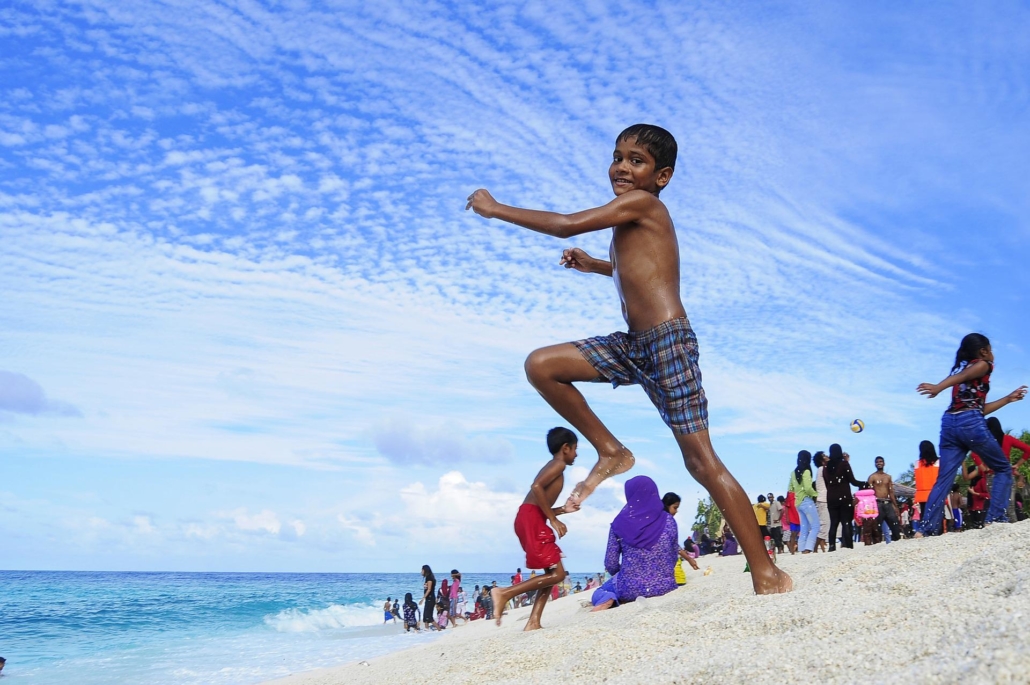
Many best know the Maldives, a nation of islands in the Indian Ocean, for its beautiful beaches that draw many travelers. However, the sunshine and sparkling water often overshadow many Maldivians’ issues. For instance, mental health in the Maldives is a topic that not everyone knows about. Yet, many people in the Maldives have struggled with mental health for a long time. Furthermore, the link between mental disorders and poverty makes these struggles even more concerning.

A Unique Layout

Since a chain of islands across more than 900 kilometers forms the country of the Maldives, the cost of delivering health and social services is higher. In addition, the unique geographical nature of the island has resulted in a widely dispersed population, with some of the islands becoming too densely populated to sustain their communities due to rising sea levels. All of these factors have contributed to mental health problems in the Maldives.

Lack of Strategy

Coordinating a unified effort to combat increasing rates of mental disorders in the Maldives has been an issue. With evidence showing that mental health disorders are on the rise, Maldivians are in need of an effective mental health system. However, mental health services in the Maldives are limited and poorly organized. Since most mental health services reside in the capital, Malé, few resources exist on the outer islands. Additionally, psychiatric medication is inconsistent and institutional facilities deal with overcrowding.

Another barrier to implementing a strong mental health policy in the Maldives is social stigma. There is significant stigma and discrimination toward people with mental disorders in the Maldives, with many openly expressing negative attitudes about mental health, according to an article published in SAGE Journals.

Mental health disorders pose many risks, including the threat of increased poverty. Since there is a link between mental health and poverty, the rising rates of mental health disorders in the Maldives present a significant threat to the already high poverty gaps in the country.

New Reason for Hope

A promising new future in improving mental health in the Maldives lies in the National Mental Health Policy (NMHP). According to the Ministry of Health, some of the objectives of the NMHP include a new structure for mental health care with proper financing, mental health services that integrate community-based and general health services, promotion of mental health in collaboration with relevant stakeholders and advocacy for improved treatment of individuals with mental disorders.

Even further, NMHP will ensure that welfare assistance is available to those with significant disabilities relating to mental disorders, alleviating some financial burdens in order to counter poverty, the Ministry of Health reports.

The NMHP has a long history of development. The Ministry of Health first initiated the policy in June 2005 in the wake of the 2004 Asian tsunami. Still, work on the policy remained untouched until 2011, when the Ministry of Health revised the policy. However, political changes hindered its endorsement. Later, in 2015, the process started again when the World Health Organization (WHO) assisted in the policy’s revision. Now, the NMHP is in effect until at least 2025.

According to the Ministry of Health, new changes from the NMHP include:

  • Screening for mental health disorders from a young age.
  • Adding more school counselors.
  • Implementing mental health strategies at work.
  • Educating religious scholars on mental health.

The implementation of the NMHP is a long-awaited step in the right direction for the people of the Maldives. People are dealing with a disorganized mental health system as well as a social stigma for so long. However, the NMHP offers up the prospect of a more positive future for those in the Maldives who are struggling with mental health.

– Sarah DiLuzio
Photo: Pixabay

June 24, 2022
https://borgenproject.org/wp-content/uploads/borgen-project-logo.svg 0 0 Jennifer Philipp https://borgenproject.org/wp-content/uploads/borgen-project-logo.svg Jennifer Philipp2022-06-24 07:30:562024-05-30 22:26:08Mental Health in the Maldives
Global Poverty, Health

Poverty and Air Pollution in Bangladesh

Air Pollution in Bangladesh
Indoor and outdoor air pollution in Bangladesh is a growing issue. As a global issue, estimates from the World Health Organization indicate that air pollution causes 7 million deaths annually. Unsurprisingly, low and middle-income countries like Bangladesh, the most polluted country in 2020, take the hardest hit. Research links poor air quality to strokes, heart disease, cancers and many other serious illnesses. For these reasons, clean air is a critical component in ending the cycle of poverty.

Air Pollution in Low-Income Communities

Low-income households all over the world tend to rely on biomass for fuel as it stands as a significantly cheaper option in comparison to cleaner fuels such as kerosene and natural gas. Bangladesh’s natural gas prices increased by 32.8% in 2019, the largest increase in the history of the country. When families in Bangladesh opt for cheaper fuels for heat and cooking, these fuels release more pollutants into homes than cleaner, more expensive fuels do. Many families in Bangladesh with a per capita income of less than $1 per day have a particulate matter concentration that varies from 410 microg/m3 to 202 microg/m3. These concerning numbers are partly due to families’ dependence on these fuels.

In Bangladesh, there are 30,000 industries, 6,000 of which are large industries. Larger pollution-producing industries often move to low-income areas to take advantage of fewer environmental regulations. Impoverished neighborhoods are also less likely to receive investments in urban greening, the reservation of land for natural environments, which can improve pollution levels in the air. Furthermore, lower-income communities are more likely to be positioned near major roads and receive underinvestment in environmentally-friendly public transit. Both of these factors add to transportation pollution in the neighborhoods.

Air Pollution’s Impact on Health

The presence of air pollution can cause health concerns, such as calcification in arteries, and can also increase the risk of breast cancer. In poverty-stricken areas, it is often difficult to get medical help because of the out-of-pocket costs of doctor’s visits and transportation. Poor air quality led to 173,500 deaths in Bangladesh in 2019, 50,000 more deaths than in 2017.

Jobs are necessary for individuals in poverty to provide for themselves and their families. People suffering from air pollution-induced illnesses are more likely to quit working because they are not physically capable of manual labor. Family members of the affected persons may also have to quit their jobs or stop attending school in order to take care of their relatives. Without these sources of income and further education, it could be difficult for families in Bangladesh to escape generational poverty.

The Climate and Clean Air Coalition

The Climate and Clean Air Coalition (CCAC) began reducing pollutants in Bangladesh in 2012. The organization has invested in green technology for brick kilns as these kilns account for 20% of black carbon emissions. The CCAC also started finance funds to help build a greener future along with many additional air pollution-reducing initiatives. CCAC’s efforts and other similar commitments could reduce black carbon emissions by 72% and methane by 37% by the year 2040.

Hope for Bangladesh

Because of the link between air pollution, related illnesses and poverty, addressing these issues is crucial. Extreme levels of air pollution in Bangladesh often stem from the neglect of low-income communities. By paying extra close attention to the air quality in these areas, Bangladesh can overcome its air pollution crisis.

– Katelyn Rogers
Photo: Flickr

February 27, 2022
https://borgenproject.org/wp-content/uploads/borgen-project-logo.svg 0 0 Jennifer Philipp https://borgenproject.org/wp-content/uploads/borgen-project-logo.svg Jennifer Philipp2022-02-27 07:30:192024-05-30 22:25:48Poverty and Air Pollution in Bangladesh
COVID-19, Food Insecurity, Global Poverty

Food Vulnerability in West Africa During COVID-19

Food Vulnerability in West AfricaAt the beginning of 2022, the United Nations reported a near 3% increase in extreme poverty in West Africa due to the COVID-19 pandemic. Evidence shows that while worldwide regulations are beginning to loosen, the pandemic continues to impact food resources for West Africans. More than 25 million people in West Africa are currently struggling to meet their basic food needs. At the same time, financial strategies and partnerships aim to combat the exacerbated poverty and food vulnerability in West Africa.

West Africa and COVID-19

The World Health Organization (WHO) reported in January 2022 that 30 African countries detected the highly contagious Omicron variant and 42 African countries detected the Delta variant. West Africa has accumulated about 10.2 million COVID-19 cases and Africa, in general, notes a fully vaccinated population of only 10%. Starting in the early days of the pandemic, West African nations responded to COVID-19 through lockdowns, traveling restrictions and curfews.

Food Vulnerability in West Africa

Many food production systems in West Africa are already facing issues regarding their reliability and affordability. A 2020 report from Nature Food found that rural farming regions in West Africa have unreliable food storage means and many West Africans rely on their daily income to pay for food.

COVID-19 has likely increased food prices for West African regions as access to markets, implementations of lockdowns and trading restrictions reduce food access for West African families. Nature Food reports that prices in food imports for cereals and rice for West African regions have risen by 11% to 17%.

Schools in West Africa account for a significant amount of household food supplies by providing food for nearly 7 million West African school children through school feeding programs. Due to the pandemic, school closures strain the already minimal access to food for children in low-income families while increasing food vulnerability in West Africa.

West African Food Investments and Partnerships

Multiple international organizations are pledging significant funding to support West African efforts to address COVID-19. While efforts in aiding food vulnerability are short-term, the commitments open the doors for governments to increase agriculture investments with positive long-term effects.

In April 2020, the African Development Bank pledged $10 billion in support of African economies and to protect against issues such as food vulnerability in West Africa amid the pandemic. This creates a possibility for improvements in West Africa’s financial stability through the strengthening of public-private partnerships.

Financial Inclusion and Mobile Money

Other developments include financial inclusion through mobile money services (MM). MM is a progressive method toward handling finances that allow rural and urban regions in West Africa to have efficient access to financial services and the ability to receive payments via mobile phone.

A 2020 Wilson Center report indicates that MM services saw an increase from 34% to 43% from 2011 to 2017 throughout sub-Saharan Africa. Furthermore, adults in the region using MM doubled from 12% to 21% from 2011 to 2017 in comparison to the steady number of adults using other financial institutions. However, the progression of financial inclusion through mobile money came to a halt when the pandemic hit.

In response, multiple reforms and policies are in place to continue financial inclusion progress. Central banks encourage digital payments to curb the spread of COVID-19 while keeping banks up and running. Countries ranging from Ghana to Liberia have increased access to MM accounts without extra fees or documentation for transactions reaching a set amount. Regarding low-income homes or families in poverty, West African governments have mobilized direct cash transfer programs to lessen the weakening economic effects of COVID-19 lockdowns.

With partnerships and financial strategies to address West Africa’s food and financial issues amid the pandemic, efforts will continue to improve the lives of low-income households.

– Michelanie Allcock
Photo: Flickr

February 17, 2022
https://borgenproject.org/wp-content/uploads/borgen-project-logo.svg 0 0 Jennifer Philipp https://borgenproject.org/wp-content/uploads/borgen-project-logo.svg Jennifer Philipp2022-02-17 07:30:522024-05-30 22:25:45Food Vulnerability in West Africa During COVID-19
Page 4 of 17«‹23456›»

Get Smarter

  • Global Poverty 101
  • Global Poverty… The Good News
  • Global Poverty & U.S. Jobs
  • Global Poverty and National Security
  • Innovative Solutions to Poverty
  • Global Poverty & Aid FAQ’s
Search Search

Take Action

  • Call Congress
  • Email Congress
  • Donate
  • 30 Ways to Help
  • Volunteer Ops
  • Internships
  • Courses & Certificates
  • The Podcast
Borgen Project

“The Borgen Project is an incredible nonprofit organization that is addressing poverty and hunger and working towards ending them.”

-The Huffington Post

Inside The Borgen Project

  • Contact
  • About
  • Financials
  • President
  • Board of Directors
  • Board of Advisors

International Links

  • UK Email Parliament
  • UK Donate
  • Canada Email Parliament

Get Smarter

  • Global Poverty 101
  • Global Poverty… The Good News
  • Global Poverty & U.S. Jobs
  • Global Poverty and National Security
  • Innovative Solutions to Poverty
  • Global Poverty & Aid FAQ’s

Ways to Help

  • Call Congress
  • Email Congress
  • Donate
  • 30 Ways to Help
  • Volunteer Ops
  • Internships
  • Courses & Certificates
  • The Podcast
Scroll to top Scroll to top Scroll to top