• Link to X
  • Link to Facebook
  • Link to Instagram
  • Link to TikTok
  • Link to Youtube
  • About
    • About Us
      • President
      • Board of Directors
      • Board of Advisors
      • Financials
      • Our Methodology
      • Success Tracker
      • Contact
  • Act Now
    • 30 Ways to Help
      • Email Congress
      • Call Congress
      • Volunteer
      • Courses & Certificates
      • Be a Donor
    • Internships
      • In-Office Internships
      • Remote Internships
    • Legislation
      • Politics 101
  • The Blog
  • The Podcast
  • Magazine
  • Donate
  • Click to open the search input field Click to open the search input field Search
  • Menu Menu

Tag Archive for: The World Health Organization

Posts

Global Poverty, Humanitarian Aid

Tigray: Two Years Under A De Facto Blockade

De Facto BlockadeWhen Ethiopian citizens elected Abiy Ahmed president of Ethiopia in April 2018, he represented a beacon of hope for Ethiopians, even winning a Nobel Peace Prize in 2019 for resolving conflict at the Eritrean border. However, on December 1, 2019, Ahmed launched The Prosperity Party (PP), attempting to join all the Ethiopian political parties into a single national political party. The Tigray People’s Liberation Front (TPLF), a leftist and dominating political party in power of Tigray’s regional government, refused to join the PP as they viewed “the formation of the Prosperity Party as a move to end the Federal form of government and introduce unitary government.”
By the start of 2020, the national elections that Ahmed promised experienced indefinite delay. In June, his term as prime minister received an extension without an election, causing backlash from the TPLF for their failure to uphold democracy. Ahmed attacked those suggesting a transitional government should take power. At the same time, elections were delayed due to COVID-19, threatening, “we will be forced to take action against those who attempt to hold fake elections.” Despite this warning, regional elections took place in Tigray in September 2020, where more than 2.7 million Tigrayans voted for the TPLF to represent them as their regional government. 

In November 2020, the TPLF forces launched an assault on a federal military base in Tigray, describing it as a preemptive move against federal forces that were reportedly gearing up to attack from a nearby region. Within hours, Ahmed ordered a military operation against the TPLF, tainting his previous association with peace and igniting the civil war. 

Humanitarian Crisis 

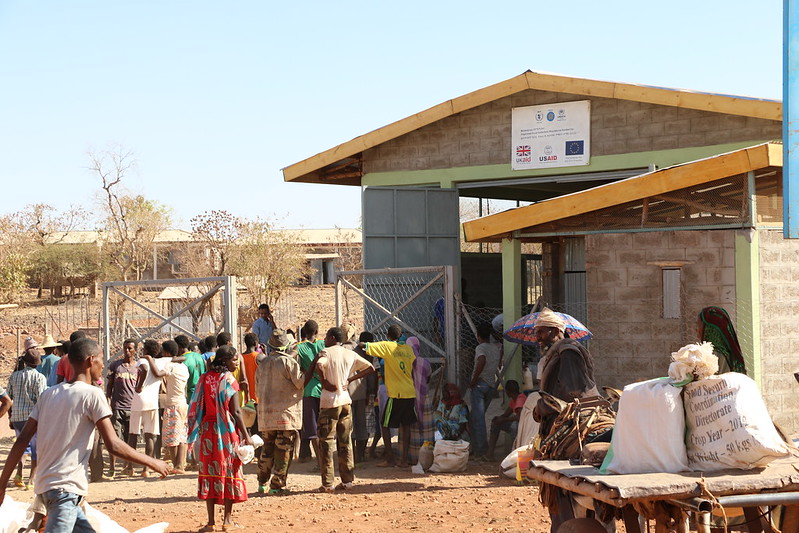
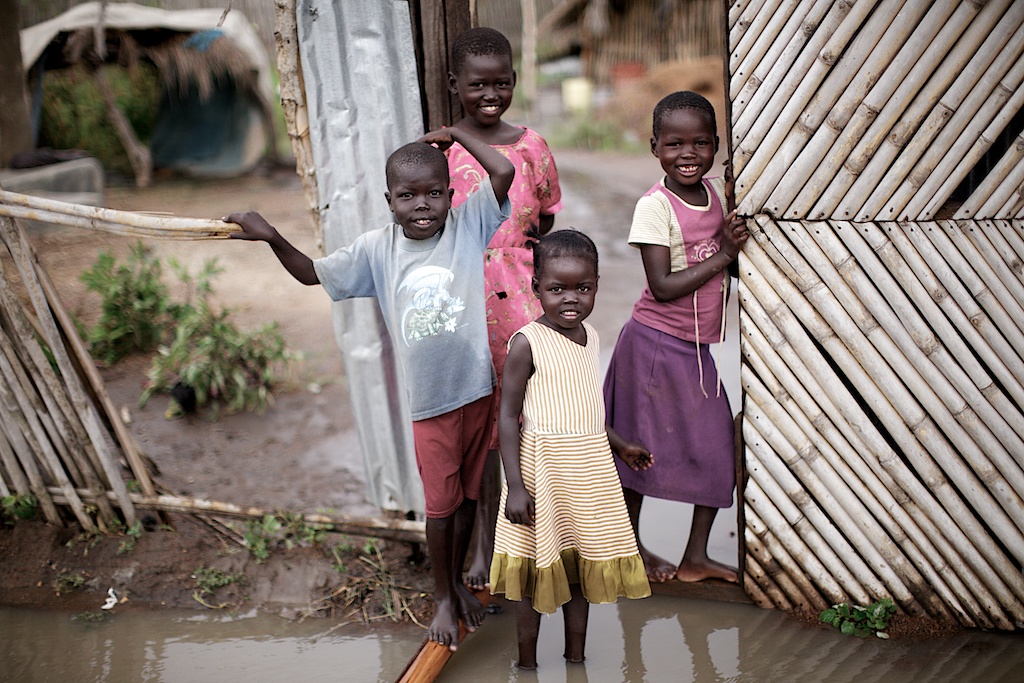
Since the civil war began at the end of 2020, 90% of Tigrayans are in need of aid. Over the last two years, Tigray has been under a de facto blockade as the Ethiopian Government has cut electricity, fuel and telecommunication to the region, even restricting humanitarian assistance. Within only a few months, by Jan 2021, the EU High Representative criticized Ethiopia as they received “consistent reports of ethnic-targeted violence, killings, massive looting, rapes, forceful returns of refugees and possible war crimes.” 

Despite international pressure from the EU and the U.S. Secretary of State, who also accused the government of ethnic cleansing, Ahmed declared total war on the TPLF on July 18, 2021. The conflict, and specifically being under a de facto blockade, continues to deeply impact the lives of Tigrayans as they struggle to operate with no electricity, banks, hospitals, medicine, vaccinations and insecure supplies of food or water. According to the WHO’s Incident Management System and Emergencies Operation team leader Ilham Abdelhai Nour, 89% of Tigrayans are food insecure and almost 30% of those under five years old are acutely malnourished. Not only do these malnourished children need urgent and almost constant care, but diseases such as malaria, measles and acute respiratory tract infections are also on the rise, all while only 3% of health facilities in Tigray are fully functioning. 

The Effects on Health Care Services

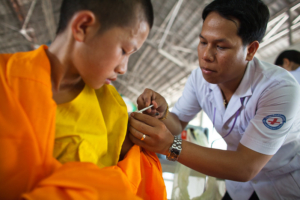
As a result, maternal health services have completely collapsed, causing high maternal mortality rates across Tigray as 55% of pregnant and breastfeeding women are severely malnourished and incapable of eating for one, let alone two. Meanwhile, vaccination programs and access to preventative medicine for diseases such as HIV, diabetes and malaria have been stalled, increasing the risk of disease and death. 

Unfortunately, there have been reports of all sides committing war crimes, as the TPLF, Ethiopian National Defense Force (ENDF) and Eritrean Defense Force (EDF) have engaged in sexual violence against women as they participate in gang rapes. The EDF’s crimes have been marked with extreme brutality as they target Tigrayan women, using them as sex slaves. 

Humanitarian Response

The International community has stood by Tigray as they condemn ethnic cleansing and the war crimes committed against civilians. In September 2021, the United States imposed economic sanctions on Ethiopia and Eritrea before providing $313 million in humanitarian assistance in April 2022. This funding helps to deliver emergency food and nutrition for almost 7 million people while rebuilding local health facilities and mobile health teams to combat disease and deliver aid to remote regions. Child protection and psychosocial services for survivors of gender-based violence and those suffering from trauma have also been provided by the U.S. 

Furthermore, in February 2022, the Pan-African Lawyer Union and Legal Action Worldwide filed a complaint to the African Commission on Human and People’s Rights against Ethiopia for mass human rights violations against Tigrayan civilians. They argue Ethiopia is in violation of multiple human rights under the African Charter as they participate in military targeting of civilians and civilian structures, mass murders, sexual violence against women and enforced information blackouts. 

The World Health Organization’s (WHO) Efforts

The World Health Organization (WHO) and its 23 partners are also on the ground, supplying emergency medical support whenever possible while attempting to strengthen prevention and preparation as disease outbreaks continue to rise. Being under a de facto blockade limits humanitarian access into Tigray. Between January and September 2022, WHO and its partners assisted 3 million people with health care services. Finally, the EU Commission dedicated €4 million to support displaced Ethiopians, as by the end of November 2020, 29,000 Ethiopian refugees had already fled to Sudan. 

It is imperative that the international community continues to support the people of Tigray who are struggling to survive under a de facto blockade by demanding an end to the de facto blockade and providing aid whenever possible.

– Alice Isola
Photo: Flickr

November 27, 2023
https://borgenproject.org/wp-content/uploads/borgen-project-logo.svg 0 0 Yuki https://borgenproject.org/wp-content/uploads/borgen-project-logo.svg Yuki2023-11-27 07:30:382023-11-23 07:40:38Tigray: Two Years Under A De Facto Blockade
Global Poverty, Health

How the UNGA is Responding to Global Health Challenges

Global Health ChallengesEvery September, one of the most important days on the foreign policy agenda is the United Nations General Assembly (UNGA). World leaders and representatives of all United Nations member states gather to tackle pressing global issues. 

As we approach the midway point of the Sustainable Development Goals (SDGs) set for 2030, the 78th UNGA session has emphasized rebuilding strong international agreements to address global safety, health and peace concerns. Dennis Francis, President of the General Assembly, declared the UNGA will work toward “rebuilding trust and reigniting global solidarity: accelerating action on the 2030 Agenda and its Sustainable Development Goals towards peace, prosperity, progress and sustainability for all.” Here is how the UNGA is responding to global health challenges.

UNGA’s Response to Global Health Challenges

The World Health Organization (WHO) urged leaders and members of the UNGA to prioritize global health as an urgent topic requiring immediate attention. UNGA scheduled three high-level meetings on global health: Pandemic prevention, preparedness and response (PPPR), Universal Health Coverage (UHC) and the fight against tuberculosis (TB). 

Pandemic Prevention, Preparedness and Response (PPPR)

Under the overarching theme of “Making the World Safer,” the PPPR, buoyed by the momentum from the COVID-19 pandemic, has been met with greater urgency and prominence. UNGA structured the discussion of PPPR in two distinct panels: one focused on governance and accountability, ensuring all stakeholders, both public and private, uphold their commitments to PPPR; the other centered on building capacity and securing innovative and sustainable equity in the PPPR process. These themes address different facets of the broader PPPR framework, contributing to a holistic and equitable recovery strategy. The outcome of this meeting was a declaration mobilizing political commitment at local and international levels to address pandemic risks and responses. 

Universal Health Coverage (UHC)

The document outlining the UNGA agenda covered health outcomes, primary health care–oriented systems and essential public health functions. It renewed the declaration of 2019: “Universal health coverage: moving together to build a healthier world.” The existing agreements to further UHC have made huge impacts — between 2013 and 2020, health care workers increased by 29% globally. The 2023 meeting identified steps toward meeting the goal of universal health coverage by 2030. 

The Fight Against Tuberculosis (TB) 

UNGA holds this meeting with the goal of “advancing science, finance, and innovation and their benefits to urgently end the global tuberculosis epidemic, in particular, by ensuring equitable access to prevention, testing, treatment, and care.” The UNGA revisited the 2018 tuberculosis target declaration of the first General Assembly high-level meeting. Attendees brought forward plans to advance and end the tuberculosis epidemic by 2030. With 1.6 million deaths annually, the discussion highlights the need for stronger integration of affordable access to TB services. 

Health as an Investment

The World Health Organization advanced the principle that “health is an investment, not a cost.” Embracing this notion carries profound implications, especially for those living in poverty. The 78th UNGA addressing global health equity represents a change within the global agenda. By recognizing health as an investment, global governance takes a more holistic approach to discussing global health equity, contributing to broader health goals and addressing global health challenges. A healthy population can participate in education, employment and community — fostering economic growth. Commitment to this principle is vital to navigate the path toward a healthier future for all.

– Bella Oliver-Steinberg
Photo: Flickr

November 26, 2023
https://borgenproject.org/wp-content/uploads/borgen-project-logo.svg 0 0 Yuki https://borgenproject.org/wp-content/uploads/borgen-project-logo.svg Yuki2023-11-26 07:30:572023-11-21 19:52:27How the UNGA is Responding to Global Health Challenges
COVID-19, Global Poverty, Health

How the Global Oxygen Alliance Continues a Crucial Mission

Global Oxygen Alliance
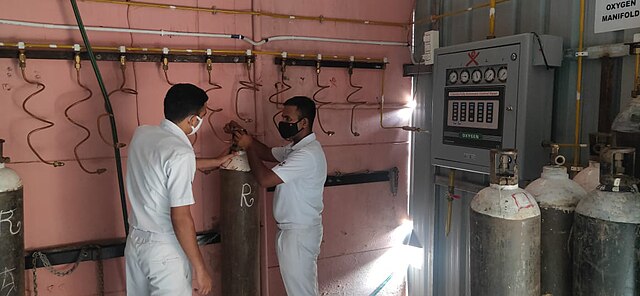
On May 24, Unitaid, a global health agency that fundraises to support novel treatments for major diseases in the developing world, and the Global Fund to Fight AIDS, Tuberculosis and Malaria both published press releases officially announcing the commencement of the Global Oxygen Alliance (GO2AL). 

Additionally, backed by the Pan American Health Organization (PAHO), the Africa Centres for Disease Control and Prevention (Africa CDC), the World Health Organization (WHO) and UNICEF, GO2AL was first established in April as an initiative that seeks to bridge the gaps in medical oxygen access that continue to exist in low- and middle-income countries (LMICs). In the wake of the COVID-19 pandemic, GO2AL aims to ensure that advancements made in oxygen supply and distribution during the height of the virus are maintained and expanded to even more regions, as medical oxygen is a key treatment tool that health care workers use in hospitals worldwide.

Building Blocks

Although the WHO refers to oxygen as an “essential medicine,” necessary for almost all aspects of many standard hospital procedures, rarely do people consider the supply of medical oxygen when identifying indicators to help analyze the performance of countries’ health systems. 

A scarcity of medical oxygen in the vast majority of LMICs (Lower or Middle-Income Countries), then, has gone overlooked for years, only gaining relevance in the face of devastating shortages during the pandemic. On top of often lacking an oxygen source, many hospitals in LMICs also lack pulse oximeters, a piece of medical equipment that measures the amount of oxygen in a person’s red blood cells and is therefore crucial in the proper administration of oxygen to patients suffering from hypoxemia, or a low level of arterial oxygen. 

February of 2021 saw the creation of the Oxygen Emergency Taskforce of the Access to COVID-19 Tools Accelerator (ACT-A), a multilateral coalition founded to respond to these shortages. ACT-A was able to achieve a number of successes in expanding access to medical oxygen in LMICs, raising $1 billion to increase oxygen production and reduce its cost, distributing equipment like pulse oximeters to hospitals in need and providing support to governments in the implementation of improved oxygen systems. 

The Global Oxygen Alliance aims to be a successor of ACT-A, hoping to maintain the advancements that have occurred and extend them ever further, especially as oxygen shortages have faded out of public perception after the pandemic. Furthermore, GO2AL is also partnering with the Lancet Global Health Commission on Medical Oxygen Security, formed in September of last year, to address data gaps in the supply of oxygen in LMICs and utilize that new research to find solutions to the oxygen insecurity that still exists in many health systems across the globe. 

Preventable Deaths

The work of GO2AL is critical since medical oxygen is also frequently used in the treatment of the elderly, infants and pregnant women, all of whom are vulnerable populations. Developing countries have long struggled to acquire enough medical oxygen for their needs; before the COVID-19 pandemic began in 2020, 90% of hospitals in LMICs did not have access to sufficient amounts of oxygen for their patients, which led to a preventable death toll of 800,000 annually. 

Though COVID-19 may no longer officially be a global emergency, the havoc it wreaked on health systems around the world was a wake-up call for more investment to be directed towards future pandemic preparedness. One year into the pandemic, 60% of hospitals in LMICs did not have a sufficient supply of medical oxygen. Should there be another virus similar to COVID-19, every country will need the resources to adequately care for any and all patients who may need oxygen during their treatment. 

There are also plenty of non-COVID-19 patients who suffer from the lack of access to medical oxygen, with diseases common in LMICs like pneumonia, malaria and meningitis causing hypoxemia and requiring immediate care. The Clinton Health Access Initiative estimates that more than 15% of children under 5 admitted into hospitals suffer from hypoxemia, in addition to 20% of all admitted infants. 

An inadequate supply of oxygen affects pneumonia patients in particular, as 7.2 million children with the condition end up in hospitals every year. Without access to oxygen therapy, around 148,000 annual child pneumonia cases are preventable. Research suggests that installing and upgrading oxygen systems in pediatric wards can lower the number of deaths due to child pneumonia by 46%, in addition to lowering all deaths in children under 5 by 40%. GO2AL’s stated commitment to increasing medical oxygen access, then, is one that is sure to save millions of lives in years to come. 

Hope for the Future

ACT-A successfully brought medical oxygen to LMICs desperately in need of it and worked through logistical obstacles to make sure these countries have the infrastructure to continue accessing the oxygen they require. On the part of those organizations that were a part of ACT-A and are now supporting the Global Oxygen Alliance, they are offering an extremely important example of what dedication to bettering the lives of those who are less fortunate should look like. Not only will GO2AL continue filling the oxygen gap that exists in many LMICs, but it will also fill the data gap that made the lack of medical oxygen in many developing countries a sorely underappreciated issue before the pandemic.

– Sofia Oliver
Photo: Wikipedia Commons

November 8, 2023
https://borgenproject.org/wp-content/uploads/borgen-project-logo.svg 0 0 Lynsey Alexander https://borgenproject.org/wp-content/uploads/borgen-project-logo.svg Lynsey Alexander2023-11-08 07:30:232023-11-08 11:49:38How the Global Oxygen Alliance Continues a Crucial Mission
Food Security, Global Poverty, Hunger

WHO and UNICEF Respond to Hunger in the Horn of Africa

Horn of Africa Climate Crisis
For the last 40 years, the greater Horn of Africa has borne the brunt of changing weather patterns and its knock-on effects. Extended periods of extreme heat and poor rainfall have led to conditions of drought in Ethiopia, Kenya and Somalia. This has affected crop growth and grazing land for animals, destabilizing already fragile subsistence farms and causing widespread hunger, thirst and desperation. Here is some information about what some are doing to address hunger in the Horn of Africa.

The Situation

Despite heavier rainfall during the wet season of 2023, the soil has become parched, damaged by severe and long-term drought and no longer able to absorb water. Floods have destroyed roads, washed away livestock and forced the closure of schools and medical facilities, on top of famine and water insecurity. More than 11 million people have become climate refugees, forced to leave their homes to seek pasture, food, water and medical treatment.

These factors have increased the risk of illness and disease. Contaminated water sources from flooding spread cholera, measles and other waterborne diseases. The nature of changing weather patterns means that extreme weather events such as these may occur more frequently and with more intensity. The resilience of these communities is reducing; many households are unable to bounce back before another onslaught of sickness, famine and financial loss.

Food Insecurity in the Horn of Africa

The number of people experiencing acute food insecurity has reached 45.8 million, with children among the most at risk. Four consecutive dry periods have killed crops and livestock, reducing the nutritious food available and food prices have inflated due to scarcity. The number of children under 5 years old suffering from malnutrition has skyrocketed to more than 7 million, with 1.9 million children at risk of death across seven countries. 

UNICEF

UNICEF issued an appeal in 2022, calling for funding to provide critical, life-saving treatment such as ready-to-use therapeutic food (RUTF). Supported by donors, the organization addressed hunger in the Horn of Africa by assisting 30 million children and mothers at risk of malnutrition through education, nutrition, immunization and child protection services. Immediate actions also included addressing the water insecurity crisis by drilling water boreholes to improve community resilience to future climate emergencies. Investments in government child social schemes, in addition to nutrition and health systems, address the need for longer-term resilience. 

The World Health Organization (WHO)

The World Health Organization (WHO) has been instrumental in coordinating efforts to treat diseases and provide food, water and sanitation. In Kenya, a rapid response team at county and sub-county levels was established to detect, report on and respond to drought early on. The government food and health emergency plan was revised in Ethiopia, as were the drought response activities. In Somalia, the WHO collaborated with UNICEF and 53 health partners to address the needs of internally displaced people. International cooperation between Somalia, Ethiopia and Kenya will combat the cholera outbreak. In Uganda, the WHO is responding to the measles outbreak by assisting with vaccinations and donating equipment to manage the number of cases. Along with the Ministry of Health, the WHO is training health workers, including nutrition leads, to manage health complications in Djibouti. 

Prompt responses to the effects of drought are crucial to the reduction of hunger in the Horn of Africa. Long-term damage to children’s well-being and devastation to livelihoods and the economy can be averted through a timely and well-coordinated course of action.

– Lydia Greene
Photo: Flickr

November 1, 2023
https://borgenproject.org/wp-content/uploads/borgen-project-logo.svg 0 0 Lynsey Alexander https://borgenproject.org/wp-content/uploads/borgen-project-logo.svg Lynsey Alexander2023-11-01 03:55:222023-11-03 05:19:16WHO and UNICEF Respond to Hunger in the Horn of Africa
Global Poverty

Neglected Tropical Diseases in Pakistan

Neglected Tropical Diseases in Pakistan
Neglected tropical diseases (NTDs) disproportionately impact vulnerable populations in some regions of Asia, Africa and Latin America. These conditions, such as intestinal worms, schistosomiasis and dengue fever, are preventable and treatable. They are common in areas with poor sanitation and limited or no access to clean water and health care. NTDs in Pakistan keep communities trapped in poverty and illness. Furthermore, NTDs harm physical and cognitive development, reduce school attendance and economic productivity and overwhelm underfunded health systems.

Pakistan faces significant health and economic challenges due to several NTDs that are considered high-burden. However, it has been effective in community engagement, prevention education, as well as diagnosis and treatment to control NTDs in outbreak areas. Assessing the impact of these targeted initiatives can inform comprehensive national strategies to alleviate the burden of NTDs and improve health equity across Pakistan.

Community-Based Efforts Against Intestinal Worm Infections 

Intestinal parasitic infections disproportionately impact children in underdeveloped countries. About 12% of illnesses that intestinal parasites cause in children aged 5 to 14 years occur in underdeveloped nations. In 2019, the First Lady of Pakistan, Samina Alvi, launched a school-based deworming program in coordination with the health and education ministries to treat intestinal worm infections in children. A national survey revealed alarming infection rates, with approximately 17 million school-age children across Pakistan requiring deworming, including around 574,000 in Islamabad. The Islamabad Deworming Initiative aims to treat 547,000 children aged 5–14 in Islamabad to overcome intestinal infections. It successfully treated more than 200,000 children in 2019 and planned to reach 574,000 in the next round.

Targeted Snail Control to Combat Schistosomiasis

Schistosomiasis is a chronic parasitic disease causing great morbidity and mortality, with more than 220 million people infected globally as of 2021, predominantly in sub-Saharan Africa. Schistosomiasis is a rare disease in Pakistan, but the risk factors of dams, irrigation, increased travel and proximity to endemic countries could lead to endemicity. At least one snail species that could potentially host the parasite is present locally. Though control efforts focus on eliminating snail populations and contamination sources, a case acquired from travel to an endemic country highlights the need for prompt treatment and health education to prevent the spread in Pakistan. Reducing schistosomiasis risks through these measures is important to alleviate poverty and improve health for vulnerable communities lacking access to clean water and health care.

Fighting Dengue Fever in Pakistan

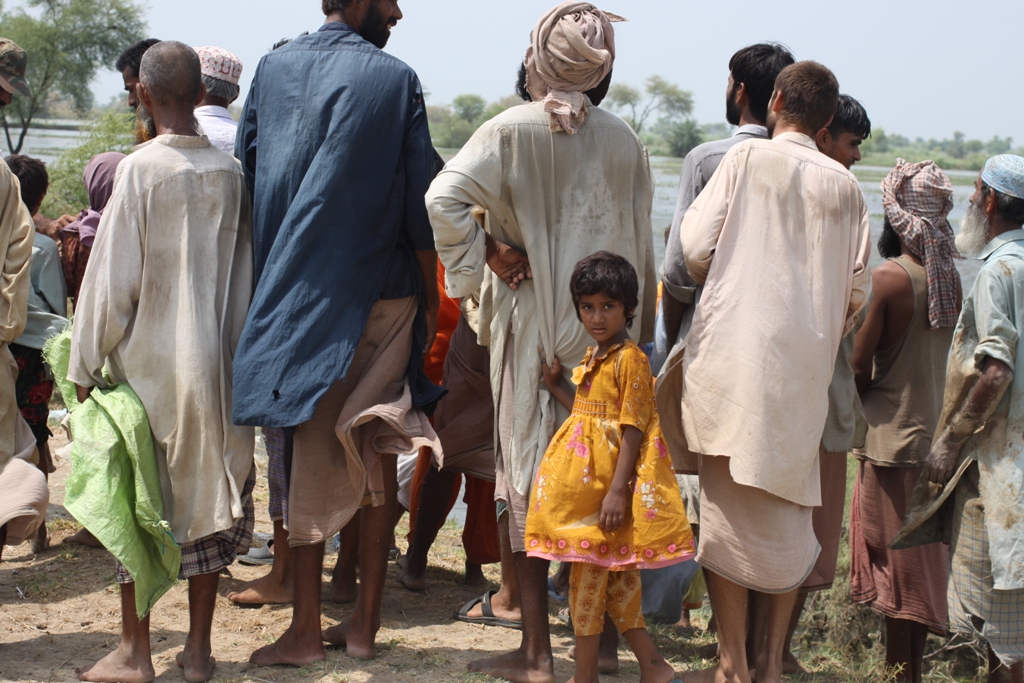
Dengue is endemic in Pakistan with seasonal peaks, but the country has experienced a significant surge in cases in 2022 following severe flooding. From January to September 2022, more than 25,000 confirmed dengue cases and 62 deaths occurred nationally, with the majority of cases in September. Sindh and Punjab provinces have been the most affected. Pakistan’s health ministry and the Global Fund are conducting vector surveillance, control activities and enhancing clinical management capacity. The World Health Organization (WHO) provides additional coordination, training, diagnostic tests and other support. Priorities like piped water and waste management infrastructure remain vital to control dengue transmission long-term and reduce impacts on vulnerable urban populations. However, the current flood-driven outbreak highlights the need for ongoing readiness to mount coordinated responses that curb massive case surges.

Integrated NTD Programs with Broad Coverage

NTDs disproportionately impact vulnerable populations in developing countries like Pakistan, trapping affected communities in cycles of disease and poverty. NTDs impair childhood development, reduce school attendance, hinder economic productivity and overwhelm under-resourced health systems. Comprehensive multi-disease control initiatives with national reach are necessary to alleviate the overall NTD burden. Sustained political commitment and domestic and global funding focused on evidence-based interventions could help reduce the transmission and prevalence of neglected tropical diseases in Pakistan. 

Given appropriate investments and strategies, controlling multiple neglected tropical diseases in Pakistan could improve health security and economic outcomes among its poorest and most marginalized citizens. Fighting NTDs is an important component of equitable development and poverty reduction in affected countries.

– Asia Jamil
Photo: Flickr

October 6, 2023
https://borgenproject.org/wp-content/uploads/borgen-project-logo.svg 0 0 Yuki https://borgenproject.org/wp-content/uploads/borgen-project-logo.svg Yuki2023-10-06 07:24:162023-10-08 02:46:45Neglected Tropical Diseases in Pakistan
Global Poverty

StrongMinds Strives to Support Mental Health in Africa

Mental Health in Africa
Mental health in Africa requires significant attention. An integral aspect of a person’s health, mental health encompasses one’s cognitive, behavioral and emotional well-being. Mental health influences how people are able to interact with others, handle stress and make healthy decisions that will benefit them in life. Unsurprisingly, taking care of one’s mental health is incredibly valuable and important when working towards optimal physical health and healthy relationships with others, both of which can contribute to preserving a person’s ability to enjoy life. 

Unfortunately, mental health is a serious issue: 970 million people across the globe experience struggles with some form of mental illness or drug abuse, and approximately 8 million deaths worldwide can be attributed to mental disorders. With mental illness afflicting one in four people across the world at some point in their lives, mental health is a global health issue that is particularly challenging in low- and middle-income countries, with 76% to 85% of the population struggling with receiving proper care or treatment for their mental illnesses. Here is some information about mental health in Africa. 

Mental Health in Africa

Many African countries experience difficulty regarding accessibility to proper mental health care, with fewer than two mental health workers for every 100,00 people and severely inadequate funding for mental health care. The average African government dedicates less than 50 cents per capita to mental health, which is drastically lower than the recommended allocation of $2 per capita for low-income countries. In addition to overall inefficient and inadequate mental health care, high treatment costs can also deter many in Africa from seeking treatment for mental disorders.  

Other prevalent barriers to mental health care include limited education and awareness in addition to the shame and stigma associated with mental illnesses. Some may feel hesitant to acknowledge their own condition, especially when surrounded by the stigma that portrays those living with mental conditions as unfavorable. 

StrongMinds Targeting Depression in Africa

Founded in 2013, StrongMinds is a nonprofit organization concentrated in Uganda that treats African women living with depression through free group talk therapy. Since its founding, StrongMinds has helped approximately 230,000 women with depression in Uganda and Zambia. StrongMinds also supports adolescents through peer-to-peer therapy. 

To treat depression, StrongMinds utilizes group interpersonal psychotherapy, which has been recommended by the World Health Organization (WHO) as the preferred method when intervening with depression in resource-poor areas. This treatment model employed by StrongMinds highlights the importance of relationships with others as the basis of recovery from depression. Counselors help members over six to 10 sessions through structured discussions, teach them coping mechanisms, and share support structures that the members can utilize even after therapy at StrongMinds. The members are able to practice interpersonal skills and reflect on underlying triggers for their depression while working with each other to form meaningful social bonds in the process. 

Following therapy at StrongMinds, beneficiaries have reported that on average, 80% of the women treated remain depression-free for six months. The results are remarkable, as these women achieve clinically significant reductions in symptoms of depression and report feeling more connected with their surrounding community. According to StrongMinds, 16% of women report an increase in work attendance, 13% report being able to feed their children more regularly and 30% of women say that their children attend school more often. 

StrongMinds is also actively working with advocacy initiatives with the Ministry of Health to improve the Health Management System to ensure that the number of people who receive treatment for mental illnesses is properly recorded, and the organization also conducts research to advance knowledge on mental health. 

Looking Forward

StrongMinds is just one of several leading organizations spearheading the efforts to improve the state of mental health in many African countries. By supporting those who are struggling with finding access to therapy or treatment, organizations like StrongMinds can ensure individuals experiencing mental illness across Africa receive the proper high-quality care they deserve. By empowering women in Africa through investments in mental health services, StrongMinds shows how a society of mentally healthy individuals can reduce poverty, encourage financial independence, and foster positive, social changes. 

– Annie Song
Photo: Flickr

October 2, 2023
https://borgenproject.org/wp-content/uploads/borgen-project-logo.svg 0 0 Yuki https://borgenproject.org/wp-content/uploads/borgen-project-logo.svg Yuki2023-10-02 22:49:102023-10-04 05:37:44StrongMinds Strives to Support Mental Health in Africa
Global Poverty, Health

What Universal Vaccination Could Mean for the Global Poor

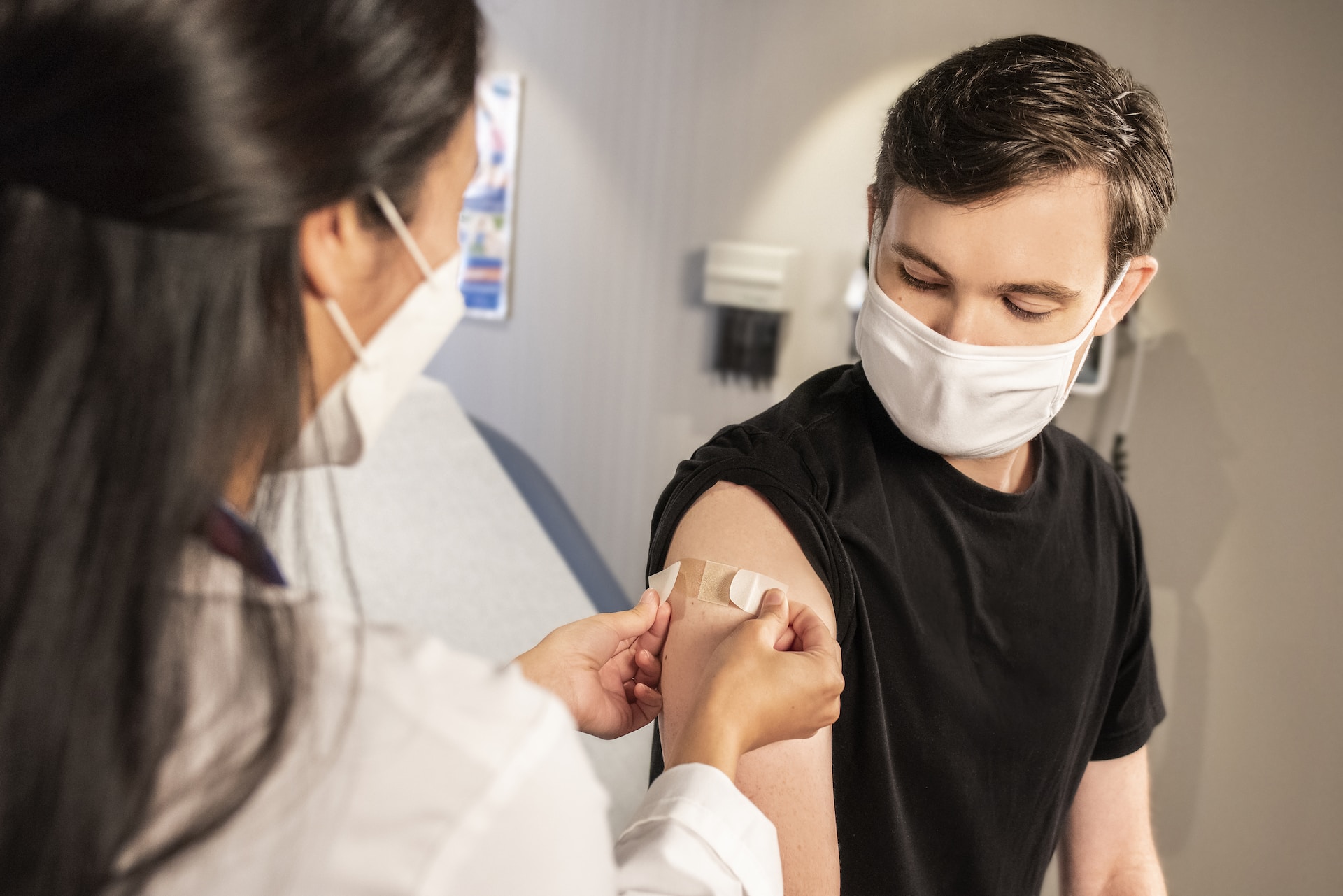
Universal VaccinationPandemics can happen at any time — a fact that the world has become painfully aware of in the last few years. COVID-19 taught modern people the devastating effects of emerging infectious diseases or EIDs, and as a result, more discussions about vaccination have opened up. Vaccines can save lives, but for the global poor, access to this resource is less than ideal. Universal vaccination would transform the health and livelihoods of impoverished people around the world, allowing them to live healthily in the face of many devastating diseases. 
Sickness and Poverty

Around the world, illness wreaks havoc on impoverished people. Poor health is rooted in political, social and economic injustices — making poverty both a cause and effect of poor health. The poorer one is, the more likely they are to fall ill. If someone is ill, the more likely they are to deal with unrealistic financial burdens, trapping them in poverty. 

There are a few diseases in particular that disproportionately affect low-income populations, called poverty-related diseases, or PRDs. Two out of three deaths among children in Africa and Southeast Asia are due to just six diseases: tuberculosis, malaria, HIV/AIDS, measles, pneumonia and diarrheal disease. Combined with childbirth complications, these diseases kill 14 million people annually. The three largest PRDs, AIDS, malaria and tuberculosis, make up 18% of all diseases in poor countries. Yet, approximately 30% of the global population, and 50% of the poorest parts of Africa and Asia, do not have regular access to necessary medicine. This statistic staggers even higher for marginalized groups and vulnerable individuals, who are often deprived of information, money or access to health care that would help them treat each disease. Essentially, although the poorest parts of the world are most impacted by illness, they have the least access to necessary care. 

Vaccine Access for the Global Poor

Vaccines are a treatment for many PRDs, though they too are difficult for the global poor to access. Taking the COVID-19 vaccines as an example, as of October 2022, only 25% of the population living in low-income countries have received at least one dose of a vaccine. Meanwhile, high-income countries enjoy a rate of 72%.

Similarly, cholera vaccines are internationally available but seldom used in public health settings in developing countries where they are vitally needed. The HPV vaccine shares similar statistics, as it has been introduced in only 41% of low-income countries but 83% of high-income countries. According to the World Health Organization (WHO), vaccines for diseases associated with “markets that are deemed to have little commercial value remain neglected.” According to the WHO’s director general, Tedros Adhanom Ghebreyesus, “The right to health includes the right to vaccines, and yet this new report shows that free market dynamics are depriving some of the world’s poorest and most vulnerable people of that right.”

There have been efforts to share vaccines with the global poor that show just how beneficial access can be. Since 2019, Malawi, Ghana and Kenya have participated in the Malaria Vaccine Implementation Programme (MVIP), coordinated by the WHO and funded by Gavi, the Vaccine Alliance, the Global Fund to Fight AIDS, Tuberculosis and Malaria and Unitaid to deliver the malaria vaccine in their respective countries. The vaccine has been administered to more than 1.7 million children, leading to a substantial reduction in severe malaria and a decrease in child deaths. 

Universal Vaccination

Universal vaccination would change the world — access to preventative care against PRDs would allow low-income communities to transform their livelihoods, no longer nearly as consistently devastated by death and disease. Vaccinating the world helps prevent new emerging variants, support health systems and save countries from lasting economic damage. In fact, if low-income countries had the same vaccination rate against COVID-19 as high-income countries in September last year (around 54%) they would have increased their GDP by $16.27 billion. Again, COVID-19 acts as an example of what universal vaccination against all PRDs and EIDs could do. Beyond good health, fair access to vaccines allows a chance for development in many areas.

– Char Nieberding
Photo: Unsplash

September 23, 2023
https://borgenproject.org/wp-content/uploads/borgen-project-logo.svg 0 0 Lynsey Alexander https://borgenproject.org/wp-content/uploads/borgen-project-logo.svg Lynsey Alexander2023-09-23 07:30:582024-05-30 22:32:13What Universal Vaccination Could Mean for the Global Poor
Global Poverty

4 Facts About Mental Health in Turkey

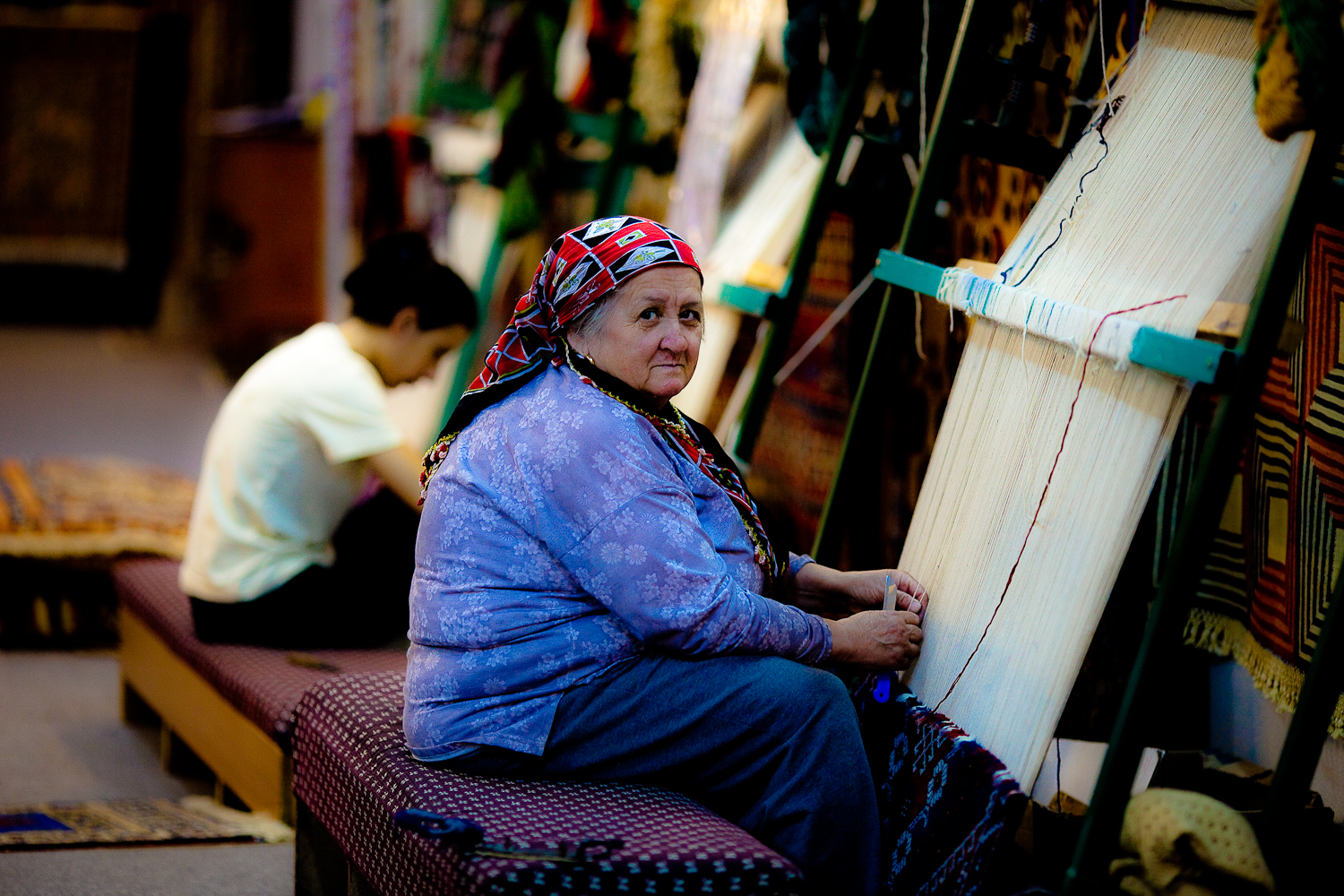
 Mental Health in TurkeyTurkey, a land of diverse cultures and traditions, serves as a bridge connecting Europe and Asia. With a profound history that shapes its very core, Turkey has undergone substantial recent transformations, marked by modernization and urbanization. This evolution has propelled economic growth and infrastructure development to new heights. Nonetheless, alongside these encouraging advancements, there have been noticeable challenges, particularly in the realm of mental health. While common mental health disorders such as anxiety and depression are prevalent in Turkey, as they are in numerous other nations, the country has experienced a comparatively higher rate of psychiatric hospitalizations in recent times.

The Prevalence of Common Disorders

According to the World Health Organization (WHO), the population of Turkey has confronted a surge in mental health challenges over recent years, with individuals grappling with anxiety and depression, stemming from factors like natural disasters, economic downturns and the ongoing COVID-19 pandemic. The WHO’s findings indicate a staggering 3.2 million people affected by depression, accompanied by an over 50% escalation in the usage of antidepressants during the past five years. With an increasing number of individuals in Turkey seeking medical support for their mental well-being, the prevalence of these issues underscores the significance of global education regarding the essential understanding of the mind on par with the physical body.

UOSSM

The Union of Medical Relief and Care Organizations (UOSSM), established in 2012 in France, is a collaborative effort of member organizations from countries including the United States, Canada, the United Kingdom, France, Switzerland and Turkey. Together, these members pool resources and coordinate projects to deliver relief and medical assistance to victims of war in Syria. Amid the complex relationship between Turkey and Syria, Turkey has extended aid to refugees seeking refuge within its borders. Throughout the past decade of the Syrian crisis, mental health has emerged as an enduring concern, growing even more pronounced due to the ongoing exposure to traumatic experiences. In response, Turkey has instituted an array of mental health programs and provided medications, aiming to alleviate the profound psychological distress endured by the affected population.

Psychiatric Hospitalization

Amidst the pandemic lockdown, notable trends have emerged in the realm of psychiatric conditions. While it is widely acknowledged that rates of patients grappling with anxiety and depression tend to surge during lockdown periods, a distinct rise in the diagnosis of bipolar disorders has also been observed subsequent to the pandemic quarantine. This uptick in psychiatric hospitalizations serves as a clear signal for policymakers to redirect their focus toward enhancing mental health services and implementing preventative measures to effectively manage the mental well-being landscape in Turkey before the situation gets worse.

Stigma and Awareness

As various nations grapple with distinct stigmas and societal expectations, these diverse social dynamics present barriers for individuals dealing with physical and mental illnesses. A social study has unveiled a correlation between supernatural causal beliefs and heightened stigma surrounding mental health. Conversely, the recognition of one’s ongoing stress levels has demonstrated a capacity to diminish this stigma.

Conclusion

In conclusion, Turkey’s intricate tapestry of diverse cultures stands as a testament to its remarkable evolution over the years. Turkey’s journey through economic, social and political changes has led to an elevation in the rates of common mental health issues within the population. Nevertheless, Turkey is dedicated to alleviating societal pressures by offering robust mental health services and resources for its citizens to rely on.

– Sandy Kang
Photo: Flickr

September 17, 2023
https://borgenproject.org/wp-content/uploads/borgen-project-logo.svg 0 0 Yuki https://borgenproject.org/wp-content/uploads/borgen-project-logo.svg Yuki2023-09-17 01:40:322024-05-30 22:32:224 Facts About Mental Health in Turkey
Global Poverty

Mental Health in Argentina: The Rising Tide

Mental Health in ArgentinaIn the past decade, awareness and agendas surrounding mental health across the globe have gained significant traction. Specifically, many have celebrated Argentina’s efforts to regulate and normalize therapy and other mental health services. With Argentina being the second largest country in South America and having a population of about 46 million citizens, it may seem incredibly daunting to tackle such a challenging issue. Despite this, Argentina has defied expectations. In fact, the nation has implemented various policies to increase awareness of mental health in Argentina and create more accessible services for those who need them. 

On the Rise   

In November 2010, Argentina’s National Congress passed a new MHL, better known as a Mental Health Law. This law “aims to develop approaches in mental health that are compatible with the most advanced views.” It encompasses several articles, but primarily focuses on inclusion, advocating the rights of mental health professionals while ensuring the correct prescription of medication. Although this is not the first law Argentina has adopted, this law has led to remarkable progress and has been proven effective. 

Furthermore, Argentina holds the title for having the most psychologists per capita in the world. Psychologists in this country focus on adequate training and strive to provide affordable therapy. People consider it healthy to attend therapy and see a psychologist in Argentina. In fact, “it’s standard for people from all age groups and demographics to attend therapy.” In addition to the increasing number of people attending therapy in Argentina, mental health services in Argentina have also begun to advance, as online therapy has started to emerge. MantraCare, which serves more than 10,000 individuals, is an online therapy service available in Argentina. Patients confidentially begin therapy for a reasonable price at their desired time, all from the comfort of their homes. This online platform is one of many that Argentinians can choose from. 

Promoting Services in Every Region

While Argentina’s recognition of mental health issues is good, there is still room for progress. Citizens in Buenos Aires, the nation’s capital, have effortless access to psychiatrists. With a standing population of around 15 million, many inhabitants have secure and guaranteed access to mental health services. Since most mental health care providers live in the capital city, those in rural areas do not enjoy a similar access experience. Many individuals who live in these rural areas struggle, as 39% of residents are in poverty. While Argentina does employ social programs to address poverty, these efforts often fall short in meeting the needs of those in poverty. Consequently, citizens facing poverty are frequently marginalized, particularly in terms of mental health services. This further exacerbates their challenges in accessing the necessary support.

Recognizing the tendency to overlook these citizens, the World Health Organization (WHO) has taken significant steps to ensure their inclusion in new mental health policies. The WHO Mental Health Gap Action Organization Programme, known as mhGAP, specifically focuses on scaling up services for mental, neurological and substance use disorders, particularly in low- and middle-income countries. In Argentina, a crucial priority for the WHO is extending this program to all provinces, not just Buenos Aires. To achieve this, 60 experts from various regions of the country underwent training to conduct mental health evaluations and set priorities as part of this program.

Looking Ahead

The growing acceptance and promotion of mental health services in Argentina could pave the way for increased access to such services in the coming years. Policymakers are actively introducing new laws centered on mental health, fostering a promising outlook for the future.

Although challenges persist, the advancements in Argentina’s approach to mental health are notable. Other countries seeking to reform their mental health policies can find inspiration in Argentina’s progress and use it as a blueprint for their own endeavors.

– Ryan Balberman
Photo: Flickr

August 25, 2023
https://borgenproject.org/wp-content/uploads/borgen-project-logo.svg 0 0 Lynsey Alexander https://borgenproject.org/wp-content/uploads/borgen-project-logo.svg Lynsey Alexander2023-08-25 01:30:012023-08-22 14:35:36Mental Health in Argentina: The Rising Tide
Global Poverty

Investing in International Mental Health Aid

International Mental Health Aid
Although widely underreported in many countries, the World Health Organization’s (WHO) 2022 World Mental Health Report, identifies one in eight people in the world currently living with mental illness. Between 2000 and 2019, people living with mental disorders increased by 25%. Mental illness is a burden on both the person experiencing mental illness and on society. Those who live with mental illness deal with impacts on their education and relationships and can lead to disability. The broader economic impact of mental health disorders and illnesses includes the costs associated with individuals, communities and nations. These costs relate directly to health services, as well as the indirect costs resulting from loss of work, education and social opportunities, which lead to “stigma, discrimination and reduced life expectancy.”

Reasons to invest in international mental health aid include lowering the costs for nations and individuals and protecting peoples’ quality of life while increasing healthy years lived. In addition, mental health conditions continue to increase across the world as global threats like growing social and economic equality and public health emergencies remain prominent, according to WHO.

The Costs of Mental Illness

The global cost of mental illness was $2.5 trillion in 2010 with projections of the cost to increase to $6 trillion by 2030, according to WHO. A 2020 cost-of-illness global study found that the annual average societal cost of mental illness is between $1,180 to $18,313 per person treated. These costs include the cost of treatment and other costs like lost production and income. Depression and anxiety alone cost the global economy $1 trillion a year, yet the median of government health expenditures toward mental health globally is less than 2%. Other costs of mental illness include loss of life and opportunities.

The burden of mental health and substance use disorders is best described as a “disease burden,” which focuses on the impacts of both mortality and morbidity. Disease burden is measured by Disability Adjusted Life Years (DALYs), which measures deaths plus the years lived with the disease. The metric of one DALY equates to losing one healthy year. According to Our World in Data, in 2019 mental disorders caused 125.31 million DALYs globally. Global DALYs attributed to mental illness have increased to 4.9% in 2019. In addition to the loss of healthy years and opportunities, as of 2019, about 703,000 people lost their lives to suicide globally making the global suicide rate nine per 100,000, according to WHO.

Global Benefits of Investing in Mental Health Aid

International mental health aid reduces human suffering, advances public health and stops human rights violations experienced by those living with mental health conditions. According to WHO. improving people’s mental health also improves educational outcomes and leads to more participation and productivity in the workforce, which benefits all of society. It also improves people’s physical health, which expands people’s lifespan, ability to work and general happiness. Investment in mental health means ensuring access to quality, affordable mental health care, addressing stigma, discrimination and abuse and addressing the underlying economic and social inequalities that shape citizens’ mental health.

Investing in international mental health aid is that it leads to extra years of a healthy life, which generates productivity gains for the country that is investing in mental health care. The countries to benefit the most from investing in mental health care are lower-middle-income countries. Jamaica, a middle-income country, is an example of a country that invested in mental health care and received economic benefits. Jamaica invested $115 million into treatment for depression, anxiety and psychosis from 2015 to 2030. The benefits of this investment include an increase in psychosocial treatment from 15% to 50%, WHO reports. The economy has seen $434 million in saved money due to mental health care.

Supporting Sustainable Development Goals

According to WHO, not only is providing mental health aid beneficial to a country’s economy, but it also supports the U.N.’s Sustainable Development Goals, specifically SDG 1 to eliminate global poverty. Mental illness and poverty create a “cycle of disadvantage” because those living in poverty lack the finances to maintain basic necessities, have fewer educational and employment opportunities and are less likely to have access to quality health care. All of these stresses lead to a higher chance of experiencing a mental health condition. In addition, those experiencing severe mental health conditions are more likely to experience poverty due to increased health expenses and stigma and discrimination in the workforce, which leads to unemployment. “More than 80% of all people with mental disorders live in low- and middle-income countries,” WHO reports. These people lack access to welfare and effective treatment.

Moving Forward

In 2019, WHO began the Special Initiative for Mental Health: Universal Health Coverage for Mental Health, which works to make affordable, quality mental health care accessible in nine countries, covering 100 million people. This program focuses on the prevention of mental disorders, suicide prevention, mental health policy and legislation, mental health support in humanitarian emergencies and workforce development for mental health.

In Jordan, WHO’s Special Initiative for Mental Health is supporting the Ministry of Health’s efforts to implement Jordan’s National Mental Health Plan. This involves increasing community-based services and expanding the Caregiver Training Skills organization for families of children living with developmental disabilities. In addition, Jordan’s Special Initiative for Mental Health is supporting inpatient units in general hospitals and scaling up the implementation of the WHO regional School Mental Health program.

With more legislation, prevention, intervention and support for mental health conditions, mental health aid internationally could decrease lives lost, productivity losses and DALYs for countries, as well as increase productivity and economic gains, increase quality of life and further the SDGs.

– Arden Schraff
Photo: Flickr

March 20, 2023
https://borgenproject.org/wp-content/uploads/borgen-project-logo.svg 0 0 Jennifer Philipp https://borgenproject.org/wp-content/uploads/borgen-project-logo.svg Jennifer Philipp2023-03-20 07:30:272023-03-17 16:36:13Investing in International Mental Health Aid
Page 2 of 17‹1234›»

Get Smarter

  • Global Poverty 101
  • Global Poverty… The Good News
  • Global Poverty & U.S. Jobs
  • Global Poverty and National Security
  • Innovative Solutions to Poverty
  • Global Poverty & Aid FAQ’s
Search Search

Take Action

  • Call Congress
  • Email Congress
  • Donate
  • 30 Ways to Help
  • Volunteer Ops
  • Internships
  • Courses & Certificates
  • The Podcast
Borgen Project

“The Borgen Project is an incredible nonprofit organization that is addressing poverty and hunger and working towards ending them.”

-The Huffington Post

Inside The Borgen Project

  • Contact
  • About
  • Financials
  • President
  • Board of Directors
  • Board of Advisors

International Links

  • UK Email Parliament
  • UK Donate
  • Canada Email Parliament

Get Smarter

  • Global Poverty 101
  • Global Poverty… The Good News
  • Global Poverty & U.S. Jobs
  • Global Poverty and National Security
  • Innovative Solutions to Poverty
  • Global Poverty & Aid FAQ’s

Ways to Help

  • Call Congress
  • Email Congress
  • Donate
  • 30 Ways to Help
  • Volunteer Ops
  • Internships
  • Courses & Certificates
  • The Podcast
Scroll to top Scroll to top Scroll to top