• Link to X
  • Link to Facebook
  • Link to Instagram
  • Link to TikTok
  • Link to Youtube
  • About
    • About Us
      • President
      • Board of Directors
      • Board of Advisors
      • Financials
      • Our Methodology
      • Success Tracker
      • Contact
  • Act Now
    • 30 Ways to Help
      • Email Congress
      • Call Congress
      • Volunteer
      • Courses & Certificates
      • Be a Donor
    • Internships
      • In-Office Internships
      • Remote Internships
    • Legislation
      • Politics 101
  • The Blog
  • The Podcast
  • Magazine
  • Donate
  • Click to open the search input field Click to open the search input field Search
  • Menu Menu

Tag Archive for: The World Health Organization

Posts

COVID-19, Economy, Global Poverty

COVID-19’s Effects On Asia’s Economy

Asia's Economy
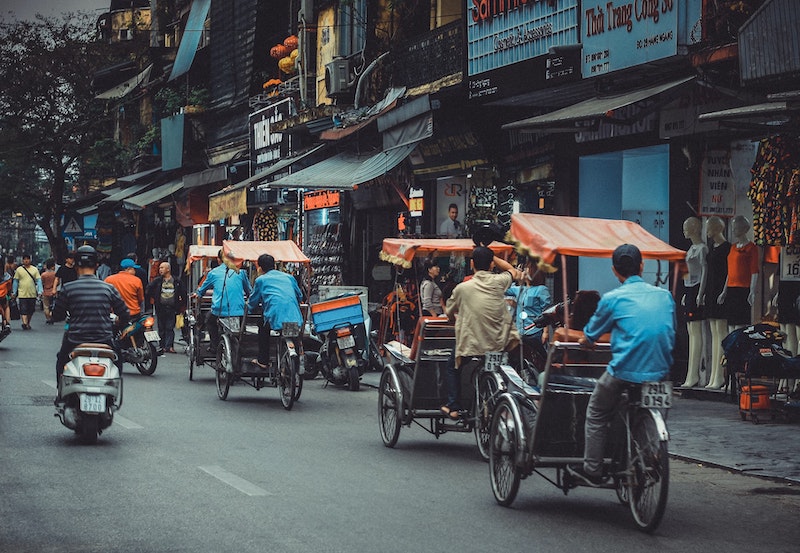
The COVID-19 pandemic has caused severe economic disparities globally. Specifically, those living on the Asian continent have experienced significant economic damage and hindrance to their broad economic goals. About 15 million Southeast Asians have become impoverished since the onset of the pandemic in 2019. The delta variant, along with a resurgence of national lockdown measures, has caused another case of economic damage. Through analyzing COVID-19’s effects on Asia’s economy, it is clear that the continent can implement strategies in order to combat these high rates of poverty and economic disparity.

Low Vaccination Rates

Overall, Southeast Asia has lower-than-average vaccination rates compared to the rest of the world. However, some Southeast Asian countries have better vaccination rates than others. Singapore has the highest vaccination rate, at 77.3%, whereas Vietnam has the lowest vaccination rate at 7%. As Southeast Asia is Asia’s major area for good economic production, this has led to a decline in economic growth. These low vaccination rates have allowed COVID-19’s effects on Asia’s economy to be extremely negative as low-income countries have had low vaccine rates due to their economic disadvantage. Around 55% of individuals who live in higher-income countries have been vaccinated with at least one of two vaccination dosages whereas 1% of individuals who live in lower-income countries have received one of two vaccinations.

National Lockdowns

In Southeast Asia, as cases have risen due to the delta variant beginning in July 2021, strict lockdown restrictions have become reimplemented. The implementation of lockdowns worldwide in 2020 was common as countries felt this would be an effective way to quickly decrease the number of people who contracted COVID-19. Lockdowns were extremely effective in decreasing the spread of COVID-19; however, they also caused a negative effect on the global economy. In Asia, lockdowns caused a severe drop in retail sales. For example, vehicle sales in China have been steadily decreasing each month; more recently, they decreased by 11.9% in July 2021. Factories have also stopped production as a response to the surge of cases since July 2021. Southeast Asian countries have also had to enter lockdowns again. This has caused the negative effects of COVID-19 on Asia’s economy to resurface, with yet another decrease in retail sales.

The Delta Variant

The COVID-19 delta variant is more infectious than the original COVID-19 strain, causing a spike in cases for Southeast Asian countries that began in July 2021. The delta variant of COVID-19 has caused both a surge in COVID-19 cases worldwide and a resurgence of the 2020 economic downturn that came with the very beginning of the COVID-19 pandemic. The effects of Southeast Asia’s low rates of vaccination have caused a spike in COVID-19 cases in addition to the delta variant, factoring into the reasoning behind the reimplementation of national lockdown measures.

Looking Ahead

A large and overarching goal of Asia in its entirety is to increase rates of vaccination in each Asian country as a response to this economic decline. The World Health Organization’s (WHO) regional director of Southeast Asia, Dr. Poonam Khetraapal Singh, has a goal to have the Southeast Asian population 40% fully vaccinated by 2021. This strategy against economic disparity uses the COVAX initiative, a plan that WHO put in place that advocates for global access to COVID-19 vaccines. The COVAX initiative especially targets low-income countries and works to help them gain equitable access to not only vaccines but also to COVID-19 testing and treatments.

If Asia successfully increases its vaccination rates, there is hope that the Asian economies will be able to continue with their goals of economic growth.

– Francesca Giuliano
Photo: Unsplash
October 7, 2021
https://borgenproject.org/wp-content/uploads/borgen-project-logo.svg 0 0 Lynsey Alexander https://borgenproject.org/wp-content/uploads/borgen-project-logo.svg Lynsey Alexander2021-10-07 01:30:362021-10-24 04:38:56COVID-19’s Effects On Asia’s Economy
Global Poverty

How TB Affects Refugees

TB Affects RefugeesTuberculosis (TB) is one of the most commonly reported diseases among refugee populations. It affects the lungs and can be extremely infectious. Symptoms include coughing up blood and mucus for a long period of time, pain when coughing, fatigue, fever and chills. TB is a highly contagious disease and can spread through droplets in the air when an infected individual sneezes or coughs. TB affects refugees who usually become infected while they are in their home countries. Poverty increases during wartime, and so do TB rates.

The Diffusion of TB

Although many refugees contract TB from their home countries, their journies worsen the disease’s effects. The malnutrition that many displaced peoples experience weakens the body’s ability to fight the disease, and underlying health conditions lead to more life-threatening effects.

TB affects refugees in camps. Currently, 2.6 million refugees live in refugee camps all around the world.  Tens of thousands of individuals can cram into each camp.  In fact, one camp in Jordan, for example, is home to about 80,000 Syrian refugees. Camps do not have an adequate amount of food, and sanitation is well below average. In fact, 30% of refugee camps do not have access to proper latrine systems. Additionally, TB affects refugees where HIV rates are high. For example, many refugees live in sub-Saharan Africa where the HIV rate is 9%, one of the highest in the world.  Further, when those placed in camps leave, general community members are also at risk.

Access to Treatment

The majority of refugees today are living in a state of poverty. For example, a report by the United Nations High Commissioner for Refugees (UNHCR) and the World Bank Group shows that in 2014  90% of the Syrian refugees in Jordan and Lebanon are considered to be below the poverty line in each of those countries. Economic barriers prevent many refugees from TB treatment. Without money, displaced peoples have little defense against TB.

Although affordability plays a large factor in a refugee’s inability to access treatment, fear also plays a role in limiting refugee access to treatment. Particularly for undocumented refugees, the fear of deportation prevents many from receiving a diagnosis. For documented refugees, the legal technicalities of receiving such care are complex. Treatment is mainly available to those who are employed because employers provide insurance that covers treatment costs. However, approximately 65.1% of refugees around the world are currently unemployed and unable to receive these benefits. Financial and emotional walls are blocking refugees from receiving vital healthcare.

Global Response

The extreme ways in which TB is affecting refugees have garnered international attention. To combat its fatal consequences, the World Health Organization (WHO) has created a response called The End TB Strategy. The program’s ultimate goal is to reach an 80% drop in TB cases by 2030. One of the program’s main strategies is to implement screening, especially for high-risk groups. If a refugee arrives from a country such as India where TB rates are high, they will go through a screening process. Through these procedures, early detection of TB is possible, and the disease can be effectively treated.

Organizations like the Centers for Disease Control (CDC) have already implemented screening measures and require refugees to undergo TB tests before they can cross US borders. Proper understanding of the disease is also a focus of The End TB Strategy. The WHO is developing research on and treatment plans for TB that should lower infection rates. In general, the strategy emphasizes the importance of early detection, screening and proper treatment for all individuals.

Looking Forward

Tuberculosis is a deadly disease. It is one of the top ten causes of death in low-income countries. Refugees can become infected in their home countries, throughout their journeys or in refugee camps. TB easily spreads from person to person, and it can infect entire communities. Poverty and fear of deportation and unemployment prevent refugees from accessing and receiving treatment.

Fortunately, plans such as the WHO’s End TB Strategy are working on improving the current state of tuberculosis among refugee populations. Hopefully, these programs will reach their goals and protect refugees from TB’s deadly hands.

– Mariam Kazmi
Photo: Flickr

September 29, 2021
https://borgenproject.org/wp-content/uploads/borgen-project-logo.svg 0 0 Lynsey Alexander https://borgenproject.org/wp-content/uploads/borgen-project-logo.svg Lynsey Alexander2021-09-29 07:30:292024-05-30 22:24:57How TB Affects Refugees
Global Poverty

The Truth Behind HIV/AIDS in Afghanistan

HIV/AIDS in Afghanistan
HIV/AIDS in Afghanistan is prevalent. However, reliable data on HIV/AIDS in Afghanistan is scarce due to a lack of reporting cases and common failure to seek medical treatment. The World Bank recognizes unsafe paid sex and injecting drug users as the most likely cause of the epidemics spread. Many know Afghanistan as dangerous considering its consistent involvement in devastating wars; however, less known is the massive struggle Afghanistan faces in combating drug usage. In accordance with this, HIV/AIDS is predominantly among those who inject drugs, prisoners, female sex workers and men who have sex with men.

About HIV/AIDS

HIV, also known as AIDS, is a human immunodeficiency virus that people can transmit through bodily fluid. HIV/AIDS first emerged through human interaction with a certain type of chimpanzee located in Central Africa. HIV then spread from Africa to other parts of the world and became prevalent in the United States around 1975. HIV/AIDS can cause flu-like symptoms a few weeks post contraction before remaining dormant until progressing to AIDS. AIDS severely weakens a person’s immune system causing an increase in the likelihood of a person getting a severe illness. There is no cure for HIV/AIDS but there are medications that can help infected people live healthier longer lives. The CDC has written about the severity of HIV/AIDS stating that “without treatment, people with AIDS typically survive about three years.” Here are some of the most common ways people can contract HIV/AIDS.

  1. Engaging in sexual intercourse without the use of a condom.
  2. Mother-to-child transmission.
  3. Sharing injecting equipment (most commonly, needles during drug usage).
  4. Contaminated blood transfusions and organ transplants.

Doing the Math

These affected populations rarely have the means necessary to seek treatment. In fact, the World Health Organization (WHO) has stated that “In 2017, the number of people living with HIV (PLHIV) in Afghanistan was estimated to be 5900…by December of 2017, 800 PLHIVs were enrolled for treatment.” This means that of the people in Afghanistan who have tested positive for HIV/AIDS, only 13.5% of them have received treatment. Furthermore, from this, one can conclude that the 5,100 people who have tested positive but have not received treatment could die within the next three years.

Disproportionate Effects on the Poor

The disproportionate effects of HIV/AIDS in Afghanistan on the poor are clear as female sex workers, prisoners and those who use injectable drugs are often living on or below the poverty line. An Open Society Foundations article explored the connection between poverty and sex work as it highlights, “The vast majority of sex workers choose to do sex work because it is the best option they have. Many sex workers struggle with poverty and destitution and have few other options for work.” This need for money to support their basic life needs drives women into prostitution putting them at greater risk for HIV/AIDS. Furthermore, refugees make up another category of impoverished individuals who end up at greater risk of contracting HIV. According to WHO, refugees are “stuck in limbo with nothing to do, under great pressure and with drugs abundantly available, many of these refugees have become addicted to drugs.”

Not only does poverty enable greater exposure to HIV/AIDS in Afghanistan, but it also prevents Afghans from affording potential treatments. Estimates for HIV/AIDS treatments run from $1,800 USD to $4,500 USD per month during a person’s lifetime. The average salary for someone living in Afghanistan converts to $18,505 USD per year, making it impossible for even middle-class citizens to pay for treatments, let alone those facing poverty.

The Good News

Afghanistan developed a National Strategic Plan to investigate and respond to the HIV/AIDS epidemic. The World Health Organization (WHO) outlined that this National Strategic Plan took effect in 2016 and reached its full effect in 2020. It includes five priority areas:

  1. Greater accessibility to and effectiveness of HIV prevention tools.
  2. Increase accessibility to treatment/support.
  3. Provide documentation and information to allow patients to make informed decisions on medication and treatment paths.
  4. Enable an environment that will allow the national response to HIV/AIDS to be both effective and sustainable.
  5. Strengthen and manage government programs at national and provincial levels.

Looking Ahead

The continued implementation of this plan and increased foreign aid, are helping curtail the devastating effects of the HIV/AIDS epidemic over time. However, the COVID-19 pandemic and the Taliban’s takeover of Afghanistan have thrown progress off track. A New York Times article explains the health care situation in Afghanistan stating that “The country’s health care has been propped up by aid from international donors. But after the Taliban seized power, the World Bank and other organizations froze $600 million in health care aid.” Major strides have occurred in Afghanistan with regards to female health and epidemics however this progress is now at risk of reversing as organizations withdrawal their aid from Afghanistan amidst the Taliban’s reign.

– Lily Vassalo
Photo: Flickr

September 20, 2021
https://borgenproject.org/wp-content/uploads/borgen-project-logo.svg 0 0 Kim Thelwell https://borgenproject.org/wp-content/uploads/borgen-project-logo.svg Kim Thelwell2021-09-20 12:19:422024-05-28 00:15:10The Truth Behind HIV/AIDS in Afghanistan
Global Poverty

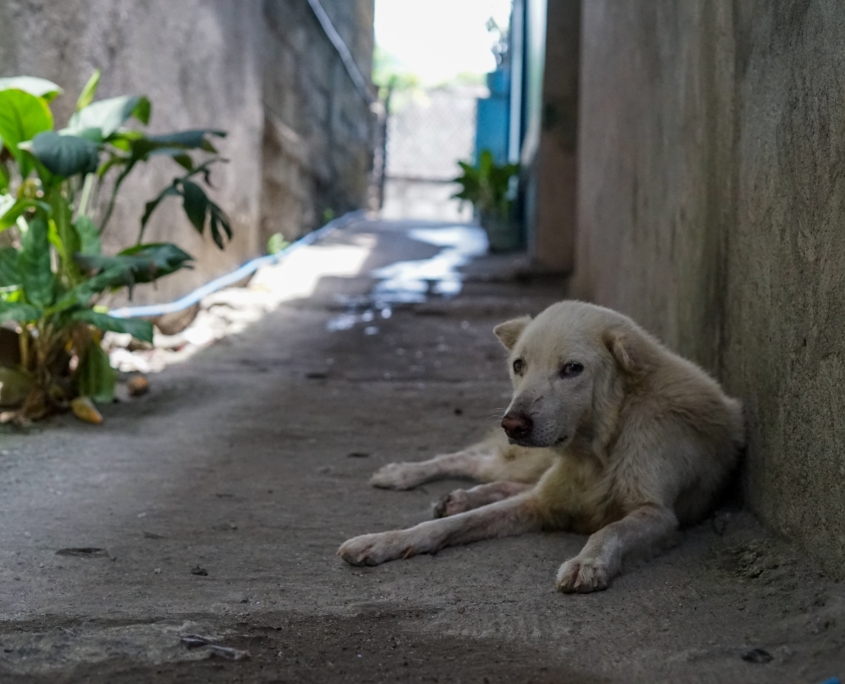
The Humanitarian Benefits of Rescuing Stray Dogs in Developing Countries

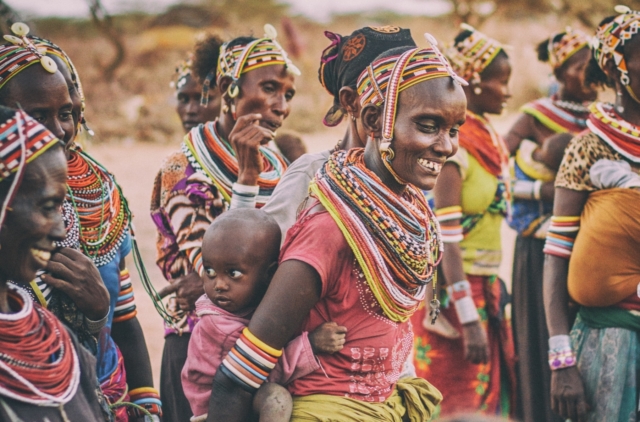
The Humanitarian Benefits of Rescuing Dogs in Developing CountriesOnly 5% of dogs have owners in most economically developing countries. In comparison, about 95% of dogs have owners in the United States. Animal shelters and dog rescue organizations work globally to reduce stray dog populations, which benefits both dogs and people. In addition to saving canine lives, rescuing dogs can reduce poverty by improving human health and safety.
Health Benefits of Rescuing Stray Dogs

Every year, around 55,000 people die from rabies, and half of them are children. According to the World Health Organization, 99% of people who die from rabies live in economically developing countries. Rescuing stray dogs can reduce the number of people who contract and die from rabies. It can also minimize the transmission of other canine diseases onto humans, including viral, parasitic and bacterial diseases. Disease prevention tends to be less expensive than treatment; as such, limiting the spread of diseases like rabies can be economically friendly.

While some organizations try to find homes for stray dogs, others simply focus on stray dog sterilization and vaccination. For example, the World Organisation for Animal Health (OIE) aims to reduce stray dog populations by capturing, sterilizing, then releasing stray dogs. As a result, fewer stray dogs repopulate and spread diseases over time. Dog vaccinations can also improve public health by preventing the spread of canine diseases to humans. Moreover, rescuing dogs can reduce poverty by improving canine health, which often improves human health as well.

Safety Benefits of Lowering the Stray Dog Population

Large stray dog populations put humans at risk of dog bites and attacks, and children tend to be affected by these attacks the most. Dog bites can transmit diseases to humans like rabies, but they can also cause serious physical damage and pain, especially to small children. In impoverished communities where many people lack access to healthcare, animal rescue organizations and shelters can reduce people’s need for medical assistance by reducing the prevalence of dog-related injuries.

With fewer stray dogs on the street, people in developing countries are less likely to experience physical harm from stray dogs. As a result, they are less likely to need expensive medical assistance. Animal shelters help impoverished communities by removing dangerous animals from the street and consequently improving public health.

An Ethical Solution

Some countries have attempted to reduce stray dog populations with euthanasia programs, but ethical dog rescue programs have shown to be equally, if not more effective. Organizations that spay, neuter and vaccinate dogs for free tend to be particularly valuable for shrinking the size of stray dog populations. According to People for the Ethical Treatment of Animals, one female dog who has not been spayed can produce up to 67,000 offspring in just six years. Spay and neuter programs, often called “catch-neuter-return” programs, can drastically reduce stray dog populations without resorting to euthanization.

Dog vaccinations and sterilizations are potentially the most sustainable and ethical solutions to the stray dog crisis. People and dogs alike benefit from animal rescue, sterilization and vaccination efforts. Rescuing stray dogs can reduce poverty by saving human lives, especially in impoverished communities with high stray dog populations and limited access to healthcare.

– Cleo Hudson
Photo: Unsplash

September 10, 2021
https://borgenproject.org/wp-content/uploads/borgen-project-logo.svg 0 0 Kim Thelwell https://borgenproject.org/wp-content/uploads/borgen-project-logo.svg Kim Thelwell2021-09-10 01:30:032021-09-06 17:41:14The Humanitarian Benefits of Rescuing Stray Dogs in Developing Countries
Global Poverty, Water Crisis

Fighting the Water Crisis in Kenya’s Slums

Water Crisis in Kenya’s SlumsKenya, a country in East Africa, has a population of more than 50 million, with about 4.4 million people residing in the capital city of Nairobi. The combination of a dry climate and a rapidly growing population has caused a water crisis in Kenya’s slums, where citizens in poverty live in informal settlements without water infrastructure.

Origins of the Crisis

Urbanization plays a large role in the water crisis. While 90% of urban residents had clean water in 1990, this figure fell to 50% in Nairobi as the city’s population nearly quadrupled. The city began rationing water in 2017. The Nairobi City Water and Sewerage Company estimates that supply still falls 25% short of demand. Informal settlements lack piped water and the World Health Organization (WHO) warns that water from vendors or surface sources often contains contaminants.

The Kenyan government struggles to address the water crisis in Kenya’s slums due to the informal nature of the urban settlements. Aid organizations and private nonprofits also fail to provide long-term relief, with more than 60% of water projects failing in their first year.

Well Aware Executive Director Kareece Sacco told The Borgen Project that “There’s the first water crisis that everyone is aware about that’s left people lacking access to reliable clean water. But the second one, as we have termed it, is the failure of the system.” Well Aware is a nonprofit with more than 70 successful water projects in East Africa.

In 2021, the organization plans to complete a new water project for the Ingrid Education Center in the Kayole-Soweto slum in Nairobi. Speaking on the systemic failures that perpetuate the water crisis, Sacco explained that “a lot of organizations doing similar work don’t have these long term relationships with these communities and they’re just not being empowered in the correct way to help maintain them [water systems].” Strengthening local partnerships with aid organizations empowers Kenyans in poverty to solve the water crisis in Kenya’s slums.

The Challenges

Without connections to a water source, residents of the Kayole-Soweto slum often trek long distances to provide water for their families. This chore falls mostly on women and girls, which worsens gender inequalities in the area. The World Bank interviewed residents of Kayole-Soweto, with many respondents reporting that they often resort to purchasing water at high costs from vendors who take advantage of this need. The vendors also sell water of questionable quality to slum dwellers for discounted rates, which causes health and sanitation issues throughout Kayole-Soweto.

The Impact of Local Partnerships

Aid and non-governmental organizations that effectively engage in local partnerships directly address these issues. For example, Well Aware maximizes its impact by partnering with local schools to drill wells, which increases education rates overall by 34% and increases education rates for girls by 58% on average.

Sacco told The Borgen Project that “if we do a drill at a school, most of the time, we’ll set up a kiosk at the road for the community to be able to come too.” This is how water projects with local partnership components make a larger impact. By engaging directly with local partners, projects to solve the water crisis in Kenya’s slums are more responsive to the needs of those in poverty.

Slums also struggle with incorporating traditional connections to water sources. Piped water requires large initial investments that individual households in slums cannot bear, and this has adverse health and sanitation effects. As a result, the decision to implement piped water systems in the slums of Kayole-Soweto and other locations favors landlords who pool money from multiple sources. This poses additional barriers to clean water for slum-dwellers in poverty.

Water projects that provide innovative solutions to the water crisis in Kenya’s slums circumvent traditional barriers to water access. For example, Stanford University water projects in Kenyan slums recognize the fact that around 70% of urban Kenyans own cellphones. Bearing this in mind, Stanford innovates apps and mobile services that help slum dwellers pinpoint water locations. Similar ideas come from courses at Stanford University that prioritizes local partnerships and requires in-person meetings in Kenya with local leaders. This demonstrates how local partnerships foster innovative solutions that accurately meet the needs of locals in poverty.

The Future of the Water Crisis in Kenya’s Slums

The water crisis in Kenya’s slums becomes more urgent as infrastructure fails to keep up with population growth. USAID reported that the Kenyan government drastically increased spending on the water sector as sufficient progress requires $14 billion in the next 15 years.

As a result, the Kenyan government needs international aid and private assistance from humanitarian organizations to bridge the gap. Current water project financing in the country consists of 64% donor funds. This creates an opportunity for donors to find new methods of delivering water access apart from traditional government-provided public goods.

Rapid urbanization in Kenya exacerbates the existing water crisis in the country. With many new arrivals to Kenya’s cities ending up in slums, inequality and failures of traditional water systems to adequately serve the needs of citizens in poverty have further worsened the water crisis. As donors continue to drive the financing of the water sector in Kenya, opportunity grows for innovative partnerships with local actors in Kenya’s slums. Kayole-Soweto exemplifies this by using conventional and unconventional tools for water access, including building wells on school land and incorporating cellphone technology. Local partnerships empower residents of Kenya’s slums to find the best solution to the water crisis for themselves.

– Viola Chow
Photo: Unsplash

July 29, 2021
https://borgenproject.org/wp-content/uploads/borgen-project-logo.svg 0 0 Kim Thelwell https://borgenproject.org/wp-content/uploads/borgen-project-logo.svg Kim Thelwell2021-07-29 10:55:322024-12-13 18:02:32Fighting the Water Crisis in Kenya’s Slums
Global Poverty, Health, Women and Children

The Issue of Female Genital Mutilation in Chad

Female Genital Mutilation in ChadThe World Health Organization defines female genital mutilation as “any procedure that involves partial or total removal of the external female genitalia or other injury to the female genital organs for non-medical reasons.” Despite constituting an international human rights violation, FGM remains a pervasive issue affecting the lives of many women, especially in developing countries. According to UNICEF, at least 200 million girls and women have undergone genital mutilation globally. FGM is particularly prevalent in Chad, a landlocked country in Northern Africa, despite laws banning female genital mutilation in Chad. Over the years, steps have been taken to reduce the prevalence of FGM in Chad.

The Prevalence of Female Genital Mutilation in Chad

BMC Public Health explains that, in Chad, the citizenry continues FGM practices in both religious and traditional contexts. FGM is a hazardous practice, often done without anesthetic, putting girls and women at risk of both short and long-term health effects. These effects include genital swelling, bleeding, the inability to pass feces and urine, urinary tract infections and birth complications, among other consequences.

A BMC Public Health research article based on data from 2014-2015 indicates that, in Chad, 50.2% of women and 12.9% of girls have been genitally mutilated, endangering their health. There are multiple conditions that affect this staggering statistic. First, BMC Public Health explains that women with lower levels of education are more likely to experience FGM. Poverty levels also drive the practice as impoverished families have their daughters undergo FGM with the intention of marrying them off, granting impoverished families dowries and the benefits of marrying into a wealthier family. The practice of FGM tends to follow ethnic and religious traditions and is most common among the Sara ethnic group and other Muslim tribes.

Addressing FGM in Chad

While FGM prevalence has been decreasing throughout much of the world, Chad, Mali and Sierra Leone have seen an increase of 2–8% over the last 30 years. This increase in prevalence demonstrates the importance of efforts addressing FGM in Chad, especially now, when poverty rates are heightened due to COVID-19. With the help of NGOs, the U.S. government and tribal leaders, Chad is fighting the deeply entrenched traditions of FGM to protect the well-being of young women and girls.

NGOs play a vitally important role in the creation of long-term programs aimed at changing societal and cultural norms surrounding female genital mutilation in Chad. These NGOs can expand their reach with support from the Chadian government. For example, the Chadian government aided the Chadian Association for Family Well-Being in its work surrounding FGM education and awareness. This education includes seminars, campaigns and conferences explaining the dangers of FGM.

The Role of the US

Not only has Chad’s government stepped up to combat FGM but the U.S. has played a critical role in education surrounding FGM practices. From 1997 to 1999, the U.S. Embassy’s Democracy and Human Rights Fund supported a locally implemented FGM education program to change norms surrounding FGM in Chad. This resulted in a roundtable meeting with “doctors, judges, parliamentarians and NGO representatives, a national seminar” and four regional seminars, all of which helped spread awareness of the dangers of FGM in Chad.

Mobilizing Tribal Leaders to Fight FGM

Due to the cultural and ethnic ties surrounding the practice of female genital mutilation in Chad, tribal leaders have played an important part in the movement to end FGM. Because of the trust bestowed upon tribal leaders, they can increase awareness about FGM’s consequences and generate support for the laws banning its practice among ethnic groups throughout the country. In order to motivate and educate tribal leaders, the Red Cross of Chad set up an advocacy program that creates initiatives and training sessions for tribal leaders to combat FGM in their communities.

While the inhumane practice of FGM continues in Chad due to deeply entrenched cultural roots, the U.S. and Chadian governments play consequential roles in combating the prevalence of FGM. This support is crucial as female genital mutilation in Chad severely harms girls’ and women’s health, impacting their futures and their abilities to rise out of poverty.

– Haylee Ann Ramsey-Code
Photo: Flickr

July 19, 2021
https://borgenproject.org/wp-content/uploads/borgen-project-logo.svg 0 0 Jennifer Philipp https://borgenproject.org/wp-content/uploads/borgen-project-logo.svg Jennifer Philipp2021-07-19 01:30:052024-05-30 22:23:52The Issue of Female Genital Mutilation in Chad
Developing Countries, Global Poverty, Health, Women & Children

Female Genital Mutilation in Tanzania

Female genital mutilation in TanzaniaThe WHO estimates that more than 200 million women and girls across the world have experienced female genital mutilation (FGM). The culturally entrenched practice holds no benefits for girls and women. In fact, FGM puts girls and women at risk of severe health complications. Despite constituting an international human rights violation, in countries such as Tanzania, cases of FGM persist. The government of Tanzania, individuals and organizations aim to address incidents of female genital mutilation in Tanzania.

Female Genital Mutilation in Tanzania

In the year 1998, female genital mutilation became illegal in Tanzania through the Sexual Offences Special Provisions Act. However, the legislation only criminalized the act for women younger than 18. Law enforcement officials intervened in rituals where young girls received their rite of passage through mutilation. The country hopes to end all harmful actions against women and children by 2030. This includes FGM practices.

A few issues surrounding the prosecution of FGM cases include victims refusing to testify against the perpetrators, especially if they are family members. Additionally, bribery by perpetrators is common to avoid prosecution. Inadequate evidence and “witnesses failing to appear in court” also contribute to low prosecution rates.

At times, “community leaders pretend to abandon the practice then organize alternative rite of passage festivals for girls only to continue with female genital mutilation in disguise.” Despite these barriers, Tanzania has seen a decrease in mutilations from 18% in 1996 to around 10% in 2021.

Recommendations From WHO

According to the World Health Organization, nine out of 10 Tanzanian women are against FGM practices. Because the practice is culturally entrenched, it is more difficult to completely abolish. The WHO recommends raising awareness about FGM in order to communicate the dangers the practice holds for girls and women. Furthermore, health professionals should be trained to “manage and prevent” cases on FGM. Furthermore, law enforcement needs to be better supported in order to ensure cases are investigated and prosecuted.

Solutions to FGM in Tanzania

Tanzania has developed a national strategy to address FGM in the country. The strategy launched on March 15, 2021, and will run for four years. The strategy involves “running campaigns on the health consequences of FGM for girls and women, recruitment of change agents from within the communities and the enforcement of legal mechanisms.” Though FGM rates in Tanzania have reduced to 10%, the fight to abolish the practice continues.

Men in the community have also joined the fight to end FGM. Chief Girihuida Gegasa Shulumbu is a traditional leader in the Mara village of Tanzania. As a father of three daughters, Shulumbu works with other male leaders to end the practice and find “alternative rites of passage.” Shulumbu recognizes that FGM impacts the most impoverished people and impacts education by keeping girls out of school due to recovery time and health complications that may ensue.

A lack of education keeps women in poverty, economically impacting Tanzania as a whole. Due to individual efforts and efforts from organizations, in the past three years, 96 ritual leaders have stopped FGM practices in Mara. Furthermore, more than 1,500 girls between 9 and 19 were protected from FGM practices through campaigns and programs.

Efforts to decrease female genital mutilation in Tanzania have proven successful. Although the fight continues, there is much promise that the practice may be eliminated by 2030.

– Selena Soto
Photo: Flickr

July 18, 2021
https://borgenproject.org/wp-content/uploads/borgen-project-logo.svg 0 0 Jennifer Philipp https://borgenproject.org/wp-content/uploads/borgen-project-logo.svg Jennifer Philipp2021-07-18 07:30:472021-07-15 05:27:55Female Genital Mutilation in Tanzania
Global Poverty

COVID-19 Vaccination in Uruguay

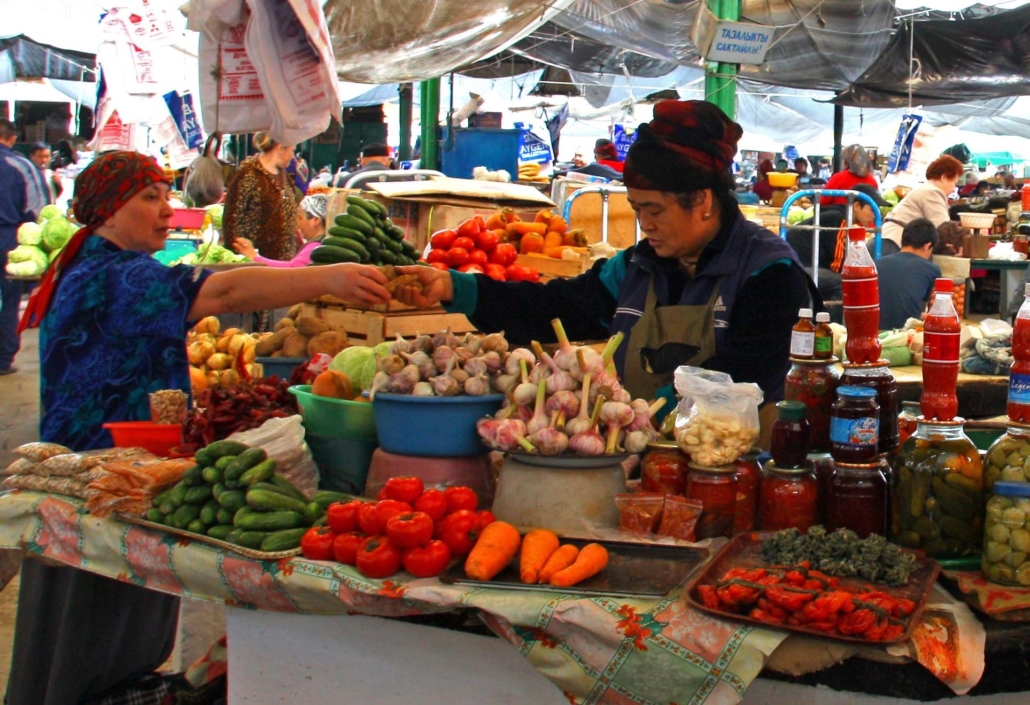
COVID-19 Vaccination in UruguayAt the start of the COVID-19 pandemic, Uruguay had some of the lowest infection rates in Latin America. On June 30, 2020, Bloomberg reported that while its bordering country Brazil had 1.34 million total cases, Uruguay had only 932 cases. Now, about a year later, COVID-19 vaccination rates in Uruguay are among the highest in Latin America, with more than four million doses received by citizens.
Impacts of COVID-19 in Uruguay

As a result of the COVID-19 pandemic, Uruguay’s unemployment rates have increased dramatically. In March 2020, more than 86,000 citizens applied for unemployment insurance. Before the pandemic, applications averaged 11,000 per month. A complete vaccination rollout is critical for Uruguay’s citizens to return to work.

Uruguay has already started to reopen businesses, but since only about half of the country has been vaccinated, infections are increasing. In order to avoid another shutdown of the country and another fall in employment, efforts for COVID-19 vaccination in Uruguay need to receive continued support and funding.

Vaccine Success

On June 8, 2021, Uruguay released reports about the success of the Sinovac Biotech vaccine along with more information about the Pfizer vaccine. According to Reuters, Sinovac’s COVID-19 vaccine was more than 90% successful in preventing intensive hospitalization and death. Further, the vaccine reduced COVID-19 infections by 61%. The Pfizer vaccine was 94% effective in preventing intensive care hospitalization and death and 78% effective in reducing COVID-19 infections.

Increasing COVID-19 Cases in Uruguay

COVID-19 vaccination in Uruguay has been very successful so far, with 52% of the population given at least one dose of either the Sinovac, Pfizer or AstraZeneca vaccines. Despite this success, Uruguay is also facing a crisis as COVID-19 infections skyrocket.

For several weeks in late May and early June 2021, Uruguay had one of the highest global COVID-19 related death rates per capita. In the last week of May 2021, the small nation of just 3.5 million residents recorded an average of 55 deaths per day. Many experts blame public health guidelines that have become increasingly lax as the pandemic continues. Not enough of the population is vaccinated to support the less restrictive public health measures and Uruguay is now rushing to further increase its vaccination rates.

Global Support

The United States is working with COVAX to improve the vaccine rollout around the world, which might help Uruguay. COVAX is led by the Coalition for Epidemic Preparedness Innovations, the World Health Organization, Gavi and UNICEF. Its goal is to vaccinate at least 20% of every participating country’s population by the end of 2021. NPR notes that it may not be able to meet this goal due to the global vaccine shortage. Wealthier countries that have already secured enough vaccines for their populations need to step in to help struggling countries with vaccine donations.

Supporting the Global Vaccine Rollout

According to the Stanford Social Innovation Review, there are many ways in which organizations can support the global vaccine rollout. First, it is important that there is a level of trust between citizens and the distributors of the vaccine. Many people are hesitant about vaccines because they do not necessarily trust the intentions of vaccine developers. With trustworthy messengers such as community leaders and trusted organizations working to combat vaccine hesitancy, people may be less reluctant to receive a vaccine.

Second, the delivery of vaccinations requires innovation. A major problem for those in rural and low-income areas is a lack of access. Many cannot travel far to receive a dose, therefore, investing in creative ways to deliver vaccines to remote locations is important. For example, implementing mobile vaccination sites.

Finally, supporting the training of local healthcare workers in contact tracing, COVID-19 education and vaccination means more people will be qualified to address the pandemic. Thus, COVID-19 vaccination in Uruguay can continue long after global organizations leave the area, ensuring efforts are sustainable. With private and public sector groups working together, combating the COVID-19 pandemic and improving global health is not a distant goal.

– Jessica Li
Photo: Flickr

July 16, 2021
https://borgenproject.org/wp-content/uploads/borgen-project-logo.svg 0 0 Jennifer Philipp https://borgenproject.org/wp-content/uploads/borgen-project-logo.svg Jennifer Philipp2021-07-16 07:30:212024-05-30 22:23:50COVID-19 Vaccination in Uruguay
Food & Hunger, Food Aid, Foreign Aid, Global Poverty

Promising Foreign Aid in Central Asia

Foreign Aid in Central Asia
Central Asia comprises Kazakhstan, Tajikistan, Uzbekistan, Turkmenistan and Kyrgyzstan. The combined population of these countries is about 72 million. Promising foreign aid efforts in Central Asia are working to combat a variety of issues in these countries.

Food Distribution

One critical area for foreign aid in Central Asia has been food security. During the COVID-19 pandemic, the World Food Programme (WFP) has been leading a program to provide food to impoverished children in Tajikistan. This program has given vegetable oil and flour to more than 22,000 households in Tajikistan.

This has been part of a more significant effort by the WFP School Feeding Programme to ensure student food security in Tajikistan. The School Feeding Programme has helped more than 600,000 students across the country.

Russia is a critical contributor to these aid programs. Since 2012, Russia has given more than $28 million to the School Feeding Programme to facilitate food distribution and the modernization of food infrastructure for schools.

The World Food Programme and Russia are not the only sources of food aid in Central Asia. The United Arab Emirate’s 100 Million Meals campaign has distributed more than 600,000 meals to Central Asia as of June 2021.

The organization gave out food baskets with enough food to feed an entire family for a month. It assists families in Kazakhstan, Tajikistan and Kyrgyzstan. The campaign coordinated with other charity organizations within these three countries, and the campaign target has already increased from 100 million meals to more than 200 million meals.

Electrical and Water Supply

Another critical area for foreign aid in Central Asia is the development of electrical infrastructure and water management. The U.S. recently started an effort via USAID to develop a sustainable and reliable electricity market in the region. An October 2020 agreement between USAID, Kazakhstan, Kyrgyzstan and Tajikistan planned to create an electrical market with “expected economic benefits from regional trade and… reductions in greenhouse gas emissions.”

USAID also recently started the Water and Vulnerable Environment project, which will help all five Central Asian countries. The project aims to “promote regional cooperation to improve natural resources (water) management that sustains both growths, promote[s] healthy ecosystems, and prevent[s] conflict.” This is the second water management project USAID has supported in the region in recent years, as it recently completed the Smart Waters project.

The Smart Waters project successfully ensured that dozens of citizens received degrees in water management or received additional training in the field. The project also trained almost 3,000 people in “water resources management, water diplomacy, water-saving technologies, and international water law through 100 capacity building events.”

Medical Assistance

USAID partnered with the World Health Organization (WHO) in 2021 to help Uzbekistan address the management of drug-resistant tuberculosis. The project’s goal is to better manage the disease by providing assistance to Uzbekistan’s Ministry of Health. The program conducted 35 training sessions throughout Uzbekistan, which resulted in more than 600 specialists receiving certification to prevent, identify and treat drug-resistant tuberculosis.

In recent years, foreign aid in Central Asia has resulted in food distribution, medical assistance, efforts to develop an electrical grid and assistance in water management. The U.S., Russia and the United Arab Emirates have contributed to these efforts alongside various international and local organizations.

– Coulter Layden
Photo: Flickr

July 13, 2021
https://borgenproject.org/wp-content/uploads/borgen-project-logo.svg 0 0 Kim Thelwell https://borgenproject.org/wp-content/uploads/borgen-project-logo.svg Kim Thelwell2021-07-13 10:39:482024-05-30 22:23:54Promising Foreign Aid in Central Asia
Global Poverty

Female Genital Mutilation in Senegal

Female Genital Mutilation in Senegal
Female genital mutilation in Senegal is still happening. Female genital mutilation (FGM) is an internationally acknowledged human rights violation. The World Health Organization (WHO) defines it as any procedure involving the partial or total removal or other injury to the female genital organs without proper medical cause.

Estimates have determined that internationally, there are 200 million women alive today who have undergone the procedure. FGM, while incredibly detrimental to long-term health, has been devastatingly popular for so long because of its cultural significance. Female genital mutilation in Senegal, in addition to Africa, the Middle East and Asia, has the purpose of controlling sexual behavior. This is to prepare young girls for marriage and keep girls ‘clean’ and ‘feminine.’

The Costs of Female Genital Mutilation

The practice leads to incredibly painful lifelong complications like horrific problems with childbirth, urination, menstruation and safe sex. Moreover, WHO estimated that the international monetary costs of treating health complications from FGM were $1.4 billion in 2018. Unfortunately, this figure could almost double by 2037.

Despite this prediction, Senegal has presented a fascinating case that defies international trends. Grassroots organizations and leadership from women in Senegal have demonstrated the resilience and power of localized movements and communities in effectively denouncing this practice. Because of this, the rates of female genital mutilation in Senegal have decreased in contrast to its persistent presence globally.

Senegal’s Progress in the Fight Against Female Mutilation

The action that some have taken against female genital mutilation in Senegal is especially promising given its past prominence in the national culture. In 2017, the Senegal Demographic and Health Survey found that almost 25% of 15 to 49-year-old women had undergone the procedure, as well as 14% of girls ages 0-14.

Since 2017, Senegal has made impressive strides to lower these numbers. The nation is now on track to become the first African country to fully make genital cutting a thing of the past.

Tostan is an NGO that has been working within communities in Senegal to put a stop to human rights violations like female genital mutilation and cutting. Tostan works with villages to increase literacy rates and bolster education initiatives including topics like proper healthcare, feminine hygiene, child welfare and human rights. Along with this advocacy work, Tostan encourages mothers, typically those who have undergone FGM, to speak out against the practice. Encouraged to not cut their daughters, these mothers now condemn it at community gatherings. Tostan’s work has helped 5,300 villages put a complete stop to the execution of this practice.

Tostan’s methods became replicated throughout Senegal and have led to surges of mothers speaking out for the cause. Following Tostan’s work, artists, rappers and other members of communities creatively engage in initiatives to spread awareness and promote discussion about the ramifications of FGM.

Looking Ahead

The progress in the fight against female genital mutilation in Senegal stands to teach international leaders and governments a lot. While regulation and legislation are important to stop this human rights violation, Senegal is showing how attitude and cultural shifts are the keys to real change.

Female genital mutilation in Senegal became illegal in 1999. However, this strong symbolic gesture only stopped medical professionals from administering the procedures. Determined parents were still able to cut their daughters, just without properly sanitized tools or medical care.

It is all the more important to educate communities of the very real and life-long ramifications of female genital mutilation, as well as empower women’s voices and grassroots movements to truly end this practice. Since many in Senegal still consider FGM to be a part of their cultural identity, the voices of women within communities, rather than external influence and legislation, are incredibly important to create change.

– Jaya Patten
Photo: Flickr

July 12, 2021
https://borgenproject.org/wp-content/uploads/borgen-project-logo.svg 0 0 Kim Thelwell https://borgenproject.org/wp-content/uploads/borgen-project-logo.svg Kim Thelwell2021-07-12 15:37:542021-07-13 15:05:52Female Genital Mutilation in Senegal
Page 6 of 17«‹45678›»

Get Smarter

  • Global Poverty 101
  • Global Poverty… The Good News
  • Global Poverty & U.S. Jobs
  • Global Poverty and National Security
  • Innovative Solutions to Poverty
  • Global Poverty & Aid FAQ’s
Search Search

Take Action

  • Call Congress
  • Email Congress
  • Donate
  • 30 Ways to Help
  • Volunteer Ops
  • Internships
  • Courses & Certificates
  • The Podcast
Borgen Project

“The Borgen Project is an incredible nonprofit organization that is addressing poverty and hunger and working towards ending them.”

-The Huffington Post

Inside The Borgen Project

  • Contact
  • About
  • Financials
  • President
  • Board of Directors
  • Board of Advisors

International Links

  • UK Email Parliament
  • UK Donate
  • Canada Email Parliament

Get Smarter

  • Global Poverty 101
  • Global Poverty… The Good News
  • Global Poverty & U.S. Jobs
  • Global Poverty and National Security
  • Innovative Solutions to Poverty
  • Global Poverty & Aid FAQ’s

Ways to Help

  • Call Congress
  • Email Congress
  • Donate
  • 30 Ways to Help
  • Volunteer Ops
  • Internships
  • Courses & Certificates
  • The Podcast
Scroll to top Scroll to top Scroll to top