Posts

Health Improvements in MalawiMalawi is a small country near the Eastern coast of Africa, nestled between Tanzania, Mozambique and Zambia. The nation found freedom from Britain on July 6, 1964 and has since become an agricultural nation. The country itself is nearly 46,000 square miles, boasting mountains and lakes. The most well-known lake is Lake Malawi, the ninth-largest lake in the world and the third-largest in Africa. As of 2025, Malawi has a population of 19 million and an expanded health budget, leading to significant improvements in the country’s health care system.

Why Did the Budget Increase Now?

Several organizations focused on financial assistance and health financing supported the Ministry of Finance and Economic Affairs in drafting Malawi’s 2025/2026 health budget. Their involvement extended beyond health and contributed to shaping the entire national budget. Key organizations included the Partners in Population and Development Africa Regional Office (PPD-ARO), the Advancing Domestic Health Financing (ADHF) project, well-equipped civil society organizations (CSOs) and the African Institute for Development Policy (AFIDEP).

Another factor behind Malawi’s increased health budget is the Lusaka Agenda, launched on Universal Health Coverage Day, after a 14-month global consultative process. It outlines five strategic shifts to better align external support with a single national plan, budget and monitoring framework. Indeed, as the foundation of Malawi’s new budget, it is expected to drive sustainable health improvements nationwide.

The Scale of the Health Budget Increase

The overall health care budget for Malawi for 2025 and 2026 has risen by 8.5%, from $421 million to $456 million. Funding for family planning commodities rose by 10%, increasing from about $404,000 to $445,000. Direct Facility Financing saw a sharp 150% rise, from around $115,000 to $288,000.

The government also pledged roughly $11.5 million to build 55 new health posts. Meanwhile, the national drug budget expanded by 25%, reaching nearly $40.4 million and the vaccine budget grew substantially by 150%, climbing from about $577,000 to $1.44 million.

What New Programs Will Be Added?

According to the AFIDEP, the newly improved budget will focus on sexual and reproductive wellness, family planning and strengthening things on the administrative side. However, these improvements are not the only steps being taken; general health care in Malawi will also improve. These efforts will assist people wanting to start families and keep themselves safe.

Other Ways the Increased Budget Will Help

The increase in Malawi’s health budget is expected to improve health care nationwide. Young people are mobilizing to learn more about health issues, equipping themselves to make informed decisions and influence how the system serves them.

Furthermore, through the READY Movement, an organization focused on youth empowerment, young people are being educated about HIV prevention and the funding gaps in this area of the new budget. They are better positioned to influence their communities and advocate for stronger health care responses by raising awareness.

– Zoe Felder

Zoe is based in Charlotte, NC, USA and focuses on Good News and Global Health for The Borgen Project.

Photo: Flickr
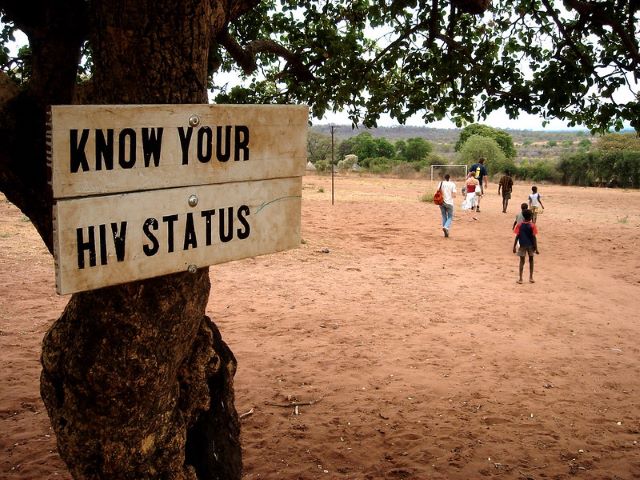
sexuality EducationThe age group of 15 to 24 accounts for 16% of the global population but represents 34% of people in the age group of 15 to 49 that acquire HIV each year. Young people remain disproportionately affected by the HIV epidemic and comprehensive sexuality education is a strategy for addressing this issue.

Comprehensive Sexuality Education (CSE)

In the 2016-2021 Strategy of UNAIDS, one of the eight sub-strategies includes “quality comprehensive sexuality education accessed by all adolescents and young people.” Many other organizations believe comprehensive sexual education is essential for young people to protect themselves from HIV and other sexually transmitted infections.

Comprehensive Sexuality Education (CSE) is a curriculum-based program taught in school or out of school and over several years. The purpose of CSE is to “provide age-appropriate information about human rights, human sexuality, gender equality, puberty, relationships and sexuality and reproductive health.”

Digital Sexual Education

In places where there are ineffective or insufficient schools, digital sexuality education may be a substitute. Over 70% of 15 to 24-year-olds are online so sexuality education and information are increasingly being delivered through a digital format. Although millions have access to online sexuality education, research is limited regarding its impact. Although digital education is effective in reaching large groups of young people, some fear that cyberbullying and unsafe online research could hinder the success of online tools.

CSE Initiatives

The HIV epidemic impacts many regions, but sub-Saharan Africa remains the most affected. With support from the United Nations, the Southern African Development Community (SADC) and the East African Community (EAC) joined together to provide sexual education in the region. In 20 Eastern and Southern African countries, adolescents can access comprehensive sexuality education.

In support of comprehensive sex education, UNESCO alongside five other organizations published the International Technical Guidance on Sexuality Education. The document outlines key topics for curriculums specific to different regions.

In 2002, The UNAIDS Inter-Agency Task Team (IATT) on Education and School Health was created to improve HIV education. The IATT aims to increase leadership support and resource allocation for HIV and health education. IATT members believe that education is essential for successful HIV programs.

The Impact of CSE

CSE provides more than information. It aims to help young people establish positive values regarding their sexual health through discussions about relationships, gender roles and sexual abuse.

In a study focused on measuring the impact of curriculum-based sex and HIV education programs on adolescents or young adults between 9 and 24 years old, 65% of the programs had a significantly positive impact on behavior.

With more focus on education as a tool for prevention, it is hopeful that the global HIV epidemic will be positively impacted.

– Rachel Durling
Photo: Flickr

1Doc3There are less than two doctors for every 1,000 individuals in Latin America, making access to health information and medical guidance difficult to reach. Javier Cardona and Nicolas Duran Lopez created 1Doc3 in 2013 to change this, and the healthcare platform has already been making waves.
Background

1Doc3 (pronounced “uno doc tres”) is an online health platform that allows millions of Spanish-speaking users to ask health-related questions and receive professional medical guidance in real-time using artificial intelligence (AI). In addition, it provides data to health insurers and pharmaceutical companies to let them reach customers more efficiently. Furthermore, 1Doc3 is free and allows users to remain anonymous. It receives around $2 million in funding from investors like Wayra, TheVentureCity, Mountain Partners and Mountain Nazca.

The platform, which can be downloaded on computers and mobile devices, keeps a database of over 400 licensed doctors who are recruited, trained and monitored, ensuring that patients receive answers from the most qualified professionals. These doctors build their reputation online by providing personalized answers to users for free. This type of access is convenient, free and anonymous and allows users to make more informed choices regarding their health and wellbeing.

Helping Its Users

1Doc3 has served over 490 million Spanish-speaking users in 120 countries, 53 percent of whom are below 34 years old. Over 60 percent of the questions asked by these younger users are related to sex. While these types of questions may normally be too embarrassing to ask in person, the anonymity of 1Doc3 allows young patients to receive the right medical guidance and even provides coupons for products like condoms.

The platform uses AI to help these users navigate towards relevant information. For example, if a user were to ask a question related to their back pain, AI would ask where the pain is “above or below,” and if it is a “stabbing pain.” The personalized and innovative service is highly sought after and has even earned itself a partnership with Internet.org, a system that brings connectivity to users in places where internet access is spotty at best.

Helping Insurance Companies and Pharmacies

There is also a commercial aspect to 1Doc3. The platform’s AI serves as a data collecting module. Over 70 million questions are asked each year and this makes the database extremely informative. With this information, health insurers can provide cheaper treatment to patients by eliminating the necessity to physically go to a physician’s office – in fact, users save an average of 11 percent on treatment when they use 1Doc3.

The platform also helps medical insurance and pharmaceutical companies identify patients for rare diseases. For example, 1Doc3 helped a client pharmaceutical company find patients who were suffering from ankylosing spondylitis, which is a relatively rare and difficult to diagnose. 1Doc3 identified back-pain along with the presence of three or four other symptoms to seek out those suffering from ankylosing spondylitis and provide resources for treatment. In this case, it connected patients to pharmaceutical companies who could provide the right medication and professional care.

The Future of the Health Industry

1Doc3 is described by Javier Cardona as a pocket-size doctor who is available to users at any time and provides integrated solutions to health issues. Although the bulk of its users are in Colombia, Mexico, Argentina and Peru, the administrative team is planning to expand globally and provide these capabilities to users all over the world.

While other healthcare platforms may also provide medical information to users, it is not always personalized. 1Doc3 is a revolutionary free service that changes the face of healthcare by connecting patients to doctors in a timely manner and pointing users in the right direction. It removes barriers like time, cost and inaccessibility and puts the health back in the hands of the user.

– Julian Mok
Photo: Flickr

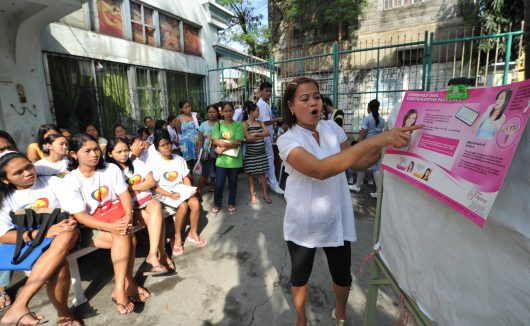
Sex Education in Guatemala
Guatemala has one of the highest teen pregnancy rates in Latin America. By age 20, 54 to 68 percent of indigenous or uneducated women have married or become pregnant.

This number is raised by a high rate of sexual abuse that boys and girls suffer: 10,000 cases are reported every year. One of the many reasons these statistics are so alarmingly high is a lack of comprehensive sex education in Guatemala. In 2012, only two percent of schools had effective programs; but fortunately, many advocates have worked to counteract these dismal statistics over the past few years.

Comprehensive sex education is incredibly beneficial to children of all genders. The National Survey of Family Growth discovered that pregnancy rates for 15 to 19-year-olds are 50 percent lower for teens who receive comprehensive sex education than for teenagers who received less education.

Guatemalan children need to be taught about contraceptives, STIs, HIV, pregnancy and especially consent. Programs should emphasize the goals of improved gender equality as well as increasing male involvement in family planning. These alterations would allow teenagers to have more control over their reproductive health as well as counteract the dangerous culture of violence and rape.

Fortunately, new legislation has paved the way for improvement. The 2010 Preventing through Education Act calls for comprehensive sex education in Guatemala and increases teenage access to sexual health services.

Sex educator Ana Lucía Ramazzini insists that “sex education cannot be successful in Guatemala without being taught from a feminist viewpoint that addresses consent, assault and the power dynamics and social inequalities between men and women.” Two other laws have been similarly positive — hospitals are now required to report pregnancies for girls under 14, and the marrying age with parental consent has been raised from 14 to 16.

Three years after the Prevention through Education Act, a program with gender equality views was incorporated into nine regions. After the 2010 law passed in Guatemala, the rate of teen pregnancy decreased from 90 births per 1000 women ages 15-19 to 81 births in 2014. While the statistic is not overtly dramatic, the steady decline does indeed bode well for the future.

Ten Guatemalan organizations and a handful of international organizations continue to transform sex education from bill to reality. UNAIDS works to educate people about HIV and decrease the stigma surrounding the condition for the 65,000 people in Guatemala who live with the disease and require treatment. Two Guatemalan organizations in particular, Asociacion Pro-Bienestar de la Familia de Guatemala (APROFAM) and Incide Joven, have done exceptional work in this field.

APROFAM is a family planning organization that serves Guatemala with 27 permanent clinics, five mobile facilities and a large number of community distributors. Their clinics and workshops provide education for both men and women about the effectiveness of contraceptives and family planning services. Using media from comic strips and television shows, they educate the public on both sexual health as well as issues of consent and abuse.

Incide Joven is a similar organization, but its uniqueness stems from the fact that it is entirely youth-run. Like APROFAM, Incide Joven is dedicated to making sex education available for teenagers. Their advocacy was very successful in creating the valuable Gender and Cultural Diversity office as part of the Ministry of Education to oversee new sex education. APROFAM and Incide Joben share sex educator Ana Ramazzini’s ideology by encouraging both genders to take an active role in family planning.

With such high rates of abuse and teenage pregnancy, sex education in Guatemala is a tough job. Fortunately, children are growing more aware of their rights and the risks of young sex. A 10-year-old listing off information about HIV at a UNAIDS event said that “[children] are very young for sex. Ah! And that our body is only ours and no one can touch it.”

The emphasis on consent in sex education in Guatemala not only builds a better-informed public, but it also is a large step in the right direction for female empowerment and youth rights.

Jeanette Burke

Photo: Bustle

The_AIDS_Crisis_in _Thailand
When many think of places most devastated by the AIDS crisis, usually Sub-Saharan Africa first comes to mind. However, the disease also has spread to parts of South and Southeast Asia, where it is perhaps not as destructive, but still a major public health concern. Countries such as Indonesia, Laos, the Philippines and Sri Lanka all have rising rates of HIV/AIDS deaths. Thailand is particularly afflicted by this auto-immune disease. In total, nearly 500,000 people live with HIV/AIDs.

Mechai Viravaidya, the former politician and activist who first began the campaign to fight AIDS two decades ago, has become vocal once again. He claimed that “The government has fallen asleep at the wheel” and that HIV has become a health crisis in Thailand.

The figures seem to confirm his decree. HIV/AIDS remains the number one cause for premature death in Thailand and HIV infections are now rising. Since 2011, the number of AIDS-related deaths has also been rising.

The burden of the epidemic has fallen heavily on certain high risk groups. One such group is young people; those aged between 15 and 24 accounted for around 70% of the annual sexually transmitted HIV cases.

Among young people, certain minority and marginalized demographics are even more likely to contract HIV. In Thailand’s capital, Bangkok, the percentage of gay men with HIV has risen drastically. While in 2003 an already shocking 17% of homosexuals living in the city had HIV, by 2011 those figures had risen to nearly 30%.

Two more marginalized groups, intravenous drug users and migrant sex workers, are also vulnerable. Unlike their counterparts in brothels, informal, migrant sex workers do not receive information or health services that would help them to avoid contracting HIV. Those who inject drugs are likely to receive inadequate government support for their addictions; the Thai government will only provide addicts with 11 sets of clean needles a year compared to the 88 needles deemed necessary.

Yet, as bad as the crisis is now, it was once far worse. From 1991 to 2003, Thailand experienced a 90% decline in the number of HIV infections. This trend, until recently, had continued; while in 2005 the annual total of new infections was around 15,000, in 2013 it fell nearly in half to only 8,000. Much of this dramatic decline can be contributed to comprehensive awareness campaigns and the widespread dissemination of condoms throughout the sex industry.

So, then, why has this progress stagnated in recent years?

The answer lies in generational changes that have taken place over the past 20 years. The advent of smart phones and the expansion of social media on the Internet have allowed people to connect and have sex without having to meet in public places such as bars, where many of the awareness campaigns took place. This shows in the data; according to a UNAIDS report, “There is no clear sign of improvement in knowledge, condom use and STI among general population and youths on the national scale.”

AIDS was once the number one cause of death in Thailand when the epidemic was at its peak. Today AIDS is the fifth leading cause of death. With renewed efforts, hopefully it can fall even lower on that list.

Andrew Logan

Sources: Bangkok Post, Trust, UNICEF, UNAIDS, Voice of America
Photo: Flickr

UN Women is an organization that was created in July 2010 by the United Nations General Assembly. The organization’s full name is the United Nations Entity for Gender Equality and the Empowerment of Women; its mission is to promote gender equality throughout the world and champion women from all walks of life.

Many women in the world face discrimination in the workplace, and receive fewer opportunities when it comes to career and educational advancement. UN Women sees this kind of gender discrimination happening all over the world, and makes it a part of its agenda to ensure that women have basic and equal human rights. Women are often denied access to health care, and even worse, they lack the political voice to change such conditions because of their stark under-representation in governmental decision making.

One of the major issues on the UN Women’s agenda is the end to violence against women. In a 2013 global review, published by the World Health Organization, it was reported that 35 percent of women in the world have experienced some kind of violence from an intimate partner. UN Women also focuses on the different aspects that are associated with violence against women: sex trafficking, child brides, rape, and sexual harassment in the work or education place.

Partnering with government agencies is an effective way that UN Women is able to take action against the various forms of discrimination against women. UN Women channels its efforts on implementing laws that will help protect women against threats like violence. It also advocates for policies that will open up more economic opportunities for women.

The wage gap between men and women is something that UN Women takes very seriously and seeks to bring to a close by implementing policies that argue for fairness in the workplace. A large part of the organization’s mission to empower women comes from its dedication to spread awareness in response to the AIDS epidemic. Women make up 54 percent of all people living in the world with HIV. UN Women has made it a job to spread awareness on the factors connected to the spread of HIV/AIDS. With the help of its partners, and resources UN Women has been able to broadcast the voice of women living with AIDS and it takes steps to help prevent the spread of the disease.

UN Women is gaining momentum and acquiring more support. Actress, Nicole Kidman, showed her support for the organization during an acceptance speech at the Variety Magazine Power of Women Awards event. Kidman encouraged her audience to see the desperate need for women’s equality in the world.

– Chante Owens

Sources: UN Women, Daily Mail

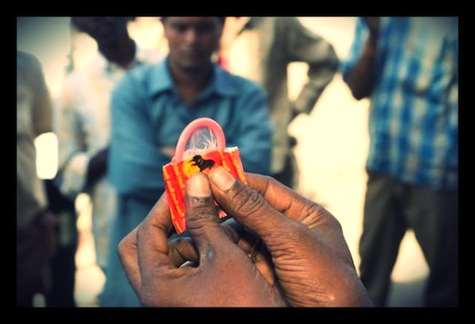
Gates Foundation Wants New Condoms

Bill Gates is asking investors and scientists to develop a new gadget—an improved condom.

It may seem like a job for Trojan, but the Bill and Melinda Gates Foundation wants new condoms. The unique request is part of its “Grand Challenges in Global Health” initiative. The program awards grants of $100,000 and follow-up grants of as much as $1 million to individuals who develop solutions to global health issues. The latest report details successful recipients combating malaria, HIV, and tuberculosis.

According to the Grand Challenges website, “Condoms have been in use for about 400 years yet they have undergone very little technological improvement in the past 50 years.” The only major improvements include the switch to latex and quality control measures to test each individual condom during production. Both of these measures increased the effectiveness of condoms, but the basic design of condoms has yet to transform.

Condoms are the most ubiquitous defense against unwanted pregnancy and sexually transmitted diseases. This undervalued resource is a lifesaver in developing countries.  Condoms should be necessary for sexual health, but many men and women shy away from using them due to discomfort, societal stigmas, and reduced sensation. Some cultures perceive condom use as a sign that the person has AIDS.

The Gates Foundation hopes to eliminate these concerns so more people will use condoms regularly. The challenge seeks to make prophylactics more user friendly. “If we could make something better, we could have a really substantial effect on HIV prevention and unintended pregnancy in Sub-Saharan Africa and South Asia,” said Stephen Ward, a program officer at the Bill & Melinda Gates Foundation.

The program is limited to condoms rather than multi-purpose prevention devices (such as vaginal rings) because these programs are not readily available worldwide. The condom is still simple enough that it can be distributed at a low cost. Not to mention, condoms are useful even in communities that lack health care professionals.  “Any advance or new design that gets people to use condoms would be a big plus,” said Dr. Anthony Fauci, one of the world’s leading AIDS researchers.

Applicants must complete a two-page application by May 7. Two frontrunners have already emerged. Origami, a California company, focused on usability and comfort. They are creating a new silicone injection-molded condom.  University of Washington researchers look to increase the effectiveness of anti-HIV drugs.  Their model features electrically spun fabric that allows sperm-blocking drugs to dissolve more quickly.

Whitney M. Wyszynski
Source: Co.Exist
Photo: CNET