• Link to X
  • Link to Facebook
  • Link to Instagram
  • Link to TikTok
  • Link to Youtube
  • About
    • About Us
      • President
      • Board of Directors
      • Board of Advisors
      • Financials
      • Our Methodology
      • Success Tracker
      • Contact
  • Act Now
    • 30 Ways to Help
      • Email Congress
      • Call Congress
      • Volunteer
      • Courses & Certificates
      • Be a Donor
    • Internships
      • In-Office Internships
      • Remote Internships
    • Legislation
      • Politics 101
  • The Blog
  • The Podcast
  • Magazine
  • Donate
  • Click to open the search input field Click to open the search input field Search
  • Menu Menu

Tag Archive for: Poverty in Morocco

Posts

Global Poverty, Natural Disaster

Earthquake Recovery Project: Rebuilding Morocco

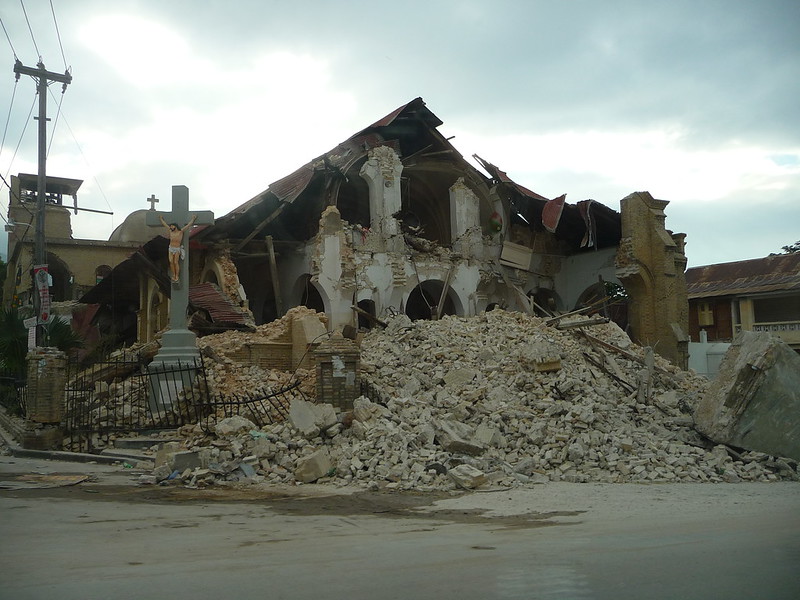
Earthquake Recovery Project: Rebuilding MoroccoOn Sept. 8, 2023, a 6.8-magnitude earthquake struck Morocco’s High Atlas Mountains, marking the country’s deadliest seismic event in recent history. The disaster claimed nearly 3,000 lives, injured more than 18,000 people and damaged about 60,000 homes, especially in remote regions like Al Haouz and Taroudant provinces. Entire communities lost shelter, access to basic services and vital infrastructure, forcing families to rebuild their lives from the ground up.

Earthquake Recovery Project

In response, the Moroccan government introduced a five-year recovery project valued at approximately 120 billion dirhams (about $11.7 billion). The plan prioritizes rehousing, infrastructure upgrades and social and economic development. A central feature of the plan, the “supervised self-construction” model, allows affected residents to rebuild their homes using government financial support and architectural guidance. Reconstruction efforts focus on the most severely affected areas, including the provinces of Al Haouz, Chichaouoa, Taroudant, Marrakech, Ouarzazate and Azilal.

The project aims to reach 4.2 million people. Funding comes from the national budget, international aid and various public and private contributions. USAID committed $12.6 million to support Morocco’s earthquake recovery project. Eligible families receive up to 140,000 dirhams (approximately $13,600) to cover reconstruction and temporary housing needs.

Challenges Ahead

Despite the ambitious plan, progress remains slow. By 2024, only around 1,000 of the targeted 55,000 homes had been built. Labor shortages, rising material costs and difficult mountain terrain have created bottlenecks. Landslides left many roads blocked by debris and boulders, preventing emergency services and aid convoys from reaching those in need. The government also faced criticism for limiting foreign aid. Authorities initially accepted help only from a few countries—Spain, Qatar, Britain and the UAE—while declining offers from others, including France, Germany, Tunisia, Canada and the United States (U.S.) Many viewed this decision as a missed opportunity to accelerate the recovery process and widen the scope of assistance.

Community-Led Recovery

While national efforts struggled, grassroots initiatives stepped in to fill the gap. In Ait Bourd, a Moroccan architect introduced an insulated, earthquake-resistant home design capable of replacing about 50,000 destroyed homes. The Atlas Foundation partnered with local communities to support participatory planning and build capacity, ensuring that villagers guided the rebuilding process themselves. In Talat N’Yaaqoub, residents organized teams to clear rubble and distribute supplies. University students from Marrakech launched mobile clinics and provided psychological support for survivors. Caritas Morocco, with backing from the Caritas Confederation, worked to deliver clean water, food and hygiene essentials. These local initiatives did more than meet immediate needs—they also strengthened community resilience and laid a foundation for long-term recovery.

Looking Forward

These community-led initiatives address immediate needs and lay the groundwork for sustainable development and resilience against future disasters. As Morocco navigates the complex path to recovery, integrating grassroots efforts with national and international support may help accelerate reconstruction. Ongoing coordination, resource mobilization and attention to regional disparities could likely influence the pace and scope of long-term recovery. Monitoring progress and adapting strategies to on-the-ground realities remain important as rebuilding continues across affected provinces.

– Sebastian Llerena

Sebastian is based in Edison, NJ, USA and focuses on Global Health for The Borgen Project.

Photo: Flickr

June 17, 2025
https://borgenproject.org/wp-content/uploads/borgen-project-logo.svg 0 0 Precious Sheidu https://borgenproject.org/wp-content/uploads/borgen-project-logo.svg Precious Sheidu2025-06-17 01:30:132025-06-16 10:08:47Earthquake Recovery Project: Rebuilding Morocco
Africa, Global Poverty, HIV/AIDS

Addressing HIV/AIDS in Morocco

HIV/AIDS in MoroccoThe HIV/AIDS epidemic in Morocco has had life-changing consequences for communities all over the world. International leaders have made significant progress over the past 30 years in improving awareness of the disease and accessibility to treatment, but countries must still take substantial action to fully eradicate it. Morocco has taken large strides towards this, launching various campaigns to do so. However, the extreme levels of poverty that the country is facing are forcing its residents into lifestyles that intensify their risk of contracting the disease, while the government’s lack of economic stability means prevention and treatment schemes are difficult to enact. Without U.S. support, the country lacks many resources which would be indispensable to its fight against HIV/AIDS in Morocco.

The Prevalence of HIV/AIDS in Morocco

As of 2024, the number of people living with HIV in Morocco stands at 23,000. About 5.9% of HIV/AIDS cases are men who engage in sexual relationships with other men (MSM), 7.1% are drug users and 2.3% are sex workers. The socio-political climate of Morocco still subjects these populations to extreme levels of discrimination, which often prevents them from seeking treatment. Additionally, 9% of Morocco’s population live currently in poverty. These difficult conditions, alongside the prevalence of sex tourism and human trafficking, mean there are an estimated 4.3 million sex workers living in Morocco, 2.3% of whom (knowingly) suffer from HIV.

The prevalence of drug users is also intertwined with national poverty, with economic stress forcing many to turn to substance abuse as a form of relief. The country’s lack of free health care also stands as a barrier to impoverished individuals accessing diagnoses and treatment, further increasing the risk of infection for those affected. Offering schemes to help alleviate the pressure of national poverty may prevent those it affects from turning to high-risk modes of employment and dangerous drug use, while making treatment accessible to those unable to afford healthcare bills. 

Breaking Down the Stigma

In comparison to other Middle Eastern and North African countries, the rate of HIV/AIDS among the population is relatively low. This is due to Morocco’s unmatched ability in implementing testing, diagnoses and treatment programs within its vulnerable communities. 

Thanks to the introduction of self-testing methods, the population now have access to a more discreet method of diagnosis. However, hospitals must still confirm tests offering positive results, limiting their anonymity and leading to a relatively low use rate.

Morocco’s ban on homosexuality, sex work and injection drugs, alongside general societal disapproval, means that many people who engage in these activities do not attempt to seek treatment for HIV/AIDS. 

In 2024 at the Taragalte Festival, Moroccan artist OUM announced that she would be ascending to the role of National Goodwill Ambassador in Morocco for UNAIDS. As a popular artist and social influencer, OUM’s work in spreading awareness and encouraging education about HIV prevention will be vital in breaking down the intense stigma surrounding the illness. UNAIDS foresaw that OUM’s efforts in erasing negative narratives via her public influence would improve access to HIV/AIDS preventative knowledge, diagnoses and treatment, particularly among high-risk communities in Morocco.

The US’s Impact

The U.S. President’s Emergency Plan for AIDS Relief (PEPFAR), a campaign aimed at controlling the international HIV/AIDS epidemic, does not currently practice in Morocco. This means the country does not have access to U.S. funded resources that could have a significant impact on HIV/AIDS prevention and treatment and, due to the nation’s lower economic status, could not be financed by only their government. PEPFAR supports communities most vulnerable to the illness and with high-risk populations making up the majority of diagnoses in Morocco, the U.S. Department of State’s assistance could offer profound assistance in curbing the epidemic where it is most rife. 

HIV/AIDS in Morocco is preventable. Governmental strategies to combat the disease and its often poverty-rooted causes are already having a profound impact on decreasing its prevalence in the country. However, the epidemic requires further action to achieve total eradication. Reducing societal stigma is an important aspect of making treatment more accessible, but assisting those in poverty, through Moroccan and U.S. funded support, to obtain affordable healthcare schemes and engage in lower-risk lifestyles is by far the most crucial method of ending HIV/AIDS in Morocco for good.

– Amabel Smith

Amabel is based in London, UK and focuses on Global Health for The Borgen Project.

Photo: Unsplash

June 5, 2025
https://borgenproject.org/wp-content/uploads/borgen-project-logo.svg 0 0 Jennifer Philipp https://borgenproject.org/wp-content/uploads/borgen-project-logo.svg Jennifer Philipp2025-06-05 07:30:212025-06-05 00:25:25Addressing HIV/AIDS in Morocco
Gender Equality, Global Poverty, Politics

Implementation of New Social Reforms in Morocco

Social Reforms in MoroccoRecently, the World Bank approved giving $70 million to the Kingdom of Morocco to help boost the country’s decades-long efforts in implementing and extending social reform protection. This will be done through the newly created National Population Registry (NPR), the National Register Agency (NRA) and the Social Registry System (SRS). These are country-wide systems that will also make sure to reach vulnerable populations such as low-income families and women.

According to a 2023 report from the International Monetary Fund (IMF), gender gaps in the Moroccan labor market are quite big, with the gap being around 21% and has been falling since 2004. The labor force in rural areas, in particular, has been declining in terms of the number of women working. The report also mentioned gender disparities in employment rates, in which it was found that unemployment rates were higher for women than they were for men. This presents a major issue, as the report found that if more women were encouraged and able to go to work, Morocco’s economy could be strengthened. There would be more people in the workforce.

Morocco acknowledges its ongoing struggles with gender inequality and its efforts to address this issue through social protection reforms are not recent. These efforts date back to the ’50s and were revitalized in the late ’90s, with a particular focus during the COVID and post-COVID periods.

Moudawana – 2004

Moudawana is Morocco’s family law. First drafted and implemented in the late ’50s, this law was reformed again in 2004. In this law, important rights for women were introduced, such as the right to self-guardianship, divorce, child custody and inheritance. Additionally, the legal age of marriage was raised from 15 to 18 years old. This law was a stepping stone toward improving gender equality in Morocco. The law provides women with self-autonomy and a way to support themselves financially, such as by securing inheritance and the right to self-guardianship.

COVID-19

Fast forward 16 years later, COVID-19 had a profound impact on social reforms in Morocco. It highlighted the need for special protections to be extended to all Moroccan citizens and the need for the country to pay closer attention to low-income individuals and families. At the time of the pandemic, it was found that women experiencing multidimensional poverty were more likely to be living in rural areas.

This is primarily due to a lack of education. According to a study titled “Women’s Poverty in Morocco in the Context of the Covid-19 Pandemic: a Multistory Approach,” “educational deficits explain nearly 60% of the risk of suffering this form of poverty.” In fact, a significant education disparity exists between men and women in Morocco, which undoubtedly contributes to women’s higher rates of poverty. As of 2022, the World Bank reports a 16.5% gap in adult literacy between men and women in Morocco.

In March 2021, during the pandemic, Social Protection Law No. 09. 21 was adopted with the intention of protecting Moroccans against economic and social risks. This law had two phases. The first phase from 2021-2023 would allow the government to focus on the generalization of medical insurance. In contrast, the 2024-2025 phase would require the government to implement unemployment allowances. These medical protections fall under three new registries that the Kingdom of Morocco created and began implementing in 2022.

Post COVID-19

  • NPR – 2022. In early 2022, the NPR was implemented initially as a pilot in Rabat, the capital of Morocco. It is a centralized database containing people’s names and addresses to ensure a record and fair access to social services. Each person is also given a unique identification number.
  • NRS – 2022. The NRS is closely linked to the NPR. However, it is specially referred to as a border system of national databases. The NRS is also responsible for managing and integrating Morocco’s social protection systems.
  • SRS – 2022. Also referred to as the Unified Social Registry (RSU), it is designed to help find vulnerable people for social assistance programs and actually properly allocate the benefits. Unlike the NPR, the SRS does not include everyone. However, it assesses income levels in households and determines whether or not they can receive benefits.

Closing Remarks

These three systems, while still in the beginning stages of implementation, have managed to benefit impoverished women in particular. Often, women in rural areas lack proper identification. In many cases, illiteracy makes it hard to navigate bureaucratic processes. Now that these women have been identified, they are eligible to access government social assistance programs.

Overall, social reforms in Morocco have made steady progress in addressing gender inequality and poverty. While the systems mentioned are new and by no means perfect, the progress has been encouraging to see.

– Aya Diab

Aya is based in New York City, NY, USA and focuses on Global Health and Politics for The Borgen Project.

Photo: Flickr

February 15, 2025
https://borgenproject.org/wp-content/uploads/borgen-project-logo.svg 0 0 Hemant Gupta https://borgenproject.org/wp-content/uploads/borgen-project-logo.svg Hemant Gupta2025-02-15 07:30:192025-02-16 01:37:55Implementation of New Social Reforms in Morocco
Developing Countries, disability and poverty, Global Poverty

Disability and Poverty in Morocco

Disability and Poverty in MoroccoMorocco is working to create an equitable society that is inclusive of people living with disability and poverty. The king and ministers of government in recent years have expressed concerns regarding the connection between disability and poverty in Morocco and have set out to address those concerns. The Moroccan government in conjunction with international nonprofit and aid organizations has made significant progress toward reaching reform goals.

The King’s Decree

King Mohammed VI decreed in 2022 that social protections for citizens experiencing disability and poverty in Morocco would be a top priority moving forward. That year, the king set a 2025 goal for finalizing initial reforms to Morocco’s social protection programs. 

The Arab Reform Initiative has called King Mohammed VI’s decree to focus on health care and social reforms, “one of the most significant decisions since the nation’s independence.”

The Relationship: Poverty and Disability

According to 2023 statistics from the United Nations Development Program, 5.5% of Morocco’s population (727,833 people) have a disability. UNICEF statistics from 2022 show that one in seven children in The Middle East and North Africa live with a disability. Children with disabilities in the region are often marginalized from society due to social stigmas and lack of access to health care and social protection services.

People with disabilities, both visible and invisible, are more likely to experience multidimensional poverty than their peers without disability. One can attribute this to several interrelated factors which cause people with disabilities to experience more barriers when attempting to access education, employment, transportation and health care.

Assistive devices give people with disabilities the opportunity to hear and be heard, to communicate, be mobile and access services. However, these devices, hearing aids and wheelchairs for example, are often costly.

Social stigma and lack of access to services create prohibitive barriers to social and economic inclusion for people experiencing poverty and disability in Morocco. The Moroccan government hopes to reduce those barriers and stigma with its new social reforms.

Urgent Reforms

By the end of 2023, Morocco had already made significant progress towards its goals by working with international organizations and nonprofits. In 2023, the World Bank contributed $350 million USD to social protection initiatives in Morocco.

Dalal Moosa, Senior Economist and Program Co-Leader at the World Bank commended Morocco’s reforms, saying, “The implementation of [social protection programs] will be critical to protecting vulnerable populations such as women, children, people with disabilities and isolated populations in rural or remote areas against health risks.” 

Reforms supportive of those living with disability and poverty in Morocco continued to progress when the government introduced its 2024 budget plan. The 2024 budget specifically allocates funding to programs for children with disabilities. 

About $36.6 million USD of the 2024 Moroccan governmental budget is going to programs and initiatives supporting children with disabilities in Morocco. Minister Naima Ben Yahya estimated that programs funded by the 2024 budget would reach and support 27,500 children living with disabilities.

First Steps

Morocco took its first step toward its goal of providing its citizens with universal health care by merging the private and public health care sectors in 2022. Since then, access to private health care options has reduced the stress on the public health care sector.

In an added push towards its goal of universal health care, Morocco is funding initiatives to support telehealth options for its citizens. The positive impact of the telehealth initiatives is especially noticeable in rural areas of Morocco where health care facilities can be few and far between.

Human Rights and Autonomy

Social stigma is a significant barrier to inclusion and fulfilment for people living at the crossroad of disability and poverty in Morocco. The United Nations Development Programme (UNDP) is focused on breaking down those barriers by upholding and strengthening the human rights and autonomy of people with disability. 

UNDP projects in Morocco include the standardization of sign language within the nation, improvements to the disability certification process and increasing the accessibility of buildings and restrooms. Additional projects that the UNDP is managing in Morocco aim to reduce social stigma by actively dismantling prejudice, spreading awareness and information and promoting social inclusion of people with disability. 

The United Nations Development Programme has expressed optimism about Morocco’s reforms, saying,  “Imagine a world where every person, regardless of their disability, can thrive, actively participate, and fully contribute to society. In Morocco, this paradigm is becoming a reality.”

– Caitlyn Erwin

Caitlyn is based in Asheville, NC, USA and focuses on Good News for The Borgen Project.

Photo: Wikimedia Commons

January 21, 2025
https://borgenproject.org/wp-content/uploads/borgen-project-logo.svg 0 0 Jennifer Philipp https://borgenproject.org/wp-content/uploads/borgen-project-logo.svg Jennifer Philipp2025-01-21 07:30:582025-01-21 00:20:59Disability and Poverty in Morocco
Global Poverty

Countries That Halved Their Multidimensional Poverty Index

Multidimensional Poverty IndexFrom 2000 to 2022, 25 countries successfully halved their Multidimensional Poverty Index (MPI), according to the United Nations Lead Agency on International Development (UND). The MPI measures poverty across three sections: monetary poverty, access to education and infrastructure. Here are some of the reasons five of these countries have been able to halve their Multidimensional Poverty Index.

India

Between 2015–2016 and 2019–2021, 135 million people escaped multidimensional poverty, with the largest decline in the north of India. The different methods of the multi-layered approach are:

  • Access To Clean Water and Sanitation: WaterAid provides access to clean water and sanitation through donations and liaison with governments. A personal story is that of Shyamala, a mother of five living in a remote village and having to defecate outside with little access to clean water. WaterAid provided a septic tank and eventually a toilet, ensuring not only sanitation but also her dignity.
  • Access to State Education: Education is a fundamental tool to escape poverty and charities are ensuring access to it, such as the United Nations Children’s Fund (UNICEF) education program, which provides access to primary school education and enrolment in 17 states. Udaan India Foundation, which provides support for 4 to 22 age groups, ensures that pupils are up to an academic standard as well as communication and problem-solving skills.

Indonesia

Having made substantial progress in reducing the MPI, 19.1% of the population in 2000 lived in multidimensional poverty. In 2022, this was 9.5%.

  • Social Protection Programs: Schemes such as the Family Hope program, provide cash transfers and reaches almost 10 million people. Also, as part of the United Nations (U.N.) No Poverty program in Indonesia, there are 17 key activity programs in Indonesia. One of these is the Youth Employment and Entrepreneurship Support Services program, which provides youth training and development in rural areas.
  • Debit Cards: About six years ago, the Indonesian government introduced debit cards to help the disadvantaged population purchase more food. This digitization has meant that now those in need can buy the exact amount of food required, rather than having an estimation delivered to them. From a randomized controlled study it has been found by the researchers that “for the poorest 15% of households when the study began, switching to debit cards reduced the overall poverty rate by 20%.”

Morocco

Morocco has managed to reduce its multidimensional poverty from 16.2 in 2010 to less than 9% in 2020. 

  • Slowing the Population Numbers: In the last 30 years, the fertility rate has dropped to 2.3 children per adult woman from 5.5. This has meant household budgets are less squeezed and eased pressure on public spending, which has meant investing the money saved into infrastructure, resulting in more access to clean water and electricity.
  • International Support: Moroccan families sending their relatives back home with financial support and investing in state projects help raise living conditions for those left behind. Furthermore, charities and nongovernmental organizations (NGOs) coordinate to provide support to people in need.

Cambodia

Cambodia has made commendable strides in reducing poverty levels, with two million Cambodians escaping multidimensional poverty.

  • Infrastructure Investment: According to the World Bank, “470 kilometers of Cambodia’s national and provincial road network have been rehabilitated with improved climate resilience and road safety as part of the rehabilitation process.” This has meant that travel time has been reduced from 2 to 1.6 hours per 100 km. The initiative also prioritized climate resilience and road safety and strengthened the government’s ability to manage roads.
  • Cash Transfers: UNICEF in 2020 worked with the Cambodian government to provide cash transfers for poor households. This meant support for an estimated 540,000 households.

China

In China 62% of the population in 2010 lived in Multidimensional Poverty to 24% in 2019, China has managed to lift millions of people out of poverty. 

  • Economic Growth: The rise of China’s economy is widely known and debated, but from a GDP of 360.86 in 1990 to $17,820.46B in 2021. This cosmic growth has meant China can dedicate vast amounts of money to social policies.
  • Targeted Poverty Alleviation Program: This strategy started in 2013 and is an initiative aimed at tackling absolute poverty. It involved a multilevel approach that takes into account regionalism, education, skill development and the necessary financial support. This approach meant that in 2021, China will declare victory over absolute poverty.

– Jack Timmins
Photo: Unsplash

February 16, 2024
https://borgenproject.org/wp-content/uploads/borgen-project-logo.svg 0 0 Hemant Gupta https://borgenproject.org/wp-content/uploads/borgen-project-logo.svg Hemant Gupta2024-02-16 15:00:082024-02-15 04:30:04Countries That Halved Their Multidimensional Poverty Index
Global Poverty

Disability and Poverty in Morocco

Disability and Poverty in MoroccoDisability and poverty in Morocco are interlinked. In general, research indicates that poverty and disability are interconnected: poverty creates conditions that increase the risk of disability and disability can cause poverty. Disability exacerbates poverty in that it leads to job losses and difficulties securing employment and accessing education opportunities. As a result of health care expenses and other specialized needs, people with disabilities also experience high living costs. Conditions of impoverishment may also contribute to poor health outcomes, increasing the likelihood of disability. Limited health care among impoverished people increases disability susceptibility. Nonetheless, organizations such as Humanity & Inclusion are working to address these issues, attempting to prevent the growth of poverty in Morocco.
Disability Statistics in Morocco

Census data from 2014 indicates that 4.1% of Morocco’s population had disabilities at the time, equating to more than 1.3 million people. The 2014 data also shows that about 15% of disabled people had a primary school education and 73% of disabled people had not completed any schooling at all. Moreover, 8.5% gained a secondary level education and only 1.5% reached a higher level of education. These statistics highlight the urgency of making education more accessible for those with special needs.

A study led by Abderrazak Hajjioui utilizes data from a national survey conducted in 2014 with about 47,000 adult participants. The study notes an 85% increase in the prevalence of disability from 2004 to 2014, however, this is likely because the 2014 survey uses a “larger screening spectrum of disabilities.” The study found that 9.5% of the surveyed Moroccan population had a disability of some kind. The study noted “a 2.6% prevalence rate of moderate-to-extreme disability, corresponding to 56,323 persons, when extrapolated to the Moroccan adult population.”

The study says the “prevalence of disability was inversely proportional to educational level and significantly higher among unemployed persons.” Of note, in Casablanca, the most economically advanced area in Morocco with the most medical service provision, the prevalence of disability is the lowest.

Poverty in Morocco

From 2001 to 2014, poverty significantly decreased in Morocco — monetary poverty reduced to 4.8%, the World Bank says. Furthermore, consumption per capita expanded at a yearly rate of 3.3%. However, there are still disparities between urban and rural areas. In urban areas, household consumption grew faster than in rural areas from 2007 to 2014. Therefore, urban poverty rates noted more significant decreases than rural areas.

Moreover, a substantial difference in access to health care services remains. Morocco’s health workers are unevenly distributed between rural and urban areas. Using 2016 data, a Policy Center for the New South (PCNS) paper shows the lack of health specialists in certain areas in Morocco. In some areas, the number of doctors does not correspond to high population numbers, especially in rural communities.

Efforts to Empower Disabled People

Humanity & Inclusion is an NGO that began its work in Morocco in 1993 in partnership with local disability organizations. The organization aims to “promote the inclusion of children and adults with disabilities in society.” The organization has five focal areas: financial inclusion, rehabilitative services, inclusive education and humanitarian efforts that do not exclude those with disabilities. In terms of inclusive education, Humanity & Inclusion’s efforts include “supporting the education of children with disabilities in mainstream schools” and “developing teaching techniques and methods to be inclusive and adapted to disabled children,” its website says.

Morocco’s Minister of Solidarity, Integration and Family, Aouatif Hayar, announced in June 2022 that the department is developing “a new disability assessment system” that will guide Morocco in improving the lives of those with disabilities. Based on “medical and social dimensions of disability,” the system will determine the type and extent of disability and the “rehabilitation, educational or medical programs” suitable for the individual.

By acknowledging the connection between disability and poverty in Morocco, the Moroccan government can
help to improve conditions for people with disabilities.

– Olga Petrovska
Photo: Flickr

November 24, 2022
https://borgenproject.org/wp-content/uploads/borgen-project-logo.svg 0 0 Kim Thelwell https://borgenproject.org/wp-content/uploads/borgen-project-logo.svg Kim Thelwell2022-11-24 03:46:062022-11-29 07:57:29Disability and Poverty in Morocco
Global Poverty, Water, Water Crisis

CloudFishing to Combat Poverty in Morocco

CloudFishing to Combat Poverty
Morocco is a water-scarce country. The effects of rapid desertification, poor water management and high susceptibility to droughts greatly impact it. Water resources in the country have fallen by about 71% since 1980. In rural communities it is common for families to rely on one water source, meaning water scarcity can have profoundly negative impacts on Moroccan families and their livelihoods. Drought, in particular, occurs on average once every three years and can have devastating effects on the livelihoods of Moroccans. Doughts negatively impact about 51.5% of the Moroccan population. With drought on the rise, sustainable water management is integral to the development of the economy. As a result, an organization called Dar Si Hmad is stepping in to use CloudFishing to combat poverty and water scarcity in Morocco.

Water Scarcity and Poverty

The citizen’s organization ‘Social Watch’ identifies the poor management of scarce water resources as a serious aggravator of rural poverty in Morocco. The effects of water scarcity particularly burden farmers and women in Morocco. Forty percent of working Moroccans have employment in the agricultural sector and 70% of farmers struggle due to the impact of frequent droughts. Women in rural communities in Morocco spend on average 3.5 hours a day seeking and carrying water, restricting their time in pursuit of other activities.

CloudFishing to Solve the Water Crisis

Dar Si Hmad, a female-led non-governmental organization (NGO), is taking an innovative approach to solving the crisis of water scarcity and alleviating poverty in Morocco. The NGO’s vision is to “enable sustainable livelihoods and create opportunities for low-resource communities to learn and prosper.” It is pursuing this vision, in part, by using ‘CloudFishing’ to combat poverty in Morocco. CloudFishing is an approach to solving the water crisis by utilizing the abundant resource of fog. In Morocco, fog gathers from the ocean and the mountainous landscape captures it for about 140 days out of the year. Dar Si Hmad uses fine mesh to ‘fish’ for droplets of water within the fog which, once it accumulates, drops into a basin and is then filtered through a process of solar-powered UV, sand and cartridge filters.

The water collected by Dar Si Hmad is piped to 140 households providing approximately 500 people in southwest Morocco with access to sustainable clean water. Dar Si Hmad has developed into the largest functioning fog collection project in the world and is directly contributing to poverty alleviation in the country. The project receives partial funding from USAID in Rabat, Morocco. Sustained foreign aid from the U.S. is integral to the organization’s continued success. CloudFishing has a positive impact on women in the community who now have more time to devote to pursuing economic activities to help them rise out of poverty. Sustainable access to water also allows poor farmers to have more stable livelihoods and escape the cycle of poverty in Morocco.

Looking Forward

While clean water is a human right recognized by a number of international organizations and countries, in water-scarce Morocco it has become a luxury. Dar Si Hmad is continuing its work throughout the COVID-19 pandemic and is preparing to build two new CloudFishers to provide water to 12 additional rural villages in Morocco. Dar Si Hmad plays an integral role in providing solutions like CloudFishing to combat poverty and water scarcity in Morocco.

– Leah Bordlee
Photo: Flickr

August 21, 2020
https://borgenproject.org/wp-content/uploads/borgen-project-logo.svg 0 0 Kim Thelwell https://borgenproject.org/wp-content/uploads/borgen-project-logo.svg Kim Thelwell2020-08-21 12:37:182024-05-29 23:22:19CloudFishing to Combat Poverty in Morocco
Global Poverty, Poverty

The State of Poverty in Morocco

Poverty in Morocco
Morocco is a parliamentary constitutional monarchy in Northern Africa. Using its geographical proximity to Europe, the country is positioning itself to become the trade center of Africa. Combining this with low-cost labor, Morocco is moving toward an open market economy. Mohammed VI, the current sovereign of Morocco, has reigned over a steadily growing economy. However, poverty in Morocco is still a major issue that demands the government’s attention.

An Improving Economy

Morocco’s economy has enjoyed steady growth since 1960. Agriculture, tourism, aerospace, phosphates, textiles and sub-components are some of the major sectors that support the country’s economic expansion. In order to further support their increased industrial development and trade, Morocco built a new port and free trade zone near the city of Tangier. Due to these efforts, Morocco’s GDP rose from 2.03 billion in 1960 to 117.92 billion in 2018. However, even with this massive rise in the country’s GDP, income disparity is still an issue.

Income Inequality in Morocco

Income inequality is one of the main issues that reflect the state of poverty in Morocco. In 2018, the OECD published a report which observed the country’s alarming income inequality. The report found that Morocco’s Gini Coefficient, an index of a country’s income inequality, was the highest of all countries in Northern Africa, at 40.3%. This inequality has far-reaching implications in Morocco. In his interview with Reuters in 2019, Ahmed Lahlimi, the head of Morocco’s official statistics agency, stated that social “disparities often trigger protests because they are viewed as a result of an illegitimate accumulation of wealth.”

A report by Oxfam also found that Morocco’s income inequality has considerable consequences. In the report, Oxfam showed that it would take 154 years for a normal employee to earn what Moroccan billionaires can make in a year. This is especially concerning because an estimated 1.6 million Moroccan citizens live in poverty. Inequality is also made evident by the difference in literacy rates between urban areas and rural areas: as of 2011, urban children were 2.7 times more likely to learn reading skills than those living in rural areas. While the literacy rate in Morocco rose from 69% in 2012 to 73% in 2018, it is clear that more needs to be done to improve the differences between urban and rural access to quality education.

Alleviating Income Inequality

In 2005, King Mohammed VI launched the National Initiative for Human Development (INDH), which aims to reduce poverty in Morocco by improving living conditions, assisting vulnerable social groups and supporting Moroccan families. The third phase of INDH, which will last from 2019 to 2023, will use its $1.9 billion budget to improve basic social services and infrastructure around Morocco. As of 2019, the initiative has created 44,000 projects, 17,000 actions and 9,400 income-generating activities in an effort to bridge the inequality gap in Morocco. The country also took on a loan from The World Bank to reduce unemployment in Morocco. The government plans to use the loan to improve private sector employment and human resources and accelerate digitalization and quality of education.

While Morocco’s economy is improving, it is clear that poverty is an issue that still affects many people. Although the developing economy of Morocco improved the lives of many, it also resulted in extreme income disparities. This inequality impacts many citizens, as made apparent by the difference in literacy rates between children in urban and rural areas. Luckily, King Mohammed VI and the Moroccan government have taken measures to alleviate income disparity and poverty in Morocco. With the beginning of INDH’s third phase, many people in Morocco hope for a better future.

– YongJin Yi 
Photo: Flickr

June 30, 2020
https://borgenproject.org/wp-content/uploads/borgen-project-logo.svg 0 0 Lynsey Alexander https://borgenproject.org/wp-content/uploads/borgen-project-logo.svg Lynsey Alexander2020-06-30 12:45:432024-05-29 23:17:38The State of Poverty in Morocco
Food & Hunger, Food Security, Global Poverty

Facts About Poverty in Morocco

facts about poverty in Morocco

Morocco’s low labor costs and proximity to Europe have allowed the nation to move toward a diverse market-oriented economy. Despite its economic progress, as of 2022, 19% of those in Morocco remain in poverty and live on less than $4 a day. Poverty in Morocco remains an issue. Recognizing the poverty crisis in Morocco is essential to alleviating it; this feat is possible by providing the public with facts about poverty in Morocco.

  1. Morocco announced the National Human Development Initiative Support Project (INDH) in 2005. The project’s $1 million budget and five-year timeline are intended to improve citizens’ living conditions, reduce poverty throughout the country, assist vulnerable demographics and support families in dire need.
  2. Geographical divisions significantly contribute to poverty in Morocco. Approximately 36% of individuals living in rural areas experience inadequate living conditions, compared to 24% in urban areas.
  3. Reduced poverty rates stem from slowed population growth, remittances from Moroccans living abroad, economic stability and involvement of nongovernmental organizations (NGOs).
  4. Three factors impede Morocco’s development: illiteracy, financial inequality and economic volatility. It is difficult for Moroccans to transition out of poverty, with more than 20% of the country’s adult population being illiterate. Regarding financial inequality, the richest 10% of the population hold approximately 32% of the national income. The country’s dysfunctional educational system, limited participation of women in the workforce, unequal access to health care and regressive tax system contribute to this issue. Furthermore, Morocco’s economy largely depends on agriculture, which accounts for nearly 15% of its gross domestic product (GDP) and 45% of its jobs. However, Morocco’s agriculture sector is incredibly volatile; only 18% of the country is arable and this sector is prone to changing weather conditions.
  5. In November 2017, 17 people were killed and more than 40 injured in a stampede for food stamps; of the 17 victims, 15 were women. The stampede occurred while a local philanthropist distributed food stamps to needy families in Sidi Boulalam of the Essaouira province.
  6. The Essaouira stampede highlights the suffering Moroccans experience as a result of the current drought, increased food costs, skyrocketing unemployment and fixed incomes. Economist and 2015 Nobel Prize-winner Angus Dayton pointed out the role globalization and technology play in creating millions of jobs and subjecting a large number of people to unemployment, which thus widens the gap between the rich and the poor.
  7. Improved literacy levels can reduce poverty in Morocco. Education lifts families out of poverty and prevents them from falling back into it. Children who receive an education attain skills that render them a vital component of the workforce.
  8. Promoting volunteering among young change-makers and international organizations is essential to solving Morocco’s poverty crisis. Entrepreneurship could create innovative solutions and accelerate efforts to help those in need.

Future Steps in Morocco

Several nonprofits are actively working to reduce poverty in Morocco. Notably, the High Atlas Foundation (HAF), an NGO founded in 2000, has established organic fruit tree nurseries across seven provinces in Morocco, helping farmers gain agricultural skills. Additionally, HAF offers women literacy courses and professional training and links marginalized communities to governmental and international agencies. 

Another organization working to reduce poverty in Morocco is the International Fund for Agricultural Development (IFAD), which focuses on improving the incomes and living conditions of impoverished rural people. Since its inception in the country, IFAD has impacted 727,045 households and implemented 16 projects. With the aid of these nonprofits and government efforts, the lives of those in Morocco will significantly improve.

– Carolyn Gibson

Photo: Pixabay
Updated: May 27, 2024

February 25, 2018
https://borgenproject.org/wp-content/uploads/borgen-project-logo.svg 0 0 Borgen Project https://borgenproject.org/wp-content/uploads/borgen-project-logo.svg Borgen Project2018-02-25 01:30:412024-06-25 03:47:18Facts About Poverty in Morocco
Water

Poverty in Morocco

Poverty in Morocco
Poverty in Morocco is a fact of life for many. The name Morocco does not immediately conjure images of destitution. The country has done well as branding itself as an exotic tourist destination, but the country is suffering a significant poverty problem, one that cannot be disguised even to foreigners.

A blogger wrote of her travels in Morocco:

“…from the minute you arrive, the beggars, orphans, story-tellers and snake charmers, all desperately competing to prize a few pennies from the newest tourist’s pockets, not only colourfully line the city’s streets, but paint a picture that poverty, in one of Morocco’s most imperial cities and capital of the south, is depressingly genuine.”

The majority of poverty in Morocco is in rural areas –- according to the Rural Poverty Portal, of the 4 million people living under the poverty line in Morocco, 3 million of them are in rural areas. This may stem from the number of people depending on agriculture as a source of income in a geographically challenging region, as well as a lack of access to resources like water and financial credit and also a low level of training and education.

Morocco has seen vast improvement in its poverty levels in the last two decades, but is still far behind other countries at the same income level. Infant mortality is higher than most lower-middle income countries and total school enrollment and female enrollment are both lower. In rural areas, the vast majority still do not have access to clean water or electricity.

The Moroccan government is indeed working towards alleviating poverty in the country, though recommendations by the world bank have suggested they focus more on improving the agricultural sector as well as targeting services towards the poor and encouraging the better off to use private services.

– Farahnaz Mohammad
Source: UN Post, Rural Poverty Portal, World Bank
Photo: Sanatoy


July 11, 2013
https://borgenproject.org/wp-content/uploads/borgen-project-logo.svg 0 0 Borgen Project https://borgenproject.org/wp-content/uploads/borgen-project-logo.svg Borgen Project2013-07-11 07:00:112024-12-13 17:49:27Poverty in Morocco
Page 2 of 212

Get Smarter

  • Global Poverty 101
  • Global Poverty… The Good News
  • Global Poverty & U.S. Jobs
  • Global Poverty and National Security
  • Innovative Solutions to Poverty
  • Global Poverty & Aid FAQ’s
Search Search

Take Action

  • Call Congress
  • Email Congress
  • Donate
  • 30 Ways to Help
  • Volunteer Ops
  • Internships
  • Courses & Certificates
  • The Podcast
Borgen Project

“The Borgen Project is an incredible nonprofit organization that is addressing poverty and hunger and working towards ending them.”

-The Huffington Post

Inside The Borgen Project

  • Contact
  • About
  • Financials
  • President
  • Board of Directors
  • Board of Advisors

International Links

  • UK Email Parliament
  • UK Donate
  • Canada Email Parliament

Get Smarter

  • Global Poverty 101
  • Global Poverty… The Good News
  • Global Poverty & U.S. Jobs
  • Global Poverty and National Security
  • Innovative Solutions to Poverty
  • Global Poverty & Aid FAQ’s

Ways to Help

  • Call Congress
  • Email Congress
  • Donate
  • 30 Ways to Help
  • Volunteer Ops
  • Internships
  • Courses & Certificates
  • The Podcast
Scroll to top Scroll to top Scroll to top