Posts

Poverty in gabonPeople with disabilities in Gabion face widespread poverty and barriers to employment, education and health care, despite legal protections. Although the country has abundant natural resources and a relatively high gross domestic product (GDP) per capita, unequal income distribution leaves vulnerable groups — including people with disabilities — at greater risk of poverty. 

Expansion of Social Programs

The United Nations International Children’s Emergency Fund (UNICEF) is working with Gabon’s Ministry of Social Protection and the National Fund for Social Action to strengthen social safety nets and expand protection programs for the country’s most marginalized communities and to help reduce disability and poverty in the country.

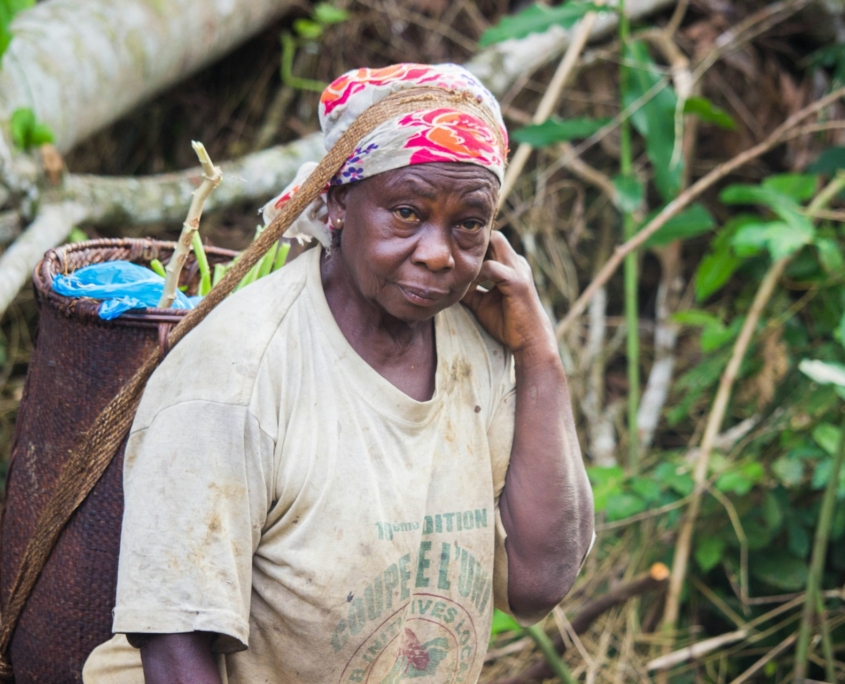
UNICEF Representative Stephen Grieb said the goal of the income-generating program, which residents such as Thecle are receiving, is to help households in the present areas gain access to education, health coverage and social protection for their children. 

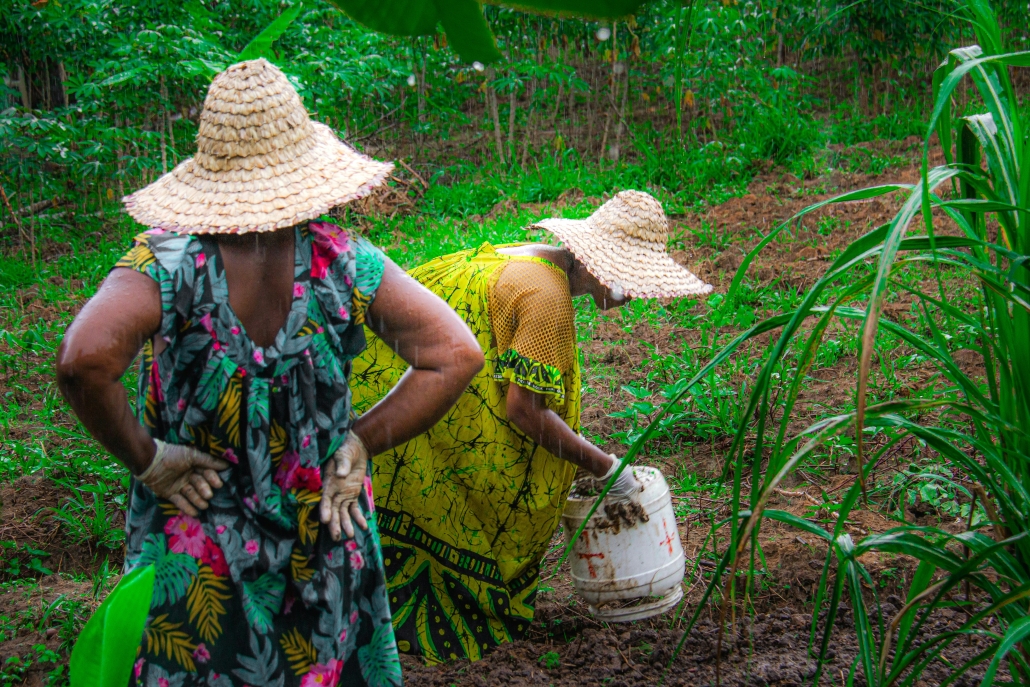
One of the pilot communities in Zoula, where the initiative aims to encourage revenue-generating activities. By boosting income, organizers say the program will help disadvantaged households assert their rights and receive essential social services. Thecle and other participants hope the effort will allow them and their children to break free from poverty. 

Improving Youth Skills

The World Bank Board of Executive Directors on Tuesday approved a $100 million loan to help Gabon improve skills training and create jobs for young people. The Development and Employability Project aims to reduce disability, poverty and unemployment while supporting faster growth in the Central African Nation. 

The project will expand vocational training in key growth sectors, promote skills development for unemployed graduates and school-leavers, and provide entrepreneurship training. It seeks to address the mismatch between the skills of young people and the needs of the labor market. 

Gabon’s National Development Plan

Gabon had launched the Emergency Community Development Program (PUDC) with national funding to be carried out across the country’s nine provinces in partnership with the United Nations Development Program (UNDP). The initiative is part of the President Brice Clotaire Oligui Nguema’s national development plan: The Rise Toward Prosperity. Overseen by the Ministry of Planning and Forecasting, the program aims to reduce socioeconomic and regional inequities by strengthening local governance, expanding economic opportunities, improving infrastructure and increasing access to essential services. 

The Future of Poverty in Gabon

Gabon is launching multiple initiatives to tackle poverty and inequality, particularly for people with disabilities and disadvantaged communities. Efforts include income-generating programs supported by UNICEF and a $100 million World Bank-backed project to expand vocational training and job creation. These programs aim to improve social protection, education, health care access and local economic opportunities, helping vulnerable households break the cycle of poverty.

– Joshua Pettis

Joshua is based in Houston, TX, USA and focuses on Global Health for The Borgen Project.

Photo: Flickr

Poverty reduction in gabonGabon is a country with valuable natural resources like oil, timber and manganese. Yet, despite this wealth, more than one-third of its people live in poverty. High youth unemployment makes the situation worse. The political transition in August 2023, although challenging, has led to a stronger national focus on development. The National Development Plan of the Transition (PNDT) is at the heart of these efforts, aiming to reduce poverty in Gabon.

PNDT

The PNDT is Gabon’s main plan for solving economic and social challenges during the two-year transition that began on August 30, 2023. It focuses on five main goals: “political and institutional reforms, development of strategic infrastructure, intensification of economic diversification, development of human capital and social inclusion, and environmental sustainability.” All these goals connect directly to reducing poverty in Gabon.

A major goal is to invest in key infrastructure, like roads, energy, and health care. The PNDT wants to move Gabon away from depending only on raw materials and instead grow industries that add more value, like timber processing. This approach could create more jobs and reduce the country’s reliance on unstable resource prices.

Key Initiatives for Poverty Reduction in Gabon

One major effort to reduce poverty is the Emergency Community Development Program (PUDC). Launched with help from the UNDP, it aims to provide clean water, electricity, and better infrastructure in rural and peri-urban areas. It also encourages small businesses, youth employment and local planning. Gabon has invested 120 billion CFA francs into this program, with 66.7 billion already used.

Gabon is also improving health care through the National Health Insurance and Social Coverage Fund (CNAMGS). Started in 2008, CNAMGS first helped the poorest groups, students, and seniors, and now covers over half the population.

The transitional government is working to diversify the economy by focusing on industries beyond oil, such as forestry, mining, agriculture and tourism. These areas are seen as having strong potential for creating jobs and supporting rural development.

Addressing Governance and Fiscal Sustainability

Poverty reduction in Gabon is closely tied to better governance. This means improving transparency, accountability, and the use of public money, especially oil revenues. Poor management in the past has led to high debt and slow economic growth.

The PNDT also focuses on improving financial management. One step is the Treasury Single Account (TSA), which should be fully running by June 2024 to make public finances more efficient. The 2024 budget aims to raise more revenue, cut tax breaks, and modernize customs and tax systems. The IMF has stated that Gabon’s economic success depends on moving toward more transparent and inclusive governance.

Challenges and Future Outlook

Gabon is making strong efforts to fight poverty and inequality, but the success of these changes depends on fixing long-standing problems in governance, finances, and business conditions. Urban areas, where 90% of the population lives, still face concentrated poverty. To solve this, Gabon needs balanced development that supports both cities and rural areas.

– Cameron Jones

Cameron is based in Hendersonville, TN, USA and focuses on Good News and Politics for The Borgen Project.

Photo: Flickr

Social Programs Driving Health and Poverty Reduction in GabonGabon, though rich in natural resources and boasting a high per capita GDP, still faces widespread poverty. About 33% of the population lives on less than $5.50 per day. However, several social programs are helping to address poverty and improve access to health care. As medical expenses often deepen financial hardship, these programs play a critical role in promoting both health and economic stability.

National Health Insurance and Social Coverage Fund

The National Health Insurance and Social Coverage Fund (NHISCF) plays a central role in Gabon’s push toward universal health care. The fund draws support from the government, public sector officials, employers and employees. Initially designed to serve the poor and public employees, the fund now covers more than half of the population. It also supports students and workers in the private sector, expanding access to medical care for low-income groups across Gabon. Through this fund, Gabon has taken significant steps toward closing the gap between income and access to health care. By reducing out-of-pocket medical costs, NHISCF allows many residents to seek treatment without facing financial strain.

The Gabon Indigents Scheme

In 2007, Gabon established the Gabon Indigents Scheme (GIS) under the NHISCF. This initiative targets economically vulnerable residents, representing about 30% of the population, who are at least 16 years old. The government fully funds their medical care and these individuals do not pay contributions. High costs often prevent people in low-income households from accessing essential services. By removing the financial barrier, the GIS ensures that poor residents can receive treatment when needed. This approach not only protects their health but also shields them from falling deeper into poverty due to medical debt.

Cash Maternity Benefits and Birth Grants

Gabon’s social insurance system also offers maternity leave benefits and family allowances. According to the SSA, the system provides 100% of a mother’s final monthly income for up to six weeks before childbirth and eight weeks after. In cases involving complications, the leave period extends by another three weeks. Employers initially pay the benefit, and the government reimburses them for half the cost. Families also receive financial assistance after childbirth. The government provides 8,000 CFA francs as a birth grant and 45,000 CFA francs to help cover expenses for clothing, toiletries and other newborn needs. These programs reduce both physical and financial stress, helping mothers recover and return to work without added pressure.

Toward a Healthier and Stable Future

Gabon continues to make measurable progress in reducing poverty and strengthening public health systems. Government-backed programs provide medical care, maternity support and financial assistance to those who need it most. By prioritizing equitable access and addressing systemic barriers, these initiatives help protect the most vulnerable while building a more resilient population. As Gabon works to expand and improve these services, the country moves closer to achieving its goal of universal health care and long-term poverty reduction.

– Sevyn Whatley

Sevyn is based in Toronto, Ontario, Canada and focuses on Global Health and Politics for The Borgen Project.

Photo: Flickr

coup in gabonGabon, a coastal country in Central Africa, faces hardships as it struggles to fight poverty and maintain unity in a context of political turmoil. In 2023, there was a coup in Gabon that was widely supported by the people, largely due to corruption and inequality. The country grapples with high rates of poverty, as “35% of the people live below the poverty line earning less than $2 a day” and unemployment rates are just as high.

Background

The previous president of Gabon had been in power for about 14 years following a time when his father had been in power. Citizens of Gabon had doubts about the legitimacy of his presidency and the fairness of their elections, so living in poverty only created higher tensions and a stronger feeling of injustice.

Gabon is known to have an abundance of natural resources that give it “the second highest per-capita GDP in mainland sub-Saharan Africa,” according to the United States Institute of Peace (USIP). The coup in Gabon was spurred on by this knowledge, as impoverished people laid blame on their government and felt unrecognized by those in power. This is why the military’s intervention in the government has been supported by the people and is seen as an act of justice.

Based on the wealth of the country from its oil industry, Gabon has one of the region’s highest yearly incomes. This creates questions on how such a large proportion of the country lives in poverty. The reason is said to be corruption of the government through the fact that “most of the country’s oil wealth goes into the pockets of a small amount of people,” BBC reports. Blatant corruption and discrepancies between the wealthy and impoverished encouraged the coup in Gabon.

Could the Coup Reduce Poverty?

Following the coup in Gabon, there have been a multitude of initiatives aimed at strengthening the stability of the country and bettering the quality of life. The government has a goal to diversify the economy, improve infrastructure, reduce poverty and improve the stability of governance through its “Emerging Gabon 2025” plan.

It seems the new government is attempting to learn from the mistakes of the past administration by implementing a variety of initiatives to improve quality of life and maintain public opinion. It has gained validity from international institutions, like the EU, which attempts to support Gabon “to ensure transparency in the electoral process,” according to the European Commission. External approval from other countries and institutions will only strengthen the legitimacy of Gabon’s new government.

Social Policy

To lift the community, the new government following the coup in Gabon will instate a revised social policy. This policy includes ways to help marginalized and impoverished groups through social programs, income-generating activities and access to public services. With the installation of these new services and continued efforts to address the needs of the country, there are long-term, institutional changes being made to reduce the number of people in poverty.

The World Bank is currently beginning a partnership with Gabon to help them reach these goals. It is striving for lasting change by targeting specific sectors and want results specifically in “greater household resilience and job creation in the non-oil private sector.” Less government corruption, more job opportunities and investment in the public sector are efforts being made to reduce poverty and stop the generational cycle of disparity.

The Future

The coup in Gabon was caused by a multitude of factors, with the unaddressed issue of poverty being one of them. However, the new government has been supported by the people as it attempts to learn from those mistakes and institutionally improve the quality of life. Combined international and domestic efforts will hopefully lead to the reduction of poverty in Gabon.

– Sydney Morrow

Sydney is based in London, UK and focuses on Good News and Politics for The Borgen Project.

Photo: Flickr

A Look at Yellow Fever in Gabon Gabon, located on the Atlantic coast of Central Africa, has a relatively high GDP for the region at $8,820, compared to nearby Nigeria at $2,162. Despite this high income, wealth distribution in Gabon is highly unequal, leading to widespread poverty. Of its 2.4 million residents, more than 900,000 live below the poverty line, subjecting a significant portion of the population to numerous hardships, including diseases. A particularly severe challenge in Gabon is Yellow Fever.

Yellow Fever Transmission and Risks in Gabon

Yellow Fever is a viral disease transmitted by mosquitoes and can spread in three primary ways. The intermediate cycle, most commonly observed in Africa, involves semi-domestic mosquitoes that contract and spread the disease. Although a vaccine is available, Yellow Fever is a fast-spreading illness that poses a significant danger and has the potential to spread internationally, making it a global threat. Effective management is crucial whenever outbreaks occur.

Health Infrastructure and Yellow Fever Preparedness

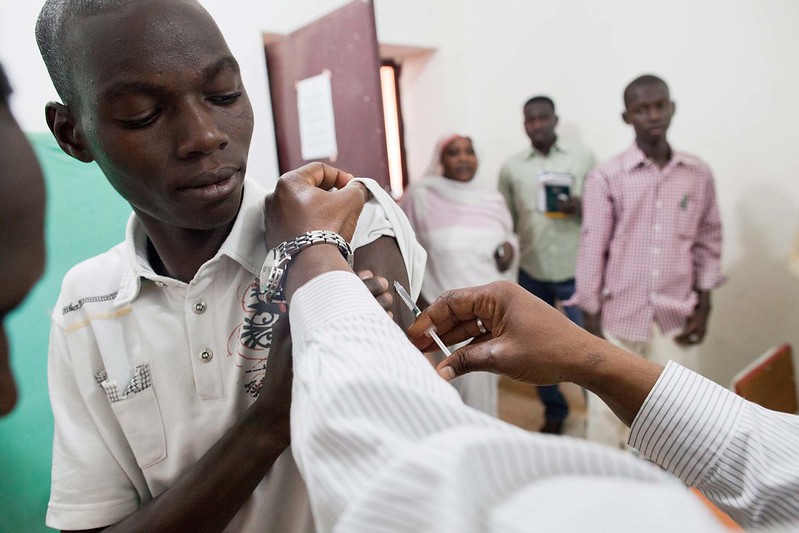
Currently, Gabon does not have any active Yellow Fever outbreaks, but the country remains at high risk for potential outbreaks. Gabon’s health system receives minimal government funding, amounting to only 3% of the country’s GDP. The World Health Organization (WHO) reports that vaccination rates for Yellow Fever in Gabon are suboptimal, with less than 85% coverage nationwide. The risk of Yellow Fever has increased since the COVID-19 epidemic, which disrupted immunization services. Although the disruption was brief, it has increased the number of people susceptible to otherwise preventable diseases.

Yellow Fever Epidemics Strategy in Gabon

The WHO has designated Gabon as a high-priority target within its Eliminate Yellow Fever Epidemics (EYE) strategy. WHO and its partner organizations are focusing primarily on maximizing vaccination rollout as part of this strategy. Alongside vaccinations, vector control measures have been implemented in urban centers across Gabon to eliminate potential wildlife carriers of the disease. WHO is also committed to educating travelers about the risks of Yellow Fever. Entry into Gabon requires a Yellow Fever vaccination and travelers are informed about the symptoms and signs to ensure prompt treatment if infected. This proactive approach helps prevent the international spread of the disease, which is one of the most critical aspects of managing Yellow Fever. The EYE strategy has proven effective not only in reducing cases in Gabon but also across Africa.

Looking Ahead

Gabon faces significant challenges in managing the risk of Yellow Fever due to unequal wealth distribution and a health system with limited funding. Although the country has no current outbreaks, it remains highly vulnerable. WHO’s Eliminate Yellow Fever Epidemics strategy focuses on increasing vaccination coverage and implementing vector control measures to mitigate this risk. These ongoing efforts aim to safeguard Gabon’s population and prevent the potential spread of Yellow Fever beyond its borders.

– Tyra Brantly

Tyra is based in Los Angeles, CA, USA and focuses on Good News and Global Health for The Borgen Project.

Photo: Flickr

HIV/AIDS in GabonDespite having a relatively high prevalence in such a small country, the rate of HIV/AIDS in Gabon has improved significantly. Recent political instability has threatened to curtail the progress being made in the fight against HIV/AIDS in the oil-rich Central African nation. However, there is also plenty of reason to believe Gabon will continue on track to reduce the impact of the disease.

HIV/AIDS Is Still an Epidemic

As of 2023, the World Health Organization (WHO) estimates that 49,000 people are living with HIV/AIDS in Gabon. This number includes 2,300 children and 33,000 women. With a population of 2.3 million people, the infection rate stands at around 3%. While that is lower than many neighboring countries, the number is still far higher than the majority of countries around the world that have infection rates below 1%.

Progress Has Been Made

Although work remains, the rate of HIV/AIDS in Gabon has fallen dramatically over the years. Since 2010, infections have been down 31% and deaths in the same time frame have declined by 30%. The sharp decline in HIV/AIDS in Gabon can be attributed to a vast network of local and international players. Recent efforts include a partnership between The Joint United Nations Programme on HIV and AIDS (UNAIDS) and the Africa Centers for Disease Control and Prevention. In October 2021, these two organizations launched the Partnerships to Accelerate COVID-19 Testing (PACT) initiative. This dual relief program mobilized more than 70 health workers in Gabon’s areas with the highest prevalence of HIV/AIDS and COVID-19.

Additionally, the U.S. Government has been a key ally. Between 2020 and 2024, the U.S. embassy in Gabon donated more than $1.12 million in equipment and HIV prevention training. A further $2 million worth of antiretroviral medication was donated in the past year. More locally, Luc Armel Mkala Mfoulou has been the project director for the Department of Defense HIV/AIDS prevention program since 2020. Under his leadership, the Gabonese military has trained more than 500 health workers, distributed more than 200,000 condoms and provided nearly 25,000 rapid diagnostic tests.

An Uncertain Future

Shortly after a controversial presidential election in 2023, the military overthrew President Ali Bongo. President Bongo’s family had been in power since 1967. New elections have taken place and General Brice Oligui Nguema has been sworn in as president. However, major international powers like the U.S. and France have yet to recognize his legitimacy as the Bongos were considered allies. While the U.S. Department of State announced it would discontinue almost all assistance that directly contributed to the Government of Gabon, it also announced that “humanitarian, health and education funding will continue.”

Reasons for Hope

Despite this recent political shakeup, the fight against HIV/AIDS in Gabon seems to be steadily on track. With one of the highest gross domestic product (GDP) per capita on the continent, there is hope that the oil-producing nation’s wealth will continue to grow and be more evenly distributed among its population. Until then, it is hoped that the work of international players will continue to help tackle HIV/AIDS in Gabon.

– Mason Borden

Mason is based in New York, NY, USA and focuses on Global Health for The Borgen Project.

Photo: Wikimedia Commons

Clean Water Accessibility in the Cities of Gabon Gabon, a Central African nation, faces significant challenges in water accessibility despite its abundant natural resources. This disparity underscores the broader issues associated with urbanization, where a third of Gabon’s population resides in Libreville, leading to intense competition for resources, higher living costs and lower wages. Inefficiencies in water treatment infrastructure restrict widespread access, contributing to the 39.2% of Gabonese living below the poverty threshold.

Water Access Disparity and Infrastructure Development

Urbanization in Gabon, driven by superior infrastructure and facilities, manifests starkly in Libreville where more than 97% of residents have access to clean water. In contrast, less than 55% of the rural population enjoys similar access. Despite its wealth in water resources, with seven rivers and a potential annual water resource of 170 billion cubic meters, Gabon struggles with water accessibility. The per capita annual water resource stands at a high of 127,825 cubic meters. The core issue lies in inadequate water treatment infrastructure, which fails to distribute these abundant resources effectively to the Gabonese people.

The Role of the African Development Bank

In 2018, the African Development Bank allocated UA 96.95 million to tackle Gabon’s water issues, leading to the 2019 launch of the Integrated Drinking Water Supply and Sanitation Program. Now nearing completion, the program has refurbished the water networks and the hydraulic equipment and booster station at the SOTEGA water tower in Libreville. It also upgraded the Nzeng-Bourg water tower. New water towers in Ntoum and Bikele, along with 39 drinking fountains, mark further progress. Additionally, the installation of new water pipes and a new pumping station has improved water access in the cities of Nzeng-Ayong, Montalier, Ondogo, Alibadeng, Haut de Gue Gue and Bas de Gue Gue.

Economic and Social Impact

The Integrated Drinking Water Supply and Sanitation Program has significantly enhanced water accessibility in the cities of the Estuaire province, including Libreville, encouraging migration from the overcrowded capital to nearby cities. Set for completion by June 30, 2024, the program has already expanded water access to more than 20,000 residents. Improved water access in these cities is expected to attract investors, potentially spurring job creation and offering residents opportunities to break free from the cycle of poverty. This initiative not only aims to improve living conditions but also to foster economic development through enhanced water resource management, aligning with global efforts to ensure sustainable access to clean water for all.

Looking Ahead

Gabon is poised to make significant strides in bridging the water accessibility gap between urban and rural areas. With continued investments and the successful implementation of infrastructure projects, more communities could gain reliable access to clean water. This advancement could catalyze socioeconomic development, creating new employment opportunities and improved public health. Moreover, as the country moves toward more equitable water distribution, the potential for economic growth and poverty reduction increases. These ongoing efforts underscore Gabon’s commitment to sustainable development and enhancing the quality of life for all its citizens.

– Hafsa Dijoo

Hafsa is based in Sharjah, UAE and focuses on Good News for The Borgen Project.

Photo: Unsplash

Renewable Energy in GabonGabon, a small country in Africa, has had limited electricity access for its citizens, particularly in rural areas. Conventional sources of energy have proven unsustainable in the past and thus the country of Gabon has sought a better alternative. With 98.6% of Gabon’s urban population having access to clean electricity by 2021, here is how the government managed to implement renewable energy in Gabon.

Natural Resources

Gabon is home to an ample amount of natural resources that act as renewable resources. The biggest one in particular is water. With a vast network of rivers and streams flowing through the country, Gabon can produce 51% of its energy through hydroelectricity in 2022. Unlike other renewable resources, hydroelectricity provides a consistent supply of energy throughout the day and night. Additionally, its lower setup set-up cost and maintenance made it the perfect choice for Gabon. Many hydropower projects are starting up in both the private and government sector such as the Kinguélé Aval Hydropower Plant which will produce a massive 35 MW of renewable energy.

However, Gabon is also investing in other renewable energy sources such as solar. New initiatives such as the Ayémé Plaine solar plant can drastically transform the energy landscape by producing massive amounts of energy. In the case of this plant, it would produce a tremendous 120 MW of power and provide many skilled jobs to the nearby population.

Another resource that Gabon has is labour. Some projects like hydropower dams require hundreds of workers. With more than a third of Gabon’s population living in poverty, any type of governmental project that requires jobs could directly help provide jobs to the people of Gabon whilst helping the economy and the environment.

Governmental Action

Gabon’s government has shown a strong commitment to renewable energy in its policies and initiatives. By 2025, the government hopes that renewable energy in Gabon will account for 100% of the country’s energy. Gabon plans to boost this with major infrastructure projects such as the Grand Poubara Dam, at a cost of more than $190 million.

Renewable energy in Gabon is not the only thing that has set this country on the green path. With delicate preservation of the 88% forest landscape, Gabon can absorb up to 200 million tonnes of carbon dioxide from the air. This also serves as another source of income for the country that they can sell in open through sales in carbon markets. Gabon has also made commitments to reducing half of its greenhouse gas emissions by 2025 as well.

The Future

While it has a unique geographical advantage and a strong commitment to renewable energy, Gabon could face challenges in achieving its renewable goals. One of the biggest challenges that Gabon faces is the extension of green energy to Gabon’s rural areas. While 80% of the population lives in urban cities, the other 20% is dispersed throughout the country. While creating a system that can reach the rural regions may not only be challenging but also financially demanding, Gabon has begun working on several solutions such as a new grid and smaller plants to help address the concerns of energy poverty while also preserving its green initiative. Examples of the commitment to combatting access inequality are the construction of 163 km of 63-KV lines linking Mitzic via Oyem to Bitam and the 1-MW plant in Lambaréné.

Despite these challenges, Gabon has demonstrated the feasibility of shifting towards renewable energy on a massive scale. Gabon’s struggle to provide electricity to now having a 97% access rate to electricity highlights how a strong geological advantage and proactive governmental action can transform a country.

– Aman Chaudhary
Photo: Wikimedia Commons