• Link to X
  • Link to Facebook
  • Link to Instagram
  • Link to TikTok
  • Link to Youtube
  • About
    • About Us
      • President
      • Board of Directors
      • Board of Advisors
      • Financials
      • Our Methodology
      • Success Tracker
      • Contact
  • Act Now
    • 30 Ways to Help
      • Email Congress
      • Call Congress
      • Volunteer
      • Courses & Certificates
      • Be a Donor
    • Internships
      • In-Office Internships
      • Remote Internships
    • Legislation
      • Politics 101
  • The Blog
  • The Podcast
  • Magazine
  • Donate
  • Click to open the search input field Click to open the search input field Search
  • Menu Menu

Tag Archive for: Landmines

Posts

Disability, disability and poverty, Global Poverty

The Fight for Justice: Disabilities in Libya

Disabilities in LibyaIn its long history, Libya has endured prolonged periods of turbulence and instability as it continues to rebuild its infrastructure. While most international headlines focus on Libya’s oil production and political transitions, the world often neglects a significant segment of the Libyan population. People with disabilities in Libya face a dual struggle: one born out of a fractured health care system, while they overcome the remnants of war in the form of landmines. 

To rebuild Libya, Libyan leaders and the international community must prioritize the rights and inclusion of these citizens.

Disabilities in Libya

Libya, since the 2012 overthrow of dictator Muammar Gaddafi, has been embroiled in a constant state of warfare. The history of warfare negatively impacts those living with disabilities; even in the fleeting moments of calm, the lingering effects of war remain. The conflict has left a deadly, invisible legacy in the streets of Sirte, Tripoli and Benghazi: unexploded ordnance (UXO) continues to claim lives and trap families in a cycle of poverty years after guns fall silent.

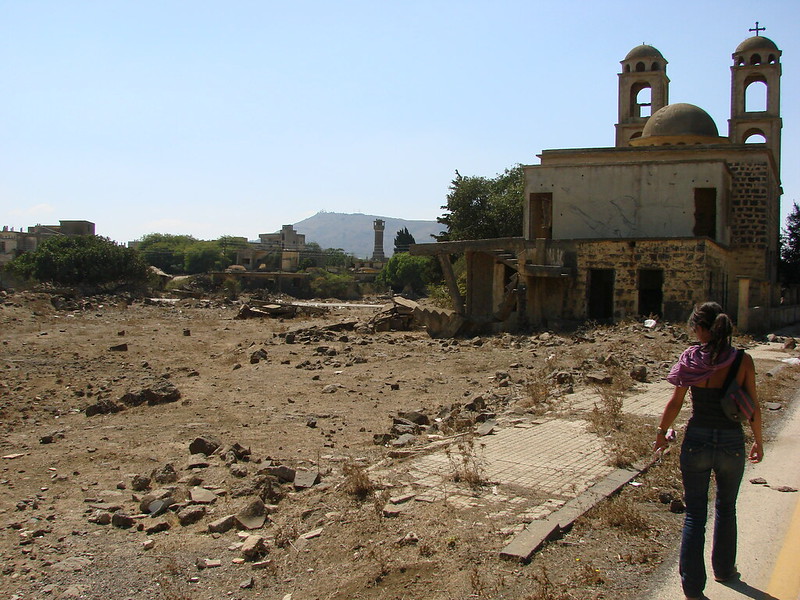
Unlike traditional minefields found in Iraq or Syria, Libya’s contamination plagues densely populated cities. The HALO Trust reports that urban centers remain littered with “suicide” mines, booby traps and cluster munitions. Cities like Sirte, under occupation by ISIS until 2016, suffer from explosives hidden within the rubble of homes, schools and hospitals.

This contamination prevents displaced families from returning, effectively freezing the economic recovery of entire neighborhoods. Conflict-related injuries in Libya, in particular landmines, commonly result in permanent disabilities.

Survivors

A survivor of landmines, Omar Musa, a taxi driver from Tawergha, fled his home in 2011 to escape the violence. When he finally returned seven years later, he discovered a rocket-propelled grenade (RPG) wedged into one of his palm trees. Musa did not touch the device. Instead, he contacted the Free Fields Foundation (FFF), a local NGO supported by the European Union. Today, Musa works with the FFF, training other returnees to find unexploded devices.

For others, the experience with mines is less fortunate. Mahmoud, a professional deminer, was blinded when a mine went off while working alongside his brother, Muhammed, for a professional demining team. Muhammed was killed instantly in the blast. Mahmoud was stripped of his sight and had to have his leg amputated. 

While many would see this as an unavoidable tragedy of war, Mahmoud identifies it as a deliberate crime. He points directly to the Russian Wagner Group and the forces of Khalifa Hafter, who retreated from the area in 2020 but left behind a landscape of prohibited anti-personnel mines and “trick” explosives designed to maim civilians and first responders alike. Mahmoud refused to accept his disability, transforming his survival into a vocal campaign for legal reparations.

The Fight for Inclusion

In Libya, losing a limb often has devastating results. While landmines themselves physically harm, a fractured health care system ensures the injuries remain permanent. The “right to health” in Libya has become a luxury that few survivors can afford. Libya once boasted one of the highest Human Development Indices in Africa, providing free health care to its citizens; today, that system is in near collapse. 

Only a handful of physical rehabilitation centers (PRCs) remain operational in cities such as Tripoli, Misrata and Benghazi. Survivors in rural or southern regions must travel hundreds of miles through dangerous territory to access basic fittings. In response, the United Nations Support Mission recently issued a National Charter that includes a bold 7% quota for persons with disabilities in the next government and across all sovereign councils. 

Director Al-Awjali has called for a transition from traditional social care to true political empowerment, positioning women with disabilities as “decision-makers” rather than just service recipients. True inclusion requires more than medical aid; it requires a seat at the table. The Libyan Forum of Persons with Disabilities, in collaboration with international partners such as UNICEF, is also working to break the stigma by advocating for political representation, which serves as a bedrock for other rights. 

These advocates keep the path open for people like Mahmoud to continue to stride forward in a nation plagued by war for more than a decade.

– Haydn Goodboy

Haydn is based in Massachusetts, USA and focuses on Business and Good News for The Borgen Project.

Photo: Flickr

May 9, 2026
https://borgenproject.org/wp-content/uploads/borgen-project-logo.svg 0 0 Lynsey 2 https://borgenproject.org/wp-content/uploads/borgen-project-logo.svg Lynsey 22026-05-09 11:21:522026-05-09 11:21:52The Fight for Justice: Disabilities in Libya
Conflict, Global Poverty

Women Join Syria’s Demining Effort

Syria’s DeminingWhen Abeer Ghonimi walks into a field in northwest Syria, she takes her life into her own hands. A mother, researcher and Arabic literature graduate, Ghonimi is one of a small but growing number of women joining Syria’s demining effort, work that is not just dangerous but essential for millions of people who cannot yet safely return home.

More than a decade of civil war has left Syria among the most heavily contaminated countries on earth. Clearing that contamination has become one of the most urgent tasks of post-conflict recovery, and women like Ghonimi are increasingly part of the workforce doing it.

A Country Riddled With Hidden Dangers

Syria has recorded the highest or second-highest number of landmine casualties in the world for several years running. In 2023, the country recorded 933 casualties from mines and explosive remnants of war, more than any other country. In 2022, the figure was 834, also a global high. Casualties surged sharply after the fall of Bashar al-Assad’s government in December 2024, as millions of displaced Syrians began moving back to areas that had been closed off for years. Between Dec. 8, 2024 and March 25, 2025, the International Committee of the Red Cross recorded 748 casualties from mines and explosive remnants. Of those, 500 came in the first three months of 2025 alone, more than half the total recorded in all of 2024.

The scale of contamination is significant. According to the United Nations Mine Action Service (UNMAS), approximately 15.4 million people in Syria, more than 65% of the population, live at risk from unexploded ordnance, including landmines, improvised explosive devices and the remnants of years of aerial and artillery bombardment.

The human cost is matched by an economic one. Contaminated farmland cannot be planted. Roads cannot be repaired. Schools and water infrastructure sit idle because clearing them first requires funding and personnel that remain in short supply. One estimate put the cost of clearing northeast Syria alone at more than $190 million. Experts have warned that at current resource levels, it could take 25 to 40 years to address Syria’s contamination fully.

Training Local Deminers and the Inclusion of Women

Humanitarian organizations are expanding training programs to build local capacity. France-based Humanity and Inclusion, formerly Handicap International, concluded a three-week intensive course in early February 2025, based out of its Hama office and focused on northwestern Syria. The training team included two instructors, 12 trainees, 10 working deminers, a deputy team leader and a team leader. Participants learned to identify landmines and unexploded ordnance, follow safety protocols and respond to threats in their own communities, with classroom instruction combined with practical fieldwork in affected areas, including Idlib and Aleppo.

Those efforts are beginning to show results. According to UNMAS, cross-border mine action partners such as Humanity & Inclusion conducted 1,500 clearance operations between the fall of Assad and December 2025, disposing of more than 2,000 items of unexploded ordnance. During the same period, 141 minefields and 450 confirmed hazardous areas were identified across Idlib, Aleppo, Hama, Deir Ezzor and Latakia. Risk education has also expanded: 930 sessions were delivered to around 17,000 people in northwest Syria during the same period.

Separately, MAG International’s teams in northeast Syria have helped restore water supplies, roads, agricultural land and schools that had been blocked by contamination, enabling displaced communities to return.

HALO Trust deminers, including women such as 32-year-old Lama Haj Kaddour, are now working across the country following the end of the Assad era, which opened up regions that were previously inaccessible to civilian demining organizations.

Why Women’s Involvement Matters

Women remain underrepresented in Syria’s demining workforce, but their participation is growing. The recent Humanity and Inclusion cohort included two female trainees drawn directly from local communities. Among them was Ghonimi, who had worked for humanitarian causes since 2017 and trained community members to recognize the risks of explosive remnants before joining a clearance team herself.

Her motivation is personal as much as professional. “At any moment, I may encounter unexploded ordnance,” she told Arab News from Idlib. “Or my son could be exposed to remnants of war.” That fear, she said, drove her to learn how to respond and to pass that knowledge on. While working in Taftanaz, northeast of Idlib, a participant in one of her awareness sessions used what he had learned to stop a neighbor from picking up a suspicious object, a potentially life-saving intervention that illustrates how local knowledge, once shared, multiplies.

The practical case for including women is well established. In communities across Syria where conservative social norms restrict interaction between unrelated men and women, female deminers and risk education officers can access households and speak with women and children in ways that male colleagues often cannot. Those groups are among the most vulnerable to accidents, particularly children who may encounter or handle unfamiliar objects. UNICEF has estimated that at least 422,000 incidents involving unexploded ordnance have been reported across Syria since 2011 and that roughly half involved child casualties.

A Broader Push for Women’s Inclusion

The growing presence of women in demining is part of a wider effort to ensure Syria’s recovery is not rebuilt along the same exclusionary lines as before. Women have been largely sidelined in the country’s political transition: when elections were held in October 2025, just six women won seats in the 119-member transitional parliament. Women’s groups have described their roles in many institutions as symbolic rather than substantive.

In that context, technical roles like demining carry significance beyond the immediate task. Humanitarian frameworks increasingly recognize that gender inclusion improves outcomes in post-conflict recovery, not as an add-on, but because diverse teams reach more of the affected population and build stronger local ownership of the recovery process. The United Nations Development Programme (UNDP) Syria’s Gender Equality Strategy for 2026 reflects this thinking, aiming to embed women’s agency across economic, social and institutional recovery programs.

For Ghonimi, the logic is straightforward. “There is no difference between men and women in their ability to contribute,” she said. “The war in Syria has shown that women play an essential role in supporting their communities.”

Looking Ahead

Syria’s demining problem is vast, and the resources dedicated to solving it remain far short of what is needed. Germany, one of the key funders of humanitarian demining, cut its relevant budget by more than half in 2025. U.S. support through USAID, which had funded clearance work in northeast Syria, was also cut back. Organisations like HALO Trust and MAG International are working to expand capacity now that the fall of Assad has opened access to previously restricted areas, but experts warn that without sustained international funding, progress will remain painfully slow.

Every cleared field, road or neighborhood returned to safe use represents families able to come home, crops that can be planted and schools that can reopen. As the country’s recovery gathers pace, the women joining Syria’s demining teams are not just clearing land — they are helping to make that recovery possible.

– Andrew Geddes

Andrew is based in Edinburgh, UK and focuses on Global Health and Politics for The Borgen Project.

Photo: Flickr

April 28, 2026
https://borgenproject.org/wp-content/uploads/borgen-project-logo.svg 0 0 Precious Sheidu https://borgenproject.org/wp-content/uploads/borgen-project-logo.svg Precious Sheidu2026-04-28 01:30:002026-04-27 11:58:38Women Join Syria’s Demining Effort
Charity, Global Poverty

3 Charities Fighting Poverty in Sri Lanka’s Northern Province

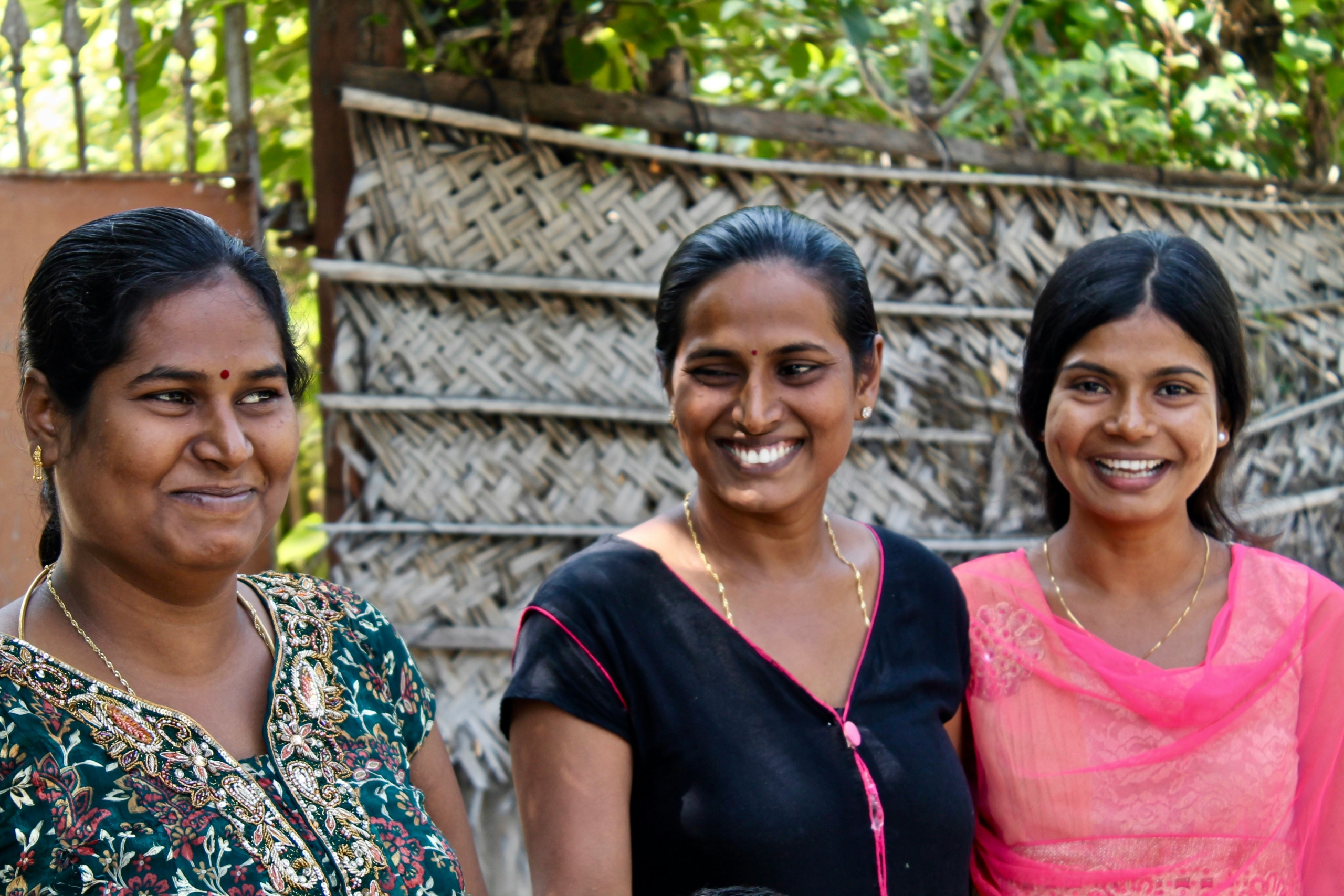
Sri Lanka's Northern ProvinceSri Lanka’s Northern Province is still reeling from more than 25 years of conflict. The country’s civil war left towns and villages decimated and families torn apart. Nearly 15 years since the end of the war, local charities and Non-governmental Organizations (NGOs) are still working to rebuild the futures of the primarily Tamil populations. Here are three examples:

The Halo Trust

It is estimated that 1.6 million landmines were left in the ground throughout the civil war in Sri Lanka, causing a threat to life and mass displacement of people. Since 2002, The Halo Trust has been working to safely destroy these landmines and educate affected communities on how to avoid harm.

Halo claims to have cleared more than 270,000 landmines in their time in Sri Lanka. These numbers suggest that for every mine cleared, a displaced person has been able to return to their home. The broader impact of such work has been its contribution to rebuilding livelihoods in some areas worst affected by the civil war. More than 1,300 local Sri Lankans have worked for the trust, gaining employment, learning vital skills and ultimately reclaiming their birthland.

Save a Life

The Jaffna-based charity Save a Life has a simple approach to alleviating poverty; “we believe in actions over words.” This is evident in their vast work for communities since 2014. Starting as a charity to raise awareness about the importance of blood donation, they have since branched out into educating young people about plastic pollution, conducting data collections on differently-abled people and leading a mangrove restoration campaign.

While their core mission is centered around youth development, health and the environment, what distinguishes their organization is an ambition to have a positive social impact in any way possible. For example, their team is made mainly of young and passionate female university graduates, reflecting their promotion of gender equality. Save a Life has run 150 campaigns over the last 10 years involving hundreds of volunteers.

Vallavan Sports Academy

Vallavan Sports Academy aims to provide sporting facilities and coaching to disadvantaged young people in Sri Lanka’s Northern Province Jaffna district. Run by a local Sri Lanka philanthropist, the charity currently provides a swimming pool and a center for indoor games such as Pool and Carrom, a popular Asian board game. On visiting the academy, you will find many budding young athletes enjoying their evenings after school at the pool. The sports center has a collection of trophies won by the youngsters trained by Mr Vallavan himself.

In a town where many young people are tempted out of school before 16 to earn for their families, sports and leisure are hardly commonplace and certainly not accessible to all. Vallavan not only provides facilities and training accessible to young people not otherwise able to afford them but also provides a safe place to experience fulfillment and belonging.

– Alex Finch
Photo: Unsplash

February 27, 2024
https://borgenproject.org/wp-content/uploads/borgen-project-logo.svg 0 0 Lynsey 2 https://borgenproject.org/wp-content/uploads/borgen-project-logo.svg Lynsey 22024-02-27 01:30:212024-02-26 23:33:383 Charities Fighting Poverty in Sri Lanka’s Northern Province
Global Poverty

From Peril To Progress: Clearing Landmines in Somalia

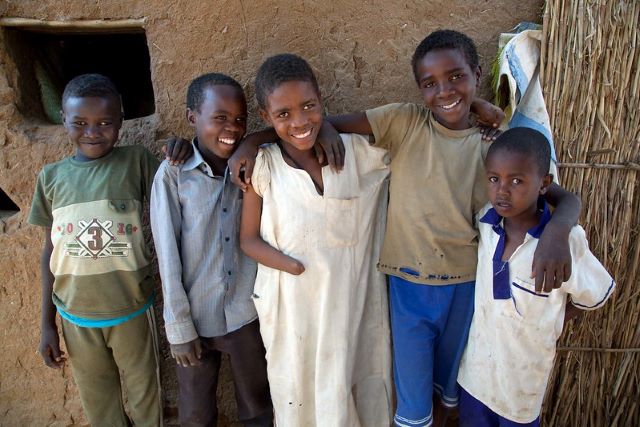
Landmines in SomaliaDecades of war have left approximately one million landmines in Somalia, explosives that harm or kill whoever contacts them, whether an armed combatant or an innocent child. Thousands of Somalians have died from landmines. The presence of mines also limits communities’ access to land, hindering crop growth and exacerbating hunger.

The Halo Trust, a nonprofit organization founded in 1988, is methodically removing landmines in Somalia. Their work makes the country safer, improving the lives of Somalians.

Improving Agropastoralism

In August 2021, the Halo Trust celebrated the clearance of one million square meters of land in Somalia from landmines. Land clearance positively impacts agropastoralism. Once land is safe from explosives, herders can use it for livestock grazing. They no longer have to worry about losing their cows and donkeys to accidents, which can be worth more than two months’ wages.

Communities also use cleared land to produce frankincense, made from the resin of Boswellia sacra trees and earn income. These trees have been growing in the region for thousands of years and can generate frankincense nearly year-round. Harvesting frankincense offers a way for people in Somalia to earn a reliable income and support their families.

Increasing Safety Through Education

Clearing landmines is painstaking work and takes significant time. Until the Halo Trust can rid Somalia of landmines, it is educating communities on avoiding their risks. Education efforts prioritize children because they are often curious and at high risk for landmine accidents. The Landmine and Cluster Munition Monitor, a program researching and monitoring worldwide landmines and munitions, reported that 88% of deaths from landmines in Somalia in 2019 were children.

Employing People in Landmine Communities

Creating jobs in Somalia is critical. The World Bank reported in 2022 that 70% of its citizens are impoverished. In recent years, the country has faced droughts and widespread food insecurity.

The organization employs people from the communities where it works, creating jobs while propelling landmine clearance. Halo Somalia employs nearly 400 men and women from landmine communities in Somalia. These jobs are concentrated along the border between Somalia and Ethiopia, where most of the nation’s landmines are located. Jobs are often scarce in these regions, especially for women. Through this work, locals benefit economically while helping to make their communities safer.

Though much work remains to declare the globe landmine-free, the Halo Trust is progressing and improving lives in Somalia.

– Kelly Carroll
Photo: Flickr

February 25, 2024
https://borgenproject.org/wp-content/uploads/borgen-project-logo.svg 0 0 Lynsey 2 https://borgenproject.org/wp-content/uploads/borgen-project-logo.svg Lynsey 22024-02-25 07:30:052024-02-25 00:07:52From Peril To Progress: Clearing Landmines in Somalia
Developing Countries, Global Poverty

US AID for Demining Zimbabwe’s National Park

Demining Zimbabwe's National ParkLocated in southeast Zimbabwe, Gonarezhou National Park is home to 11,000 African elephants, which is how it earned its name as the “Place of Elephants.” Unfortunately, it is also the site of thousands of buried landmines. These landmines were placed by the Rhodesian army during Zimbabwe’s Liberation War and have remained there for more than 40 years. Although there have been efforts to remove these mines, they continue to be a constant threat to the people of Zimbabwe and local wildlife. Demining Zimbabwe’s national park will have several benefits for the country.
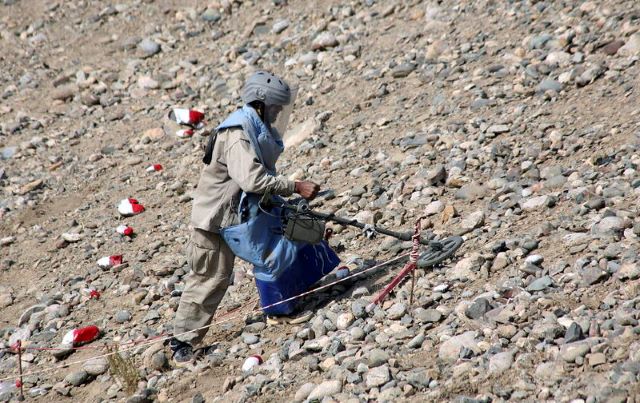
APOPO: Demining Efforts

The United States has provided a grant of $750,000 to the nonprofit APOPO to demine the Sengwe Wildlife Corridor, where a large portion of the undetonated landmines reside. The Sengwe Wildlife Corridor covers a stretch of land that connects the park to South Africa and is used regularly by migrating elephants.

The area that APOPO has been designated to work is one of the largest in the world: 37 kilometers lengthwise and 75 kilometers in width. With almost 6,000 landmines per kilometer, communities in the surrounding area are unable to access potential land for farming and endangered species are at constant risk.

The presence of the minefield prevents the elephant population of the park from migrating and potentially mixing with other elephant populations. This presents a long-term risk of limiting the already shrinking African elephant gene pool.

APOPO has established a five-year plan for demining Zimbabwe’s national park, expecting to remove all undetonated landmines from the area by 2025. It estimates that it will remove more than 15,000 landmines before the end of its operation in the corridor.

The nonprofit will be working in tandem with the Gonarezhou Conservation Trust to maintain that the process will not impede conservation goals for the park.

The project also complements USAID programs to support community-based natural resource management, provide climate-smart agricultural technologies and improve the value chain for communities to sell their products for a fair market price.

Poverty in Zimbabwe and COVID-19

Zimbabwe is currently facing severe economic hardships that have only worsened due to the COVID-19 pandemic. In 2019, 50% of Zimbabweans experienced food insecurity and 40% faced extreme poverty. This number is projected to increase as conditions worsen with the onset of the pandemic and severe droughts. Inflation in the country has been rampant, with prices of food increasing by 725%, resulting in a severe loss of purchasing power for the poor. The pandemic has impacted the already economically challenged country by decreasing trade and tourism.

Aiding Economic Recovery in Zimbabwe

The United States and APOPO hope that by clearing out the Sengwe Wildlife Corridor, ecotourism in Zimbabwe will begin to thrive. As it stands currently, only 8,000 tourists on average visit Gonarezhou National Park compared to the 1.8 million tourists that visit the neighboring Kruger National Park of South Africa. Demining Zimbabwe’s national park means providing an extended opportunity for increased tourism in the struggling country. The efforts of APOPO, with the support of the United States, may be able to help economic recovery, reduce the impact of the pandemic and uplift communities that are battling poverty.

-Christopher McLean
Photo: Flickr

January 29, 2021
https://borgenproject.org/wp-content/uploads/borgen-project-logo.svg 0 0 Kim Thelwell https://borgenproject.org/wp-content/uploads/borgen-project-logo.svg Kim Thelwell2021-01-29 01:30:142021-01-29 02:41:53US AID for Demining Zimbabwe’s National Park
Global Poverty, War and Violence

The HALO Trust in Nagorno-Karabakh

The HALO TrustRussian intervention may have ended the latest bouts of fighting in Nagorno-Karabakh on November 10, 2020, but landmines from the region’s post-Soviet independence war, coupled with the recent use of cluster munitions by Azeri forces, make the mountainous region one of the most perilous areas to inhabit in the post-Soviet world. Luckily, de-mining initiatives led by The HALO Trust, a British charity, are steadily working to make everyday life safer.

The Bloody History of Landmines in Nagorno-Karabakh

Nagorno-Karabakh, also known as Artsakh, has been a site of geopolitical contention since the Soviet collapse. When the region seceded from Azerbaijan by referendum in 1988, neighboring Azerbaijan and Armenia engaged in protracted fighting to wrest control of the border. The two former Soviet Republics each lay rival territorial claims to Nagorno-Karabakh. While a majority of its 130,000 inhabitants are ethnically Armenian, Soviet districting placed it within Azerbaijan’s borders for decades, which Azerbaijan has sought to maintain.

Because of prolonged fighting between 1988 and 1994 and intermittent skirmishing since, tens of thousands of landmines in Nagorno-Karabakh remain scattered throughout the region. Estimates from 2005 placed the count at upwards of 50,000. Unexploded ordinance (UXO) and abandoned munitions were also noted. Meanwhile, fighting from October and November of 2020 introduced unexploded rockets and cluster munitions to civilian areas including the capital, Stepanakert, which Azerbaijan repeatedly shelled with artillery.

An Explosive Threat

Together, the explosives riddling Nagorno-Karabakh pose a serious public health risk to its local population. Tens of thousands fled the latest fighting as refugees, but the danger is residual and longstanding. The World Health Organization (WHO) calls landmines “a health threat not to be ignored” and claims that the global burden of disease linked to them is historically underreported. WHO estimates that landmines cause 11 to 12 casualties daily worldwide.

In Nagorno-Karabakh, there are more landmine accidents per capita than anywhere else in the world. When victims of these accidents survive, they are often missing limbs and can take months, or even years, to recover. These dangers force communities to disband as families relocate to safer areas. They also cause food insecurity. Nagorno-Karabakh is mountainous and many of its flat, open areas are unworkable minefields that farmers must avoid.

Because children are less educated or tend to engage in riskier behavior than adults, they make up more than a quarter of all landmine victims in Nagorno-Karabakh.

The HALO Trust: Relief Efforts

To address this longstanding public health risk, a British charity, The HALO Trust, has carried out operations targeting landmines in Nagorno-Karabakh. With teams often made up of local volunteers, it has surveyed thousands of acres and organized the removal of nearly 500 minefields since 2000. HALO teams have also supported communities in the wake of border skirmishes between Azerbaijan and Armenia that have left explosives in streets, homes and backyards.

In the latest bouts of fighting, Azerbaijan fired cluster munitions on residential areas in four separate incidents, as reported by Human Rights Watch. Cluster munitions are banned in international humanitarian law because they cannot be directed at a legitimate target, harming civilians and combatants indiscriminately. HALO teams have been responding to local alarms in the wake of these attacks. “In the last five days alone,” HALO reports, “our team has used its expertise and equipment to safely destroy over 150 explosive items.” Teams also delivered relief supplies to sheltering families throughout the fighting, including hygiene kits, blankets and fuel.

In addition to providing relief from landmines in Nagorno-Karabakh, HALO volunteers educate local communities on how to remain safe around landmines and other explosives. Its members frequent schools because of landmines’ disproportionate impact on children.

Landmine Removal Success

Conflict, unexploded ordinance and 30-year-old landmines in Nagorno-Karabakh, continually threaten lives in the mountainous region. Thanks to the work of the HALO, however, de-mining projects have worked to mitigate the risk of explosives and serve local communities. The 4,000 landmines and 8,000 items of ordinance removed since 2000 are a testament to the success of de-mining efforts.

– Skye Jacobs
Photo: Flickr

January 15, 2021
https://borgenproject.org/wp-content/uploads/borgen-project-logo.svg 0 0 Kim Thelwell https://borgenproject.org/wp-content/uploads/borgen-project-logo.svg Kim Thelwell2021-01-15 01:30:182024-05-29 23:23:29The HALO Trust in Nagorno-Karabakh
Developing Countries, Global Poverty, Poverty, War

Programs Ensuring a Landmine-Free World

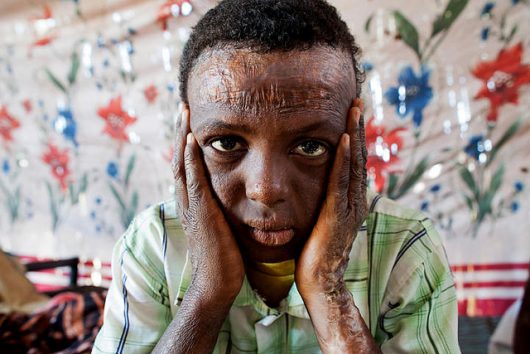
Landmine-Free WorldThe threat of stepping on landmines understandably leaves communities in fear of utilizing valuable farmland, traveling freely to school or rebuilding after conflict. Landmines affect impoverished communities significantly more than others as it is often the poor who are pushed into these dangerous areas. A landmine-free world is the goal of several organizations.
Landmine Policies and Campaigns

In 1997, the problems associated with landmines rose to international attention when Princess Diana walked through a minefield in Angola. Shortly after, the Ottawa Treaty was signed by 122 countries. As the most exhaustive measure for prohibiting landmines and the trade and clearance of them, the treaty has since led to clearance in 33 countries and the destruction of 51 million stockpiled landmines. Still, 58 countries remained contaminated, which is the fact that sparked the Landmine Free 2025 campaign. As of 2020, countless charities continue to work toward a world where no one has to live under the fear that a single step could kill them. Organizations and programs have formed to help make the world a landmine-free place to live.

The HALO Trust

Working across 26 territories and countries, this once small charity has grown into a top landmine-clearing organization since its founding three decades ago. HALO’s history began after the collapse of the Soviet Union in 1988 when troops were pulled out of Afghanistan leaving behind explosives that killed thousands of refugees. Guy Willoughby, Colin Mitchell and Susan Mitchell saw the devastation unfolding in Kabul and established HALO to clear landmines and allow humanitarian aid to access the region.

Through its partnerships, HALO has greatly expanded its capacity to make the world landmine-free. The organization creates jobs in the communities it works in and provides skill-building opportunities for women through projects like 100 Women in Demining in Angola, a program that trains and employs all-women clearance teams. Likewise, concerned with landmines’ ecological impact, HALO works with partners to rehabilitate habitats such as the Okavango Delta. Clearing the southwest minefields in Angola, it supports National Geographic’s Okavango Wilderness Project, which will protect the headwaters that provide water for hundreds of thousands of Africans.

In the 2019/2020 fiscal year, HALO cleared 11,200 hectares of land, a 28% increase from the previous year. An example of the organization’s dedication is the clearance of the Site of the Baptism of Christ on the River Jordan. In April 2020, after four years of work, worshippers were able to return to this holy site for the first time in 50 years. HALO does much more than clear mines, it enriches the lives of communities and allows for healing after violent conflict.

Mines Advisory Group (MAG)

MAG is the response to horrific first-hand experiences witnessed by British Army engineer, Rea McGrath, during his NGO service in Afghanistan. As a promise to a young boy who had been “absolutely shattered” by a Soviet-laid mine, McGrath founded MAG in 1989 to educate the world about landmine issues and mobilize governments to respond. It is renowned as the first landmine-clearing organization to create community liaisons as a way of understanding levels of contamination.

The devastating truth is that almost half of all victims of landmines are children. To combat this, MAG provides educational sessions for children, to teach them how to recognize mines, what to do in emergencies and alert them of the areas of contamination. Beyond that, MAG continuously supports those injured by mines, like Minga who was blinded and dismembered at the age of six. Now a paid intern, she explains that teaching risk education classes, “made me feel important in our community.”

Across 68 countries, MAG has helped 19 million people to date. The organization actively responds to crises such as the 2009 conflict in Gaza and the ISIS/ Daesh Insurgency of 2014. In 2019 alone, MAG cleared 101,031 landmines and unexploded devices, which released 9,711 hectares of land. MAG’s work shows the organization’s commitment to a landmine-free world.

Odyssey2025 Project

Not a charity, but a one-of-a-kind project with the goal to accelerate landmine clearance through the use of drones, innovative survey methods and low-cost, accessible technology. Odyssey2025 is intended to compensate for the timely process of scoping minefields by enabling teams to initially fly drones over hazardous areas.

Recently awarded a million-dollar prize for its humanitarian work in Chad, the project was applauded for its breakthroughs in infrared data that enabled teams to locate over 2,500 buried landmines, a feat never before accomplished with drones. To achieve a landmine-free world by 2025, Odyssey2025 intends to continue capacity building in order to export its projects to other countries.

– Anastasia Clausen
Photo: Flickr

January 13, 2021
https://borgenproject.org/wp-content/uploads/borgen-project-logo.svg 0 0 Jennifer Philipp https://borgenproject.org/wp-content/uploads/borgen-project-logo.svg Jennifer Philipp2021-01-13 01:30:562024-05-30 07:55:38Programs Ensuring a Landmine-Free World
Global Poverty

Infrastructure in Angola: Focusing on Landmines and Roadwork

Angola is a country that has have suffered through wars for nearly 40 years. It is not surprising then, that infrastructure in Angola has taken a massive hit. Yet, things are looking to improve for Angola as they are beginning to rebuild its infrastructure throughout the country.

In 2014, infrastructure was examined and ranked among 148 different countries. Angola was ranked 148th. That means that out of all the countries that were evaluated, Angola was ranked the worst in infrastructure.

War is a major factor as to why infrastructure is so poor in Angola. During the war, millions of landmines were planted across the country. These landmines damaged roads and made it extremely dangerous, even fatal, to travel in the country. Even after the war ended, there were countless of unaccounted landmines that posed a grave threat to the citizens of Angola. There is currently a major effort to remove all the landmines in the country by 2040. With landmine extraction underway, infrastructure in Angola is looking to improve.

There are a number of projects that Angola is implementing to better their infrastructure. One of the biggest projects is the Laúca dam, that is near completion. The dam is the biggest in the country and will produce enough electricity to be able to provide eight million citizens electricity to their homes. This dam will also improve the economy, as businesses will increase within the region.

Roadwork is also underway in Angola. With the current situation of roads, they are not used to their potential capacity. To help fix this problem, 22.6 billion dollars will be put aside during 2013 to 2025 to help not only build new roads, but to repair older roads as well. As roads are built and repaired, people and goods will become more connected, increasing the flow of trade, and therefore money spent in the country.

The continuous wars caused the infrastructure in Angola to suffer. Now that the war has ceased, Angola can begin rebuilding its infrastructure. There are many promising projects that not only help to rebuild the infrastructure within the country, but bring in GDP for Angola.

– Daniel Borjas

Photo: Flickr

November 24, 2017
https://borgenproject.org/wp-content/uploads/borgen-project-logo.svg 0 0 Borgen Project https://borgenproject.org/wp-content/uploads/borgen-project-logo.svg Borgen Project2017-11-24 01:30:232019-11-20 07:11:25Infrastructure in Angola: Focusing on Landmines and Roadwork
Developing Countries, Global Poverty, War and Violence

Top 10 Facts About Landmines

Facts About LandminesLandmines are any type of container of explosive material than can be triggered when it comes into contact with a person or a vehicle. The explosive blast or fragments of a landmine are intended to incapacitate a person or vehicle.

10 Facts about Landmines:

  1. Landmines are generally buried 6 inches (15 centimeters) under the surface or simply laid above ground. Buried landmines can remain active for more than 50 years.
  2. Landmines come in two categories, anti-personnel landmines and anti-tank landmines. An anti-personnel landmine is designed to injure or kill a person, while an anti-tank landmine is designed to incapacitate tanks or other vehicles.
  3. Landmines were first created during World War I. While the original mines were anti-tank mines, anti-personnel mines were developed to prevent enemy forces from reusing or removing anti-tank mines.
  4. The random dissemination of landmines began in the 1960s. The U.S. dropped thousands of mines by plane during its nine-year bombing campaign of Laos.
  5. There are an estimated 110 million anti-personnel mines in the ground and another 250 million stockpiled across the world today. About 5 to 10 million mines are produced each year.
  6. The countries most affected by landmines are Afghanistan, Angola, Cambodia, Iraq, China, Egypt and Laos. Mines are also a serious problem in Bosnia, Croatia, Georgia, Mozambique, Myanmar, Nicaragua, Somalia, Sri Lanka and Sudan.
  7. One person is killed by a landmine every 15 minutes. About 70 people are killed by a landmine every day. 26,000 people a year become landmine victims. A total of over one million people have been killed or maimed by landmines.
  8. The cost of removing all currently existing mines would be $50-$100 billion. Organizations like Minesweepers are dedicated to removing landmines across the globe. Overall, mine removal operations have resulted in the destruction of more than 2.2 million anti-personnel mines and 250,000 anti-tank mines.
  9. Landmines deprive some of the poorest people on Earth access to arable land, markets, schools, work and water. The existence of landmines can also prevent reconstruction, new development and the delivery of aid.
  10. Landmines place a burden on the health systems of developing countries. People hurt by mines need more antibiotics and need to stay in the hospital longer than other patients.

Landmines can be hard to detect and are often prevalent in areas decimated by war. This makes their existence especially dangerous to the poor and to refugees. While these facts about landmines can be distressing, great work by organizations like Minesweepers helps make environments less dangerous and the lives of the global poor safer.

– Brock Hall

Photo: Flickr

September 30, 2017
https://borgenproject.org/wp-content/uploads/borgen-project-logo.svg 0 0 Borgen Project https://borgenproject.org/wp-content/uploads/borgen-project-logo.svg Borgen Project2017-09-30 01:30:572024-05-29 22:26:57Top 10 Facts About Landmines
Global Poverty, Volunteer, War and Violence

MAG America: Improving Post-War Zones

People know that war leaves scars, on bodies, minds, families and homes. Those affected live with the destruction, adapting to the best of their ability, and attempt to go on with their lives. While international support in the wake of conflict is great, little thought is given to the scars left behind in war zones.

When peace is brokered, troops leave behind bullets, elaborately packaged, carefully hidden explosives and yet-to-be-detonated fireworks of the military grade variety. Farmers fear working their fields. The building of roads, schools and water lines is halted indefinitely. Economic recovery is nearly impossible, at least until the threats are eliminated.

The Mines Advisory Group, or the MAG, has tasked itself with removing such lingering threats. Since 1989, MAG America employees have provided extensive training to volunteers living in post-war zones. Teams clear landmines and explosive weapons that did not go off when fired, and remove abandoned weapons, strategizing to prevent their proliferation.

To protect communities where mine contamination and weapons surpluses remain, the MAG offers programs that teach people how to recognize threats, what areas to avoid and emergency procedures. The MAG employs 2,400 people in Africa, the Middle East and Southeast Asia.

The 2,400 individuals make up about 90 percent of the MAG staff. Most are from severely underprivileged communities. Not only do these individuals benefit from the steady salary, they additionally receive professional training as mine destruction specialists, educators, community liaison specialists and medics.

The MAG is currently working to secure military storage in El Salvador, where access to small arms has fueled the second highest homicide rate in the world. Land clearing operations in Lebanon are ongoing, as they are in Iraq. The organization is aiding seven nations in Africa and four nations in Southeast Asia.

Manchester is home to the MAG’s international operations, while MAG America is based in Washington, D.C. More volunteers and staffers are needed, but the MAG recommends three ways to join its cause: become a “team driver” by building your own awareness, a “medic” by raising awareness in your community or a “virtual deminer” by fundraising or donating.

– Olivia Kostreva

Sources: MAG 1, MAG 2, MAG 3, MAG 4, Idealist
Sources: MAG

August 26, 2014
https://borgenproject.org/wp-content/uploads/borgen-project-logo.svg 0 0 Borgen Project https://borgenproject.org/wp-content/uploads/borgen-project-logo.svg Borgen Project2014-08-26 12:00:532024-05-27 09:21:31MAG America: Improving Post-War Zones

Get Smarter

  • Global Poverty 101
  • Global Poverty… The Good News
  • Global Poverty & U.S. Jobs
  • Global Poverty and National Security
  • Innovative Solutions to Poverty
  • Global Poverty & Aid FAQ’s
Search Search

Take Action

  • Call Congress
  • Email Congress
  • Donate
  • 30 Ways to Help
  • Volunteer Ops
  • Internships
  • Courses & Certificates
  • The Podcast
Borgen Project

“The Borgen Project is an incredible nonprofit organization that is addressing poverty and hunger and working towards ending them.”

-The Huffington Post

Inside The Borgen Project

  • Contact
  • About
  • Financials
  • President
  • Board of Directors
  • Board of Advisors

International Links

  • UK Email Parliament
  • UK Donate
  • Canada Email Parliament

Get Smarter

  • Global Poverty 101
  • Global Poverty… The Good News
  • Global Poverty & U.S. Jobs
  • Global Poverty and National Security
  • Innovative Solutions to Poverty
  • Global Poverty & Aid FAQ’s

Ways to Help

  • Call Congress
  • Email Congress
  • Donate
  • 30 Ways to Help
  • Volunteer Ops
  • Internships
  • Courses & Certificates
  • The Podcast
Scroll to top Scroll to top Scroll to top