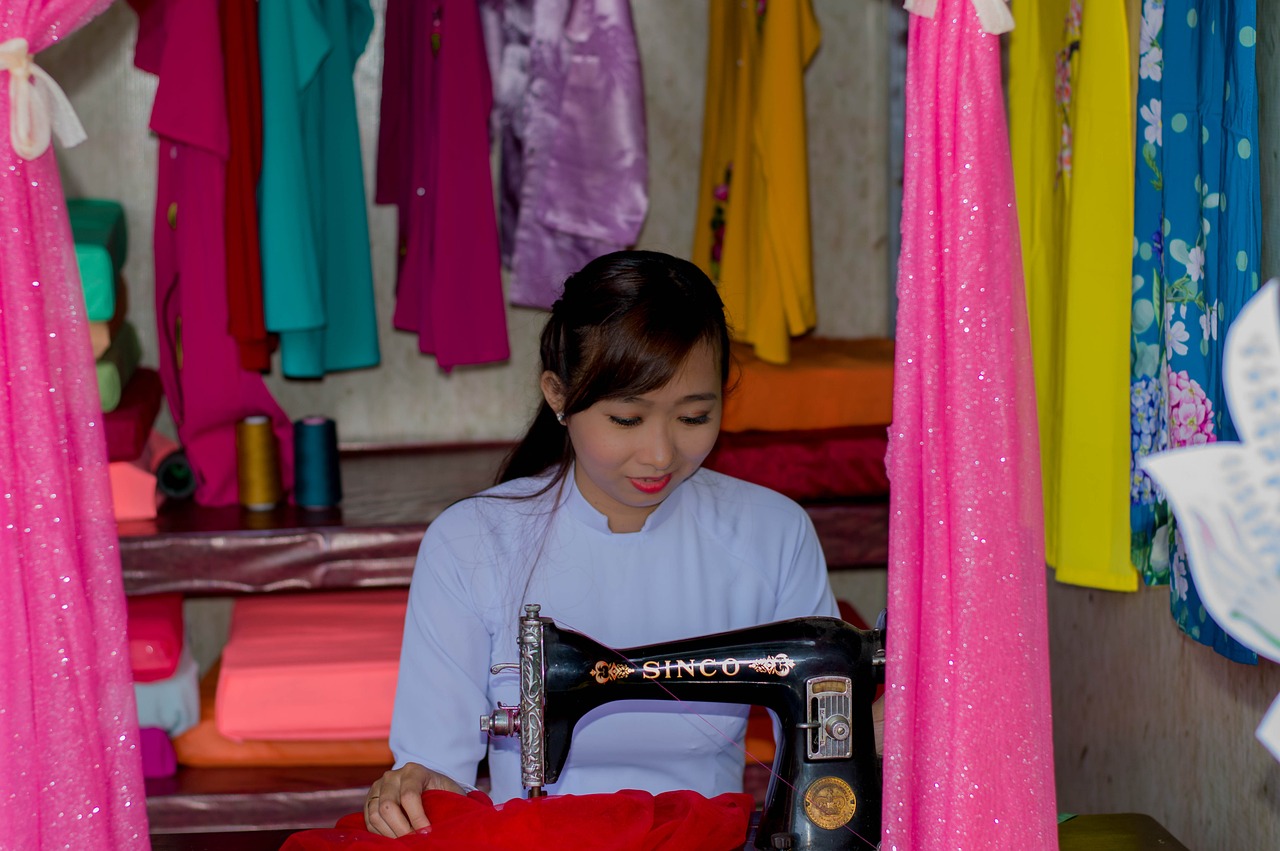
 The fight against human trafficking stands as one of the most important causes in the modern world. Every year, it is estimated that some form of international slave trade traffics 600,000 to 800,000 people. Therefore, the fight is essential because it champions providing basic human rights to everyone and aids impoverished countries in improving.
While not every single person has the capacity to stop slave labor physically, everyone can contribute in many ways, even by simply purchasing useful or pretty products. Here, we list five interesting products and companies that help stop human trafficking.
Purpose Jewelry
Purpose Jewelry is a company that sells handmade jewelry made by survivors of human trafficking. The company rescues the girls from brothels and sends them to live in its trademarked “Sanctuaries,” where it trains them to make jewelry. It also provides them with health care, mental care and education. The girls also earn full salaries for their work. The company invests 100% of its profit back into helping the victims. Currently, the company assists victims from Mumbai, Cebu, Kampala and Tijuana.
Elegantees
Elegantees creates casual but stylish clothes that any woman can wear. Its priority is sustainability, using cotton and deadstock materials. Most importantly, the employees are primarily girls who are survivors or at risk for human trafficking from Nepal or India. “The Nepal-India border is one of the busiest human trafficking gateways in the world,” with a report showcasing that around 50 women are illegally transported from Nepal to India daily.
The company explains very simply that poor girls often get tricked into brothels because they are looking for jobs. If companies quickly provide safe jobs, human trafficking intermediaries are cut out. All workers are adults, earn a livable wage and receive overtime, vacation and any other benefits you would expect from normal working conditions.
Dignity Coconuts
Dignity Coconuts is a company tackling a unique poverty-related problem in the Philippines. Coconuts are the country’s largest crops grown, with both large plantations and small-scale farmers involved in their production. However, this has resulted in a serious issue known as “copra slavery.” Many companies and countries prefer to purchase products from large-scale farmers, which often drives smaller farmers into poverty. This leaves them vulnerable to human trafficking and at the mercy of larger farms.
As a result, they are usually forced to beg for loans that they will never be able to repay. Dignity Coconuts changes this dynamic by enabling customers to purchase coconut oil directly from the farmers in the Philippines. The organization has more than 150 farmers on board, which means 150 farms providing jobs for people, protecting them from poverty and desperation that might lead them to trafficking jobs, including running the slave trade.
The Starfish Project
The Starfish Project is an organization that rescues girls from brothels and provides them with training in making jewelry and crafts. Additionally, the girls can continue their education while working there. They can move up in the company hierarchy from crafting to having full careers in fields such as accounting and photography. It is worth noting that the Starfish Project focuses on rescuing rather than prevention. More than 180 women have been able to escape human trafficking situations and turn their lives around thanks to the Starfish Project’s efforts.
Good Paper
Good Paper is a company that creates handcrafted cards for various occasions. The cards are produced in two locations: one in the Philippines, which supports victims of sex trafficking and the other in Rwanda, which helps victims of genocide.
The Philippines is one of the highest-risk countries for trafficking, with 60,000 to 100,000 children being the victims of sex trafficking. You can make a difference in someone’s life by purchasing a card from Good Paper. Each card is signed by the person whose life you have helped change by supporting this company.
The above products are available for purchase by the average consumer. By buying them, you can help support victims of human trafficking and prevent more people from falling into this terrible crime. Furthermore, improving the economic situation of the victims can help reduce poverty overall.
– Varsha Pai
Photo: Pixabay
 Human Trafficking is a threat affecting millions worldwide,
  Angola is a country of origin and destination for men, women and children who are victims of trafficking, for the purpose of forced prostitution and forced labor. Domestically, victims of trafficking end up working in agriculture, construction, households and artisanal diamond mines. Women and children are often victims of human trafficking in Angola, with many women coming from Vietnam,
  Far outnumbering the global cocaine market, the “industry” of international
 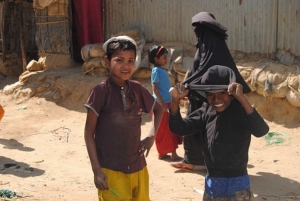 The Nationality and Borders Act became law in the United Kingdom
  “The [human trafficking] situation was much worse than we first envisaged,”
  Within the last five years, there have been many cases of human trafficking throughout Panama. Human trafficking refers to the use of fraud or coercion in order to obtain some type of labor or commercial sex act from a victim.
 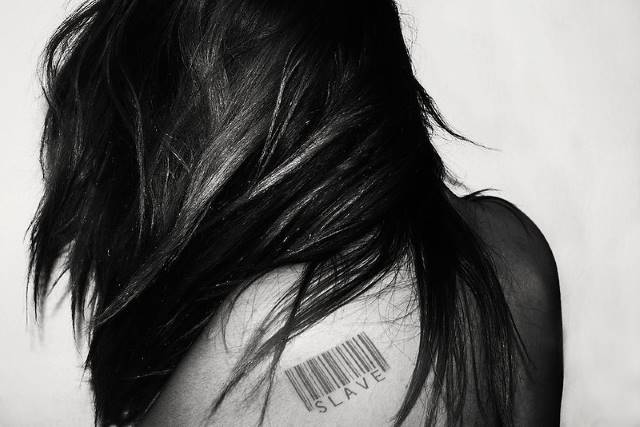 Human trafficking is a persistent problem all around the world, including in the Hong Kong Special Administrative Region located in the People’s Republic of China. The Justice Centre Hong Kong produced a study in 2016 on human trafficking in Hong Kong and it was found that
 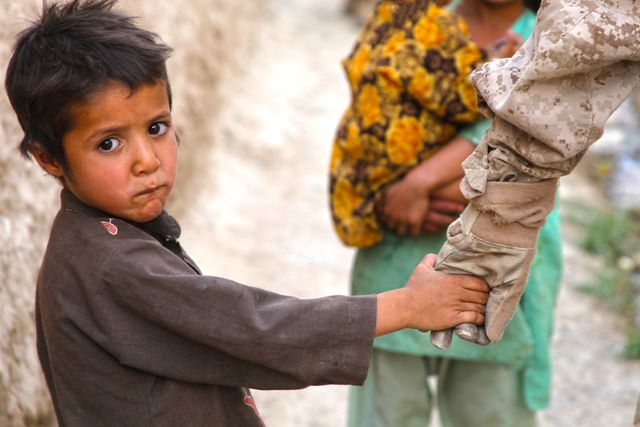 Afghanistan currently faces a large-scale human trafficking crisis that is rooted in centuries of abuse. Children and women are sold or kidnapped and forced into sexual slavery or armed forces. With the Afghani Government failing to properly protect victims and prosecute perpetrators, the U.S. Department of State and a network of NGOs are working to alleviate the problem.
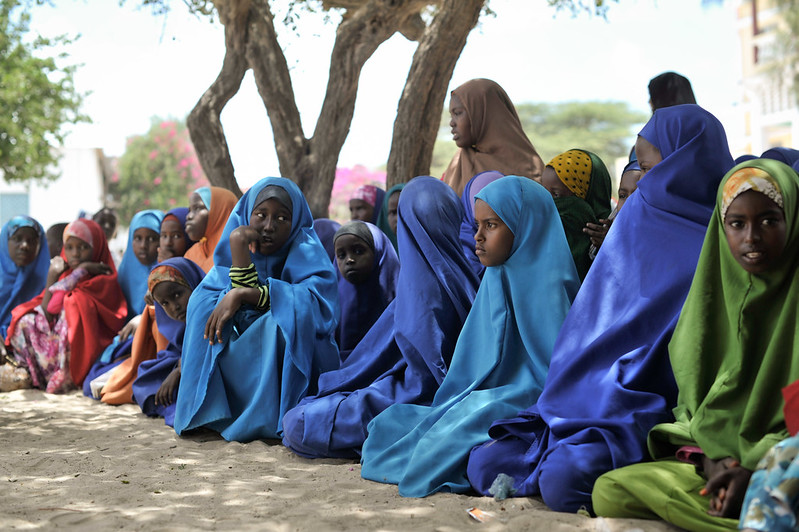 Human trafficking is the use of force, fraud or coercion to obtain labor or a commercial sex act. Today, human trafficking is a modern term for slavery. Mayumi Ueno, the counter-trafficking project manager at the International Office for Migration (IOM)’s Somalia Support Office, said the scale of