• Link to X
  • Link to Facebook
  • Link to Instagram
  • Link to TikTok
  • Link to Youtube
  • About
    • About Us
      • President
      • Board of Directors
      • Board of Advisors
      • Financials
      • Our Methodology
      • Success Tracker
      • Contact
  • Act Now
    • 30 Ways to Help
      • Email Congress
      • Call Congress
      • Volunteer
      • Courses & Certificates
      • Be a Donor
    • Internships
      • In-Office Internships
      • Remote Internships
    • Legislation
      • Politics 101
  • The Blog
  • The Podcast
  • Magazine
  • Donate
  • Click to open the search input field Click to open the search input field Search
  • Menu Menu

Archive for category: Youth Unemployment

Education, Global Poverty, Youth Unemployment

How Edtech Inspires Development in Kenya’s School Systems

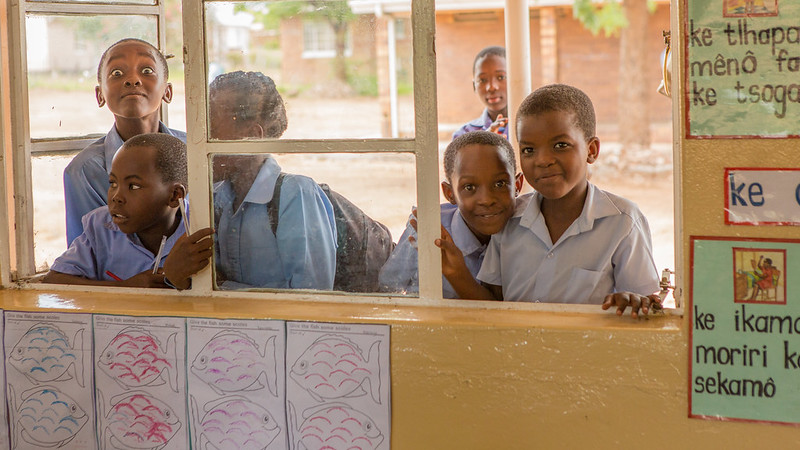
EdtechEducational technology (EdTech) is revolutionizing learning in Kenya, intertwining traditional educational methods with advanced technological tools to enhance classroom experiences. As Kenya navigates through its educational reforms, the integration of EdTech has become a pivotal element in modernizing its educational framework. With a significant focus on foundational literacy and numeracy, these ongoing efforts aim to improve access, alongside ensuring quality and inclusivity in education across the nation.

Role of Edtech in Kenya’s Educational Reforms

Educators in developed and developing countries around the world use Edtech in their educational systems. Kenya’s educational system has experienced a variety of formats of school structures and organizations. Kenya’s recent transition to a competency-based curriculum has revealed improvements in its structure due to the aid of EdTech. Edtech Hub works closely with the Kenya Institute of Curriculum Development (KICD) to inspire and support the growth of education in Kenya. 

Broadening Access Through Innovative Solutions

Edtech provides solutions and programs that increase access to digital devices and internet connectivity. The Kenyan government’s Digital Literacy Programme (DLP) aims to give public school students access to digital technology. This program is a fundamental part of facilitating the development of online learning and how much this bridges the divide between access and knowledge of information for students and teachers. Furthermore, many school districts in Kenya are underway to develop all-day internet access and sturdy electricity. The BRCK Education Kio Kit is a portable digital classroom that comes in a box, containing tablets, a Wi-Fi router and a solar charger, specifically designed for schools lacking reliable electricity or internet access. This innovative kit provides Wi-Fi routers and specially designed batteries to students across Kenya, giving them an equal opportunity to further their education despite the challenging weather and infrastructure conditions of rural Africa.

Enhancing Personalization Through AI

Eneza Education, a part of Edtech, utilizes AI technology to open new avenues of learning for individuals. Eneza Education is currently used in Kenya and provides a bite-sized curriculum to learners from 10 to 18, in Math, Science, English, Social Studies and other national curriculum topics.

AI in educational programs is used as a positive force through Eneza Education, as it allows for the personalization of learning experiences in a way that provides students with various needs and learning styles. Through adaptive learning algorithms, AI can analyze students’ strengths, weaknesses and learning styles to tailor educational content and pacing accordingly. This method of individualized learning in the classroom enables students to grow and learn at their speed, while also enhancing their understanding of the topics the teacher provides. These various AI platforms inspire development in Kenya’s school systems by improving learning and comprehension of topics while allowing students in Kenya to receive feedback on their learning within minutes.

Improving Quality and Collaboration

The quality of tablets and programs installed within digital learning devices has increased in Kenya due to the collaboration with Edtech devices. Edtech tools support inclusive education, including applications such as text-to-speech and screen readers for children, including youth with disabilities. Furthermore, EdTech inspires development in Kenya’s school systems by encompassing a variety of languages, enhancing student learning and accommodating Kenya’s linguistic diversity. Inclusive platforms such as Google Classroom and Microsoft Teams aid in collaboration processes among students and teachers. Microsoft Teams will continue to expand its work to bring last-mile wireless internet access to 20 million people in Kenya and 50 million people across East Africa by the end of 2025.  

The Impact of Edtech on Kenya’s Education

Edtech is inspiring development in Kenya’s school systems by enhancing access, personalization, and quality of learning in the classroom. With the aid of various EdTech programs, students gain greater access to technology and respective educational experiences. Additionally, the use of inclusive digital tools and collaborative platforms such as Google Classroom and Microsoft Teams enriches the learning environment, accommodating diverse needs and fostering teamwork. As Kenya continues to integrate Edtech into its educational system, it is poised to potentially secure a brighter, more equitable future for its students.

– Sophia Mokotoff

Sophia is based in Evanston, IL, USA and focuses on Technology and Solutions for The Borgen Project.

Photo: Flickr
July 3, 2024
https://borgenproject.org/wp-content/uploads/borgen-project-logo.svg 0 0 Precious Sheidu https://borgenproject.org/wp-content/uploads/borgen-project-logo.svg Precious Sheidu2024-07-03 07:30:502024-07-02 05:11:22How Edtech Inspires Development in Kenya’s School Systems
Africa, Developing Countries, Global Poverty, Youth Unemployment

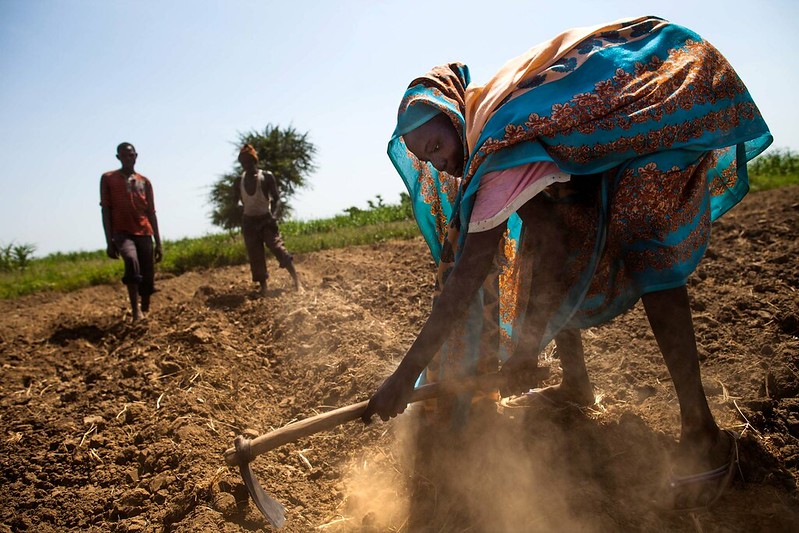
High Rates of Unemployment Among Youths in Sudan

Unemployment in SudanIn 2022, the youth unemployment rate in Sudan remained nearly unchanged at around 34.45%. However, according to the data provided by the International Labor Organization (ILO), the unemployment rate in Sudan has increased to 20.80% in 2023, up from 17.60% in 2022. This means that a larger percentage of the labor force in Sudan is currently unemployed or actively seeking employment.

The data also shows that the unemployment rate in Sudan has averaged 16.02% from 1991 until 2023, with the highest rate recorded in 2023 and the lowest recorded in 2009 at 13.00%. These fluctuations in the unemployment rate over the years indicate the varying economic conditions and job opportunities in Sudan.

The high rates of unemployment among youths in Sudan are a pressing economic and social issue. They are garnering attention from both local and international media outlets, particularly given the country’s current difficult financial situation resulting from the secession of South Sudan and ongoing armed conflicts. This means that not only are there limited job opportunities available, but the overall instability and insecurity in the country exacerbate the problem of unemployment.

Contributing Factors

Several contributing factors to this issue exist. However, one key issue is a lack of access to quality education and vocational programs. Many young people in Sudan do not have the skills or qualifications needed to secure employment in a competitive job market. More than 70% of the population in South Sudan is younger than 30, with half of them lacking basic literacy skills.

Further, South Sudan has one of the lowest literacy rates globally and a significant number of children, about 2.8 million, do not attend school. Various factors such as ongoing violence, poverty, lack of leadership and insufficient investment in education contribute to the limited access to quality education for many children in the country.

Girls, in particular, face significant challenges such as child marriage, which often results in them being unable to pursue their education. This has resulted in a high illiteracy rate among girls, with very few of them enrolled in secondary school.

Another factor is lack of experience. In South Sudan, the lack of experience is a major barrier to employment for many individuals. Due to the country’s limited job market and economic opportunities, employers often seek candidates with relevant industry experience to fill positions. This can pose a challenge for recent graduates or individuals entering the workforce for the first time, as they may not have the necessary experience to compete with more seasoned job applicants.

Additionally, the ongoing conflict and instability in South Sudan have contributed to the limited job opportunities available, making it even more difficult for inexperienced individuals to secure employment. This lack of experience can create a cycle of unemployment and poverty as individuals struggle to gain the necessary skills and expertise needed to access better job prospects.

To combat youth unemployment, the Sudanese government implemented initiatives to support young people in entering the workforce.

YEEP

Youth Employment and Empowerment Through Private Sector and Value Chain Development (YEEP) is a four-year initiative (December 2018-December 2022) that focuses on empowering youth in specific locations in South Sudan, including Bor, Jubek, Rumbek, Torit and Yambio. The project, a collaboration between the United Nations Development Programme (UNDP) and the Ministry of Labor, is financially supported by the Kingdom of the Netherlands and UNDP.

The main objective of YEEP is to empower youth by nurturing their entrepreneurial mindset and providing them with market-relevant skills that will enhance their employability and enable them to participate actively in economic activities. By doing so, the project aims to contribute to the socioeconomic transformation of South Sudan, promoting durable peace and sustainable development.

YEEP’s implementation is guided by various frameworks and strategic plans, including the United Nations Cooperation Framework (UNCF), the Partnership for Recovery and Resilience (PfRR), UNDP’s strategic plan of 2019-2021 and the UNDP Country Programme Document 2019-2021, (CPD), which focuses on inclusive and risk-informed economic development.

YEEP aims to support livelihood training, infrastructure renovations and the establishment of institutions that can effectively serve the youth population of South Sudan. Through these efforts, the project seeks to create a conducive environment for youth empowerment and sustainable development in the country. As a result, more than 1400 young people, including 553 females, signed up for vocational skills training in various trades.

The diverse range of trades offered in the program highlights the efforts to cater to the varied interests and career aspirations of the participants. The high enrollment numbers and the inclusion of female participants demonstrate the program’s success in promoting skills development and vocational training among youth.

ENABLE Youth Sudan

ENABLE Youth Sudan is part of the African Development Bank’s (AfDB) Enable Youth Initiatives, which are part of the Bank’s strategic focus on transforming Africa’s agriculture. The program’s main goal is to provide young women and men in Sudan with the chance to start businesses and access decent employment opportunities within key agricultural value chains in the country. The program specifically targets individuals younger than 35. It requires participants to be graduates with at least a postgraduate degree. By directly benefiting selected young people, the ENABLE Youth Sudan program aims to contribute to the overall transformation and growth of Sudan’s agricultural sector while providing a pathway to sustainable livelihoods for the country’s youth population.

The allocation of beneficiaries for the program will be determined by the proportion of the total youth population in each area, taking into consideration both urban and rural demographics as well as the level of education. The goal of the program is to train and empower 2,000 agripreneurs in five specific target states. Each agripreneur is expected to hire five support workers, resulting in a total of 12,000 new jobs being generated, with 6,000 of those jobs specifically earmarked for women for the first five years. This strategy aims to strategically distribute opportunities across various regions and demographics, ultimately contributing to job creation and empowerment within the agriculture sector.

Final Remark

The Sudanese government is taking necessary steps to address the issue of youth unemployment by implementing these initiatives. By promoting private sector engagement and value chain development, empowering young individuals and promoting sustainable agricultural practices, young people are empowered to achieve economic independence and contribute to the overall development of their communities.

– Oyinkansola Adewumi
Photo: Flickr

April 17, 2024
https://borgenproject.org/wp-content/uploads/borgen-project-logo.svg 0 0 Lynsey 2 https://borgenproject.org/wp-content/uploads/borgen-project-logo.svg Lynsey 22024-04-17 01:30:412024-06-11 00:12:45High Rates of Unemployment Among Youths in Sudan
Page 2 of 212

Get Smarter

  • Global Poverty 101
  • Global Poverty… The Good News
  • Global Poverty & U.S. Jobs
  • Global Poverty and National Security
  • Innovative Solutions to Poverty
  • Global Poverty & Aid FAQ’s
Search Search

Take Action

  • Call Congress
  • Email Congress
  • Donate
  • 30 Ways to Help
  • Volunteer Ops
  • Internships
  • Courses & Certificates
  • The Podcast
Borgen Project

“The Borgen Project is an incredible nonprofit organization that is addressing poverty and hunger and working towards ending them.”

-The Huffington Post

Inside The Borgen Project

  • Contact
  • About
  • Financials
  • President
  • Board of Directors
  • Board of Advisors

International Links

  • UK Email Parliament
  • UK Donate
  • Canada Email Parliament

Get Smarter

  • Global Poverty 101
  • Global Poverty… The Good News
  • Global Poverty & U.S. Jobs
  • Global Poverty and National Security
  • Innovative Solutions to Poverty
  • Global Poverty & Aid FAQ’s

Ways to Help

  • Call Congress
  • Email Congress
  • Donate
  • 30 Ways to Help
  • Volunteer Ops
  • Internships
  • Courses & Certificates
  • The Podcast
Scroll to top Scroll to top Scroll to top