• Link to X
  • Link to Facebook
  • Link to Instagram
  • Link to TikTok
  • Link to Youtube
  • About
    • About Us
      • President
      • Board of Directors
      • Board of Advisors
      • Financials
      • Our Methodology
      • Success Tracker
      • Contact
  • Act Now
    • 30 Ways to Help
      • Email Congress
      • Call Congress
      • Volunteer
      • Courses & Certificates
      • Be a Donor
    • Internships
      • In-Office Internships
      • Remote Internships
    • Legislation
      • Politics 101
  • The Blog
  • The Podcast
  • Magazine
  • Donate
  • Click to open the search input field Click to open the search input field Search
  • Menu Menu

Archive for category: Youth Empowerment

Education, Global Poverty, Youth Empowerment

Sports and Higher Education in Saint Lucia

Higher Education in Saint LuciaSaint Lucia is a small Eastern Caribbean island with a population of less than 200,000 people. Saint Lucia’s poverty rate rests below 25% with a middle to upper-income economy. Its youth population is more than 40,000. Saint Lucia produces fresh fruits and crops such as bananas, avocados, yams and sweet potatoes. Tourism is a major contributing factor to the economy and the country’s gross domestic product (GDP) with more than 430,000 tourists yearly. The Government of Saint Lucia spends 3.7% of its GDP on education. Despite these positive results, the small island country suffers from societal and educational issues such as a teacher shortage, domestic violence, low wages and job-force instability. To continue improving the lives of Saint Lucia’s youth, progress must continue in higher education in Saint Lucia as well as sports.

The Education Act of 1999 gave young men and women of Saint Lucia access to educational opportunities, apprenticeships, study abroad programs and work opportunities for youths who choose the workforce once completing secondary school. Before the Education Act, Saint Lucia’s literacy levels were below 85% in the late 1990s. However, with the Act, the literacy rate increased to 90.1%. Between 2018 and 2019, boys had a higher secondary graduation rate at 96% compared to girls at 88%. 

Higher Education in Saint Lucia

The Ministry of Education focuses on encouraging first generation Saint Lucians to graduate post-secondary. The First Generation Scholarship Program focuses on the mandate that Saint Lucia’s government prioritizes for one university student graduate per household. The Ministry of Education’s goal is to reach a 20% college graduation rate by 2030. 

Saint Lucia’s post secondary institutions like Monroe College offer scholarships through the First Generation Scholarship-Program to help students pursue bachelor’s degrees. The Minister of Education, Shawn Edward, praised Monroe College for bringing over 150 students through the First Generation Scholarship Program.

In November 2024, Minister Edward announced plans to add more improvements to the country’s education department through adding a Special Education Needs (SEN) section to provide teaching and vocational resources for special needs students and young adults. 

Local universities and institutions in Saint Lucia such as Sir Lewis Community College and the University of the West Indies offered tertiary education where students gain job specific skills to be prepared for the work force. However, in 2019, the gross enrollment rate for students was 15%.    

The Uni-PASS initiative, which the Government of Saint Lucia implemented, offers a one-time grant to students who require funding for their university studies. It offers up to $10,000 to cover accommodation, airfare, transport, visa processing and tuition fees.

Study Abroad

Study abroad programs provide young men and women of Saint Lucia an opportunity to learn about other countries, gain professional skills and pursue their field of study. Saint Lucia collaborates with Caribbean countries like Cuba, Trinidad and Tobago and other nations such as Taiwan. 

On August 12, 2025, the ambassador of Cuba, Yenileys Linares, presented government-sponsored bi-lateral scholarships to 11 Saint Lucian recipients in their pursuit in the field of medicine. Saint Lucia’s partnership with Cuba in their pursuit for higher education in the medical field has stood since 1979. The program includes studies in medicine, specialization in medicine and health technologies for undergraduate studies. Requirements for this program include being from a low-income family.

On August 4, 2025, the ambassador for Taiwan, Nicole Y.C. Su attended the ceremony and presented the study abroad scholarships for 44 Saint Lucians. Thirty-seven of them received the Ministry of Foreign Affairs (MOFA) Taiwan Scholarship which provides room and board for students in the undergraduate, master’s or doctorate program. Seven received the International Cooperation Fund Development (ICFD) Scholarship which provides tuition to cover students pursuing a master’s or doctorate degree while attending any school in Taiwan.

Sports

On August 2, 2025 one camp under the Saint Lucia Football Association (SFLA) Technical Centre in Mabouya Valley focused on the young male and female athletes ranging from ages 14-24. Anthony Roy, founder of Anthony Roy Collegiate Placement Services, oversaw the activity at the camp. He focuses on getting players scouted for scholarships at universities in the United States to pursue higher education and compete. These types of programs bring out the best of Saint Lucia’s athletes.

Arnicka Louis and Joshua Boland, two athletes who benefited from Roy’s camp, currently reside in the United States, attending their respective universities and competing collegiately in football. Currently, Louis, a sophomore, attends Indian Hills Community College in Otthuma, IA. Boland, a sophomore, attends Point University in Atlanta, GA.      

Saint Lucia’s first Olympic champion in the women’s 100m and silver medalist in the 200m, Julien Alfred, is another example of success abroad. Alfred transferred to St. Catherine’s High School in Jamaica to continue her training in the sport. Through a scholarship, she went to the University of Texas to further her education and continue her athletic career. 

Conclusion

Higher education in Saint Lucia continues to see progress as the country seeks out opportunities with neighboring Caribbean countries and nations and invests into local institutions. Programs like the Anthony Roy Collegiate Placement Services is one example of the country working towards elevating the potential in young Saint Lucian athletes in sports like football and track and field.    

– Gene A. Lambey Jr.

Gene is based in Washington D.C., USA.  He focuses on the Good News and Global Health for The Borgen Project. 

Photo: Unsplash

September 17, 2025
https://borgenproject.org/wp-content/uploads/borgen-project-logo.svg 0 0 Jennifer Philipp https://borgenproject.org/wp-content/uploads/borgen-project-logo.svg Jennifer Philipp2025-09-17 01:30:092025-09-17 01:01:57Sports and Higher Education in Saint Lucia
Global Poverty, Youth Empowerment

Hip-Hop Fights Poverty in Senegal Through Youth Empowerment

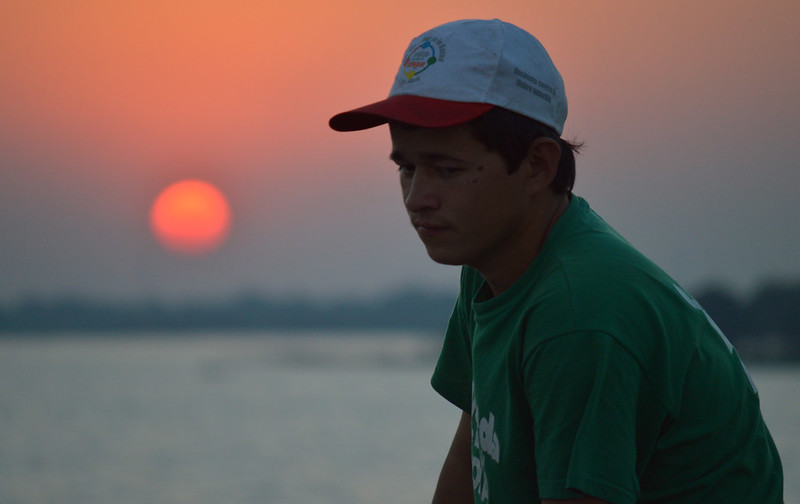
Poverty in senegalIn Senegal, where more than 60% of the population is under the age of  25, youth empowerment is key to tackling poverty, unemployment and democratic fragility. More than a music genre, hip-hop has become a powerful tool to educate, engage and mobilize. From Dakar’s suburbs to national TV, artists and activists are building a movement that combines culture, politics and social innovation, whilst reducing poverty in Senegal.

Hip-Hop and Civic Engagement

Politically engaged rap first gained ground in Senegal during the ’90s, amplifying the voices of underrepresented youth. “Hip-hop was born out of our desire for change,” said Matador, founder of the organization Africulturban and a pioneer of conscious rap in Senegal. He emphasized that the role of hip-hop is not to align with political parties, but to act as a watchdog. “We do not do politics with hip-hop, but we deal with politics.”

Africulturban, founded in 2006, provides vocational and creative training through its Hip Hop Akademy, offering programs in DJing, graphic design, photography and video production. Matador explained that these programs allow youth to build careers in the creative sector, noting, “These are real jobs. Some of our students now support their families with what they learned here.” He also highlighted that these programs have opened new opportunities for girls, especially in fields traditionally dominated by men, such as audiovisual production.

Providing News Through Rap in Senegal

Another initiative using hip-hop to drive civic engagement is Journal Rappé. Created in 2013 by a group of artists and journalists, the program delivers weekly rap videos both in French and Wolof, Senegal’s most widely spoken language. The videos present national and international news in a way that is accessible to young audiences. “We saw that many young people were not connecting with traditional news, so we created something they could relate to,” said Xuman, cofounder of Journal Rappé.

With more than 25 million views on YouTube, Journal Rappé has been recognized as a powerful example of music-based civic journalism. The initiative also conducts media education workshops in neighboring countries, promoting democratic participation through storytelling. “Democracy requires critical thinking and free expression,” the team member added. “And rap is a perfect vehicle for that—it is sharp, direct and resonates with youth.”

Empowering Senegalese Youth Through Hip-Hop Training

Impact Senegal Association, another youth-focused organization, aims to provide technical training to bridge the gap between education and employment, further reducing poverty in Senegal. The organization trains young people in sound engineering, lighting and stage production, offering a 1,600-hour program over two years. According to founder Amadou, more than 50% of trainees are women between the ages of 21 and 25.

“We believe that democracy is not just about voting. It is also about having the means to participate in society and that means having a job,” Amadou told The Borgen Project. He added that youth employment strengthens families and contributes to national development: “When a young person earns a living, they are not just escaping poverty, they are becoming an active citizen.”

Impact Senegal Association’s mission is also rooted in accessibility. Amadou emphasized the importance of creating a safe environment for women in male-dominated technical fields. “A democracy cannot ignore half of its population,” he said. “It is essential to welcome women with respect and provide the conditions for them to thrive.”

Challenges Remain

Despite these successes, organizations like Africulturban and Impact Senegal Association face persistent challenges. Many graduates of their training programs leave the country due to limited job opportunities at home. According to Matador, state support remains minimal. “Africa’s future is in our hands. No one will build it for us,” he said. “If we do not stay and fight, we are betraying our generation.”

Still, these organizations continue to mobilize young Senegalese around the belief that culture can drive economic and political change. Through music, training and public outreach, hip-hop is helping to shape a generation of informed, skilled and engaged citizens.

– Alexandra Diallo-Scholler

Alexandra is based in Los Angeles, CA, USA and focuses on Good News for The Borgen Project.

Photo: Flickr
September 13, 2025
https://borgenproject.org/wp-content/uploads/borgen-project-logo.svg 0 0 Lynsey 2 https://borgenproject.org/wp-content/uploads/borgen-project-logo.svg Lynsey 22025-09-13 07:30:462025-09-12 15:22:42Hip-Hop Fights Poverty in Senegal Through Youth Empowerment
Global Poverty, Youth Empowerment

Tackling Poverty with Youth-Led Solutions in Asia and the Pacific

Youth-led Solutions in AsiaInternational Youth Day was celebrated on August 12, 2025 under the theme “Local Youth Actions for the SDGs and Beyond,” highlighting youth’s role in translating global ambitions to local impacts. As innovators, deeply tied to their communities, youth are essential for progress on the 17 Sustainable Development Goals (SDGs), adopted by all United Nations (UN) Member States in 2015 to eradicate poverty (SDG 1) by weaving the environmental, economic and social dimensions of development together. With more than 65% of SDG targets linked to local governance, SDG localization is imperative to progress and requires meaningful youth engagement. With only 16 of the 117 measurable SDG targets in the Asia-Pacific region being on track for achievement by the target year of 2030, bold society-wide actions are essential and youth are providing. Here is some information about the youth-led solutions in Asia and the Pacific and why they are essential.

Poverty in Asia and the Pacific

Poverty reduction, however, has been a bright spot. Eradicating extreme poverty and halving the number of people living in all dimensions of poverty has exceeded the progress necessary to meet their correlating SDG targets by 2030. For example, between 1990 and 2019, the prevalence of extreme poverty in developing Asia fell from 58% to 5% and there has been progress on reducing multidimensional poverty. Thailand, for one, halved its multidimensional poverty between 2012-2019, making it one of 25 countries to do so within 15 years. However, the picture is not perfect. The COVID-19 pandemic set progress back and poverty still impacts millions.

According to the Global Multidimensional Poverty Index 2024, more than 400 million multidimensionally poor people lived in South Asia alone, many of them being children and youth. Meanwhile, unequal development persists as “benefits often bypass vulnerable groups, with intersecting factors like age, gender, education, location and wealth,” according to the UN Economic and Social Commission for Asia and the Pacific. The region’s poor also feel the impacts of development challenges more acutely, such as pollution, emergencies and digital divides.

What are Youth Doing?

By 2030, the Asia-Pacific region will be home to approximately 725 million youth ages 15-24. However, youth are not just a number: they are 725 million futures and limitless ideas and hopes. While progress on sustainable development remains elusive, youth are not waiting for older generations to act. Across the region, youth are advancing ambitious and innovative solutions addressing issues in their communities that tackle poverty and its associated challenges.

For example, Ecolery—a youth-led enterprise from Bangladesh and winners of the 2025 Generation Hope Goals contest—are working to replace single-use plastic with edible and biodegradable alternatives. While plastic factors into many economic activities, plastic pollution is also a scourge for low-and-middle income countries and reducing this pollution is a priority for many regional youth.

Meanwhile, other youth-led enterprises are also tackling important issues. In Pakistan, Ecostove seeks to provide low-income households with clean stoves, preserving human health and reducing deforestation. In Malaysia, HF Grocer aims to reduce rural poverty by working closely with farmers, food producers and other stakeholders to provide a marketplace for locally and sustainably grown produce.

As digital natives, youth are also blending innovation with inclusivity and digital technology. For instance, The Noe San—a UN Women 30 for 2030 regional youth changemaker—founded Modus Operandi, a digital financial solution provider that empowers underbanked businesses and communities in developing countries by easing and optimizing business transactions.

Finally, 20% of Asia-Pacific people aged 15-24 were not in education, employment and training in 2023. However, youth-led Skillistan is dedicated to empowering Pakistani youth with essential skills to thrive in a modern world and tap into the growing potential for green and sustainable jobs.

Looking Ahead

Looking forward, it is important to recognize the youth-led solutions in Asia and the Pacific, as well as the many barriers they face to play a greater role. Some important recommendations can be found in Action 34 of the Pact for the Future, which world leaders adopted in 2024, that calls for investing in the knowledge, skills and capabilities that youth need to thrive in a rapidly changing world and supporting youth entrepreneurship and innovation because, even with skills and motivation, many young people still find it difficult to get ahead.

– Christian Mortelliti
Photo: Unsplash

September 12, 2025
https://borgenproject.org/wp-content/uploads/borgen-project-logo.svg 0 0 Jennifer Philipp https://borgenproject.org/wp-content/uploads/borgen-project-logo.svg Jennifer Philipp2025-09-12 03:00:022025-09-12 10:38:17Tackling Poverty with Youth-Led Solutions in Asia and the Pacific
Global Poverty, Sustainable Development Goals, Youth Empowerment

Youth Empowerment Through Surfing in Ivory Coast

Surfing in Ivory CoastSurfing is gaining momentum along the coastline of Ivory Coast, not just as a sport but as a tool to fight poverty, build life skills and promote gender equality. Local pioneers like Nadi Saddy and Souleyman Sidibe lead the charge with their organization, Surf Côte d’Ivoire, using surfing to open new doors for youth empowerment and community development.

Surfing in Ivory Coast as a Driver for SDG 1 and SDG 8

On the Ivorian coastline, surfing is a growing force against poverty and unemployment. Côte d’Ivoire’s poverty rate decreased from 46.3% in 2015 to 39.4% in 2020, but unemployment and regional disparities persist. Surfing, led by young pioneers like Nadi Saddy and Souleyman Sidibe, is creating new jobs and economic potential in coastal communities.

“There are many opportunities around surfing,” Nadi said. “Surf camps, guided beach tours, board rentals, surf classes — all these can create jobs.” Souleyman Sidibe, a national champion and co-founder of Surf Côte d’Ivoire, now earns a living teaching surfing.

In 2024, he opened Souley Surf School in Assinie Terminal to offer lessons and mentorship to local youth. “Surfing can’t end poverty overnight,” he said. “But it can help. It gives young people a purpose and can generate income for communities.”

Building Life Skills and Encouraging Education

Surfing provides more than economic benefits. It fosters confidence, discipline and resilience, vital for personal development and success in school and work. “To surf, you have to respect nature. You learn humility,” Sidibe said. “These are values we want to share with our students.” Saddy adds, “It helps kids build confidence and face their fears. That strength carries into other parts of life — work, school, adulthood.”

Surfing programs also include mentorship and environmental education, encouraging youth to stay engaged in their communities and pursue lifelong learning.

Promoting Gender Equality and Inclusion

According to the United Nations Educational, Scientific and Cultural Organization (UNESCO), only 55.5% of girls in Côte d’Ivoire complete lower secondary education, compared to 60.2% of boys. This reveals a 4.7% point gender gap in completion rates at this level.

However, surfing is breaking this gender barrier. While some families remain hesitant, demanding that girls stay home, progress is visible. Sidibe’s surf school has welcomed a dozen girls aged 8 to 14, with hopes to train the country’s first female surf instructors.

Overcoming Challenges and the Path Forward

Despite growing interest, surfing remains a niche sport with challenges such as limited access to equipment and lingering fears of the ocean. “In Côte d’Ivoire, many people are afraid of the ocean,” Saddy explained. “It can be powerful and dangerous. Many people don’t know how to swim, so the ocean is seen as something to fear, not to enjoy.”

Support from local authorities and the international community is essential. “We need support from local authorities to see surfing as a real economic asset — just like Senegal has done,” Saddy said.

From Childhood Dreams to a National Movement

Saddy and Sidibe’s love for surfing in Ivory Coast started when they were young. “When I was a kid, I used to spend weekends in Assinie,” Saddy said. “I would watch the waves and the few surfers there. I dreamed of having my own board one day.” “My older brothers surfed,” Sidibe said. “They were my role models. I wanted to be like them.”

Today, their shared vision is a growing community inspiring youth to dream bigger and believe in themselves. “Whether you’re a surf coach, a teacher, a photographer — come join us,” Saddy stated. “Help us show the youth of Côte d’Ivoire that they don’t have to be afraid of big waves — or big dreams.”

– Alexandra Diallo-Scholler

Alexandra is based in Los Angeles, CA, USA and focuses on Good News for The Borgen Project

Photo: Flickr

September 4, 2025
https://borgenproject.org/wp-content/uploads/borgen-project-logo.svg 0 0 Lynsey 2 https://borgenproject.org/wp-content/uploads/borgen-project-logo.svg Lynsey 22025-09-04 01:30:262025-09-04 02:22:30Youth Empowerment Through Surfing in Ivory Coast
Education, Global Poverty, Youth Empowerment

Globalization’s Effect on Vocational Education Centers in Cuba

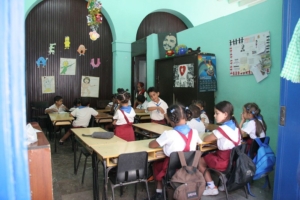
Vocational Education Centers in Cuba

Cuba has one of the world’s most complex geographical and political dynamics. It is located just 90 miles from the U.S. coast and stands on the opposite end of the political spectrum. For much of its modern history, Cuba has remained in a time capsule, with citizens restricted from accessing much of the world’s technology and trade. While the country has attempted to engage with globalization, progress has been slow.

In 2011, Raúl Castro announced a series of economic reforms targeting agriculture, small businesses and foreign investment. Fidel Castro called such globalization reforms “concessions to the enemy,” but his brother Raul was more receptive. However, the 2011 reforms have been unsuccessful due to state-imposed restrictions. This paradox of attempted modernization and government scrutiny has created a series of issues for vocational education training centers in Cuba. Without the implementation of a progressive vision, vocational education training centers in Cuba will remain stagnant.

Cuba is a highly educated but struggling nation. Cuba’s literacy rates are “more comparable to developed countries,” yet according to The Cuban Observatory for Human Rights, 88% of people still live in extreme poverty. This can be attributed partially to the U.S. embargo, but mostly to a repressive regime that prioritizes creating model citizens for the regime instead of creating an adept workforce. Something within the Cuban system needs to change, but it is unlikely to be within formal education.

The State of Vocational Education Training Centers in Cuba

Vocational education is one of the most effective tools in combating poverty. Unlike traditional education, it provides the skill sets necessary for a singular career. When someone is fighting for life-saving resources, the time needed for advanced education is not always an option. Vocational education provides a clear path to upward mobility. According to the World Bank, each additional year of schooling increases a student’s future hourly income by 10%.

Currently, vocational education training centers in Cuba still follow Soviet-era ideology. In upper secondary education, the equivalent of high school in the U.S., students are placed on either a university or vocational track. After schooling, they complete internships at state-run companies and earn certification within four years. Recent trends show that more students are directed toward vocational training. In 2001/2002, two-thirds of students pursued this path.

Generally, private corporations have limited influence on vocational education and training centers in Cuba, with private employment often stemming from either the informal labor market or family connections. The lack of involvement from private corporations poses several issues. Students’ autonomy is limited, resulting in an adversarial relationship with their work. Additionally, with the state still exerting significant control, the populace remains unprepared for the global economy.

SFUVET and the PROFET Program

The Swiss Federal University for Vocational Education and Training (SFUVET) is dedicated to enhancing vocational education for international partners. Its mission is to create harmony between the education system and the labor market. It currently has programs in Cuba and more than five countries.

In October of 2022, the organization launched the PROFET program in Cuba. Its initial aim was to educate 10,000 students across 29 universities in agriculture, construction and hospitality. Initially supposed to run through 2023, the project has been renewed for a second phase that will last till the end of 2025.

PROFET focuses on improving employment access and modernizing Cuba’s education system to prepare students for the global economy. Funded by the Swiss Agency for Development and Cooperation and the United Nations Development Programme (UNDP), the program aims to train vocational educators within four years.

Conclusion

Despite Cuba’s challenges, its commitment to vocational education remains clear. Organizations like SFUVET provide funding and instruction vital to the success of young people in Cuba. While the PROFET project comes to a close soon, the knowledge it offered to students will be invaluable to vocational education training centers in Cuba.

– Patrick Feeney

Patrick is based in Los Angeles, CA, USA and focuses on Business and Global Health for The Borgen Project.

Photo: Flickr
September 1, 2025
https://borgenproject.org/wp-content/uploads/borgen-project-logo.svg 0 0 Lynsey 2 https://borgenproject.org/wp-content/uploads/borgen-project-logo.svg Lynsey 22025-09-01 01:30:072025-08-31 13:59:05Globalization’s Effect on Vocational Education Centers in Cuba
Education, Global Poverty, Youth Empowerment

Path Out of Poverty? Higher Education in Romania

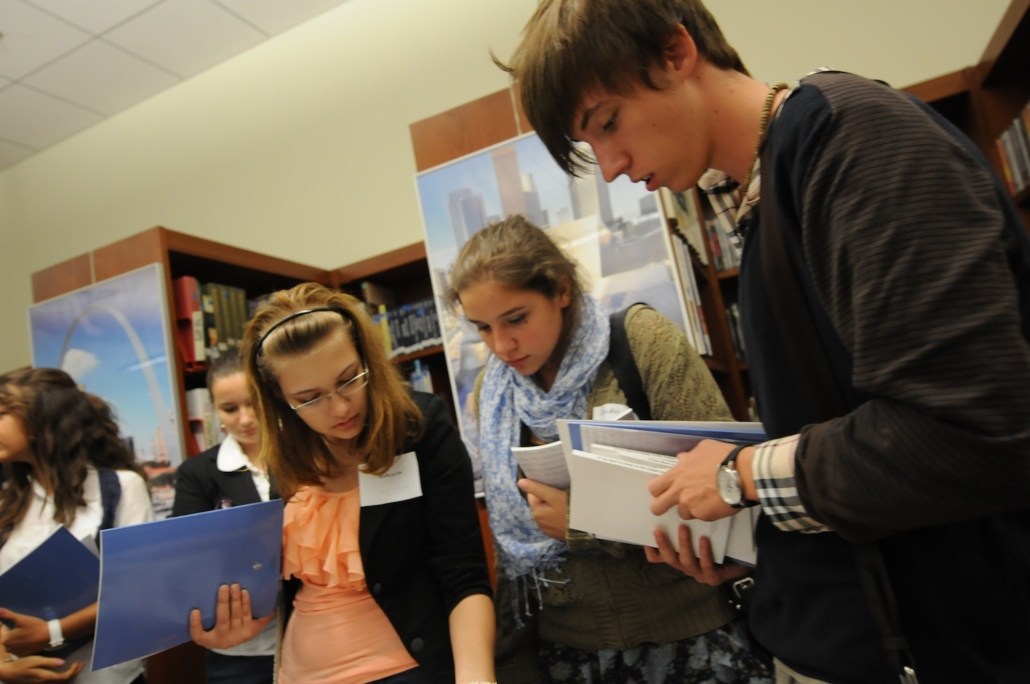
Higher Education in RomaniaAlthough the European Union maintains a high standard of education throughout the member states, the higher education system in Romania is outdated and struggles with polarities in access between urban and rural regions.

Romania’s Education Trends

The Romanian government allows higher education institutions to operate independently, within the framework of the Romanian legislation. Through budgets and advice from the Ministry of Education, the government creates programs and materials to support higher education in Romania, according to the European Commission. Romania has more public than private institutions, and institutional departments and faculty members oversee internal educational and university matters.

In 2024, a survey revealed that 16.8% of Romanians, aged 18 to 24, left school before completing higher education in Romania, according to the European Union. Through education, individuals learn elementary skills but also prepare to find work and contribute positively to their society and economy. With a growing number of young people leaving the education system early, Romania’s societal and economic progress faces increasing challenges. Another factor affecting Romania is that, unlike other EU nations, many who leave the education system early are women. Given the prevalence of the gender wage gap throughout the world, Romania experiences even greater economic inequities when fewer women complete higher education.

Although the Romanian economy has rebounded since the COVID-19 outbreak, Romania struggled to provide online education, and the pandemic especially caused tremors that still affect the country’s struggling education system. There is a strong correlation between inadequate education and high rates of unemployment. Jobs requiring fewer skills and experience lead to decreased overall wages, working conditions and job mobility for Romanians and minorities living in the country.

Discrepancies: Lack of Funding and Access

According to the International Trade Administration, a report from a Romanian Non-Governmental Organization notes that 38.1% of Romanian children face poverty, with nearly half of the country’s children struggling to access quality education and less able to pursue higher education in Romania. Additionally, only 0.15% of Romania’s GDP is reserved for research, with a slight expansion to 2% by 2024. Low funding rates negatively impact education and job opportunities for Romanians.

Poverty negatively impacts the Roma, an ethnic group of people from northern India who migrated to many European and other nations. Poverty among the Roma both stems from and results in a lack of education. According to the World Bank Group, 70% of the Roma experience poverty and high rates of illiteracy and reduced educational skills caused by the inadequate quality of and access to education. Segregation prevents the Roma from gaining the same level of education as their counterparts in Romania, according to Broken Chalk. Like other populations living in poverty, personal and familial conditions play a significant role in the ability to gain education or attend higher education. Education often becomes a lower priority in households struggling to meet basic needs. The outcome of an uneducated population, in cyclical poverty with no upward mobility, is dire for the Roma.

In addition to the Roma, other Romanians living in poverty struggle with affording education for their family members or themselves. Romania spends less money annually per university student compared to other developed nations, according to the Organisation for Economic Co-operation and Development, with too little financial aid to enable students to afford education. The government’s underinvestment and the resulting lower quality of educational institutions make it less viable for students to achieve a positive gain when paying for an education.

Modernizing the System

Recent governmental policies seek to minimize the effects of poverty through renewed access to education for Romanians and the Roma. The government is allocating funds for educational improvements to target access and quality, as reported by the Organisation for Economic Co-operation and Development. Access to education remains the key concern, especially as Romania increases efforts to extend skills and work habits to minority and impoverished populations. Romanian efforts have specifically earmarked educating teachers on how to engage with students and foster a knowledge of real-world problems and events. These improvements are key to establishing a stronger education system for all citizens and especially promoting learning opportunities in younger generations.

New policies aimed at supporting agencies have been created to encourage Romanian populations to send their children to school with a positive outlook for their future via education. Romania created one such initiative, the Relevant Curriculum, Open Education for All – CRED, which allows the country to assess and directly change certain current policies to improve education, according to CRED. By analyzing its lower educational standards, the government can create a stronger foundation and path for its students to achieve higher education in Romania. A subsection of the CRED project is the Second Chance – ADS, where modern policies allow and give support to those who left education previously to return. By modernizing the Romanian education system, more individuals, including those in rural areas, can access quality education, enabling the population to become more informed and reducing the risk of cyclical poverty.

Progress and Hope via Education

Romania’s current efforts to enhance and improve educational policies and funding will lead to greater access to skilled jobs and a stronger economic outlook, and progress towards inclusive communities and eradicating poverty. New education policies increase professionalism and excellence through the foundational years of education, focusing on individuals’ well-being and well-roundedness and ensuring that students become stronger job applicants, according to the European Commission. By increasing funding and equity and enabling citizens to gain a strong education in the country, minimizing brain drain, the Romanian government will improve the entire country’s outlook. Through education, Romania will thrive and attract individuals from across the world, positively impacting its economy and society. National and international efforts may also increase the hope and positive outlook within Romania among its citizens, fostering hope for a future of equality and prosperity.

– Avery Kachmarsky

Avery is based in Los Angeles, CA, USA and focuses on Business and Politics for The Borgen Project.

Photo: Flickr
July 30, 2025
https://borgenproject.org/wp-content/uploads/borgen-project-logo.svg 0 0 Jennifer Philipp https://borgenproject.org/wp-content/uploads/borgen-project-logo.svg Jennifer Philipp2025-07-30 07:30:552025-07-30 03:03:08Path Out of Poverty? Higher Education in Romania
Global Poverty, War and Violence, Youth Empowerment

How the Youth Uplifts Communities from Violence in Colombia

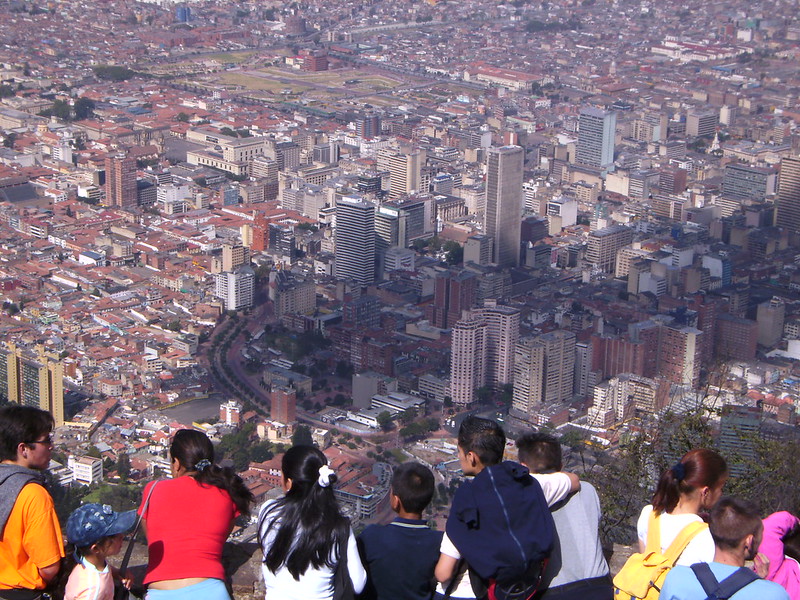
How the Youth Uplifts Communities from Violence in ColombiaOn June 7th, 2025, a 15-year-old gunman shot presidential candidate Uribe Turbay, who remains in critical condition. Colombian gangs have a history of targeting youth and particularly those living in poverty for recruitment. Despite Colombia’s turbulent past and even present, the country remains hopeful for the future, where the youth rise above poverty and uplift their community with them. 

History of Violence in Colombia

Colombia has a history of organized crime and violence. Most notorious were Colombia’s Cali Cartel and rival Medellín Cartel, led by Pablo Escobar. In the 1980s and 90s, each generated billions of dollars from trafficking Cocaine and ruled their territories ruthlessly. Escobar even waged a personal war against the Colombian government for a period.

These gangs in Colombia often targeted the youth for recruitment. Children tend to be more impressionable, vulnerable to violence or threats of violence. They can be targeted if they lack education or live in poverty, as they have fewer other opportunities.

These historic patterns appear to have re-emerged with the shooting of Turbay. The youth who shot him had reportedly been paid to do so, indicating there were additional factors at play. His young age and likelihood of facing far less harsh criminal penalties might have played a role in why he was targeted.

Employment Reducing Violence in Colombia

Despite violence remaining prevalent across Colombia, it has reduced significantly since the 1980s and 1990s. With some support, the youth have begun to find better opportunities and take their country a step in the right direction.

Access to employment has helped the youth improve their lives and lift themselves out of poverty. Research shows that unemployment and less access to income can result in increased rates of violence, so reducing these issues spells hope.

William Alarcon, former operational manager at AES, explains how two young women coming from typically more dangerous areas of Colombia gained employment at his company. “One of the ideas in the company where I work was to give the chance to some people coming from those areas, it’s a good idea… they were very good [at] labor. They also had the intention to study more, to learn more,” he says. As a result, they were able to benefit their communities and, in particular, their families and their children, so they wouldn’t have to go through the same struggle as they did.

Alarcon also recalled how gaining employment at 25 not only benefited him, but also gave him the chance to give back. “I could improve lives, I worked making aqueducts for people in rural areas… I was very happy to see the face of those people, the happiness of the people [when they received water to their house],” he says.

Education Reducing Violence in Colombia

Education also directly relates to poverty and, by extension, violence in Colombia. Research shows that more education is correlated with more and better career opportunities. Professional experience can be difficult to get at a young age with limited available positions, but education can offer valuable skills and knowledge, making young people more employable.

“The advice to young people is to study, at least to go to make a technical career and if they can, go to a university because,” says Alarcon. “I compare people who study, at the end, can get better lives, better things, they can travel, they can educate their children in a better way.”

He also recommends that the Colombian government promote and provide access to education, particularly in areas of violence, to give the youth more opportunities. A process that the Colombian government has begun to consider with recent initiatives.

Looking Ahead

Despite the history of violence in Colombia and some ongoing issues, the country has a hopeful future because of the hard work of its youngest and the support from those around them. Violence is still an issue, but some trends show signs of promise. Through employment, education and general self-improvement, the country’s youth can potentially reshape their future.

– Jesse Correll

Jesse is based in Boston, MA, USA and focuses on Politics for The Borgen Project.

Photo: Flickr

July 2, 2025
https://borgenproject.org/wp-content/uploads/borgen-project-logo.svg 0 0 Precious Sheidu https://borgenproject.org/wp-content/uploads/borgen-project-logo.svg Precious Sheidu2025-07-02 01:30:132025-07-02 03:46:11How the Youth Uplifts Communities from Violence in Colombia
Education, Global Poverty, Youth Empowerment

How National Vocational Training in Egypt is Empowering Youth

Vocational Training in EgyptAs the most populous nation and strongest economy in the North Africa region, Egypt presents a striking dichotomy: stable economic growth alongside a persistent national poverty crisis. To fight the structural imbalance that has allowed 30% of the population to live below the global poverty line, the Egyptian government, alongside international partners, has turned skills-based vocational learning into a beacon of opportunity. With more than 2 million students enrolled in technical education (TVET) programs, vocational training in Egypt aims to combat poverty, reduce youth unemployment, and promote inclusive growth in hopes of stimulating sustainable development.

Reforming Education to Meet Labor Market Demands

Egypt’s strategic investment in TVET reflects a commitment to building a more resilient and inclusive economy. The Technical Education Reform Strategy is reshaping how young people prepare for the job market, a group that currently sits at 20% unemployment compared to Egypt’s overall 7%, one of the highest in the MENA region. These conditions highlight the urgency of the nation’s tactical use of a competency and skills based curriculum, ensuring new workers can survive the competitive and rapidly evolving labor market each year. 

International development partners like the European Training Foundation, the German Development Corporation and the USAID-funded “Workforce Egypt” project have supported this nationwide reform. Together, these efforts have led to the creation of more than 2,900 institutions that blend academic learning with hands-on experience in fields such as agribusiness, hospitality and clean energy.

Partnerships that Power Progress

A central pillar driving reforms in the country’s education policy is the Egypt Impact Lab (EIL), a government-embedded initiative led by J-PAL Middle East and North Africa. It works alongside the Ministry of Education and Technical Education to evaluate and design policies. The EIL provides evidence and projections to ensure that vocational education policies continue to produce workers who support Egypt’s evolving economy.

In addition, the EIL acts as an interconnected space that brings together policymakers, donors and international experts to align priorities and shape reforms. These partnerships are instrumental in converting ambitious ideas into effective, scalable programs that can reach the students who need them most.

Reaching the Marginalized: Refugees and Informal Workers

While Egypt’s education reforms benefit millions of youth, they are particularly crucial for vulnerable communities. Egypt hosts more than 900,000 registered refugees, along with 1.5 million Sudanese migrants fleeing the current crisis. Refugees face high barriers to employment and education, which vocational training in Egypt aims to address. Programs like Caritas Egypt’s “For a Better Future” offer training and entrepreneurship skills to Egyptian and Syrian youth. Participants receive certifications from the Ministry of Social Affairs, gaining a foothold in Egypt’s competitive labor market. Training topics range from plumbing and tailoring to sustainable practices like plastic waste management and water conservation.

The World Food Programme (WFP) also plays a vital role, especially through its skills development program for refugees and marginalized groups. The WFP focuses on building skills in high-demand sectors, while also providing micro-loans to women entrepreneurs and promoting inclusive training opportunities. These policies directly impact participants’ economic well-being, with household incomes of women in the WFP’s She Can program increasing by up to 50%.

A Path Forward

Vocational training in Egypt has developed into a tool of long-term socio-economic growth, laying long term groundwork to equip young people and marginalized groups with the skills to not only sustain the country’s developing economy, but also transform their own lives. 

The initiatives and partnerships created by Egypt’s TVET system build futures for millions, holding the potential to reduce the inequality and deprivation that the many Egyptians below the poverty line face every day. Furthermore, as Amr Bosila of the Ministry of Education and Technical Education noted, “By aligning education with labour market needs…Egypt charts a course towards a future of inclusive growth and opportunity.”

– Tom Finighan

Tom is based in London, UK and focuses on Business and New Markets for The Borgen Project.

Photo: Flickr
June 22, 2025
https://borgenproject.org/wp-content/uploads/borgen-project-logo.svg 0 0 Jennifer Philipp https://borgenproject.org/wp-content/uploads/borgen-project-logo.svg Jennifer Philipp2025-06-22 07:30:582025-06-21 14:10:17How National Vocational Training in Egypt is Empowering Youth
Entertainment, Global Poverty, Youth Empowerment

Clowns Without Borders: Lifting People Out of Poverty

Clowns Without BordersWhile often overlooked, comedy and entertainment have emerged as powerful tools in the fight against poverty. Beyond providing emotional relief, these creative industries offer economic opportunities and foster social cohesion in underserved communities. In 2019, the global live entertainment industry generated a total economic impact of $132.6 billion, supporting 913,000 jobs and contributing approximately $42.2 billion in labor income.

This substantial economic footprint underscores the potential of entertainment sectors to drive development and alleviate poverty. Moreover, cultural festivals have been shown to boost local economies significantly. For instance, the Adelaide Fringe Festival in Australia contributed $149 million to South Australia’s economy in 2024, supporting thousands of jobs and attracting nearly 60,000 interstate visitors.

Comedy as a Pathway to Opportunity and Healing

Many comedians and content creators have transformed their experiences with poverty into thriving careers on platforms like YouTube, TikTok and Netflix, proving that storytelling and humor can open the door to sustainable livelihoods. Organizations such as Clowns Without Borders use humor to raise awareness and funds while bringing joy to children in crisis zones. Its work highlights how creative expression can uplift communities affected by conflict and hardship. These examples illustrate how comedy and entertainment can serve as catalysts for economic growth and poverty reduction. Below are four ways in which these creative avenues are making a difference:

Stand-Up and Theater Schools

The International Theatre Project is dedicated to expanding access to theater for individuals living in poverty in developing countries. Since its inception in 2005, the organization has supported more than 2,700 students. Its programs aim to help young people present their thoughts confidently, solve problems collaboratively and see the world from new perspectives. Through this process, participants develop their identities, ensuring that poverty no longer defines them. The impact is significant, with more than 90% of students who participate in these programs pursuing higher education at universities.

Digital Platforms and the Television Industry

The French-Senegalese actor Omar Sy, the third of eight children born to immigrant parents, has risen to success through his talent and the television industry. In 2015, he played a role reflecting his roots in the movie “Samba.” Similarly, digital platforms like TikTok have become powerful tools for escaping poverty. Kenyan singer Michael Bundi, once on the verge of eviction due to financial struggles, gained significant attention and financial success after posting his songs on TikTok, as his music resonated with viewers.

NGOs Using Comedy to Bring Hope

Clowns Without Borders operates not only in the United Kingdom (U.K.) but in countries affected by conflict or disaster, such as Ukraine and Mozambique. The organization has been spreading laughter and offering moments of respite to more than 100,000 children over the past decade. Clowns Without Borders aims to reach an additional 1 million children over the next 10 years, continuing its mission to bring joy and hope to those who need it most.

Comedy Festivals Boosting Local Economies

The stand-up comedy scene in Kenya is booming, contributing to the local economy. Collectives like the Punchline Comedy Club, founded in 2017, organize open-mic nights, monthly shows and festivals that attract diverse audiences. These events provide platforms for emerging and established comedians, creating jobs in the entertainment industry. Artists such as Anthony “Ty” Ngachira and Eunice Njoki, known as Mammito, have seen their careers flourish through these opportunities, helping to grow the Kenyan comedy industry.

Moving Forward

Comedy and entertainment continue to play a growing role in global development efforts. From job creation in the live performance sector to digital platforms offering income opportunities, these creative industries contribute to economic inclusion and social resilience. Indeed, by supporting programs that expand access to arts and performance, governments and organizations could help strengthen livelihoods and bring visibility to voices often left unheard.

– Eléonore Bonnaterre

Eléonore is based in London, UK and focuses on Good News for The Borgen Project.

Photo: Flickr

May 15, 2025
https://borgenproject.org/wp-content/uploads/borgen-project-logo.svg 0 0 Precious Sheidu https://borgenproject.org/wp-content/uploads/borgen-project-logo.svg Precious Sheidu2025-05-15 01:30:012025-05-15 00:31:04Clowns Without Borders: Lifting People Out of Poverty
environment, Global Poverty, Youth Empowerment

Innovative Waste Management in Rwanda

rwanda waste Rwanda, a country in Central Africa with a population of around 14 million, has emerged as a global leader in sustainable development through its revolutionary waste management initiatives. The Plastic Waste Management Program and the Gikondo Recycling Centre, as well as youth-led eco-entrepreneurship initiatives, address certain environmental issues to create many jobs, mainly for young people. Rwanda is generally encouraging cleaner urban spaces, transforming waste into valuable resources. In addition to its promotion of a circular economy, it is setting an inspiring example for other nations to follow in the pursuit of sustainability and economic growth as well.

Transforming Waste into Opportunity

In 2021, Rwanda, in its work alongside the Private Sector Federation, set up a fund for plastic waste management. This initiative has led to the collection of nearly 1,500 tons of plastic waste from around 24 drop-off points. If that waste was not collected, it would have ended up in the landfills. The programme has, furthermore, created some 1,300 green jobs, showing the potential for environmental initiatives to drive economic growth, as well as employment.

Rwanda’s commitment to addressing plastic pollution extends beyond its borders. In 2024, Rwanda and Peru submitted a proposal at the U.N. talks in Ottawa to reduce global plastic production by 40% by 2040. This ambitious target aims to protect human health and the environment by limiting the production of primary plastic polymers.

Gikondo Recycling Centre

The Gikondo wetland in Kigali, once with heavy pollution by plastic waste, is undergoing transformation into a recreational area like the Nyandungu Eco-tourism Park. The government has actively engaged youth in removing some plastic waste from the wetland. That action turns an environmental challenge into an opportunity for community involvement as well as job creation.

Additionally, the Nduba landfill in Kigali features pilot facilities for municipal waste valorisation, a Waste Sorting and Separation Facility and a Bio-Waste Treatment Facility. These facilities can handle about 100 tons of waste per day in addition to converting organic waste into valuable fertilisers, respectively. The project could reduce greenhouse gas emissions by an estimated 15,320 tCO₂ annually, and a further 74 new green jobs should be created.

The Youth-Led Eco-Entrepreneurship

Rwanda’s focus on youth empowerment is obvious in programs like the Youth Ecobrigade, implemented in partnership with UNDP and KOICA, together with other stakeholders. This initiative has provided training for 4,900 young people from rural communities. Furthermore, this initiative created 3,520 new jobs. Youth cooperatives that were formed under the program have managed to save nearly 11 million Rwandan francs, which promotes savings and entrepreneurship.
Launched in 2023, the Aguka program aims to support youth-led businesses further. This four-year initiative aims to impact around 6,600 youth-led businesses via the provision of thorough support. Such support includes access to finance, advanced business development training, mentorship, and market linkages. The program should create more than 100,000 jobs, greatly helping Rwanda’s socioeconomic change.

E-Waste Management in Rwanda

Recognizing the growing challenge of electronic waste, the country has partnered with Enviroserve Rwanda Green Park to establish a state-of-the-art e-waste dismantling and recycling facility. This facility has trained up to 70 young Rwandans in the repair, maintenance, and also recycling of electronic equipment. This training program furnished them with valuable skills for the job market.

Furthermore, the initiative has created green jobs for 413 people, with the number expected to rise as the facility and nationwide collection points become fully operational. This approach not only addresses environmental concerns but also provides sustainable employment opportunities for the youth.

A Blueprint for Sustainable Development

These revolutionary waste management initiatives in Rwanda exemplify how environmental sustainability and economic development can go hand in hand. Rwanda is setting a precedent for other nations to emulate by engaging youth as well as transforming waste into resources. This is in addition to encouraging a circular economy. These programs do address the pressing environmental challenges and also create meaningful employment opportunities, especially for young people, paving the way for a more sustainable and prosperous future.

– Zainab Saad Hassan

Zainab is based in Glasgow, Scotland and focuses on Technology and Global Health for The Borgen Project.

Photo: Flickr

May 9, 2025
https://borgenproject.org/wp-content/uploads/borgen-project-logo.svg 0 0 Naida Jahic https://borgenproject.org/wp-content/uploads/borgen-project-logo.svg Naida Jahic2025-05-09 07:30:172025-05-09 01:25:13Innovative Waste Management in Rwanda
Page 2 of 41234

Get Smarter

  • Global Poverty 101
  • Global Poverty… The Good News
  • Global Poverty & U.S. Jobs
  • Global Poverty and National Security
  • Innovative Solutions to Poverty
  • Global Poverty & Aid FAQ’s
Search Search

Take Action

  • Call Congress
  • Email Congress
  • Donate
  • 30 Ways to Help
  • Volunteer Ops
  • Internships
  • Courses & Certificates
  • The Podcast
Borgen Project

“The Borgen Project is an incredible nonprofit organization that is addressing poverty and hunger and working towards ending them.”

-The Huffington Post

Inside The Borgen Project

  • Contact
  • About
  • Financials
  • President
  • Board of Directors
  • Board of Advisors

International Links

  • UK Email Parliament
  • UK Donate
  • Canada Email Parliament

Get Smarter

  • Global Poverty 101
  • Global Poverty… The Good News
  • Global Poverty & U.S. Jobs
  • Global Poverty and National Security
  • Innovative Solutions to Poverty
  • Global Poverty & Aid FAQ’s

Ways to Help

  • Call Congress
  • Email Congress
  • Donate
  • 30 Ways to Help
  • Volunteer Ops
  • Internships
  • Courses & Certificates
  • The Podcast
Scroll to top Scroll to top Scroll to top