• Link to X
  • Link to Facebook
  • Link to Instagram
  • Link to TikTok
  • Link to Youtube
  • About
    • About Us
      • President
      • Board of Directors
      • Board of Advisors
      • Financials
      • Our Methodology
      • Success Tracker
      • Contact
  • Act Now
    • 30 Ways to Help
      • Email Congress
      • Call Congress
      • Volunteer
      • Courses & Certificates
      • Be a Donor
    • Internships
      • In-Office Internships
      • Remote Internships
    • Legislation
      • Politics 101
  • The Blog
  • The Podcast
  • Magazine
  • Donate
  • Click to open the search input field Click to open the search input field Search
  • Menu Menu

Archive for category: Youth Empowerment

Aid, Global Poverty, Youth Empowerment

UNICEF Supports Children in Liberia

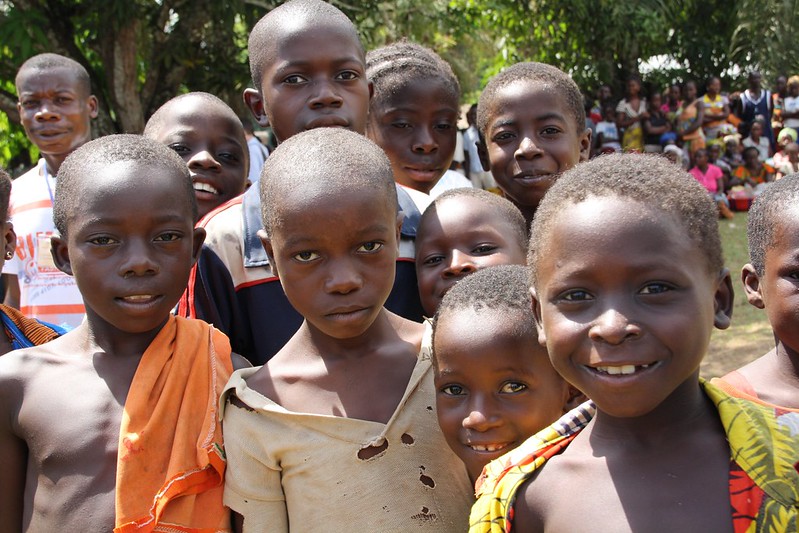
UNICEF Supports Children in Liberia 20 Years After the Civil WarIn Liberia, more than 20 years have passed since the second civil war ended in Aug. 2003. Yet, the younger population continues to be deeply affected by the consequences of the conflict, in particular the use of child soldiers. All sides initially deployed children because they were cheap and obedient, making them easy to exploit. Often heavily drugged, these children could constitute up to 50% of the fighting forces.

The Lasting Impact on Former Child Soldiers

A BBC interview with a former child soldier, Miatta, reveals how her childhood was traumatized by the war. At only 14 years old, she was forced to kill. The hurt she endured led her to fall victim to drugs and sex work in her later teenage years, a fate which, sadly, is often met by many child soldiers. Miatta’s story is a testimony to how the livelihoods and futures of a young generation are haunted by this conflict. A UNICEF report reveals that Liberia is witnessing a growing population, with 63% under 25 years old. Yet statistics drawn by Save the Children reveal that challenges still prevail, with 50% of children out of school and 32% suffering from malnutrition. 

UNICEF’s Pivotal Role in Child Protection

UNICEF’s involvement has been crucial in supporting children born into poverty in Liberia. The organization began its efforts in 1986 with a focus on child protection. Additionally, they have financially assisted the government with projects aimed at supporting youth. UNICEF advocates for laws that ensure the safety and rehabilitation of children in violent situations. A key achievement is the passage of the Children’s Law in 2011, which explicitly defines the human rights entitled to children. UNICEF also champions the protection of children’s rights from birth, emphasizing the importance of birth registration to ensure their access to services and legal protections.

UNICEF collaborates with several organizations, including Save the Children and Catholic groups like Don Bosco Homes, to support Liberia’s recovery. During the Ebola outbreak, Save the Children notably provided foster homes and educational kits to ensure the health and education of children. Liberia continues to grapple with the scars left by its civil wars and the traumatic use of child soldiers. Issues like violence, drug use, malnutrition and poverty persist among the youth. However, the dedicated efforts of these organizations, especially UNICEF, offer a glimmer of hope for the future generations of Liberia.

Looking Ahead

Despite the end of Liberia’s civil wars more than two decades ago, the nation still faces significant challenges in rebuilding its society. This is particularly so in the case of supporting its youth. UNICEF, alongside other organizations, continues to play a critical role in addressing the needs of children in Liberia. They focus on protection, education and health. Furthermore, with ongoing efforts to improve living conditions and ensure the rights of every child, these initiatives aim to help Liberia’s young population recover from the lingering effects of conflict and build a brighter future.

– Grace Sammartini

Grace is based in Rome, Italy and focuses on Good News and Global Health for The Borgen Project.

Photo: Flickr
August 31, 2024
https://borgenproject.org/wp-content/uploads/borgen-project-logo.svg 0 0 Precious Sheidu https://borgenproject.org/wp-content/uploads/borgen-project-logo.svg Precious Sheidu2024-08-31 03:00:542024-08-30 06:53:28UNICEF Supports Children in Liberia
Global Poverty, Innovations, Youth Empowerment

3 Initiatives Improving India’s Literacy Rate

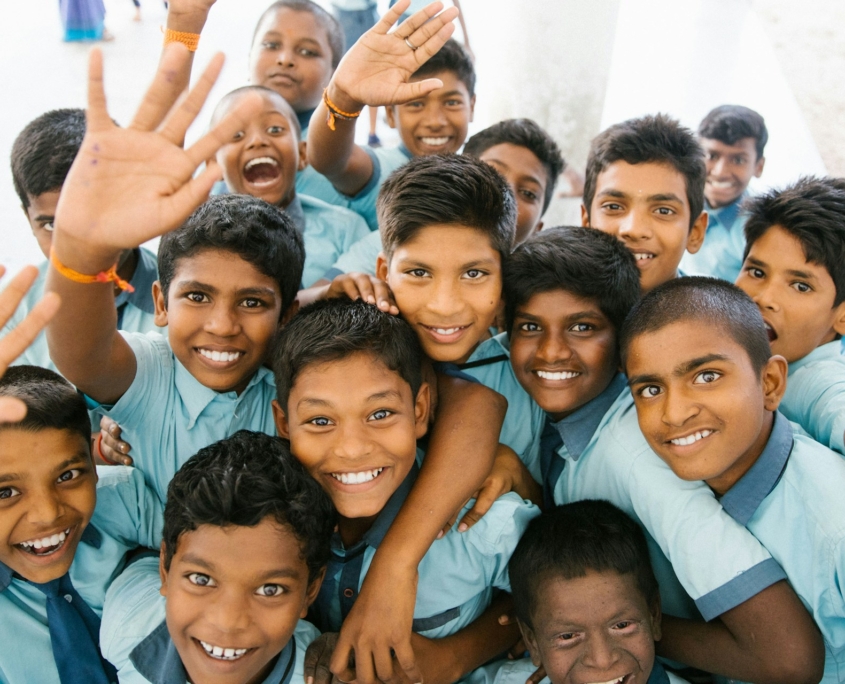
3 Initiatives Improving India’s Literacy Rate India’s literacy rate has seen significant improvement in recent years, reducing the correlation between poverty and illiteracy. In 1981, the overall literacy rate stood at 40.67%. In a study ending in 2022, around 40 years later, it had risen to 76.32%. Additionally, studies reveal that illiterate people in the later statistics are mostly elderly people, indicating that illiteracy among younger generations has been largely eradicated. These encouraging statistics result from multiple literacy initiatives proposed by the Indian government. Here are three programs that have made a notable difference.

National Literacy Mission

The Government of India founded the National Literacy Mission in 1988. The initiative focuses on two main projects: The total and post-literacy programs. The Total Literacy Program focuses on teaching adults basic literacy. The second program was implemented afterward and is aimed at neo-literates. This means people who have picked up literacy skills in an informal setting later in life. The Continuing Education Program is the Mission’s third program. It provides spaces such as reading rooms and libraries for the members of the programs.

The National Literacy Mission has covered more than 597 districts and when including all three programs, the NLM has covered 150 million neo-literates. Additionally, 125.6 million people have been made literate through this program. Gender disparity is another crucial aspect of this program, as the initiative comprises 60% female to 40% male counterparts. There is also a focus on working with India’s most underprivileged, working with 23% of learners from the Scheduled castes and 12% belonging to the Scheduled tribes. This project is ongoing, but significant progress has been made, with a jump from 52.21% literacy in 1991 to 65.37% in 2001. 

Padhe Bharat Badhe Bharat

Padhe Bharat Badhe Bharat (PBBB) is a literacy initiative that was founded in 2014. It focuses on children within government schools, working with them to solidify their reading and writing skills to set them up for higher education. The program also works with teachers to help train and mentor them within the program. PBBB also aims to make reading a joyful and natural skill for children. The lessons are taught in their mother tongue and the Ministry of Education implements initiatives like the ‘100-Day Reading Challenge’ launched in 2022, which ensures that children are supplied with reading material in their native language. The program is made up of two components: system and classroom. This means emphasizing sufficient teacher training and learning material combined with the more intangible effort of having a supportive learning environment.

The Central Government has supplied specialized bridge material for tribal populations, free textbooks, supplementary reading and teacher training. The program aims to create a supportive and informed group of teachers and administrators who can help support their children as they progress through their education. Although PBBB is focused on early learning, the skills the students learn are made to be lasting and hugely foundational. 

Beti Bachao Beti Padhao

Beti Bachao Beti Padhao (BBBP) was created in 2015 by the Prime Minister. It focuses on women’s empowerment, with the name meaning “save the girl child, educate the girl child.” The initiative is trying to shift how society views women and girls. Additionally, it strengthens their education and gives them a place in the world further than the home. The program has launched many successful initiatives. BBBP has implemented training programs for district-level officers and frontline workers. Some other notable progress is the organization of street plays in villages and markets in Pithoragarh that focus on the struggles that girls face in their lifetime, for example, abortion. The plays generate awareness of these issues in a more interactive sense than classes or pamphlets.

Additionally, the ‘Udaan – Sapneya Di Duniya De Rubaru’ scheme in the Mansa district allows girls to spend the day with a person of their desired profession (doctor, lawyer, etc). This program has been hugely successful, with the participation of more than 70 girls. The program also offers financial incentives and awards for girls in school. It creates guidelines and protocols to make schools safe and supportive for them. These are only a few examples of Beti Bachao Beti Padhao’s initiatives and this program only continues to support and empower women. Although this program is not strictly centered on India’s literacy rate, it creates an important precedent for future education and empowerment of women. Beti Bachao Beti Padhao allows women to grow beyond anything expected by creating supportive environments and opportunities for education and awareness. 

Looking Ahead

These three initiatives have helped improve India’s literacy rate and empower underprivileged groups. These ongoing initiatives focus on adult and child literacy and emphasize gender equality and supportive educational environments. The National Literacy Mission has made significant strides in adult education. Furthermore, Padhe Bharat Badhe Bharat has laid a strong foundation for early childhood literacy. Beti Bachao Beti Padhao continues to empower and educate girls, changing societal attitudes. Together, these programs pave the way for India’s more literate society.

– Sofia Hattiangadi

Sofia is based in New York City, NY, USA and focuses on Good News for The Borgen Project.

Photo: Unsplash

August 28, 2024
https://borgenproject.org/wp-content/uploads/borgen-project-logo.svg 0 0 Precious Sheidu https://borgenproject.org/wp-content/uploads/borgen-project-logo.svg Precious Sheidu2024-08-28 01:30:522024-08-26 11:05:433 Initiatives Improving India’s Literacy Rate
Advocacy, Global Poverty, Youth Empowerment

5 Ways Young People Are Making a Difference in Global Poverty

Young People Are Making a Difference

Young people make a difference in global poverty in many creative and innovative ways. 

Advocacy and Awareness

One way that young people make a difference is through advocacy, as seen in grassroots movements such as Why Hunger. This organization works with young people at the local level to change their food systems. It has connected 932,000 people to nutritious food and services.

Another way they advocate is by raising awareness, often by using social media. For example, Joshua Heart’s Foundation, started when he was just 4 years old, has raised more than $1 million to help end hunger worldwide. This highlights how young people use their tools to effect change in the world.

Entrepreneurship and Innovation

A second way that young people can positively impact global poverty is through entrepreneurship and innovation. This is exemplified by social enterprises such as the Solar Sisters, which enable young women seeking work to become entrepreneurs and create sustainable energy alternatives. This innovation helps provide technological solutions to global poverty issues. The Solar Sisters and other entrepreneurs develop technological solutions that address existing problems with power in the world, offering new ways to combat poverty.

Volunteering

Young people also make a difference through both local and international volunteering. The New York Times found that one initiative in New York managed to serve up to 1,000 people in a food bank, highlighting the impact of young volunteers. It also found that the young people involved wanted to make a change and felt good about it. This demonstrates how they are making a difference now and see the benefits of volunteering, which encourages them to continue supporting the goals of ending world hunger and addressing global poverty.

Education

A penultimate way for young people to make a difference is through education, which can be seen in both educational initiatives and skills training. For example, SEED, a British organization, has significantly impacted global poverty goals through education, with young people leading the charge. SEED aims to enhance young people’s learning to help eradicate global hunger and address global poverty. One study found that SEED improved access to water, sanitation, hygiene and education for more than 400 students at Sainte Luce Primary School. This demonstrates how educational initiatives can significantly influence global poverty outcomes.

Leadership and Governance

Finally, young people can make a difference through leadership and governance. This is most evident through youth representation in groups and at government meetings, such as the Global Food Summit, which led to discussions surrounding policy. Young people put pressure on decision-makers and push the conversation forward. Additionally, governance can involve them in policy development that directly affects those suffering from global poverty. This direct involvement has a positive impact on laws that benefit those in need.

Young people have a significant impact on addressing global poverty. In many different ways, they are one way forward in tackling global poverty and similar issues. They benefit both these goals and provide new and innovative ways of solving problems.

– Rosie Miller

Rosie is based in Edinburgh, Scotland and focuses on Good News for The Borgen Project.

Photo: Pexels

July 25, 2024
https://borgenproject.org/wp-content/uploads/borgen-project-logo.svg 0 0 Lynsey 2 https://borgenproject.org/wp-content/uploads/borgen-project-logo.svg Lynsey 22024-07-25 03:00:002024-07-25 03:13:445 Ways Young People Are Making a Difference in Global Poverty
Global Poverty, Nonprofit Organizations and NGOs, Youth Empowerment

The Dream Factory Foundation: Lifting Up the Youth of Africa

The Dream Factory Foundation: Lifting Up the Youth of Africa Since its inception in 2008, the Dream Factory Foundation has actively supported children from low-income and rural areas across Africa, aiming to bridge economic disparities. The foundation focuses on empowering these youths through educational and self-improvement programs to foster sustainable futures. Founded by Lusanda Magwape, the organization operates on the principle that young people can achieve their dreams with appropriate knowledge, leadership and access to significant opportunities. Its initiatives, which emphasize digital and vocational skills training, have garnered recognition for their impact, notably from the South African Women Entrepreneurs Climate Change Awards (SiAWECCA). These programs equip African youth with the professional and life skills necessary to lead purpose-driven lives as proactive community members.

The Dream Factory Foundation

The Dream Factory Foundation focuses on skills training for children and women in underserved communities through various impactful programs. A key initiative is the Be The Dream program, which equips students in schools with self-development tools to help them achieve their personal goals. This program has gained recognition as an approved after-school activity by the Western Cape Department of Education in South Africa and currently benefits more than 150 learners weekly. It operates across several countries, including Cameroon, Namibia, South Africa, Zimbabwe and Botswana, expanding its reach and impact on young lives.

The Emergent Academy

The Emergent Academy, another key program by the Dream Factory Foundation, offers a six-month training course aimed at equipping young women with professional and vocational skills across several sectors. Participants can learn everything from computer skills, including coding and online safety, to agricultural techniques. Additionally, the program facilitates opportunities for internships to help solidify the practical application of their new skills. Active in Zambia, South Africa, Malawi, Zimbabwe and Botswana, the Emergent Academy has broadened its impact significantly.

During the COVID-19 pandemic, the organization also supported more than 100 schools by providing Google G-switch software to enhance teachers’ capabilities in online instruction. In addition, the foundation assists with country-specific initiatives like 50-50 Farmers Africa in Botswana and various digital skills training programs that develop technical and professional tools for its participants.

Impact

The Dream Factory Foundation significantly impacted nearly 2,000 students in 2023 through its educational initiatives such as the Be The Dream program. Moreover, the foundation supported 44 youth-led businesses and helped numerous young individuals secure employment or further educational opportunities. Expanding its reach, the organization now operates in seven African countries, collaborating with partners like the Jacaranda Hub and Pillar of Hope Africa to advance its mission. The Dream Factory Foundation is committed to continuing its efforts to empower disadvantaged communities across Africa.

Looking Ahead

The Dream Factory Foundation continues to expand its impact across Africa, providing essential skills training and educational opportunities to youth and women in underserved communities. By equipping approximately 2,000 students and supporting youth-led businesses annually, the foundation can potentially foster sustainable futures. As it grows its presence in multiple countries, the foundation remains dedicated to empowering disadvantaged populations and bridging economic disparities.

– Hannah Hipolito

Hannah is based in Tampa, FL, ISA and focuses on Good News for The Borgen Project.

Photo: Unsplash

July 4, 2024
https://borgenproject.org/wp-content/uploads/borgen-project-logo.svg 0 0 Precious Sheidu https://borgenproject.org/wp-content/uploads/borgen-project-logo.svg Precious Sheidu2024-07-04 03:00:462024-12-13 18:03:12The Dream Factory Foundation: Lifting Up the Youth of Africa
Education, Global Poverty, Youth Empowerment

6 Facts About Higher Education in Armenia

Higher Education in Armenia
In 1991, Armenia declared its independence from the Soviet Union, transitioning to a parliamentary republic by 2018. The value of education is enshrined in the country’s constitution, which was implemented in 1995.

Facts About Higher Education in Armenia

  1. Legal Bases for Education in Armenia: Article 38 of the Constitution of Armenia prescribes compulsory education, free of charge through the secondary level. Education within state higher-level institutions and other vocational education institutions is free on a competitive basis. Armenia’s Law on Education (1999) and its Law on General Education (2009) provide details that support the educational mandate. 
  2. There is limited accessibility to higher education for poor students: College tuition and housing costs are rising. Even the free state schools involve costs—clothing and supplies, plus fees associated with tuition. Indirect costs often include the financial need for children from poor families to stay home to help with work. And for poor rural students who happen to live in a region without a university, moving to a city would add to their financial burden. The 2022 Armenian poverty rate was 24.8%, which means that higher education can be prohibitive for almost a quarter of the population.  
  3. Armenia’s expenditure on education has remained relatively low compared to international standards. According to the World Bank, education accounted for 9.7% of total government expenditure in 2022, up from 8.9% in 2017 but still well below UNESCO’s recommended 15–20% benchmark.
  4. Armenia has numerous institutions of higher education: Armenia is home to 25 state universities and 33 licensed private higher educational institutions. These opportunities comprise universities, institutes, academies and a conservatory. State universities include a medical university, an engineering university, a linguistic university and a University of Economy. International universities include the French University, American University, European Regional Educational Academy, the Plekhanov Russian University of Economics and others. 
  5. Armenia participates in an international collaborative to support higher education: The Bologna Process is an intergovernmental higher education reform initiative, currently with 49 member countries, designed to address the quality and recognition of European higher education systems, which would enhance and facilitate European and international educational exchange and collaboration. It led to the establishment of the European Higher Education Area in 2010 and facilitates the “convergence of structural reforms on issues including quality assurance, recognition and mobility.” Armenia’s participation as a full member since 2005 signifies the value of education and education partners to Armenia. 
  6. Armenia is developing a “transformative” hub for education and innovation. Armenia’s Academic City project is engaging partnerships with leading global institutions—universities, research centers, private sector companies, industry experts, government bodies—to create an education, research and innovation environment for students, scholars and professionals to work together. The Armenian Government created the Academic City Fund in April 2023, and began by selecting a site, conducting a needs assessment and meeting with stakeholders, with continuing development activities since then. In October 2025, the country will host a two-day International Knowledge Forum that will include sessions on global trends in higher education, the digital transformation of academia, university-industry collaboration, universities and regional development and lifelong and “flexible” learning. Armenia’s focus on higher education is thus two-pronged: building an innovative educational structure for the future, while tackling access to higher education for those with limited resources.

– Staff Reports
Photo: Flickr

April 13, 2021
https://borgenproject.org/wp-content/uploads/borgen-project-logo.svg 0 0 Kim Thelwell https://borgenproject.org/wp-content/uploads/borgen-project-logo.svg Kim Thelwell2021-04-13 12:11:492026-09-09 07:04:576 Facts About Higher Education in Armenia
Education, Global Poverty, Youth Empowerment

Education in Georgia: Strategy and Action

Education in Georgia
The Republic of Georgia, forced into the USSR in 1921, has been independent since 1991. Bordering the Black Sea, it has an extended border with Russia, as well as bordering Turkey, Armenia and Azerbaijan. It can be geopolitically considered as part of Europe or the Middle East, or both. Its population of almost five million is primarily urban (60.7%), with 18% of the country Russian-occupied. Many disadvantaged people or ones living in rural areas have challenges accession education in Georgia.

The Education System in Georgia

There are three levels of general education in Georgia: Primary beginning at age 6 (grades 1-6), basic (7-10) and secondary (11-12). Primary and basic are compulsory. The Ministry of Education, Science and Youth has developed a National Curriculum that is followed by both public and private institutions. Successful completion of primary and basic education allows students to go on to general secondary or basic vocational education. Higher education institutions include colleges (offering bachelor’s programs only), universities (bachelor’s to doctoral, including research) and “other.”

OECD Evaluation and Assessment

A 2019 review by the Organisation for Economic Co-operation and Development  (OECD) and UNICEF, conducted at the request of, and in partnership with, Georgia’s Ministry of Education, Science, Culture and Sport, reported the country’s “remarkable progress in expanding access to education and improving outcomes,” but concluded that “the majority of children in Georgia still leave school without having acquired the basic competencies they need to compete in the 21st century economy.” Those seen at greatest risk were rural students, students with a national minority background and socioeconomically disadvantaged students.

OECD’s recommended areas for improvement included student assessment (to accurately identify student performance), teacher appraisal (training teachers to provide better student support) and school and system evaluation (more oversight and resources for schools and the development of research capacity and data tools for the system as a whole).

Achieving Quality Education

With an overall United Nations Sustainable Development Goal achievement score of 73.67/100 in 2025, Georgia ranks 59th out of the 167 countries ranked. On SDG 4, Quality Education, achievement is considered to be “stagnating,” with significant challenges remaining. Pre-primary organized learning is indicated to have major challenges, along with significant challenges in net primary enrollment, which is trending lower. Lower secondary completion rate and literacy rate have achieved the SDG, although the former is stagnating, while literacy, at almost 100%, has trended upwards.

Unified National Strategy: First Action Plan

In August 2022, the Government of Georgia adopted the Unified National Strategy of Education and Science of Georgia for 2022-2030, which comprised the unified plan for 2020 and a respective action plan for 2022-2024. The goal of the Unified National Strategy is to transform Georgia’s education system and accelerate the fulfillment of SDG 4.

This strategy process built on the 2022 initiatives of the U.N.’s Transforming Education Summit, convened to “[elevate] education to the top of the global political agenda . . . to recover pandemic-related learning losses and . . . transform education in a rapidly changing world.”

Georgia’s Unified National Strategy is grounded in three pillars: quality, equity and good governance, from preschool education to science, technology and innovation. Goals include quality, relevance, equity, inclusion and diversity. To enable success, Georgia committed to an increase of up to 6% of GDP by 2030 in public expenditures for education and science. A “rigorous” reporting process was required to track progress, identify and address bottlenecks and revise and readjust as needed.

Unified National Strategy: Second Action Plan

In July 2025, OECD reported an initial draft of the 2025-2027 Sectoral Action Plan of the Strategy. This would serve as a roadmap of priorities, which included raising awareness of the achievements and contributions to science and research by women, promoting the participation of women in such activities and supporting the internationalization of Georgia’s research, including its involvement in the European Open Science Cloud.

Reform and the Future

Over the past three years since Georgia initiated the Unified National Strategy, the country has implemented many educational system reforms. Priorities include bilingual pre-schooling, STEAM education that focuses on both creative and analytical skills, minority student enrollment in higher education and participation of girls and young women in STEM fields. The scope of reform is broad, and the targets are many. 

Over the last several decades, Georgia has moved from a Russian-influenced education system to a system with challenges, but more recently to a system with a strong strategy for providing Georgians with the education and skills to thrive now and in the changing future.

– Staff Reports

Photo: Flickr

March 31, 2017
https://borgenproject.org/wp-content/uploads/borgen-project-logo.svg 0 0 Borgen Project https://borgenproject.org/wp-content/uploads/borgen-project-logo.svg Borgen Project2017-03-31 01:30:372026-09-09 08:06:28Education in Georgia: Strategy and Action
Page 4 of 41234

Get Smarter

  • Global Poverty 101
  • Global Poverty… The Good News
  • Global Poverty & U.S. Jobs
  • Global Poverty and National Security
  • Innovative Solutions to Poverty
  • Global Poverty & Aid FAQ’s
Search Search

Take Action

  • Call Congress
  • Email Congress
  • Donate
  • 30 Ways to Help
  • Volunteer Ops
  • Internships
  • Courses & Certificates
  • The Podcast
Borgen Project

“The Borgen Project is an incredible nonprofit organization that is addressing poverty and hunger and working towards ending them.”

-The Huffington Post

Inside The Borgen Project

  • Contact
  • About
  • Financials
  • President
  • Board of Directors
  • Board of Advisors

International Links

  • UK Email Parliament
  • UK Donate
  • Canada Email Parliament

Get Smarter

  • Global Poverty 101
  • Global Poverty… The Good News
  • Global Poverty & U.S. Jobs
  • Global Poverty and National Security
  • Innovative Solutions to Poverty
  • Global Poverty & Aid FAQ’s

Ways to Help

  • Call Congress
  • Email Congress
  • Donate
  • 30 Ways to Help
  • Volunteer Ops
  • Internships
  • Courses & Certificates
  • The Podcast
Scroll to top Scroll to top Scroll to top