• Link to X
  • Link to Facebook
  • Link to Instagram
  • Link to TikTok
  • Link to Youtube
  • About
    • About Us
      • President
      • Board of Directors
      • Board of Advisors
      • Financials
      • Our Methodology
      • Success Tracker
      • Contact
  • Act Now
    • 30 Ways to Help
      • Email Congress
      • Call Congress
      • Volunteer
      • Courses & Certificates
      • Be a Donor
    • Internships
      • In-Office Internships
      • Remote Internships
    • Legislation
      • Politics 101
  • The Blog
  • The Podcast
  • Magazine
  • Donate
  • Click to open the search input field Click to open the search input field Search
  • Menu Menu

Archive for category: Youth Empowerment

Global Poverty, Nonprofit Organizations and NGOs, Youth Empowerment

Youth Empowerment Initiatives in Rwanda

Youth Empowerment Initiatives in RwandaIn 1994, extremist Hutus (the majority ethnic group) in Rwanda orchestrated a series of mass murders against the minority Tutsi population. This horrific genocide rocked the international community and left Rwanda in ruins. However, the country has become an incredible example of resilience and renewal three decades later. Central to this transformation has been the effort of different organizations empowering youth in Rwanda. Here are three of the most notable youth empowerment initiatives in Rwanda:

Never Again Rwanda

Never Again Rwanda (NAR) is a grassroots organization “dedicated to peacebuilding and social justice.” Its primary strategy is engaging young people, encouraging them to become agents for peace and valuable community members. NAR has employed several tactics to empower Rwandan youth.

One of these is confidence-building sessions, allowing young people to express their feelings and foster critical thinking skills. This has resulted in several participants running for leadership positions in their respective communities, advocating for social change and making a significant difference in post-genocide Rwanda.

NAR has also financially supported five youth-led organizations dedicated to peacebuilding and socioeconomic resilience. These youth-led initiatives attracted more than 3,000 people and they used creative approaches (poems, art, songs and more) to advocate for political reform.

Finally, NAR has worked to “bridge the gap between youth and social leaders,” through roundtable discussions where young people highlight relevant challenges and work with local government officials to foster solutions. Such transparency and connectedness between the state and the citizens are incredibly rare, proving how motivated youth are to work to make a change in Rwanda.

Youth Connekt Rwanda

The National Strategy for Transformation in Rwanda has noted that youth are its most excellent resource. YouthConnekt, created to tap into that resource, is “a platform designed to connect the youth for socioeconomic transformation.” It was first implemented in 2012 through the joint efforts of the Rwandan government and the United Nations Development Program (UNDP). YouthConnekt focuses on leveraging youth employability and entrepreneurship.

This program has connected thousands of young Rwandans with mentorship, networking, funding and employment opportunities. The initiative also promotes civic engagement, encouraging young people to obtain digital training and get involved in their own local government. YouthConnekt Rwanda has won multiple awards, including the Future Policy Gold Award 2019 for Economic Empowerment of Youth. It has also received endorsement from the African Union. Dozens of professional partners have joined the program, optimizing youth empowerment initiatives in Rwanda.

Young African Leaders Initiative (YALI)

YALI is a program founded by Barack Obama to “invest in the next generation of African leaders.” Most of Africa’s population is below 30 years old, marking a significant need to prepare them for the future. The Rwanda chapter, in particular, describes itself as a “community of young leaders who are passionate about driving positive change in our communities and beyond.”

Through the YALI Regional Leadership in East Africa, the program offers intensive training in entrepreneurship, civic engagement and various soft skills. Participants engage in collaborative activities, attend workshops and make valuable connections. YALI has a robust alumni base that spans Africa. This incredible program serves as a stepping stone for young Rwandans, empowering them to make a positive change in their local communities and beyond.

A Vision for the Future

Despite its dark past, youth empowerment initiatives in Rwanda, such as Never Again Rwanda, YouthConnekt Rwanda and YALI, have helped unlock a brighter future. These programs have helped thousands of brilliant young Rwandans to develop leadership skills, become involved in civics and create change in their local communities.

By empowering the younger generation, Rwanda has made a worthwhile investment in its future prosperity, stability and resilience. The country has not only addressed the wounds of the past but built a foundation for sustainable peace and development. This offers a valuable lesson to underdeveloped nations and post-conflict societies: investing in the youth can yield incredible results.

– Josh Weinstein

Josh is based in Chester Springs, PA, USA and focuses on Good News for The Borgen Project.

Photo: Pexels

May 9, 2025
https://borgenproject.org/wp-content/uploads/borgen-project-logo.svg 0 0 Lynsey 2 https://borgenproject.org/wp-content/uploads/borgen-project-logo.svg Lynsey 22025-05-09 01:30:272025-05-08 09:24:19Youth Empowerment Initiatives in Rwanda
Global Poverty, Mental Health, Youth Empowerment

Navigating the Mental Health of Eswatini’s Youth

Mental Health of Eswatini’s YouthTeenagers in Eswatini have attempted suicide at a rate of 15%, as they reported feelings of anxiety, depression and self-dissatisfaction. The Eswatini Economic Policy Analysis and Research Centre (SEPARC) reports that poor mental health affects 8,229 people in Eswatini, with young people between the ages of 15 and 35 accounting for 40% of these cases. Despite the lack of national statistics, small-scale studies indicate that substance misuse and emotional distress are prevalent. Here is information about the mental health challenges of Eswatini’s youth.

The Mental Health Challenges of Eswatini’s Youth

A lack of economic prospects, recreational facilities, support systems and violence are all major contributors to worsening mental health among young people. UNICEF reported that 35% of Eswatini’s youth are neither employed nor enrolled in education or training, increasing the likelihood of engaging in risky behavior, resulting in adverse mental health outcomes. 

Violence detrimentally affects children’s development, cognitive ability and academic performance, leading to issues such as low self-esteem, emotional distress and depression. About 79% of children between the ages of 1 and 14 have experienced physical violence. Among adolescents, 32% of males between the ages of 13 to 24 reported experiencing physical violence in their lifetime. Meanwhile, 5.5% of females in the same age range reported experiencing violent incidents occurring before the age of 18.

How Violence Exacerbates HIV/AIDS in Eswatini

Furthermore, violence is a significant driver of HIV/AIDS, as it increases vulnerability to risky behaviors through trauma and its impact on emotion regulation. Among young people with a history of violence, the prevalence of HIV was 7.4% for females and 3.4% for males. In comparison, the HIV positivity rate for those without such experiences was 6.4% for females and 3.3% for males.

The country’s 27% HIV prevalence rate among individuals aged 15 to 49 further compounds the mental health challenges that Eswatini’s youth face, placing it among the highest globally. The dread of disclosure, which underscores the necessity of expanding disclosure programs for those who provide care with more comprehensive support for adherence and addressing mental health concerns, emotionally burdens Eswatini’s youth. The potential negative consequences of disclosing their HIV status to their spouse were a source of concern for 75.3% of HIV-positive men and 23.4% of HIV-positive women between the ages of 13 and 24.

Fortunately, some organizations like UNICEF and Education Plus are promoting change through institutional support and policy. Meanwhile, local organizations such as Young Heroes are focusing on vulnerable communities.

UNICEF’s Mental Health Support for Eswatini

UNICEF reached out to young people through social media and discussions to share information about mental health, sexual health, gender-based violence and violence against children in collaboration with non-governmental organizations (NGOs). These efforts allowed 1,782 young people to access mental health support.

Collaborating with Junior Achievement Eswatini (JAE), UNICEF implemented a Financial Literacy and Entrepreneurship Skills Program, helping 3,005 adolescents and providing opportunities through economic empowerment, allowing them to reduce engagement in risky behaviors, thereby lowering the likelihood of experiencing adverse mental health outcomes.

In partnership with the Ministry of Health, UNICEF supported teen clubs and mother-baby pairs clubs offering psychosocial support, counseling and health education. These initiatives have helped more than 13,350 young people access information on mental health, sexual and reproductive health and HIV prevention. 

Education Plus

A partnership of UN organizations leads the Education Plus Initiative. The initiative is a high-level global advocacy effort aimed to improve access to education, health care and economic opportunities, promoting stigma-free health care services. These efforts enable young individuals with HIV to seek help in a more supportive environment, reducing the likelihood of adverse mental health outcomes due to fear of discrimination.

The initiative safeguards adolescents by addressing fundamental needs and providing mental health care. Since a lack of recreational resources often lead to risky behaviors that undermine mental health, Education Plus aims to provide free secondary education for both girls and boys by 2025 to address this issue.

Furthermore, the initiative equips young people with the tools to achieve financial independence and stability. This is achieved through social protection, school-to-work transitions and economic empowerment. By fostering hope for a better future, it increases the likelihood of reducing the percentage of young people at risk of self-harm.

Young Heroes

Young Heroes is a charitable organization that aims to empower vulnerable youth and their caregivers in Eswatini through local initiatives. The organization collaborates with leading international partners, offering psychological support, social safety and prevention of gender-based violence. Programs for youth emphasize the importance of education, counseling, HIV-related support and treatment.

Young Heroes’ Sabelo Sensha project aims to increase mental health and resilience among Eswatini’s vulnerable young people. To support this, the project provides HIV treatment adherence assistance, counseling, support for caregivers, group referrals, positive parenting training, educational subsidies and socioeconomic empowerment programs.

Young Heroes supports disadvantaged children in Eswatini through Stepping Stones Sessions, which provide educational initiatives. Sessions teach essential life skills and offer opportunities for personal development. Babazile Bhila, a 20-year-old who endured psychosocial struggles and poverty, said Young Heroes’ Stepping Stones changed her life. Indeed, Babazile is now funded by CANGO’s Halt Project for her education. She thanked Young Heroes for enabling her to reach her full potential.

In August 2024, Young Heroes and the Ministry of Justice and Constitutional Affairs formed a partnership through Legal Aid Eswatini. This partnership is a critical step in addressing the vulnerabilities that children and adolescents face. Through this partnership, organizations will collaborate to mitigate the social and legal obstacles that Eswatini’s youth are encountering. Furthermore, this will foster greater emotional security and mental well-being.

Looking Ahead

Addressing the mental health challenges that Eswatini’s youths experience requires a multifaceted approach that includes mental health support, economic empowerment and community-based activities. However, the initiatives of world-renowned organizations demonstrate that there is hope for a better future for Eswatini’s youth.

– Imge Tekniker

Imge is based in London, UK and focuses on Global Health and Celebs for The Borgen Project.

Photo: Wikipedia Commons

March 29, 2025
https://borgenproject.org/wp-content/uploads/borgen-project-logo.svg 0 0 Jennifer Philipp https://borgenproject.org/wp-content/uploads/borgen-project-logo.svg Jennifer Philipp2025-03-29 01:30:142025-03-28 06:46:27Navigating the Mental Health of Eswatini’s Youth
Global Poverty, Women's Empowerment, Youth Empowerment

How SOIF Is Empowering Youth and Women in Nigeria

Youth and Women in NigeriaNigeria is an economic powerhouse in Africa. With a gross domestic product (GDP) of more than $360 million, it is one of the wealthiest countries in the region. Yet, the Nigerian population experiences significant wealth disparity. The country possesses the resources to lift its most impoverished out of poverty. Still, with 10 million children out of school and 112 million living on less than $2 per day, the cycle of poverty continues.

Youth and Women in Nigeria

Women in Nigeria experience additional inequalities among communities experiencing poverty. They are five times less likely to own land and face more obstacles to a decent education. This intersection of gender and income has led to only 25% of women in poverty attending school, with an alarming 94% illiteracy rate.

Young people seeking employment have to navigate Nigeria’s high unemployment rate, ranging from 12% to 21.5%. Oxfam International calls for stronger government efforts to address this crisis. In 2012, Nigeria allocated only 6.5% of its national budget to education, just one-third of Ghana’s expenditure. This underinvestment has led to persistent gaps in education and job training.

Single Oasis International Foundation

To address this crisis, Single Oasis International Foundation (SOIF) is uplifting women and educating youth in Nigeria. SOIF is a nonprofit that helps reduce the high unemployment rate in Africa by assisting individuals to find financial independence. It is currently focused on populations in Nigeria but is working to expand to all Africans in need.

Stable employment is a pillar of escaping poverty. This is why SOIF is committed to Goal 8 of the SDGs, which is to promote sustainable economic growth and decent work for all of a given population. Reliable work allows families to support their basic needs and build generation wealth, breaking the chains of poverty.

SOIF’s Programs for Youth and Women in Nigeria

SOIF conducts multiple programs to address specific issues among Nigerian communities. SOIF has already met great success in its efforts. It has provided nutritious food to 300 households and educational materials to 100 children. Through its curriculum initiatives, the organization has trained 900 youth and women in Nigeria and given 50 women the tools to manage their businesses.

  • Preparatory programs: The career and business preparatory programs allow women and youth in Nigeria to build skills for financial wellness and independence. These virtual courses aim to promote higher employment rates. Both programs provide students with eight virtual training sessions and the option for continued mentorship. The former bridges the employment skills gap in Nigeria and prepares students to enter the workforce confidently. In contrast, BPP motivates young people and women to open and manage independent small businesses effectively.
  • The Akara project: Business training and capital are hard to access in Nigeria, so owning a small business can be challenging. The Akara project has created a network of women in Nigeria who support one another in providing their communities with healthy, hygienically prepared food. The name “Akara,” comes from the traditional Nigerian food of fried cake made with beans or peas. These women are uplifting themselves financially and socially with the help of SOIF and improving local nutrition.
  • Rural Community Outreach program: Through RuCO, SOIF manages food and clothes banks. It collects donations of food, books and other items for redistribution to vulnerable communities, mostly women and children. Women and children in need can also access services like skills acquisition activities and health education through RuCO.

Summary

SOIF is significantly impacting Nigeria by empowering women and youth through education, job training and financial support. By addressing critical issues such as unemployment, financial literacy and food insecurity, SOIF helps individuals achieve self-sufficiency and break the cycle of poverty.

– Sarah Lang

Sarah is based in Pittsburgh, PA, USA and focuses on Technology and Politics for The Borgen Project.

Photo: Pexels

March 24, 2025
https://borgenproject.org/wp-content/uploads/borgen-project-logo.svg 0 0 Lynsey 2 https://borgenproject.org/wp-content/uploads/borgen-project-logo.svg Lynsey 22025-03-24 07:30:312025-03-23 04:20:56How SOIF Is Empowering Youth and Women in Nigeria
Global Poverty, Nonprofit Organizations and NGOs, Youth Empowerment

Givelight and Poverty in Cambodia

GivelightPoverty in Cambodia, deeply rooted in the Communist values of the Khmer Rouge and a long history of conflict, disproportionately affects the country’s youth. They must cope with scarce resources, limited shelter and few educational opportunities. A third of Cambodia’s youth suffer from hunger-induced stunted growth and related illnesses. Common diseases among these young people include malaria, which stems from unclean drinking water, respiratory infections and diarrheal diseases. Often due to dehydration, the latter could be mitigated with basic oral hydration therapy that remains out of reach for many communities.

Less than half of the youth in Cambodia receive a comprehensive education. Generational poverty compels older children and teenagers to start working immediately after primary school, perpetuating the cycle of poverty. The scarcity of teachers and inadequate governmental infrastructure further hinder access to quality education, which is crucial for pursuing successful careers and futures beyond Cambodia’s borders. Additionally, the high student-to-teacher ratio limits personalized attention and academic support. Many students in rural areas also lack the transportation needed to reach government schools, leaving them with options like work training, homeschooling or no education.

Givelight Foundation’s Role in Supporting Orphans

Recently, a representative from the Givelight Foundation, who preferred to remain anonymous, shared insights with The Borgen Project about the organization’s efforts in Cambodia. This nonprofit organization focuses on providing shelter and support to orphans across the country. Since opening a large orphanage in Cambodia in 2013, it now cares for more than 70 children. The representative described the acute challenges these children face, highlighting the scarcity of essential resources.

Anonymous shared that the children in the orphanage undergo thorough vetting and typically come from single-parent households or have no parents at all. Many enter the orphanage because their surviving parents cannot financially support them due to job insecurity, illness or unsafe living conditions. She also shared insights into the children’s daily activities and interests at home in Cambodia. The children enjoy participating in group games led by team leaders and supervisors. They are particularly keen on learning new Western games like Simon Says and various dance moves and they also love drawing, coloring and writing short stories and poetry.

Educational and Health Care Support

The orphanage has dedicated space specifically for learning, equipped with all necessary educational resources, including books that match the academic level of the children. It also provides school uniforms, textbooks, meals and writing materials to support their educational journey. After completing secondary education, children are encouraged to pursue higher studies with the help of available scholarships. On the health care front, the orphanage ensures that each child receives a monthly stipend to cover health-related needs. Due to stringent sanitation measures and routine vaccinations, most children remain healthy throughout the year. The stipend is distributed equally among all children, ensuring consistent support regardless of individual health changes.

Establishment and Expansion of the Orphanage

Despite numerous challenges in developing countries, Givelight and similar organizations strive to deliver comprehensive education and essential resources to children, aiming to break the cycle of poverty. Givelight operates in 13 countries and supports more than 1,000 orphans. Anonymous detailed the development of its facility in Cambodia, established in 2013, starting with a land donation that facilitated the registration of Givelight as a nonprofit. Identifying orphans in need within the region soon followed.

The organization then repurposed 2 hectares of rubber plantations for the orphanage, renovating the space to meet the children’s needs. She highlighted that this was one of Givelight’s initial projects and spurred further global expansion due to the clear need in various communities. The Cambodia orphanage has grown significantly with the support of full-time supervisors and teachers. Initially supporting 50 children, it has expanded its capacity and funding to accommodate more than 70 orphans, continuously enhancing their educational opportunities.

Additional Support for Cambodian Youth

Many organizations support marginalized youth, including Empowering Youth in Cambodia, which offers free quality education in Phnom Penh, Cambodia. Serving students aged 6 to 24, the organization operates three community centers providing English and coding classes, libraries, scholarships and job training and placement. It emphasizes personal development through sports, art, music and leadership camps while also engaging in community outreach. Each school features a medical clinic accessible to the community and collaborates with local family planning clinics to assist women in the area.

Organizations like Caring for Cambodia run programs focused on providing food to youth in need. The Food for Thought initiative serves two daily meals to students enrolled in Caring for Cambodia’s educational programs. These meals encourage parents to send their children to school and significantly improve students’ focus in class. The meals typically include Manna Packs of fortified rice and protein, enhanced with fish sauce containing added vitamins and locally grown vegetables to boost nutritional value. These well-planned meals play a critical role in addressing widespread malnutrition among Cambodian youth.

Looking Ahead

Organizations supporting Cambodian youth are fostering critical changes by enhancing access to education, health care and nutritional support. Their initiatives provide vulnerable children with the resources needed to pursue better opportunities and escape poverty. By creating sustainable programs tailored to local needs, these ongoing efforts build a foundation for long-term community development and improved living conditions for future generations.

– Sophia Kharal

Sophia is based in San Jose, CA, USA and focuses on Good News and Global Health for The Borgen Project.

Photo: Flickr

December 12, 2024
https://borgenproject.org/wp-content/uploads/borgen-project-logo.svg 0 0 Precious Sheidu https://borgenproject.org/wp-content/uploads/borgen-project-logo.svg Precious Sheidu2024-12-12 01:30:442024-12-12 01:21:18Givelight and Poverty in Cambodia
Global Poverty, Nonprofit Organizations and NGOs, Youth Empowerment

Social Innovation Academy: Turning Challenges Into Opportunities

Social Innovation AcademyUnemployment remains a core challenge for African youths. With the continent’s youth population projected to double by 2050, limited opportunities fuel instability and poverty. About 10 to 12 million new job seekers will enter the labor market each year. Yet, only 3 million formal jobs are available. Among these are vulnerable youth from various backgrounds, including refugees, former child soldiers and individuals from impoverished communities.

Many have lost hope, facing extreme poverty with little access to purposeful opportunities. However, meaningful employment by equipping young people with skills and resources to initiate changes is critical for peace and stability. In the face of daunting youth unemployment and economic challenges, the need for innovative, grassroots solutions has never been greater.

The Social Innovation Academy

The Social Innovation Academy (SINA), a nonprofit organization established in 2014, empowers disadvantaged young people between the ages of 16 to 29 by fostering social entrepreneurship, leading to the creation of more than 80 impactful social enterprises. SINA’s approach is deeply rooted in the belief that every individual can rise to their fullest potential regardless of background.

Unlike traditional vocational training, its model enables youth to build enterprises that address the challenges in their communities. Through a five-step empowerment process, youth develop both personal and professional skills. They are transformed from passive recipients of aid to active drivers of their futures.

Success Stories

“I’m living my dream instead of dreaming my life!” shares Joseph Bwinika, one of the many SINA scholars who has experienced profound personal transformation. In SINA, people like Bwinika transform through discovering their purpose and gaining a growth mindset of possibilities. Many youths, who seemed to have given up on life or resorted to coping mechanisms such as drugs or alcohol, found a new purpose in life and gained the skills to create a social enterprise that supports others as well.

Since its inception, more than 80 social enterprises have been launched in sectors such as health care, water supply, recycling and microfinance. Collectively, these startups have paid out more than $400,000 in salaries in the last year and attracted more than $500,000 in investment capital in 2023. Many of the founders use their past hardships as inspiration for their ventures. For example, Joan Nalubega, a former orphan who suffered from malaria, developed a mosquito-repellent soap and now employs more than 48 people. Her social enterprise, Uganics, has reduced malaria cases for its customers by 85% in rural Uganda.

Another SINA graduate, Janet Aguti, was raped at the age of 8 and today runs an organization providing medical, legal and psychological support to victims of sexual violence. Similarly, Rebecca Aime, once a refugee living in extreme poverty without access to even a small loan, is now providing microfinance to thousands of refugee women and has become an Echoing Green Fellow.

Freesponsibility

At the core of SINA’s philosophy is the concept of “freesponsibility,” which blends freedom and responsibility. This innovative approach allows learners to take ownership of their education by creating their own curriculum and taking up dynamic roles within SINA. Unlike traditional top-down structures, freesponsibility empowers every participant to lead and contribute, driving self-organization.

This framework promotes intrinsic motivation and full ownership, ensuring that all participants are leaders and followers simultaneously. It creates a regenerative cycle where former scholars return as coaches, helping to sustain and improve the model.

Final Remark

SINA’s Framework is designed for replication and scalability. It welcomes communities and organizations to adopt its approach across Africa. There are currently 18 independently-run SINA communities in six African countries, each using the self-organization and “freesponsibility” principles to empower youth. These communities form part of a larger network that shares best practices and supports collective growth. Together, they can unlock a brighter future for the next generation in Africa, contributing to lasting peace and prosperity across the continent.

– Staff Reports
Photo: Flickr

November 19, 2024
https://borgenproject.org/wp-content/uploads/borgen-project-logo.svg 0 0 Lynsey 2 https://borgenproject.org/wp-content/uploads/borgen-project-logo.svg Lynsey 22024-11-19 07:30:212024-11-18 12:11:04Social Innovation Academy: Turning Challenges Into Opportunities
Global Poverty, Youth Empowerment

Youth Empowerment Initiatives in Uganda

Youth Empowerment Initiatives in UgandaMr. Mondo Kyateka, Commissioner of Youth and Children Affairs at the Ministry of Gender, Labour and Social Development (MoGLSD) in Uganda, stated “41% of Ugandan youth are not in employment, education, or any form of training”. This statement, made during a two-day workshop for youth skills development in March 2024, highlights the need for youth empowerment initiatives in Uganda.

The Life Skills Toolkit and Upshift, two UNICEF-supported youth empowerment initiatives in Uganda. Both initiatives implemented programs within local communities in Uganda to empower youth and adolescents with confidence and soft skills. The training offers learning opportunities to school-leavers as the educational content is sensitive toward different experiences with access to education.

Access to Education

UNICEF reports that Uganda has made progress in school attendance. However, it continues to face challenges in developing accessible education for children and adolescents. According to UNICEF, 40% of children aged 3-5 years old access early childhood education compared to 20% in 2011. Eighty percent of 6 to 12-year-olds attend primary school, while 25% of secondary school-aged attend secondary school. Ugandan Empowerment and Career Development (UECD) explains that children can attend primary school for free by four children per family however, families usually have to purchase essential materials i.e. books and uniforms.

Access to education correlates to monetary wealth, as the secondary school attendance of the wealthiest 20% in Uganda is five times higher than that of the poorest 20% of the population, according to UNICEF. UECD suggests that in most cases, the secondary school requires private financing, presenting a great difficulty for families. Additionally, factors that affect access to secondary education include child marriage, pregnancy and abusive environments, UNICEF reports.

The Life Skills Toolkit

In 2022, the government introduced the Life Skills toolkit as one of several youth empowerment initiatives in Uganda targeted at formal and informal educational institutions. The Republic of Uganda Ministry of Education and Sports recommends teaching the program across schools and clubs. The educational content aims to reach adolescents out of school, particularly young women (p.8).

The program is currently active in forty primary and secondary schools across the Kikuube district in West Uganda. Jane Afoyocan, a UNICEF Education Specialist expresses that her office intends to implement the Life Skills toolkit program to its full extent for each adolescent enrolled in education. UNICEF-trained volunteers deliver the program to youth out of school.

Inside the Toolkit

The toolkit’s content targets participants between 10 and 19 years old and is taught in sessions lasting up to an hour. Each session follows a structure of an opening circle, an introduction of the topic, an activity allowing the practice of a skill, time to reflect and a closing circle, according to a 2022 report.

The program works through seven modules teaching resilience-building competencies. One of these competencies is building self-esteem to encourage participants to reflect on their identity, strengths, weaknesses and responsibilities. The program teaches cooperative skills to build and maintain relationships in preparation for an active adult role within the community. It encourages critical thinking through identifying the causes and consequences of conflict, and to detect bias and prejudices, according to a 2022 report.

The competency of communication skills includes active listening, communication of ideas and perspectives, and the function of non-verbal communication. Participants learn strategies for managing emotions and stressful situations. The program also develops an appreciation for diversity in backgrounds and identities. Indeed, it highlighs that within diverse communities, more diverse contributions and solutions can be offered, according to a 2022 report.

The program provides lessons with a strong hope for the future as this positively affects psychosocial well-being. The toolkit helps set goals and develop action plans in personal and community contexts. It fosters creative thinking and expression through arts, innovative problem-solving and imagining new possibilities. Another important competency is leadership skills for which adolescents partake in local transformative projects reflective of their ideas and vision.

Impacts of the Life Skills Toolkit

The toolkit has proven successful in multiple ways. Student’s participation and performance in class has improved. Increased entrepreneurial activities among students have been reported. Early school leavers have been encouraged to re-attend school. Girls’ and boys’ awareness and conversations concerning menstruation has increased and self-confidence is higher among students who participated in a Life Skills Toolkit program, according to UNICEF.

The Upshift Programme

Upshift is another youth empowerment initiative in Uganda supporting entrepreneurial learning and social innovation skills in youth and adolescents. The International Labour Organisation (ILO) reports that Upshift has impacted 2.2 million adolescents across 42 countries through mentorship and workshops. The program teaches its participants a seed-financing model to raise money for their own business startups.

Kyangwali is a refugee settlement in the Kikuube district where 10 groups received mentorship from staff at community-based organizations trained to provide Upshift support. Pupils enrolled in the groups learn to identify challenges and create solutions, UNICEF reports.

Upshift’s Approach

Upshift’s model aims to adapt to local ecosystems and follows several principles. The first principle is experimental learning, linking educational content to real-life situations. The second principle is human-centred design which aims to provide practical tools and approaches that participants can implement across various aspects of life. The social purpose of the program aims to develop the local community, and global citizenship and address Sustainable Development Goals (SDGs). The program nourishes teamwork and cooperation skills and challenges participants take part in larger projects.

Impacts of the Upshift Programme

UNICEF exemplifies how business ideas developed from Upshift training sessions. In an interview, Shukuru Mugenyi, an Upshift participant, shares how Upshift sparked a discussion on the lack of preventative measures against malaria. A business idea to create rosemary-repellent soap to sell in Kyangwali was born. The soap’s mosquito-repellent nature was tested and determined to be effective, enabling entrepreneurs like Mugenyi to scale up their business ventures.

Conclusion

With only 25% of secondary school-aged youth attending education, there is a clear need for youth empowerment initiatives in Uganda to reduce dropout rates, increase access and improve the quality of education. UNICEF Uganda aims to empower young people by creating opportunities for active citizenship, employability and life skills. Mindful development of such programs with the inclusion of insights from local communities is important to respond to specific needs and situations. Initiatives such as the Life Skills toolkit and Upshift help improve the number of youth and adolescents engaging in employment, education or training.

– Tanisha Groeneveld

Tanisha is based in Leeds, UK and focuses on Good News, Global Health for The Borgen Project.

Photo: Wikimedia Commons

September 24, 2024
https://borgenproject.org/wp-content/uploads/borgen-project-logo.svg 0 0 Naida Jahic https://borgenproject.org/wp-content/uploads/borgen-project-logo.svg Naida Jahic2024-09-24 01:30:172024-09-24 00:54:53Youth Empowerment Initiatives in Uganda
Global Poverty, Nonprofit Organizations and NGOs, Youth Empowerment

Youth Programs in Ghana

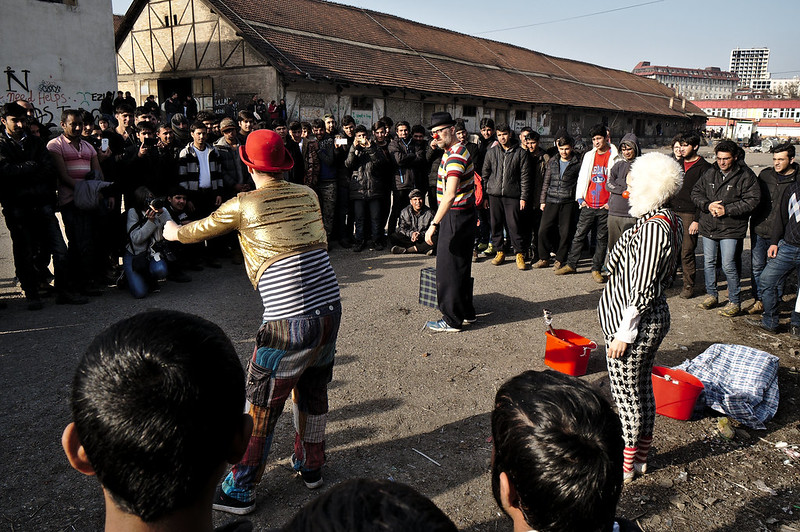
4 Youth Empowerment Programs in GhanaIn Ghana, youth aged 15 to 35 comprise 38% of the population, while children under 15 account for another 35%. These numbers reveal that younger people comprise a large portion of the population, drawing increased focus on their needs. Unfortunately, many young adults in Ghana struggle with high unemployment rates and limited access to education.

According to the Ghana Youth Barometer 2024 Report, around 42.9% of youth reported the system has begun to worsen, as 88.1% reported issues with limited financial resources. The Youth Opportunity and Transformation in Africa (YOTA) conducted a report that analyzes the perceptions and experiences of Ghanaian youth. Shining light to amplify the voices of the next generation. Restrictions and halts, like COVID-19, have caused issues slowing economic growth leading to job loss and a lack of opportunities. Fortunately, youth programs and organizations are empowering the next generation and lending a hand to strengthen their futures. Here are four youth programs in Ghana. 

Youth Employment Agency  

The Youth Employment Agency (YEA) was formed to tackle the country’s youth unemployment issues and relieve stress from those struggling. Starting as the National Youth Employment Programme (NYEP) in 2005, it transformed into GYEEDA in 2012 and became the YEA in 2015. The Agency aims to open up employment opportunities for youth through various programs like job placement programs and skills training. The YEA created Job Centre Ghana, an initiative to address youth unemployment and open up job placements. The center targets undergraduates and low-skilled workers while aiming to build and enhance those looking for work.

Youth Empowerment For Life – Ghana

The Youth Empowerment For Life officially became a nongovernmental organization in Jan. 2010. Its mission addresses the needs of the youth in Ghana through developmental and intellectual activities. It operates a variety of 22 youth projects reaching around 40,000 people with 10 youth centers. Some of its projects include Youth LIFE, which aims to provide vulnerable out-of-school youth in urban and peri-urban areas with opportunities for social and economic development. The project offers training and assistance so the youth can succeed. Some other projects include Youth Entrepreneurship and Youth Speak along with many others. Its Youth Centres are a tool for social empowerment and a space to share and learn information with one another. As the projects continue to make an impact, so do the youth involved.

Child Research and Resource Centre

Founded in 2004, the Child Research and Resource Centre  (CRRECENT) is a civil society organization focused on child and youth initiatives. Its mission is to create a focused foundation for vulnerable children and young adults to have tools and an environment where they can thrive. Its target population is children (0 to 18 years), challenged youth (19 to 24 years) and adults working with children. It works to meet its goals by researching and implementing. CRRECENT current projects include Girls’ Empowerment and Child and Youth Policy. The projects strive not only to teach but also to make an impact on girls and children from different backgrounds. CRRECENT works with Child Protection Committees, developing School Performance and Improvement Plans (SPIP) and implementing activities that work toward improving school conditions. Asserting that education is key to change.

Youth Bridge Foundation

Committed to youth development, the Youth Bridge Foundation (YBF) is a nonprofit organization focused on providing resources to the youth. YBF has a variety of projects and programs aimed to enhance young adults’ lives and careers. Started in 2017, the Educate to Innovate with STEM was funded by Tullow Oil Ghana Limited. A program aimed at helping students improve their performance in math and science. YBF launched and implemented this initiative to address specific educational challenges. The Initiative not only promotes the project but also a handful of others like Youth Vote and the Duapa Youth Reforestation Project.

Looking Ahead

By 2030, African youth will constitute 42% of the global youth population. The support from these organizations and programs offers hope for the next generation. These youth programs in Ghana not only aim to nurture the youth but also help them achieve their fullest potential.

– Savannah Garza

Savannah is based in New York, NY, USA and focuses on Business and Good News for The Borgen Project.

Photo: Flickr
September 7, 2024
https://borgenproject.org/wp-content/uploads/borgen-project-logo.svg 0 0 Precious Sheidu https://borgenproject.org/wp-content/uploads/borgen-project-logo.svg Precious Sheidu2024-09-07 01:30:442024-09-06 13:22:10Youth Programs in Ghana
Aid, Global Poverty, Youth Empowerment

UNICEF Supports Children in Liberia

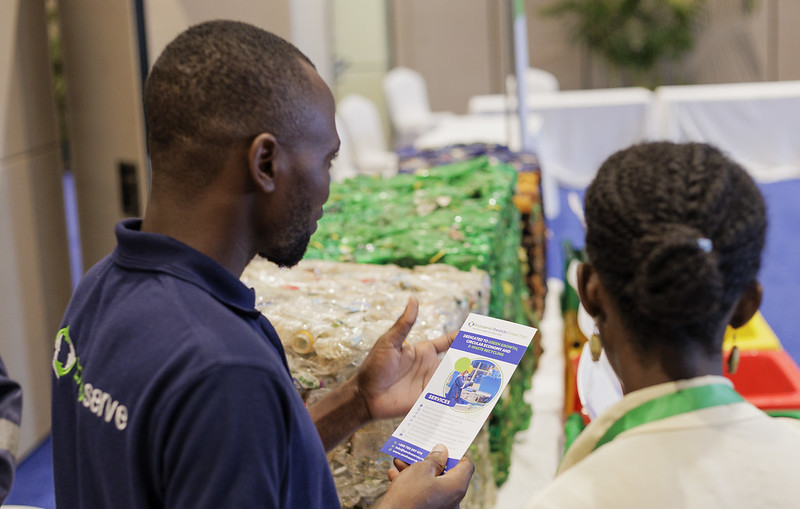
UNICEF Supports Children in Liberia 20 Years After the Civil WarIn Liberia, more than 20 years have passed since the second civil war ended in Aug. 2003. Yet, the younger population continues to be deeply affected by the consequences of the conflict, in particular the use of child soldiers. All sides initially deployed children because they were cheap and obedient, making them easy to exploit. Often heavily drugged, these children could constitute up to 50% of the fighting forces.

The Lasting Impact on Former Child Soldiers

A BBC interview with a former child soldier, Miatta, reveals how her childhood was traumatized by the war. At only 14 years old, she was forced to kill. The hurt she endured led her to fall victim to drugs and sex work in her later teenage years, a fate which, sadly, is often met by many child soldiers. Miatta’s story is a testimony to how the livelihoods and futures of a young generation are haunted by this conflict. A UNICEF report reveals that Liberia is witnessing a growing population, with 63% under 25 years old. Yet statistics drawn by Save the Children reveal that challenges still prevail, with 50% of children out of school and 32% suffering from malnutrition. 

UNICEF’s Pivotal Role in Child Protection

UNICEF’s involvement has been crucial in supporting children born into poverty in Liberia. The organization began its efforts in 1986 with a focus on child protection. Additionally, they have financially assisted the government with projects aimed at supporting youth. UNICEF advocates for laws that ensure the safety and rehabilitation of children in violent situations. A key achievement is the passage of the Children’s Law in 2011, which explicitly defines the human rights entitled to children. UNICEF also champions the protection of children’s rights from birth, emphasizing the importance of birth registration to ensure their access to services and legal protections.

UNICEF collaborates with several organizations, including Save the Children and Catholic groups like Don Bosco Homes, to support Liberia’s recovery. During the Ebola outbreak, Save the Children notably provided foster homes and educational kits to ensure the health and education of children. Liberia continues to grapple with the scars left by its civil wars and the traumatic use of child soldiers. Issues like violence, drug use, malnutrition and poverty persist among the youth. However, the dedicated efforts of these organizations, especially UNICEF, offer a glimmer of hope for the future generations of Liberia.

Looking Ahead

Despite the end of Liberia’s civil wars more than two decades ago, the nation still faces significant challenges in rebuilding its society. This is particularly so in the case of supporting its youth. UNICEF, alongside other organizations, continues to play a critical role in addressing the needs of children in Liberia. They focus on protection, education and health. Furthermore, with ongoing efforts to improve living conditions and ensure the rights of every child, these initiatives aim to help Liberia’s young population recover from the lingering effects of conflict and build a brighter future.

– Grace Sammartini

Grace is based in Rome, Italy and focuses on Good News and Global Health for The Borgen Project.

Photo: Flickr
August 31, 2024
https://borgenproject.org/wp-content/uploads/borgen-project-logo.svg 0 0 Precious Sheidu https://borgenproject.org/wp-content/uploads/borgen-project-logo.svg Precious Sheidu2024-08-31 03:00:542024-08-30 06:53:28UNICEF Supports Children in Liberia
Global Poverty, Innovations, Youth Empowerment

3 Initiatives Improving India’s Literacy Rate

3 Initiatives Improving India’s Literacy Rate India’s literacy rate has seen significant improvement in recent years, reducing the correlation between poverty and illiteracy. In 1981, the overall literacy rate stood at 40.67%. In a study ending in 2022, around 40 years later, it had risen to 76.32%. Additionally, studies reveal that illiterate people in the later statistics are mostly elderly people, indicating that illiteracy among younger generations has been largely eradicated. These encouraging statistics result from multiple literacy initiatives proposed by the Indian government. Here are three programs that have made a notable difference.

National Literacy Mission

The Government of India founded the National Literacy Mission in 1988. The initiative focuses on two main projects: The total and post-literacy programs. The Total Literacy Program focuses on teaching adults basic literacy. The second program was implemented afterward and is aimed at neo-literates. This means people who have picked up literacy skills in an informal setting later in life. The Continuing Education Program is the Mission’s third program. It provides spaces such as reading rooms and libraries for the members of the programs.

The National Literacy Mission has covered more than 597 districts and when including all three programs, the NLM has covered 150 million neo-literates. Additionally, 125.6 million people have been made literate through this program. Gender disparity is another crucial aspect of this program, as the initiative comprises 60% female to 40% male counterparts. There is also a focus on working with India’s most underprivileged, working with 23% of learners from the Scheduled castes and 12% belonging to the Scheduled tribes. This project is ongoing, but significant progress has been made, with a jump from 52.21% literacy in 1991 to 65.37% in 2001. 

Padhe Bharat Badhe Bharat

Padhe Bharat Badhe Bharat (PBBB) is a literacy initiative that was founded in 2014. It focuses on children within government schools, working with them to solidify their reading and writing skills to set them up for higher education. The program also works with teachers to help train and mentor them within the program. PBBB also aims to make reading a joyful and natural skill for children. The lessons are taught in their mother tongue and the Ministry of Education implements initiatives like the ‘100-Day Reading Challenge’ launched in 2022, which ensures that children are supplied with reading material in their native language. The program is made up of two components: system and classroom. This means emphasizing sufficient teacher training and learning material combined with the more intangible effort of having a supportive learning environment.

The Central Government has supplied specialized bridge material for tribal populations, free textbooks, supplementary reading and teacher training. The program aims to create a supportive and informed group of teachers and administrators who can help support their children as they progress through their education. Although PBBB is focused on early learning, the skills the students learn are made to be lasting and hugely foundational. 

Beti Bachao Beti Padhao

Beti Bachao Beti Padhao (BBBP) was created in 2015 by the Prime Minister. It focuses on women’s empowerment, with the name meaning “save the girl child, educate the girl child.” The initiative is trying to shift how society views women and girls. Additionally, it strengthens their education and gives them a place in the world further than the home. The program has launched many successful initiatives. BBBP has implemented training programs for district-level officers and frontline workers. Some other notable progress is the organization of street plays in villages and markets in Pithoragarh that focus on the struggles that girls face in their lifetime, for example, abortion. The plays generate awareness of these issues in a more interactive sense than classes or pamphlets.

Additionally, the ‘Udaan – Sapneya Di Duniya De Rubaru’ scheme in the Mansa district allows girls to spend the day with a person of their desired profession (doctor, lawyer, etc). This program has been hugely successful, with the participation of more than 70 girls. The program also offers financial incentives and awards for girls in school. It creates guidelines and protocols to make schools safe and supportive for them. These are only a few examples of Beti Bachao Beti Padhao’s initiatives and this program only continues to support and empower women. Although this program is not strictly centered on India’s literacy rate, it creates an important precedent for future education and empowerment of women. Beti Bachao Beti Padhao allows women to grow beyond anything expected by creating supportive environments and opportunities for education and awareness. 

Looking Ahead

These three initiatives have helped improve India’s literacy rate and empower underprivileged groups. These ongoing initiatives focus on adult and child literacy and emphasize gender equality and supportive educational environments. The National Literacy Mission has made significant strides in adult education. Furthermore, Padhe Bharat Badhe Bharat has laid a strong foundation for early childhood literacy. Beti Bachao Beti Padhao continues to empower and educate girls, changing societal attitudes. Together, these programs pave the way for India’s more literate society.

– Sofia Hattiangadi

Sofia is based in New York City, NY, USA and focuses on Good News for The Borgen Project.

Photo: Unsplash

August 28, 2024
https://borgenproject.org/wp-content/uploads/borgen-project-logo.svg 0 0 Precious Sheidu https://borgenproject.org/wp-content/uploads/borgen-project-logo.svg Precious Sheidu2024-08-28 01:30:522024-08-26 11:05:433 Initiatives Improving India’s Literacy Rate
Advocacy, Global Poverty, Youth Empowerment

5 Ways Young People Are Making a Difference in Global Poverty

Young People Are Making a Difference

Young people make a difference in global poverty in many creative and innovative ways. 

Advocacy and Awareness

One way that young people make a difference is through advocacy, as seen in grassroots movements such as Why Hunger. This organization works with young people at the local level to change their food systems. It has connected 932,000 people to nutritious food and services.

Another way they advocate is by raising awareness, often by using social media. For example, Joshua Heart’s Foundation, started when he was just 4 years old, has raised more than $1 million to help end hunger worldwide. This highlights how young people use their tools to effect change in the world.

Entrepreneurship and Innovation

A second way that young people can positively impact global poverty is through entrepreneurship and innovation. This is exemplified by social enterprises such as the Solar Sisters, which enable young women seeking work to become entrepreneurs and create sustainable energy alternatives. This innovation helps provide technological solutions to global poverty issues. The Solar Sisters and other entrepreneurs develop technological solutions that address existing problems with power in the world, offering new ways to combat poverty.

Volunteering

Young people also make a difference through both local and international volunteering. The New York Times found that one initiative in New York managed to serve up to 1,000 people in a food bank, highlighting the impact of young volunteers. It also found that the young people involved wanted to make a change and felt good about it. This demonstrates how they are making a difference now and see the benefits of volunteering, which encourages them to continue supporting the goals of ending world hunger and addressing global poverty.

Education

A penultimate way for young people to make a difference is through education, which can be seen in both educational initiatives and skills training. For example, SEED, a British organization, has significantly impacted global poverty goals through education, with young people leading the charge. SEED aims to enhance young people’s learning to help eradicate global hunger and address global poverty. One study found that SEED improved access to water, sanitation, hygiene and education for more than 400 students at Sainte Luce Primary School. This demonstrates how educational initiatives can significantly influence global poverty outcomes.

Leadership and Governance

Finally, young people can make a difference through leadership and governance. This is most evident through youth representation in groups and at government meetings, such as the Global Food Summit, which led to discussions surrounding policy. Young people put pressure on decision-makers and push the conversation forward. Additionally, governance can involve them in policy development that directly affects those suffering from global poverty. This direct involvement has a positive impact on laws that benefit those in need.

Young people have a significant impact on addressing global poverty. In many different ways, they are one way forward in tackling global poverty and similar issues. They benefit both these goals and provide new and innovative ways of solving problems.

– Rosie Miller

Rosie is based in Edinburgh, Scotland and focuses on Good News for The Borgen Project.

Photo: Pexels

July 25, 2024
https://borgenproject.org/wp-content/uploads/borgen-project-logo.svg 0 0 Lynsey 2 https://borgenproject.org/wp-content/uploads/borgen-project-logo.svg Lynsey 22024-07-25 03:00:002024-07-25 03:13:445 Ways Young People Are Making a Difference in Global Poverty
Page 3 of 41234

Get Smarter

  • Global Poverty 101
  • Global Poverty… The Good News
  • Global Poverty & U.S. Jobs
  • Global Poverty and National Security
  • Innovative Solutions to Poverty
  • Global Poverty & Aid FAQ’s
Search Search

Take Action

  • Call Congress
  • Email Congress
  • Donate
  • 30 Ways to Help
  • Volunteer Ops
  • Internships
  • Courses & Certificates
  • The Podcast
Borgen Project

“The Borgen Project is an incredible nonprofit organization that is addressing poverty and hunger and working towards ending them.”

-The Huffington Post

Inside The Borgen Project

  • Contact
  • About
  • Financials
  • President
  • Board of Directors
  • Board of Advisors

International Links

  • UK Email Parliament
  • UK Donate
  • Canada Email Parliament

Get Smarter

  • Global Poverty 101
  • Global Poverty… The Good News
  • Global Poverty & U.S. Jobs
  • Global Poverty and National Security
  • Innovative Solutions to Poverty
  • Global Poverty & Aid FAQ’s

Ways to Help

  • Call Congress
  • Email Congress
  • Donate
  • 30 Ways to Help
  • Volunteer Ops
  • Internships
  • Courses & Certificates
  • The Podcast
Scroll to top Scroll to top Scroll to top