Combating Illegal Fishing in Indonesia
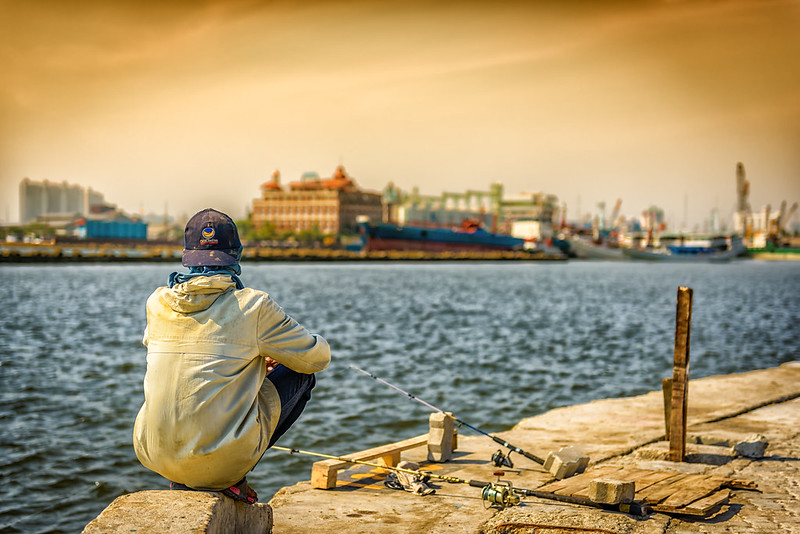 As a seafaring country with thousands of islands, Indonesia relies heavily on fishing for food and for economic well-being. Fishing is the main source of income for millions of people in the country and the surrounding region; a decline in the industry could be disastrous for these areas. For this reason, illegal fishing in Indonesia has raised concern as it has strained fish populations in the region and risked the livelihoods of millions of fishers. To combat this issue, USAID partnered with several conservation organizations to implement the USAID Sustainable Ecosystems Advanced project. The USAID SEA project is a five-year effort that seeks to protect seafood supplies and promote ethical fishing practices in Indonesia.
What is Illegal Fishing?
When fishing vessels do not possess the proper documentation and equipment required by Indonesian law to fish in Indonesian waters, these vessels engage in illegal fishing. To deter illegal fishing, the Indonesian government mandates that each fishing vessel possesses the necessary licenses and declares its fishing gear. This helps the government collect data on the types of equipment used and the number of vessels in the country. The government limits the number of vessels present at a certain time to prevent overfishing and to ensure fishermen practice ethical fishing techniques.
Impacts of Illegal Fishing
Indonesia is situated in the Coral Triangle, an area encompassing most of maritime Southeast Asia. The Coral Triangle contains more than 2,000 species of coral reef fish, making it one of the most biodiverse regions in the world. Moreover, this diversity in fish species directly correlates with why fishing remains an integral part of the region’s economy of the region. As it stands, “the Coral Triangle sustains at least 120 million people.” In Indonesia specifically, the fishing industry employs an estimated 12 million people, which allows the nation to be the second-largest fish producer in the world.
Indonesia’s reliance on ocean life is a fundamental aspect of the country’s way of life, and as such, threats to the fishing ecosystem can have severe consequences. Overfishing has had a detrimental impact on fish populations over the years, illustrated by a 95% decline in fish populations in the region over the last 60 years. Furthermore, destructive fishing practices that use explosives to stun fish — known as “dynamite fishing” — destroy marine habitats, leaving extensive damage. These practices continue to harm the fishing industry in Indonesia. Low incomes for fishers have already led to a decline in professionals in the industry within the last 20 years.
USAID’s SEA Program
The USAID SEA project clamps down on illegal fishing in Indonesia and protects local fisheries by collaborating with local communities. Initiated in 2016, this five-year program worked in the provinces of West Papua, Maluku and North Maluku, where illegal fishing practices have hit fishing communities the hardest. USAID SEA sought direct collaborations with locals to “raise awareness about marine conservation, educate others in their community about these issues and report harmful practices to local authorities.”
Designed to curb illegal fishing in Indonesia, the USAID SEA project helps assure ethical fishing practices. Illegal fishing practices like overfishing deplete fish populations, negatively affect the livelihoods of fishers and hurt the country’s economy. The project raises awareness about the importance of marine conservation and its long-term benefits for these communities. As such, it helps defend a way of life for millions of Indonesian people.
– Nikhil Khanal
Photo: Flickr
