USAID’s PATTA Program in Pakistan
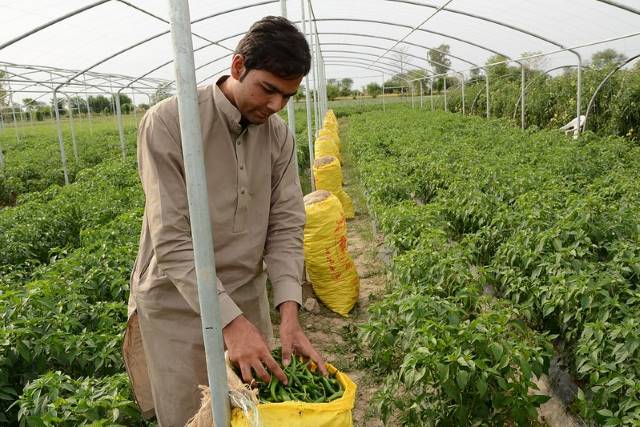 Farming plays a dominant role in the national economy of Pakistan. With a population of more than 200 million, Pakistan is heavily reliant on agriculture to provide food for people. Agriculture contributes almost 20% to Pakistan’s GDP, and as of 2019, employs more than 40% of the workforce. Smallholder farms are often at a disadvantage as they have limited access to improved technology, which prevents them from producing high yields of crops. To combat this issue, the United States Agency for International Development (USAID) has funded the Pakistan Agricultural Technology Transfer Activity (PATTA), an initiative designed to increase Pakistani farmers’ access to improved agricultural technology. USAID’s PATTA program is also designed to encourage private sector investment in agriculture to increase incomes and efficiency.
Agriculture in Pakistan
Despite the overwhelming need to preserve the agricultural sector, the industry has seen a decline in productivity over the years. Pakistan is especially vulnerable to environmental degradation and instances of water shortages and extreme temperature fluctuations have severely damaged the country’s ability to produce enough crops to feed its populace. As a result, Pakistan stands to benefit from the advancements in agricultural technology. According to the United Nations Food and Agriculture Organization (FAO), these improved technologies can aid in improving agricultural productivity by 70% by the year 2050.
The PATTA Program
To assist Pakistani farmers with obtaining improved agricultural technologies, USAID funds the four-year PATTA program which began in 2017. This program “enables the private sector to give Pakistani farmers access to innovative agricultural products and management practices, which improve productivity and enhance competitiveness.” To facilitate this, USAID introduced the “Agri-Tech Hub” in 2020, a comprehensive suite of agricultural technologies with the potential to change the lives of farmers. The PATTA program encourages private sector investment in Pakistani agriculture “to commercialize the types of agricultural technologies that enable smallholders to increase their incomes, create jobs and enhance economic growth and stability.”
Cultivating New Frontiers in Agriculture (CNFA) is an agricultural organization that is also involved with the PATTA program. This organization assists agricultural technology businesses in expanding their markets by doing cost-benefit analyses as well as creating strategies on how these businesses can provide technical support and build capacity for small farmers. Additionally, the CNFA sets up demonstration events in which businesses can display the effectiveness of their products. These events often use different mediums such as radio and the internet in order to reach many different groups of people. Overall, the CNFA is involved in every step of the PATTA program. The CNFA helps agribusinesses market their technologies effectively while making sure farmers can get their specific needs met.
PATTA’s Impact During the Pandemic
The COVID-19 pandemic has had dramatic impacts on agricultural production around the world. In Pakistan, PATTA has been assisting local governments in raising awareness of safety protocols through digital communication. For example, during the onset of the pandemic in early 2020, PATTA partnered with the government of Khyber Pakhtunkhwa’s agriculture department in developing “tele-farming advisory services on agricultural technologies” through SMS and robocalls to deliver pertinent information to farmers.
PATTA has also utilized the radio in order to spread its messages. From May to July 2020, PATTA encouraged the use of agricultural technologies via radio broadcast to 23 selected districts across Pakistan, reaching approximately three million people. The use of digital communications allowed for social distancing as the pandemic prevented conventional meetings from taking place.
USAID’s PATTA program helps farmers acquire improved technologies in order to increase their crop yields. By engaging with the private sector, PATTA assists both agribusinesses and farmers in expanding. The concrete outcomes of the program are yet to be released, but nonetheless, it is clear that agricultural technologies have the potential to increase the incomes of smallholder farmers and reduce poverty in Pakistan.
– Nikhil Khanal
Photo: Flickr
