• Link to X
  • Link to Facebook
  • Link to Instagram
  • Link to TikTok
  • Link to Youtube
  • About
    • About Us
      • President
      • Board of Directors
      • Board of Advisors
      • Financials
      • Our Methodology
      • Success Tracker
      • Contact
  • Act Now
    • 30 Ways to Help
      • Email Congress
      • Call Congress
      • Volunteer
      • Courses & Certificates
      • Be a Donor
    • Internships
      • In-Office Internships
      • Remote Internships
    • Legislation
      • Politics 101
  • The Blog
  • The Podcast
  • Magazine
  • Donate
  • Click to open the search input field Click to open the search input field Search
  • Menu Menu

Archive for category: Technology

Information and stories about technology news.

Global Poverty, Technology

How Technology is Reducing Poverty in Thailand

How Technology is Reducing Poverty in Thailand
Thailand, the Southeast Asian Nation, is a country that has benefited from programs that use technology to help people living in poverty. There are several examples of how technology is reducing poverty in Thailand, and this article is going to present some of them.

Internet Centres

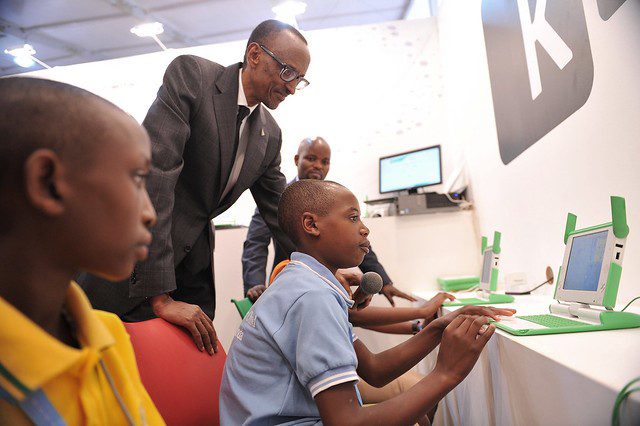
The International Telecommunication Union (ITU) and the National Broadcasting and Telecommunications Commission (NBTC) of Thailand have established more than 20 rural internet centers nationwide. NBTC-ITU Volunteers programme built this network, and each of the more than 20 centers is equipped with at least 10 computers connected to the internet. The centers, located in 16 provinces across the country, strengthen information and communication technology (ICT) skills among students and are helping to promote social and economic development in some of the most remote areas of the country.

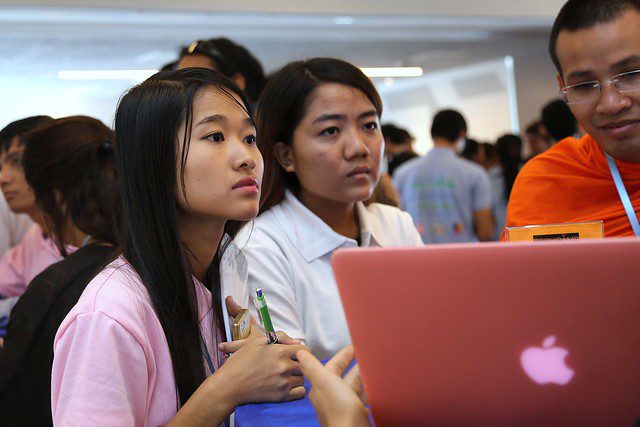
At the centers, students, youth and members of the local community are trained in how to use computers and are given courses for basic digital literacy needed to access information online. The center is useful because it gives students the ability to do online research in order to widen their knowledge of various subjects taught in school. They have also been able to transfer the computer and internet knowledge they have gained back to their families and communities, allowing them to use e-commerce platforms to do business and thus expand their family incomes.

Internet Advantages

While global connectivity is rapidly expanding and empowering billions of individuals around the world, ITU data shows that more than half of the global population remains cut off from the vast resources available on the internet. Access to information and communication technologies can help facilitate the United Nations’ Sustainable Development Goals (SDGs), especially in rural areas. Access to the internet allows citizens to access basic services such as education and health care and is helping to lift people out of poverty through e-commerce and job growth. Nowhere else is this more pertinent than in rural and remote areas. In 2016, Thailand had more than 29 million internet users or 42.7% of the total population, which puts the country in 24th place in the worldwide ranking of internet users.

Thai People Map and Analytics Platform

In 2018, the Office of National Economic and Social Development Board (NESSB), the National Electronics and Computer Technology Centre (NECTEC), the National Science and Technology Development Agency (NSTDA) and the Ministry of Science and Technologies joined up to help alleviate poverty in Thailand. The NECTEC center developed the Thai People Map and Analytics Platform (TPMAP) to pinpoint the problems people are facing in Thailand in different areas. Policymakers can use TPMAP to decide on which poverty programs are suitable for each poverty-stricken area specifically. The data system TPMAP collects can help improve the quality of people’s life by increasing income, boosting employment opportunities and reducing living costs.

Suttipong Thajchayapong, a senior researcher at NECTEC, said that to understand poverty in Thailand, one needs to question who the poor are, what their basic needs are and how their poverty can reduce. TPMAP can precisely answer these questions by integrating data from different government agencies. It can also compare individual indicators year to year to see if poverty is reducing. TPMAP uses five poverty benchmarks to determine levels of poverty. These benchmarks include education, health care, income, living standards and access to public services. The total number of people surveyed this year was 36,647,817 people and out of this number, 1,032,987 were poor people.

Establishing internet connections as well as various platforms such as TMPAP are examples of how technology is reducing poverty in Thailand. If Thailand continues to implement programs utilizing technology, people living in poverty will have more access to basic services. The country has implemented multiple programs that have addressed the issue of reducing poverty in Thailand. Utilizing technology is crucial for helping people living in poverty to access basic services.

– Casey Geier
Photo: Flickr

January 9, 2019
https://borgenproject.org/wp-content/uploads/borgen-project-logo.svg 0 0 Kim Thelwell https://borgenproject.org/wp-content/uploads/borgen-project-logo.svg Kim Thelwell2019-01-09 19:30:142024-06-04 01:08:31How Technology is Reducing Poverty in Thailand
Global Poverty, Technology

Tech Industry in Cameroon

Tech Industry in Cameroon
As Africa experiences the highest rate of growth of digital consumerism in the world, Cameroon finds itself at the forefront of the continent’s technological boom.

This rise of the tech industry in Cameroon is quickly changing the landscape of the country, and the investment opportunities these companies are bringing in, as well as the digital products they produce, could prove key to building Cameroon’s economy and improving the lives of its impoverished citizens.

Rise of Startups

Despite the steady improvement of living conditions in Cameroon, many citizens still struggle to survive. As a result, numerous startups in the country have set out to use advancements in technology to work for people in need.

Noticing that the cost of smartphones is lowering every day while access to health care is still difficult and that the infant death rate remains high, tech startup GiftedMom created an app allowing pregnant women and new mothers to text health care professionals for help when they cannot afford to see a doctor in person.

Similarly, Agro-Hub set out to help farmers, who make up nearly 70 percent of Cameroon’s population, as they fight to keep their work profitable. The startup helps farmers adapt to market changes, sell their products and find a community among other farmers who may offer help.

As unemployment remains a constant issue, web platform Njorku helps people from Cameroon to find jobs by offering an easy-to-use interface for both people looking for work and recruiters trying to find well-suited candidates.

These startups, only a few among many, use technology to solve real-world issues with practical solutions. As they succeed, the users they target (impoverished peoples, mothers and infants, unemployed individuals) also succeed.

Through Education Comes Potential

Seeing the possibilities that can arise when people are educated and knowledgeable about technology, many tech industry professionals both within Cameroon and abroad have invested time and resources to prepare young people for participation in the industry.

In 2015, German software corporation SAP hosted Africa Code Week in 17 African countries, including Cameroon, with the goal of spreading digital literacy and preparing African youth to work and compete in an increasingly digital world.

The Genius Center in the Cameroon city of Douala teaches children coding, computer skills and the ability to think of digital solutions for real-world issues, preparing them not only for employment but also to use these skills to improve their communities.

While Africa’s fast-growing population raises alarms of poverty and unemployment, the rise in technology training provides hope for job openings increase and creation of well-educated workers who are capable of performing in these roles.

Looking Forward

As the tech industry in Cameroon continues to grow, significant changes are necessary for the growth to be sustainable. The country is still reeling from a three-month government-imposed internet shutdown in English-speaking regions that ended in early 2018, leaving tech professionals wary of the government as it announces plans to support the industry in the coming years.

Due to tech professionals’ suspicion of the government and Cameroonian business peoples’ hesitation to invest in this industry, many startups have sought investment from investors outside of the country.

For Cameroon to fully enjoy the benefits of this growing industry, domestic investors must understand and support the rapidly evolving direction in which the world market is trending.

While these changes are necessary for the benefits of the tech industry in Cameroon to be realized, the country has already made significant headway in establishing itself as a global competitor in the industry.

 – Rob Lee
Photo: Flickr

December 8, 2018
https://borgenproject.org/wp-content/uploads/borgen-project-logo.svg 0 0 Kim Thelwell https://borgenproject.org/wp-content/uploads/borgen-project-logo.svg Kim Thelwell2018-12-08 01:30:202024-12-13 17:58:55Tech Industry in Cameroon
Development, Global Poverty, Health, Technology

D-Rev Technology is Helping to Reduce Poverty 

6. D-Rev Technology Helping to Reduce Poverty 
In today’s world, technology is everywhere. Our cell phones are constantly glued to our hands, and our eyes are glued to the screens. Although many may say that our technologically advanced world has created many negatives, there are certain positives as well. Technology has more uses than just convenience, entertainment and connections. Modern technology companies can drastically change the lives of those in poverty by aiding them with technology that helps improve their lives, health and overall well-being.

D-Rev Technology is Helping to Reduce Poverty

One company that has stepped up and focused its technological equipment and research on helping the well-being of those in poverty is D-Rev Technology. D-Rev Technology, or Design Revolution, is a newly established company whose mission is to design and deliver affordable, innovative medical devices that protect and transform the lives of those in poverty.  

The company has partnered with organizations like The Bill and Melinda Gates Foundation, Stanford School of Medicine, Child Relief International, One Heart World-Wide, US Aid, UK Aid, Saving Lives at Birth and many others who are interested in helping those less fortunate. The team has worked hard to build this company to ensure that D-Rev technology has a positive impact on the health and well-being of its patients.

As for the products, its most recent product is the ReMotion Knee, a prosthetic device, and the Brilliance phototherapy machine, which is used to treat jaundice in newborns. D-Rev Technology uses its products to address global health inequalities by recognizing that treating health is one of the biggest steps in treating poverty.

D-Rev Technology’s Main Focus

Through its innovative products, D-rev is able to focus on the main problems and solutions. The biggest problem it has seen so far is the” lack of access to high-quality, affordable medical devices for hospitals and clinics serving the world’s poor”. The healthcare gap has created a cycle of poverty that is never-ending.

D-Rev Technology focuses on two specific problems for now: severe jaundice and prosthesis. Newborns in developing countries are often born with jaundice, which is a yellowing of the skin or whites of the eyes. This is usually easily treated with phototherapy. However, in developing countries, phototherapy machines are not easily accessible because they are very expensive. If the children are not treated, jaundice can lead to severe brain damage, which is why D-Rev wants to focus on developing affordable devices to help treat these children.

Secondly, in developing countries, millions of amputees don’t have access to affordable, high-quality prosthetics that would allow them to live longer and healthier. Cheap knees are unstable and can create problems for those who live in environments that are not paved or are very crowded. So, D-Rev Technology wants to help those in developing countries have access to these critical devices.

A lack of proper healthcare is one of the key reasons for poverty in many developing countries. The people in these countries can’t afford the equipment to treat their patients. However, companies like D-Rev Technology want to help create and deliver high quality, low-cost products that are easily accessible to doctors and patients. Quality medical treatment allows individuals in poverty to be more productive, happy and independent.

– Negin Nia

Photo: Flickr

October 31, 2018
https://borgenproject.org/wp-content/uploads/borgen-project-logo.svg 0 0 Borgen Project https://borgenproject.org/wp-content/uploads/borgen-project-logo.svg Borgen Project2018-10-31 01:30:212024-05-29 22:53:38D-Rev Technology is Helping to Reduce Poverty 
Development, Global Poverty, Technology

Developing Asia and Technological Progress

Developing Asia
Over the past 25 years, developing Asia has annually created 30 million jobs in industry and services. Job creation improves productivity, raises earnings for workers and largely reduces poverty.

The Impact of Technological Progress

Shifts in employment from sectors with low productivity and pay, typically subsistence agriculture, to sectors with higher productivity and pay in the modern industry are contributing to this process of raising wages. Productivity improvements come from technological progress within sectors, such as diverse high-yielding crops, innovative machine tools in manufacturing, information and communication technology in the service industries.

A common concern with technological progress affecting the economy is the predicted accompanying job displacement; However, recent studies invite a more optimistic prediction of productivity gains that will generate a positive feedback effect of creating more jobs than are being lost. Furthermore, industries that improve productivity with new technology will lower production costs in industries that depend on them, creating a ripple of higher demand and employment in other industries.

The Asian Development Bank (ADB) supports the power of rising demand with data from 90 percent of the region’s total employment spanning 12 developing Asian economies between 2005-2015. The analysis predicts an 88 percent increase in employment, which is equal to an annual addition of 134 million jobs with rising incomes.

The ADB has also reported that jobs that necessitate cognitive and social skills and use information and communications technology have increased 2.6 percent faster than the total employment rate annually over the last decade. The wages associated with these jobs also increase faster than those of manual jobs.

Reasons For an Optimistic Outlook for Technological Progress in Developing Asia

The ADB emphasizes that most new technologies are implemented in only some aspects of a job, usually routine tasks, so that they create more time for complex tasks for workers. For instance, ATMs allow bank tellers to prioritize customer relationship management. The more obvious benefit entails the job creation to manage these new technologies.

In the last decade, 43 percent to 57 percent of jobs in India, Malaysia and the Philippines were in informational and communication technologies. The category of India’s craft and related workers is expanding to include specialized technicians who manage machines. Moreover, job sectors that would incorporate technological progress have a large capacity for growth.

Healthcare and education jobs make up 15 percent of jobs in The U.S. In lower and middle-income economies in developing Asia, healthcare and education jobs make up 3.5 to 6 percent of jobs, and business services jobs make up 1.5 to 6 percent of jobs, indicating a high potential for expansion.

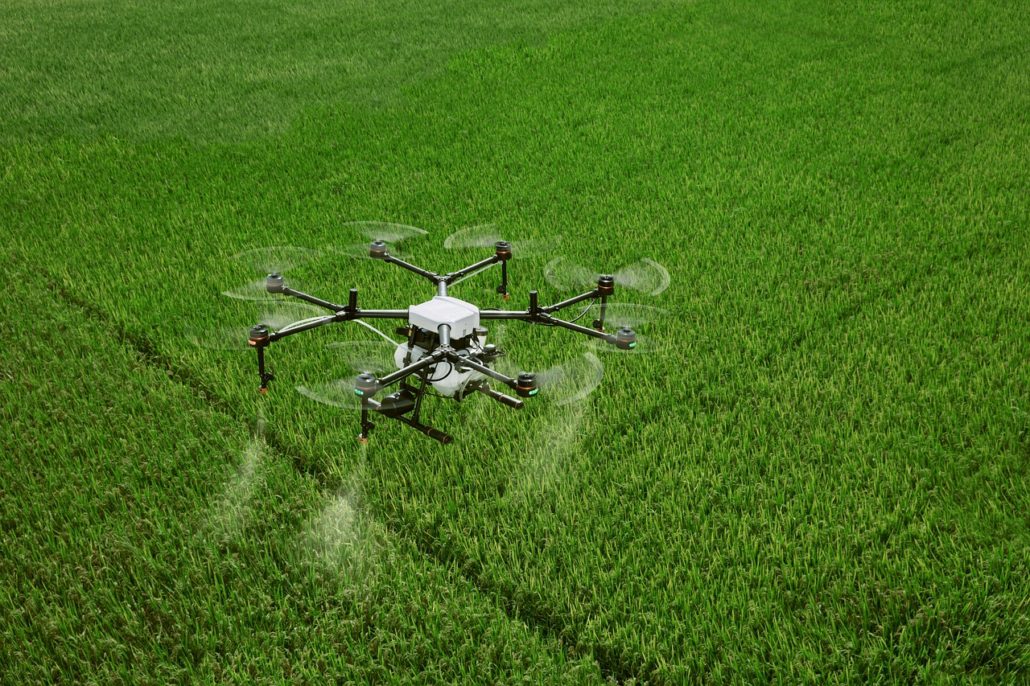
Technology in the farming industry can have a positive impact on agriculture. In developed countries, waiters tend to receive the poorest wages; whereas in developing Asia, the agricultural workers receive the poorest wages. Technological progress can help farmers the most directly.

Mobile applications such as phone apps or text messages can assist farmers with tracking agricultural inputs. The Food and Agricultural Organization (FAO) and The International Telecommunication Union (ITU) have been supporting farmers in Afghanistan, Bhutan, Fiji, Laos, Myanmar, Papua New Guinea, the Philippines and Sri Lanka to implement emerging technologies.

The Necessity of Job Creation

Pakistan’s Khyber Pakhtunkhwa province (KP) has suffered from instability and militancy for several decades with increasing out-migration and shrinking private industries. Since 2014, the government, in partnership with The World Bank, has recognized the demand for job creation, especially for the half its population of 30.5 million that are under the age of 30.

Turning to the opportunities of the digital revolution in 2018, the government created a program, Digital KP, that directly addressed this youth unemployment issue by preparing the younger generation for occupations in the technology sector. By supporting the youth with advancing technology, the region is on its way to stability and success.

Many educational programs are being implemented to provide foundations for learning necessary skills. Another strategy involves increasing local IT and digital businesses and attracting investment for them through tax relief programs, promoting co-working spaces and sponsoring annual tech events such as The Digital Youth Summit.

Addressing the Potential Issues

As developing Asia is expected to grow by 6 percent in 2018 and by another 5.9 percent in 2019, governments are aware of the potential challenges presented by increasing new technologies. Some businesses might not overcome the displacement of jobs.  

“ADB’s latest research shows that, on the whole, countries in Asia will fare well as new technology is introduced into the workplace, improving productivity, lowering production costs, and rising demand,” said Yasuyuki Sawada, ADB’s Chief Economist.

“To ensure that everyone can benefit from new technologies, policymakers will need to pursue education reforms that promote lifelong learning, maintain labor market flexibility, strengthen social protection systems, and reduce income inequality.”

Benefits of the ADB

The ADB offers different strategies, such as tax policies that will fight against income inequality. The same technological progress that may cause issues to workers could also foster skills, job-match and provide social protection. For the unemployed, the government can create programs that support them as they navigate the new labor market.

Developing Asia also benefits from the technological progress as it allows older workers to continue participating in the labor force past current retirement age. Artificial intelligence can either substitute or complement physically demanding tasks.

To maximize the benefits of technological progress while compensating for any losses, governments must adapt to the situation with policy changes. Technological progress can then become an optimistic gateway to reducing poverty in developing Asia.   

– Alice Lieu
Photo: Flickr

October 28, 2018
https://borgenproject.org/wp-content/uploads/borgen-project-logo.svg 0 0 Borgen Project https://borgenproject.org/wp-content/uploads/borgen-project-logo.svg Borgen Project2018-10-28 06:30:392019-07-08 18:31:57Developing Asia and Technological Progress
Education, Global Poverty, Technology

Digital Education in Rural Schools

Education in Rural SchoolsEducation is now moving beyond paper and whiteboard. Thanks to a vast network of online learning tools, education has become more attainable particularly to groups in Africa that are suffering from the highest rates of educational exclusion.

Already, $8.15 billion has been invested globally in the first 10 months of 2017 into edtech companies. Realizing the new opportunities made feasible by the advent of educational technology, communities in Africa have incorporated a new digital teaching system that changes education in rural schools.

Ligbron E-learning System (LES)

The rising Ligbron E-learning System facilitates an online network of mathematics and science lessons. Two South African schools, Jabavu and Thubalethu high schools, in the Eastern Cape recently joined the community that is growing close to 39,000 learners with 5,400 being in grade 12.

Since its inception in Mpumalanga in June 2015, 31 secondary schools have been supplemented with this system with great success. The overall pass rate of Umzimvelo Secondary School in Mpumalanga has increased from 38.3 percent in 2009 to 94.5 percent in 2016.

The system connects students in rural areas using live streaming and video technology in virtual real-time classes. Students can communicate with teachers using SMART boards, computers and laptops as well as audio equipment. Prior to each class, they would have full access to class notes and other learning materials via Dropbox.

This program provides teachers the resources for a full curriculum including daily lesson plans, pre-recorded video lessons and more. The live stream lessons can all be saved and replayed for convenience as well. Education in rural schools has suddenly become more exciting and achievable for students.

The productivity of the students and quality of the education have both undergone significant improvement courtesy educational technology. After analyzing this system in Mpumalanga, studies show that it was successful in contributing to the Department of Education’s mandate to increase education, particularly that of math and science.

The Coca-Cola Beverages South Africa (CCBSA) has been particularly interested in the mission of the Ligbron E-learning System and hopes for its success to materialize in the Eastern Cape as well. “We were very heartened when we partnered with LES on this initiative to hear that learners gain 34.5 percent more knowledge after a 40-minute e-learning maths class, with a 19 percent spike in knowledge after a science class,” said the Head of Community and Stakeholder Partnerships (CCBSA), Nolundi Mzimba, in his speech after the launch of the Ligbron E-learning System’s sponsorship.

The growth of education is inextricably linked to the growth of the economy. Increasing the level of education in Africa will increase the pass rate in important subjects. The community would then have opportunities to acquire the skills they need for better jobs.

The Ligbron Academy of Technology is adamant about being up-to-date with these educational technologies to prepare students and teachers in this new century of technological boom. Its staff members travel to speak with congresses in South Africa on a regular basis to keep the lines of communication open and active.

Africa can bring about a positive change in its education system, especially in rural schools, and eventually resolve the poverty crisis by taking advantage of educational technology.

– Alice Lieu
Photo: Google

September 12, 2018
https://borgenproject.org/wp-content/uploads/borgen-project-logo.svg 0 0 Borgen Project https://borgenproject.org/wp-content/uploads/borgen-project-logo.svg Borgen Project2018-09-12 16:31:012024-05-29 22:53:10Digital Education in Rural Schools
Global Poverty, Technology

Fintech Startups in The Middle East

This is where the financial technology sectors (Fintech for short) come in. The financial technology sector is comprised of tech startups that exist in the financial services industry. These startups are disrupting the private sector ecosystem in The Middle East. In just the past five years, fintech startups have raised over $100 million.

Fintech and The Middle East

Fintech startups aim to provide a large range of financial solutions using technology. Therefore, financial technology does not aim to replace banking systems; rather, financial technology startups aim to improve the customer experience surrounding banking and other financial services.

Often times, fintech startups address a diverse range of customer needs, whether it be educating them on the process of setting up a bank account or making investing easier to handle. While fintech startups provide differing services, one thing remains the same: fintech is using technology to make financial services more accessible to the general public.

In The Middle East, fintech startups are a new driving force to increase accessibility to the general public. With over fifty startups, fintech companies aim to foster greater financial inclusion. For example, one of the main obstacles for small business owners in The Middle East is gaining financial inclusion.

Startups, such as Ambareen Musa’s Souqalmal.com, address this need by connecting investors with small business owners. This refined database and algorithm allow small business owners to raise capital for a cheaper price while also allowing investors to gain better returns on their deals. Another fintech startup that has raised 20 million dollars in funding is PayTabs, which is an online payment processing solution that allows small businesses to add payment services to their sites.

Funding for Fintech

Funding for fintech startups is done through a combination of crowdsourcing (84 percent), allowing people with startup ideas to get funding from anywhere around the world, and government and industry support. Through crowdsourcing, startup founders can receive money faster than they would be able to from investors; as a result, their businesses can grow faster and have an impact on the public faster.

There is a 380 billion dollar market that is comprised of the world’s financially underserved consumers and businesses. Not only are there economic gains to be made through the rise of fintech but there are also large social gains. Furthermore, governments in The Middle East are contributing to the thriving fintech ecosystem by supporting regulations and initiatives such as accelerator programs.

For instance, The Bahrain Economic Development Board launched Fintech Hive in 2017, a fintech startup accelerator that funds and provides instrumental resources for fintech startups. Banks in The Middle East, particularly the UAE, have also started to adopt some of the digital solutions put forth by fintech startups.

With the public sectors of the government working together with the private sectors in the fintech industry, there is a powerful combination of forces working together to foster greater financial inclusion to those in The Middle East.

– Shefali Kumar

Photo: Flickr

September 10, 2018
https://borgenproject.org/wp-content/uploads/borgen-project-logo.svg 0 0 Borgen Project https://borgenproject.org/wp-content/uploads/borgen-project-logo.svg Borgen Project2018-09-10 01:30:562024-06-06 00:08:04Fintech Startups in The Middle East
Development, Global Poverty, Technology

How Cell Phones Lead to Poverty Decline

How Cell Phones Lead to Poverty Decline
In India, a fisherman’s business has been revolutionized by cell phone usage. Vijay Navle sells fish to be exported from India and before he was able to use a cell phone, he had to spend most of his days physically visiting all his suppliers to know what was available. But since he and the other fishermen gained mobile phones, they can call each other easily and communicate stock, pricing and shipment, demonstrating how cell phones lead to poverty decline.

A Hub For Connection

In fact, Navle states: “I can immediately inform my customers that there’s a big catch coming in fresh and we get a better price for it.” Enhanced communication has allowed the business to grow more efficient and profitable for the lower-income workers in this industry.

In fact, India is the fastest growing market for cell phone usage and other new technology. From 2000 to now, the number of wireless subscriptions has grown from a little under two million to over 1 billion.

Manufactures and telecommunication companies are looking to expand smartphone usage in India as well since Indians use a cell phone to access the internet over 80 percent of the time, rather than using a desktop computer. Comparatively, in the U.S. and U.K., the internet is accessed using cell phones only about 30 percent of the time.

Increased Internet Access Combats Poverty

The access to the internet via smartphones has revolutionized many aspects of life across India. In Orissa, one of India’s poorest states, the non-profit mPowering creates incentives via apps to get children to attend school and reward mothers for attending health care classes.

These efforts are part of their campaign to reduce infant mortality and illiteracy in the area. The points earned can be redeemed for clothes, food and medicine every month. In the first year of the program, the percentage of children attending school had already increased for 52 to 71 percent and disease rates had fallen.

Financial Stability On the Rise

The use of the internet has also allowed financial stability to become more accessible to Indians. Besides free, educational information that they can access, the government of India is working to change life for rural agriculture workers by providing them with banking.

Since only 27 percent of villages have banks within five kilometers, the government is focusing on growing the mobile banking industry and licensing new banks. Cell phones also allow the agriculture industry to become more efficient and profitable, as the cell phones lead to poverty decline in rural areas.

Demand for Progress

The increased accessibility to cell phones still promises some growth. As mobile phones allow Indian people to be more successful, there is an increased demand for new technology — cellular and otherwise.

Cell phones lead to poverty decline across the nation, and the market for providers is competitive. Low prices for internet access promise connectivity to families all over, as technology becomes their greatest asset in improving their lives.

– Grace Gay

Photo: Flickr

September 5, 2018
https://borgenproject.org/wp-content/uploads/borgen-project-logo.svg 0 0 Borgen Project https://borgenproject.org/wp-content/uploads/borgen-project-logo.svg Borgen Project2018-09-05 01:30:322019-08-04 15:40:45How Cell Phones Lead to Poverty Decline
Education, Global Poverty, Technology

Solve Education: Transforming Education in Developing Countries  

Solve Education: Transforming Education in Developing Countries  
More than 250 million children do not attend school, according to UNESCO. After realizing that almost all NGOs only address this issue for a limited few thousand children, the famous venture capitalist Ong Peng Tsin became inspired to take a more revolutionary angle. Believing entrepreneurial investment in creative startups can increase social good for millions and eventually transforming education in developing countries, Tsin asked: 
“Can we teach without human teachers? Can you teach without schools?” 

What is Solve Education?

Gathering minds from the gaming industry, the social media world and pedagogues, Tsin then created a smartphone-based system called Solve Education. The company’s mission is to close the global education gap by taking advantage of the rise of smartphones and game mechanics to engage youths in accessible, educational opportunities.

Technology as a solution is relatively new to philanthropists worldwide, but the technology boom in Asia produces wealthy entrepreneurs looking to invest in social enterprise tech focused on multiplying impact with big-scale tech projects.

Naina Subberwal Batra, CEO of the Asian Venture Philanthropy network, distinguishes between the generation of philanthropists who say: “Let’s build schools; let’s put our name on buildings” and the newer group who’ve “made their money through tech. And if you really want to look at social enterprise tech is the fastest way to scale.”

EdTech Investments

Global investors in the first half of 2017 have poured about $8.15 billion into edtech ventures. As a whole, the Asia-Pacific region has been predicted to own 54 percent of the global edtech market by 2020. Google and KPMG reported that India’s online education market will reach about $1.96 billion in the next four years, which equates to about the $1.2 billion invested in Chinese edtech companies in 2016.

The interest in edtech investments aligns with the fact that Asia has more young people than any other continent. Parents in Singapore invest about $70,939 annually for their children’s education, which is almost twice the global average amount. China, in its 13th Five-Year Plan, is encouraging the development of online education to gradually modernize China’s education system with $30 billion in investments by 2020. Other countries in Asia have similar plans revolving around increasing tech education.   

As part of an emerging style of philanthropy, Solve Education uses technology to take part in transforming education in developing countries by incorporating educational games to teach children across Southeast Asia. Solve Education hopes to reach 100 million people in teaching them basic vocational skills.

A Powerful Organization Advocating For Good

Tsin’s self-funded initiative, this application will be based on its initial success to essentially create millions of workers that will generate revenue flow in their field. So far, the initiative is being used in the following countries: Indonesia, Malaysia, Myanmar, Philippines, Rwanda, Singapore, Thailand and Vietnam.

Requiring only low-end smartphones and intermittent internet service, this application reaches those that are marginalized by education systems and opportunities.  

This crowd-working model is not a guaranteed success, but it does broach the issue of limited and inaccessible education in an innovative and optimistic way. It provides more opportunities for the youth, ethnic minorities, immigrants and refugees, women and girls, the unemployed and others that generally have difficulty gaining access to quality education.

All in all, Solve Education is a powerful nonprofit in its resourceful intersection of social good ambitions and use of rising edtech in transforming education in developing countries.

– Alice Lieu

Photo: Flickr

September 5, 2018
https://borgenproject.org/wp-content/uploads/borgen-project-logo.svg 0 0 Borgen Project https://borgenproject.org/wp-content/uploads/borgen-project-logo.svg Borgen Project2018-09-05 01:30:152024-05-29 22:53:02Solve Education: Transforming Education in Developing Countries  
Global Poverty, Technology

Importance of US Foreign Aid: Biotechnology in the Philippines

Biotechnology in the Philippines
Biotechnology in the Philippines is so important that a new biotechnology center is being built to support the Philippine Department of Agriculture. The project is being funded mainly by the U.S. Agricultural Trade Development and Assistance Act, Public Law 480. Agriculture makes up 20 percent of the Philippine’s GDP, yet Filipinos dependent on agriculture as their main source of income are some of the poorest in the nation.

Biotechnology in the Philippines

Biotechnology is a science that allows farmers to be more efficient and environmentally conscious by growing more crops resistant to pests and diseases on less land. This scientific advancement is essential in the nation, as almost half of Filipinos work in agriculture and the country is experiencing significant population growth.

Rice is a staple in Filipino culture, but it is not the most nutritious of foods. Biotechnology in the Philippines is helping researchers develop Golden Rice, which is genetically modified rice that contains Vitamin A — a vital nutrient for human health. Just by increasing food production, biotechnology works to assist an ever-changing world facing overpopulation, starvation and climate change.  Climate change is changing the way people farm, as droughts and deforestation alter the amount of water that can be used for farming.

“The goal of constructing this center is to generate improved technologies, increase productivity, and enhance commercial value of DA’s priority crops such as rice, abaca, coconut, white and yellow corn, cotton, cassava, sweet potato, yam, tomato, and eggplant,” Dr. Roel R. Suralta, head of DA’s Crop Biotechnology Center.

Producing more crops more rapidly means more money in Filipino farmer’s pockets, and creating pest-resistant crops with the help of biotechnology will increase the likelihood that crops will be lucrative once harvested.

The Philippine Rice Research Institute

The Philippine Rice Research Institute (PhilRice) is the other main partner for the new biotechnology building in the Philippines. The organization was created in 1985 by the Filipino Department of Agriculture to ensure that the production of rice in the Philippines could feed all Filipinos. PhilRice’s mission is simple: produce quality rice to make sustainable and environmentally sound profits.

Biotechnology and plant breeding help rice crops stay pest-resistant in economically sound and sustainable ways. PhilRice also researches the creation of new, more nutrient-dense and water-efficient soil, and genetic modification of rice strains works to make the most cost-effective, pest-resistant breeds.

While the Rice Chemistry and Food Science Division analyzes the progress of these new technologies, the Rice Engineering and Mechanization Division looks to develop farm machinery for pre- and post-production to modernize rice farming operations. Such efforts have been met with policy support to ensure such new technologies and practices are successfully put into practice.

A communication team has also been put in place to educate and bring awareness to farmers and the general public on Rice Science for Development (RS4D). Training and education of new technologies and methods are projected to increase productivity and income for farmers.

Future Growth

In 1954, President Eisenhower enacted PL 480 in the United States to ensure that the U.S. provides food assistance abroad. Aside from continued research, the new building and continued efforts in the Philippines will uphold this 70 year-old promise, and educate and train people to utilize biotechnology for international good.

Biotechnology in the Philippines increased the agriculture market by $642 million, and 14 climate change resistant rice strains have been created in recent years. The strains in-use now only take 5 to 7 years to breed as opposed to 10 to 12, and such results provide international hope for feeding ever-growing populations and combating a changing climate. For these reasons, it’s essential for U.S. foreign aid to continue and for biotechnology in the Philippines to remain active in agriculture.

– Hope Kelly
Photo: Flickr

July 23, 2018
https://borgenproject.org/wp-content/uploads/borgen-project-logo.svg 0 0 Borgen Project https://borgenproject.org/wp-content/uploads/borgen-project-logo.svg Borgen Project2018-07-23 01:30:102019-09-13 19:59:26Importance of US Foreign Aid: Biotechnology in the Philippines
Technology, Water

Make It Rain! Cloud Seeding Benefits and Concerns

Cloud Seeding
The World Wildlife Fund predicts that in 7 years, two-thirds of the world’s population will face a water shortage. This hypothesis is due to a number of reasons such as higher birth rates and longer lives as a result of improved healthcare, pollution as a result of oil, chemicals, trash disposal and fecal waste, poor management of resources and conflict.

Human Trajectory

Such an outcome is further exasperated by changes in climate, particularly in the form of an increase in the number of droughts and the melting of glacial mountains. If this continues, humanity will face a number of issues. For starters, health will decline and disease susceptibility will increase as more individuals lose access to clean drinking water and proper sanitation.

If these changes occur, then the financial security as individuals will also be affected as people become unable to function properly for work and school. Overall, the efforts of poverty reduction will be for naught if climate change continues to deplete water resources. In order to help combat these effects of climate change, scientists have been working towards enhancing a process called cloud seeding.

Cloud Seeding

Cloud seeding is the process of adding chemicals — like dry ice, silver iodide, etc. — to clouds to increase rainfall. Typically, these chemicals are shot or released into the sky by machines or small jets. Since its discovery in the 1940s, this system has been used to generate snow, and to try to stop hurricanes, or extend monsoon seasons. However, it wasn’t until 2017 that the hypothesis for the methodology was confirmed to be true and, thanks to this significant finding, scientists determined a range of potential effects/uses of cloud seeding.

Of these proposals, the potential effect cloud seeding can have on agriculture and the food security problem is one of the most notable. Cloud seeding is believed to support healthy growing seasons as it has the potential to combat droughts by boosting the amount of precipitation in a given area by 5 to 15 percent.

If cloud seeding is implemented, there will be increased harvesting and more food available from a wide variety of crops for the ever-growing human population. The process also has the potential to improve biomes, allow for more fertility and create more farming land and land that could be used to build better homes. Such effects can then indirectly create jobs and contribute to financial security for people living in poverty-stricken countries.

Realistic Expectations

Due to the potential benefits, many developing countries are starting to fund their own cloud seeding program, but without considering the potential drawbacks. Some of the downsides of this technology include the safety of continued exposure to silver iodide and other chemicals, which some studies have reported can cause skin discoloration and be carcinogenic.

Another setback is the economic and technological availability. There are countries like Dubai and China where they have the economic sufficiency but lack the technology and basic geographical set up to manage the precipitation. The amount and length of precipitation is also difficult to control, as can be seen in 2009 Beijing and the 2017 flooding  in Dubai.

The bottom-line is: cloud seeding is uncharted waters. There are variables that need to be taken into consideration before introducing nationwide cloud seeding programs in developing countries, especially in the case of long-term use. However, once addressed, cloud seeding has the potential to bring the seemingly achievable dream of eradicating global poverty a step closer to reality.

– Stephanie Singh
Photo: Flickr

July 22, 2018
https://borgenproject.org/wp-content/uploads/borgen-project-logo.svg 0 0 Borgen Project https://borgenproject.org/wp-content/uploads/borgen-project-logo.svg Borgen Project2018-07-22 01:30:112024-05-29 22:52:27Make It Rain! Cloud Seeding Benefits and Concerns
Page 52 of 89«‹5051525354›»

Get Smarter

  • Global Poverty 101
  • Global Poverty… The Good News
  • Global Poverty & U.S. Jobs
  • Global Poverty and National Security
  • Innovative Solutions to Poverty
  • Global Poverty & Aid FAQ’s
Search Search

Take Action

  • Call Congress
  • Email Congress
  • Donate
  • 30 Ways to Help
  • Volunteer Ops
  • Internships
  • Courses & Certificates
  • The Podcast
Borgen Project

“The Borgen Project is an incredible nonprofit organization that is addressing poverty and hunger and working towards ending them.”

-The Huffington Post

Inside The Borgen Project

  • Contact
  • About
  • Financials
  • President
  • Board of Directors
  • Board of Advisors

International Links

  • UK Email Parliament
  • UK Donate
  • Canada Email Parliament

Get Smarter

  • Global Poverty 101
  • Global Poverty… The Good News
  • Global Poverty & U.S. Jobs
  • Global Poverty and National Security
  • Innovative Solutions to Poverty
  • Global Poverty & Aid FAQ’s

Ways to Help

  • Call Congress
  • Email Congress
  • Donate
  • 30 Ways to Help
  • Volunteer Ops
  • Internships
  • Courses & Certificates
  • The Podcast
Scroll to top Scroll to top Scroll to top