• Link to X
  • Link to Facebook
  • Link to Instagram
  • Link to TikTok
  • Link to Youtube
  • About
    • About Us
      • President
      • Board of Directors
      • Board of Advisors
      • Financials
      • Our Methodology
      • Success Tracker
      • Contact
  • Act Now
    • 30 Ways to Help
      • Email Congress
      • Call Congress
      • Volunteer
      • Courses & Certificates
      • Be a Donor
    • Internships
      • In-Office Internships
      • Remote Internships
    • Legislation
      • Politics 101
  • The Blog
  • The Podcast
  • Magazine
  • Donate
  • Click to open the search input field Click to open the search input field Search
  • Menu Menu

Archive for category: Technology

Information and stories about technology news.

Global Poverty, Government, Technology

CBMS: Targeting Poverty More Effectively

CBMSThe Philippines’ Community-Based Monitoring System (CBMS) is a government-mandated, technology-driven framework for collecting and analyzing local poverty data across the country. It gathers disaggregated household information on health, nutrition, housing, education, employment, income and sanitation to give local governments a clearer picture of where and how poverty persists. Under the law, every city and municipality must maintain up-to-date data to guide local development planning and budgeting. Through mobile data collection tools, geo-tagging and community-based surveys, CBMS produces detailed poverty maps and indicators that strengthen decision-making at the local level.

How It Links to Anti-Poverty Goals

In the effort toward poverty alleviation, CBMS strengthens the connection between information and policy. Using digital data poverty mapping, the system enables local governments to identify poor and near-poor households with precision. This targeting helps ensure that social aid, infrastructure and livelihood programs reach those who need them most.

In Palawan, for example, CBMS data revealed pockets of food insecurity, poor sanitation and low school attendance in remote municipalities. Those findings allowed local authorities to reallocate funds and target assistance more effectively, replacing broad interventions with tailored strategies. This approach shows how tech-based poverty solutions in the Philippines can turn data into practical change, aligning limited government resources with measurable local needs.

Technology and Local Empowerment

CBMS also represents a model of participatory, technology-driven governance. Enumerators use digital tablets to collect and verify household data, while each family is geo-tagged for inclusion in poverty mapping systems. The CBMS model goes beyond data capture; it empowers local residents to take part in defining and validating the information gathered.

This local involvement increases accuracy and transparency. As one regional PSA official remarked, “Data is not just numbers… it is the voice of the people.” When communities help collect and interpret their own data, programs become more accountable and citizens can better advocate for services that reflect their realities.

Challenges and What Lies Ahead

Despite its progress, the CBMS initiative still faces challenges. Some local governments lack the staff or resources to maintain robust data systems, and recent data privacy concerns have highlighted the need for stronger safeguards. Yet the overall direction remains promising. The Philippine Statistics Authority (PSA) has announced plans to expand CBMS coverage, integrate it with national poverty databases and include Sustainable Development Goal (SDG) indicators, allowing policymakers to track both global and local progress in real time.

If fully implemented, CBMS could become a cornerstone of evidence-based poverty reduction. Indeed, by uniting technology, data, and community participation, the system is positioning the Philippines to deliver more precise, transparent and inclusive solutions to ensure that no community is left unseen in the country’s ongoing fight against poverty.

– George Horberry

George is based in York, UK and focuses on Technology and Politics for The Borgen Project.

Photo: Flickr

November 4, 2025
https://borgenproject.org/wp-content/uploads/borgen-project-logo.svg 0 0 Precious Sheidu https://borgenproject.org/wp-content/uploads/borgen-project-logo.svg Precious Sheidu2025-11-04 03:00:452025-11-04 00:23:34CBMS: Targeting Poverty More Effectively
Global Poverty, Hunger, Technology

Food ATMs: How Smart Dispensers Are Redefining Hunger Relief

Food ATMsIn narrow alleys and public markets of Quezon City, Philippines, glowing dispensers now operate under the city’s Paleng-QR Ph program, allowing residents to purchase or collect essentials through QR-enabled systems. Introduced and accelerated during the pandemic, these digital systems allow families to access essentials independently, without crowds or manual processing.

For thousands of families, it represents more than convenience; it’s peace of mind, knowing their family can eat without the stress of waiting or public scrutiny. Each quiet transaction is a small but meaningful reassurance in an unpredictable world.

What Are Food ATMs?

Food ATMs, sometimes called Grain ATMs, work like cash machines but dispense food instead of currency. Users authenticate with a biometric ID, smart card or QR pass and the machine releases a measured amount of grain based on eligibility. These systems are designed to prevent ration theft and eliminate the need for manual ledgers and oversight, making distribution more transparent and tamper-proof.

For many families, this means receiving their daily sustenance without anxiety or embarrassment, allowing them to focus on work, school and family life rather than waiting in long lines.

The Technology Behind Food ATMs

In India, the Annapurti Grain ATM can dispense up to 50 kilograms of grain within five minutes. It uses biometric verification and automation to reduce wait times by an estimated 70%, according to rollout reports from the state of Odisha. Machines are being adapted to run on solar power, making them functional even in regions with unstable electricity.

In the Philippines, the QR-based Paleng-QR initiative digitizes transactions in public markets, encouraging cashless and monitored distribution. For the families who rely on these systems, it means fewer hours spent waiting in queues and more certainty that their children will have food on the table. Each successful transaction offers a quiet reassurance that their daily needs are met efficiently and safely.

Global Expansion: Verified Examples

The concept of automated, dignity-focused resource distribution is spreading across regions:

  • India: Grain ATMs under public distribution reforms provide 24/7 access and reduce dependency on ration shops.
  • Kenya: Smart-card water ATMs in Nairobi slums allow users to access safe water at reduced cost and are available at any hour.
  • Philippines: The Paleng-QR digitization effort is part of a government-backed strategy to integrate QR authentication for everyday essentials.

The Quiet Revolution: Food Without Shame

Beyond speed and logistics, these machines challenge an age-old problem in aid distribution: public visibility and shame. Traditional food lines force recipients to wait in crowded spaces, often creating a sense of dependency and exposure. Automated, private collection allows families to receive aid quietly, preserving dignity.

Reports from digital aid pilots show increased participation when food access is available privately and without human gatekeepers. Parents and caregivers experience relief and confidence, knowing their families can receive essentials discreetly, allowing them to focus on daily life without fear of judgment. Each quiet visit to a food ATM reinforces autonomy and trust in the support system.

Challenges and Ethical Considerations

Digital systems require electricity, connectivity and maintenance, which are not always guaranteed in informal settlements or disaster-prone areas. Biometric or QR technologies risk excluding people without government IDs or mobile access. Moreover, digital records can raise privacy concerns, as transaction logs reveal when and how often people collect aid.

In response, some pilot systems are introducing offline verification modes and solar-powered units to reduce exclusion. Even small technical glitches can leave marginalized families without a meal or essential supplies, making reliable and inclusive access a matter that directly impacts their daily lives and dignity.

Closing

In Quezon City, digital access points are expanding through Paleng-QR. In India, the Grain ATM continues its rollout under public distribution reforms.

Families eat, students study and parents work, without the extra burden of food insecurity. Ultimately, food ATMs are not just dispensers but quiet tools of autonomy, dignity and transformative change.

– Diane Dunlop

Diane is based in Edmonton, Canada and focuses on Good News and Technology for The Borgen Project.

Photo: Flickr

November 2, 2025
https://borgenproject.org/wp-content/uploads/borgen-project-logo.svg 0 0 Hemant Gupta https://borgenproject.org/wp-content/uploads/borgen-project-logo.svg Hemant Gupta2025-11-02 07:30:462025-11-02 01:51:18Food ATMs: How Smart Dispensers Are Redefining Hunger Relief
Economy, Global Poverty, Technology

Mozambique’s Gas Boom: Hidden Frontier for US & UK Businesses

Mozambique’s Gas BoomMozambique, long considered one of Africa’s most underserved nations, is rapidly transforming into a strategic frontier for foreign investment. At the heart of this shift is the country’s liquefied natural gas (LNG) sector. In Mozambique, multi-billion-dollar projects like Coral South and the newly approved Coral North are unlocking some of the world’s largest untapped gas reserves.

Once operational, these ventures are expected to propel Mozambique into the ranks of the top LNG exporters. They will create ripples across global energy markets and open the door to a new wave of commercial opportunities in support of Mozambique’s gas boom.

Opportunities Beyond Extraction

While the LNG projects themselves are monumental, the real story extends far beyond gas extraction. As production scales up, Mozambique faces immense demand for supporting infrastructure, from ports and pipelines to power grids and roads, much of which remains underdeveloped. This is where U.S. and U.K. companies can play a transformative role.

Firms specializing in construction, renewable-gas integration and smart-grid technologies are well-positioned to secure lucrative contracts and help build the backbone of Mozambique’s energy economy. The ripple effect also touches a range of secondary industries. With energy companies required to meet local content mandates, there is a growing need for partnerships with domestic suppliers and investments in workforce training.

This opens opportunities for foreign firms to provide technical expertise, vocational education and digital platforms that enhance supply chain transparency and efficiency. Services like environmental monitoring, data analytics and risk management are areas where Western firms have strong expertise and are increasing in demand.

Navigating Risks and Realities

Mozambique’s LNG potential comes with significant challenges. Political instability and insurgent violence in the northern Cabo Delgado Province, where much of the gas infrastructure is located, have disrupted projects in the past. TotalEnergies’ $25-30 billion LNG development, for example, was halted in 2021 due to security concerns and is only now preparing to resume.

These realities underscore the importance of risk-management solutions, from security services and insurance to governance consulting, all areas where foreign firms can contribute valuable capabilities. International institutions and export-credit agencies are also stepping in to mitigate risk. The U.S. Export-Import Bank, for example, has provided $4.7 billion in financing to support LNG development.

Multilateral banks are also exploring ways to stabilize the region and attract more investors. Such mechanisms lower entry barriers for private companies and signal growing confidence in Mozambique’s economic future through a gas boom.

Fueling Broader Development

The significance of Mozambique’s gas boom extends beyond energy exports. LNG revenues could finance major improvements in education, health care and public services, while expanded infrastructure will support agriculture, manufacturing and other non-energy sectors. As the economy diversifies and consumer spending grows, new markets for goods and services will emerge, creating a virtuous cycle of growth that benefits both local populations and international investors.

Profit and Purpose Aligned

For U.S. and U.K. businesses seeking strategic entry points into the Global South, Mozambique represents more than a commercial prospect; it is a chance to be part of a nation’s transformation. By investing not only in extraction but in the broader ecosystem surrounding LNG, companies can align profit with long-term development goals. Mozambique’s gas boom is about more than energy; it’s about building the foundations of a new economy.

For those willing to look beyond traditional markets, this hidden frontier offers both strategic advantage and lasting impact.

– Nilay Ersoy

Nilay is based in Cambridge, MA, USA and focuses on Business and New Markets for The Borgen Project.

Photo: Flickr

November 1, 2025
https://borgenproject.org/wp-content/uploads/borgen-project-logo.svg 0 0 Hemant Gupta https://borgenproject.org/wp-content/uploads/borgen-project-logo.svg Hemant Gupta2025-11-01 01:30:132025-11-01 02:35:10Mozambique’s Gas Boom: Hidden Frontier for US & UK Businesses
Global Poverty, Technology

Gaming as an Activist

gamingIn the U.S., 85% of teens report playing video games; this has become a part of daily life for millions and is particularly prevalent in the younger generation. This provides a new platform to mobilize and educate young people on, which charities and content creators have started to make use of. Through challenges and games that attract enormous audiences, millions have been raised for causes that help alleviate global poverty, creating opportunities for gaming to be a great success as an activist.

Stream for Humanity

In January 2025, the French streamer AnimeMaTue organized “Stream for Humanity,” a 48 hour charity streaming event on Twitch. The stream featured many prominent French streamers like Squeezie, Michou and Gotaga, who engaged in challenges, gaming sessions and tournaments, all while raising awareness for the impactful work of their chosen organization.

The event was a huge success, raising more than $4 million for Médecins Sans Frontières, a French humanitarian aid organization and their work specifically in four conflict zones: Sudan, Palestine, Lebanon and the Democratic Republic of Congo. The event attracted more than 560,000 spectators and accumulated 2,4000 donations per minute at it’s peak.

Jingle Jam

Since its creation in 2011, Jingle Jam – a charity set up by hosts of the YouTube channel Yogscast – has raised more than $33 million for various charities. The streaming occurs around Christmas time every year on Twitch and has attracted more than 40 million views in the last 4 years. In 2024, the event raised more than $2 million for eight charities. This includes War Child, an organization focusing on reaching children as early as possible in situations of conflict. Advocating for children’s rights, access to education, safety and ability to heal is at the heart of their mission.

Care Gaming

The #CAREgaming program partners with gamers, streamers and organizations to support and raise awareness of other CARE initiatives. The charity has given humanitarian relief and introduced poverty-fighting programs in 121 countries, which has helped more than 53 million people.

From its #CAREgaming initiative, the organization raised more than $2 million, which has helped support disaster relief in areas like Ukraine, Syria and Turkey. Professional esports and entertainment brand FaZe Clan have used this programme to contribute to charity in their tournaments, most famously their #FIGHT2FUND online tournament they organized in 2020.

Dan and Phil Streams for Palestine

Dan and Phil, one of the U.K.’s most iconic gaming duos, have done many charitable streams, including their birthday stream for Phil that raised more than $100,000. This impactful amount came from a stream of less than two hours, showing how impactful gaming as an activist can be when awareness is given to important world issues.

All money went to the Palestinian Children’s Relief Fund, which is a humanitarian medical relief organization working to provide free medical care to injured and ill children. Since their founding in 1991, they’ve been able to send more than 2000 children abroad for free medical care and have bought humanitarian aid to tens of thousands of children who would otherwise not receive it. The organization is a nonprofit and donations like this this are extremely important for their work to continue.

Games Done Quick

This is a series of charity video game marathons that include speed runners playing games as fast as they can in order to raise money for various nonprofit organizations. They run multiple events per year, including the Summer Games Done Quick, which raises money for Doctors Without Borders. Since these week-long marathons began in 2010, more than $54 million has been raised for charity.

Their chosen charity, Doctors Without Borders, takes action to save lives in areas of conflict, natural disasters and epidemics. They provide medical care in more than 70 countries, in 2023 admitting more than 1.3 million people into their hospitals. They hold millions of consultations at hospitals, mobile clinics and refugee camps, advocating for every person’s right to medical care.

The Future

Gaming and streaming have become a huge way to raise money for charities, as well as awareness for world issues. When popular gamers and influential people in the gaming industry speak out, people listen, leading to massive ripple effects in wider communities. Utilizing gaming as a way to help poverty creates opportunities for gaming as an activist to have great effects on the world. This also allows audiences, especially young people to consume content and education in the ways they prefer.

– Abigail Gadsden

Abigail is based in Kent, UK and focuses on Good News, Celebs for The Borgen Project.

Photo: Flickr

October 31, 2025
https://borgenproject.org/wp-content/uploads/borgen-project-logo.svg 0 0 Naida Jahic https://borgenproject.org/wp-content/uploads/borgen-project-logo.svg Naida Jahic2025-10-31 03:00:432025-10-31 02:56:01Gaming as an Activist
COVID-19, Global Poverty, Technology

How COVID-19 Technology in Pakistan Accelerated Progress

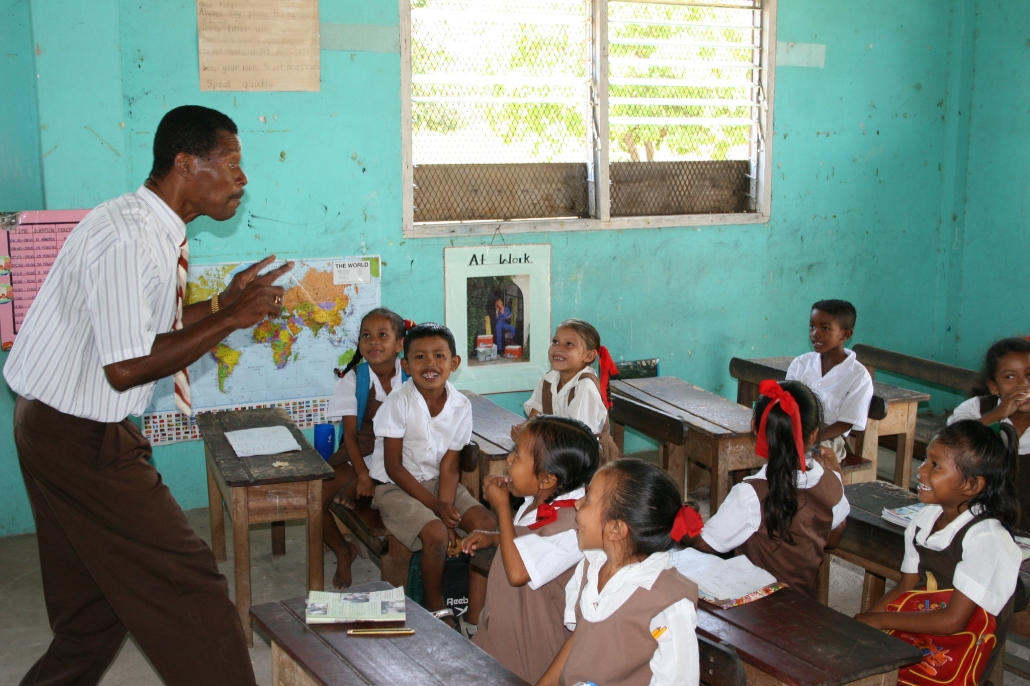
COVID-19 Technology in PakistanFor Pakistan, COVID-19 became an incubator for innovation. The country adopted global practices through digital transformations to sustain governance and daily operations during the lockdown. These practices, such as hybrid and remote work, soon became a permanent part of the professional culture, bridging the gap created by reduced resources across multiple sectors.

Initially, the COVID-19 outbreak led to severe economic deterioration for Pakistan. For example, an overall decline in economic parameters such as GDP growth, unemployment rate, inflation, per capita income, debt, tax collection, poverty and trade (imports/exports). These disruptions were major challenges to its economic activities. The result was that during the fiscal year 2020, for only the second time in Pakistan’s history after 1951–1952, the country recorded a negative GDP growth rate of −0.4%.

Initial Challenges Caused by the COVID-19 Pandemic

The primary challenges caused by COVID-19 in Pakistan were rising unemployment and poverty. The pandemic caused nearly three million people to lose their jobs, leading to a sharp increase in the unemployment rate, which reached 9.56% in the 2020 fiscal year. Global trade disruptions also hit the country hard.

In 2020, exports fell by 6.36% to $22 billion, while imports declined by 8.56% to $45 billion. Meanwhile, pressure on debt servicing intensified as total debt rose from $95.2 billion in 2018 to $112.8 billion in 2020. This pushed Pakistan further into a debt trap, forcing it to borrow new loans to repay old ones.

Innovation in COVID-19 Technology in Pakistan

Despite the initial setbacks, Pakistan showed resilience by adopting global best practices that fueled digital transformation. The COVID-19 pandemic became a turning point for digital progress in Pakistan, especially in the work and education sectors. The introduction of hybrid work models and remote employment systems reshaped professional environments, including public and private institutions.

Organizations increasingly use digital tools, online platforms and cloud-based communication systems to maintain productivity and ensure operational continuity. According to a report, the pandemic significantly boosted digital payments in Pakistan as citizens reduced their use of physical cash to minimize health risks.

The introduction of COVID-19 technology in Pakistan improved efficiency. It helped conserve vital resources such as time, paper and energy by reducing physical commuting and manual workflows. It also accelerated the adoption of online education, pushing schools and universities to embrace digital learning platforms to maintain academic progress.

According to the World Bank, Pakistan responded swiftly by launching the federal TeleSchool program for students nationwide and the Taleem Ghar initiative for learners in Punjab. These e-learning programs in Pakistan ensured continued access to education during lockdowns, demonstrating how technology bridged learning gaps and supported the country’s broader digital transformation.

Economic Adaptation Through COVID-19 Technology in Pakistan

During the COVID-19 pandemic, Pakistan saw a shift toward digital transformation, as technology became the only possible adaptation for individuals and institutions. The pandemic caused a shift toward remote work, freelancing and digital entrepreneurship, helping sustain livelihoods in widespread economic uncertainty.

According to The Dayspring, “Pakistan’s freelancing economy surged by 22% amid COVID-19.” Payoneer also reported the country’s overall freelancing revenue growth from 47% to 69% during the pandemic. Government initiatives such as Punjab’s e-Rozgaar program also played a significant role.

This program empowered youth to earn through online platforms, providing training and access to freelance marketplaces. As INP-WealthPK highlighted, Pakistan witnessed a record 47% growth in freelancing earnings in 2021, with women making up 52% of total graduates and contributing around half of the total earnings. This marked a significant step toward digital inclusion and women’s economic empowerment in Pakistan’s gig economy.

Similarly, the Ministry of IT’s DigiSkills program, a national-level training initiative, has trained more than 1.28 million individuals in freelancing, enabling them to generate sustainable incomes from home. Federal Minister Syed Amin Ul Haque emphasized the goal of expanding female participation in the program from 23% to 33%, reflecting the government’s vision for inclusive digital growth.

Furthermore, the private sector quickly adapted to the new normal of remote work and virtual collaboration. Many companies eliminated mandatory office attendance, providing employees with the necessary resources such as computers, internet connectivity and secure data access to work efficiently from home.

Technology in Public Services and Broader Social Impact

Sehat Kahani emerged as one of Pakistan’s leading examples of digital health care innovation during the COVID-19 pandemic in Pakistan. The platform provided telemedicine services through its mobile app, including free online consultations and e-prescriptions. It helped thousands of patients in remote and low-income areas.

According to Gavi, the Vaccine Alliance, Sehat Kahani’s expansion during the pandemic demonstrated how digital health services in Pakistan can bridge access gaps and empower women doctors to serve communities from home. In the education sector, digital transformations in Pakistan helped sustain learning during lockdowns. The government launched several e-learning programs, ensuring continued education through televised and online lessons.

The World Bank reported that these programs successfully reached millions of students. A report by the United Nations Development Programme (UNDP) further highlighted the broader social impact of digitalization. It revealed that districts showing stronger digital transformation also ranked higher in human development outcomes.

All these studies highlight how Pakistan’s growing investment in digital public services, from telehealth to education, has strengthened national resilience and paved the way for inclusive growth.

Conclusion

All these digital transformations from remote work and freelancing to telemedicine and online education helped Pakistan rebuild its economy and move toward sustainable growth. By 2023, Pakistan’s GDP growth rate recovered to around 3.04%, reflecting how the nation’s digital adaptation turned adversity into opportunity. This evolution shows that when a crisis is met with innovation, collaboration and the right technological tools, it can become a catalyst for development rather than decline.

– Sidra Tahir

Sidra is based in Rawalpindi, Pakistan and focuses on Technology and Politics for The Borgen Project.

Photo: Unsplash
October 28, 2025
https://borgenproject.org/wp-content/uploads/borgen-project-logo.svg 0 0 Hemant Gupta https://borgenproject.org/wp-content/uploads/borgen-project-logo.svg Hemant Gupta2025-10-28 07:30:592025-10-27 23:58:49How COVID-19 Technology in Pakistan Accelerated Progress
Global Poverty, Innovations, Technology

Digital Sovereignty in Africa

Digital Sovereignty in AfricaNew inventions within the 21st century have pushed the world into the digital age. Access to technological devices, the internet and social media offers a new set of information for those privileged enough to have it. First-world countries generally control the data centers that power the exchange of information within their territories. This is through tech giants like Google and Microsoft that have asserted their dominance in internet web browsers. Up until now, however, the African continent has been forced to depend on the data centers and internet protocols outside of its borders to send messages between itself. On September 1, 2025, the African continent introduced its own Continental Internet Exchange (CIX), a game-changer towards its digital sovereignty in Africa.

Essentially, if someone sends a message from Lagos to Kenya, the processing would take place in the European continent or in the United States before it returns to the African continent. This would cause high bandwidth costs and the possibility of outside access to personal or government information. The continent’s yearly expense on outside digital services topped $50 billion because of this. The Continental Internal Exchange offers data centers and local search engines for use across the 54 nations within Africa. This implementation could potentially halve the continent’s expense on digital devices, which could offer more finances to benefit people in poverty or in digital blackout areas.

Rural Challenges

More than 200 million people have switched to using CIX within the first three days of its launch. In addition, Cape Town, Nairobi and Lagos are the current early data center locations with coverage across the continent expected by 2027, according to Eurweb. There are some challenges to be met with, however. Rural areas in Central Africa are facing gaps in coverage and high expenses to have access to data in general.

According to the United Nations, 23 of the 28 countries that live in extreme poverty are in the African continent. In addition, the rate of poverty in rural areas within the African continent is 17.2%. There are gaps in coverage within rural areas because of the lack of infrastructure available. In addition, people in poverty do not have the finances to pay monthly fees for data coverage and internet access. On the continent, people in urban areas are 36% more likely to have access to regular internet. Poverty also largely affects internet access. Only 28% of people who live in extreme poverty are able to access the internet.

Extreme poverty in sub-Saharan Africa is meant to remain in the double digits by 2030. Poverty has an impact on digital accessibility and media literacy. New skills that have impacts in the digital age are not accessible to people in Africa due to the lack of mobile and internet access. A large factor in decreased internet access is education and age as well. According to Afrobarometer in 2021, 81% of people with little to no education in 34 countries in Africa did not use the internet frequently. This is lower for people with higher education, as 17% did not use the internet frequently.

Outreach International

One organization that aims to repair internet access in Africa is Partnership for Digital Access in Africa (PDAA). PDAA is an organization that aims to achieve 1 billion Africans having internet access by 2030. They work with nonprofits, policymakers, and global organizations to create plans and initiatives that introduce access to the internet in areas of limited connectivity and lower internet costs for users. Its overall aim through this organization is to improve digital skills and media literacy across the continent’s 54 countries. The organization’s leadership team consists of policymakers within Africa and business leaders dedicated to the cause. Its website also highlights positive stories in relation to internet access from other news organizations, such as Brookings and Business Insider Africa.

The Future of Digital Sovereignty in Africa

The CIX offers digital sovereignty in Africa. It provides data centers and local search engines within its borders to lower bandwidth costs and decrease dependence on foreign digital devices. With the potential for halving these expenses, there is an opportunity for African countries to reinvest in their digital infrastructure. There stands to be challenges to reach populations in rural areas, for example. What was once necessary to spend on foreign digital services can help establish data centers within these rural areas, widen internet access and provide technological devices to households.

– Nickaylia Anderson

Nickaylia is based in Bronx, NY, USA and focuses on Good News, Politics for The Borgen Project.

Photo: Flickr

October 28, 2025
https://borgenproject.org/wp-content/uploads/borgen-project-logo.svg 0 0 Naida Jahic https://borgenproject.org/wp-content/uploads/borgen-project-logo.svg Naida Jahic2025-10-28 01:30:522025-10-27 22:48:51Digital Sovereignty in Africa
Development, Global Poverty, Technology

Connecting the Congo

The Democratic Republic of Congo

The Democratic Republic of Congo (DRC) is in a position to connect 9.7 million more unique mobile Internet users by 2029 under the right policies. Home to roughly 110 million people, the DRC’s growing youth population makes reliable Internet access an essential resource.

Expanding connectivity is also key to boosting economic opportunities as the country faces persistent financial struggles. Despite the issues of affordability, limited rural access and the self-stifling of the mobile sector, there are many avenues that these policies are looking to open up.

Current Issues

As of 2022, only about 27% of the population had access to the Internet, just over one-quarter of the country’s total population. This figure is well below Africa’s continental average of 39%, making it harder for the DRC to stay connected globally.

The average income required to afford the Internet has decreased recently, dropping from 48.98% in 2018 to 16.36% in 2024. However, despite this significant drop, affordability remains a major barrier. In the case of a cybersecurity incident, the DRC scores just five out of 100 in its ability to minimize potential problems.

Economically, an Internet shutdown is estimated to cost the DRC $261,762, with two shutdowns recorded in the past year. Overall, connecting the Congo has not been an easy task, with its Internet Resilience Score standing at only 23 out of 100.

Looking Forward

Connecting the Congo has a path forward despite the issues faced. The addition of Internet exchange points over the past 10 years has made using the Internet easier. With the Internet Society’s help, the Internet price has dropped by 98%, saving money for Internet providers and customers, allowing even more people to utilize the Internet.

There is still progress to be made to ensure consistent connectivity, especially as the DRC is the fourth-largest country in Africa. However, these steps are essential to keep the country moving forward.

Policies are also in place to support growth, including modernizing frameworks to lower costs, strengthening infrastructure and equipping DRC citizens with essential digital skills. These policies also aim to extend Internet access to public services, making them more efficient. Through these initiatives, the DRC is positioning itself to make significant strides in connecting the country to the rest of the world.

Conclusion

The DRC still has many strides to make in truly getting all of its people connected to the Internet. Issues like availability, affordability and weaker-than-average connectivity remain at the forefront. However, progress is being made.

The rollout of IXPs and the planned policies for the future of the Internet are expected to make big waves in connecting the Congo, allowing everyone to contribute to a world that is more interconnected and inclusive.

– Amari Jennings

Amari is based in Orlando, FL, USA and focuses on Good News and Technology for The Borgen Project. 

Photo: Unsplash
October 26, 2025
https://borgenproject.org/wp-content/uploads/borgen-project-logo.svg 0 0 Hemant Gupta https://borgenproject.org/wp-content/uploads/borgen-project-logo.svg Hemant Gupta2025-10-26 07:30:152025-10-26 01:31:44Connecting the Congo
Aid, Global Poverty, Technology

Blockchain in Aid: A Path To Transparent Funding?

Blockchain in AidBlockchain technology, best known for powering cryptocurrencies, is now being tested in international aid and welfare systems. By offering a secure, decentralized way to record and track transactions, this technology has the potential to address one of the biggest challenges in aid: ensuring that funds reach their intended recipients. Pilot projects in countries like Ghana, Uganda and Ukraine show both the promise and the limitations of this approach.

Blockchain and Transparency in Aid

Traditional aid distribution often suffers from inefficiencies, lack of oversight and corruption. Intermediaries and opaque financial systems can make it difficult to know whether funds actually reach local communities. Blockchain, a distributed ledger technology, records transactions in a tamper-proof system, allowing donors, governments and recipients to track disbursements in real time.

This transparency reduces opportunities for fraud while building trust among stakeholders. For example, aid distributed via blockchain can be monitored at each transfer stage, from donor pledges to household-level disbursement.

Pilot Projects in Ghana, Uganda and Ukraine

  • Ghana: Blockchain technology has been explored as a tool for poverty alleviation. For example, initiatives have used it to improve the land registry systems, reducing disputes and corruption related to property rights. Additionally, this technology is being integrated into the cocoa supply chain, enabling smallholder farmers to trace their products, connect directly with international markets and secure fairer incomes.
  • Uganda: Startups have partnered with nongovernmental organizations (NGOs) to pilot blockchain-based land registries, helping reduce disputes and corruption around property ownership, a major factor in long-term poverty reduction.
  • Ukraine: In response to wartime displacement, blockchain systems have been explored to deliver direct cash aid and track humanitarian funds with greater accountability. It has helped prevent more than $200M of overlapping assistance since 2022.

Benefits and Transparency Gains

Blockchain projects have demonstrated several advantages:

  • Fraud Reduction: Tamper-resistant ledgers minimize opportunities for embezzlement or double-spending.
  • Efficiency: Smart contracts automate transactions, cutting costs by reducing reliance on intermediaries.
  • Trust-Building: Donors and recipients can access real-time, auditable records showing exactly where funds go.

These improvements could reshape donor confidence in international aid and encourage more consistent funding.

Challenges and Scalability

Despite its promise, blockchain in aid faces major obstacles:

  • Technical Barriers: Many communities lack reliable internet and electricity to support blockchain systems.
  • Regulation: Blockchain-based aid risks data misuse and uneven adoption without clear legal frameworks.
  • Scalability: Pilot projects often succeed on a small scale but require massive infrastructure and oversight to expand nationally.

These challenges show that blockchain is not a “silver bullet” but a tool that requires careful and thoughtful integration.

Looking Ahead

To responsibly integrate blockchain into poverty-alleviation funding, governments and NGOs must build regulatory frameworks that safeguard privacy, ensure inclusivity and maintain accountability. Partnerships with local communities are also crucial to avoid imposing solutions that fail to address real needs.

Blockchain can improve transparency, but only if implemented carefully and ethically. The technology offers a new way to fight inefficiency and corruption in aid. However, its true impact will depend on whether it can be scaled responsibly in the world’s most vulnerable regions.

– De’Marlo Gray

De’Marlo is based in Long Beach, CA, USA and focuses on Business and Technology for The Borgen Project.

Photo: Unsplash

October 21, 2025
https://borgenproject.org/wp-content/uploads/borgen-project-logo.svg 0 0 Hemant Gupta https://borgenproject.org/wp-content/uploads/borgen-project-logo.svg Hemant Gupta2025-10-21 01:30:532025-10-21 01:30:53Blockchain in Aid: A Path To Transparent Funding?
Global Poverty, Technology

ECook: How Induction Stoves Make Cooking Less Deadly

ECookIn many parts of the world, the warm, familiar smell of cooking isn’t just a homely comfort; it’s a threat. According to the World Health Organization (WHO), 2.1 billion people still cook using solid fuels such as wood, charcoal, crop waste, coal or even dung, in open fires and using inefficient stoves. The household air pollution from this cooking causes many issues, from eye damage to strokes, lung cancer and heart disease, especially in women and children who spend more time near cooking fires.

The pollution is responsible for an estimated 3.2 million deaths per year, three times more deaths annually worldwide than traffic accidents. However, one company is working to change that. ATEC’s eCook induction stove offers a clean cooking alternative to smoky, dangerous methods. By combining affordable financing, digital technology and economic incentives, eCook is showing how modern cooking can be practical and life‑changing in low‑income settings.

How eCook Works and Why It Matters

The eCook stove functions through induction technology. When the pot is placed on the surface, heat is generated. Without exposed flames, smoke or choking soot, the indoor air stays cleaner. The device includes safety features like automatic shut-off, precise temperature control and a child lock, which makes a difference in homes where children are around. In Cambodia, a user says it helps them have “confidence and feel safer, especially for my kids who cook at home.”

In Nepal’s Madhesh region, where traditional stoves fueled by firewood or cow dung dominate, feedback about eCook’s clean cooking praises the impact on quality of life. Pandey, a local health worker, observes women with fewer eye and respiratory complaints since electric induction stoves were introduced. Cleaner homes, less time spent collecting fuel and tending fires and more time for other tasks are becoming the norm.

What also sets eCook apart is its financing model. In Bangladesh, households can obtain the stove on a pay‑as‑you‑go basis, often paying as little as $5 per month. The company subsidizes part of the up‑front cost through carbon credits earned via verified usage of the stove. These credits are gold‑standard, meaning there’s an international verification of data tied to each household’s usage.

In Practice

Saleha, a 25‑year‑old homemaker in Dhaka, Bangladesh, describes how the eCook stove is both a cost- and time-saving option: “I can pay for the stove easily with the app. It did not require me to have a bank account to buy this product in a pay-as-you-go system. The stove cooks fast and the cost has been dropped to half since I no longer need to buy expensive LPG for cooking.”

This model helps not only make what might otherwise be unaffordable technology accessible to low‑income families but also becomes an income generator itself, particularly for women. Through ATEC’s Cook-to-Earn initiative, users, particularly women, receive direct carbon payments based on their usage. In the same way that ATEC uses certified carbon credits to keep costs low, women using the stove can measure, verify and convert their emissions reductions into carbon credits.

These credits can then be sold to decarbonization partners, empowering women in the Global South to turn climate action into income.

Facing the Gaps and Looking Ahead

Despite early success, challenges remain. In Madhesh, not every pot fits the induction stove; large vessels or specific cooking styles still depend on open fires or mud stoves. Electricity supply is still unreliable in some areas, which raises questions about consistency. But behavior change is gradual. Many families still keep a mix of stoves for different uses (a practice known as fuel stacking) rather than switching entirely.

Yet momentum in clean cooking is building. In September 2025, ATEC raised $15.5 million led by investors including Lightrock and TRIREC. It aims to roll out up to 200,000 more eCook stoves in Bangladesh, Cambodia, Malawi and Nepal over the next three years.

“Every family deserves a kitchen free from smoke that damages lungs, shortens lives and keeps people in poverty,” said ATEC CEO and co-founder, Ben Jefferys. “To achieve this, we must provide households with the right technology that unlocks their carbon assets to transact directly with decarbonisation partners at scale, backed by real-time data from every stove in every home.”

– Jannah Khalil

Jannah is based in Sacramento, CA, USA and focuses on Good News and Technology for The Borgen Project.

Photo: Flickr

October 20, 2025
https://borgenproject.org/wp-content/uploads/borgen-project-logo.svg 0 0 Hemant Gupta https://borgenproject.org/wp-content/uploads/borgen-project-logo.svg Hemant Gupta2025-10-20 01:30:532025-10-20 00:17:56ECook: How Induction Stoves Make Cooking Less Deadly
Development, Global Poverty, Technology

Low-Cost Satellite Internet in Remote Areas

Satellite Internet in Remote AreasSeveral developing countries have proposed new forms of low-cost satellite internet to connect remote areas. Several up-and-coming organizations include “Starlink” and “Amazon Project Kuiper.”

Starlink and Project Kuiper: Bridging the Digital Divide

SpaceX operates Starlink and “utilizes a constellation of low-Earth orbit satellites to provide service worldwide.” It is designed to deliver “faster speeds and lower latency.” Its key purpose is to provide satellite internet to remote areas where accessibility is a constant barrier to connectivity.

While the operation seems promising, it is at a higher price than other rural internet providers due to the required purchase or lease of proprietary equipment. Another drawback is that the service tends to be affected by extreme weather conditions, common in remote areas with unpredictable climates.

Amazon Project Kuiper is an upcoming satellite internet service that provides high-speed internet to remote and underserved areas. Amazon plans to provide “widespread coverage which includes hard-to-reach rural communities.” However, prices are not yet available to the public, making it difficult to assess the potential success of this new project. Despite this uncertainty, it is expected to be competitive with other satellite internet providers.

Benefits of Satellites

Unlike most other satellite services, there is no required reliance on telephone lines. Amazon plans to “deploy thousands of satellites in low-Earth orbit linked to a global network of antennas, fiber and internet connection points.” These satellites orbit closer to Earth than traditional ones, reducing signal delay and improving speed. The satellites will communicate with a network of ground stations, including antennas, fiber-optic cables and internet hubs, that connect to the broader internet.

Satellites beam data to and from user terminals (like dishes or receivers) and route it through ground infrastructure to reach the internet. Unlike older satellite services, this enables Amazon to provide broadband access in rural, underserved regions without phone lines.

Amazon Project Kuiper plans to “bridge a digital divide” and offer direct support, such as customer service, to ensure technology integration. Although the performance metrics are not yet known until actual deployment, Amazon’s inclusion of a direct support team appears promising.

GSMA: Driving Mobile Innovation

GMSA is a global organization unifying the mobile ecosystem to provide innovative solutions for businesses and to encourage societal change. Its vision is to “unlock the full power of connectivity so that people, industry and society thrive.” It shapes mobile-related policies, supports technology that keeps mobile networks running and creates significant events to target global problems. Events such as MWC and M360 mobilize mobile industry leaders to share ideas and collaborate.

Millions of people depend on connectivity for their livelihoods and basic needs. “In 2022, 36 countries with the largest mobile coverage gap hosted 46% of internally displaced people and 18% of refugees.” Low-cost satellite services could be the answer to target the weaker areas of infrastructure in developing countries, particularly in health care, education and humanitarian protection.

Connectivity for Refugees Initiative

However, there are barriers to usage due to “lack of affordability of devices and data, lack of literacy and language or social barriers.” Due to this accessibility problem, a coalition of organizations and governments, including the UNHCR, International Telecommunication Union (ITU), GSMA and the Government of Luxembourg, created the Connectivity for Refugees initiative in 2023.

The initiative aims to connect 20 million displaced people and their hosts by 2030, helping them stay connected, access global services and build a livelihood. It will involve the private sector, governments, international organizations and forcibly displaced communities to ensure connectivity in underserved areas. Consequently, this will “open pathways for greater access to information, education and livelihoods and enhanced humanitarian protection.” 

Connecting Rwanda

The Rwandan government has created the Kigali Innovation City initiative, focusing on “expanding connectivity” through government-led efforts to “develop robust digital infrastructure and initiatives.”

According to GSMA research, “MTN Rwanda has the widest network coverage in the country, with coverage available in remote areas and refugee camps.” Mobile phones are widely used in Rwanda, with “31% of the population reported to be using a mobile money account.”

There are four active mobile money services in operation: MTN Mobile Money, Airtel Tigo, Dau Pesa and MCash. Through a partnership with KCB Bank, MTN Mobile Money users can access loans and savings products. This partnership also provides additional benefits, including access to health care and educational platforms.

In addition, NGOs such as UNHCR and the U.N. Refugee Agency are supporting connectivity projects in refugee camps like Mahama and Kiziba. These projects establish “community centers with internet access, mobile charging stations, digital literacy programmes and solar power solutions,” helping expand digital access in underserved communities.

Low-cost satellite connectivity is not just access; it’s a lifeline for resilience and opportunity.

– Gabriela E Silva

Gabriela is based in Surrey, UK and focuses on Technology and Solutions for The Borgen Project.

Photo: Pixabay

October 20, 2025
https://borgenproject.org/wp-content/uploads/borgen-project-logo.svg 0 0 Hemant Gupta https://borgenproject.org/wp-content/uploads/borgen-project-logo.svg Hemant Gupta2025-10-20 01:30:302025-10-20 00:24:24Low-Cost Satellite Internet in Remote Areas
Page 5 of 88«‹34567›»

Get Smarter

  • Global Poverty 101
  • Global Poverty… The Good News
  • Global Poverty & U.S. Jobs
  • Global Poverty and National Security
  • Innovative Solutions to Poverty
  • Global Poverty & Aid FAQ’s
Search Search

Take Action

  • Call Congress
  • Email Congress
  • Donate
  • 30 Ways to Help
  • Volunteer Ops
  • Internships
  • Courses & Certificates
  • The Podcast
Borgen Project

“The Borgen Project is an incredible nonprofit organization that is addressing poverty and hunger and working towards ending them.”

-The Huffington Post

Inside The Borgen Project

  • Contact
  • About
  • Financials
  • President
  • Board of Directors
  • Board of Advisors

International Links

  • UK Email Parliament
  • UK Donate
  • Canada Email Parliament

Get Smarter

  • Global Poverty 101
  • Global Poverty… The Good News
  • Global Poverty & U.S. Jobs
  • Global Poverty and National Security
  • Innovative Solutions to Poverty
  • Global Poverty & Aid FAQ’s

Ways to Help

  • Call Congress
  • Email Congress
  • Donate
  • 30 Ways to Help
  • Volunteer Ops
  • Internships
  • Courses & Certificates
  • The Podcast
Scroll to top Scroll to top Scroll to top