SDG 2 in SudanIn 2015, all UN member states adopted the 2030 Agenda for Sustainable Development. The agenda revolved around commitment to 17 Sustainable Development Goals (SDGs), a call to action for all developed and developing countries to commit to a unified approach to ending poverty and other global deprivations, with the UN Secretary General presenting annual SDG Progress Reports.

António Guterres presented the latest SDG Progress Report this year, which noted that global hunger and food, while having declined in recent history, are still above the figures from before the COVID-19 pandemic. With SDG 2 being the goal to attain levels of zero hunger, here are all the updates on SDG 2 in Sudan, including both the situation on the ground as well as the progress that is underway to combat rampant hunger in Sudan as the African nation currently experiences a catastrophic famine.

Violence and Its Impact on Hunger

After three years of violence due to the conflict between the Rapid Support Forces (RSF) and the Sudanese Military, UNICEF reports that the conflict has affected 30 million people —  half of them children —  with violence such as summary executions, starvation, rape and bombardment displacing at least 10 million, which UN reports claim fit the 2008 UN Security Council definition for war crimes, crimes against humanity and genocide.

The Food and Agriculture Organization of the United Nations (FAO) estimates that 21.2 million people — nearly half of the population — are experiencing high levels of acute food insecurity, as conflict areas such as El Fasher and Kadugli have confirmed famine conditions. Restricted access due to violent conflict, as well as inflated food prices, strenuous journeys to receive aid, starving mothers’ reduced ability to breastfeed and funding cuts for said aid have driven the country to experience high levels of food insecurity.

UNICEF also reports that in the state of South Kordofan, where Kadugli is the capital, 10,000 children are suffering from severe acute malnutrition, while more than 70% of hospitals in areas experiencing violence are non-operational. Hospitals in safer areas are overwhelmed with limited resources and staff not receiving pay, severely limiting any safety net for families caught in a cycle of malnutrition.

Efforts on the Ground

As previously mentioned, funding cuts for relief organizations have limited the on-the-ground support for SDG 2 in Sudan. However, the latest Integrated Food Security Phase Classification (IPC) Special Snapshot reveals that as of September 2025, acute food insecurity had slightly improved with an estimated 3.4 million people no longer falling into the same category level of hunger, being IPC phase 3 or above, that they had from December 2024 to May 2035, the previous period of analysis. Furthermore, the IPC states that it expects food security conditions to improve between October 2025 and January 2026 with the arrival of the harvest season, though these harvest gains will be limited in some violence-ridden regions.

These incremental gains for SDG 2 in Sudan reflect the persistence of agencies like FAO, UNICEF and the World Food Programme (WFP).

  • FAO is focusing on providing emergency livestock, fishery supplies and veterinary services for animals deemed vital sources of protein and nutrition to strengthen local food systems. In the summer of 2024, FAO and its partners distributed 5,000 MT of seeds reaching around 2.7 million people.
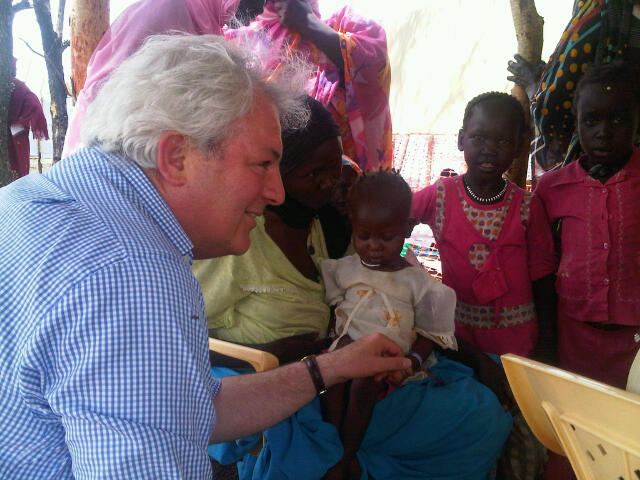
  • Between January and November 2024, UNICEF screened 6.7 million children under five for malnutrition and more than 415,772 children suffering from severe acute malnutrition were treated. UNICEF recently regained access to South Kordofan, delivering convoys of essential medicines and ready-to-use therapeutic food — a nutrient-rich peanut paste that can save children suffering from acute malnutrition. For parents like Zahra, whose three-year-old daughter Tahir was suffering from malnutrition, this convoy was the first real sign of relief and survival for her child in many months.
  • WFP delivers both food aid and cash assistance through its Food Assistance for Assets program, while distributing its micronutrient-rich product “VITAMINO” to children under five, as well as pregnant and nursing mothers. As of December of 2024, WFP had delivered food assistance to more than 800,000 Sudanese at risk of famine.

In addition, both UNICEF and the WFP offer vocational training for adolescents and adults, respectively, to provide greater access to livelihood opportunities as a safeguard against multigenerational poverty and hunger.

Looking Ahead

Despite encouraging signs that progress has occurred towards SDG 2 in Sudan has not completely ceased as famine in Sudan remains one of the most urgent humanitarian crises in the world with UNICEF stating that advocacy is crucial in the desire for greater humanitarian access across conflict lines both to provide more aid and to collect more data, increased foreign aid, mainly in the form of flexible spending, as well as a cessation of hostilities, the latter of which both UNICEF and the WFP deem vital in containing food insecurity and malnutrition.

With the FAO stating its need for $156.7 million USD for 2025 to assist 14.2 million people, UNICEF also urges the international community, including U.S. Congress and other donor governments, to increase flexible funding that allows rapid allocation to the most vulnerable.

Despite the dire circumstances, the persistence of local farmers, aid workers and global partners continues to plant the seeds of hope that sustain SDG 2’s mission. Each harvest supported, each child treated for malnutrition and each family trained for self-reliance moves Sudan — however slowly — closer to the promise of zero hunger.

– Luca Hanlon

Luca is based in Brooklyn, NY, USA and focuses on Good News and Politics for The Borgen Project.

Photo: Wikimedia Commons
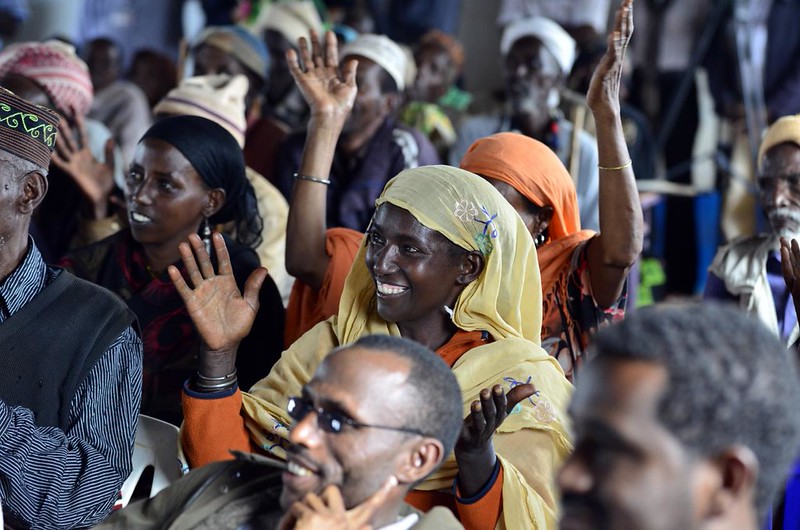
5 Ways Kenya is Reducing PovertyKenya, a country on the East African coast, has a population of around 56.4 million, where around 39% of the population lives below the national poverty line. The Kenyan government has recently made a pledge toward Kenya Vision 2030, which prioritises meeting its Sustainable Development Goals (SDGs), as well as working toward eradicating extreme poverty by turning Kenya into a middle-income country. These frameworks aim to promote long-term development while focusing on different “pillars of action”: economic empowerment, social protection, access to basic services, inclusive governance and environmental sustainability. Here are 5 ways Kenya is reducing Poverty: 

Social Protection Programs

As part of Kenya Vision 2030, social protection programs have been pushed to be implemented as a solution to rising poverty and inequalities (SDG 1 and 10). For instance, the Inua Jamii Programme transfers cash to vulnerable people, like orphans, the elderly and people with disabilities. Since 2018, the initiative has spent more than $230,000 per year helping the people of Kenya stay out of poverty. In Kenya, around 80% of its land is classed as arid and semi-arid (ASAL), meaning the amount of rainfall the regions receive annually is little to none.

The Hunger Safety Net Program (HSNP) helps provide regular cash transfers to these dry regions, which struggle to grow crops. Approximately, this program has helped stop almost 800,000 people from going hungry despite their agricultural limitations. These programs are all part of the National Safety Net Program (NSNP), which funds and promotes these various frameworks in hopes of improving the efficiency and reach of these initiatives. The NSNP is vital in helping Kenya reduce poverty across its lands.

Agricultural Transformation

Agriculture largely remains the backbone of Kenya’s economy, employing around 70% of the rural population. Under the Big Four Agenda, a presidential initiative first launched in 2017, food security is a large area of focus. The government began to promote the leasing and sales of agricultural equipment to enable farmers to have access to otherwise expensive equipment.

Similarly, the implementation of more support for those in agriculture allows for a more stable income. These acts are crucial to achieving zero hunger and decent work and economic growth (SDG 2 and 8) in aid of Kenya reducing poverty while also advancing Vision 2030’s goal of a stable and growing economy.

Universal Health Coverage

Kenya’s recent push toward Universal Health Coverage (UHC) is transforming access to health care across the country. The expansion of the National Health Insurance Fund (NHIF), which now includes access for informal sector workers and vulnerable groups, is part of this shift. Community health volunteers (CHVs) are beginning to play a key role in delivering primary care at the lower grassroots levels of society.

Pilot programs in counties like Kisumu and Nyeri have proven the potential of UHC to reduce unnecessary expenses and improve health outcomes. These initiatives help support good health and well-being (SDG 3) and promote equitable health care as part of Kenya Vision 2030.

Education Access Equity

Education reforms are expanding across Kenya, improving access and quality of teaching. Free primary and subsidised secondary education have increased enrolment rates, while school feeding programs in marginalised areas have been shown to enhance attendance and nutrition amongst the children. Technical and Vocational Education and Training (TVET) institutions are equipping youth with market-relevant skills for the wider world. Digital literacy programs like Ajira Digital and the Presidential DigiTalent Program are aiming to prepare young Kenyans for the future of work, like learning key skills of data entry or transcription. These efforts are instrumental for quality education (SDG 4) to be achieved, as well as promoting Kenya Vision 2030’s focus on human capital development; these factors reflect Kenya’s reduction in poverty as well as a sense of changing hope for the new generations to come.

Youth Employment and Skills Development

Youth employment is a huge priority for the Kenyan government, with over 75% of its population being under 35. Programs like the Kenya Youth Employment Opportunities Project (KYEOP) offer training opportunities, internships and business grants. The project has helped more than 145,000 Kenyans participate in its programs, with around 125,000 direct jobs being created. It has promoted a 50% increase in wages for its beneficiaries and allowed the employment rate to rise to around 85% among its participants.

Looking Ahead

Overall, Kenya has made significant progress toward its SDGs, helping improve Kenyan livelihoods every day. Its poverty reduction strategy is bold and inclusive; however, challenges like the changing climate and urban poverty remain. Nonetheless, Kenya is reducing poverty levels and showing ongoing reform and innovation, offering hope for the future. As the country moves toward 2030, its vision remains clear for the future of its citizens.

– Megan Burrows

Megan is based in Birmingham, UK and focuses on Good News for The Borgen Project.

Photo: Flickr

SDG 7 in AfricaSDG 7 aims to “ensure access to affordable, reliable, sustainable, and modern energy for all,” and is currently at risk of not being realized by 2030. However, an area of the world that is making real progress is Africa, a continent that has been struggling with overreliance on costly and unsustainable fossil fuels. A recent initiative from the European Commission is highlighting how global collective action can have a real impact in accelerating the aims of SDG 7 in Africa.

Africa’s Energy Transition

Africa accounts for 60% of the planet’s best solar energy resources, as well as presiding over an abundance of geothermal, hydropower, and wind energy. Despite this, the continent only attracts 2% of global renewable energy investment, meaning that 600 million people on the continent still live without a reliable source of electricity.

Africa’s demand for energy could increase eightfold by the year 2050, and in order to feed this demand in a cost-effective and environmentally friendly manner, there needs to be a transition away from fossil fuels to renewables, according to the Global Africa Business Initiative.

Scaling up Renewables in Africa Campaign

In a bid to accelerate Africa’s energy transition, the European Commission, in collaboration with advocacy organization Global Citizen and the Republic of South Africa, launched the “Scaling up Renewables in Africa” campaign. Inaugurated on the eve of the 2024 G20 summit in Rio de Janeiro, the campaign will conclude with an event as part of the 2025 G20 summit in Johannesburg. Founded on the target agreed upon at COP28, to triple the planet’s capacity for green energy by 2030, the campaign is centered on accumulating commitments and finance from the public and private sectors, as well as from global banks and philanthropists, in order to accelerate the green transition throughout Africa.

New Funding

On September 30 2025, the European Commission announced a raft of new funding. The package totaled €545 million and was announced at the Global Citizen Festival. The €545 million should go on projects across the African continent, to expand access to electricity, update aging energy infrastructure and increasing the use of renewables. The timing of this announcement feeds into the broader aims of the “Scaling up Renewables in Africa” campaign, building momentum for its conclusion at the November G20 summit in Johannesburg.

Affected Projects

Among the projects announced are the construction of a more efficient regional energy distribution network in Côte d’Ivoire, for €359.4 million; an investment of €59.1 million in Cameroon to electrify rural areas, impacting more than 2.5 million people; and a €45.5 million pledge to make renewable forms of energy more accessible and affordable for Somali communities, furthermore, helping move towards achieving SDG 7 in Africa. Smaller projects affected by this announcement include funding for the Renewable Lesotho program, helping to realize the country’s potential hydro and wind energy production, a solar farm in Ghana and the installation of mini grids in Madagascar’s rural interior.

Impacts on Poverty

The links between poor access to electricity and poverty are evident. Through increasing access to electricity, rural households throughout Africa will be able to escape the vicious cycle of poverty through more efficient lighting, heating, cooking, communication and even financing. This frees up more time for economic productivity and education, which in turn leads to higher earnings and the potential to eliminate economic poverty.

Increasing access to renewable energy renders the transition out of poverty sustainable, allowing countries to modernize without jeopardizing their future environmental health. The excessive use of fossil fuels is a potential existential threat to the biodiversity of African nations, harming many people’s way of life. Green electrification, as offered by the “Scaling up Renewables in Africa campaign, is a perfect answer to the often-competing targets of environmental conservation and poverty alleviation, as well as providing a more cost-effective solution than economic development built on fossil fuel usage.

Final Notes

The pledge of €545 million is a major indicator of the global community’s commitment to SDG 7. Since this announcement, the EU pledged a further €618 million to fund an even wider array of projects across the continent, moving closer to achieving SDG 7 in Africa. This demonstrates the continued emphasis that the European Commission is placing on championing renewables in Africa and signals the continuation of the positive momentum in Africa’s green transition heading into the G20.

– Henry Weiser

Henry is based in Cornwall, UK and focuses on Technology and Politics for The Borgen Project.

Photo: Flickr

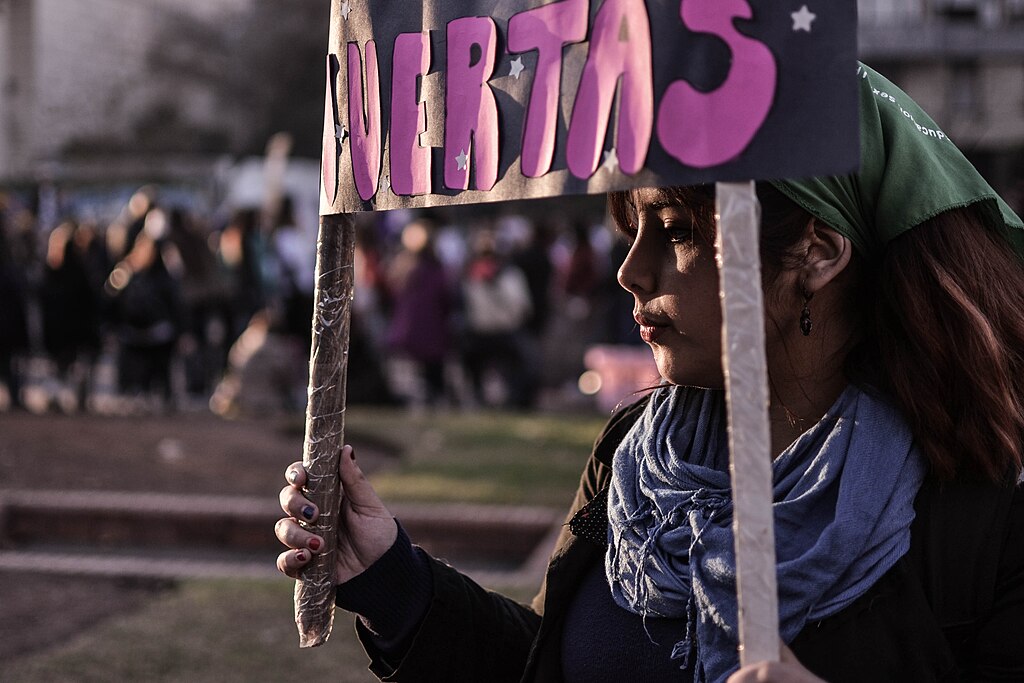
SDG 5 in ArgentinaArgentina has made significant progress in advancing gender equality, and according to the Sustainable Development Report, it is one of the few countries, not just in Latin America, but globally, that is on track to achieve SDG 5 by 2030. Argentina has implemented “100% of the legal frameworks under the SDG that promote, enforce and monitor gender equality.” This article dives into updates on SDG 5 in Argentina.

Sustainable Development Goal 5

In 2015, the Sustainable Development Goals (SDGs) replaced the Millennium Development Goals, aiming to transform the world. As part of the 2030 Agenda for Sustainable Development, all United Nations member states adopted the SDGs, which comprise 17 goals and 169 targets aimed at achieving development by 2030. 

 The fifth goal, or SDG ,5 aims to achieve gender equality and empower all women and girls. Its targets include ending all forms of discrimination, violence and harmful practices against women, among others. It also aims to ensure women’s equal representation in leadership at all levels of different spheres of life.

SDG 5 Progress in Argentina

The following section highlights recent updates on SDG 5 in Argentina, based on certain indicators of the goal. Among the indicators that the goal uses to measure progress, one focuses on the labor force participation of women by evaluating the ratio of female-to-male labor force participation. As of 2024, the rate was 73.73%, an increase from 67.59% in 2000, representing a slow but sustained rise.

Another indicator, measuring the ratio of the mean years of education that women and men aged 25 and older received, reached a peak of 104.92% in 2021. With relation to this indicator, the country has remained predominantly consistent over the last two decades, routinely surpassing the intended target of 100, demonstrating that, on average, women receive more years of education.

Meanwhile, a third indicator has shown a drastic improvement from the turn of the century. From holding less than 30% of seats in National Parliaments, the country, at its best, in 2024, witnessed nearly 45% of women leaders. There has been a slight dip in 2025, but so far it seems to be on track to achieve 50%.

Furthermore, the vulnerability of female employment in Argentina has also improved since 1991. As of 2023, the rates were 20.6% among women and 23.8% among men. In both cases, it is lower than the average rate in Latin America and the Caribbean. Lower vulnerable employment rates also have a relatively positive impact on poverty in the country, given that workers in vulnerable employment are more likely to fall into poverty.

Areas for Continued Growth

While Argentina has made notable progress in achieving SDG 5, certain areas require continued work to address necessary gaps. One such aspect that remains a challenge is physical and/or sexual violence. In 2018, among women aged 15-49 years, 4.5% reported that they had experienced physical and/or sexual violence by a current or former intimate partner in the previous 12 months.

With respect to labor, men spent 9.2% of their time on unpaid care and domestic work, while women and girls aged 15 and above spent more than 20%. The adolescent birth rate per 1,000 women aged 15-19 also rose to 0.9 in 2021. Though not a concerning figure, it was a slight increase from 0.8 in 2020.

Additionally, Argentina is working to close existing gender data gaps to fulfil its SDG 5-related commitments. A key area where data gaps exist is gender and poverty. Given that the female poverty rate is higher than the male poverty rate globally, this data could have a significant impact on empowering women and alleviating poverty in Argentina.

UN Women’s Initiative

Nonetheless, various initiatives have been and continue to be put in place to overcome these challenges. One such example is the Connected to the Future: The Potential of Digital Training to Accelerate Equality initiative, which U.N. Women launched in collaboration with Nokia aimed to bridge the digital divide. This multisector collaboration aims to enhance women’s access to employment in key sectors and to promote entrepreneurship through training and the development of local networks in Argentina.

As a part of the initiative, 80 women from across 52 municipalities in Puntos Mujer participated in the training surrounding cybersecurity, artificial intelligence, personal finance and digital violence, among others. The program also supports the U.N. Women Strategic Plan 2022-2025, particularly the digital inclusion strategy for Latin America and the Caribbean and encourages women’s economic empowerment in digital spaces, which is a feature critical for sustainable economic development in communities.

The Women’s Forum for Equal Opportunities

The citizens are also empowered, and they, too, are increasingly championing women’s rights throughout the country. For instance, indigenous and feminist women’s groups throughout Argentina are campaigning to stop racist sexual violence and femicide. The Women’s Forum for Equal Opportunities is one such organization. It has established women-led community networks by training local leaders on gender issues to assist survivors of violence. This has played a significant role in supporting survivors from regions with no access to telephone lines or the internet.

Looking Ahead

While Argentina faces some challenges in its path to achieving SDG 5, the programs and initiatives being implemented are working actively to bridge the gap by the end of the decade. 

– Priya Doshi

Priya is based in Edinburgh, Scotland and focuses on Good News and Politics for The Borgen Project.

Photo: Wikimedia Commons

SDG 2 in ColombiaSDG 2 is a development goal set by the U.N. to create a “world free of hunger by 2030.” Global food insecurity has been increasing alarmingly since 2015, caused by factors like the pandemic, war and deepening global wealth inequality. The U.N. reports that in 2023, 2.3 billion people faced food insecurity, increasing from 383 million in 2019.

As promoted by the U.N., SDG 2 requires coordinated national efforts to alleviate hunger. Reform and investment in sectors such as agriculture and farming can break rural poverty cycles by offering employment, opportunity and building food security during disasters and violence.

Colombia’s Poverty Problem

Despite Colombia’s status as an upper-middle-income country, food insecurity and poverty are critical issues, particularly in rural areas. The World Food Programme (WFP) reported that in 2025, 25% of the population is food insecure. Many rural Colombians rely on farming to make a living.

Yet, structural challenges and the prevalence of drug production often make this livelihood unstable. As the Colombian Council of Ministers stated, 1% of landowners control the Casa de Nariño, 65% of fertile farming land. Lower-income farmers are often given no legal or formal recognition of their lands.

Due to Colombia’s terrain, many farming communities are remote, with limited infrastructure, investment and access to opportunities. Faced with this, many Colombians become trapped in the cycle of growing the more accessible and demanded coca plant, used to make cocaine, as an option for survival. Coca displaces crops, reduces local food availability and deepens drug-related violence and displacement, contributing to the cycle of food insecurity and poverty.

Creating Change

Introduced in February 2025, President Gustavo commenced the initiative “Pact for Land and Life: Revolution for Life.” It addresses inequalities and promotes rural livelihoods through agricultural reform and farming. The pact focuses on land redistribution and the eradication of coca production.

The program offers farmers financial incentives to transition to sustainable crops such as coffee, sugarcane and livestock. Transition is assisted with technical training, funding and equipment, with some towns requiring infrastructure such as new roads to improve market access. This promotes food security by giving farmers the dignity and opportunity to start again, earn money more safely and trade within the law.

This creates a stronger relationship between rural farmers and the government, boosting the likelihood of further investment and infrastructure in rural communities. It would also stop the prevalence of drug production and the associated violence that it brings.

While the threat of drug violence, difficulties in accessing remote regions and the challenge of generating adequate funding have slowed government plans, nonprofit organizations such as Mercy Corps have stepped in. They provide essential support in alleviating food insecurity.

The Work of Mercy Corps

Since 2005, Mercy Corps has worked in Colombia to tackle the root of coca cultivation, focusing on sustainable agriculture, land formalization and economic inclusion. In rural, impoverished and conflict-affected regions like Catatumbo, where farmers are forced to rely on coca to get by, Mercy Corps helps farmers transition to legal and sustainable forms of income.

Through initiatives such as ALGO Nuevo, more than 3,000 farmers have replaced more than 1,800 hectares of coca with crops such as coffee and yucca. The charity also works alongside the National Land Agency and local governments to develop marginalized groups’ property rights and reduce land formalization costs.

Conclusion

The effect of agricultural focus on reform in Colombia shows the potential of farming in alleviating food insecurity and achieving SDG 2. Land redistribution, coca eradication and training have provided invaluable socioeconomic opportunities to the nation’s most marginalized and vulnerable groups. It builds greater stability, promotes peace and builds resistance to occurrences of violence and displacement, as well as facilitating individuals to have dignified work.

Colombia serves as a case study for the coordinated efforts required for SDG 2 and how farming unlocks a new reality for some of the world’s most impoverished and remote communities.

– Mia Keen

Mia is based in London, UK and focuses on Business and Politics for The Borgen Project.

Photo: Flickr

Azerbaijan's Poverty RateAzerbaijan’s poverty rate trends reflect progress and persistent challenges as the country works toward the United Nations’ 2030 Sustainable Development Goals (SDGs). Recent social reform packages, including the Agency for Sustainable and Operative Social Provision (DOST Agency) model and expanded pensions, show the government’s commitment to strengthening social protection. Yet, rising living costs, gender inequality in the workforce and the reliance on hydrocarbons highlight gaps that could leave vulnerable populations behind.

This article examines how Azerbaijan’s Sustainable Development Cooperation Framework (2021–2025) shapes poverty reduction and identifies the steps needed to achieve lasting progress.

Poverty Trends in Azerbaijan

Over the past two decades, Azerbaijan has made significant progress in reducing poverty. In 2001, nearly half of the population lived below the national poverty line, according to the State Statistical Committee. By 2023, the Asian Development Bank estimated that only 5.2% of the population lived below the poverty threshold. Economic growth, social protection reforms and targeted poverty alleviation programs have driven progress.

Azerbaijan’s poverty rate indicates that, despite overall improvements, poverty disproportionately affects certain groups more than others. Rural areas, internally displaced persons, children from large households and individuals with disabilities continue to experience higher rates of poverty.

Social Protection and Reform Initiatives

The government implemented the DOST Agency to support its SDGs. The government expanded pensions to cover a broader range of groups, including families of martyrs, persons with disabilities, women with more than five children and low-income households, marking the fifth social reform package implemented since 2018. These programs aim to reduce Azerbaijan’s poverty rate.

Persistent Challenges

Azerbaijan’s economy remains highly dependent on oil and gas exports, leaving it vulnerable to global price fluctuations and energy transitions. The International Monetary Fund (IMF) reported that, although growth in the non-oil sector is increasing, the economy remains heavily dependent on hydrocarbons. Inflation rose to 4.9% in December 2024, partly due to price adjustments in energy, transportation and utilities.

Key social and economic challenges include limited income-generating opportunities for women, youth and smallholder farmers and unequal access to essential public services in health, education and social protection.

Looking Toward 2030 Goals

Azerbaijan is advancing toward the U.N.’s 2030 SDGs. The government has prioritized all 17 SDGs, 88 targets and 119 indicators, coordinating progress through the National Coordination Council for Sustainable Development. Voluntary National Reviews and the United Nations Sustainable Development Cooperation Framework (UNSDCF) have highlighted private sector engagement, social protection and inclusive education achievements.

The UNSDCF emphasizes people-centered policies and economic diversification beyond the hydrocarbon sector. Addressing these priorities aims to accelerate progress toward the 2030 Agenda and mitigate the risk that marginalized populations are left behind. These coordinated efforts aim to reduce Azerbaijan’s poverty rate, ensuring economic growth benefits all population segments.

– Isaac Nelson

Isaac is based in Florianópolis, Santa Catarina, Brazil and focuses on Good News and Global Health for The Borgen Project.

Photo: Flickr

SDG 9 in ColombiaIn 2021, Colombia’s Ministry of Energy unveiled an ambitious plan to transition to clean energy by 2050 by replacing fossil fuels with a low-emission hydrogen solution. As of 2025, not only has Colombia remained consistent in its efforts, it is on track to becoming a regional leader in energy sustainability. This article lists some updates on SDG 9 in Colombia.
The 2015 Paris Agreement to reduce the rate of global warming spurred nations into modernizing their energy sources. Part of Colombia’s SDG 9, the Sustainable Development Goal (SDG) of Industry, Innovation and Infrastructure, is a commitment to reducing emissions by 51% by 2030. This is a goal it plans to achieve by transitioning to hydrogen, which it could then potentially export internationally. 

Hydrogen, most commonly used in refining, fertilizers and other chemicals, also serves as a low-carbon alternative that could power small appliances and large vehicles alike. Global demand for hydrogen is likely to increase exponentially in the next two decades. Broad international interest, support and investment have the potential to create thousands of jobs to poverty-stricken regions like Cartagena, Colombia.

Close to 10 million people suffer from energy poverty in Colombia, mostly in rural areas like the Amazonía, Chocó and Orinoquía. While hydrogen is not yet an affordable alternative, mass production and naturally-occurring white hydrogen will make it a competitive alternative by 2030.

Progress for the People

The advancement of Sustainable Development Goals (SDGs) promises several benefits to Colombians, particularly the people of Cartagena, where the state-owned company Ecopetrol bases its operations.

  1. Job Creation: According to Colombia’s National Administrative Department of Statistics (DANE), 41.1% of Cartagena’s population lived in poverty in 2023. The rate of poverty in the region has been increasing since 2021. The city’s unemployment rate for the first semester of 2025 was 9.8%, which hovers above the national average of 8.6% during the same period. Colombia’s roadmap anticipates the creation of 7,000 to 15,000 new jobs. In 2024, Ecopetrol announced the hiring of 344 employees as it expanded its operations. The construction of a new processing plant, new pipelines, the necessity for trained professionals, engineers and more is expected to create further job opportunities for Colombians in the coming years.
  2. Education, Training and Research: The sectors in Cartagena that saw a decrease in new jobs included professional, scientific, technical and administrative roles. In 2023, Ecopetrol invested the equivalent of more than $10 million in career training for its workforce. Ecopetrol is also working with the Inter-American Development Bank, the national vocational education center SENA, several top universities, among others. In a joint effort, they plan to build the first Innovation and Technology Center in the Caribbean.
  3. Health: Hydrogen fuel cells emit only water vapor and warm air, reducing carcinogens and other pollutants in the air. Vehicles powered by hydrogen are quieter, limiting noise pollution.
  4. Investment Opportunities: Several companies, including ENGIE, Siemens Energy and Porsche Colombia have shown support for Colombia’s initiatives.

Updates on SDG 9 in Colombia

The Colombian government has already taken several steps to advance its SDG 9, which include industry, innovation and infrastructure. As of 2025, there are 36 projects in multiple phases of progress.

  1. Strategy: In 2022, Ecopetrol announced that its development of a pilot program would occur in three phases. First, it would focus on the expansion of hydrogen operations at an industrial scale. Second, it would focus on sea and air transport and the search of commercial opportunities across Europe and Asia. Third, it would promote mass use of hydrogen.
  2. Legislation: The Energy Transition Law, enacted in 2021, laid the foundation for the regulations needed for hydrogen development and offered tax incentives to attract projects. In 2024, Decree 1597 established guidelines and regulations for the development of the hydrogen sector.
  3. Discovery of white hydrogen: Colombia discovered white hydrogen in the Cordillera Oriental and Sinú-San Jacinto basins. White hydrogen can be extracted at a lower cost than other types of manufactured hydrogen.
  4. Blending: Promigas’ Cartagena Plant began operations in 2022. Promigas started green hydrogen production and subsequent injection into the natural gas grid. It is the second company in Latin America to utilize blending in its distribution systems.
  5. International investment: Viridi RE declared its intention to build a green hydrogen and methanol plant in La Guajira.
  6. Pipelines: Promigas has been approved for a two-way pipeline between Barranquilla and the Ballena gas field that is expected to begin operating in 2027. Additional planned pipelines include Mariquita-Gualanday, Jamundí-Valle del Cauca and Barrancabermeja-Ballena.
  7. Hydrogen bus: Ecopetrol is looking to build a hydrogen-powered bus capable of transporting 50 passengers to be used in Bogota’s public transit system.

Looking Ahead: SDG 9 in Colombia

Colombia has impressed the international community with its unshakeable commitment to produce and implement a low-carbon source of energy. Ecopetrol and several private investors are financing initiatives, building infrastructure and promoting scientific research.

The nation’s natural resources and strategic geographical location may prove advantageous in the race to become a major hydrogen exporter in the coming years. Moreover, the advancement of SDG 9 through the investment hydrogen industry contributes to the creation of more jobs, healthier communities, learning opportunities and overall poverty reduction for Colombians.

– Johanna Lorena Arredondo Gonzalez

Johanna is based in Pittsburgh, PA, USA and focuses on Technology and Global Health for The Borgen Project.

Photo: Freepik

SDG 4 in PakistanSDG 4 focuses on quality education, promoting inclusive, equitable and lifelong learning opportunities for all. Pakistan committed to the SDGs in 2015, and since then, it has made efforts to improve the quality of education for its people; however, it continues to face serious challenges due to inequality, the high number of out-of-school children and a lack of resources.

Initial Stages

Since the successful completion of the Millennium Development Goals in 2015, the UN introduced the SDGs, a global call for action that aim to eradicate poverty, protect the environment and ensure peace and prosperity around the world.

In 2016, Pakistan’s parliament officially adopted the SDGs as the National Development Goals. The Ministry of Planning, Development and Special Initiatives internalized the SDGs. The Ministry also included them in the strategic Pakistan Vision 2025 document and established a Planning Commission. The Commission issued a National Framework to achieve its sustainability goals. 

Considering Pakistan’s resource and institutional constraints, the government divided the goals into tiers. The initial framework, however, mainly focused on the federal level, with minimal participation from provinces. In both the National and Provincial Frameworks, SDG 4 remained a top-tier priority goal.

Despite initiatives, challenges remain. From gender gap disparities to poor disaster management, factors hinder the basic educational right of children across Pakistan. 

School Attendance and Literacy

According to a UNICEF report of Pakistan, ‘’Pakistan stands as the state with the world’s second-highest number of out-of-school children (OOSC) population, with an estimated 22.8 million children aged 5-16 not attending school, representing 44 percent of the age group.’’ Another report, UN Pakistan Annual Report 2021, states that almost 32% of children aged between 5 to 16 are out of school, one of the highest rates globally. Meanwhile, about 53% of those children are girls, signifying the gender inequality in access to education in Pakistan.

Pakistan’s literacy rate did rise to 62.3% ( as per the 2021 consensus), but considering the population growth, around 60 million people remain illiterate. Girls in Pakistan not only have lower enrollment but also have higher dropout rates, especially when they reach adolescence. UNICEF’s National Gender Strategy (2024–2027) also highlights that more than 54% of adolescent girls in Pakistan become pregnant before turning 18, and that child marriage rates are among the highest, both of which halt education.

Literacy rates within Pakistan also show a rural-urban divide, with children in urban areas having higher access to education resources compared to their rural peers. Urban districts like Islamabad (82%) and Karachi (79%) have much higher literacy rates compared to rural districts such as Rajanpur (34%), Thatta (36%), Kohistan (26%) and Dera Bugti (1%), highlighting the disparity in access to education and learning resources between urban and rural areas.

The Effects of Conflicts and Disasters

Conflict and disasters further worsen conditions for education. For example, security and displacement in conflict-affected regions like Khyber Pakhtunkhwa and Balochistan obstruct education.

A very explicit example is the 2014 attack on the Army Public School in Peshawar (A city in the Province of Khyber Pakhtunkhwa), in which militants killed 145 people, mostly children. Gunmen systematically went from class to class and killed children and teachers. Balochistan (Khuzdar) also saw one of the deadliest attacks on a school bus carrying children. Militants killed six and injured dozens.

Systemic gaps in disaster preparedness and crises also affect the educational environment of Pakistan. The 2025 floods disrupted education for 25 million children in Punjab. In Khyber Pakhtunkhwa, the floods destroyed 860 schools, affecting the education of more than 119,000 children.

Steps Toward SDG 4 in Pakistan

The government has taken comprehensive steps towards SDG 4 in Pakistan. In February 2025, the Federal Education and Professional Training (MoFE&PT) ministry, along with UNESCO and the Pakistan Institute of Education, launched the SDG-4 Midterm Review (MTR) Report, which introduced policy reforms, increased investment and data-driven approaches that would reduce regional education disparities and accelerate progress toward SDG 4 by 2030.

In May of the same year, Pakistan and UNDP co-hosted the “Pakistan SDGs Policy Dialogue for Action,” aligning with the Uraan Pakistan economic transformation plan (a roadmap to sustainable growth). This dialogue focused on enhancing institutional coordination, data governance, financing and parliamentary oversight to fast-track SDGs progress.

The government has also adopted strategies to incorporate technology in educational environments. The Education Ministry, in compliance with UNESCO, launched an initiative that set up 40 smart classrooms for 3,000 girls in primary schools of Muzaffarabad, Bagh and Neelam Valley. This initiative also trains 100 teachers in ICT, creates modern learning environments and rehabilitates school facilities.

China is also contributing to the educational development of Pakistan. On May 28th, 2025, the Federal Ministry of Education and Professional Training (FE&PT) and the Tang International Education Group of China signed a Memorandum of Understanding (MoU) to enhance educational infrastructure in Pakistan. The Tang International Education Group will modernize 20 vocational institutes in Karachi by establishing IT and smart laboratories, and will open Centers of Excellence across Pakistan.

The Way Forward

For Pakistan to achieve its targets of SDG 4, a comprehensive approach involving various strategies and initiatives is crucial. A significant increase in public investment in education is essential to addressing infrastructure, ensuring adequate teacher training and providing learning resources. Thus, the collaborative efforts that are in place between Pakistan’s government, civil society and private sector stakeholders can address the challenges in Pakistan’s educational landscape.

– Sidra Tahir

Sidra is based in Rawalpindi, Pakistan and focuses on Technology and Politics for The Borgen Project.

Photo: Unsplash

SDG 17 in SpainIn June 2018, the Spanish Council of Ministers approved the country’s first Action Plan to achieve the 2030 Agenda, making various poverty-reduction initiatives possible both domestically and abroad. Seven years later, the Action Plan for Spanish Cooperation has evolved into an essential resource that will influence the country’s future foreign policy. At its heart is the last Sustainable Development Goal (SDG), number 17, which commits to building partnerships in an effort to meet the other 16 goals. Here are some updates on SDG 17 in Spain, and how the country uses partnerships to reduce poverty in an impactful way.

Positive Updates on SDG 17 in Spain

As countries have considered how to sustain such large-scale endeavors as no poverty and zero hunger, some have come to view localization of the SDGs as necessary for their impact to reach its fullest potential. Some of the strongest partnerships for achieving these goals are evident in Spain’s network of more than 600 local entities and stakeholders, all working on a community basis to achieve the goals on a national scale.

UIC, for example, a Barcelona university, holds an annual SDG conference inviting students to present research-based solutions aligned with the goals. UIC scored a win for SDG 17 with the creation of an Observatory for Sustainable Recovery in Catalonia, which, in December 2024, released a bioethics code for public authorities based on new research.

In 2024, Spain became the first country to undergo three Voluntary National Reviews (VNRs) in compliance with the UN, which indicate milestones in progress towards the 2030 Agenda and provide a guideline for other countries to reference when implementing the SDGs.

Spain has approved another Master Plan since its first one, as of July 2024, with a focus on foreign aid and cooperation. “We are one of the most serious governments in the world in rolling out the 2030 Agenda,” says Second Vice-President of the Government of Spain and Minister for Work and Social Economy, Yolanda Díaz.

Legal Framework Plays a Central Role in SDG Initiatives

Spain’s 2024-2027 Action Plan traces back to previous policies, such as Law 1/2023 on Sustainable Development and Global Solidarity, that have laid the groundwork for the government’s contributions to Agenda 2030. “This new Master Plan is not a mere continuation of previous Plans,” says Minister for Foreign Affairs, European Union and Cooperation José Manuel Albares Bueno. “It…[ensures] that, through our cooperation actions, we are able to tackle the major global crises facing today’s world…” 

Law 1/2023 revolves around social, ecological and economic policy. The law affirms Spain’s compliance with the 2016 Paris Agreement, encourages alignment with the EU and legislates 0.7% as the portion of the country’s gross domestic product allotted towards foreign aid (Spain’s current allocation is 0.25% of its GDP for this purpose).

This is a significant step towards realizing Agenda 2030 on a global scale because currently, only four countries are achieving this figure. An important goal set by Spain’s new Action Plan is the assignment of 10% of its Official Development Assistance to humanitarian efforts. In 2024, the country’s ODA funding was worth $4.4 billion in 2024.

Spanish Partnerships are Paving the Way to 2030

In the past, the Spanish Agency for International Development Cooperation (AECID)’s partnerships with other European, African and Latin American governments have funded efforts related to promoting employment, education and humanitarian aid. AECID’s partnership with THAMM, a program launched in Egypt, held workshops in December 2022 through February 2023 for 96 participants to address employment instability and poverty as a root cause of irregular migration. Irregular migration occurs when emigrants leave their country without using the existing, proper legal framework. Disparities in training and access to steady employment, which impact marginalized women, children and the disabled, can cause emigrants to use less secure migration routes that can expose them to risk of human trafficking. In January 2023, Minister José Manuel Albares Bueno traveled to several countries within West Africa and the Sahel to address recent and irregular migration from these priority regions to Spain.

Spain’s August 2024 Strategy for Africa is a product of cooperation between Spanish and African governments, businesses and organizations and will include five overarching objectives and 100 courses of action to achieve them. The Strategy involves partnerships with Niger, Nigeria and Guinea-Bissau that will benefit impoverished groups in these regions.

Who Benefits? 

During the minister’s time in Guinea-Bissau, he visited the Simao Mendes National Hospital, where AECID is currently funding two projects. CIDEAL, a partner of AECID, has launched eight projects in Guinea-Bissau that provide training to vulnerable youth and support women in agriculture.

Similarly, Spain recently designated €180 million in funding to promote employment opportunities for Senegalese youth, and funded the 2024 Tierra Forme initiative to professionally train 500 young people.

Currently, Senegal is a top origin country of irregular migration to Spain, and efforts like Tierra Forme reduce the need for workers to look abroad for reliable wages. AECID’s partnerships with West Africa and the Sahel foster entrepreneurship, making vulnerable groups more resilient to disruptive life events that can cause poverty.

Strong Institutions for SDG 17 Spell Out Future Success

In summary, these recent updates on SDG 17 in Spain show how local initiatives to unify for the 17 SDGs are translating to long-standing, global solutions. While there’s much progress to be made in terms of being on track to achieve the goals by 2030, Spain’s commitment to social, ecological and economic policy for its local communities and foreign partners sheds light on a productive diplomacy that other countries can replicate.

– Isla Hansen

Isla is based in Spokane, WA, USA and focuses on Good News and Politics for The Borgen Project.

Photo: Flickr

India's Sustainable Goals are Combating PovertyIn a recent meeting at the United Nations (U.N.) headquarters, India stated that it is currently meeting expectations to reach its Sustainable Development Goals (SDG) health targets by 2030. This was announced during the Voluntary National Review (VNR) at the High Political Forum (HLPF) on Sustainable Development.

Significant progress has also been made in climate commitments made by India during the Paris Agreement in 2015. The link between making sustainable decisions and reducing poverty is very apparent when looking at recent data from India.

The Progression of India’s Climate Commitments

Non-fossil fuel capacity is currently one of India’s climate commitments. By the year 2030, India hopes to ensure half of the country’s energy is derived from renewable sources. Remarkably, India met this goal in 2024. Around 50% of the country’s installed capacity is sourced from wind, solar, hydro and nuclear sources. However, only 28% of electricity used in India is derived from non-fossil fuel sources. While India has met its initial target, it is still working toward making better use of sustainable energy sources.

India has also committed to increasing carbon sinks. A carbon sink is something that releases less carbon into the atmosphere than it absorbs. India’s goal is to use forests and trees to make an extra 2.5-3 billion tonnes of carbon sink. By 2021, India had managed to create an additional 2.29 billion tonnes of carbon sink.

Each year, there has been an increase of 150 million tonnes. However, there are some worries about the sustainability of carbon sinks. There is an anxiety surrounding the imbalance of monoculture plantations compared to naturally occurring forests. The concern surrounds their impact on ecology and whether their success can be sustained during a period of urbanization and pressure of land use.

Further, India has focused on its emissions intensity as part of its climate commitments. The government hopes to have a 45% reduction in emissions from its gross domestic product (GDP) by 2030. By the year 2020, India had already reached a 36% reduction. However, there is a significant lack of data beyond 2020 on emission reduction in India. Therefore, progress cannot be successfully monitored despite being on track to meet the goals of the group five years ago.

Impacts on Poverty Reduction

Over the course of the last 10 years, more than 240 million people have escaped from poverty within India. Furthermore, from 2015, the number of people with social protection coverage has increased by twice as much. These figures were displayed at the Voluntary National Review and reflect how India’s sustainable goals are combating poverty. India’s showcase at this review was a product of conversations with marginalized groups within its country. These groups include tribal groups, ensuring their needs are also being met.

India presented a short film during its VNR, highlighting its progress on the SDGs. The video showed how the country raised its SDG index score from 60 to 71. It also detailed efforts to ensure food security for more than 800 million people and the delivery of more than 2.2 billion vaccine doses. The film concluded with India’s core vision: “A sustainable future where no one is left behind.”

Looking to the Future

Working sustainably can improve a country’s economy and create a better future for its citizens. If India hopes to continue its remarkable progress, there are a few elements it can focus on. However, recent data support how India’s sustainable goals are combating poverty. As progress continues to increase, there is the hope of a future with little to no poverty.

– Katie Gray

Katie is based in Glasgow, UK and focuses on Global Health for The Borgen Project.

Photo: Flickr