• Link to X
  • Link to Facebook
  • Link to Instagram
  • Link to TikTok
  • Link to Youtube
  • About
    • About Us
      • President
      • Board of Directors
      • Board of Advisors
      • Financials
      • Our Methodology
      • Success Tracker
      • Contact
  • Act Now
    • 30 Ways to Help
      • Email Congress
      • Call Congress
      • Volunteer
      • Courses & Certificates
      • Be a Donor
    • Internships
      • In-Office Internships
      • Remote Internships
    • Legislation
      • Politics 101
  • The Blog
  • The Podcast
  • Magazine
  • Donate
  • Click to open the search input field Click to open the search input field Search
  • Menu Menu

Archive for category: Poverty Reduction

Information and stories about poverty reduction.

Global Poverty, Poverty Reduction

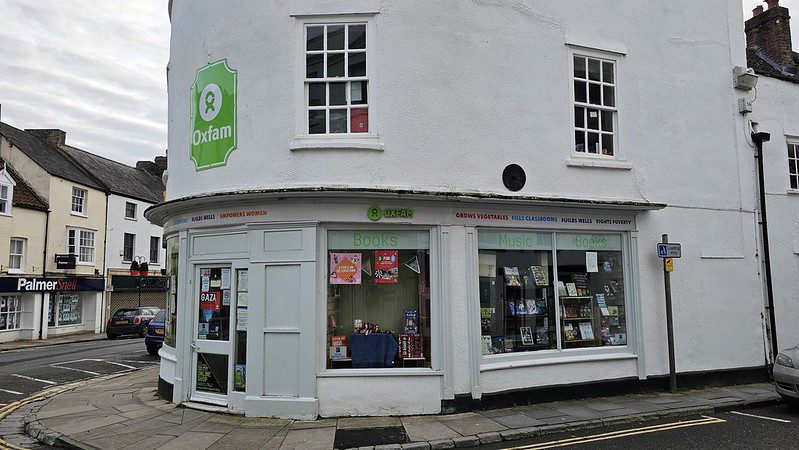
Oxfam Cymru’s Making Strides in Poverty Reduction in Wales

Poverty Reduction in WalesApproximately a quarter of the Welsh population faces the effects of poverty. However, the fight for poverty reduction in Wales continues, with the prominent global charity Oxfam taking a leading role. Operating through its dedicated branch, Oxfam Cymru, the organization remains unwaveringly committed to addressing the root causes of poverty in the country and actively engaging in comprehensive initiatives to combat this pressing issue.

The Landscape of Poverty in Wales

For the past decade, Wales has consistently grappled with a higher poverty rate than England, Scotland and Northern Ireland. Recent statistics reveal that between the financial years ending (FYE) 2020 and FYE 2022, 21% of the Welsh population lived in relative income poverty. Notably affected groups include families with children, young people, disabled individuals, single parents, renters, women, as well as Black, Asian and Minority Ethnic communities. Primary drivers of poverty encompass escalating living costs, particularly housing-related expenses, reduced working-age benefits and poor work quality.

Advocacy and Partnerships

Oxfam Cymru serves as a vocal advocate for change, actively engaging in partnerships with the Welsh government and other stakeholders to ensure poverty reduction remains a central focus. Chairing the Wales Overseas Agencies Group (WOAG), the organization plays a pivotal role in influencing global responsibility commitments at the regional level.

Gender Equality as a Pillar

Oxfam Cymru places gender equality at the core of its strategy for poverty reduction in Wales, acknowledging the elevated risk of poverty faced by women. Recognizing the widespread impact of gender inequality on poverty, the organization actively strives to position women at the forefront of efforts to alleviate poverty. Initiatives like the 2019 feminist scorecard, produced by Oxfam Cymru in collaboration with the Women’s Equality Network, hold the Welsh government accountable for its commitment to becoming a “feminist government.” For example, the scorecard emphasizes the need for a more progressive council tax, citing its potential to benefit women in lower-income groups.

Food Poverty Reduction

In its 2019 report titled “South Wales Food Poverty, A Call to Action,” the South Wales Food Poverty Alliance revealed a startling picture of food poverty in Wales. From 2017 to 2018, about 98,350 three-day emergency food supplies were provided to people in crisis in Wales by food banks in the Trussell Trust. According to the Food Standards Agency, a fifth of people in Wales are worried about running out of food.

Oxfam Cymru proactively tackles the growing issue of food poverty in Wales through active engagement with the South Wales Food Poverty Alliance. In collaboration with partners, the organization played a pivotal role in the creation of the influential report titled “Food Poverty in South Wales, A Call to Action.” This report presents actionable recommendations to the Welsh government and highlights Oxfam Cymru’s commitment to drive change in the alarming situation.

Global Citizenship Education

Recognizing the role of education in poverty reduction, Oxfam Cymru advocates for citizenship studies in schools. Through collaboration with the Welsh Joint Education Committee (WJEC), Oxfam Cymru ensures that educational materials, including those for the Welsh Baccalaureate, instill a sense of active citizenship in young minds and address key issues related to poverty in Wales.

Inclusive Initiatives and Future Trajectory

Oxfam Cymru’s commitment to inclusivity is evident in its efforts to reduce poverty rates in Wales among specific groups. These efforts target young people, individuals with disabilities and chronic illnesses, single parents, social and private renters, women, as well as Black, Asian and Minority Ethnic communities in Wales. Amid the ongoing impact of the Coronavirus pandemic on vulnerable communities, Oxfam Cymru recognizes the heightened importance of its work. Although predicting the future trajectory of poverty in Wales remains challenging, the initiative remains dedicated to alleviating poverty for those already affected and preventing further hardships.

Looking Ahead

Oxfam Cymru’s tireless efforts in poverty reduction in Wales stand as a beacon of hope. By addressing root causes, advocating for policy changes and fostering inclusivity, the organization plays a crucial role in shaping a future where poverty is not a pervasive issue in Welsh communities.

– Madeleine Norris
Photo: Flickr

January 25, 2024
https://borgenproject.org/wp-content/uploads/borgen-project-logo.svg 0 0 Lynsey Alexander https://borgenproject.org/wp-content/uploads/borgen-project-logo.svg Lynsey Alexander2024-01-25 07:30:262024-01-23 02:50:52Oxfam Cymru’s Making Strides in Poverty Reduction in Wales
Global Poverty, Poverty Reduction

The Ongoing Battle on Poverty Reduction in Sierra Leone

Poverty Reduction in Sierra LeoneLocated in west Africa, Sierra Leone remains to be one of the most impoverished countries in the world. With over 8.7 million in population, the coastal country has experienced frequent political turbulence over the past two decades, from the successful coup in 1997 to the recent attempt in November 2023. Sierra Leone is one of the most underdeveloped countries in the world, ranking 182nd out of 189 countries on the Human Development Index. In 2005, the International Monetary Fund published the Poverty Reduction Strategy Paper for Sierra Leone, a condition for the donations that they received in order to decrease poverty within the nation. Here are some of Sierra Leone’s strides to alleviate poverty.

A Higher Minimum Wage

Historically speaking, Sierra Leone’s economy has been reliant on natural resources such as diamonds and various other materials such as iron ore and bauxite. Despite earning more than 250 million USD in revenue from the diamond industry per year, the diamond industry often fails to uplift the local communities, and on the contrary, has contributed to growing poverty rates within Sierra Leone amidst inflation. Fortunately, this has been resolved through the recent increase in the minimum wage of 33% per month as of April 2023, from 600 to 800 leones per month. This will be incredibly impactful in relieving poverty in Sierra Leone as it allows households to afford more necessities and provides better financial security in the long run.

Diversification of the Economy

Despite the diamond industry turning over more than $250 million per year, the country has taken an impressive initiative to diversify their economy by turning away from the finite mining industry. As seen through the ‘Sierra Leone Diversification Project,’ the country has executed the PRSP’s (Poverty Reduction Strategy Papers) framework to grow the economy by boosting investment in non-mining industries such as tourism, energy and fisheries. This is essential in lowering the rate of poverty in Sierra Leone as it provides a sense of stability in the economy, which improves the competitiveness of their exports, encouraging more investments into the country. This will in turn potentially bring more jobs and income into Sierra Leone.

Access to Healthcare

Lack of access to proper healthcare was highlighted in the PRSP as one of the pressing problems in Sierra Leone, with poor healthcare being a prominent limiting factor to poverty alleviation. Low life expectancy, high malnutrition rates and infant mortality contributes to a struggling economy, unable to yield a higher economic production. Encouragingly, the Sierra Leone government has launched the ‘Free Health Care Initiative’ (FHCI) as of 2010, offering free mother and child healthcare support across the country, as part of their plan to lower infant mortality rates. Furthermore, the FHCI decreases the number of children suffering from stunted growth, which could possibly affect their progression to higher education. As a result, the gradual improvement of the public healthcare system provides a stronger possibility of a more productive labor force, encouraging economic growth in the long run, which will alleviate poverty in Sierra Leone.

Conclusion

While there has been encouraging improvements within Sierra Leone in their efforts to alleviate poverty, the west African nation is still struggling economically amidst a period of unfavorable exchange rates and growing inflation. Furthermore, the country has been unable to introduce more job opportunities by attracting more foreign direct investments. The lack of better job opportunities limits upward progression away from poverty, limiting many to lower paying jobs. This could be credited to the government’s poor reputation as being corrupt as well as the region’s historic political instability.

– Matthew Fung
Photo: Wikimedia Commons

January 24, 2024
https://borgenproject.org/wp-content/uploads/borgen-project-logo.svg 0 0 Lynsey Alexander https://borgenproject.org/wp-content/uploads/borgen-project-logo.svg Lynsey Alexander2024-01-24 03:00:382024-06-11 00:18:07The Ongoing Battle on Poverty Reduction in Sierra Leone
Global Poverty, Poverty Reduction

Poverty in China: Everything You Need to Know

Poverty in ChinaPoverty is a persistent global issue affecting billions of people around the globe. China, with its vast population and rapid economic growth, is making significant strides in reducing poverty. 

In 2020, President Xi Jinping declared that China has successfully eradicated absolute poverty. According to the World Bank, poverty alleviation policies in China lifted almost 800 million people out of poverty since 1980. Though 0.6% of its population remains below the global poverty line, China’s efforts in expanding employment opportunities to rural areas and increasing access to education and health care have brought the country closer to common prosperity.

Historical Context

Before the initiation of economic reforms and trade liberalization, China was a predominantly agrarian society with a large rural population. The state was stagnant, centrally controlled and relatively isolated from global economic policies. It also strictly controlled and limited individual economic activities. All of this contributed to widespread poverty in the country.

The turning point in China’s fight against poverty came in 1978, when Deng Xiaoping — China’s paramount leader — initiated pro-market reforms, opening up China to foreign trade and investments. This led to rapid industrialization and urbanization, resulting in significant poverty reduction. Millions of people moved from rural areas to cities in search of better opportunities, finding increased employment and access to resources.

The 2015 Poverty Alleviation Policy

In 2015, the Chinese government implemented a four-part poverty alleviation policy aimed at eliminating absolute poverty by identifying and assisting the poorest individuals and regions. Under this program, resources were channeled to specific areas, such as health care, education and access to basic infrastructure, to address the root causes of poverty. 

Rural Development

A significant amount of China’s population still resides in rural areas. To combat rural poverty, the Chinese government initiated the Rural Revitalization Strategy, which encourages small-scale farmers to adopt modern farming and agriculture technology, improves the property rights of farmers and modernizes rural infrastructure. These approaches increased productivity, income and living standards for many rural households. 

In 2021, 31.45 million rural residents lifted out of poverty found jobs. To further increase employment opportunities in 2022, China focused on boosting labor service cooperation between provinces, providing public welfare jobs in rural areas, and supporting entrepreneurship and flexible employment.

Education and Health Care

In China, disparities in education and health care for those living in poverty have been persistent challenges. Many rural areas offer limited access to quality education due to the lack of public education funding and a shortage of qualified teachers. Similarly, health care services in impoverished regions often lack adequate infrastructure and resources, leaving vulnerable populations without essential medical care. 

In the past seven years, China has made substantial progress in improving access to education and health care. Between 2016 and 2020, China allocated around $114.6 billion worth of subsidies to support compulsory education, with 90% of the funds going to rural areas to support students by providing them a living allowance while they are enrolled. Free compulsory education and the expansion of health care coverage have reduced the economic burden on families and improved overall well-being.

Challenges

Although China has made remarkable strides in reducing poverty, the challenges remain. Income inequality is a concern, with urban areas enjoying higher living standards than rural areas. The Gini coefficient, which measures income disparity, ranks China at 38.2 as of 2019. 

In response to the widening wealth disparity in the country, the Chinese government banned thousands of accounts showing off their wealth on social media and erased video content depicting the lives of individuals grappling with poverty. China has set 2035 as the target date to achieve common prosperity, establishing new policies that focus on lowering income inequality.

Conclusion

China’s journey in eradicating poverty is a remarkable success story. The combination of economic reforms, government initiatives and targeted poverty alleviation programs has significantly improved the living standards of millions of Chinese citizens. As the nation continues to develop, addressing the remaining challenges, such as income inequality, will be crucial to ensuring a better future for its population. China’s experience provides valuable insights into the complexity of poverty reduction and the need for a multi-faceted approach that combines economic growth, government support and social welfare. 

– Genevieve Tan
Photo: Unsplash

January 18, 2024
https://borgenproject.org/wp-content/uploads/borgen-project-logo.svg 0 0 Yuki https://borgenproject.org/wp-content/uploads/borgen-project-logo.svg Yuki2024-01-18 01:30:572024-01-19 02:00:03Poverty in China: Everything You Need to Know
Global Poverty, Nonprofit Organizations and NGOs, Poverty Reduction

What Is the Graduation Approach?

Graduation ApproachIn 2002, the Bangladesh Rural Advancement Committee (BRAC), an international nonprofit, formed the Targeting the Ultra-Poor Program, now known as the Graduation Approach, a program aligning with its mission dedicated to helping those struggling with poverty, disease, illiteracy or social injustice. According to the organization’s research, the method has already graduated at least 3.1 million households out of poverty, reached 50 different countries and used in adaptations from more than 100 other organizations, with a 75% success rate. 

Understanding the Method 

BRAC uses an analogy of the trapping effects of poverty to base its approach, explaining that those in poverty are forced to think in terms of short-term survival. As a result, the poverty-alleviating approaches focused solely on lifting people out of poverty could eventually lead them back into it, due to the lack of necessary support to help with long-term planning. Instead, the Graduation Approach suggests a complex pathway over the course of two to three years to provide people with the means to overcome the poverty trap. 

As renowned journalist and two-time Pulitzer prize winner Nicholas Kristof explained in the New York Times, “It’s called the Graduation Approach because the idea is to graduate people from poverty, not just treat its symptoms.”

BRAC reinforces the idea that Graduation does not simply imply crossing the poverty line or meeting a certain statistical line. Rather, it describes a household’s ability to support itself independently, defined by four pillars within the struggle of combating poverty. 

In the Graduation Approach, the first step involves meeting basic needs. Participants receive essential resources such as food, health services, education and cash to overcome immediate challenges. The second pillar focuses on income generation, providing assets like equipment, livestock or loans, along with skills training to support the establishment or joining of a business. Subsequently, financial support and savings training help participants effectively manage their income, progressing to advanced financial literacy programs. Finally, the program emphasizes social empowerment post-graduation, fostering confidence and community engagement for sustained social inclusion and stability.

The Impact (So Far) 

The Graduation Approach, known for its adaptability and thoroughness, has inspired numerous organizations to launch pilot programs. Notably, The Ford Foundation and The Consultative Group to Assist the Poor collaborated on 10 projects across Asia, Africa and Latin America. Their evaluation revealed effectiveness but noted challenges, such as high costs and time requirements. Experimentation with government and non-governmental initiatives highlighted the benefits of scaling the program. However, it became evident that successful implementation requires collaboration between multiple agencies. The findings suggest that integrating the Graduation Approach into existing government social protection programs could optimize its impact, fostering confidence and community for sustained social inclusion and stability.

Combating global poverty is a collective effort undertaken by numerous organizations and communities. The Graduation Approach stands out as an impactful strategy in the journey toward a world where one’s birth circumstances don’t determine their ability to thrive. This method empowers individuals by instilling confidence and fostering a sense of community, promoting social inclusion and stability.

– Aria Desai
Photo: Unsplash

January 18, 2024
https://borgenproject.org/wp-content/uploads/borgen-project-logo.svg 0 0 Yuki https://borgenproject.org/wp-content/uploads/borgen-project-logo.svg Yuki2024-01-18 01:30:072024-01-18 07:53:00What Is the Graduation Approach?
Global Poverty, Poverty Reduction

10 Low-Cost Innovations Saving Lives

Low-Cost InnovationsWhile large-scale governmental action is of paramount importance in tackling poverty, grassroots innovations still play a critical role. Access to nutritious food, clean water, sanitation and medical supplies can spread further through grassroots products that are inexpensive and use local resources. Here are 10 low-cost innovations that save lives by reducing malnutrition, waterborne diseases, back and foot injuries and infant hypothermia. 

1. The Shoe That Grows

The first of these low-cost innovations is The Shoe That Grows. This rubber sandal is designed with expanding straps and buckles, designed to fit a growing child’s feet from the age of five up to nine years old. Not only do these shoes save parents money, they prevent foot injuries among growing children and protect against soil-transmitted diseases, parasites, and bites from snakes and scorpions. Children in more than 97 countries have already received a pair.

2. Flo

Flo is a reusable kit of menstrual products, including washable pads, a pouch to carry them in and a container for them to be washed and dried in. A menstrual hygiene kit allows girls to keep attending school throughout their periods. On average, girls in Kenya miss four days of school every month because they do not have the products or the facilities necessary at school. Additionally, a reusable design means women can reuse the products for multiple years, which is better for the planet.

3. SafariSeat

This is an all-terrain wheelchair modified from the design of a traditional wheelchair to suit mountainous roads and off-roading. Made from recycled bicycle parts and designed to be manufactured and fixed in developing countries, the SafariSeat is a cyclical product requiring few inputs. Two hand levers propel the wheelchair, keeping the users’ hands clean from dust and dirt that collect on the wheels. The Accessibility Institute, the company that developed the SafariSeat, is now manufacturing a cart that can be added.

4. NIFTY Cup

The NIFTY cup is a small plastic cup that allows for easy collection of breastmilk to feed babies with a cleft palate or other difficulty with breastfeeding. This reusable cup prevents malnutrition in places where an infant’s ability to nurse is the difference between life and death. Only costing $1 to produce, what the NIFTY cup lacks in size it makes up for in use.

5. The Life Saving Dot

Women across rural Bangladesh suffer from iodine deficiency, which can cause fibrocystic disease, breast cancer and complications with pregnancy and childbirth. The Life Saving Dot is a variation on a traditional bindi, worn by women between the eyebrows, and provides women with the recommended dose of iodine. This is an affordable innovation for rural households, as each pack costs only two rupees.

6. Lucky Iron Fish

Iron is another common deficiency, especially among menstruating women, with roughly 3.5 billion suffering worldwide. This life-changing innovation is a fish-shaped iron object that is put into boiling water before vegetables are added to increase their iron content. This can prevent anemia and boost concentration levels and energy.

7. Life Straw

The LifeStraw filters water through a specially designed fabric, making it safer to drink and can prevent water-borne diseases such as cholera and typhoid. The company that makes them donates straws to communities that need them, in addition to providing filtration systems.

8. Embrace Warmer

The Embrace Warmer is a special sleeping bag for babies, to prevent them from catching hypothermia, a common cause of death among infants in developing countries. It stays at optimum body temperature for four hours, takes in heat from the baby who is too hot and gives out heat if the baby’s temperature drops. Low-cost and reusable, it is a great innovation for areas with high infant mortality rates, with many babies around India and Africa having used the embrace warmer so far.

9. Hippo Roller

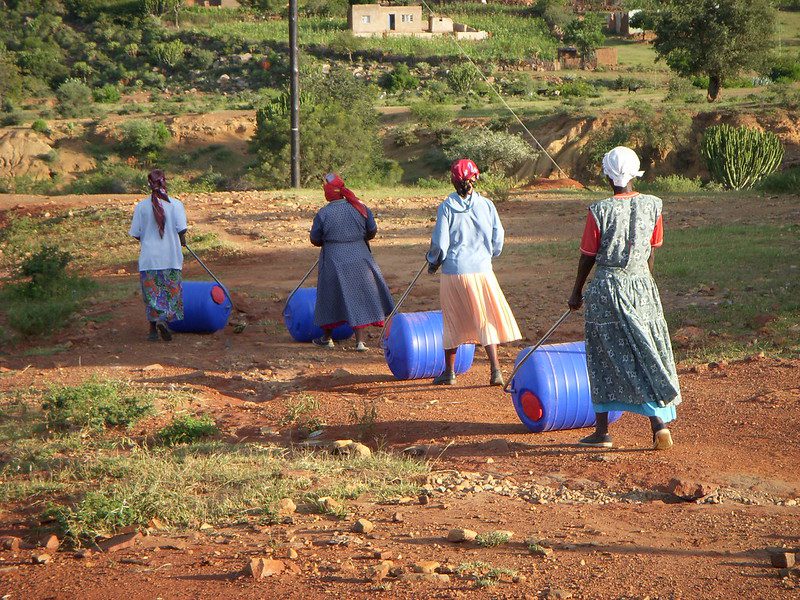
Carrying water can cause long-term health effects to women, who often bear the responsibility of collecting a household’s supply. The Hippo Roller is essentially a plastic barrel with a metal handle, allowing users to roll a day’s worth of water for their household along the ground, instead of carrying it. This also protects women who are at risk of sexual assault or violence as they can collect water during the day, when it is safer. Currently, Hippo Rollers are used in 56 countries to transport 2 billion liters of water every year.

10. Hemafuse

The Hemafuse makes blood transfusions simpler in areas without access to storage banks. Acting like a large syringe, it allows a doctor to collect blood from a hemorrhage, filter it and replace blood back into the patient’s own body. This improves hygiene in remote areas which don’t have access to high-tech medical supplies, saving lives in emergency situations and childbirth.

Looking Ahead

These low-cost innovations play a huge role in tackling poverty, especially for people in developing countries, helping them overcome their everyday struggles such as access to clean water, nutritious food and health care. Hopefully, both governments and NGOs will focus on low-cost innovations in the future as well, providing help to more and more people every day.

– Lydia Greene
Photo: Flickr

January 6, 2024
https://borgenproject.org/wp-content/uploads/borgen-project-logo.svg 0 0 Lynsey 2 https://borgenproject.org/wp-content/uploads/borgen-project-logo.svg Lynsey 22024-01-06 01:30:212024-01-02 12:24:4010 Low-Cost Innovations Saving Lives
Global Poverty, Poverty Reduction

How Elephant Poo Paper Is Alleviating Poverty in Sri Lanka

Forty thousand of the global population of Asian elephants live in Sri Lanka. However, these elephants face a dire threat not from poaching but from people killing them due to their impact on agriculture. Since 1950, people have killed an estimated 4,000 elephants in Sri Lanka due to the fact they destroy crops and farmlands. Addressing the human-elephant conflict in Sri Lanka is complex. The solution to a successful coexistence between humans and elephants is to recognize elephants as an economic resource, offering sustainable employment opportunities in papermaking.

Elephants defecate 16 times daily, and 100 kilograms of dung can be used as paper pulp. Sri Lanka has been exploiting this resource since 1997, and this genius idea of elephant poo paper has been responsible for alleviating poverty, facilitating job creation and rural empowerment. This process has also saved billions of trees from being axed because the Rainforest Action Network estimated that 3 to 7 billion trees are cut down globally to manufacture paper.

Sri Lanka’s Elephant Dung Paper Industry

Eco Maximus is a foundation that began in 1997 that exploits the huge excretory system of elephants, purchasing manure from elephant sanctuaries. A portion of the trust’s earnings goes towards the Millennium Elephant Foundation (MEF), an NGO that provides a secure haven for sick, elderly and disabled elephants. Without the care that the foundation provided, these elephants are in danger. When one purchases and uses products made from elephant dung paper, they actively enhance the well-being of Sri Lanka’s magnificent elephants.

Local Impact on Poverty

The elephant poo paper industry is alleviating poverty in Sri Lanka. This innovative sector creates sustainable job opportunities, by hiring rural people to collect the elephant dung not only addresses the pressing need for employment but also becomes a catalyst for economic empowerment, building local economies to be self-reliant. Individuals engaged in collecting, processing and crafting paper products increase income and, in turn, contribute to alleviating poverty in Sri Lanka.

Local artisans craft the products and empower the lives of both the community members and the elephants, with the business employing 150 people as of 2020. Artisans find purpose and livelihoods within the elephant poo paper production process, showcasing the potential of unconventional industries to alleviate poverty in Sri Lanka. This enhances their proficiency in the industry and broadens their employability and income-earning potential. As the artisans become adept at transforming elephant dung into unique, eco-friendly paper products, their newfound skills contribute to a sustainable and self-reliant livelihood.

One notable initiative is the “Ellie Pooh” project, where local artisans collect and process elephant dung to create a range of handmade paper products such as notebooks, cards and stationery. Although it may not entirely eradicate the human-elephant conflict in Sri Lanka, Ellie Pooh’s paper has significantly increased farmers’ tolerance towards elephants. Consequently, elephants are viewed more as economic assets than mere nuisances or threats. This shift in perspective makes the local population less inclined to see elephants as a problem that needs elimination. The role of Ellie Pooh’s paper becomes crucial in the conservation efforts to preserve the population of Asian elephants in Sri Lanka.

The Future

The prospects of the elephant dung paper industry in Sri Lanka are promising, with the potential to shape the country’s economic landscape significantly. As the industry gains traction, there is room for substantial growth, driven by increasing demand for sustainable and eco-friendly products worldwide. The unique nature of elephant dung paper positions it as a distinctive player in the market, attracting environmentally conscious consumers. Furthermore, the industry’s positive impact on poverty reduction, skill development and community empowerment enhances its social value, making it an integral part of Sri Lanka’s economic fabric. 

By continuing to innovate, establish strategic partnerships and address challenges, the industry can contribute to sustainable economic growth and serve as a model for other environmentally friendly initiatives. As awareness of the industry grows, its role in shaping Sri Lanka’s economic landscape will likely expand, offering a harmonious blend of economic prosperity and environmental conservation.

Conclusion

The elephant dung paper industry is a transformative force in alleviating poverty in Sri Lanka, embodying a synergy between unconventional livelihoods, economic empowerment and environmental sustainability. By converting a perceived problem, the human-elephant conflict, into a solution, this industry provides sustainable jobs, income opportunities and community empowerment. The symbiotic relationship between humans and elephants is undergoing redefinition as communities utilize elephants for economic opportunity.

– Ellen Jones
Photo: Unsplash

January 3, 2024
https://borgenproject.org/wp-content/uploads/borgen-project-logo.svg 0 0 Lynsey 2 https://borgenproject.org/wp-content/uploads/borgen-project-logo.svg Lynsey 22024-01-03 07:30:032024-01-02 07:46:25How Elephant Poo Paper Is Alleviating Poverty in Sri Lanka
Economy, Global Poverty, Poverty Reduction

China and United States Support Venezuela’s Poverty Reduction Program

Venezuela's Poverty Reduction ProgramSupported by China’s International Poverty Reduction Center, President Nicolás Maduro of Venezuela announced Venezuela’s new poverty reduction program to combat inequality and tackle extreme poverty. The partnership came after President Nicolás Maduro’s trip to China earlier this year, in September, where the Venezuelan president met with President Xi Jinping in Beijing to develop economic ties. 

The result of the meeting led to the agreement of the “all-weather strategic partnership” between the two nations. These include the 31 new bilateral cooperation agreements focusing on developing the Venezuelan economy in various sectors such as oil, tourism and the renewed investment for the country’s national electric grid that has remained stagnant due to a lack of financial support. Moreover, the agreement will increase Venezuelan exports to China, such as avocados and coffee, to strengthen the nation’s economy. The launch of the new “Social Equality and Happiness Mission” will be closely supported by China’s International Poverty Reduction Center, with President Maduro emphasizing that Venezuela’s poverty reduction program will adapt to Venezuela’s culture and needs. 

Poverty and the Economic Crisis in Venezuela

The decision came in response to the country’s increasing economic decline and subsequent severe rise in poverty. In 2010, 32.5% of Venezuela’s population lived in poverty, whereas 8.8% lived in extreme poverty. However, as the decade progressed, the number of Venezuelans suffering from poverty climbed to 92.3%, and those suffering from extreme poverty made up 63.7% of the country’s population following trade sanctions against Venezuelan state oil companies from the United States.

The sanctions proved detrimental to the Venezuelan economy as it remained dependent on prominent oil exports. This contributed to the nation’s hyperinflation and increased national debt to 159.47% of Venezuela’s Gross Domestic Product (GDP). As of 2021, while 90.82% of the nation’s population suffer from poverty, extreme poverty impacts 67.97% of Venezuelans, which means that food shortages impact six out of 10 households across the nation and a drastic increase in the number of Venezuelan refugees fleeing to neighboring Latin American countries such as Colombia. In 2023, the minimum wage in Venezuela is at 130 bolívares, equivalent to $5. This drastic cut in wages and social benefits led to widespread strikes from workers in public sectors, particularly the education sector.

Financial Support to Venezuela

Therefore, the worsening crisis in Venezuela has led to increased foreign aid. In addition to China, the United States has offered substantial financial support for the South American nation. As of March 17, 2023, the United States has announced an additional $171 million to their existing support since 2017 in an attempt to address the humanitarian crisis.

Among the new budget announced, $83.4 million will provide emergency food assistance. Furthermore, $31 million will ensure the country’s development through bridging vital relationships with neighboring states such as Colombia and Ecuador. Moreover, $56.1 million will be dedicated to building integration programs, focusing primarily on marginalized groups such as women and children.

As of 2023, the United States has supported Venezuela in poverty reduction efforts, such as Venezuela’s poverty reduction program, through a total of $2.8 billion investment into essential needs such as access to food, water, health care and rebuilding the country’s economy.

– Remigius Kim
Photo: Pixabay

December 15, 2023
https://borgenproject.org/wp-content/uploads/borgen-project-logo.svg 0 0 Yuki https://borgenproject.org/wp-content/uploads/borgen-project-logo.svg Yuki2023-12-15 07:30:592023-12-11 14:51:47China and United States Support Venezuela’s Poverty Reduction Program
Global Poverty, Poverty Reduction

Remittances to Sri Lanka Rebound to Boost Recovery

Remittances to Sri Lanka
The percentage of
Sri Lankans living in poverty doubled between 2021 and 2022, leaving a quarter of the population living on less than $3.65 per day. This followed an economic crisis allowed to manifest due to a depletion of foreign currency reserves. A string of misinformed economic decisions characterized the crisis, one of which led to a collapse in remittances to Sri Lanka. In July 2022, public disapproval culminated in riotous political protests leading to a change of leadership.

Sri Lanka is now rebuilding. The re-emergence of its vital tourism sector since the pandemic and an International Monetary Fund (IMF) bailout have each played a role. Moreover, remittance payments — money sent to the country by Sri Lankans living abroad — have increased by 46% in 2023, helping relieve poverty on the ground and providing much-needed foreign currency. 

The recovery of remittance payments has helped negate the worst impacts of the crisis on poverty levels in Sri Lanka. The money sent helps people make vital repairs on homes, pay off outstanding debts or buy some type of income source, like a vehicle. In addition, foreign currencies coming into the banking system have allowed the country to import basic necessities and meet IMF criteria for debt restructuring. 

The Sri Lankan Diaspora

Remittances have historically been a large source of income for Sri Lanka. Sri Lanka’s diaspora totals more than 2 million people and up to 3 million when you count their descendants. This is a large proportion of a country with a population of only 22 million.

Much of the diaspora are Sri Lankan Tamils, who fled to places like Canada, Europe and Australia to escape persecution during and after the 30-year civil war. Sri Lankans of all backgrounds, however, spend extended periods as guest workers in the Middle East, often with the sole intention of earning money to send home. More than 500,000 Sri Lankans currently live and work in Saudi Arabia, with another 250,000 in the UAE, according to UN statistics. With this steady flow of outward migration throughout the 21st century, total remittances to Sri Lanka rocketed from around $1 billion in 2000 to more than $7 billion in 2016.

Remittance Collapse in Early 2022

A sharp fall in remittances to Sri Lanka through official channels was partly responsible for the economic collapse in 2021. Persistent attempts by the government to peg its exchange rate to the U.S. dollar while pursuing expansionary fiscal policies elsewhere effectively devalued the Sri Lankan rupee. This prompted unofficial exchanges to offer around 20% more in exchange for foreign currency than the market rate. In short, workers sending remittances could get much better value for money via unofficial channels. 

The situation was so desperate that the Central Bank, at one point, threatened to freeze the bank accounts of the diaspora sending back funds via unofficial means. While remittances were finding a way through, they were not contributing to Sri Lanka’s foreign exchange reserves. This contributed to the fuel crisis, preventing Sri Lanka from importing crude oil. The problem also impacted the market for food and medicine, with inflation rates of more than 50%. 

Remittances Rebound Throughout 2023

Attempting to reverse Sri Lanka’s economic woes, several drastic actions were taken by governments in 2022. One of these was a sharp devaluation of the rupee in an attempt to attract remittance payments, which by this point had reached a 10-year low. In February 2022, the dollar had been worth around 200 rupees, but by February 2023, $1 bought 360 rupees. 

The devaluation served to close the gap that opened up between official and unofficial exchange rates. It also meant that remittances from abroad went further in Sri Lanka. The policy was effective, with the most recent figures showing that remittances to Sri Lanka coming through official channels went up to $517.4 million in October 2023, up 46% from $355.4 million a year earlier.

Recovery Through Remittances

To the relief of those battling poverty across Sri Lanka, all indicators show that the country is well on the way to recovery. Remittances to Sri Lanka have been key to stabilizing foreign currency reserves and providing a source of household income in the country. Going forward, they can even play a role in educating and upskilling younger generations amid a national brain drain. 

On this note, the government hopes to create economic conditions that will reduce the number of people seeking opportunities abroad, with 200,000 reported to be leaving each year. With outward migration of such magnitude, however, remittance payments are likely to continue to play a vital role in the economy. 

– Alex Finch
Photo: Wikimedia Commons

December 6, 2023
https://borgenproject.org/wp-content/uploads/borgen-project-logo.svg 0 0 Yuki https://borgenproject.org/wp-content/uploads/borgen-project-logo.svg Yuki2023-12-06 01:30:122023-12-03 08:25:38Remittances to Sri Lanka Rebound to Boost Recovery
Global Poverty, Poverty Reduction

Unraveling the Complex Tapestry of Poverty in Niger

Poverty in NigerIn 2021, the UN’s triennial review acknowledged Niger as one of the world’s least-developed countries. In 2023, circumstances have progressively worsened. With the recent military coup d’etat throwing the dependability of International aid into question, natural disasters vulnerability with recurrent flooding and drought, persistent food insecurity and overwhelming population growth, the potential for any economic or social resurgence comes with an inherent difficulty. The focus of this article is to give insight into the stark realities of poverty conditions in Niger, discuss the impact the recent military coup will inevitably have on development and recovery, and finally give light to the initiatives in place designed to rehabilitate the state and what the future might look like.

Examining the Stark Realities of Poverty in Niger

Projections for 2023 from the World Bank estimated that levels of extreme poverty in Niger were to reach 44.1%, that is, more than 12 million people living below the poverty line. Simultaneously, figures from the World Bank also indicate that by September 2023, Niger had been host to more than 700,000 displaced people. Providing provisions and sanctity for the likes of refugees and asylum seekers is not uncommon in Niger, since the country shares borders with some seven other countries, notably Burkina Faso, Chad and Mali. Niger has always been a popular crossroads for migrants. In addition to the overwhelming pressures of providing for foreign migrants, Niger holds one of the world’s fastest-growing populations, with 6.8 births per woman, and comprises a populace that youth dominates. 

Niger’s geography not only leaves it exposed to migration but also vulnerable to the extremities of natural disasters. Niger’s land is largely infertile, a state dictated by savanna and deserts, leaving little room for agricultural development. Despite this, agriculture still contributes to more than 40% of the national GDP — an indication of the frailty of their economy. Flooding in September 2023 caused the collapse of more than 14,000 homes, taking 51 lives in the process. Niger also currently ranks 120th of 125 countries on the Global Hunger Index, which notes a 16.1% rate of Child Wasting, i.e., children under five that are underweight, and a 47.7% rate of Child Stunting (children under five with low height for their age due to chronic undernutrition).

Unpacking the Aftermath: Coup d’État and Its Impact on Poverty in Niger

On July 26, 2023, a military coup led by the now self-proclaimed Head of State Abdourahamane Tiani overthrew Niger’s government. The immediate aftermath witnessed a pause, then suspension, of international aid from the U.S., condemnation and threat of military intervention from the Economic Community of West African States (ECOWAS), and further financial aid was halted from the EU, France, Germany and more. Deteriorating relations with such significant foreign powers will inevitably have a catastrophic impact on Niger’s economy, with France having committed as much as €120 million in 2022 (a figure that was anticipated to be exceeded in 2023), the U.S. suspending nearly $200 million in foreign assistance programs, and the EU having allocated more than €500 million of its budget between 2021-24 to development in governance, education and sustainable growth. 

The military coup in Niger is the third in the Sahel region in as many years, following on from similar revolts in Burkina Faso and Mali. Consequently, in 2023 Niger formed the Alliance of Sahel States with Burkina Faso and Mali, unifying against the potential for a military intervention from ECOWAS. This, accompanied by the announcement that France will begin to withdraw its military presence from Niger, has led to growing skepticism over whether a way back can be found.

Catalyzing Change: Progress and its Challenges in Niger

Despite circumstances seeming especially dire in Niger, there are initiatives in place and positives to be taken in the fight for social and economic resurgence. Although suspending significant funding to foreign assistance programs, the U.S. has committed to maintaining its humanitarian presence by facilitating food and health assistance to benefit the people of Niger. The World Bank has established clear aims that can rebuild the Nigerian economy, although this heavily relies upon a resolution being met with ECOWAS and key International benefactors. 

The UN has proven determined to maintain its humanitarian capacity in Niger, providing as many as 22,000 persons with food and cash assistance weekly This commitment does not, however, come without challenge, evidenced by the expulsion of its Resident Coordinator/Humanitarian Coordinator in early October. Alliances with neighboring states Burkina Faso and Mali provided the means for Niger to open its borders not long after the siege. 

However, sanctions that ECOWAS placed upon Niger have largely inhibited its means of trade. So much so that Members of the House of Representatives have posed the question to the Nigerian government to reopen borders with Niger amid growing concerns over the consequential hardship faced by Nigerians. Ultimately the means for prosperity and development are readily available, to attain this Niger and its counterparties must come to a resolution that puts the needs of Nigerien people first.

– Ruairí Greene
Photo: Flickr

November 25, 2023
https://borgenproject.org/wp-content/uploads/borgen-project-logo.svg 0 0 Yuki https://borgenproject.org/wp-content/uploads/borgen-project-logo.svg Yuki2023-11-25 07:30:292023-11-21 11:16:00Unraveling the Complex Tapestry of Poverty in Niger
Global Poverty, Poverty Reduction

Reflecting Back on Global Citizen Festival 2022

Global Citizen Festival 2022The 2022 Global Citizen Festival marked its 10th anniversary, featuring a unique dual concert held in both the United States (U.S.) and Ghana. Celebrating Ghana’s 65th anniversary of independence, the event showcased performances by renowned artists such as Mariah Carey, Metallica, the Jonas Brothers, Usher, Stormzy and SZA. This historic moment was a significant contribution to the global efforts against extreme poverty.

Festival Tickets

The festival’s ticketing system offers a unique approach to engage attendees in positive actions against poverty. “Global Citizen attendees can earn free tickets by signing petitions, taking quizzes, uploading videos and completing other tasks relative to the festival’s causes – ‘actions’ equate to entries in drawings for tickets,” Forbes explains. To participate, individuals can download the Global Citizen app, accumulate points and enter ticket drawings for a chance to claim two free tickets.

The Role of Performers

Liz Agbor-Tabi, the Vice President for global policy at Global Citizen spoke of the instrumental role of the A-list performers, “We believe that music is the universal language of humanity, and so through our unique model of pop and policy, we’re able to drive policy and advocacy. And we do that working with artists, with performing artists, visual artists, culinary artists, etcetera …It’s really a moment for the creatives to express through their artistic gifts and to be able to project five robust policy agendas.”

The absence of a paid fee for the artists who performed emphasizes the genuine and compassionate drive behind the festival and the aim of performances by such high-esteemed artists as a means to use their platform to simply spread the word on how the international community can tackle extreme poverty.

The Impact

The Global Citizen Festival in 2022 made a significant impact, hosting events in both New York City and Accra, raising a total of $2.4 billion. Notably, $440 million of this fund is dedicated exclusively to initiatives aimed at ending extreme poverty in Africa. During the festival, there were announcements about committing more than $800 million to combat extreme poverty. Additionally, as part of the seventh replenishment of the Global Fund to fight AIDS, Tuberculosis and Malaria, the European Commission and Canada pledged a substantial $1.6 billion to support these critical health initiatives.

The festival brought attention to pressing global concerns, including the impacts of COVID-19 and Russia’s actions in Ukraine, shedding light on their effects on poverty. According to the Global Citizen website, the event emphasized the need for leaders to urgently regain progress lost during the COVID-19 pandemic. It also addressed the ongoing crisis caused by Russia’s invasion of Ukraine, impacting both the Ukrainian people and exacerbating global hunger.

Moreover, the festival spotlighted the persistent issue of period poverty, affecting more than 500 million individuals who lack access to essential menstrual supplies and proper hygiene facilities. During the New York event, Global Citizen announced the launch of the Global Menstrual Equity Accelerator, aiming to tackle this widespread challenge.

Looking Ahead

The performers at the Global Citizen Festival 2022 used their platforms to educate and inspire people worldwide to address extreme poverty. The hope is that the results of the Global Citizen Festival 2023 will demonstrate an enhanced commitment from the international community to work toward putting an end to global poverty.

– Camryn Vodden
Photo: Flickr

November 24, 2023
https://borgenproject.org/wp-content/uploads/borgen-project-logo.svg 0 0 Kim Thelwell https://borgenproject.org/wp-content/uploads/borgen-project-logo.svg Kim Thelwell2023-11-24 01:30:302023-11-20 00:34:39Reflecting Back on Global Citizen Festival 2022
Page 11 of 63«‹910111213›»

Get Smarter

  • Global Poverty 101
  • Global Poverty… The Good News
  • Global Poverty & U.S. Jobs
  • Global Poverty and National Security
  • Innovative Solutions to Poverty
  • Global Poverty & Aid FAQ’s
Search Search

Take Action

  • Call Congress
  • Email Congress
  • Donate
  • 30 Ways to Help
  • Volunteer Ops
  • Internships
  • Courses & Certificates
  • The Podcast
Borgen Project

“The Borgen Project is an incredible nonprofit organization that is addressing poverty and hunger and working towards ending them.”

-The Huffington Post

Inside The Borgen Project

  • Contact
  • About
  • Financials
  • President
  • Board of Directors
  • Board of Advisors

International Links

  • UK Email Parliament
  • UK Donate
  • Canada Email Parliament

Get Smarter

  • Global Poverty 101
  • Global Poverty… The Good News
  • Global Poverty & U.S. Jobs
  • Global Poverty and National Security
  • Innovative Solutions to Poverty
  • Global Poverty & Aid FAQ’s

Ways to Help

  • Call Congress
  • Email Congress
  • Donate
  • 30 Ways to Help
  • Volunteer Ops
  • Internships
  • Courses & Certificates
  • The Podcast
Scroll to top Scroll to top Scroll to top