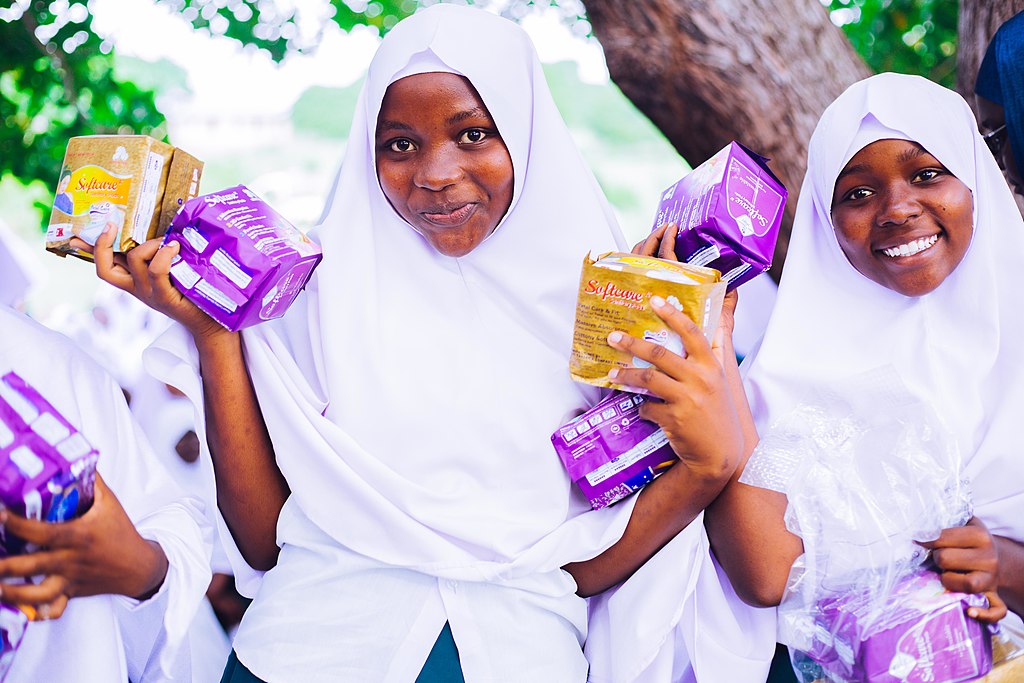
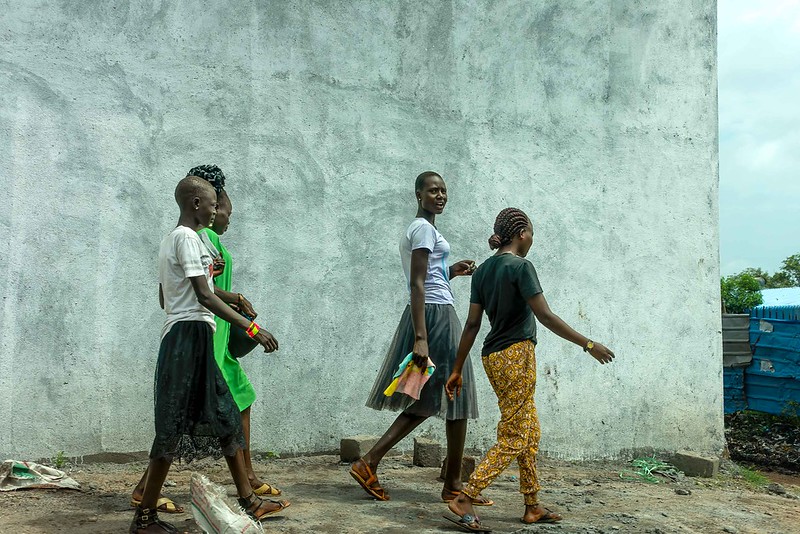
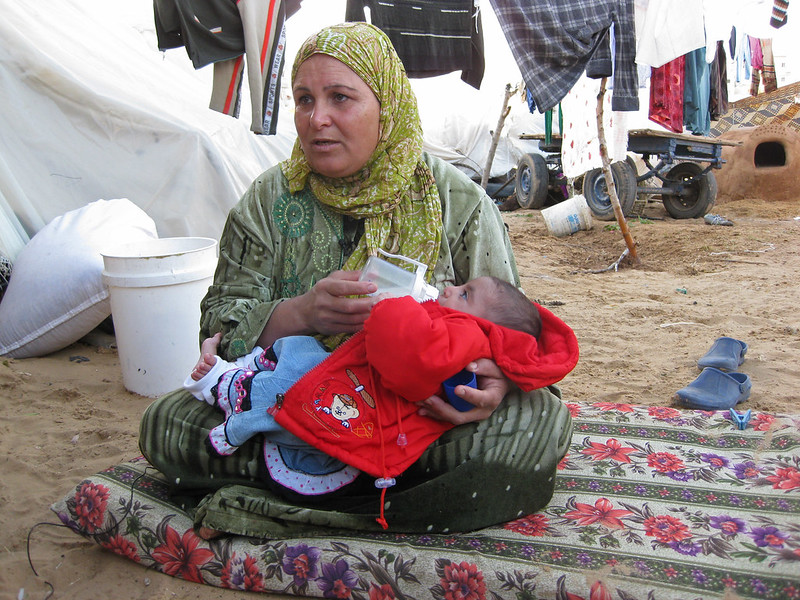
Menstrual Health Awareness in PakistanPeriod poverty is an ongoing global issue that prohibits millions of girls and women from living their daily lives. Limited access to sanitary products, clean water and sanitation means women, especially those living in developing countries, struggle with their menstrual health and personal hygiene. The impact of this is damaging as it keeps many girls and women from attending school or work.

According to the World Health Organization (WHO), more than 1.5 billion people worldwide are still deprived of access to basic sanitation facilities. Period poverty also arises from the lack of education and proper awareness of one’s menstrual health. Even today, many girls only come to know about menstruation once they experience it. That said, here are three organizations improving menstrual health awareness in Pakistan, as well as equipping them with the tools they need.

HER

HER is a women-headed organization focusing on creating lifelong social change by supporting communities to overcome the menstrual-related obstructions they face. It does this by delivering educational programs such as the “School Puberty Education Program,” which is aimed at educating and providing training to parents and teachers. Hence, they are aware of puberty changes and can create safe spaces for their children.

Oh my period” is a group run by the organization which allows girls and women to openly talk about everything related to menstruation and provides the opportunity for young people to learn from one another’s experiences. HER also encourages policy change, hoping to end poverty and reduce the stigma around menstruation by advocating for menstrual equity. The organization has served 38,000 periods, impacting more than 110,000 people.

Santex

Santex is a well-known pioneer in the personal hygiene brand. Founded in 1983, it began as a family-led business focusing on providing a healthy lifestyle for everyone, irrespective of their socioeconomic background. It aims to develop innovative and unique sanitary products to serve women from all corners of Pakistan. One of its leading products, “Butterfly” sanitary pads, was the first “stick-on” menstruation product in Pakistan. In Santex’s own words, it is “the only company to introduce breathable sanitary napkins and panty liners in Pakistan that allows women to breeze through puberty and periods.”

The organization aims to remove taboos relating to menstruation and raise awareness about personal hygiene. In 2022, Santex joined hands with the United Nations Children’s Fund (UNICEF) to continue the discussion of period poverty and barriers women face due to a lack of menstrual health awareness. Both organizations have committed to developing innovative research that will provide high-quality and safe menstrual products for women. Santex has served more than one million periods and trained 184,867 women regarding menstrual health.

Aahung

Aahung, a nonprofit organization founded in Karachi in 1995, aims to spread awareness and improve the sexual and reproductive health and rights (SRHR) of women, men and youths across Pakistan. The organization focuses on empowering and educating young girls and women about their reproductive health rights. This is achieved by disseminating information and ensuring high-quality access to health care facilities. Aahung collaborates with educational institutions and workplace structures to deliver training to people through its various programs.

In 2022, the organization reached 73,645 people, trained 75 schoolteachers and held 40 training sessions to educate parents about SRHR. When catastrophic floods hit Sindh in 2022, Aahung worked to ensure young girls and women facing menstrual issues during the crisis were not abandoned. The organization distributed 300 menstrual kits containing essential sanitary products, soap and other personal hygiene items. It also held informational sessions where women could openly discuss menstruation-related issues and receive needed support.

Final Thoughts

The stigma around a woman’s period remains widespread and is a primary cause of period poverty in developing nations. However, the organizations mentioned above are making significant progress in reducing the taboo surrounding women’s bodies and health. Their work will continue to improve menstrual health awareness in Pakistan, to the benefit of many women across the country.

– Aleena Shahid

Aleena is based in Bradford, UK and focuses on Good News for The Borgen Project.

Photo: Flickr

Period Poverty in Indigenous CommunitiesIn Canada, 74% of Indigenous people in remote areas have trouble accessing menstrual products. There are a growing number of organizations that are working towards ending period poverty in Indigenous communities worldwide. These initiatives aim to provide affordable period products, culturally aware education, essential support and empowerment. Through collaboration with Indigenous people, these four organizations help ensure that menstrual health is taken seriously because it is crucial in ending period poverty in Indigenous communities.

NACCHO

National Aboriginal Community-Controlled Health Organisation (NACCHO) works towards menstrual health equity, or what it calls “period parity,” for all. The NACCHO clinics are trusted among Indigenous people. The practitioners are culturally sensitive and use holistic health approaches. This organization is writing a free teaching guide based on the views of Indigenous students. The focus of the guide is period care products and the biological aspects of menstruation.

Share the Dignity

Share the Dignity’s Indigenous Menstrual Health (IMH) focuses on making sure Aboriginal and Torres Strait Islanders have access to affordable period products. Their approach to ending period poverty in Indigenous communities is working hard to address issues that are a part of the Water, Sanitation, and Hygiene (WASH) system.

Building strong relationships with Aboriginal and Torres Strait Islanders has been an important part of the process. The organization has teamed up with researchers and Indigenous people to start initiatives such as “It’s in the Bag” donations and “Dignity Vending Machines.” These initiatives aim to make period care easy to access discreetly and start important conversations within the communities.

Nunavut Tunngavik Inc.

Nunavut Tunngavik Inc. (NTI) buys, stores and distributes menstrual supplies and necessary equipment to schools and youth program organizations in Nunavut. The NTI is working with Inuit-owned businesses to buy and ship menstrual products to those who need them the most. Schools and health centers sell products, but they are often inaccessible due to their high costs- $20 for a box of 40 tampons. NTI recognizes the barriers blocking access to materials. The organization knows that to be successful in the fight for ending period poverty in Indigenous communities, it must help remove those barriers.

Moon Time Connections

Founded in 2017, Moon Time Connections is a national Indigenous-led period equity group under True North Aid (TNA). The mission of the TNA is to offer humanitarian support to remote and Northern Canadian Indigenous communities. Moon Time Connections works under the TNA umbrella to distribute products to Indigenous menstruators across Turtle Island, focusing on the accessibility of menstrual products and providing menstrual education.

Nicole White is the founder of Moon Time Connections. When White learned that students were missing school because of their lack of access to menstrual products she decided to take action. As of 2024, Moon Time Connections is working towards ending period poverty in Indigenous communities by increasing their support nationwide. So far, this includes offices in Saskatchewan, Ontario, Manitoba and British Columbia. It has shipped over 4 million period products to over 120 northern Indigenous communities, according to TNA.

Fighting Period Poverty in Indigenous Communities

Addressing period poverty in Indigenous communities is a complex and urgent issue. Support from organizations is important for providing resources and support where it is necessary the most. By working with Indigenous people and taking the time to understand the challenges they face, these organizations have made significant strides towards ending period poverty for Indigenous populations worldwide.

– Alysha Miller

Alysha is based in Toronto, Canada and focuses on Global Health for The Borgen Project.

Photo: Flickr
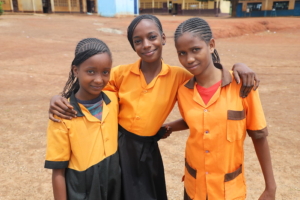
Period Poverty in RwandaAccording to the U.N. Women, period poverty is “the inability to afford and access menstrual products, sanitation and hygiene facilities and education.” Period products range from tampons to painkillers to heating pads. In Rwanda, period poverty affects an estimated 18% of the female population.

Alternative Materials: The Risk

Without access to menstrual products, many women use alternative materials (e.g. newspaper), and for longer than the recommended three hours per pad/tampon, increasing “the risk of infection such as urinary tract infection and bacterial vaginosis.” However, period poverty in Rwanda needs a solution because of more than sanitation issues. Due to their periods, the 18% of girls impacted have no choice but to stay home from school, missing four to seven days a month. This, in turn, hinders their chances of securing a job once they graduate, according to Together Women Rise.

Menstrual products are no different, nor less crucial, than toothbrushes, deodorant and vaccines, but are severely undermined as a streamlined necessity.

Stigma and Accessibility

Menstruation is often a taboo topic for some people. Whether due to cultural standards or general omission from the discussion, this has led to “characterizing the menstruating bodies as abnormal or abject.” As a result, problems relating to menstruation are rarely topics of discussion either, including period poverty in Rwanda. Furthermore, women who need to find these products cannot ask their peers, as menstrual health comes with a stigma, hindering their access to pads and tampons as well.

For the small percentage of Rwandans who can access menstrual resources, their products remain largely unaffordable, as “a pack of sanitary pads costs…roughly a day’s wage for many women,” according to Together Women Rise. Note that sanitary pads and tampons are the most popular period products to buy.

The Good News

Menstrual stigma, as a worldwide hurdle, is slowly declining in the wake of various policies and advocacy efforts. The PLOS Global Public Health is taking recent strides toward making menstrual health a top priority. One policy regarding period poverty is “the Kenyan Policy for Menstrual Hygiene Management” whose primary focus is providing Kenyan schoolchildren with menstrual education. If successful, they plan to expand such policies to other countries.

Outside of awareness efforts, nonprofits are also beginning to include period kits as items to donate along with their international aid. Days for Girls, an organization whose donations only go toward period products, takes the stage as a top contender for ending period poverty. According to its 2022 report, the organization distributes period products to more than 294,000 individuals globally per year. Best yet, it has a history of efforts going to girls in Rwanda since 2015.

In manufacturing eco-friendly products, Days for Girls tackles all angles of period poverty in Rwanda. Like most developing countries, general sanitation is as much a problem as period poverty, so by limiting the number of pads that get discarded, they also reduce the amount of trash otherwise accumulating from menstruation.

Closing Words

Period poverty in Rwanda is a concurrent issue affecting many of the lives of girls and women there. Rwandans are struggling to afford these products, and hence, often skip school or use unsafe materials like socks and newspapers. The good news is that institutions are increasingly turning their attention to supplying sanitary pads and spreading overall awareness of menstrual health. In ending both the lack of access and stigma on periods, and giving period poverty the attention it deserves, Rwandan women will thrive knowing they don’t have to choose between education, their safety and health care.

– Nadia Haeryfar

Nadia is based in Ashford, CT, USA and focuses on Technology and Global Health for The Borgen Project.

Photo: Wikipedia Commons

Action Against Period PovertyA period is a natural part of any person with female anatomy’s life. It can be a constant financial burden for some since every month, a woman needs pads, tampons or other menstrual products. According to research done by PlushCare, a month’s supply of period products costs $7.30 in South Africa. While South Africa is not the most expensive, for those who experience a period but live in poverty, getting the necessary menstrual products can be difficult.

According to the United Nations (U.N.) Women, 62.7% of impoverished women live in sub-Saharan Africa, including South Africa. For those women living in poverty, having something every month that costs money and time can impact their lives greatly. Finding menstrual products for these women is a big struggle. However, Tamara Magwashu is working to make that struggle easier.

Magwashu War Against Period Poverty

Magwashu has been dealing with period poverty since she was a little girl growing up in the Eastern Cape province. When she was a little girl, Magwashu would have to take a week off of school when she had her period because she only had old rags to use. This means that Magwashu lost 12 weeks of education every year, missing out on potentially crucial parts of her education.

According to the British Broadcasting Corporation (BBC), 30% of girls in South Africa did not attend school during their period. Growing up in poverty, Magwashu didn’t have full access to proper sanitary menstrual products and had to work to provide for herself and her family. Part of her income was put aside to buy sanitary pads rather than use the old rags. As time went on, Magwashu continued to work and eventually got a public relations degree from the University of Johannesburg.

Magwashu realized there was an issue involving young girls and access to period products. So, she decided to take action against period poverty and start a business focused on this issue. She faced many problems when trying to start this business, such as no bank wanting to give her a loan because she had no assets. Still, Magwashu persevered and launched Azosule in 2021. Azosule’s goal is to sell period products at an affordable price for those who need them and live in poverty.

Since starting the business, Magwashu has brought period products to many schools in her home area, providing products to last them six months. She works to expand her business to other schools and educate everyone on the reality of periods for impoverished women. Magwashu stated to BBC in 2023 that “Period poverty is not a women’s issue, it’s a societal issue.”

How Caity Cutter Was Inspired

Magwashu’s influence did not just end there; she inspired other young girls and women to take action against period poverty. Caity Cutter is one of those girls and, at just 12 years old, helped make a change in this societal issue. Cutter, who lives in Germany, was moved when she found out about period poverty in other countries. After reading about Magwashu, Cutter decided to do something to help. The young girl told her father about the issue and asked how they could help.

Her influence on her father pushed him to donate to Magwashu’s company. Michael Cutter saved up money from his job and made an overwhelming donation of 500,000 pads. Along with that, Magwashu stated that he made “further donations that went to us getting a warehouse and hiring staff to distribute the pads further.” This donation not only helps Azosule but also helps these young girls not have to miss school just because of their period.

– Tess Curran

Tess is based in Boston, MA, USA and focuses on Global Health for The Borgen Project.

Photo: Flickr

Period Poverty In gazaSince the events of October 7, Israel has tightened its grip on the Gaza Strip. It has made it increasingly difficult for aid to enter the territory. Israel’s blockade has, therefore, left many pharmacy and shop shelves barren. One product in particular has become increasingly sparse on the shelves of various pharmacies across Gaza: menstruation pads. On the rare occasion that pads make their way on a shelf, they are sold at nearly five to six times their original price. For many unemployed and homeless Gazan women, such an expense is unthinkable. This, combined with limited water supply, lack of privacy and indoor plumbing, has compelled women to take measures into their own hands. As the rate of period poverty continues to mount within the Gaza Strip, its female residents prove that there is no shortage of resilience and ingenuity.

Period Poverty among Women and Girls in Gaza

In a study conducted by the United Nations (U.N.), an estimated total of 700,000 Gazan women and girls menstruate but do not have access to hygiene products, such as pads and toilet paper. Even more troubling is their barred access to toilets and running water. Various shelters run by The United Nations Relief and Works Agency (UNRWA), the U.N. aid agency for Palestinians, say there is only one roll of toilet paper per 498 people. Within these same shelters, more than 400 residents share a single bathroom.

The situation is no better for women who live in shared apartment complexes with extended family. Limited access to water forces many to restrict the times they flush the toilet– only doing so when deemed necessary. Three functioning water pipelines remain for the whole of Gaza, thus making it increasingly difficult for women to wash themselves. Showering has become a luxury only some women can afford. Many women rise early and queue in front of hospitals in the hopes of showering before the water supply is cut for that day. Others are there to use the bathroom. Queues can number from up to 1,000 people.

Current Experiences

Owda is a Gazan woman documenting her experience online. She shared a video of one of many makeshift bathrooms found within the displacement camps. She points to the toilet in question, a garbage basket on the ground inside a meager tent and says to the camera: “There is no water. There is nothing around them. There is no infrastructure. They’re living in just a tent and they need bathroom(s). They’re humans.” The U.N. indicates that these sanitary conditions leave many Gazan women at risk of contracting reproductive and urinary tract infections. The sanitary pads that are at the disposal of Gazan women are poorly crafted and only further increase their risk of infection.

Gazan women and girls, therefore, are no longer afforded any privacy in tending to their menstrual hygiene. This issue has put a strain on the psychological health of many women within the strip. Some women share that the mounting stress they are experiencing has caused their menstrual cycles to come twice a month, further exacerbating the issue. As political tensions continue to rise, period poverty within the Gaza Strip only becomes a more pressing matter.

With Extreme Circumstances Comes Extreme Measures

The difficulty in obtaining female hygiene products has forced many Gazan women to resort to dangerous measures. Some women wash previously used pads to cope with the lack. Others have opted for old shreds of clothing, towels and ripped pieces of the tents they are using as shelter as substitutes for pads. Adult diapers and measly tissues are also on the list of items used as surrogates. The use of these substitutions may cause skin irritation, infection and deadly toxic shock syndrome. Though they pose great risks to their health, Gazan women have few other options.

Birth control has become a favored remedy among Gazan women, who would rather delay their cycle than deal with the physical and psychological burden that comes with it. Contrary to pads, the pill is readily available and far less expensive than hygiene products. A month’s supply’s worth of birth control costs approximately $3. The extreme measures Gazan women are reduced to take speak of the gravity of the situation. Furthermore, it highlights how women, once again, bear the blows of war. Gaza’s ongoing period poverty epidemic confirms the previous statement.

An International Call for Change

The international community has noticed Gaza’s shortage of menstrual hygiene products and has done its best to aid the crisis. Anera, a nonprofit organization, has provided hygiene kits, which include pads, underwear and wet wipes, to more than 20,000 women and girls. ActionAid has also supported the women in Gaza by preparing hygiene packages with a month’s worth of supplies. Despite their admirable efforts, more has to be done to aid the women in Gaza and stop the rate of period poverty from rising.

– Yasmine Nowroozi

Yasmine is based in Laval, Quebec, Canada and focuses on Global Health and Politics for The Borgen Project.

Photo: Flickr
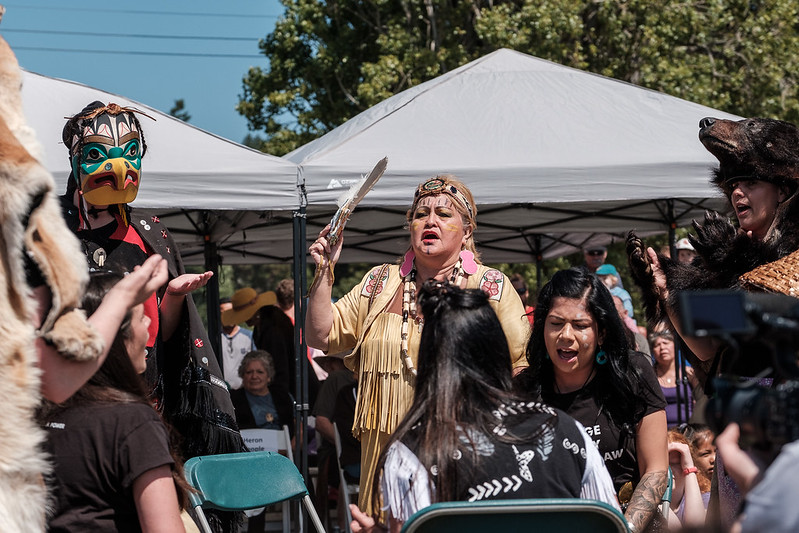
Organizations Fighting Period PovertyGlobally, about 500 million females suffer from period poverty, which involves a lack of access to menstrual products and appropriate facilities. Consequently, many resort to using cheap materials such as newspapers, rags and socks. Unfortunately, these alternatives often pose serious health risks, including infections. Beyond health risks, period poverty obstructs education for girls and women. Many girls miss school during their menstrual periods due to a lack of access to required menstrual products. On average, girls menstruate for four to five days each month, totaling about 50 days per year. Missing school can have lifelong impacts, including reduced employment opportunities and diminished equality with men. As things stand, menstrual equity, which ensures the affordability, accessibility and safety of menstrual products for those who menstruate could be crucial for ending period poverty.

Period Poverty in Ghana, Algeria and Nigeria

Heavy taxation on menstrual products such as pads and tampons is a growing concern in Ghana. Most menstrual products carry a 20% import tax, leading women to report that these items consume nearly 25% of their income. With the minimum wage in Ghana at 14 cedis, a single pad can cost between 15 and 40 cedis. Consequently, many Ghanaian women resort to using alternatives like cloth and newspapers.

In Algeria, the situation is dire, as it ranks as the worst country for period affordability with an average monthly cost of $34.05 spent on menstrual products. In contrast, South Korea’s average is $25, but it benefits from much higher wages. Nigeria ranks third among countries with the least affordable menstrual products.

Indoni Yamnzi

In South Africa, widely known for its significant gender-based violence issues, the impact extends into aspects of daily life, including education and health. The country reports numerous rape cases daily, reflecting broader systemic issues around women’s rights. This environment contributes to a lack of attention to other significant issues, such as menstrual health, leading to one in three girls missing school during their menstrual period. Addressing this is Indoni Yamnzi, one of the nonprofit organizations fighting period poverty in South Africa. The organization is stepping in to provide crucial support. They offer free menstrual products and educational programs, including reusable safe pads, monthly period packages and empowerment workshops. Unathi, one of the founders, who grew up in Cape Town amid violence, was driven by her more fortunate personal circumstances—including a supportive family and the opportunity for higher education—to create a safer environment and empower girls across South Africa.

MENstruation Foundation

This nonprofit foundation fighting period poverty is also based in South Africa. Founded by Sib Ngesi, a South African actor and producer said: “If men bled once a month, sanitary products would be free. Condoms are free and sanitary products are not, it is a failure of justice.” Until now the foundation has installed 128 sanitary pad dispensing machines and provided girls in school tokens that can be exchanged at the Machine for up to eight sanitary pads per month.

Padbank Nigeria

Ibrahim Faleye, an undergraduate studying biology, founded this nongovernmental organization to educate boys about menstruation and prevent them from shaming girls. Raised with his mother and sisters, Faleye was familiar with menstruation from a young age but recognized that discussing it publicly was considered embarrassing. Determined to dismantle this menstrual stigma, he included boys in conversations about menstruation. After receiving education through Faleye’s program, 14-year-old Opeyemi Adedeji stopped teasing his female classmates about menstruating. He learned that menstruation involves more than just blood—it’s a crucial biological process where eggs are released. Opeyemi even began offering help to his classmates suffering from menstrual cramps.

Breaking the Period Stigma

While contributions through volunteering and donations are valuable, experts say that addressing the deeper issue of period stigma is crucial. This stigma, which shames those who menstruate, has historical roots in ancient religious beliefs that labeled menstruating women as unclean and dangerous, necessitating their separation from men. This archaic view persists, making menstruation a taboo topic. Many individuals feel compelled to speak in hushed tones or use euphemisms like “Aunt Flow” or “Code Red” when discussing menstruation, treating it as an embarrassing subject. To combat this stigma, advocates and organizations fighting period poverty argue that society must accept menstruation as a natural and normal bodily function, open to discussion without embarrassment. Encouraging open dialogue about menstruation across all genders, they suggest, can normalize the topic, reducing the stigma and promoting a more inclusive understanding.

Looking Ahead

Addressing period poverty remains critical, especially in regions where high costs and lack of access to menstrual products exacerbate inequalities and health risks. Organizations fighting period poverty like Indoni Yamnzi, the MENstruation Foundation and Padbank Nigeria are taking significant steps to provide resources and education, whilst also highlighting the urgent need for broader systemic changes. By promoting menstrual equity and challenging the stigma associated with menstruation, these initiatives aim to improve access to essential products, enabling girls and women to lead healthier, more empowered lives.

– Eunsung Koh

Eunsung is based in Seoul, South Korea and focuses on Global Health for The Borgen Project.

Photo: Unsplash

Period Poverty in Yemen Due to an almost decade-long civil war, Yemen is one of the poorest countries in the Middle East. With almost 80% (approximately 26.38 million) of the country’s population now living in poverty, girls and women are not able to always have access to menstrual products. For girls living in poverty in Yemen, getting their period could completely change their lives. The effects of poverty on menstruating women are often a neglected topic. ‘Period poverty’ refers to the situation where menstrual products and other necessities may not be obtainable. In some cases, period poverty may be a factor driving many people further into extreme poverty. 

Education and Mental Health

As of October 2023, UNICEF reported that there were already more than 2.7 million children in Yemen out of school. The budget for schools and the education sector have not received significant attention due to the economic crisis and conflict. Therefore, when at school, children lack the basic resources they need to have a safe and comfortable learning experience. 

Due to the poor levels of sanitation, many of the schools will not have access to toilets or sanitary products. This means that many girls will stay home and have to miss days of school every month, to cope with their period safely at home, often resulting in them falling behind and failing their classes. Some young women may even have to leave their education as they would not be able to efficiently continue with their studies while doing this every month. Leaving school may lead a girl’s family into further poverty as there would be fewer chances to earn money without an education. 

The World Bank Group has been working to help period poverty in Yemen by constructing sanitation facilities in schools, allowing girls to be able to stay in school and have proper access to toilets and sanitation, therefore reducing the number of girls dropping out.

Period poverty may also lead to severe mental health issues. Mood is heavily affected during a woman’s cycle and some even fall into deep depression as a symptom of premenstrual syndrome (PMS). Living in poverty may have already taken a toll on a woman’s mental health, but experiencing their period monthly further affects their quality of life.

Cultural Impacts 

Along with the current civil conflict, the role of being a woman further adds to how vulnerable a person is in Yemen. Many countries in the Middle East still carry a stigma concerning periods. These countries, like Yemen, may refrain from seeing periods as a natural process but rather as something unclean or something to be ashamed of. Due to the way many view periods, it is often easy for them to not discuss the topic at all. This means that many girls do not learn about their periods, and how to prepare for the day it arrives. Due to both cultural and religious taboos, women may experience exclusion from activities or segregated from men, meaning that they may not always get the help they would need during this time i.e. the help of a male doctor. This limits their ability to educate themselves on menstruation. 

In Yemen, the responsibility of the household usually falls on the women. Expectations are that they cook, clean, fetch water and take care of the children. Since the beginning of the civil war in 2014, the number of female-led households has risen. This has made it increasingly harder for those living in poverty to cope with these tasks while on their period. Those who have had to leave education due to their period may have to enter into marriages for the financial benefit of their families. 

Sanitary Products and Hygiene

The severity of period poverty in Yemen means that there is minimal access to sanitary products for females living in poverty. The women often will not have a supply of pads and tampons and are not likely to be able to afford them. Some may even stand for a prolonged time just so they do not sit and stain anything with blood. Limited resources mean that many women have to use rags and pieces of cloth that may not always be clean.

The shortage of drinkable water also affects the periods of women. The World Bank declares Yemen as one of the world’s most “water scarce” nations in the world, with more than 18 million people in the country not having access to clean drinking water. The need for clean water is not only for consumption, as it is also necessary for hygiene purposes. Poor hygiene and the use of unclean products can be very harmful leading to irritation, infection or even Toxic Shock Syndrome. 

The French NGO Premiere Urgence Internationale, has been fighting period poverty in Yemen by distributing reusable pads. It began their distributing pads in the north of the country, and as of 2022, were able to hand out this product to those in the southern city of Aden. They have also used this as an opportunity to teach some women how to create reusable pads. This has helped some women gain an insight into menstruation that they may have had before. Making these pads also allows them to educate more young women on their periods and even how to produce their own sanitary pads. 

Looking Ahead

The fight against period poverty in Yemen has only gotten more intense as the country’s conflict continues. Girls and women have struggled thus far for sanitary products, and the future of menstruation in Yemen is still uncertain. However, with the help of organizations like Premiere Urgence Internationale, women in Yemen can at least have more support and education about their periods, allowing their time of the month to be a little more bearable. 

– Fejiro Efih
Photo: Flickr