Ending Period Poverty in Indigenous Communities
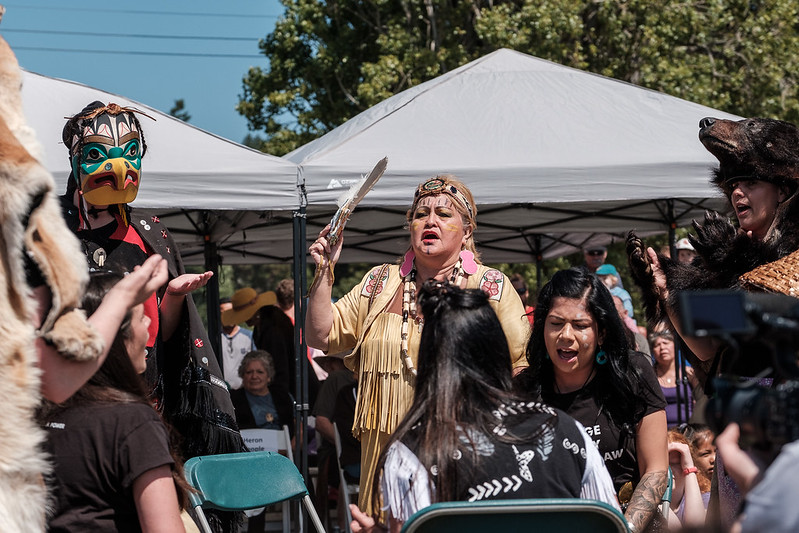 In Canada, 74% of Indigenous people in remote areas have trouble accessing menstrual products. There are a growing number of organizations that are working towards ending period poverty in Indigenous communities worldwide. These initiatives aim to provide affordable period products, culturally aware education, essential support and empowerment. Through collaboration with Indigenous people, these four organizations help ensure that menstrual health is taken seriously because it is crucial in ending period poverty in Indigenous communities.
NACCHO
National Aboriginal Community-Controlled Health Organisation (NACCHO) works towards menstrual health equity, or what it calls “period parity,” for all. The NACCHO clinics are trusted among Indigenous people. The practitioners are culturally sensitive and use holistic health approaches. This organization is writing a free teaching guide based on the views of Indigenous students. The focus of the guide is period care products and the biological aspects of menstruation.
Share the Dignity
Share the Dignity’s Indigenous Menstrual Health (IMH) focuses on making sure Aboriginal and Torres Strait Islanders have access to affordable period products. Their approach to ending period poverty in Indigenous communities is working hard to address issues that are a part of the Water, Sanitation, and Hygiene (WASH) system.
Building strong relationships with Aboriginal and Torres Strait Islanders has been an important part of the process. The organization has teamed up with researchers and Indigenous people to start initiatives such as “It’s in the Bag” donations and “Dignity Vending Machines.” These initiatives aim to make period care easy to access discreetly and start important conversations within the communities.
Nunavut Tunngavik Inc.
Nunavut Tunngavik Inc. (NTI) buys, stores and distributes menstrual supplies and necessary equipment to schools and youth program organizations in Nunavut. The NTI is working with Inuit-owned businesses to buy and ship menstrual products to those who need them the most. Schools and health centers sell products, but they are often inaccessible due to their high costs- $20 for a box of 40 tampons. NTI recognizes the barriers blocking access to materials. The organization knows that to be successful in the fight for ending period poverty in Indigenous communities, it must help remove those barriers.
Moon Time Connections
Founded in 2017, Moon Time Connections is a national Indigenous-led period equity group under True North Aid (TNA). The mission of the TNA is to offer humanitarian support to remote and Northern Canadian Indigenous communities. Moon Time Connections works under the TNA umbrella to distribute products to Indigenous menstruators across Turtle Island, focusing on the accessibility of menstrual products and providing menstrual education.
Nicole White is the founder of Moon Time Connections. When White learned that students were missing school because of their lack of access to menstrual products she decided to take action. As of 2024, Moon Time Connections is working towards ending period poverty in Indigenous communities by increasing their support nationwide. So far, this includes offices in Saskatchewan, Ontario, Manitoba and British Columbia. It has shipped over 4 million period products to over 120 northern Indigenous communities, according to TNA.
Fighting Period Poverty in Indigenous Communities
Addressing period poverty in Indigenous communities is a complex and urgent issue. Support from organizations is important for providing resources and support where it is necessary the most. By working with Indigenous people and taking the time to understand the challenges they face, these organizations have made significant strides towards ending period poverty for Indigenous populations worldwide.
– Alysha Miller
Alysha is based in Toronto, Canada and focuses on Global Health for The Borgen Project.
Photo: Flickr
