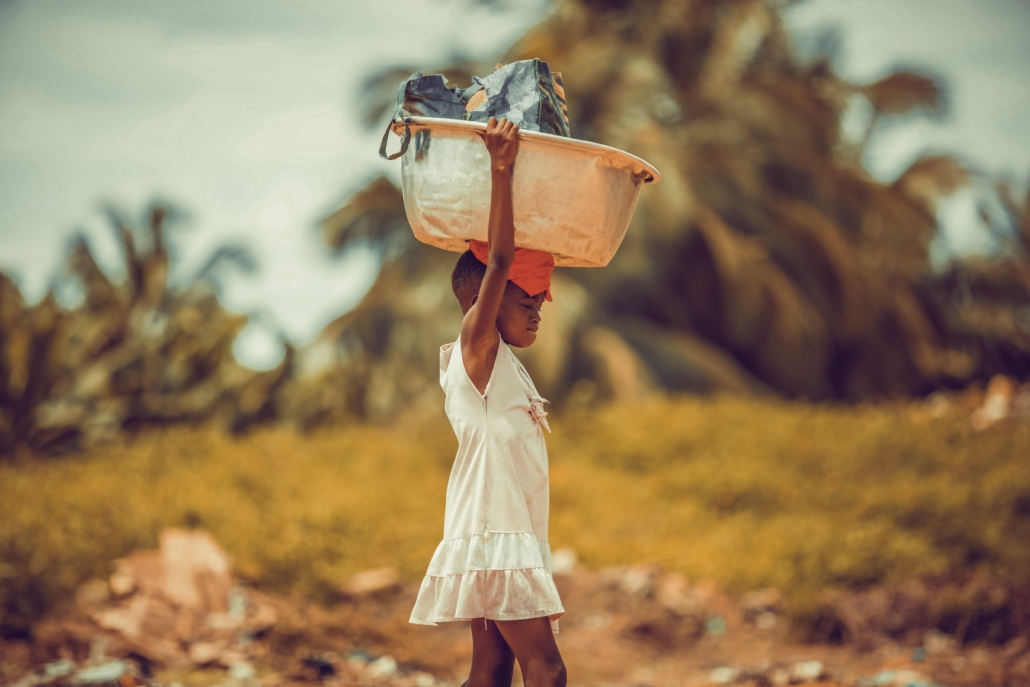
 More than 630 million people are living in extreme poverty all over the world. For a small country in Sub-Saharan Africa, Ghana has 10% of its population living in extreme poverty, which experts propose might go up by looking at current economic trends. NGOs have been pivotal in Ghana’s development and across the country. They have built schools, equipped orphanages and even adopted survivors from harmful cultural practices. In most instances, these bodies have transformed more lives in Ghana than the government due to the latter’s bureaucracy and deep-rooted corruption. In the wake of Mr Beast’s video, which brought into question the issue of NGOs and their associated inefficiency, diversion of funds and high administrative costs compared to lone philanthropists, this article sheds some light on the work of 10 NGOs transforming lives in Ghana.
1. Action Aid
Action Aid started operations in Ghana in 1990. It was the first country program to become an Associate of ActionAid International with a local Board membership of 13. It partners with communities to eradicate the problem of poverty by providing for the needs of the indigenous people and supporting their rights. Its work includes improving agriculture in communities by educating farmers in modern agronomic practices, providing potable water by constructing mini dams and wells and providing grain banks to store excess produce.
2. VisionFund Ghana
VisionFund Ghana is a Christian relief agency that aims to promote development in local communities in developing countries by working with impoverished communities to provide soft, micro-loans, micro-insurance and financial literacy services to individuals. Most of the NGO’s clientele comprises women living in agricultural (primarily rural) and peri-urban areas. The agency directly supports the agricultural, commerce, service and production sectors by lending capital to its clients through either groups or capital.
3. Free the Slaves Ghana
Along the coasts of Ghana, impoverished families sometimes sell their children into slavery on ships. Free the Slaves Ghana stalls this process by stepping in to rescue trafficked children who others use as sexual slaves and free labor on these ships. Free the Slaves Ghana has four objectives: influencing policymakers and advocating for change, engaging local communities, movement building and continuous learning, thus effecting much-needed change in lives in Ghana.
4. Care Ghana
Care Ghana works predominantly with women to improve their livelihoods, increase access to basic education and quality health care and provide opportunities. Its work includes providing help in times of crisis, providing food and water, supporting local health systems and community-based organizations, education and promoting climate justice and equality. In 1994, when it started operations, Care Ghana helped sensitize mining areas about sexual health and the prevention of sexually transmitted diseases. Now, it partners with local and civil society organizations, the government and the private sector to bring about long-lasting change in lives in Ghana.
5. World Vision Ghana
Since 1979, World Vision Ghana has been working in Ghana to improve the lives of families, children and whole communities through collaboration with governments, faith leaders, communities, like-minded organizations and parents. It has been engaged in a series of works comprising the provision of clean water, household sanitation facilities, sensitization of families on nutrition, basic hygiene and sanitation practices and training of district teacher support teams (DTSTs) to help lower primary teachers navigate literacy instructional methodologies, among others.
6. The Alliance for African Women Initiative
The Alliance for African Women Initiative is an organization aimed at improving women’s and children’s lives by reducing the existing gender gap. The NGO has organized the Livelihood Project, the ECCACHILD Project, the Empowering GIRLS-WASH Project and the Community Outreach Project to carry out its objectives of creating a safe environment for the women and children in the society.
7. Catholic Relief Services
The Catholic Bishops of the United States founded Catholic Relief Services in 1943 to help survivors of World War II in Europe. In 1958, when it established itself in Ghana, the service impacted health care, education, maternal care, sanitation, agriculture and essential services. Though the organization does not operate through a set of specific, organized programs, it uses internal or external initiatives to accomplish its goals and transform lives in Ghana.
8. Hen Mpoano
Hen Mpoano is a nonprofit organization in Sekondi, Takoradi, in Ghana. Established in 2013, this organization has gone on to ensure that coastal and marine ecosystems benefit the people and nature. It has reached 116 communities, planted 99,000 mangrove seedlings and engaged 702 volunteers to help with implementation. It has partnered with local and international partners to solve food insecurity, changing weather patterns, over-fishing, poverty and gender inequality.
9. Star Ghana Foundation
Star Ghana Foundation strengthens civil society capacity by facilitating alliances, providing integrated capacity-building support to partners and promoting dialogue on critical and sensitive national issues. Founded in 2010, it has helped citizens convey their concerns to the government, which has brought about lasting change and impact in policy, services and practice.
10. Plan International Ghana
Plan International Ghana has three main priorities; it aims to create violence-free communities for children, provide opportunities to children in the area of quality education and youth skills training and ensure families earn enough money to enhance the lives of children. It has been working for 30 years in Ghana and aims to do more to transform lives in Ghana.
NGOs have made remarkable progress in contributing to the health and development of the average Ghanaian, something for which people do not commend them enough. Perhaps, if governments were to take a cue from their operations, Ghana would have been a better place.
– Angela Agyeiwaa Darkwah
Photo: Unsplash
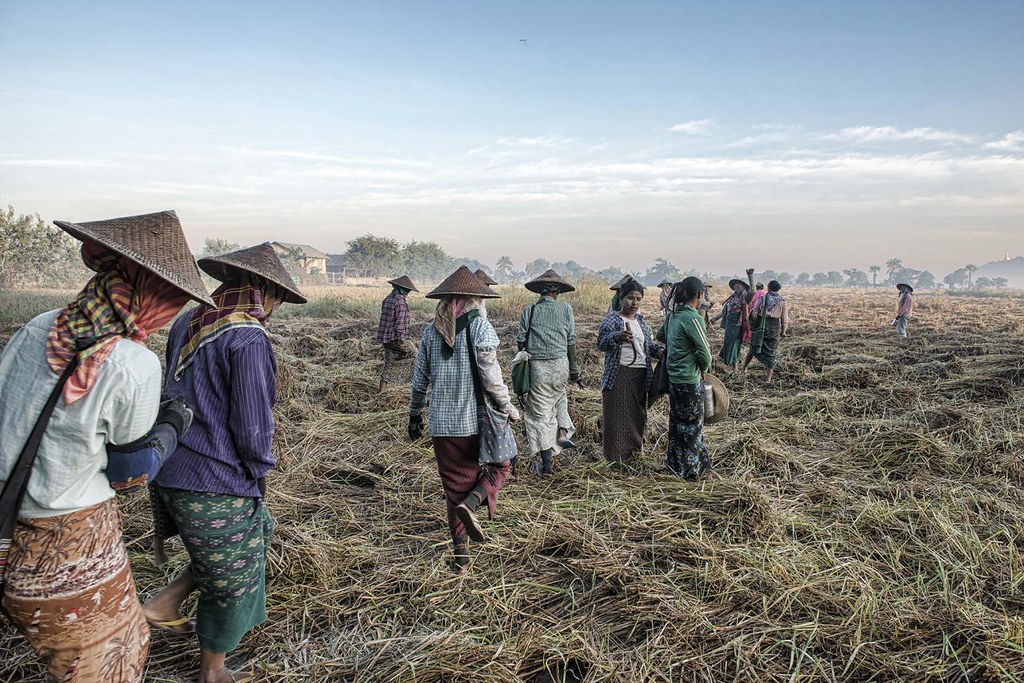
 With the wide-ranging issues affecting people living in poverty, it seems appropriate to spotlight organizations helping alleviate some of those hardships for people and communities who suffer from food insecurity, poverty and mistreatment. According to the World Bank, in 2022,
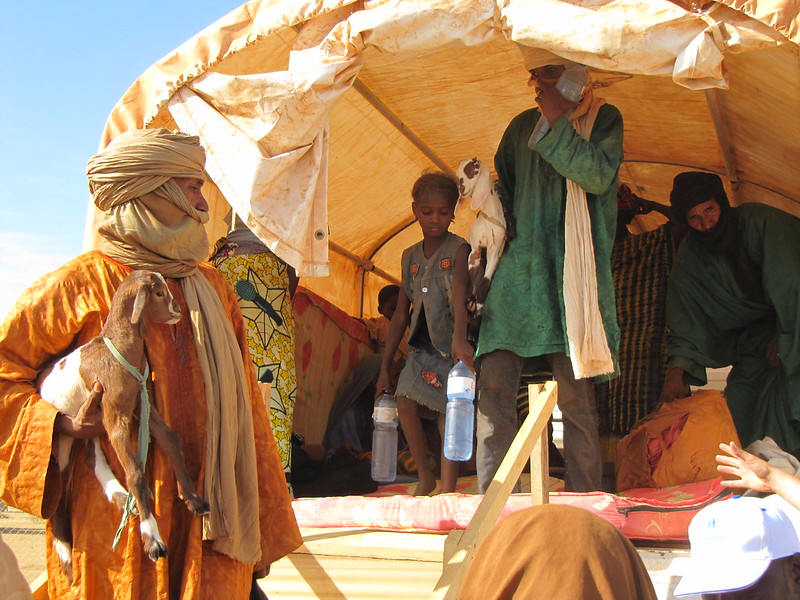
 Global poverty remains
  After a military takeover on February 1, 2021, Myanmar was thrown into a position that undid years of reforms and growth throughout the nation. The
  When the Soviet Union collapsed, Belarus’ neighbors, such as Poland, seemed to continue on the path of modernization and prosper over the years, having managed to grow strong ties with organizations such as the European Union (EU) and North Atlantic Treaty Organization (NATO). Belarus on the other hand saw rampant inflation, organized crime and corruption under its first and only president since gaining independence from Russia. This has drawn attention to addressing the fragility and rule of law in Belarus.
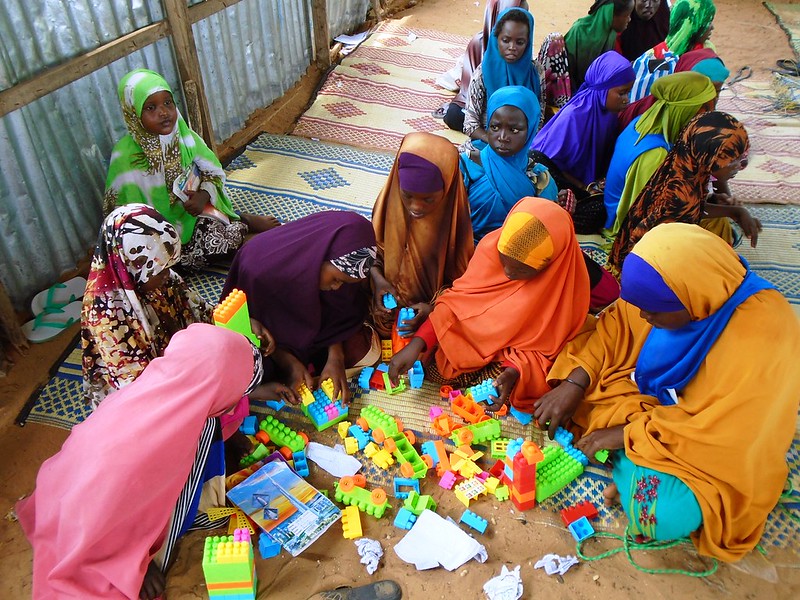 The Somali state officially collapsed in 1991, and the country has been prone to violence and conflict ever since. In 2021 alone, political tensions prevented essential human rights reforms while conflict-related abuses, insecurity and humanitarian and health crises greatly affected civilians. Journalists faced extreme prosecution by federal and regional authorities. Additionally, there was no system in place to ensure the protection of human rights. An armed group, Al-Shabab, was responsible for hundreds of civilian attacks and deaths. The violence, according to the United Nations, has displaced between