• Link to X
  • Link to Facebook
  • Link to Instagram
  • Link to TikTok
  • Link to Youtube
  • About
    • About Us
      • President
      • Board of Directors
      • Board of Advisors
      • Financials
      • Our Methodology
      • Success Tracker
      • Contact
  • Act Now
    • 30 Ways to Help
      • Email Congress
      • Call Congress
      • Volunteer
      • Courses & Certificates
      • Be a Donor
    • Internships
      • In-Office Internships
      • Remote Internships
    • Legislation
      • Politics 101
  • The Blog
  • The Podcast
  • Magazine
  • Donate
  • Click to open the search input field Click to open the search input field Search
  • Menu Menu

Archive for category: NGOs

Global Poverty, NGOs

The Ways Sanctions Prevent Humanitarian Aid Efforts

Sanctions prevent humanitarian aid
When looking at what contributes to poverty in a nation, one might first look at the government and economy to try and figure out what is inhibiting the state’s growth. Sometimes though, the hindering factor does not lay within the developing state’s own government or economy, but a neighboring one’s, or perhaps in one with a substantial trade relationship with the state. Many struggling countries establish trade relationships with more economically stable nations to help foster their own economies. When others impose sanctions on these ‘helper’ countries, this can impact how quickly or how much they can still receive these resources. Moreover, sanctions can prevent humanitarian aid.

Sanctions Set Ripples

The U.S. and Iran’s relationship soured following the broken agreement between them regarding nuclear arms. Afterward, the U.S. killed top Iranian general, Soleimani, and imposed sanctions against 18 Iranian banks. The intention was to keep Americans from engaging with the banks. Meanwhile, the U.S. government imposed secondary sanctions on other countries to prevent them from doing business with those same banks.

While the U.S. issued a statement in December 2020 that stated the sanctions would not apply to humanitarian aid, Iran claimed that the U.S.’s sanctions have strained its relationship with South Korea, a U.S. ally. As a result, $7 billion from oil sales is still in South Korea due to U.S. sanctions. Iran claims this money was for humanitarian goods such as COVID-19 vaccines.

Influenced by the U.S. sanctions, South Korea’s relationship with Iran has deteriorated and inhibited the economic relationships, and assumedly others, since the U.S. secondary sanctions on nations engaging with the 18 Iranian banks do not exclusively apply to South Korea.

Effects On Humanitarian Aid

The act of imposing sanctions poses a threat to humanitarian aid in a variety of different ways. The most obvious is if an organization or staff member has sanctions directly or explicitly against them, although this remains hypothetical.

Another threat involves the fear and paranoia surrounding the idea of sanctions. In trying to avoid sanctions, many humanitarian organizations act with more caution than is necessary. As a result, this stringent self-policing ends up making their work less effective, which is counterintuitive to the purpose of humanitarian aid. This is observable in the case of Afghanistan, where groups avoid working in areas where the government does not have control – although that does not mean that people do not require aid there. Therefore, the sanctions directly prevent regions in Afghanistan from receiving humanitarian aid.

Corruption and Sanctions

Studies found a correlation between corruption and GDP, meaning the poorer the country, the more likely it has a high level of corruption. A high level of corruption, on the other hand, harms economic growth, creating a possible cycle of corruption and economic stagnation. However, the graphs and knowledge that experts have presented do not indicate the causality of low GDPs leading to corruption. One cannot say a country is corrupt because it is poor. Since fighting corruption is one of the U.S. Department of Treasury’s priorities, corrupt countries receive more sanctions than their counterparts, damaging the affected nations’ economy even more.

However, this does not only mean that corrupt countries lose money but it also most likely results in people in need receiving less aid. Reducing aid and applying sanctions also means that people have less money and trade options. Countries that receive sanctions may also lose jobs as industries suffer and businesses shutter, leaving the people and humanitarian workers to take the brunt of the consequences that those imposing the sanctions intended for their governments.

Relief International is Helping Iran

Regardless of the sanctions against Iran, Relief International has been working in Iran since 1990 when it emerged to help respond to the Manjil-Rudbar earthquake, the worst national disaster in the country’s history that had a death toll of 50,000 people. From there, Relief International has taken it upon itself to send whatever resources Iran might need, considering that it is a disaster-prone area. In 2019, 12,400 people received assistance from Relief International in the wake of the Nowruz floods. About 11,500 Afghan refugee students enrolled in Relief International’s education programs, while 2,500 were able to increase their income due to Relief International’s job programs. The organization has rehabilitated 27 schools after natural disasters ravaged them.

Avoiding Sanctions

Facing the COVID-19 pandemic, Relief International has prioritized sending medical supplies to frontline healthcare workers in Iran. Items as simple as masks, gloves and hospital coveralls are basic but essential to protecting healthcare workers as they fight on the pandemic’s frontlines. Relief International sent 1,000 kits with protective equipment, such as protective wear, hand sanitizer and shoe covers. Furthermore, it gave 40,000 testing kits to the Pasteur Institute of Tehran. To further help support healthcare workers, Relief International has started an Iran program to produce medical supplies and equipment locally, mitigating the delivery times and logistical hurdles of donating resources.

With mainly focusing on medical components, Relief International can avoid the negative effects that U.S. sanctions cause. However, with the sanctioning of banks, financial aid programs can face more difficulties with these measures and financial transactions to NGOs may only occur after catastrophes. The example of Relief International shows how crucial it is to protect organizations that deliver humanitarian aid. Alternatively, to put it more directly, sanctions can complicate and prevent humanitarian aid and others’ ability to save lives.

– Catherine Lin
Photo: Flickr

March 8, 2021
https://borgenproject.org/wp-content/uploads/borgen-project-logo.svg 0 0 Kim Thelwell https://borgenproject.org/wp-content/uploads/borgen-project-logo.svg Kim Thelwell2021-03-08 19:26:202024-05-30 07:56:23The Ways Sanctions Prevent Humanitarian Aid Efforts
Developing Countries, Global Poverty, Humanitarian Aid, NGOs

Humanitarian Aid: Helping Hand Packing Days

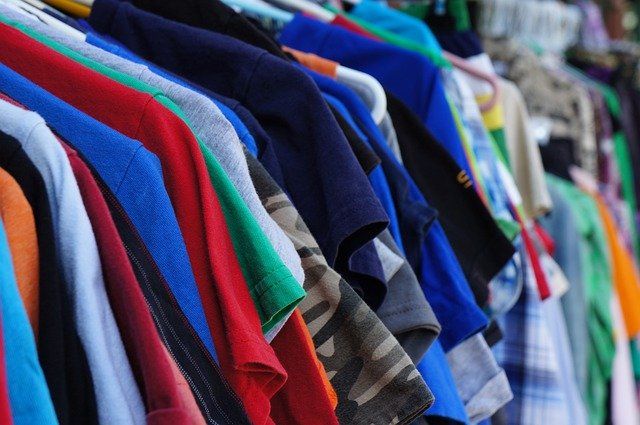
Helping Hand“My favorite part of Helping Hand packing days is seeing everyone work together. The entire group helps each other with deciding which category an item should go into and where to find that category’s box.” In an interview with The Borgen Project, Bisma Ahmed talked about her experience participating in the packing events organized by Helping Hand for Relief and Development (HHRD). “It makes me feel great knowing that children in need across the world will be wearing the very clothes I am packing.”

Helping Hand for Relief and Development

Helping Hand for Relief and Development (HHRD) is a nonprofit organization that fights global poverty by improving access to clean water, feeding the hungry, providing healthcare and rebuilding places affected by natural disasters. In addition to emergency relief, it also has long-term development programs. These include efforts to promote education and literacy, orphan support campaigns and rehabilitation and disability programs. In the 15 years that it has been in service, Helping Hand has worked in more than 85 countries across the globe.

Focusing on the Vulnerabilities of Asia and Africa

The main areas that Helping Hand addresses are countries in Asia and Africa as most of the 689 million people living below the poverty line are in these two continents. A few notable countries that have benefited from Helping Hand’s work include Pakistan, the Philippines, Bangladesh, Lebanon, Somalia, Tunisia, Kenya and Haiti. The organization also provides benefits to refugees including the refugees of Rohingya, Syria and Palestine.

In 2019, through the long-term empowerment program, Helping Hand assisted 6,140 vulnerable people with skills development training in Pakistan, Jordan, Afghanistan and Kenya. In 16 different countries, 19,100 children, including orphans and refugees, received an education through Helping Hand scholarships and education programs. The organization also provided daily healthcare to 160,900 Rohingya refugees and benefited 1.2 million people through its water, hygiene and sanitation programs.

The organization’s recent campaigns include the Beirut Relief Fund, the HHRD COVID-19 Crisis Response, and most recently, Global Winter Revisions, a campaign allowing donors to send winter packages to places where they are needed most.

Packing Day: The Mid-Atlantic Region

Every year, the U.S. regions of Helping Hand set a goal for how many containers of clothes to send as aid overseas. The 2020 goal was to send 10 40-foot containers.

Now and then, the U.S. Mid-Atlantic region of Helping Hand has packing days where volunteers come together and sort donated clothes for shipment to the needy all around the world. Naveed Ahmed, the regional manager for Helping Hand’s Mid-Atlantic area, explained the benefit of the Helping Hand packing days. “The purpose is many, in my opinion. We’re engaging the local community and we’re opening our doors to show what Helping Hand is all about.” According to Naveed Ahmed, most of the success of the packing days comes from the organization’s personal connections with local donors, including large businesses and companies.

Helping Hand packing days have been going on in all of its U.S. regions since its founding in 2005. In 2019 alone, the $55 million worth of clothing items or in-kind gifts benefited 12 million people in 10 different countries.

The clothing items go wherever the team believes the need is. Helping Hand holds offices in Jordan, Pakistan, Afghanistan, the Philippines, Haiti and Kenya, making the organization fully part of the clothes distribution process. The teams in those areas inform the U.S. national team of the amount and types of clothing that are needed. The U.S. regions then start collecting, packing and sending the clothes out.

Typically, the packing events surround a specific global issue or national relevance. For example, the last packing event that the Mid-Atlantic region had was for Giving Tuesday. The packed donations went toward the Helping Hand Winter Relief Campaign. A week later, they had another packing event, this time dedicated to loading the boxes into the containers.

Packing for Martin Luther King Jr. Day

The Mid-Atlantic region has a packing day for Martin Luther King Jr. Day in January. “We usually like to have a day of service on that day,” Naveed Ahmed said. “Usually, students and volunteers from all over the state will come out and be part of the packing day. It is a great day to show appreciation to a great leader like MLK and for us all to do the part of service he and many others have done over decades.”

The efforts of Helping Hand give hope for the future, ensuring that the lives of struggling people around the world are made a little easier.

– Maryam Tori
Photo: Flickr

February 18, 2021
https://borgenproject.org/wp-content/uploads/borgen-project-logo.svg 0 0 Jennifer Philipp https://borgenproject.org/wp-content/uploads/borgen-project-logo.svg Jennifer Philipp2021-02-18 07:30:062024-05-30 07:56:25Humanitarian Aid: Helping Hand Packing Days
Global Poverty, Human Rights, NGOs

5 NGOs Supporting Informal Workers in Developing Nations

5 NGOs Supporting Informal Workers in Developing NationsApproximately 61% of the world’s employed, or 2 billion people, earn their livelihoods in the informal sector. While the informal sector brings its own set of limitations such as a lack of health care benefits, the COVID-19 pandemic exacerbates the issues that daily wage workers face. Within the percentage of total global employment, there is a staggering distribution of informal employment.

Informal Workers in Developing Nations

The informal sector varies by country but is more common in developing nations. In Africa, 85.8% of employment is informal, 68.2% in Asia and the Pacific, 68.6% in the Arab States, 40% in the Americas and more than 25% in Europe and Central Asia. Altogether, 93% of informal employment falls in low-and-middle-income countries.

According to WIEGO, informal work means a diversified set of economic activities or jobs that are not related or protected by the state. It is most commonly associated with self-employment and small unregistered businesses but also includes daily wage workers. Informal workers face increased poverty and occupational risks that, combined with lack of access to any sort of welfare, push many into income inequality and greater poverty.

5 NGOs Working to Support Informal Workers

  1. WIEGO: Women in Informal Employment: Globalizing and Organizing (WIEGO) is an NGO founded in 1997 with a mission to increase the voice, visibility and validity of impoverished communities, especially women. Building and strengthening informal worker organizations, such as internal sector networks, remains a central objective of the program for years. WIEGO has also implemented a five-year plan that spans from April 2018 to March 2023 to improve informal workers’ visibility, global influence, national statistics and knowledge base.
  2. Asiye eTafuleni (South Africa): This NGO is focused on promoting and developing good practices around inclusive urban planning and design. AeT works alongside informal workers to learn more about their situation. The organization has four ambitions: Inclusive Design, Urban Advocacy, Urban Education and Urban Intelligence. Inclusive Design focuses on reconsidering and reshaping urban spatial planning and zoning, urban regulations, laws and policies and urban aesthetics to incorporate traditionally excluded voices, such as that of the working poor. AeT believes the working poor and informal workers should have a voice in these actions. Urban Advocacy works to influence political and social agendas to s crucial to impact change for informal workers and their organizations. AeT encourages and teaches informal workers to become advocates for themselves. Through Urban Education, AeT provides opportunities for students, the general public, tourists and environment professionals to learn about urban environments inclusive of informal workers. Lastly, Urban Intelligence allows AeT to widen and deepen urban intelligence so that local, national and international stakeholders can engage in more informed urban dialogue, planning and design processes.
  3. Avina Foundation: At the start, Avina focused on identifying, supporting, developing leadership and building relationships with social activists and entrepreneurs to strengthen their initiatives in favor of sustainable development. Following this, Avina began to bring together a critical mass of partners, over time helping them grow connections. Today, the program fulfills its mission by building and strengthening collaboration among different sectors to achieve the U.N. Sustainable Development Goals.
  4. StreetNet, International Alliance of Street Vendors: Located in Durban, South Africa, the organization’s primary goal is to promote the exchange of information and ideas on critical issues that street vendors, market vendors and hawkers face. Just like the programs abroad, StreetNet also works on practical organizing and advocacy strategies. StreetNet focuses on advocating for street vendors. Around the world, millions of people earn their livelihoods on the streets and in the vast markets. Street vendors sell a variety of products, from food to technology. However, while the street markets are convenient and affordable for consumers, street vendors are often at risk of poverty as their survival depends on the day’s wage. The program aims to improve the lives of street vendors and informal traders.
  5. Kagad Kach Patra Kashtakari Panchayat: This organization was established due to the immoral, cruel and unjust manner in which waste pickers are treated in India. The organization advocates for the fair treatment of waste pickers, itinerant waste buyers, waste collectors and other informal recyclers.

Looking Ahead

Informal workers are the silent majority and are the exhausted backbone of their respective countries. Since 61% of the world’s employed population falls into the informal sector, reducing the informal sector’s number of workers means alleviating global poverty. These five organizations are fighting for the fair treatment of informal workers and are providing vital resources for their survival. These organizations are also supporting workers’ transition from informal work to jobs protected by the state so workers will not fear transitioning their livelihoods. By improving the conditions of informal workers, the world, as a global community, can move one step closer to equality and global health care.

– Aaron Samperio
Photo: Flickr

January 31, 2021
https://borgenproject.org/wp-content/uploads/borgen-project-logo.svg 0 0 Yuki https://borgenproject.org/wp-content/uploads/borgen-project-logo.svg Yuki2021-01-31 07:30:112024-05-30 07:55:475 NGOs Supporting Informal Workers in Developing Nations
Global Poverty, Human Trafficking, NGOs

Tackling Human Trafficking in Russia

Human Trafficking in Russia
As it stands, Russia is one of the largest hubs of human trafficking and has some of the weakest laws fighting against it. In fact, the Global Slavery Index states that, in 2016, “794,000 people lived in conditions of modern slavery in Russia.” Even so, many organizations are stepping up to eliminate human trafficking in Russia while Russia’s federal government is failing to act.

The Situation

The United States Trafficking in Persons Report (TIP) 2020 lists Russia alongside Iran and China as a Tier 3 country because it does not meet the minimum standards in the fight against human trafficking. Since 2003, the Russian Parliament passed only one bill related to human trafficking in Russia whilst the former countries of the Soviet Union implemented hundreds of laws. Even then, the law is vague and fails to comply with the definitions that the U.N. set.

While sex trafficking is a major problem, most instances of human trafficking in Russia relate to forced labor. In the TIP report for 2019, North Korean workers, likely “engaged in informal labor,” received approximately 20,000 student visas and tourist visas. As authorities declined to investigate instances of trafficking, reports showed evidence that the North Korean government held forced labor work camps in Russia. Despite this systemic abuse, no federal help came to assist victims or prosecute the perpetrators.

The 2014 Sochi Winter Olympics and the 2018 FIFA World Cup enriched Russia’s economy but under the backs of tens of thousands of unpaid workers. According to the Harvard International Review, about 70,000 foreign laborers worked on these two projects. Reportedly, these workers suffered under terrible conditions and those who did receive pay did not have any way to get back home. Considering the situation of trafficking in Russia, some NGOs are making sure victims obtain justice.

Alternativa

Also known as The Alternative, human rights activist Oleg Melikov originally founded the NGO in response to political corruption and environmental harm. The organization has rescued more than 1,000 victims of modern slavery, including a much-publicized case of a man forced to work in a Dagestan brick plant. The backlash forced the Dagestani government to create stricter labor laws and tighter rules for people to enter public buses.

Help Services For Nigerians in Russia

Specifically fighting for the protection of Nigerians against sex trafficking, this organization is responsible for saving more than 240 women from slavery. This work is directly due to Nigerian-born activist Oluremi Banwo Kehinde. Since 2015, he has provided temporary housing, coordinated official documentation and referred victims for medical treatment. As a result of his work, then-Secretary of State John Kerry regarded Kehinde as a Trafficking in Persons Hero in 2016.

Eurasia Foundation

Founded in 1992 following the Soviet Union’s fall, Eurasia Foundation is a massive organization spanning from Eastern Europe to Uzbekistan. Its focus is on assisting community initiatives, providing scholarships and promoting global education.

Eurasia Foundation hosted a forum on combating human trafficking in Central Asia, including Russia. For five days, experts, government officials and others analyzed methods to solve modern slavery, even highlighting the plausibility that the COVID-19 pandemic may strengthen the anonymity of traffickers. EF’s forums resulted in local organizations being better able to protect survivors and prosecute criminals. With psychosociological therapy and practical learning, more than 300 persons experienced reintegration into society in the first nine months of 2020.

The tragedy of human trafficking in Russia is real, but these international heroes are working to assist the victims and provide real solutions. What each of these organizations has in common is an altruistic desire to ease suffering, even at the expense of their own safety.

– Zachary Sherry
Photo: Flickr

January 29, 2021
https://borgenproject.org/wp-content/uploads/borgen-project-logo.svg 0 0 Jennifer Philipp https://borgenproject.org/wp-content/uploads/borgen-project-logo.svg Jennifer Philipp2021-01-29 07:30:022024-06-06 00:59:29Tackling Human Trafficking in Russia
Global Poverty, NGOs

Innovations Reducing Poverty in Israel

Innovations Reducing Poverty in IsraelDeveloping nations like Mozambique, Sierra Leone and Chad tend to capture global attention as the world’s most impoverished countries. While these countries take precedence in discussions regarding global poverty, with good reason, countries that one would not consider “impoverished” do exist outside the limelight. One of these countries is the state of Israel. However, innovations reducing poverty in Israel have changed the lives of many impoverished citizens.

Situated on the east coast of the Mediterranean Sea, Israel has a population of 8.6 million people and an annual GDP of $350 billion as of 2017. As a global innovator in technology and science, it is often referred to as the “start-up nation”. One might assume that poverty would not plague a country with such a flourishing international economy. However, even people living in countries with strong economies experience poverty.

Poverty in Israel

The challenge of reducing poverty in Israel is at the forefront of low-priority socio-economic issues. The lack of attention can be attributed to the Israeli government’s focus on security. As of 2018, more than 21% of Israel’s population was living below the poverty line. One in three children across the state lives in poverty. For a country that has seen so much economic growth in the last decade alone, the idea that over a fifth of its citizens is unable to sustain themselves is hard to swallow. Nevertheless, several key factors explain just why the number of people living in poverty is so high.

Of those living beneath the poverty line in Israel, several social groups have been particularly affected. Single mothers constitute one group, though in recent years the percentage of Israeli single mothers in poverty has declined. Israel’s disabled population makes up another substantial group of its poor. The groups most significant and crucial to understanding Israel’s poor, however, include Orthodox Jews and Arab communities. Devoted to full-time religious study, many Orthodox Jews do not work and depend on state-issued pensions.

Discrimination in Israel’s social order and workplaces have contributed to the significant increase in unemployment in Arab communities. While these groups continue to struggle, a number of Israeli NGOs have produced innovations that are key to reducing poverty in Israel.

Pitchon-Lev

The largest humanitarian organization in the state of Israel, Pitchon-Lev, aids more than 168,000 Israelis per year. Its campaigns range from ensuring Israel’s children have enough food to lobbying for direct government aid for the poor. Pitchon-Lev’s success in combating poverty in Israel is due to innovation in a surprising arena: personal connections. Pitchon-Lev’s team of volunteers develop close and personal relationships with those whom they aid, giving the impoverished the friendships and tools they need to rebuild their lives. With its personal connections to the people it helps, Pitchon-Lev is truly striving towards reducing poverty in Israel.

Latet

In Hebrew, Latet means “to give,” and the NGO Latet does just that. As the head of Israel’s largest food bank, Latet is known for its continued fight against both poverty and hunger in Israel. Latet has aided a wide range of diverse groups, from Israel’s youth to Holocaust survivors. Its innovation in reducing poverty in Israel appears simple, but it is effective: promoting responsibility. Volunteers of the organization teach ideals of care for others and shared responsibility for the state of the country’s citizens. They aim to spread these values not only to those whom they assist, but also to the general Israeli public. By encouraging these ideals, Latet aims to push the issue of national poverty further into the public eye, and eventually into the government’s priorities as well.

Shalva

As previously mentioned, Israel’s disabled population makes up one of the largest groups of the country’s poor. As Israel’s leading NGO in the care of disabled persons, Shalva provides more than 2,000 services for disabled people in areas ranging from education to vocational training. Shalva’s innovation in combating poverty is perhaps the most important of all: promoting equal opportunity. All of Shalva’s programs are non-denominational. This provides disabled persons from all religious and social backgrounds the help they need to bring themselves out of poverty. Shalva has national recognition from the Israeli Ministry of Social Affairs and Social Services and the Ministry of Health. It continues to be one of Israel’s most innovative NGOs for citizens with special needs.

Despite its global success as an innovator in science and modern technology, Israel still has a long way to go in terms of prioritizing its own people over international beneficiaries. Thankfully, organizations such as Pitchon-Lev, Latet and Shalva have proven that this small nation is working toward a better future.
– Alex Poran
Photo: Flickr

January 27, 2021
https://borgenproject.org/wp-content/uploads/borgen-project-logo.svg 0 0 Kim Thelwell https://borgenproject.org/wp-content/uploads/borgen-project-logo.svg Kim Thelwell2021-01-27 01:30:112021-01-27 11:10:28Innovations Reducing Poverty in Israel
Global Poverty, Government, NGOs, Women's Empowerment, Women's Rights

Gender Equality in Ethiopia Makes Headway

Gender Equality in Ethiopia
Ethiopia faces many struggles, but the land where coffee originates from has many accomplishments as well. The continuous gender equality progression in Ethiopia is one of them. Gender-based roles constitute a significant part of the Ethiopian culture. It is also the primary reason for many families’ extreme poverty. However, through policy reform and promoting women’s political participation, noteworthy change in bridging the gaps between women and men is visible.

Policy Reforms Encourage Gender Equality in Ethiopia

Thanks to two reforms, research suggests that gender equality in Ethiopia is progressing. One reform is the Family Code, which was revised in 2000 with new developments. The re-evaluated version of the Family Code states that women receive equal rights throughout the marriage. This pertains to the entire term of their marriage, the duration of the divorce and after the finalization of the divorce. The revisions also note that the individuals must equally split all assets. As a result, the report states that women were less likely to involve themselves in domestic work. Instead, women found more sustainable employment outside of the household, which encourages their independence.

The second reform is the community-based land registration initiated in 2003. Ethiopia’s population has strong gender norms that tend to favor men and subordinate women in power roles. Research results show that as women migrate from the north of Ethiopia to the southern region, they tend to lose societal and household status. Women also have their “bargaining power” revoked from them, which can relate to property rights and ownership. However, this reform emphasizes the implementation of property rights for married women by creating “joint certification.”

A significant sign of independence in Ethiopia is property. However, men typically have land ownership in marriages. This reform opposes this gender-based norm in Ethiopia and allows women to access economic and political opportunities. When women own land, it increases their chances of earning money and controlling their own lives. Rules set by their husbands no longer have to confine them. They are also less likely to be victims of domestic violence. Ethiopian women who own property are significantly less likely to experience domestic violence within their marriages than women who do not own property.

Women’s Political Participation Rises

Women currently make up 37% of congress in Ethiopia. Considering only 22% of women represented congress in 2010, there has been significant progress ever since. However, the Ethiopian government’s values and trustworthiness will remain in question until women account for at least 50% of the parliamentary seats.

The country also needs to make political careers more accessible to women. The “motherhood penalty” requires women to attend to constant family duties and responsibilities, such as breastfeeding and always being present for the children. Endless motherly duties can hinder women’s potential political careers due to the amount of time it takes up. This is especially true if a women’s marriage is based on strong religious beliefs. Certain religious beliefs in Ethiopia tend to prohibit women from acquiring independence and hinder women’s decision-making abilities.

DCA

In Ethiopia, society perceives women as individuals requiring leadership from others and not as individuals able to lead. However, recent years’ progression contradicts that idea. The organization DCA (Dan Church Aid) emphasizes the idea of women empowerment. It holds and spreads the belief that every woman deserves fundamental human rights “economically, socially and culturally.”

DCA was created in 1995 to promote gender equality in Ethiopia. Since then, the organization has helped more than 3.2 million people in the world’s most impoverished countries deprived of everyday opportunities. Due to the continuous contribution of DCA and recognition from Ethiopia’s government regarding the encouragement of gender equality, the women of Ethiopia can seek more political positions and close those gender gaps within communities.

– Montana Moore
Photo: Flickr

January 12, 2021
https://borgenproject.org/wp-content/uploads/borgen-project-logo.svg 0 0 Yuki https://borgenproject.org/wp-content/uploads/borgen-project-logo.svg Yuki2021-01-12 07:30:572024-05-30 07:53:29Gender Equality in Ethiopia Makes Headway
Child Poverty, Children, Economy, Global Poverty, Government, NGOs

Child Poverty in Taiwan is Almost Eliminated

Child Poverty in Taiwan 
Taiwan is an island off the coast of China. Globally, it has received praise for its exceptionally low household poverty rate, which is under 1%. While child poverty in Taiwan is rare, further reducing it is a priority for the Taiwanese government.

Measurement Methodology

Taiwan uses an absolute threshold to calculate the poverty rate. The country uses estimated monthly living expenses calculated in each province for its measurement. For example, residents in Taipei, a highly urbanized city, must earn over $337 for them to be over the poverty line. On the other hand, residents only need to earn above $171 monthly on the small island of Kinmen County. Such geographically-adjusted measures help ensure that Taiwanese families in expensive areas can afford basic necessities, including food, clothing and shelter.

Successful Tactics

Economic downturns do not render Taiwan helpless, such as the one in 2013. Instead, the Taiwanese government quickly raised welfare spending to help people who lost their jobs when factories relocated to China. Additionally, Taiwanese banks gave out microloans with extremely low-interest rates to help families start businesses. To this day, organizations outside of the government also participate in the fight against child poverty in Taiwan.

The Taiwan Fund for Children and Families (TFCF) is an NGO dedicated to eradicating child poverty in Taiwan. This fund sponsored 48,601 children in Taiwan, and 66, 417 children abroad. TFCF began helping children in Taiwan in 1964 by building orphanages. It has since introduced Family Helper Programs and other programs to deliver donations to families in need of assistance. Similarly, TFCF has provided thousands of families with cash, supplies, emergency relief, vocational training and house repairs or reconstruction. Already, the TFCF appears to have helped successfully alleviate child poverty in Taiwan.

The global community can learn from Taiwan’s anti-poverty programs, which have almost completely weeded out child poverty in Taiwan. A recent study found that only 6% of Taiwanese children living in poverty — an already smaller group comparatively — experienced persistent poverty compared to 13.8% in the U.K. and 15.9% in Canada.

Room for Improvement

Child poverty in Taiwan is incredibly low due to effective country policies. However, there are a few areas where the state could improve. One problem is that many citizens make just above the poverty rate and are struggling to get by. Some of these families could earn more if they found lower-paying jobs and went on welfare.

Another problem is that a lot of immigrant families, particularly Southeast Asian immigrant families, primarily find low-skilled jobs and experience persistent discrimination. Similarly, many Aboriginal Taiwanese are also victims of racism, which can make it difficult to find jobs. This led to an approximated 60% poverty rate for Indigenous peoples in Taiwan. Every country, Taiwan included, could improve its anti-poverty strategy. Fortunately, the Taiwanese government is actively trying to help many of the groups that experience high levels of poverty.

Taiwan is one of the few countries in the world that retains a low poverty rate, particularly such a low child poverty rate. Taiwan can implement further improvements, but the country is a model for the international community in eradicating poverty.

– Madelynn Einhorn
Photo: Flickr

December 28, 2020
https://borgenproject.org/wp-content/uploads/borgen-project-logo.svg 0 0 Jennifer Philipp https://borgenproject.org/wp-content/uploads/borgen-project-logo.svg Jennifer Philipp2020-12-28 07:30:032024-05-30 07:56:10Child Poverty in Taiwan is Almost Eliminated
COVID-19, Global Poverty, NGOs, Women's Empowerment, Women's Rights

Female Health Care in Kenya Reduces Gender Inequality

Female Health Care in KenyaPoverty affects genders differently, with women often being more disadvantaged than men. Meeting the strategic needs of those living in poverty must be accompanied by fulfilling practical gender needs. This will ensure equal access to economic progress for all. One NGO is working to reduce gender discrimination by providing female health care in Kenya.

Girls in Danger

In the wake of COVID-19, mass closures of schools and businesses have further hindered the economic development of remote Kenyan districts. The strict COVID-19 guidelines implemented by local authorities have resulted in the closing of safe homes and centers for girls. The preoccupation with COVID-19 regulations led authorities to respond with minimal effort to address increased levels of violence against women and girls. On top of the pandemic, the country has fallen victim to other disasters. Extreme droughts and flooding, as well as a locust invasion, have lowered the food supply for rural areas.

These desperate circumstances leave low-income families with limited financial options. Some families have resorted to employing their young children and marrying off their daughters in exchange for money and cattle. This incites increased gender-based violence as child marriages leave girls vulnerable to sexual and physical violence.

Dr. Esho, who works on-site for Amref Health, said, “Including community systems in the prevention of and response to FGM/C (female genital mutilation and cutting) and child marriage is more important than ever. More women and girls are now at risk of harmful practices and gender-based violence.”

Centering Women in Health Care

Amref Health Africa is an NGO based in Nairobi, Kenya. It has been a crucial part of introducing health care services and technology to sub-Saharan Africa. Established in 1957, the organization has a long history of bringing modern medicine to rural African communities.

Amref Health Africa is proving how female empowerment is not just a social movement but a crucial factor in women’s livelihoods. The NGO dedicates much of its work to improving female health care in Kenya. Women often lack education on their sexual health, which impedes prudent, informed decisions regarding their futures. Advancements in female health care in Kenya can empower women to take control of their bodies and pregnancies. Additionally, it can offer better support to these women in their chosen paths.

Amref also aids women suffering from violence. Organization members, such as Dr. Esho, work jointly with local activists and health workers to construct a plan of action. The community members have firsthand knowledge and experience working with survivors of FGM/C and other cruelties, which Amref acknowledges and utilizes. Therefore, the NGO ensures victims are getting proper care and refuge from their abusive situations.

How to Help

Amref strives to bring awareness to gender-based violence and the positive effect of proper female health care in Kenya. With the hashtag #EndFGM, Amref is trying to engage international activists through social media. The organization is also accepting direct donations through its website.

One may feel powerless during times of international emergencies. However, this must not stop global citizens from doing their part to assist. Those who want to help can contact their congressmen and congresswomen as well as other representatives to protect the U.S.’s foreign aid budget. This will benefit NGOs, similar to Amref Health, that work closely with impoverished communities to identify unique problems and solutions.

– Lizt Garcia
Photo: Flickr

December 23, 2020
https://borgenproject.org/wp-content/uploads/borgen-project-logo.svg 0 0 Yuki https://borgenproject.org/wp-content/uploads/borgen-project-logo.svg Yuki2020-12-23 17:02:052024-05-30 07:53:27Female Health Care in Kenya Reduces Gender Inequality
Developing Countries, Global Poverty, Health, NGOs

9 Facts About NGOs and Healthcare in Dominica

Dominica, a small country in the Caribbean, has a population of about 72,000. Currently, general taxes are what finance healthcare services in Dominica. There are seven healthcare centers and 44 clinics around the country that provide primary healthcare at no cost.

 9 Facts About Healthcare in Dominica

  1. Dominica spends equivalent to $418 per capita on healthcare. As of 2011, healthcare costs were 4.2% of the GDP. Those healthcare services are provided by the Ministry of Health. Also, as of 2017, there were 1.1 doctors per 1000 people in Dominica.
  2. There are five hospitals in Dominica. Four of these hospitals are government-owned, while the other one is privately owned. The Princess Margaret Hospital has one small intensive care unit, meaning it is most equipped to deal with emergency situations. However, the other three, the Marigot hospital, Grand Bay hospital and Portsmouth hospital, are not as prepared.
  3. Dominicans generally have somewhat long lifespans. For men, life expectancy is 74.4 years, and for women, it’s 80.5 years. Therefore, the total average life expectancy is 77.4 years, exceeding the global average of 72 years. However, as of 2019, 30.9 infants died out of 1000 live births, which is a rate of about 3.29%.
  4. There are both primary and secondary healthcare services in Dominica. There are seven health districts in which primary healthcare services are provided by clinics. These clinics serve about 600 people each within a 5-mile radius of the district in which they are located. Princess Margaret Hospital provides secondary healthcare to the people of Dominica.
  5. Some individuals are exempt from charge for medical treatment. Those who are considered poor or needy, pregnant women, children younger than 17 years old  are exempt from the medical care charges. People who may also have an infectious and contagious disease that can spread through multiple ways (such as bodily contact, contact with bodily fluids, or breathing in the virus) are also exempt from the charges that arise from medical care.
  6. The HIV/AIDS prevalence rate is 0.75%. About 506 people out of a population of 72,293 people in the Dominica have HIV/AIDS. Countries that have a prevalence rate of HIV/AIDS that exceed 1% are considered to have Generalized HIV Epidemics, so Dominica is currently below that even though its rate is higher than places like the U.K. 70% of those infected by HIV/AIDS are male. In 2019, only 95 adults and children were receiving antiretroviral therapy in Dominica.
  7. The Citizenship By Investment program in Dominica helps rebuild medical buildings and infrastructure, as well as provide treatment abroad. After Hurricane Maria in 2017, the CBI program helped fund the rebuilding of six hospitals and three healthcare centers in Dominica. Similarly, the program also sponsored 16 children to receive treatment abroad in 2017-2018. The treatment was critical for the of health of the children in Dominica.
  8. The Order of St. John is an NGO project working to improve healthcare in over 40 countries, including Dominica. This international charity has over 300,000 volunteers and staff and provides multiple services such as healthcare, first aid and other methods of support. This organization, registered as an NGO in 1964, had an income of 1.44 million pounds in 2018. Its mission is to help improve the health of people around the world and alleviate worldwide sickness. Additionally, St. John works to provide volunteers with disaster preparedness training in Dominica in the case of tropical storms or other natural disasters. The organization accepts donations, 100% of which go to their programs.
  9. Another NGO, EACH, also works in Dominica to provide healthcare communication. EACH works to promote healthcare communication that is concentrated around patients. EACH also works to provide healthcare communication research, skills and tools. They strive to ensure that patients worldwide receive specialized care with regard to autonomy and safer, efficient healthcare, as well as ensuring that patients are more likely to recover from diseases. EACH became a nonprofit and charity organization in 2014.

Many organizations and hospitals are working to provide effective healthcare in Dominica. The general public can help assist these organizations through donations or volunteering. Learning more about healthcare in Dominica, as well as in different countries around the world, can help one understand both the domestic and global situation of healthcare today.

– Ayesha Asad
Photo: Unsplash

December 4, 2020
https://borgenproject.org/wp-content/uploads/borgen-project-logo.svg 0 0 Kim Thelwell https://borgenproject.org/wp-content/uploads/borgen-project-logo.svg Kim Thelwell2020-12-04 07:30:432024-05-30 07:55:409 Facts About NGOs and Healthcare in Dominica
Global Poverty, NGOs

NGOs Have Saved Thousands in the Philippines

NGOs Save Thousands in the Philippines
Just a few weeks after Super Typhoon Goni made landfall on the morning of November 11, 2020, Typhoon Vamco hit the Philippines. These tropical storms have destroyed homes, lives, livelihoods, essential infrastructure and families. Without a doubt, the results of these storms have been calamitously tragic. However, NGOs provide inspiration and hope in their work for the victims of these tropical storms. NGOs have saved thousands in the Philippines.

 VAMCO and Goni’s Destruction

 On November 1, 2020, super Typhoon Goni made landfall on Catanduanes’ island before moving north-west over Manila with reported wind speeds of 140mph. Goni – locally referred to as “Rolly”- is one of the most powerful storms to hit the Philippines in over a decade. A few days after the storm hit the Philippines, the damage was staggering: reports determined that the storm killed 16 people, demolished thousands of homes, destroyed tens of thousands of farmers’ crops (estimated damage of $36 million to crops alone) and affected over 2 million people.

Although less intense, Typhoon Vamco had winds measured at 90mph when it made landfall in Patnanungan. Although hard to separate the damage from these two storms, reports stated that Typhoon Vamco – locally known as Ulysses – has killed at least 67 people, cut power to millions, caused 100,000 evacuations and destroyed over 26,000 homes.

Flooding Exasperates the Catastrophe

Unfortunately, as the government can better assess the damages and missing people, and gather an overall better understand of the situation in the coming weeks and months, the financial damage and number of people displaced and killed will grow. However, what might prove to enlarge the numbers more than a better understanding of the situation is the flooding and significant landslides.

As of Nov. 18, the flooding is the worst in recent memory and has affected eight regions and 3 million people, with 70 dead. Two-story-high flooding that has caused power outages has either separated many from their homes or trapped them on their roofs, further disrupting rescue efforts. Although flooding has receded, many villages are still only reachable through the air.

Perhaps the worst affected area is the Cagayan Valley in northeast Luzon; of the 28 towns in the Cagayan province, 24 are underwater from severe flooding. Explaining this disproportionality in flood damage is the fact that a dam in the Cagayan Valley, the Magat Dam, had seven of its gates break open following the storm, causing mass amounts of water to pour into the valley (the dam released near two Olympic sized pools of water per second). Here, over 20 people have died while affecting nearly 300,000 people as what looks like a brown sea of dirty water and debris submerges the valley.

NGOs Step Up for Thousands

In the face of all this destruction, one can find hope in the work of NGOs. NGOs have saved thousands in the Philippines who were either trapped on rooftops or in evacuation centers after losing everything they have ever owned.

For instance, CARE is an organization providing aid during the flooding. It is primarily working in Amulung and Gattaran, assisting in rescue efforts and providing resources such as food, hygiene products, shelter repair kits and sanitation materials.

The Philippine Red Cross is deploying utility vehicles to ferry thousands so that they do not become stranded in flooded towns. Stories have even surfaced of Red Cross workers treading through floodwater with torches searching for stragglers and missing people. The organization provides relief materials to those it does save including tents, generators, food, cooking equipment and tarps. Additionally, as a preventative measure, the Philippine Red Cross evacuated people and animals to evacuation centers while also prepositioning emergency response teams in vulnerable areas.

UNICEF has also done life-saving work. Just a day before Vamco made landfall, UNICEF launched “its Super Typhoon Goni/Rolly appeal amounting to $3.7 million.” With this amount raised, UNICEF has supported the most vulnerable communities in gaining access to water, sanitation, hygiene, nutrition, education, health and protection services.

Vamco and Goni are tragedies that have negatively affected countless lives through displacement, death and the destruction of their home and valuables. Nonetheless, the optimist can find inspiration in the fact that: NGOs have saved thousands in the Philippines.

– Vincenzo Caporale
Photo: Wikipedia Commons

November 27, 2020
https://borgenproject.org/wp-content/uploads/borgen-project-logo.svg 0 0 Yuki https://borgenproject.org/wp-content/uploads/borgen-project-logo.svg Yuki2020-11-27 12:55:012024-05-30 07:55:50NGOs Have Saved Thousands in the Philippines
Page 10 of 15«‹89101112›»

Get Smarter

  • Global Poverty 101
  • Global Poverty… The Good News
  • Global Poverty & U.S. Jobs
  • Global Poverty and National Security
  • Innovative Solutions to Poverty
  • Global Poverty & Aid FAQ’s
Search Search

Take Action

  • Call Congress
  • Email Congress
  • Donate
  • 30 Ways to Help
  • Volunteer Ops
  • Internships
  • Courses & Certificates
  • The Podcast
Borgen Project

“The Borgen Project is an incredible nonprofit organization that is addressing poverty and hunger and working towards ending them.”

-The Huffington Post

Inside The Borgen Project

  • Contact
  • About
  • Financials
  • President
  • Board of Directors
  • Board of Advisors

International Links

  • UK Email Parliament
  • UK Donate
  • Canada Email Parliament

Get Smarter

  • Global Poverty 101
  • Global Poverty… The Good News
  • Global Poverty & U.S. Jobs
  • Global Poverty and National Security
  • Innovative Solutions to Poverty
  • Global Poverty & Aid FAQ’s

Ways to Help

  • Call Congress
  • Email Congress
  • Donate
  • 30 Ways to Help
  • Volunteer Ops
  • Internships
  • Courses & Certificates
  • The Podcast
Scroll to top Scroll to top Scroll to top