• Link to X
  • Link to Facebook
  • Link to Instagram
  • Link to TikTok
  • Link to Youtube
  • About
    • About Us
      • President
      • Board of Directors
      • Board of Advisors
      • Financials
      • Our Methodology
      • Success Tracker
      • Contact
  • Act Now
    • 30 Ways to Help
      • Email Congress
      • Call Congress
      • Volunteer
      • Courses & Certificates
      • Be a Donor
    • Internships
      • In-Office Internships
      • Remote Internships
    • Legislation
      • Politics 101
  • The Blog
  • The Podcast
  • Magazine
  • Donate
  • Click to open the search input field Click to open the search input field Search
  • Menu Menu

Archive for category: Humanitarian Aid

Developing Countries, Global Poverty, Humanitarian Aid

Providing Aid to Flood Victims in El Salvador

Flood Victims in El SalvadorIn the past month, a gyre has caused heavy rain throughout Central America, flooding numerous areas and leaving thousands without food and shelter. Some areas have experienced rainfall totals of multiple feet, with flash floods and mudslides resulting from the downpour. One of the nations that has been affected by this gyre is El Salvador.

Poverty and Food Security in El Salvador

In El Salvador, 26% of families live in multidimensional poverty. According to Habitat for Humanity, eight out of 10 El Salvadorians live in inadequate conditions. This has led to a plague of gang violence, along with high rates of illiteracy, school dropouts and malnutrition. Additionally, 14% of El Salvadorian children younger than the age of 5 suffer from chronic malnutrition. The country’s food insecurity and hunger rates come from poor access to nutritional food and a lack of nutritional awareness.​​

Central American Gyre’s Effect on El Salvador

El Salvador has experienced multiple feet of rainfall and flooding in the past month due to these storms. Since the rainfall began, more than 900 flood victims in El Salvador have been forced to evacuate their homes for temporary shelters to escape the flooding. In June 2024, the country’s congress issued a 15-day state of emergency as a result of the rainfall. It deployed more than 30,000 soldiers to help deal with any emergencies resulting from the storms.

World Food Programme’s Emergency Response

As a result of the flooding, thousands have been left without food and water as they search for a safe place for shelter. In the shelters of the capital city, San Salvador, World Food Programme (WFP) country director, Riaz Lodhi, is working with El Salvador’s Civil Protection Department to assess the food needs of the flood victims in El Salvador.

When asked about their plans, Lodhi said, “We are assessing the food needs of the people who have been affected by these floods and will respond adequately in coordination with the government’s response.” It is encouraging to see that government institutions have developed their capacity and have taken the driver’s seat to respond to the emergency rapidly – they are providing hot meals in shelters while WFP is closely monitoring the needs of the affected communities,” he added.

The Future

WFP experts are predicting an 80% chance of the effects of the Central American Gyre limiting the nation’s ability to produce grains and other crops over the next six months. However, the nonprofit has worked in El Salvador for years. It has numerous programs in place to help the nation fight hunger and food insecurity. It has trained more than 20 farmers in commercializing their products to reach new markets in hopes of earning more money. Additionally, it has initiated a program for 50 people to learn about nutritional cooking techniques and food security. WFP has also implemented emergency response systems to ensure food production during emergencies in El Salvador.

– Nicolas Mezzaucella

Nicolas is based in New Rochelle, NY, USA and focuses on Good News and Global Health for The Borgen Project.

Photo: Flickr

July 8, 2024
https://borgenproject.org/wp-content/uploads/borgen-project-logo.svg 0 0 Lynsey 2 https://borgenproject.org/wp-content/uploads/borgen-project-logo.svg Lynsey 22024-07-08 03:00:062024-07-07 14:26:40Providing Aid to Flood Victims in El Salvador
Developing Countries, Global Poverty, Humanitarian Aid

Emergency Relief to Sudan

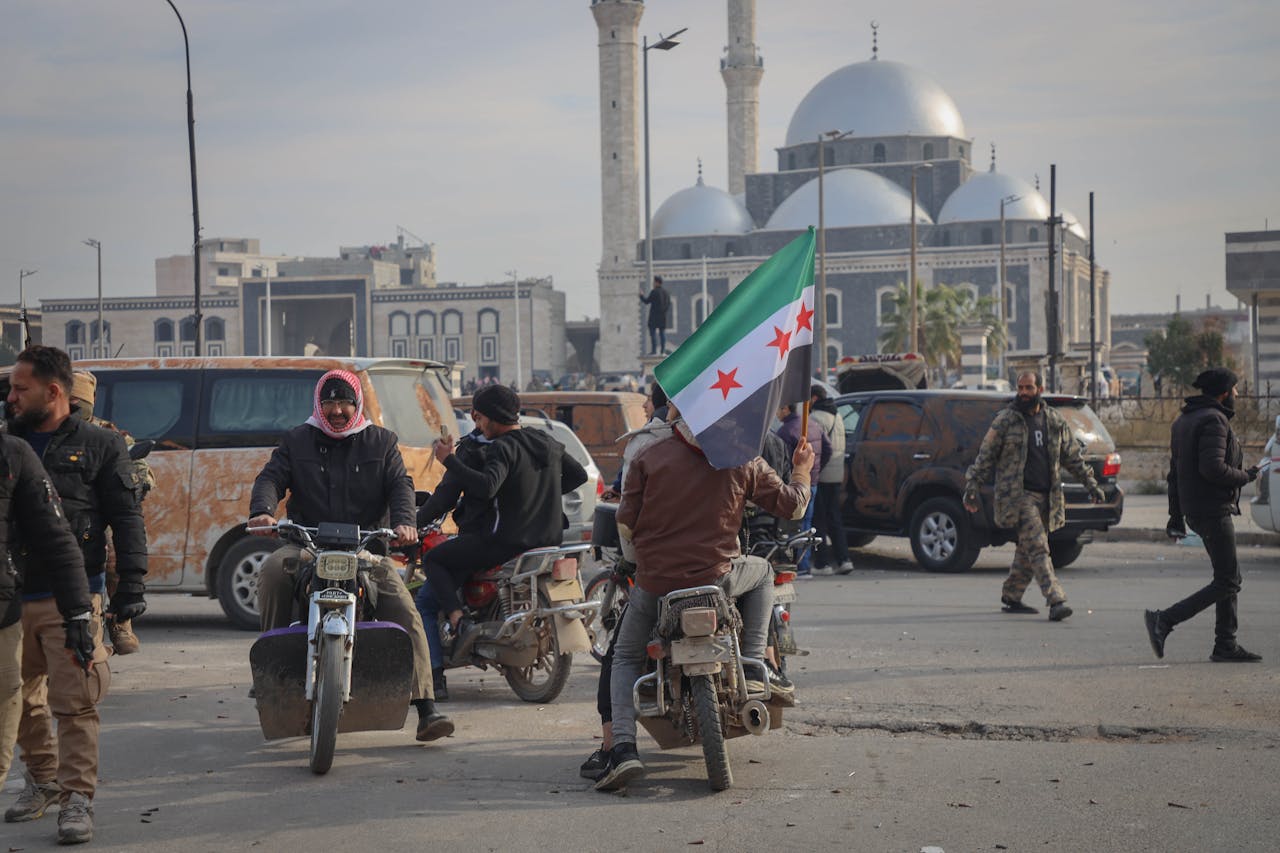
Emergency Relief to SudanSudan is a country full of conflict between the people and between the people and their government. This instability has only compounded the country’s difficulties. While Sudan is still recovering from COVID-19 and various government aid programs and World Bank projects are on pause, the Sudanese have been left to fend for themselves. However, the Sudan Emergency Safety Nets Project has been enacted to provide temporary relief until the previous poverty prevention and relief projects are resumed.

Why Have the Preexisting Programs Stopped?

During COVID-19, Sudan was wrecked economically, as many people became unemployed and were unable to find jobs afterward. Compound this with the near-constant fighting occurring in the country and the Sudanese food security is limited to none. This fighting has caused the humanitarian aid front of the World Food Programme (WFP) to stop, as its teams cannot enter active combat zones to provide relief safely. While the WFP can aid the Sudanese people in different areas, those trapped in the middle of conflict cannot receive relief.

This is not unusual when providing humanitarian aid to active conflict provinces. However, the fighting in Sudan is so intense and ongoing that the combat zones change frequently. More and more people are trapped in dangerous provinces away from the WFP’s. At least four military groups are fighting for control of Sudan: the Sudan Armed Forces, Rapid Support Forces and many from previous Sudanese civil wars. With so much conflict, providing humanitarian aid is difficult and dangerous.

The Sudan Emergency Safety Nets Project

The Sudan Emergency Safety Nets Project has two halves: the safety nets and the infrastructural supports. The safety nets include both food and cash, but the value of both is equivalent to $7 in food. This may not seem like much, but the $7 can provide up to 1000 kilocalories, about half the daily required caloric intake. In a country with little consistency and food security, even something as little as $7 can change a person’s life. These Safety nets will focus on households and use its new infrastructural support system to monitor caloric intake per household to maximize their humanitarian aid.

The infrastructural support systems in question can be divided into delivery, monitoring and evaluation and project management. The delivery programs will work to ensure safe evaluation and social information. The programs will also ensure that payments, enrollment and information can safely be delivered to the Sudanese people.

The monitoring and evaluation system will assess potential risks and benefits for future projects and allow people to make informed choices about whether specific aspects of projects are safe to conduct. The hope for this system is to attempt to combat the paused humanitarian relief by monitoring risk factors in Sudan and either acting before it is too dangerous or finding another way around it.

The project management aspect of the infrastructural support system will focus on financing and executing the Sudan Emergency Safety Nets Project. While Sudan is in such turmoil and conflict, the political systems are functionally unilaterally, as this is the nature of civil wars. The project management aspect of the Emergency Safety Nets Project will take on all the administrative and financial aspects that may be done by a political party to ensure that humanitarian relief avoids becoming a political piece in the military conflict.

Final Thoughts

Sudan is struggling with limited food security and constant military conflict. Where the fighting escalates, emergency relief to Sudan is limited and removed to ensure the safety of the relief workers. The Sudan Emergency Safety Nets Project works during these tumultuous times to ensure that the high-conflict areas of Sudan may still receive humanitarian aid. This project works during the halts of other humanitarian projects so that the people of Sudan do not suffer during the civil wars.

– Paige Tamasi

Paige is based in Los Gatos, CA, USA and focuses on Global Health and Politics for The Borgen Project.

Photo: Unsplash

July 1, 2024
https://borgenproject.org/wp-content/uploads/borgen-project-logo.svg 0 0 Lynsey 2 https://borgenproject.org/wp-content/uploads/borgen-project-logo.svg Lynsey 22024-07-01 03:00:432024-06-30 10:36:29Emergency Relief to Sudan
Global Poverty, Humanitarian Aid, USAID

USAID Programs Push Yemen toward National Stability 

USAID ProgramsYemen has one of the world’s worst humanitarian crises due to prolonged instability after Houthi insurgents took control of Yemen’s capital and largest city in 2014. Now, out of the 35.2 million Yemeni citizens, at least 18.2 million live in severe poverty and rely on foreign aid. The United States government actively provides humanitarian aid to Yemen. In 2024, it announced nearly $220 million in funding to advance Yemen’s transition toward stability. USAID programs in Yemen target key areas that require development and support and are integral to the survival of the Yemeni population.

Food Security

In Yemen, 17.6 million people face high levels of food and nutrition insecurity. USAID funding supports the efforts of the World Food Programme (WFP) and seven NGOs to provide food assistance across Yemen. The funding provides communities with U.S. and locally sourced commodities and cash vouchers for individuals without enough money to shop at local markets, according to a 2024 USAID fact sheet.

In October 2023, USAID contributed $10.1 million for ready-to-use therapeutic food (RUTF) providing for 144,000 cases of treatment to severe and acute malnutrition.

Health

Years of conflict have left more than 30 million people in need of humanitarian assistance, yet 50%, of health facilities in Yemen are non-functioning or only partly functioning due to a lack of funds, medicines, supplies electricity, and equipment. USAID funding provides primary care and nutrition services to Yemen through static and mobile medical facilities. Additional funding equips health facilities with medical supplies and pharmaceuticals, according to a 2024 USAID fact sheet. USAID funding enabled the World Health Organization (WHO) to provide medical oxygen to more than 1 million patients at 25 hospitals in Yemen during 2021 and 2022.

Water Sanitation

Ongoing conflicts in Yemen increasingly destroy the country’s water and hygiene infrastructure. Now, Yemen faces one of the world’s worst water crises with 16 million people in urgent need of water sanitation and hygiene. With the help of USAID, an additional 1.8 million Yemenis have access to clean water and improved sanitation services in 2024. USAID funds the rehabilitation of water systems, improved sanitation services such as repaired sewage networks, and the installation of toilets and handwashing facilities in homes and health facilities.

Education

A lack of reliable school facilities and resources leaves millions of Yemeni children uneducated. USAID funding in Yemen reached 275,000 children across 676 formal and informal educational settings in 2024, according to the Yemen Country Profile. Aid funds teacher training, educational equipment, teaching materials, child protection, water sanitation and hygiene activities. Due to conflicts and natural disasters, USAID funds home learning programs to maintain education in communities battling school closures.

National Economy Support

USAID programs focus on strengthening the Yemeni economy hoping a stable national economy will increase overall stability in Yemen. USAID helped Yemen establish its first foreign exchange auctions, increasing transparency and stabilizing previously volatile exchange rates, while also supporting the implementation of 17 World Trade Organization (WTO) trade facilitation agreements. Additionally, USAID facilitated more than $2 million in export sales agreements. USAID works to strengthen economic institutions such as the Central Bank of Yemen.

Despite the severe humanitarian crisis and ongoing conflicts, the United States remains committed to providing crucial humanitarian support via USAID programs in Yemen. Through multi-faceted programs addressing food security, health, water and sanitation, education, and economic development, this assistance aims to alleviate suffering, build resilience, and support Yemen’s fragile transition towards stability. While challenges persist, this comprehensive approach demonstrates the international community’s dedication to helping Yemen overcome adversity and create a more promising future for its citizens.

– Lauren Thompson

Lauren is based in San Francisco, CA, USA and focuses on Good News and Global Health for The Borgen Project.

Photo: Flickr

June 24, 2024
https://borgenproject.org/wp-content/uploads/borgen-project-logo.svg 0 0 Jennifer Philipp https://borgenproject.org/wp-content/uploads/borgen-project-logo.svg Jennifer Philipp2024-06-24 01:30:322024-06-23 13:19:25USAID Programs Push Yemen toward National Stability 
Global Poverty, Humanitarian Aid, War

Saudi Arabia Sent Its 53rd Relief Plane for Gaza

Relief Plane for GazaThe conflict in Gaza has resulted in many people struggling with acute malnutrition because of the lack of sufficient food being delivered and the inability of health care clinics to provide services. According to the World Health Organization (WHO), there are 8,000 children aged less than 5 who have been diagnosed with acute malnutrition, with 1,600 of them diagnosed with severe acute malnutrition.

Furthermore, as of May 21, 2024, only one-third of the 36 hospitals in Gaza still function, which impacts thousands of Gazans struggling with urgent health issues. As a result, countries such as the Kingdom of Saudi Arabia and organizations such as the United Nations (U.N.) have utilized their resources to aid the people through food and medical assistance.

The King Salman Humanitarian Aid and Relief Center

On June 12, 2024, the Kingdom of Saudi Arabia, through the King Salman Humanitarian Aid and Relief Center (KSRelief), delivered its 53rd relief plane for Gaza to help the people severely impacted by the fighting. KSRelief’s 53rd relief plane for Gaza contained food and medical supplies to alleviate the pain of the Gazans. The aircraft arrived at Egypt’s El-Arish International Airport to be transferred across the border to Gaza. This highlights the importance of international collaboration in providing aid to Gazans when the conflict has rendered humanitarian assistance almost impossible.

KSRelief’s 53rd relief aircraft for Gaza reflects Saudi Arabia’s consistent support for the people enduring pain and suffering in Gaza and Palestine as a whole. For example, on March 20, 2024, KSRelief announced that it provided $40 million to the United Nations Relief and Works Agency for Palestine Refugees in the Near East (UNRWA) to help with its life-saving operations in Gaza.

Furthermore, the Kingdom of Saudi Arabia raised more than $100 million for Gaza and Palestine via its “Sahem” national portal, which allows Saudi citizens to donate money to support humanitarian aid. Saudi Arabia’s national and multilateral efforts to help Gaza and Palestine as a whole have been a beacon of hope for those severely impacted by the fighting.

International Organizations at the Forefront

International humanitarian organizations have also been working extensively to help the people in Gaza since the war started on October 7, 2023, despite the immense challenges facing them. For example, as of June 6, 2024, the WHO has supplied essential trauma emergency kits and kits for noncommunicable diseases and severe acute malnutrition to those most affected by the conflict.

In addition, in May 2024, the World Food Programme (WFP) provided food aid to more than a million people in Gaza and the West Bank despite reducing rations due to access constraints. This illustrates how international humanitarian organizations have been unwavering in their determination to help Gaza even as the fighting intensifies.

Humanitarian Aid andEnding the War in Gaza

Although people have been inundated with horrific stories about Gaza, there have also been many instances where countries such as Saudi Arabia and international organizations such as the WHO are working tirelessly to help the people and give them hope. KSRelief’s 53rd relief plane for Gaza shows how regional countries have been working hard not just to provide aid but to put an end to the war and hopefully bring peace to them and the entire Middle East.

On the other hand, the WFP’s courageous efforts to deliver food to Gaza despite access constraints show how even actors outside the region want to help end the fighting. This highlights how humanitarian aid is not just a short-term solution to this war but a tireless effort to bring lasting peace to people who endure pain daily.

– Abdullah Dowaihy

Abdullah is based in Riyadh, Saudi Arabia and focuses on Good News and Global Health for The Borgen Project.

Photo: Flickr

June 23, 2024
https://borgenproject.org/wp-content/uploads/borgen-project-logo.svg 0 0 Lynsey 2 https://borgenproject.org/wp-content/uploads/borgen-project-logo.svg Lynsey 22024-06-23 01:30:532024-06-21 09:06:40Saudi Arabia Sent Its 53rd Relief Plane for Gaza
Charity, Global Poverty, Humanitarian Aid

5 Charities Operating in Armenia

Charities Operating in ArmeniaArmenia, located in the Caucasus region between Eastern Europe and Western Asia, possesses a rich cultural heritage and spirit. Despite many historical and contemporary challenges, numerous charities are actively working to bring relief to communities, solve pressing social issues and create sustainable development within the country. Here are five charities currently operating in Armenia, each playing a pivotal role in fostering a brighter future for the nation.

Armenian Relief Society (ARS)

Founded in 1910, ARS provides comprehensive humanitarian assistance to vulnerable populations. It works to preserve Armenia’s rich culture and history. With a network of hundreds of thousands of dedicated volunteers and members, 220 chapters that operate in more than 27 regions, ARS is able to lead the charge on the front line in the battle against poverty.

Through a wide array of programs, including health care, education and social services, ARS empowers Armenian citizens to overcome adversity and build resilient communities. From orphanages and medical clinics to vocational training centers, ARS’s initiatives impact the lives of thousands, offering them pathways to a better future.

Children of Armenia Fund (COAF)

Dedicated to supporting the future of tomorrow, COAF focuses on promoting education, health care and socioeconomic empowerment. Through the construction of schools, renovation of health care facilities and implementation of educational programs, COAF empowers Armenian youth with the tools and resources necessary to thrive in today’s uncertain world. Through initiatives like the SMART Center, a hub for technology, arts and sports, COAF champions creativity, critical thinking and leadership skills, preparing the next generation of leaders in Armenia.

Fuller Center for Housing Armenia (FCHA)

A covenant partner of the umbrella organization, FCHA works to provide Armenians access to safe and affordable housing. Amid a major housing crisis, housing and shelter remain a pressing issue throughout Armenia today, particularly in rural areas. FCHA takes on this challenge by partnering with communities to build and renovate homes for families in need.

Through mobilizing volunteers, engaging local stakeholders and using sustainable building practices, FCHA not only provides shelter but also promotes community development and solidarity. Through its various housing initiatives, FCHA works to pave a path to stability and self-reliance while laying the foundation for brighter futures.

Tufenkian Foundation

Established in 1999, the Tufenkian Foundation remains committed to promoting social justice and cultural preservation in Armenia. The organization promotes initiatives that celebrate Armenia’s rich history while simultaneously empowering its people. From supporting local businesses and entrepreneurs to preserving historical landmarks and promoting environmental sustainability, the Tufenkian Foundation’s efforts encompass a wide variety of programs aimed at promoting inclusive growth and community.

Through investment in education, entrepreneurship and cultural preservation, the Tufenkian Foundation fosters a sense of pride and belonging amongst Armenians, further strengthening its people and communities.

Birthright Armenia

Founded in 2003, Birthright Armenia offers a unique opportunity for young Armenians from around the world to connect with their roots, contribute to community development and celebrate their cultural heritage. Through a variety of volunteer opportunities, internships, cultural immersion experiences and educational events, Birthright Armenia empowers Armenian youth across the world to make valuable contributions to Armenian society while furthering their understanding of the country’s culture and history. By creating connections and promoting a sense of belonging, the organization empowers a new generation of global citizens committed to the support and advancement of Armenia and its people.

Looking Ahead

Throughout Armenia and beyond, these five charities stand as pillars of development and progress. Through their devout dedication and support, these organizations exemplify the immense power of charity and collective action in creating positive change. As the country continues its journey toward a brighter future, these five charities operating in Armenia continue to empower individuals and communities to overcome challenges, create opportunities and shape a more inclusive and prosperous future.

– Benjamin DeMarais

Benjamin is based in Rogers, MN, USA and focuses on Business and Celebs for The Borgen Project.

Photo: Unsplash

June 23, 2024
https://borgenproject.org/wp-content/uploads/borgen-project-logo.svg 0 0 Lynsey 2 https://borgenproject.org/wp-content/uploads/borgen-project-logo.svg Lynsey 22024-06-23 01:30:232024-06-21 08:57:245 Charities Operating in Armenia
Charity, Global Poverty, Humanitarian Aid

Charities Fighting Global Poverty That You Need To Know About

Charities Fighting Global PovertyAccording to World Vision, a staggering 9.2% of the global population lives in extreme poverty, facing daily struggles for necessities. Yet amid this stark reality, there emerges a beacon of hope: passionate individuals who refuse to accept the status quo. Driven by a deep sense of empathy and urgency, these individuals have taken it upon themselves to initiate ripple effects of change, sparking movements that resonate across continents by establishing impactful charities fighting global poverty.

In this exploration of grassroots activism and compassion, we highlight three remarkable small charities fighting global poverty. These organizations not only exemplify the power of one person’s determination but also serve as tangible manifestations of the collective desire to alleviate poverty and injustice on a global scale.

Concern Worldwide

Founded by John and Kay O’Loughlin Kennedy in 1968, Concern Worldwide emerged from the heart of Ireland during a tumultuous period known as the Troubles. Despite the challenges in their own homeland, the couple was deeply moved by the crisis unfolding in Biafra and felt compelled to take action. Over the years, Concern has grown into a formidable force for good, reaching an astounding 36 million people globally with its humanitarian efforts in 2022.

Operating in 26 countries, primarily in Africa and the Middle East, Concern’s impact resonates across continents. Its dedication to alleviating suffering and addressing the root causes of poverty is evident in its latest endeavor in Sierra Leone, where it established a pioneering program aimed at strengthening food systems to combat nutritional insecurity. Through its tireless work and unwavering commitment, Concern Worldwide continues to be a beacon of hope for millions around the world.

Green Shoots Foundation

Jean-Marc Debricon established the Green Shoots Foundation in October 2010. The charity began its journey with a focus on microfinance, a tool described by Habitat for Humanity as vital in providing financial services to socially excluded populations. Over the years, the organization has expanded its vision, evolving into a beacon of hope for impoverished communities across Asia. With a multifaceted approach encompassing education, medical aid and economic empowerment, Green Shoots is dedicated to alleviating poverty at its roots.

The Green Shoots Foundation is present in seven countries across the region. From providing nearly 7,000 hours of training for health care professionals in Myanmar to empowering 5,500 students through its Food and Agriculture program in the Philippines and Cambodia, Green Shoots Foundation is sowing seeds of change and fostering sustainable development in some of Asia’s most vulnerable communities.

World Cow

Nestled in the picturesque landscape of Vermont, USA, World Cow stands as a testament to the power of art and altruism. Founded by D.J. Barry, this organization is on a mission to spread a message of unity encapsulated in its poignant slogan, “We’re all spots on the same cow.” In an interview with The Borgen Project, Barry noted that his inspiration stemmed from his deep love for street art and the serene beauty of Vermont, culminating in the creation of the iconic image of a Holstein cow adorned with the world map as its spots.

What began in 2015 as “Cow For A Cause,” a humble initiative by Barry and his family to raise funds for local charities addressing poverty in Vermont, has blossomed into a global movement. World Cow’s reach now extends far beyond Vermont’s borders, with impactful projects in diverse regions such as the Democratic Republic of Congo, where it nurtures the art movement and in India, where it provides essential resources like food, stationery and clothing to those in need.

Barry’s impact is global and everlasting. He described World Cow as “not something that can just go away because you see tattoos of it or these murals that are lasting for decades. It’s being printed everywhere and I think that the herd story, even long after I’m gone, will continue to inspire and grow, so I’m leaving that mark everywhere.” By fostering the arts in vulnerable communities, World Cow provides inspiration, enrichment and motivation for people suffering from the multifaceted dimensions of poverty. Through this innovative blend of art and activism, World Cow continues to sow seeds of hope and solidarity across continents.

Final Remark

The collective efforts of small charities fighting global poverty serve as a testament to the power of grassroots initiatives and individual determination. Despite limited resources, these organizations have managed to create significant impacts, reaching vulnerable populations and addressing systemic issues at the local and global levels. Through innovative approaches, unwavering dedication and a deep commitment to social justice, they have brought hope and tangible change to countless lives.

These efforts are working. Since 1990 the percentage of people living in poverty has declined from more than 50% to around 35%. Finally, as we celebrate their achievements, it becomes clear that the fight against poverty is not insurmountable and that every contribution, no matter how small, plays a vital role in building a more equitable world.

– Lauren Mckenna

Lauren is based in Manchester, UK and focuses on Good News for The Borgen Project.

Photo: Unsplash

May 4, 2024
https://borgenproject.org/wp-content/uploads/borgen-project-logo.svg 0 0 Lynsey 2 https://borgenproject.org/wp-content/uploads/borgen-project-logo.svg Lynsey 22024-05-04 01:30:572024-05-04 01:59:57Charities Fighting Global Poverty That You Need To Know About
Global Health, Global Poverty, Humanitarian Aid

Fighting Diseases in Ukraine

Diseases in UkraineOn June 6, 2023, extensive flooding destroyed the Kakhovka Dam in Ukraine, leaving millions of people without running water and exposing them to deadly infectious diseases. Conflict in eastern Ukraine has resulted in more than 20 incidents of damage to water infrastructure in the region alone, exposing the population to deadly infectious diseases like cholera, diarrhea and skin infections. The Kakhovka reservoir was a major provider of water for farmers and residents. 

Major cities across Ukraine are experiencing a severe water shortage, resulting in unsanitary living conditions and increased prevalence of diseases. The contaminated water supply has led to the spread of waterborne diseases such as cholera and typhoid, which have become widespread. Additionally, due to poor living conditions, rodent-borne diseases like leptospirosis and tularaemia have affected the population.

Environmental Damage

The impact of water damage on the environment has been another leading cause of Ukraine’s health crisis. David Santillo, a scientist at the University of Exeter in the United Kingdom (U.K.), spoke with the British Broadcasting Corporation (BBC) about water contamination. Santillo told BBC that raw sewage and untreated wastewater released into the soil can expose people to hazardous substances and pollutants. “There’s always potential for more of that contamination to end up being more widely distributed,” said Santillo.

The conflict in Ukraine has caused significant damage to the agriculture sector, leading to a lasting impact on the country’s economy. This has resulted in an increase in the poverty rate, which rose from 5.5% to 24.1% in 2022. A survey conducted in January 2022 revealed that more than 52.8% of people reported a deterioration in their family’s financial situation since the beginning of the conflict. Furthermore, more than 70% of the Ukrainian population has experienced a loss of income.

Humanitarian Aid and Response

Because of the intensity of the conflict, providing humanitarian aid and support to Ukraine has been highly challenging. However, organizations like the United Nations Children’s Fund (UNICEF) have tried to address the impact of war on the population’s health. UNICEF, with support from Citi, an American multinational investment bank, has been working to bring better health to every Ukrainian child.

Similarly, since the start of the conflict, humanitarian organizations led by UNICEF have assisted thousands of Ukrainian citizens. One of these organizations is the Water Sanitation and Hygiene (WASH). WASH has helped to repair infrastructure and provide power to water pumps to provide the population with safe access to clean water.

Efforts to vaccinate against diseases affecting Ukraine have also received support from the World Health Organization (WHO) and the European Union (EU). Thanks to funding from the EU, mobile health care units in the form of buses have been deployed across the country to reach vulnerable groups, including the elderly and those with pre-existing health conditions. The buses are prepared to administer vaccines against the following diseases: COVID-19, measles, hepatitis, polio, Haemophilus influenzae type b, tetanus and diphtheria.

In September 2023, WHO declared that a polio outbreak that had initially begun in 2021 had been officially eradicated in September 2023. However, cases of measles have been increasing since early 2022. Nonetheless, WHO will continue doing everything possible to deliver emergency needs and medical supplies to the Ukrainian population.

Dr. Jarno Habicht, a WHO representative in Ukraine, is one of many medical professionals stressing the importance of continuing Ukraine’s immunization program. “We have to move fast and work together. I can’t repeat enough what we know is efficient, proven and safe to prevent such public health emergencies: vaccination, vaccination, vaccination,” said Habicht.

– Jacob Buckner
Photo: Flickr

April 30, 2024
https://borgenproject.org/wp-content/uploads/borgen-project-logo.svg 0 0 Jennifer Philipp https://borgenproject.org/wp-content/uploads/borgen-project-logo.svg Jennifer Philipp2024-04-30 01:30:342024-04-30 01:14:28Fighting Diseases in Ukraine
Global Poverty, Humanitarian Aid, War

Foreign Aid to Ukraine

Foreign Aid to UkraineUkraine has been at war with Russia since February 24, 2022, yet it remains resilient. Foreign aid to Ukraine has become a crucial lifeline, extending crucial humanitarian, economic and military support to the nation. The largest contributors to foreign assistance to Ukraine are European Union (EU) institutions, the United States (U.S.), Germany and the United Kingdom (U.K.).

Humanitarian Aid

Humanitarian aid is an incredibly important resource that serves as a crisis response to poverty and disease. It helps save lives and often provides the most basic needs to survive, such as housing, food and medical supplies. Currently, more than 40% of the Ukrainian population (14.6 million people) are in need of humanitarian aid in 2024. However, with the collective aid efforts directed toward Ukraine, millions can access vital necessities, including water, food, cooking fuel, heating for homes and health care services.

The U.S. has sent $1.6 billion in humanitarian aid to Ukraine to cover health care, emergency food assistance and refugee support. Additionally, the U.S. government offers family reunification support to Ukrainians who have been separated from their loved ones. The war has also caused significant destruction to public utilities. In response, the United States Agency for International Development (USAID) and the United Nations Children’s Fund (UNICEF) have provided:

  • 7.6 million Ukrainians with additional health assistance (health care supplies, medicine etc.)
  • Helped 620,000 people with food insecurity. 
  • Supported nearly 4.7 million people in 2022 with the WASH (Water, Sanitation and Hygiene) program to help prevent waterborne diseases.

Economic Aid

In February 2024, the Rapid Damage and Needs Assessment (RDNA3) revealed that it would cost approximately $486 billion for Ukraine to recover from the destruction of war in the next decade. The most important needs consist of housing, transport and commercial industries. Ukraine’s government feels the financial burden not only on its citizens but also on the country. Currently, social assistance is being used to combat economic distress due to a 15.9% rise in inflation in 2022 and low earnings from a lack of available jobs. Additionally, the Ukrainian government is capping the cost of energy and reducing the price of public transport to help households and businesses.

Loans, grants and technical assistance are the most common ways for countries to send economic aid. An example of financial aid comes from The European Investment Bank (EIB). In July 2023, the “EU for Ukraine” initiative was passed to finance an approximately $2 billion recovery effort that included transport, renewable energy and corporate innovation. Foreign aid to Ukraine will help contribute to Ukraine’s long-term stability, financial dependence and economic growth in the aftermath of conflict.

Military Aid

The U.S. currently provides the largest amount of military aid to Ukraine, totaling $46.3 billion. Military assistance includes weapons, logistics support, training and additional grants and loans. On March 12, 2024, the U.S. announced that it would send a new military aid package worth about $300 million to Ukraine. This is the first aid package from the U.S. since December 2023. Further, Denmark will be providing $336.6 million, which includes artillery systems and ammunition. The EU is also set to agree to a $5.46 billion fund to help with military finances.

While the main objective of such aid is to support Ukraine’s military and deter further hostility from Russia, its implications extend beyond that. Investments in defense contribute to economic growth and poverty reduction by creating stability and national security. Helping Ukraine defend itself helps prevent further destabilization of social welfare systems such as educational institutions, pensions, social assistance and housing.

Conclusion

Foreign aid to Ukraine plays a crucial role in its success against Russia. Despite major contributions from multiple nations, it’s evident that the current foreign aid assistance is falling short. Nonetheless, there remains hope that Ukraine will emerge stronger than before. With continued solidarity and collaboration, Ukraine will be able to succeed in its journey toward independence.

– Gabrielle Schwartz
Photo: Flickr

April 9, 2024
https://borgenproject.org/wp-content/uploads/borgen-project-logo.svg 0 0 Jennifer Philipp https://borgenproject.org/wp-content/uploads/borgen-project-logo.svg Jennifer Philipp2024-04-09 07:30:402024-12-13 18:03:09Foreign Aid to Ukraine
Developing Countries, Global Poverty, Humanitarian Aid, NGOs

The Impact of Concern Worldwide in Pakistan

Concern WorldwideConcern Worldwide, an international nongovernment organization “that strives for a world free from poverty, fear and oppression,” has been pivotal in driving positive change and significantly impacting Pakistan through its range of programs and initiatives. With a commitment to addressing the most pressing needs of communities across the country, Concern Worldwide has established itself as a key player in the realm of humanitarian aid and development. From health care and education to livelihood support and emergency response, the organization’s multifaceted approach aims to uplift and empower individuals and communities in Pakistan, ultimately contributing to a brighter and more sustainable future for all.

Why Is Concern Worldwide Helping Pakistan?

Pakistan faces a significant risk of natural disasters, including droughts, earthquakes, floods and landslides. These events often lead to mass displacement, increased humanitarian needs and worsened food insecurity and malnutrition. In fact, from June to September of 2022, Pakistan experienced significant impacts from heavy monsoon rains and glacial lake outbursts, which led to widespread flooding and landslides. Approximately 33 million people were affected, with more than 1,700 reported deaths, nearly 12,900 individuals injured and an estimated 7.9 million people displaced.

Additionally, more than 2.3 million houses and millions of acres of agricultural land and crops were damaged or destroyed. As of 2023, according to the latest Global Hunger Index (GHI) report, Pakistan has been placed 99th out of 129 nations and has classified its hunger level as “serious.” The intersection of political conflict, the changing climate and the COVID-19 pandemic has placed millions at risk of food insecurity.

What Is Concern Worldwide Doing To Help?

Concern Worldwide is making an impact in Pakistan and creating substantial positive changes. Through community empowerment and enhancing education and health care accessibility, its efforts focus on building a better tomorrow for those most in need. In partnership with local entities in the South Asian nation, its efforts are concentrated on building resilience to natural challenges, swift responses to crises, tackling malnutrition and encouraging the development of skills, livelihoods and economic self-reliance.

Health and Nutrition Programs

By improving access to health care services, providing nutritional support to children and pregnant women and raising awareness about hygiene and sanitation practices, the organization is helping to improve the overall health and well-being of communities in Pakistan.

Its Community Management of Acute Malnutrition (CMAM) Surge strategy is geared towards improving the health care system and enhancing the skills of health care professionals. The nonprofit has trained medical officers, nutrition assistants and paramedical staff in 28 health facilities to provide essential care to malnourished children, pregnant women and nursing mothers.

Emergency Responses

One of the main ways in which Concern Worldwide is making an impact in Pakistan is through its emergency response efforts. From distributing food and water to offering medical assistance, its emergency response teams work tirelessly to ensure that individuals and families have the support they need during times of crisis. For example, the initiative’s Responding to Pakistan’s Internally Displaced (RAPID) Fund Program helps those affected by natural or artificial disasters nationwide.

The organization also tackles the underlying factors contributing to emergencies by emphasizing disaster risk reduction and building resilience. In 2018, the initial phase of the DFID-funded Building Disaster Resilience Program (BDRP) was completed successfully, improving resilience at the community and household levels in districts prone to flooding.

Economic Opportunities and Gender Equity

Using the Building Disaster Resilience program, Concern Worldwide is working to empower individuals to create lasting income sources through Climate Smart Agriculture by providing workshops for both women and men. These workshops include male and female farmers learning climate-smart practices to improve their crop production, leading to better incomes.

However, these interventions were specifically targeted at women. In fact, in 2018, 2,250 nutritious and locally-grown vegetable packages were provided to women, along with the necessary tools to help them create home-based kitchen gardens. These initiatives aim to enhance women’s economic prospects and boost their confidence and motivation to assist in making their communities a better place.

Agriculture

Furthermore, Concern Worldwide is impacting Pakistan through its efforts to promote environmental sustainability and climate resilience. By working with communities to implement sustainable agricultural practices, conserve natural resources and adapt to the changing climate, the organization helps protect the environment and build resistance against the impacts of the changing climate in Pakistan.

This has benefited the environment and improved the livelihoods and well-being of vulnerable communities in the country. In 2019, more than 200 sessions were held on Climate Smart Agriculture. Additionally, 129 training sessions on livestock management were conducted for households relying on livestock for their income. Furthermore, 240 community livestock extension workers were trained to ensure the availability of cost-effective livestock services.

Conclusion

By focusing on education, health care, emergency response, livelihoods, gender equality and environmental sustainability, Concern Worldwide is positively changing the lives of millions of people in Pakistan and helping to create a more stable society for future generations.

– Sara Hatab
Photo: Flickr

March 28, 2024
https://borgenproject.org/wp-content/uploads/borgen-project-logo.svg 0 0 Lynsey 2 https://borgenproject.org/wp-content/uploads/borgen-project-logo.svg Lynsey 22024-03-28 01:30:592024-03-31 08:38:45The Impact of Concern Worldwide in Pakistan
Food Insecurity, Global Poverty, Humanitarian Aid

The Yemen Crisis: The Largest Global Humanitarian Crisis

The Yemen CrisisSince 2015, Yemen has been experiencing the largest humanitarian crisis in the world. There is an ongoing civil war which is the cause of the outspread of food insecurity and the economic downfall of Yemen that is currently happening. This has left the people of Yemen with a lack of resources such as food, water and medical assistance. There are currently 23.4 million in need of humanitarian assistance in Yemen. On top of that, the Yemen crisis has led to more than 17.4 million people in Yemen being food insecure and do not have stable access to food and water while an additional 1.6 million are in a state of emergency in terms of hunger.

A Crisis On Children

Due to Yemen experiencing the largest famine in the world, this also means the rate of child malnutrition is high as well. This is one of many serious problems Yemen is facing right now. Estimates have indicated that every 10 minutes, a child in Yemen loses their life because of malnutrition. Around half a million children are experiencing severe starvation with the death toll being 85,000 due to starvation in children. In 2022, predictions indicated that an estimated 450,000 would experience severe malnutrition and possibly die.

Why The Yemen Crisis Matters

Adequate access to resources like food, water and health care is essential to living a healthy life as well as avoiding disease. The people in Yemen have not been able to have adequate access to these essentials for years which is a major problem. Yemen is also the poorest country in the Middle East, making it more difficult for the people there to receive opportunities to live better and healthier lives. They are being affected in all health aspects from being unable to eat or drink enough, to lack of proper medical attention when people are experiencing malnutrition and diseases like malaria and respiratory infections which are very prevalent in Yemen.

UNICEF’s Work

The situation in Yemen calls for an immense amount of support as well as a lot of funding from large stakeholders to help provide aid to the people in Yemen. One effective solution that can help support the people in Yemen is by spreading awareness. UNICEF is a large organization that has helped in assisting Yemen by spreading awareness of the crisis in Yemen and also providing aid. UNICEF’s mission is to provide support to those who are less fortunate.

UNICEF is an organization that helps with global humanitarian problems. It has individuals in the field of medicine and education that are assisting in providing food and education for the children while they have other individuals from UNICEF restabilizing damaged schools and hospitals. While UNICEF has supported Yemen greatly with the aid it was able to provide to
Yemenis there is still more that needs to occur. UNICEF inquires that in order to continue giving its support in Yemen, it need an estimated $484.4 million which it have raised $77.8 million in funding for aid.

Save the Children’s Efforts

Another organization that has supported Yemen is Save the Children. Save the Children is an organization targeted to support children in need. It helps children all around the world with many things like food, education, protection and health. It has been giving support in Yemen to Yemeni children since 1963 and were one of the first organizations to reach out when the war started in 2015.

Looking Ahead

The crisis in Yemen is not a national problem but a global one. They are battling multiple problems. The severity of the crisis Yemenis are experiencing is something that will take years to recover from which means they need all the awareness and support they can get. There is great importance in understanding social determinants of health in public health. This is because the occurrence of many public health issues can be addressed through social determinants of health and can explain why they happen. The heartbreaking state of Yemen is due to the fact they are lacking many of those social determinants and the main forms of support that individuals can give to them is through contacting officials and raising as much awareness as they can.

– Munira Said
Photo: Flickr

March 27, 2024
https://borgenproject.org/wp-content/uploads/borgen-project-logo.svg 0 0 Jennifer Philipp https://borgenproject.org/wp-content/uploads/borgen-project-logo.svg Jennifer Philipp2024-03-27 07:30:132024-03-31 08:39:07The Yemen Crisis: The Largest Global Humanitarian Crisis
Page 7 of 34«‹56789›»

Get Smarter

  • Global Poverty 101
  • Global Poverty… The Good News
  • Global Poverty & U.S. Jobs
  • Global Poverty and National Security
  • Innovative Solutions to Poverty
  • Global Poverty & Aid FAQ’s
Search Search

Take Action

  • Call Congress
  • Email Congress
  • Donate
  • 30 Ways to Help
  • Volunteer Ops
  • Internships
  • Courses & Certificates
  • The Podcast
Borgen Project

“The Borgen Project is an incredible nonprofit organization that is addressing poverty and hunger and working towards ending them.”

-The Huffington Post

Inside The Borgen Project

  • Contact
  • About
  • Financials
  • President
  • Board of Directors
  • Board of Advisors

International Links

  • UK Email Parliament
  • UK Donate
  • Canada Email Parliament

Get Smarter

  • Global Poverty 101
  • Global Poverty… The Good News
  • Global Poverty & U.S. Jobs
  • Global Poverty and National Security
  • Innovative Solutions to Poverty
  • Global Poverty & Aid FAQ’s

Ways to Help

  • Call Congress
  • Email Congress
  • Donate
  • 30 Ways to Help
  • Volunteer Ops
  • Internships
  • Courses & Certificates
  • The Podcast
Scroll to top Scroll to top Scroll to top