• Link to X
  • Link to Facebook
  • Link to Instagram
  • Link to TikTok
  • Link to Youtube
  • About
    • About Us
      • President
      • Board of Directors
      • Board of Advisors
      • Financials
      • Our Methodology
      • Success Tracker
      • Contact
  • Act Now
    • 30 Ways to Help
      • Email Congress
      • Call Congress
      • Volunteer
      • Courses & Certificates
      • Be a Donor
    • Internships
      • In-Office Internships
      • Remote Internships
    • Legislation
      • Politics 101
  • The Blog
  • The Podcast
  • Magazine
  • Donate
  • Click to open the search input field Click to open the search input field Search
  • Menu Menu

Archive for category: Human Trafficking

Human Trafficking

Addressing Human Trafficking in Benin

Human Trafficking in BeninWedged between Togo and Nigeria, Benin is a West African nation home to over 10 million people, most known as the origin place of voodoo. The national poverty rate of Benin was 38.5% in 2021, and the proportion of people living under $1.90 a day was 19.2% in 2019. Like any other country, human trafficking impacts vulnerable population groups in Benin.
The Trafficking Victims Protection Act

According to the Trafficking Victims Protection Act (TVPA), human trafficking is the act of forced sexual exploitation or the subjection of labor through involuntary servitude. The TVPA outlines the minimum standards a country must meet to eliminate trafficking. This is to ensure that countries label human trafficking as a punishable crime and make serious efforts toward change.

The TVPA ranks countries by tiers regarding the government’s efforts towards ending human trafficking, with Tier 1 indicating countries that meet the minimum standards of effort and Tier 3 being countries that do not meet the standards and are not making moves to do so. Benin falls under Tier 2, as the country does not fully meet the standards but is attempting to do so. The government is taking steps to convict more traffickers, expand awareness and victim identification, identify traffickers and increase training for law enforcement. Unfortunately, Benin authorities have failed to sentence convicted traffickers.

Human Trafficking in Benin

Benin’s trafficking portfolio explains that most trafficking in the country is internal and involves low-income children and other vulnerable populations. Common tactics of this type of recruitment include the false promises of education and a job. Most traffickers are known community members, like civil servants and farmers. Debt bondage is another way traffickers trap victims. In 2022, the Benin government reported a total of 701 trafficked victims. Overall, 111 children and 40 adults were sexually trafficked and 550 children were reported to be labor trafficking victims.

Beninese children are not just exploited within the country but throughout Western Africa. Within the Republic of Congo, Benin is the largest source of trafficking victims, with nationwide child and forced marriages and domestic servitude. Women from Benin are frequently trafficked for labor and commercial sex internationally.

Strives Toward Change

The Department of State in the U.S. recommends that the country should continue developing training of law enforcement and judicial officials to improve their investigations and prosecutions of traffickers in accordance with its laws. Expanding capacity to provide nonmedical services to victims and finalizing an agreement with Togo and Nigeria that shares information and cooperate on transnational investigations would help too.

The U.N. also suggests the global incorporation of training on human trafficking for medical and behavioral health professionals to aid victims and increase prevention. This includes teaching patients about informed consent, providing trauma-informed care and having resources for victims that support food security and housing.

There are multiple multilateral organizations and agencies that are fighting human trafficking specifically in West Africa. ECPAT works towards ending the sexual exploitation of children and partnered with a network of NGOs called C.L.O.S.E. to reach as many victims as possible. Benin’s International Criminal Police Organization National Central Bureau Cotonou also works to protect national security by investigating trafficking routes, along with being a major player in the organization’s fugitive investigation operations. In 2021, Benin’s National Agency for the Prohibition of Trafficking in Persons rescued more than victims, arresting 75 traffickers and convicting three.

Although much more attention is needed to address human trafficking in Benin, the government’s efforts coupled with victim support from NGOs will help to move the needle on this dire issue.

– Audrey Gaines
Photo: Flickr

January 12, 2023
https://borgenproject.org/wp-content/uploads/borgen-project-logo.svg 0 0 Kim Thelwell https://borgenproject.org/wp-content/uploads/borgen-project-logo.svg Kim Thelwell2023-01-12 01:30:452023-01-09 15:37:11Addressing Human Trafficking in Benin
Global Poverty, Human Trafficking

North Korean Defectors in China

North Korean Defectors in China
Every year, thousands of North Korean nationals attempt to escape their home country, fleeing from poverty, famine, forced labor and political persecution. Many smuggle into China, as it represents the best chance of escape in comparison to the highly guarded South Korean border. Unfortunately, once in China, defectors are hardly safe. The questionable legal status and vulnerability of these North Koreans make them uniquely susceptible to human trafficking, sex slavery, forced marriages, prostitution and more. These rampant human rights violations in China happen across the country, leaving hundreds of thousands of victims suffering in silence.

Living Conditions in North Korea

For many, the living conditions in North Korea are so grievous that they would rather take their chances in China than stay. According to the 2021 Trafficking in Persons Report, North Korea has detained “an estimated 80,000 to 120,000 persons in political prison camps and an undetermined number of persons in other forms of detention facilities, including re-education through labor camps.” Regularly, authorities hold these citizens without any formal criminal charge, trial or conviction. Reports also indicated many cases of detention of accused persons’ family members.

Inside the prison camps, everyone from children to the elderly is “subject to forced labor, including logging, mining, manufacturing or farming for long hours under harsh conditions.” Children get little to no access to education and all prisoners face routine beatings, sexual assault, unhygienic living conditions and insufficient food or medical attention. Closing its borders, North Korea made it impossible to gauge exact numbers, but many do not survive this treatment.

Even outside detention facilities, living conditions are bleak. Since the Arduous March of the 1990s, millions of North Koreans have died from starvation. Largely attributed to a Stalinist economic system and Russia and China’s halted food and oil subsidies to North Korea after the Cold War, this period of sweeping destitution caused a massive spike in migration. Though the estimated rates of defection have slowed since then, starvation is still an issue across North Korea and a prominent reason for an escape to China.

Life in China

The pervasive human rights violations North Korean defectors face in China are appalling. Victims face sexual assault and kidnapping and are often part of perpetually abusive situations. A 2019 report by Korea Future Initiative alleges that tens of thousands of North Korean women and girls become a part of the sex trade and sale–an industry that generates roughly $105 million annually.

This report also revealed that “an estimated 60% of female North Korean refugees in China are trafficked into the sex trade. Of that number, close to 50% are forced into prostitution, over 30% sold into a forced marriage, and 15% pressed into cybersex,” according to Forbes.

Prostitution in China reportedly accounts for about 6% of China’s GDP. Cybersex trafficking is becoming a more prevalent issue, with girls as young as 9 years old becoming victims in front of cameras live-streaming to a global audience.

Forced marriage has long been a practice of abusers of this vulnerable population. China’s “long-standing one-child policy and penchant for sons have resulted in a massive gender imbalance, making it challenging for Chinese men to find wives.” The physical and psychological abuse of “bride trafficking” that victims face is often overwhelming.

What is more, victims of these atrocities are unable to speak up. A simple recognition as a North Korean national has dire consequences, primarily due to China’s ruthless repatriation policy. If Chinese authorities discover them, they forcibly return trafficking victims to North Korea, “where they are subject to harsh punishment, including forced labor in labor camps, torture, forced abortions” or even executions, according to the 2021 Trafficking in Persons Report. Many choose to endure the conditions in China rather than face retribution from their native country.

Legal Gray Area

The legal status of North Korean escapees is a major contributor to their unique vulnerability. They are typically classified between categories in international law that divide migrants into “deserving and undeserving groups–forced or voluntary, political refugee or economic migrant, trafficked or smuggled.”

North Koreans usually want to leave their country, making them arguably complicit with their smugglers. Therefore, many perceive them more like ‘economic migrants,’ defined as “smuggled” instead of “trafficked.”

The U.N. Protocol on Trafficking calls on governments to protect the victims of trafficking. However, as China classifies North Korean defectors as economic migrants, they do not make any protective efforts, instead opting for their notorious repatriation policy.

Refugee protections would almost certainly benefit these defectors. However, the U.N. defines a refugee as a person who has “fled war, violence, conflict or persecution and has crossed an international border to find safety in another country.” This definition does not include economic migrants, meaning that North Korean defectors do not apply the protections a refugee gets either.

However, according to UNHCR, the same people that China deems “economic migrants” could arguably be considered refugees “sur place” given the “well-founded fear of persecution” and grave consequences they would face upon their return.

All said, there is no perfect classification of North Korean defectors in China, leaving them to fall between the cracks of international law. With no protections, nowhere to turn for help and no resources, their abusers are free to act without consequence.

Solutions

Some organizations have taken steps to help address these atrocities. The All-China Women’s Federation, an NGO headquartered in Beijing, has established ongoing projects to address and “alleviate the problem, including, in four provinces, the establishment of transfer, training and recovery centers” that have assisted more than a thousand victims to date. China has also hosted a number of Children’s Forums in Beijing to raise awareness for child trafficking, and in 2007, the government agreed to a Plan of Action Combating the Trafficking of Women and Children. 

Nonprofit organizations around the world, such as Crossing Borders and Liberty in North Korea, have done what they can to assist North Korean refugees. However, they are facing pushback due to China’s 2017 Foreign NGO law. The U.N. has called for this law to be repealed, stating it “can be wielded as tools to intimidate, and even suppress, dissenting views and opinions in the country,” E-International Relations reports.

While it is a relief to see governmental and non-governmental organizations taking steps to address this complex and distressing issue, advocates are calling for increased attention and an international response. Some North Korean escapees, such as activist Yeonmi Park, have amassed broad followings by sharing their harrowing stories. By uplifting the voices of these survivors and demanding action, the global community can make a vital difference in the lives of these individuals.

– Carly Ryan Brister
Photo: Unsplash

January 6, 2023
https://borgenproject.org/wp-content/uploads/borgen-project-logo.svg 0 0 Naida Jahic https://borgenproject.org/wp-content/uploads/borgen-project-logo.svg Naida Jahic2023-01-06 01:30:122023-01-03 10:58:42North Korean Defectors in China
Global Poverty, Human Trafficking

FIFA World Cup Qatar Draws Human Rights Controversy

FIFA World Cup QatarThis year, from November 20 to December 18, 32 countries competed in Qatar for the coveted championship cup. While the FIFA World Cup Qatar tournament is an extraordinary display of international collaboration and unity, it is important to consider the social ramifications of the World Cup and its contribution to poverty. For the last several years, the impacts of major sporting events on the poor communities in host cities have been a point of concern. This year, human rights advocates all over the world are condemning Qatar for its disregard for human rights, particularly the mistreatment of migrant laborers.

Migrant Laborers in Qatar

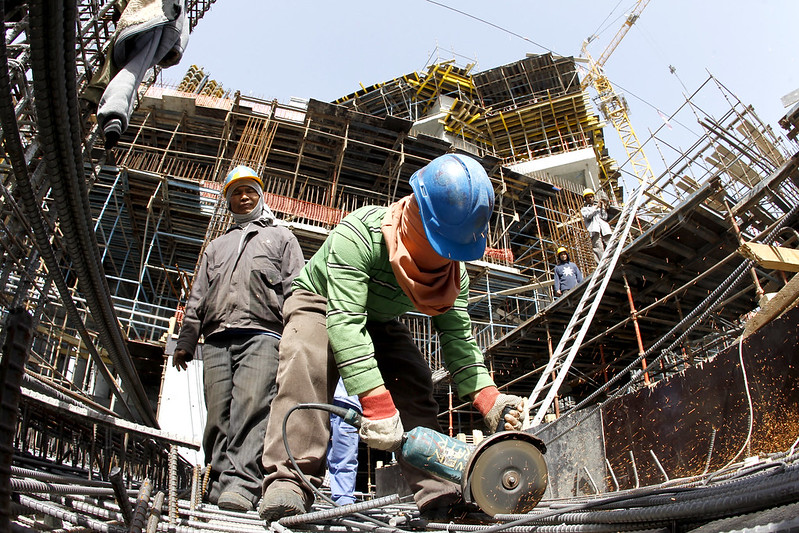
Since Qatar was awarded the privilege of hosting the tournament 12 years ago, the nation has poured an estimated $220 billion into construction This includes the building of eight stadiums, several new hotels, rail and highway infrastructure and “expansion of the airport,” Human Rights Watch reports, through the efforts of millions of migrant workers. While FIFA moved the tournament itself to November to protect the athletes from dangerously high heat levels, laborers toiled in extreme conditions of heat.

Though it is impossible to obtain exact numbers, “official Qatari statistics show that 15,021 non-Qataris died in the country between 2010 and 2019.” After contacting five embassies in Qatar (India, Pakistan, Nepal, Bangladesh and Sri Lanka), The Guardian confirmed at least 6,750 deaths of migrant workers in Qatar since FIFA awarded the nation the games. However, this is an underestimation as there are many more countries that have sent workers to Qatar.

Media reports detail inhumane and unsafe working conditions in FIFA World Cup-related projects. These deaths have also put a spotlight on the Gulf region’s “kafala” (sponsorship) system, under which “laborers require their employers’ permission to switch jobs, return home or even open a bank account.” Workers cannot join labor unions or strike and Human Rights Watch has even documented “wage theft by a prominent Qatari construction firm with FIFA-related projects.” It is still standard for many migrant workers to pay inordinate recruitment fees that result in a form of debt bondage.

Restitution and Compensation for Deaths

Officials have blamed thousands of these deaths on “natural causes,” overlooking the harsh inhumane working conditions. According to the U.N. Guiding Principles on Business and Human Rights, affected families have the right to request restitution or financial compensation for the wrongful deaths of their loved ones.

However, when these deaths are attributed to “natural causes” or classified as “non-work-related,” Qatar’s labor law refuses families any compensation. Amnesty International says the Qatari government has neglected to properly investigate these deaths. Economic hardship resulting from these wrongful deaths may push families into debt bondage and increase rates of child marriage and child labor.

Human rights organizations say FIFA is making minimal efforts to prevent these deaths or set acceptable standards of protection for migrant workers. FIFA is disregarding its 2017 Human Rights Policy that pledges to “go beyond its responsibility to respect human rights” by taking “measures to promote the protection of human rights and positively contribute to their enjoyment.”

At the “Managing the Beautiful Game” conference on May 2, FIFA President Gianni Infantino was questioned on whether FIFA supports the families of the workers who perished building FIFA World Cup stadiums. Infantino retorted, “when you give work to somebody, even in hard conditions, you give him dignity and pride,” later adding, “6,000 might have died in other works and so on…[but] FIFA is not the police of the world or responsible for everything that happens around the world.”

Taking Action

A media attaché at the Qatari Embassy highlighted in a November 2022 article that “the World Cup has been a catalyst for Qatar to develop a robust labor program.”

“Reforms include a new nondiscriminatory minimum wage, the removal of barriers to change jobs and the introduction of a worker compensation fund in 2018 that had paid out at least $350 million” at the time of writing.

The International Labour Organization (ILO) confirms this progress, recognizing on November 1, 2022, that Qatar had “undertaken comprehensive labor reforms to improve the conditions of the hundreds of thousands of migrant workers.” The reforms have “yielded benefits for workers, employers and the economy more broadly.”

Individuals and organizations around the world have come together to illuminate the human rights violations occurring in Qatar. Football clubs, players, supporters and celebrities from around the globe even called for a boycott of the 2022 FIFA World Cup Qatar. While there is no true compensation for losses of life, the circumstances have brought the international community together in support of basic human rights.

– Carly Ryan Brister
Photo: Flickr

January 2, 2023
https://borgenproject.org/wp-content/uploads/borgen-project-logo.svg 0 0 Kim Thelwell https://borgenproject.org/wp-content/uploads/borgen-project-logo.svg Kim Thelwell2023-01-02 07:30:032022-12-31 02:01:56FIFA World Cup Qatar Draws Human Rights Controversy
Human Trafficking

4 Facts About Human Trafficking in Panama

Human Trafficking in PanamaAccording to the United Nations Office on Drugs and Crime (UNODC), human trafficking is the “third most lucrative business for organized crime,” and the 2021 Global Organized Crime Index has shown that Central America has become a hub for the world’s “most profitable criminal economies.” However, Panama is one of the countries in the region working towards fighting human trafficking, In 2019, there were 61 detected cases of human trafficking compared with 46 in the previous year. These are four essential facts to know about human trafficking in Panama.
4 Facts about Human Trafficking in Panama

  1. The Darien Gap – The Darien Gap is the uninhabitable rainforest region separating Colombia and Panama. Every year, thousands of migrants attempt to reach the United States and North America in hopes of fleeing civil unrest and violence. According to UNICEF’s 2022 records, around 32,500 children have walked through this region, with half being younger than 5 years old. The hostile terrain and lack of infrastructure have made the journey one of the most dangerous routes where lawlessness is rife. Additionally, this has been a route for human trafficking since 2010.
  2. Targeted Demographic – According to the United Nations Refugee Agency (UNHCR), there are roughly 13,000 refugees and asylum seekers in Panama, which leaves thousands at risk of being exploited. Venezuelans (as of October 2022, there are approximately 145,9000 living in Panama) and Haitians fleeing civil unrest (who accounted for 80% of those trying to cross the Darien Gap in 2021) make up a substantial portion. The agency is committed to protecting their rights and helping those at risk. In 2022, for example, more than 2,300 refugees received multipurpose cash vouchers which helped meet basic needs. Many victims of human trafficking in Central America were women and girls experiencing sexual exploitation. A submarket has been identified in Panama where women are “trafficked from far afield to cater for wealthier interests.”
  3. Trafficking Victims Protection Act of 2000 (TVPA) – The TVPA is a U.S. law that gives the government resources to “mount a comprehensive and coordinated campaign to eliminate modern forms of slavery domestically and internationally.” Panama currently has a Tier 2 which means that the government is not meeting the minimum requirements to eradicate human trafficking in the country but is making significant improvements.
  4. The ‘3 P’s’ Framework: Protection, prosecution and prevention are TVPA assessment criteria. The U.S. Department of State publishes a report annually, an assessment of the country’s attempts to reduce human trafficking. The report also outlines example methods for each section of the framework. Panama has the most success under the prevention section. These actions included: raising awareness in 2020 through seminars, television and radio channels, a public phone hotline (311) for people to report cases, and increased coordination meetings.

Solutions

TVPA is just one example of an essential piece of legislation currently in place to tackle human trafficking in Panama. Governments and global organizations are coming together to raise awareness and actively change rates of human trafficking. Below are two examples of campaigns working within Panama to do so.

  • The International Organization for Migration (IOM) – The IOM is a United Nations organization with operations in Panama. Its purpose is to execute projects that prevent human trafficking and improve security. For example, in June 2021, training sessions were organized to raise awareness for government officials and officers at entry points. Over 100 civil servants in different regions in Panama were trained. Idiam Osorio (an IOM Senior Project Assistant based in Panama) has spoken out in favor of educating and training officials, especially as it is ‘’one of the great challenges in the fight again human trafficking.’’ Health, legal support, emergency, and post-crisis support are other areas in which the IOM supports vulnerable communities.
  • The Blue Heart Campaign against Human Trafficking – Panama joined this campaign in 2014 to raise awareness against human trafficking, becoming one of 30 countries officially supporting this program. The Blue Heart Campaign is the leading advocacy campaign of UNODC. The method of raising awareness is through sharing stories and testimonies of victims. Mobilization of key organizations (such as governments, NGOs and the media) is another significant aim of the movement to combat human trafficking in Panama. For example, Rodolfo Aguilera (Minister of Public Security) and Aldo Lale-Demoz (UNODC Deputy Executive Director Aldo Lale-Dermoz) launched this campaign together with other officials present in Panama. President Juan Carlos Varela signed the Blue Heart Pact to symbolize his administration’s pledge to tackle trafficking. The logo is also important to note because it represents solidarity with victims and the cold-heartedness of criminals. The U.N.’s brand color is blue, again showing the U.N.’s dedication to the campaign.

Current actions toward change seem promising. Hopefully, in the future, human trafficking in Panama will be eradicated and meet all the criteria of Tier 1 of TVPA by implementing systems that will prevent future cases for good.

– Taran Dhillon
Photo: Flickr

January 1, 2023
https://borgenproject.org/wp-content/uploads/borgen-project-logo.svg 0 0 Kim Thelwell https://borgenproject.org/wp-content/uploads/borgen-project-logo.svg Kim Thelwell2023-01-01 07:30:432024-05-30 22:30:404 Facts About Human Trafficking in Panama
Global Poverty, Human Trafficking

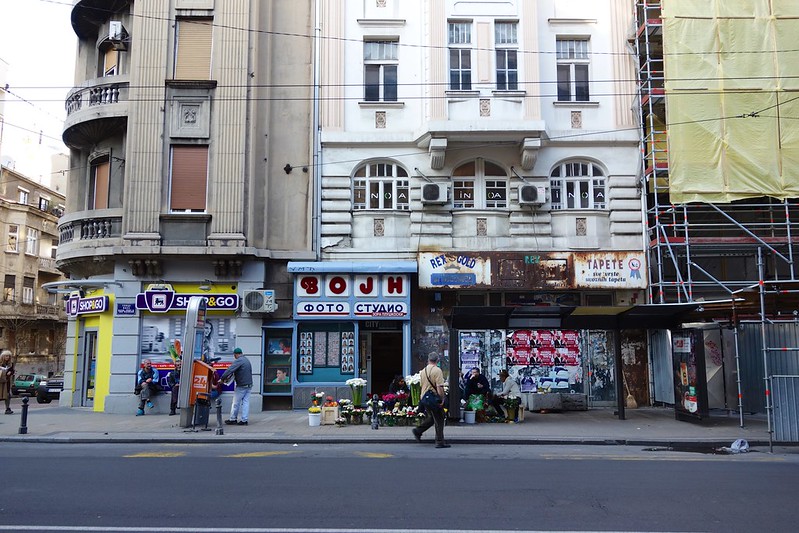
Human Trafficking in Serbia

Human Trafficking in SerbiaAccording to the U.S. Department of State’s 2021 Trafficking in Persons Report, Serbia ranks as a Tier 2 country, which means “the Government of Serbia does not fully meet the minimum standards for the elimination of trafficking [in relation to the Trafficking Victims Protection Act of 2000] but is making significant efforts to do so.” The U.S. Department of Justice defines human trafficking as “a crime that involves the exploitation of a person for labor, commercial services or sex.” According to the NGO Atina, “Serbia is [a] source, transit and destination country for children, women and men trafficked for the purpose of sexual and labor exploitation, coercion to commit crimes, forced begging and forced marriage.”

Poverty and Human Trafficking

Human trafficking is more common in countries with higher poverty rates as lack of money/resources is one of its driving factors. Economic deprivation makes individuals more vulnerable to human trafficking as many impoverished people are desperate to find a way out of poverty. Low-income families sometimes resort to sending their children away with seemingly trustworthy people promising to provide the education and resources needed. Serbia is one of those developing countries where the poor state of the economy contributes to the prevalence of human trafficking. The country had a poverty rate of 21.7% in 2019, according to the World Bank, and an unemployment rate of 10.1% in 2021.

Types of Human Trafficking in Serbia

Human trafficking in Serbia involves men, women and children. However, women and children are the most vulnerable, representing the majority of victims. The targets are both domestic and foreign, with Roma children in Serbia being more likely to fall prey to human traffickers. This is a consequence of the discrimination and marginalization of the Roma community. Unfortunately, the majority of the Roma population also faces difficulties accessing social protection, decent housing and other essential resources.

Usually, Serbian women are trafficked in sex work all over Europe, particularly in Turkey, Austria, Germany and Italy. Men, on the other hand, are mainly forced to work in labor-intensive sectors, whereas children are pushed into “sex trafficking, forced labor, forced begging and petty crime.” According to the 2021 TIP Report, “thousands of migrants and refugees from the Middle East, Africa, and Asia transiting through or left stranded in Serbia are vulnerable to trafficking within Serbia.”

According to the 2021 TIP Report, courts and judges are often lenient toward defendants accused of human trafficking and forced labor, with some judges displaying victim-blaming attitudes and prejudices, especially toward vulnerable groups and Roma people.

Serbia Takes Action

Over the last few years, the Serbian government has increased national spending on anti-human trafficking efforts. For instance, the government gave $240,080 to the Center for Protection of Trafficking Victims (CPTV) and the Urgent Reception Center (URC), a sharp rise in comparison to the $31,320 contribution in 2019.

The government has also implemented awareness campaigns and stepped up law enforcement efforts. In 2020, Serbian authorities prosecuted 42 defendants for sex trafficking and forced labor under article 388, a reduction from 47 prosecutions in 2019. Serbia has set penalties of up to 12 years for such criminals and convicted 18 traffickers.

In order to investigate forced labor, the Ministry of Interior founded a new investigation unit in 2019. The COVID-19 pandemic had, however, delayed trials and negatively impacted police investigations, which are crucial in the battle against human trafficking.

Atina Fights Human Trafficking in Serbia

Founded in 2004, NGO Atina is committed to fighting human trafficking in Serbia. The organization employs a strategy comprised of five components: victim protection, prevention, social enterprise, capacity strengthening and policymaking/advocacy.

Atina founded the social enterprise Bagel Bejgl as a means of providing girl refugees, migrants and trafficking victims with an opportunity to achieve economic independence. Atina director Marijana Savic said on the NGO’s website that the girls also learned valuable skills while working in the bagel shop to take forward into future employment.

Looking Forward

The Serbian government’s efforts to address human trafficking are a step in the right direction in order to secure a better future for the country’s most vulnerable people. Furthermore, Serbia has seen an improvement in the state of the economy with a GDP growth rate of 7.4% in 2021 in comparison to -0.9% in 2020. A stronger economy may allow the country to provide vulnerable citizens with stronger social safety nets and raise living standards in Serbia. With less poverty, citizens will be less vulnerable to the conditions of modern slavery and forced labor.

– Caterina Rossi
Photo: Flickr

January 1, 2023
https://borgenproject.org/wp-content/uploads/borgen-project-logo.svg 0 0 Kim Thelwell https://borgenproject.org/wp-content/uploads/borgen-project-logo.svg Kim Thelwell2023-01-01 01:30:152024-05-30 22:30:39Human Trafficking in Serbia
Global Poverty, Human Trafficking

Human Trafficking in the Maldives

 Human Trafficking in Maldives
The Maldives is a small island nation in the Indian Ocean that is known for its luxurious vacations. Behind its image of pristine waters and resorts, the country fights against the human trafficking of its people and foreigners. Since 2012, when the Maldives became a member of the International Organization for Migration (IOM), the government has increased efforts to meet international standards in eliminating human trafficking in the Maldives. In 2013, it built on this initiative by passing a bill that criminalized human trafficking and identified fraudulent recruitment, forced labor and sex trafficking as human trafficking.

Human traffickers in the Maldives target and exploit both domestic and foreign workers. Nearly one-third of the Maldives’ population are migrant workers, mainly from Bangladesh and India, who serve in the construction and service sectors. The fraudulent recruitment of undocumented and documented migrant workers leads to the confiscation of identity and travel documents and debt. These false recruitment agencies work with employers and agents in the Maldives to force migrant workers to work with little to no pay. Other victims of human trafficking include Maldivian children and women. They end up in criminal enterprises in which criminal gangs use them to transport drugs. Maldivian and other South Asian women end up in the Maldives under the false pretense of tourism experience.

The Effects of COVID-19

When COVID-19 hit the Maldives in 2020, the inhumane working conditions and treatment of migrant workers worsened. According to the U.S. Department of State’s 2020 Trafficking In Persons report, there were approximately more than 230,000 migrant workers in the Maldives in 2020. Migrant workers often live in cramped collective living accommodations with limited access to water, sanitation and health care. One of those shared accommodation blocks in the capital of Malé experienced 95 positive COVID-19 cases all at once.

As COVID-19 relief rolled out, the government redirected financial and personnel resources away from anti-trafficking efforts as operations focused on the pandemic. This delayed the prosecution of trafficking crimes and the Maldivian government did not convict any traffickers for the second consecutive year. According to the 2022 Trafficking In Persons Report, 27 recruitment agencies were under investigation by the Maldives Police Service (MPS) and Anti-Corruption Commission (ACC). Maldivian authorities are working now with fewer resources due to the pandemic. Hence, foreign and national companies have been called upon to support human rights and stop human trafficking in the Maldives.

A New Action Plan

On March 30, 2020, the Maldives designed the Anti-Human Trafficking National Action Plan to adapt to the reduced resources and accelerate efforts to eliminate human trafficking in the Maldives. The National Anti-Human Trafficking Steering Committee (NAHTSC) oversees the national action plan and focuses on coordinating with the government in its efforts to combat human trafficking. The International Organization for Migration (IOM) and the United States government are both international partners to the NAHTSC. These organizations provided technical assistance and guidance in the formulation of the Anti-Human Trafficking National Action Plan. The action plan’s goal is to achieve three outcomes:

  1. Enhance Anti-Trafficking in Persons Legislation & Policies
  2. Enhance Anti-Trafficking in Persons Sensitization & Awareness
  3. Enhance Anti-Trafficking in Persons Monitoring, Enforcement & Training

Status as of 2022

The U.S. Department of State’s Office to Monitor and Combat Trafficking In Persons categorizes the Maldives as a Tier 2 country. This means that although the government is making significant efforts to eliminate trafficking, it still has not met minimum standards. The Government of Maldives’ efforts during the year 2022 includes criminalizing all forms of sex and labor trafficking, increasing prosecutions of government officials and regulating the presence of foreign workers in the Maldives.

The Maldivian government remains dedicated to implementing anti-trafficking and prevention efforts. However, they still have work to do as the number of foreign workers (specifically the Bangladeshi and Indian workers) trafficked to the Maldives remains high. This persists despite a decrease in the number of overall trafficking investigations and zero reported convictions for the second consecutive year. In addition, a shelter for trafficking victims created in 2021 remains inoperable with no official standard operating procedures (SOPs) to refer victims for support and care services.

Moving Forward

In the 2022 Trafficking in Persons Report for the Maldives, the U.S. Department of State laid out recommendations to further reduce human trafficking in the Maldives. Currently, the areas of victim identification and protection remain weak. It recommends establishing a working trafficking victim shelter with consistent protection services and support for foreign victims. Recommendations include anti-trafficking materials and the availability of support in appropriate languages for migrant workers. Other recommendations for 2023 also involve identifying indicators of human trafficking and holding employers and recruitment agencies accountable for labor violations. Some have also asked the government to increase its cooperation with migrant source countries by establishing memoranda of understanding (MOUs) and monitoring resort and guest homes.

The laws that are already in place serve as a solid foundation for increasing preventative, protective and prosecutive measures that the U.S. Department of State recommends. In addition to these laws, the government’s work is also supported by Non-Governmental Organizations (NGOs) like Mission for Migrant Workers Maldives (MMWM), the first NGO to work exclusively with migrant workers experiencing human-rights violations. With the foundational laws, the incorporation of recommendations and the work of local NGOs, the Maldives can make significant moves toward eliminating human trafficking.

 – Arden Schraff
Photo: Flickr

December 29, 2022
https://borgenproject.org/wp-content/uploads/borgen-project-logo.svg 0 0 Jennifer Philipp https://borgenproject.org/wp-content/uploads/borgen-project-logo.svg Jennifer Philipp2022-12-29 01:30:342022-12-16 08:03:16Human Trafficking in the Maldives
Global Poverty, Human Trafficking

Human Trafficking in Montenegro 

Human Trafficking in Montenegro
Montenegro is a country located in the Balkan peninsula. Montenegro has close ties and relations with Serbia. Along with corruption and organized crime, human trafficking is a very common enterprise throughout the country. Due to the frequency of human trafficking in Montenegro, The U.S. Department of State classifies the nation as a Tier 2 country.

Human Trafficking in Montenegro

Because of the prevalence of human trafficking in Montenegro, everyone living there and in surrounding Balkan countries is extremely vulnerable to becoming a victim. Traffickers smuggle people of all genders and ages into Montenegro from nearby Balkan countries. Trafficking victims often become street beggars and forced laborers.

In 2020, the U.S. Department of State identified 48 victims of human trafficking in Montenegro. This is an uptick from the 39 official victims in 2019. Of those 48 victims, at least 46 individuals ended up in forced labor. Of those 46, seven became beggars. Meanwhile, 17 of the 48 victims were female, 31 were male and at least seven were children.

According to the U.S. Embassy in Montenegro, women and girls from Montenegro are more likely to be victims of sex trafficking. In Montenegro, Roma teenagers have often worked as prostitutes and at least a few of them were sex trafficking victims. Boys and men, on the other hand, are more likely to become forced laborers. Since the construction industry is rapidly growing in Montenegro, traffickers are moving more boys and men from foreign countries to work in Montenegro’s booming industry.

Aida Petrovic, the founder and executive director of Montenegro Women’s Lobby – a non-governmental agency that helps to support victims of trafficking in Montenegro – found that traffickers were forcing girls as young as 13 into forced prostitution. These were not isolated findings, however, as Petrovic also found that the majority of the victims of forced prostitution were underaged.

Addressing the Problem

Since the U.S. Department of State ranked Montenegro as a Tier 2 country, many preventive measures have been put into place to address human trafficking in Montenegro. In 2011, the government established a hotline to support victims of human trafficking. In 2020, the support hotline received at least 1,657 phone calls. About five possible victims of human trafficking also made calls to the hotline. Moreover, the Ministry of Finance and Social Welfare opened a new shelter for trafficking victims in 2020. For this new shelter, the Ministry of Finance and Social Welfare allocated $82,860, including $49,080 in operating expenses and up to $310 per month for every victim living at the shelter.

In 2019, Maria Grazia Giammarinaro, U.N. Special Rapporteur on trafficking in persons, introduced new operational strategies in collaboration with the International Organization for Migration to help identify trafficking victims. She also helped develop “guidance on the implementation of the non-punishment of victims” in collaboration with the Organization for Security and Cooperation in Europe (OSCE). Lastly, a fund dedicated to compensating victims also underwent establishment.

The Road Ahead

It is imperative that victims of human trafficking receive psychological, financial and medical support for the trauma they have endured. The government of Montenegro is making strides in helping victims and preventing future trafficking, but it still has a long way to go in its fight against human trafficking.

– Yonina Anglin
Photo: Flickr

December 20, 2022
https://borgenproject.org/wp-content/uploads/borgen-project-logo.svg 0 0 Jennifer Philipp https://borgenproject.org/wp-content/uploads/borgen-project-logo.svg Jennifer Philipp2022-12-20 01:30:272022-12-14 13:25:36Human Trafficking in Montenegro 
Global Poverty, Human Trafficking

UN Solutions to Human Trafficking in Moldova

Human Trafficking in Moldova
Human trafficking in Moldova is a particularly serious issue that corruption and the coronavirus pandemic have worsened. The U.S. State Department assigns different tiers to countries in its 2021 Trafficking in Persons report, with Tier 1 countries being the ones that have been most resistant to human trafficking through prosecution, prevention and protection for victims. Moldova is listed as a Tier 2 country.

Obstacles

Moldova’s classification demonstrates that the nation has taken steps to address the issues of human trafficking while not being entirely compliant with U.S. State Department guidelines. Moldova has begun “prosecuting more suspected traffickers, developing a new national referral mechanism (NRM), open[ed] a center for male trafficking victims, and commence[ed] construction of a center for child victims and witnesses of crime, including trafficking.” However, while human trafficking has been an interest of the Moldovan government, COVID-19 has severely undermined new prosecutorial programs as many state employees are “working remotely” and “In March 2020, the government closed courts and did not reopen them until June 2020.”

Secondly, corruption has been a significant limiting force to prosecutorial and preventative efforts. Specifically, even though government employees had received accusations of complicity in human trafficking, the government did not investigate or prosecute anyone. Unfortunately, Moldova failed to meet various “minimum standards” that the State Department set, as authorities in Moldova have recently “investigated, convicted, and identified fewer trafficking victims overall.”

UN Aid and the Centre

Luckily, the U.N.’s International Organization for Migration (IOM) has taken steps to protect Moldovan human trafficking victims and to aid them in reassembling their lives. Beginning in 2003, the IOM  implemented a “comprehensive Prevention and Protection Programme.” The primary agent of this mission is the Assistance and Protection Centre, which acts as a refuge center for trafficking victims. The Centre offers an incredible array of services to victims of human trafficking in Moldova, including medical, psychological, social, legal and recreational aid.

Personal Stories From the Centre

The IOM also presents a variety of personal stories relating to the Centre and gives examples of how donated funds may help aid victims. For instance, the IOM webpage on the Moldovan Centre relayed the story of Natalia, whose traffickers offered domestic work in Turkey before they kidnapped her and forced her into providing sexual services. The IOM also indicated how funds can help people like Natalia repair their lives, specifically in regard to obtaining copies of documents and relevant records necessary for employment and travel. The IOM also identified how funds can aid victims materially, specifying that “A donation of US $250 will buy clothes and shoes for a victim like Natalia.”

This type of assistance is especially significant considering that many of Moldova’s trafficking victims in the past have been young migrant women lured with fake passports from neighboring regions such as Romania and Ukraine, and the program previously installed to train Moldovan-Ukrainian border checkpoint officials to screen for signs of trafficking ended in 2016. Trafficking victims are not only often victims of poor migration infrastructure but also of prejudice, as “The undocumented or stateless population, including the Romani community,” are especially at risk.

The 2022 Trafficking in Persons report on Moldova concludes that of 312 identified trafficking victims, traffickers trafficked 277 for the purposes of forced labor, and the majority of victims were girls. Despite the limits of Moldovan intervention, the IOM reported fantastic results, claiming that it and the Centre aided 3,403 victims, including 337 children by the end of 2017. This is a noteworthy result as Moldova only reported “341 trafficking victims” in 2019.

Looking Ahead

Evidently, human trafficking in Moldova is a multifaceted issue without simple solutions, however, work that international organizations such as the IOM and its affiliated programs have provided helps victims of human trafficking in Moldova to recover a semblance of stability in their disrupted lives. Corruption and the COVID-19 pandemic have evidently hindered Moldova’s efforts to combat human trafficking, which demonstrates the necessity of international intervention through aid.

– Braden Hampton
Photo: Flickr

November 13, 2022
https://borgenproject.org/wp-content/uploads/borgen-project-logo.svg 0 0 Jennifer Philipp https://borgenproject.org/wp-content/uploads/borgen-project-logo.svg Jennifer Philipp2022-11-13 07:30:542022-11-09 08:01:11UN Solutions to Human Trafficking in Moldova
Global Poverty, Human Trafficking

Human Trafficking in Chad

Human Trafficking in Chad
The United Nations Office on Drugs and Crime (UNODC) defines human trafficking as “the recruitment, transportation, transfer, harboring or receipt of people through force, fraud or deception, with the aim of exploiting them for profit.” Incidents of human trafficking are more prevalent in areas enduring high rates of poverty as poverty makes people more susceptible to the lure of trafficking. Human trafficking in Chad, in particular, is a cause of concern due to Chad’s ranking as a Tier 2 Watch List country.

Human Trafficking in Chad

The U.S. Department of State ranks Chad as a Tier 2 Watch List country in 2021 as the nation “does not fully meet the minimum standards for the elimination of trafficking but is making significant efforts to do so.” Due to conflict and instability in surrounding countries, the Department of State said that Chad hosted “approximately 930,000 refugees, internally displaced persons, returnees and asylum seekers as of February 2021.” These groups are particularly susceptible to becoming trafficking victims “based on their economic instability and lack of access to support systems.”

Human trafficking in Chad disproportionately affects women and children. Girls are the most susceptible as some girls are “forced to marry against their will,” making them vulnerable to situations of sexual abuse and “exploitative domestic work.” Human trafficking commonly affects most children in the form of child labor despite government policies attempting to restrict this practice. Based on data from 2019, the Bureau of International Labor Affairs recorded that approximately 45.8% of children ages 5 to 14 engage in child labor in Chad.

Efforts to End Human Trafficking

In 2020, Chad made advancements to end the worst forms of human trafficking. The Government of Chad created a country-wide anti-human trafficking committee to prioritize human trafficking cases. To raise awareness of the issue, the government utilized social media and radio campaigns. The Ministry of Women, Family and National Solidarity, in collaboration with local organizations and a global group, ran “transit centers that served as temporary shelters throughout the country.” These temporary shelters gave “housing, food and education to victims of gender-based violence and other crimes, including potential victims of trafficking,” the Department of State reported.

However, the U.S. State Department reports that the Chadian government “did not report investigating, prosecuting or convicting any confirmed trafficking cases.” The government also did not designate members of the national anti-trafficking committee, leaving the group potentially without authority.

Existing Solutions

Because there are links between human trafficking and poverty, the prevalence of human trafficking in Chad could reduce with efforts to minimize the country’s poverty rate. According to the World Bank, about 43% of Chad’s population lived under the national poverty line in 2018.

Despite a lack of advocacy-based organizations and NGOs, Chad has developed legislation to eliminate human trafficking. The U.S. Department of State reported that “Law 006/PR/2018 on Combatting Trafficking in Persons criminalized sex trafficking and labor trafficking.” Furthermore, “Article 7 of Law 006/PR/2018 prescribed penalties of four to [30]years imprisonment and a fine of 250,000 to 5 million Central African francs.”

Looking Ahead

Chad, weakened by poverty and ineffective government policies, is facing several difficulties when attempting to reduce the presence of human trafficking. Despite this, there is still hope. Through international funding, the government of Chad can receive assistance to take action against human trafficking violations and develop an effective refugee camp system. Overall, Chad has the ability to fight against poverty and human trafficking.

– Sania Patel
Photo: Flickr

November 10, 2022
https://borgenproject.org/wp-content/uploads/borgen-project-logo.svg 0 0 Kim Thelwell https://borgenproject.org/wp-content/uploads/borgen-project-logo.svg Kim Thelwell2022-11-10 07:30:252022-11-07 07:27:51Human Trafficking in Chad
Global Poverty, Human Trafficking

The Fight to End Human Trafficking in Togo

Human Trafficking in TogoBetween Ghana and Benin lies Togo, a small country in West Africa, composed of 41 different ethnic groups. With a current population of 8.8 million, it is estimated that nearly half of Togo’s population falls below 18 years of age. Unfortunately, Togo is also known as a major hub for human trafficking operations, as a source, transit and destination for victims.

Human Trafficking in Togo

Tragically, the western border of the Plateau region is often used by traffickers because it provides easy access to major transportation routes between Lomé and Accra. Reports indicate that most Togolese trafficking victims are children who become subjected to either forced labor or prostitution. NGOs and government officials report that devissime markets, meaning ‘small girls markets’ or ‘child markets’ exist in Lomé and elsewhere in the country.

The trafficking networks in Togo are predominantly community-based and organized loosely by local actors. Often, the traffickers visit rural areas in the north and central regions of Togo. They usually target impoverished families in need of money. Reports indicate that the traffickers promise the parents employment for the children and offer an advanced payment. Then, they transport the minors to Lomé, where the children become immersed in forced labor and sex markets. COVID-19 travel restrictions economically hindered Togolese families in the service and retail sectors, leaving them even more vulnerable to exploitation. As a result, the majority of trafficking victims are children from economically disadvantaged families.

Fighting Human Trafficking in Togo

In recognizing the prevalence of human trafficking across the globe, Congress passed the Victims of Trafficking and Violence Protection Act of 2000, establishing guidelines and anti-trafficking policies in order to prevent trafficking, protect trafficking victims and prosecute traffickers. Togo is ranked on the Tier 2 watchlist because the government does not meet the minimum standards for eliminating trafficking.

Unfortunately, Togo’s government has not updated its anti-trafficking National Action Plan NAP since 2008. However, in 2020, Togolese officials finalized Togo’s five-year NAP on child labor which partially addresses human trafficking in Togo. Furthermore, the 2022 Trafficking in Persons Report from the U.S Department of State cites that Togolese authorities have prosecuted and convicted more traffickers than in previous years. Togo’s government has also continued an awareness-raising campaign and established a national anti-trafficking committee to coordinate efforts.

Providing Support to Victims

La Conscience, a humanitarian organization, located outside Togo’s capital city of Lomé in Ahépé Kpowla aims to protect human trafficking victims and prevent trafficking from occurring through an integrated service delivery approach. La Conscience provides housing, psychosocial services, educational and financial support and reintegration programs for young human trafficking victims. In order to ensure enrollment in school, La Conscience organizes mobile court hearings with local leaders and judges to obtain birth certificates. The organization also works closely with police and border officers to rescue children that are trafficked. To date, La Conscience’s consistent efforts have helped more than 40,000 people.

The Togolese government’s efforts to combat human trafficking along with nonprofit organizations’ efforts paint a prosperous picture for a future end to human trafficking in Togo.

– Sophie Caldwell
Photo: Flickr

November 8, 2022
https://borgenproject.org/wp-content/uploads/borgen-project-logo.svg 0 0 Jennifer Philipp https://borgenproject.org/wp-content/uploads/borgen-project-logo.svg Jennifer Philipp2022-11-08 01:30:032024-05-30 22:30:27The Fight to End Human Trafficking in Togo
Page 5 of 31«‹34567›»

Get Smarter

  • Global Poverty 101
  • Global Poverty… The Good News
  • Global Poverty & U.S. Jobs
  • Global Poverty and National Security
  • Innovative Solutions to Poverty
  • Global Poverty & Aid FAQ’s
Search Search

Take Action

  • Call Congress
  • Email Congress
  • Donate
  • 30 Ways to Help
  • Volunteer Ops
  • Internships
  • Courses & Certificates
  • The Podcast
Borgen Project

“The Borgen Project is an incredible nonprofit organization that is addressing poverty and hunger and working towards ending them.”

-The Huffington Post

Inside The Borgen Project

  • Contact
  • About
  • Financials
  • President
  • Board of Directors
  • Board of Advisors

International Links

  • UK Email Parliament
  • UK Donate
  • Canada Email Parliament

Get Smarter

  • Global Poverty 101
  • Global Poverty… The Good News
  • Global Poverty & U.S. Jobs
  • Global Poverty and National Security
  • Innovative Solutions to Poverty
  • Global Poverty & Aid FAQ’s

Ways to Help

  • Call Congress
  • Email Congress
  • Donate
  • 30 Ways to Help
  • Volunteer Ops
  • Internships
  • Courses & Certificates
  • The Podcast
Scroll to top Scroll to top Scroll to top