5 Facts About Homelessness in Fiji
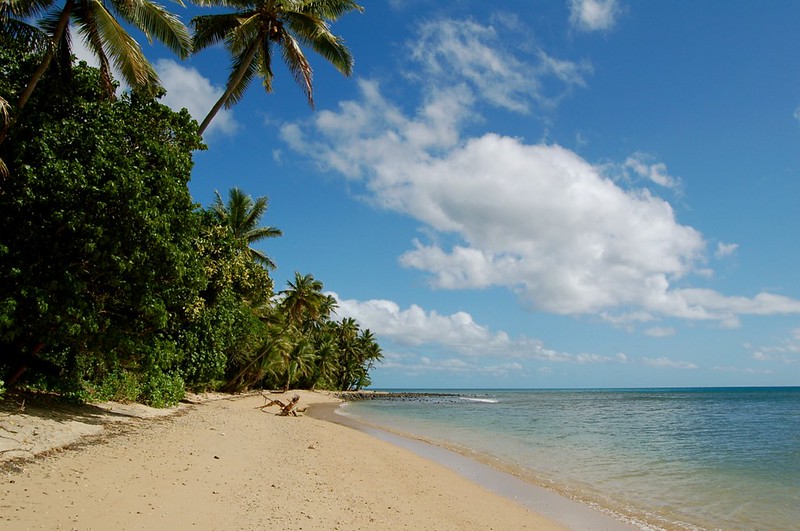 Fiji may be best known for its beautiful beaches and luxury resorts, but it remains a developing country that deals with poverty. In fact, 31% of its population lives below the poverty line and struggles on a weekly basis to meet their needs. This article will look into homelessness in Fiji, some of its causes and why this is such a prevalent issue today.
Five Facts About Homelessness in Fiji
- Poverty in Fiji’s capital: Suva, Fiji’s capital, is home to many of the nation’s homeless citizens. This includes individuals as young as primary school children. Mereseini Vuniwaqa, the Minister for Women, Children and Poverty Alleviation, says those who are homeless are not necessarily in this situation because of medical issues or lack of alternatives. She states that while some people are homeless due to mental illness, others simply moved away from their families for one reason or another. She also shares that this homelessness can be generational.
- High poverty rate: Approximately half a million people residing in Fiji are living in poverty. This plays a big role in the homeless population in regards to a lack of housing along with “unemployment, urban migration, non-renewal of government leases for land, overpopulation of farming areas and the breakdown of traditional village life and culture.” For Fiji to reduce this problem, the country would have to start by building a minimum of 4,200 homes per year. This would significantly help with housing standards but, as a developing country, this is a difficult task.
- Natural disasters: Another factor that is to blame for homelessness in Fiji is its natural disasters. Recently, Cyclone Harold devastated the islands of Fiji, as well as other islands such as the Solomon Islands. This category four storm took place from April 1st through the 11th. While the total number of homes that have been affected remains unknown, at least 46 homes just in the Bouwaqa Village on Vatulele in Fiji have been damaged and 14 have been completely destroyed, leaving dozens of people without a home to go back to.
- Violence against women: Violence against women and girls has caused an increase in homelessness. It was estimated that 84% of young women who fall into these categories experience intimate partner violence and 66% of them have succumbed to homelessness due to their sexual orientation or gender identity.
- Efforts to help: Since the coronavirus pandemic, Fiji has been in lockdown like the rest of the world. One family, however, has taken it upon themselves to continue their mission to feed the homeless. A 12-year-old boy named Junior, his parents and a small team of individuals call themselves “MISSION-1.” Even before lockdown, MISSION-1 would come to the streets of Suva every Sunday and provide food and hot beverages to the homeless. Despite lockdown and the risk of arrest, this team has continued to provide for those who are often forgotten. Australia has also stepped up since Cyclone Harold devastated the Fiji Islands and has sent tents, kitchen supplies, hygiene items, containers for water as well as shelter kits. This is Australia’s way of giving back and thanking Fiji for their support during the Australian bushfires.
With continued help, there is always hope that Fiji’s homelessness rate will begin to decline.
– Stacey Krzych
Photo: Flickr
