• Link to X
  • Link to Facebook
  • Link to Instagram
  • Link to TikTok
  • Link to Youtube
  • About
    • About Us
      • President
      • Board of Directors
      • Board of Advisors
      • Financials
      • Our Methodology
      • Success Tracker
      • Contact
  • Act Now
    • 30 Ways to Help
      • Email Congress
      • Call Congress
      • Volunteer
      • Courses & Certificates
      • Be a Donor
    • Internships
      • In-Office Internships
      • Remote Internships
    • Legislation
      • Politics 101
  • The Blog
  • The Podcast
  • Magazine
  • Donate
  • Click to open the search input field Click to open the search input field Search
  • Menu Menu

Archive for category: Global Poverty

Key articles and information on global poverty.

Global Poverty

Examining Poverty in Scotland

 Poverty in Scotland
At only 19% or roughly 1 million people, Scotland has the second-lowest rate of poverty in the U.K. with only Northern Ireland beating it. What has kept poverty in Scotland lower than in other parts of the U.K.? Moreover, how can the rest of the U.K. learn from it?

Scotland Compared to the Rest of the UK

Scotland’s poverty rate has decreased from 23% in the 1980s to 18% in the mid to early 2000s. The entire United Kingdom sits at a 22% poverty rate and Wales has a 23% rate, while London has the highest rate of poverty of any area in the U.K. In comparison, Scotland has a poverty rate that is 3% lower. Poverty amongst youth is 6% lower in Scotland in comparison to the rest of the U.K., though poverty in Scotland has increased in youth by 3% in the past five years.

Scotland is lower in poverty in comparison to the rest of the U.K. but it is something that could change rather quickly. In February 2020, Scotland pushed for a new budget plan in order to increase the quality of life. The budget included £1.8 billion to help reduce emissions and push for better eco-friendly travel. The budget also set aside £15 billion for health care services, £117 million for mental health support and £180 million to close the attainment gap in schools.

Poverty Levels and Housing

The U.K. has a private renting sector, a larger sector of housing that is a primary source of housing for lower-income households. This housing is under private ownership and has seen a steady increase in cost since 2002. Private renting allows for the owners of said properties to continuously raise prices, putting a strain on lower-income households.

Scotland has not fallen into this trend, providing more social housing instead. Social housing is a form of housing that the government, state or nonprofits regulate to make sure rates stay at an affordable level and to help keep people off the streets.

Social housing allows lower-income households to maintain their homes, without fearing the strain of rent increases. It also allows people to keep themselves out of poverty while they receive support from the government.

In comparison to the rest of the U.K., more lower-income households in Scotland live in social housing than other parts of the U.K. Unfortunately, 45% of households in Scotland live in unfit dwellings, which could be due to household budget restraints.

Scotland has just passed a plan to ensure that all houses provide safe, warm and accessible places to live. The plan will ensure that all houses, whether rented or not, fit a national standard by 2040. This standard will ensure that regardless of how much the place costs, it will offer the same level of comfort and accessibility as other types of housing.

Unemployment and Wages in Scotland

Unemployment has steadily decreased across Scotland in the past 20 years. Additionally, Scotland has seen fewer layoffs while better work compensation has helped people stayed employed.

The U.K. increased wages by 20p in 2020 to £9.50 across the U.K. Scotland, in partnership with Real Living, is working with Scotland’s top employers, Brewdog, SSE and Standard Life Aberdeen to ensure living wages and benefits are in order and to keep those at risk out of poverty above the poverty line. The year 2020 saw an additional £240 million thanks to the partnership with Living Wages to ensure that those in need continue to get benefits as the COVID-19 outbreak continues.

Scotland, while not perfect, is a good example of ways that one’s government can help people get out and stay out of poverty. This kind of support from the government is not necessarily going to erase poverty, but it is pushing in the right direction.

– Claire Olmstead
Photo: Flickr

March 5, 2021
https://borgenproject.org/wp-content/uploads/borgen-project-logo.svg 0 0 Kim Thelwell https://borgenproject.org/wp-content/uploads/borgen-project-logo.svg Kim Thelwell2021-03-05 12:33:542024-05-30 07:56:48Examining Poverty in Scotland
COVID-19, Food Insecurity, Global Poverty

Tackling Food Waste During the Pandemic

Food Waste During Pandemic
The Philippines’ state of emergency during the COVID-19 pandemic has had an impact on farmers. While the new coronavirus guidelines halted city life, they were particularly damaging for individuals living in the lower-income rural parts of the island nation. Farmers primarily inhabited these regions of the Philippines and the new guidelines resulted in their isolation along with their farming businesses’ isolation from the major cities they feed. Luckily, a farmer rose to the challenge to tackle food waste during the pandemic.

COVID-19 Measures

When the first case of COVID-19 broke out in the Philippines in December 2019, the Filipino government had a severely delayed response over the course of four months which led to high and widespread transmission rates throughout major cities such as Quezon City and Manila. The spread quickly reached rural areas and had infiltrated much of the country before the Filipino government took action. Because the response was so late, it had to be immense. In turn, the Philippines declared a state of emergency and granted Filipino President Rodrigo Duterte emergency powers by mid-March; Duterte treated the pandemic as war and took warlike measures to fight the virus by using ex-military leaders to spearhead the pandemic efforts. Under this new state, Filipinos had to enter strict curfew and lockdown, and the country mandated the use of masks and shut down commercial roads, transportation and businesses.

Impacts of the COVID-19 Pandemic on Farmers

Just as the Philippines entered a state of emergency and lockdown took place, many of the Filipino farmers were harvesting the products of the dry season. Without the pandemic, these farmers would typically gather their crops and utilize commercial routes to bring them into the bigger cities. In these urban areas, the farmers would be able to sell their products to larger markets where the farmers could make a larger profit while simultaneously feeding the cities. However, the coronavirus lockdown in the Philippines shut down the major commercial traveling routes, effectively cutting farmers off from their major source of income. Moreover, lockdown prevented farmers from selling off their crops which resulted in a major food waste during the pandemic.

From March 2020 to May 2020, farmers amassed their Spring crops and eventually had to dispose of them due to a lack of consumers. Consequently, massive amounts of edible food underwent destruction while people in the urban areas did not have access to fresh produce. Moreover, Filipino farmers lost tremendous amounts of money by not being able to sell their fruits and vegetables.

Unfortunately, the government leaders did little to assist the movement of produce from rural areas to big cities and largely left Filipino farmers at a loss of money for months. This was particularly detrimental for the farmers because they were losing income while already living in a low-income area; in turn, the farmers’ access to additional job and income opportunities did not exist and made the farmers more vulnerable to falling into deep poverty. Moreover, these farmers became extremely susceptible to the coronavirus as they did not have access to medical resources or personal protective equipment or the money to obtain any medical resources. The pandemic created an extremely unique predicament for the farmers as they were left to fend for themselves against income loss and the spread of the virus.

However, a youth-led initiative fought food waste during the pandemic by providing an avenue of opportunity for these farmers to produce, harvest and sell their products in a manner where they would not experience exposure to the coronavirus while simultaneously maintaining their main source of income.

AGREA: The Road Ahead

Filipino farming organization AGREA saw the struggle that Filipino farmers were facing at the hands of the pandemic and decided to take action. Spearheaded by AGREA CEO Cherrie D. Atilano, AGREA sought to minimize food waste during the pandemic by creating alternative methods for farmers to transport and sell their produce.

Atilano and AGREA organized the #MoveFoodInitiative for many rural villages which sought to engage local communities in the efforts to fight food waste during the pandemic. The initiative mobilized youth food producer groups and local trucker groups which helped ship food from the local farmers to markets in the larger cities. Consumers of these products can easily access a list of fruits and vegetables with their respective prices on an order form, a method of contactless shopping that protects both the producers and the consumers.

AGREA’s #MoveFoodInitiative has become wildly successful as it has helped over 7,000 Filipino farmers reach and sell over 160,000 kilograms of fruit and vegetables to over 50,000 families across the Philippines. Additionally, AGREA has been able to utilize the surplus produce by donating the food to local kitchens that feed frontline medical workers who are fighting the coronavirus pandemic.

While the pandemic temporarily brought a stop to the businesses and livelihoods of many lower-income farmers and created massive food waste, AGREA’s quick work provided relief for farmers, food for consumers, and initiatives for youth groups to strengthen Filipino communities during these trying times. Due to her immense and important work in decreasing food waste during the pandemic, Cherrie d. Atilano has received the title of the Filipina U.N. Summit Food Systems Champion.

– Caroline Largoza
Photo: Flickr

March 5, 2021
https://borgenproject.org/wp-content/uploads/borgen-project-logo.svg 0 0 Lynsey Alexander https://borgenproject.org/wp-content/uploads/borgen-project-logo.svg Lynsey Alexander2021-03-05 12:12:122024-05-30 07:56:33Tackling Food Waste During the Pandemic
COVID-19, Economy, Global Poverty

Economic Growth in Nigeria

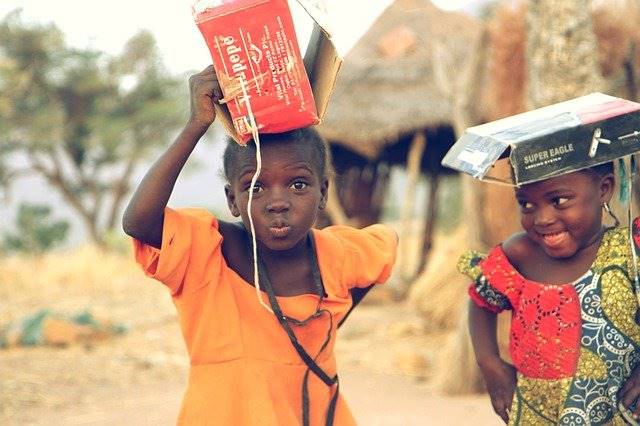
Economic Growth in NigeriaNigeria boasts a population of more than 200 million people who are religiously diverse and rapidly growing. The country houses the largest economy on the African continent. It depends heavily on oil production and oil exports, which comprise 80% of its national revenue. In 2015, the Nigerian economy grew at half the rate of the previous decade due to the global oil price recession. The government acknowledges the necessity of a comprehensive plan for sustainable economic growth in Nigeria.
President Buhari

Despite the Human Rights Watch’s claims of human rights abuses, fighting between the government and terrorist group, Boko Haram, as well corruption both within the government and the oil industry, Nigeria is a rapidly growing and dynamic nation. In 2015, a peaceful transfer of power from incumbent Goodluck Jonathan to Muhammadu Buhari took place after a competitive election. President Buhari is a former military head of state and has made vows to improve the living standards of Nigerians. Furthermore, he wants to fight corruption and boost the economy both through the oil industry and outside of it.

Diversifying and Boosting Nigeria’s Economy

A report put out by the International Finance Corporation and the World Bank found that private sector growth strategies could help Nigeria by attracting outside investment and creating more quality jobs for millions of its citizens. The report states that this strategy will require better policy frameworks and reforms to support sectors outside of the oil industry. Nigeria has pledged to lift 100 million Nigerians out of poverty by 2030, which is becoming increasingly challenging with the impacts of the COVID-19 pandemic. This report highlights a hopeful investment strategy that can help foster economic growth in Nigeria.

Nigeria experienced 11 straight quarters of GDP growth since its recession ended, but growth has stalled given the COVID-19 pandemic. President Buhari has set out to diversify the nation’s economic strategy and has focused on agriculture to achieve the poverty reduction goal. In addition to the agricultural industry, President Buhari has sought to revamp the cotton, tactile and garment industry. Furthermore, the nation has focused its efforts on increasing non-oil exports such as cocoa and sesame seeds. Revenue from these exports grew by $79.4 million and $153 million respectively. These examples serve to show the promise of diversifying and strengthening the Nigerian economy amid unstable times.

The Potential of Agriculture

President Buhari met with the Presidential Economic Advisory Council (PEAC) and stated that his administration is committed to implementing “rapid, sustained, sustainable and inclusive economic growth.” President Buhari focused again on agriculture-based strategies and the utilization of more land throughout the country. Nigeria currently only irrigates about 2% of its land, indicating significant room for agricultural development. Buhari says that raising agricultural productivity is vital to address the disparities between regions and “ensure macro-economic stability.”

The PEAC has pledged to help Nigeria with an approach to eradicating poverty that will be multi-dimensional, focusing on aspects such as access to housing, health, education and employment. President Buhari vowed his commitment to reducing poverty in Nigeria but collaboration from all levels will ensure a comprehensive and effective national response.

– Tatiana Nelson
Photo: Flickr

March 5, 2021
https://borgenproject.org/wp-content/uploads/borgen-project-logo.svg 0 0 Kim Thelwell https://borgenproject.org/wp-content/uploads/borgen-project-logo.svg Kim Thelwell2021-03-05 07:30:382024-05-30 22:23:27Economic Growth in Nigeria
Global Poverty

Environmental Change in Chad

Environmental Change in Chad
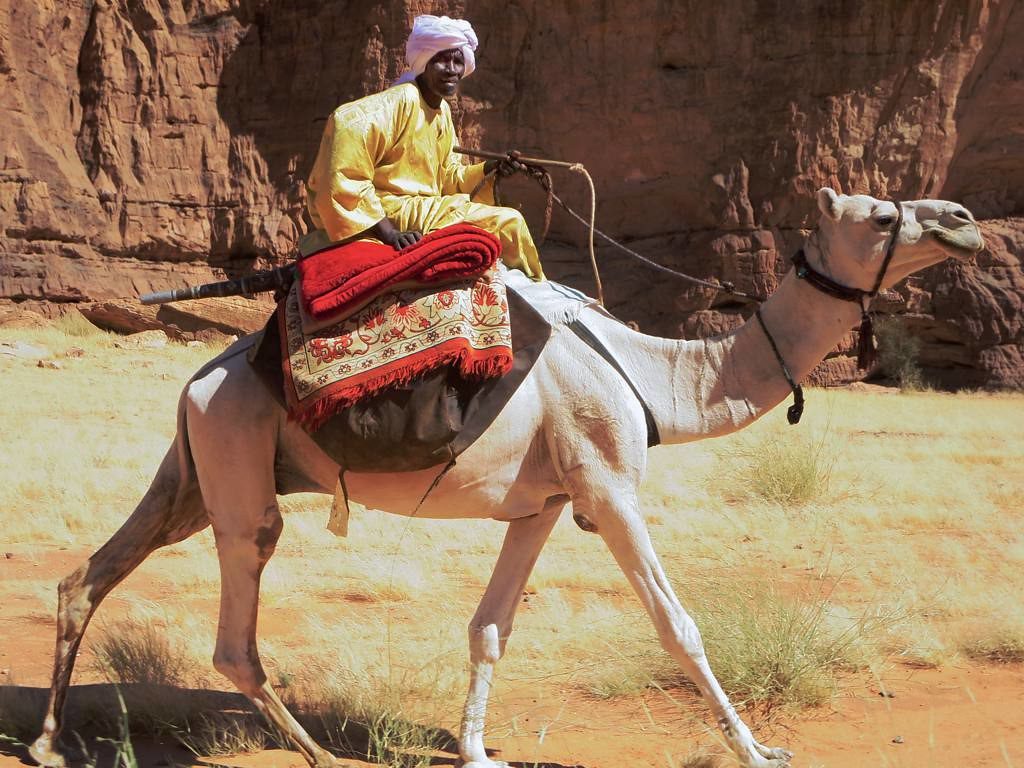
In the 1960s, the country Chad had one of the largest freshwater lakes in the world, Lake Chad. Since then, Lake Chad and the rest of the country have undergone a dramatic environmental change. Environmental change is a widely-understood concept, but too many only know this through media portrayal. Media often presents it as a local rather than a global issue, and solutions tend to suffer from the same presentation. Here is some information about environmental change in Chad.

Lake Chad

Rural communities in the Lake Chad region depend on agro-pastoral and fishing activities. The water loss has made this highly dependent hydro-climate area difficult to live in. Its 430,000 inhabitants have had to adjust to the constant environmental change and new challenges. In the 1980s, the annual maximum flooded area of the lake varied from 25,000 kilometers. Today, that has reduced to 10,000 kilometers.

Correlation between the hydro-climate, increased violence and population growth could provide insight into detection challenges, such as shortfall of agricultural production, and identify solutions to prevent food insecurity. Seasonal changes, lake levels and local rainfall are essential to understanding future adaptations.

Community and Violence

In the 1960s, it was easy to share the water of Lake Chad, but today there is competition for the little water that remains. The rise in extreme weather conditions, which for Chad are primarily heat-related, links to conflict and violence. Moreover, the lack of shade in the area contributes to competition and violence. Human behavior becomes just as complicated as the environment undergoes further destruction. The temperature reaches over 40 degrees Celsius and 100 degrees Fahrenheit. Violence has taken many forms in Chad and has led to the genocide of many Chadians. Here are some examples:

  • Children: The political conflicts have led to extreme violence against children that often results in death. Children are vulnerable to becoming child soldiers and victims of human trafficking. Many children end up orphans because of widespread diseases including AIDS. Those who live in rural areas experience these dangers the most because they often perform work that leaves them alone and vulnerable. Children also suffer from malnutrition and, due to the lack of advanced healthcare and healthcare workers, a high infant mortality rate exists. It is common for women to give birth without the assistance of medical professionals.
  • Religion: Opposing religious groups in Chad have taken matters into their own hands. They are deciding what is sinful and enforcing punishment that results in the death of and violence against young girls. Education has become a source of violent attacks against Chadians as religious groups prevent growing western education in these communities.
  • Poverty: About 63% of Chad’s population lives in poverty. The struggle to find food makes people living in poverty extremely vulnerable to extremism. With such a high percentage of the population struggling to find food day-to-day, community members can also become competitive with one another.

Women

Indigenous women who are suffering from the declining resources due to environmental change in Chad have taken lead in promoting change, using their own experiences as examples of the consequences of a deteriorating climate. Illiteracy among Chadians affects 32% of the population, as does the scarcity of medical health care workers. Large-scale agriculture is not directly affecting Chad, since it is practically non-existent. While it is true the men control what happens within these communities, women are often the heads of the family. In terms of the number of challenges that they struggle with to solve to protect their families, they are better able to provide insight into the needs of their communities.

The shifting climates often mean that the men who do work have multiple livelihoods as the seasons change. Women and children have to adapt to finding water and natural remedies to illnesses. Many often overlook their significance and not just in their communities. Some also see them as victims, as opposed to the communities who work hard to adjust to changes that are a result of their environmental degradation. Women have both knowledge and experience that provides the world with opportunities to better understand the importance of protecting and caring for the environment. In many instances, the communities have already learned to survive.

The future of Chad will depend on preventative measures and promoting peace. One should not interpret violence in communities as the fault of the community, but rather the community’s need to survive. It is difficult to maintain reason when fighting for one’s own life and one’s family. Understanding communities in countries such as Chad not just as unfortunate but as an example of the urgency for change in how the world approaches environmental change and solutions.

World For TCHAD

Guy Boypa is the founder of World for TCHAD. He was born in Chad but spent most of his life in France. When he visited Chad as an adult, he found his friends and family living in ruins due to lack of water and harsh living conditions. Boypa initiated the change he wanted to see as many women have been taking action in pursuit of change.

World for TCHAD is working in Chad to provide wells that make free water obtainable to Chadians, in addition to collecting donations to provide children and families with education and self-care supplies. Local French artists, including musicians and comedians, stay involved and raise awareness in the French community. Aligning with the 2030 Sustainable Development Goals (SDGs), World for TCHAD is addressing environmental change while taking action. The organization recognizes the burden this is particularly on women and children who take on the pursuit to collect water every day.

So far, the organization has provided over 20,000 Chadians with clean drinking water from 26 wells, with the 2021 goal of adding 10 more. It is currently active in Chari-Baguirmi and Hadjer-Lamis regions and plans to expand into the Mayo-Kebbi East region. Between 2014 and 2015, 208 community wells were drilled and 14 human motor pumps supplied 13,000 villagers. About 74% of Chadians currently have access to unclean and unhealthy drinking water. World for TCHAD wants to provide for more than half of them.

– Zoe Schlagel
Photo: Flickr

March 5, 2021
https://borgenproject.org/wp-content/uploads/borgen-project-logo.svg 0 0 Jennifer Philipp https://borgenproject.org/wp-content/uploads/borgen-project-logo.svg Jennifer Philipp2021-03-05 07:30:312024-05-30 07:55:59Environmental Change in Chad
Global Poverty, Philanthropy

Musicians Dedicated to Helping Those in Need 

Musicians Helping Those in Need
One can consider musicians the creators of the soundtrack of life. Through the art that musicians create, millions of people can find joy and excitement. However, their influence does not end there. Musicians have consistently played a prominent role in helping people in need around the world. From Jimi Hendrix to Nina Simone, recording artists have been pivotal in bringing awareness to numerous important issues and causes whether it be through their music or the work outside of their music. The philanthropic endeavors of musicians have provided support for countless individuals. The immeasurably popular creations of musicians provide them with opportunities to reach areas others may not be able to and extend much-needed support to the vulnerable and impoverished. Below are a few dedicated musicians helping those in need.

Madonna

People possibly know Madonna the best for her legendary pop hits and iconic fashion style. For decades, people around the world have emulated the pop star’s unforgettable looks. Her dedication to her artistry is undeniable, but another passion for the singer/performer is giving. Raising Malawi, established in 2006, focuses on orphaned and vulnerable Malawian children. Since its foundation, the nonprofit organization has built 10 schools throughout Malawi. Another notable achievement from the Raising Malawi organization is the scholarship and psychosocial program that has provided for the 20 young Malawians featured in the “I Am Because We Are” documentary film.

Madonna’s charitable efforts extend beyond her Raising Malawi organization. The year 1998 saw the beginning of The Ray of Light Foundation, named after the singer’s seventh studio album. The Ray of Light Foundation centers on supporting organizations that are dedicated to promoting peace, equal rights and education for all. The Foundation has been incredibly successful in its many efforts. In Afghanistan, the Ray of Light Foundation has assisted 133,824 patients through health clinics that the Foundation established. In addition, mobile literacy classes that the organization funded educated 335 women, and the nonprofit provided 95,542 patients with health education. With these charitable organizations, Madonna consistently proves her dedication to helping those in need.

Rihanna

Rihanna has attained astronomical success in her nearly two-decade-long career. The Barbadian pop star has attained numerous accolades and awards that have placed her in the same league with musicians far beyond her years. While these achievements are significant, they almost pale in comparison to the incredible impact of the singer/business woman’s philanthropic endeavors. Rihanna’s charitable efforts date back to 2006 with the Believe Foundation which provides financial, medical, educational and emotional support to terminally ill children. Another cause that Rihanna has lent her hand to is the fight against HIV/AIDS in multiple collaborations and campaigns with brands like MAC Cosmetics and H&M.

In 2012, Rihanna launched the Clara Lionel Foundation (CLF) in honor of her grandparents Clara and Lionel Braithwaite. The CLF supports and provides funding for groundbreaking global education, health and emergency response programs. CLF has made considerable contributions to various causes throughout its history. Since its foundation, CLF has raised more than $24 million and assisted in more than 100 projects. In response to the COVID-19 pandemic, CLF has allocated more than $36 million to help those the crisis most impacted. The Foundation has also provided immediate COVID-19 assistance to over 14 countries along with providing funds to 45 organizations. Therefore, Rihanna is an exceptional example of the tremendous influence musicians dedicated to helping those in need can have on the world.

Conclusion

Musicians have contributed to the lives of many with their musical talents. However, another area musicians have made a remarkable impact in is assisting those poverty effects. With its resources and talents, musicians can reach places others cannot. This is why the musician’s role in helping those in need is a pivotal one. Not only does it provide crucial support but it also brings awareness to important causes. The artists above are just a few of many musicians dedicated to helping those in need.

– Imani Smikle
Photo: Flickr

March 5, 2021
https://borgenproject.org/wp-content/uploads/borgen-project-logo.svg 0 0 Lynsey Alexander https://borgenproject.org/wp-content/uploads/borgen-project-logo.svg Lynsey Alexander2021-03-05 07:30:112024-05-30 07:56:12Musicians Dedicated to Helping Those in Need 
Developing Countries, Global Poverty, Health, Malaria

CRISPR: A Solution to Malaria in Nigeria

CRISPRMalaria is one of the main diseases that has claimed the lives of many Nigerians. Due to population, social and climate conditions, malaria in Nigeria has been difficult to manage and control. Furthermore, it has been challenging to arrive at a permanent solution. However, CRISPR Therapeutics is working to create a gene-based solution that will reduce the spread of malaria, saving the lives of many.

What is Malaria?

Malaria is a dangerous and potentially fatal disease. It is spread by a parasite that commonly infects a specific type of mosquito, primarily found in sub-Saharan Africa. When mosquitoes feed off humans, malaria is spread. Malaria is not contagious but one can obtain the disease if traveling to a malaria-riddled country. Although malaria is considered deadly, malaria-related deaths can usually be prevented. Because malaria results in widespread sickness and death, it has a severe impact on many national economies. Since many countries with malaria are usually lower-income nations, the disease creates a vicious cycle of sickness and impoverishment.

There are four types of parasites that have the potential to infect humans, Plasmodium falciparum is the kind that if not immediately treated, can lead to death. People who have low immunity to malaria, such as young children, pregnant women or travelers coming from areas with no malaria, are at the highest risk of a case of fatal malaria. In addition, impoverished people with inadequate access to proper healthcare are also at risk. Bearing in mind these factors, an estimated 90% of deaths due to malaria occur in Africa and most of these deaths are children under 5. More than one million people die from malaria each year and 300-600 million people annually suffer from it, making it a significant barrier to development.

Malaria in Nigeria

According to the 2019 World Malaria Report, Nigeria held the record for most cases of malaria in 2018 as 25% of global malaria cases were in Nigeria. Moreover, in 2018, the country held the highest number of global malaria deaths at 24%.

The entire country of Nigeria is at risk of malaria because roughly 76% of Nigerians are located in high transmission areas. Malaria is more contagious in the tropical south as the season can last year long. However, in the north, malaria season lasts at most three months. Studies show that children living in rural areas and low socioeconomic classes are most prone to malaria.

The global community has funded Nigeria’s government well to fight its malaria crisis. For example, the government has received funding for malaria control from the Global Fund. It has negotiated additional loans from the World Bank, the Islamic Development Bank and the African Development Bank. Nigeria also receives assistance from the USAID President’s Malaria Initiative.

CRISPR and Gene Editing

CRISPR Therapeutics strives to create therapies treating malaria, cancer, diabetes and other serious diseases through CRISPR/Cas9 gene editing. CRISPR/Cas9 gene editing is the process by which DNA is edited by precisely cutting DNA and allowing natural DNA repair processes to take command. Corrected genes or newly introduced genes, can help bring immunity to malaria. CRISPR also has the potential to alleviate global poverty and improve conditions in sub-Saharan Africa.

CRISPR and Malaria

To solve the malaria crisis, scientists are considering CRISPR technology to explore the possibility of genetic modification within mosquitoes. This could include eradicating the malaria gene within mosquitoes or simply shrinking their population. Using CRISPR/Cas9 technology, the goal is to control the spread of malaria. Why target the mosquitoes? With international travel and climate change, the disease has spread internationally. Scientists have concluded that the best route to eradicate malaria is to attack the mosquito instead of the parasite.

CRISPR technology applications for malaria could potentially change malaria control strategies. Rather than simply trying to treat the people affected by malaria, with CRISPR technology, the disease could be completely eradicated. Africa will benefit the most from this potential application. CRISPR technology could potentially eradicate malaria, thus reducing the impact on people’s health and on the economy as well. Overall, CRISPR technology can break the cycle of poverty in Africa.

– Ella Kaplun
Photo: pixabay

March 5, 2021
https://borgenproject.org/wp-content/uploads/borgen-project-logo.svg 0 0 Kim Thelwell https://borgenproject.org/wp-content/uploads/borgen-project-logo.svg Kim Thelwell2021-03-05 05:04:482024-06-07 05:08:12CRISPR: A Solution to Malaria in Nigeria
Global Poverty, Poverty Reduction

The Spices Alleviating Poverty in Vietnam

Spices Alleviating Poverty in VietnamAs unexpected heroes, the spices alleviating poverty in Vietnam are everyday seasonings that are saving the Southeast Asian nation. Since 2013, the Vietnamese spice industry has been practicing more sustainable farming and sharing knowledge between agricultural communities, helping to lift more than 80,000 households out of poverty.

The Spice Industry in Vietnam

By improving the spice value chain, the nation’s farmers have seen a 14.5% increase in annual income, improving their standard of living and allowing them the financial freedom to thrive rather than just survive. This is possible due to the increase in global demands for spices including cinnamon, turmeric, star anise, black pepper and cardamom.

With the profitable market that Europe and the U.S. have brought to the Vietnamese spice industry, many expect new regulations for safe production and quality control for the industry. Some spice farmers had to pivot to organic farming to meet these requirements and have since seen a great increase in profits as these Western nations pay higher prices in comparison to China and India.

Regulated Spice Farming

To meet these requirements and appeal to Western markets, farmers follow the guidelines that the Regional BioTrade Project set. Vietnamese farmers now learn how to farm without chemicals like herbicides or preservatives, use special machinery for harvesting and label spices with their correct origins. These practices help to build a sustainability chain to keep the Vietnamese spice industry profitable for the future.

Several organizations have helped the Vietnamese spice industry reach this level of success. The Spice of Life Project, which the Swiss Agency for Development and Cooperation (SDC) and Cordaid funded, has helped thousands of spice farmers in Vietnam by creating the Spice Association to foster relationships between small community farmers and the state. These initiatives also improved irrigation, drying, slicing, processing and packing practices, yielding higher production and quality.

Providing these local farmers with this knowledge is essential to successfully use spices to alleviate poverty in Vietnam. The National Agriculture Extension Center (NAEC) and the Sustainable Trade Initiative (IDH) have introduced a National Sustainability Curriculum and Agrochemical Apps to properly train farmers to produce spices for the global market.

The 3 Essential Spices Alleviating Poverty in Vietnam

  • Pepper: Vietnam has exported pepper to more than 100 countries and territories, making up 60% of the world’s exports. In 2018, Vietnam’s booming pepper industry held the international pepper conference called Vietnam Pepper Outlook. This event intended to allow farmers to connect and share knowledge, expand business connections and suggest ideas for the sector’s sustainable development.
  • Cardamom: This spice grows in a shady, cool environment, making it an ideal source of income for villages located at high altitudes. Due to the income that the spice generates, many households in these higher regions, such as the H’Mong people, were able to raise household income above the government-defined poverty line. People can use cardamom for medicinal, aromatic or culinary purposes but the cardamom market had died off until the mid-1980s when demand rose again. Many small farmers have successfully taken advantage of this rise in cardamom demand, pulling low-income households out of poverty. Farmers are working toward sustainable practices to ensure the success of this spice for years to come.
  • Cinnamon: In 2016, the Nam Det commune’s annual income from cinnamon products was 32 billion Vietnam Dong ($1.4 million). In this Vietnamese commune, people have not only left poverty but they have produced enough income to send their children to school, buy refrigerators and other commodities they once thought of as an inaccessible luxury. Since the Vietnamese spice market has stretched to the West, farmers’ lives have improved immensely. The bark of one cinnamon tree brings in about 300,000 to 500,000 Vietnam Dong ($13-21), a far greater price than what cinnamon farmers received only years ago.

A Poverty Reduction Spice Success Story

Exemplifying cinnamon’s potential is Trieu Mui Pham, a 94-year-old cinnamon farmer that saved her poverty-ridden village, Lao Cai, by planting cinnamon seeds. In 1974, she visited Yen Bai, a village that farming cinnamon had successfully revived. Pham decided to plant cinnamon seeds and waited patiently for years until she could harvest. Today, her cinnamon forest has more than 50,000 trees and her community is prosperous, an inspiring example of spices alleviating poverty in Vietnam.

While the spices alleviating poverty in Vietnam are improving people’s standard of living, spice farming has also helped to restore and protect the environment. Vietnam now focuses on farming and crop exports as opposed to felling trees for profit. Spices are lifting people in Vietnam out of poverty while contributing to the global economy.

– Veronica Booth
Photo: Pixabay

March 5, 2021
https://borgenproject.org/wp-content/uploads/borgen-project-logo.svg 0 0 Kim Thelwell https://borgenproject.org/wp-content/uploads/borgen-project-logo.svg Kim Thelwell2021-03-05 01:30:332021-03-04 06:42:35The Spices Alleviating Poverty in Vietnam
Food & Hunger, Food Aid, Food Security, Global Poverty

Feed the Children is Making a Difference in Haiti

5 Things to Know about Feed the Children and Their Work in Haiti
For the last 40 years, Feed the Children has been working toward a hunger-free world by providing resources to those who lack basic necessities. In 2020, Feed the Children has created a substantial impact worldwide and reached countless children and families in need. Most notably, Feed the Children is making a difference in Haiti.

Feed the Children’s Goals

Feed the Children works in Guatemala, Honduras, Haiti, El Salvador, Nicaragua, Philippines, Uganda, Kenya, Malawi and Tanzania to reduce hunger and bolster education. The specific approach in each country varies slightly based on the overwhelming needs of the area. However, the dedication to alleviating food insecurity and teaching self-reliance remains a priority in every community. These impoverished areas desperately need assistance to help build better communities for their children. Feed the Children hopes that its efforts will yield the following four results:

  • Properly nourish children by age 5.
  • Provide all children with clean water, proper sanitation and hygiene resources.
  • Enable all children to receive a high-quality education.
  • Cultivate financially stable families that contribute to their communities.

Successfully Reached over 1.6 Million People

The organization displays its impressive impact in its 2019 Annual Report and shares its Strategic Plan for 2019-2023. While the organization works both in the United States and internationally, its combined impact accounts for 6.3 million people worldwide. In its 10 countries of focus, it has reached 1.6 million people and distributed over 9.4 million pounds of food and essential items; the value of these items total over $31 million. The organization gave school supplies and books to 17,821 international students. Moreover, 228,450 school children now benefit from regular, nutritious meals at school. In its Strategic Plan for 2019-2023, Feed the Children plans on implementing many new initiatives to create an even larger impact in the future. Here are some of its most prominent strategic visions:

  • Expanding its emphasis on child-focused programming to 10% of total resources.
  • Reducing chronic and acute undernutrition in impoverished communities to only 12%.
  • Increasing the percentage of food donations by 8%.
  • Gaining 36% more corporate partners to contribute toward product and service donations, financial gifts and promoting shared values.
  • Increasing overall revenue by 21%.

Intervention in Haitian Natural Disasters

Haiti is both the most impoverished and least developed country in the western hemisphere. The country’s literacy rate is only 61%, which is significantly below the 90% literacy rates among most Latin American and Caribbean countries. Its education expenditures account for only 2.4% of the GDP; these numbers make it apparent that the Haitian commitment to education is staggeringly low. The economy struggles from political instability, natural disasters, disease and mismanagement of humanitarian relief. Frequent hurricanes contribute to the high rates of damage and death seen in Haiti. In 2017, Haiti only collected 10% of its GDP for tourism. This is significantly low compared to its past percentages and the Caribbean states’ average of 15%. These startling statistics caught the attention of Feed the Children and inspired them to extend aid to this struggling nation.

Community Development Programs and Peer-to-Peer Care Groups

The Child-Focused Community Development (CFCD) programs have been making a difference in Haiti through their implementation into 12 different communities. This program teaches children and their families how to prevent malnutrition and reduce poverty through food and nutrition, health and water, education and lifestyle. This training is extremely pertinent to the members of these Haitian communities, as many children suffer from malnutrition. At least 17% of babies are born with low birth weights and 22% of children have stunted growth. Feed the Children hopes that this community development program will save many children from the harmful effects of malnutrition. Through an emphasis on low-cost sanitation initiatives that possess high impact results, families can learn how to address health issues more quickly and prevent disastrous health outcomes.

Additionally, Feed the Children has incorporated peer-to-peer Care Groups in Haitian communities. These groups meet to help educate mothers of young children about nutrition and health. With the ultimate goal of raising healthy children, the peer-to-peer Care Groups teach mothers how to utilize nutritious foods and how to prevent water-borne illnesses through safe cooking.

Positive Results

Not only has Feed the Children been able to give its 12 targeted Haitian communities more food and basic resources, but it also equipped them with the tools they need to build more self-sustaining societies. From the peer-to-peer Care Groups alone, over 1,600 women received training as caregivers who are equipped with extended knowledge on nutrition and safe health practices for their children. Feed the Children also incentivized families to keep their children in school by offering a hot meal three times per week at school. For many families, this school food serves as the only guaranteed meal a child would consume in a day. Therefore, providing these meals for school children both helps keep them from malnourishment and encourages consistent school attendance.

Feed the Children is a great example of an organization that has been making a difference in Haiti and yielding substantial results in the fight against global poverty. With various initiatives spanning 10 nations, countless numbers of vulnerable children and families are learning about how to implement healthy food, water and hygiene habits into their daily lives. Food insecurity and lack of education are huge contributors to poverty; Feed the Children recognizes this and strategically approaches malnutrition and education in a way that cultivates improvements in the lives of the poor.

– Hope Shourd
Photo: Flickr

March 5, 2021
https://borgenproject.org/wp-content/uploads/borgen-project-logo.svg 0 0 Lynsey Alexander https://borgenproject.org/wp-content/uploads/borgen-project-logo.svg Lynsey Alexander2021-03-05 01:30:322024-05-30 07:56:05Feed the Children is Making a Difference in Haiti
Global Poverty, Homelessness

Homelessness in Guatemala: An Update

Homelessness in Guatemala: An UpdateIn Guatemala, more than 50% of the population lives below the poverty line. Families of four or more live in small one or two-room huts — if a shelter is available at all. On average, a child is abandoned every four days because families do not have the means to take care of another child. Homelessness in Guatemala often forces people to sleep under benches or in the dirt.

Street Children

Among the homeless individuals in Guatemala, 7,000 of them are children and adolescents left to survive on their own. Many street children turn to drugs or alcohol as a coping mechanism, which adds to the cycle of homelessness in Guatemala. Violence directed towards street children is not uncommon. The Guatemalan police’s use of deadly violence toward these children remained unchecked until the early 2000s, but the threat of physical harm has not been yet been completely abolished.

Homelessness in Guatemala is a ripple effect that has cyclical consequences for the children of the impoverished. It is often necessary to work instead of going to school. The little income they make working often does not stretch far.

More than a quarter of the population of children in Guatemala are actively involved in child labor out of necessity. One in four children under the age of 15 is illiterate. Chronic malnutrition and hunger are a consistent part of life. Without access to proper education or nutrition, the children of the impoverished do not have the ability to move forward.

Inadequate Housing Plagues Families

Traditionally, Guatemalan culture revolves around family. Tight-knit communities are hindered by a lack of funds, nutritional food and educational opportunities. Those with shelter often live in small huts with a tin roof and dirt floors. Children, parents and grandparents often live together without running water or electricity. Diseases plague newborns and small children due to an inability to keep housing sanitary, leading to high infant death rates. Medical care is frequently nonexistent.

Cooking is done over an open fire kept inside the home, leaving the women and children breathing in smoke for hours at a time with no ventilation. Some houses are made from straw or wood, both of which are extremely flammable and pose an additional risk to families inside while food is being prepared. As a result, respiratory illness affects a large portion of the poor population and the idling soot becomes toxic for the entire family. Without running water, there is no way to properly clean the soot and, without electricity, there is no other option for families to cook food.

The Plight of the Indigenous Woman

Half of the homeless in Guatemala are indigenous women. Indigenous impoverished women not only suffer the fallout of poverty but face racism and gender-based violence.

Compared to the rest of the country, including non-indigenous Guatemalan women, indigenous women have a higher chance of having multiple unplanned children, living in poverty and being illiterate. The birth mortality rate for women of native heritage is double that of non-indigenous women, who also have a life expectancy of 13 more years compared to that of indigenous women. These women are malnourished and underpaid. The inequality trickles down to their children who face food insecurity, a lack of education and, if they are young girls, the same fear of violence and racism their mothers have endured.

Housing Aid in Guatemala

Basic human necessities are not available for many in Guatemala and haven’t been for generations. However, The Guatemala Housing Alliance is focused on providing proper shelter to families and works in tandem with other groups aiming to help education, food insecurity and sexual education for the impoverished in Guatemala.

The Guatemala Housing Alliance built 47 homes with wood-conserving stoves that eliminate the danger of open-fire cooking. It installed flooring in 138 homes that previously had dirt floors. The foundation also offers to counsel young children and has hosted workshops for women to speak openly and learn about sanitation, nutrition and their legal rights.

Even amid the novel coronavirus pandemic, the Guatemala Housing Alliance is still hard at work. It provided 1,340 parcels of food, and each parcel supports a family of four for two weeks. With the organization’s many goals, individuals who are homeless in Guatemala are slowly but surely being given access to a plethora of resources that can help improve their quality of life.

– Amanda Rogers
Photo: Flickr

March 4, 2021
https://borgenproject.org/wp-content/uploads/borgen-project-logo.svg 0 0 Jennifer Philipp https://borgenproject.org/wp-content/uploads/borgen-project-logo.svg Jennifer Philipp2021-03-04 11:29:112021-03-04 11:29:11Homelessness in Guatemala: An Update
Global Poverty

How The Gates Foundation is Helping COVID-19 Relief Worldwide

The Bill & Melinda Gates Foundation is Helping COVID-19 Relief WorldwideBill Gates first became interested in the effort for vaccines and immunizations in the 1990s. Over the years, the Gates Foundation has granted vaccine programs more than $16 billion to fight against AIDS, tuberculosis and malaria. Gates has also made a point to speak publicly on the issue of public health routinely. In fact, Gates nearly predicted the current pandemic, saying in 2015 that “if anything kills over 10 million people in the next few decades, it’s most likely to be a highly infectious virus” and that “we’re not ready for the next epidemic.” Six years and more than 2.5 million COVID-19 deaths later, the Bill and Melinda Gates Foundation is helping COVID-19 relief worldwide in three key ways.

The Gates Foundation and COVID-19 Fundraising

The Gates Foundation is helping COVID-19 relief is by providing funds. A central aim of the Gates Foundation is to aid global health by “[investing] heavily in developing new vaccines to prevent infectious diseases.” The foundation has upheld this promise during the COVID-19 pandemic, giving about $1.75 billion to the pandemic response. For example, the foundation provided a $300 million infusion to the Serum Institute of India. This allowed the institute to double its vaccine commitment. The bulk of the funds have gone “towards the production and procurement of crucial medical supplies.”  Notable examples of earmarked contributions include a $20 million grant to the Coalition for Epidemic Preparedness Innovations to further research on additional vaccine candidates. Also, a $250 million donation is dedicated to ensuring low- and middle-income countries have access to the same technology and solutions as developed countries.

The Gates Foundation Launch The Access to COVID-19 Tools (ACT) Accelerator

The ACT-Accelerator is an international coalition that brings together governments, health organizations, scientists and philanthropists that represent a comprehensive effort to assist in COVID-19 relief. The platform was launched by the WHO, European Commission, France and The Bill and Melinda Gates Foundation less than a year ago after calls from G20 Leaders. The organization focuses on four pillars of COVID-19 relief: diagnostics, treatment, vaccines and health system strengthening. While the organization’s holistic goal is to coordinate a truly global response to COVID-19, it has many specific, tangible aims. These goals include bringing 500 million tests to low-and-middle-income countries by mid-2021 and distributing 245 million treatments to these populations within the next year.

Established Relationships of The Gates Foundation During COVID-19

The Gates Foundation is also using established relationships to further the COVID-19 relief effort. Bill Gates’ work over the past two decades in the global infectious disease effort has helped him create strong relationships with humanitarian organizations and influential public figures. The foundation is drawing on these connections to further its efforts. Bill and Melinda have met with international actors, such as the President Macron of France and Chancellor Merkel of Germany. They also have connected with domestic figureheads, including Dr. Fauci and Sen. McConnell, to bring more attention and funding to COVID-19 relief efforts.  The Bill and Melinda Gates Foundation is helping COVID-19 relief through traditional methods such as donations and grants while also focusing on advocating for the equitable distribution of resources to low- and middle-income countries. Through its work in vaccine equity, the Gates Foundation is helping COVID-19 relief worldwide in many needed ways.

– Kendall Carll
Photo: Flickr

March 4, 2021
https://borgenproject.org/wp-content/uploads/borgen-project-logo.svg 0 0 Kim Thelwell https://borgenproject.org/wp-content/uploads/borgen-project-logo.svg Kim Thelwell2021-03-04 07:30:582021-05-14 09:35:26How The Gates Foundation is Helping COVID-19 Relief Worldwide
Page 839 of 2180«‹837838839840841›»

Get Smarter

  • Global Poverty 101
  • Global Poverty… The Good News
  • Global Poverty & U.S. Jobs
  • Global Poverty and National Security
  • Innovative Solutions to Poverty
  • Global Poverty & Aid FAQ’s
Search Search

Take Action

  • Call Congress
  • Email Congress
  • Donate
  • 30 Ways to Help
  • Volunteer Ops
  • Internships
  • Courses & Certificates
  • The Podcast
Borgen Project

“The Borgen Project is an incredible nonprofit organization that is addressing poverty and hunger and working towards ending them.”

-The Huffington Post

Inside The Borgen Project

  • Contact
  • About
  • Financials
  • President
  • Board of Directors
  • Board of Advisors

International Links

  • UK Email Parliament
  • UK Donate
  • Canada Email Parliament

Get Smarter

  • Global Poverty 101
  • Global Poverty… The Good News
  • Global Poverty & U.S. Jobs
  • Global Poverty and National Security
  • Innovative Solutions to Poverty
  • Global Poverty & Aid FAQ’s

Ways to Help

  • Call Congress
  • Email Congress
  • Donate
  • 30 Ways to Help
  • Volunteer Ops
  • Internships
  • Courses & Certificates
  • The Podcast
Scroll to top Scroll to top Scroll to top