• Link to X
  • Link to Facebook
  • Link to Instagram
  • Link to TikTok
  • Link to Youtube
  • About
    • About Us
      • President
      • Board of Directors
      • Board of Advisors
      • Financials
      • Our Methodology
      • Success Tracker
      • Contact
  • Act Now
    • 30 Ways to Help
      • Email Congress
      • Call Congress
      • Volunteer
      • Courses & Certificates
      • Be a Donor
    • Internships
      • In-Office Internships
      • Remote Internships
    • Legislation
      • Politics 101
  • The Blog
  • The Podcast
  • Magazine
  • Donate
  • Click to open the search input field Click to open the search input field Search
  • Menu Menu

Archive for category: Global Poverty

Key articles and information on global poverty.

Development, Education, Global Poverty, Health

CAR Addresses Gender Inequality and HIV 

Gender Inequality and HIV
Gender Inequality and HIV is a significant issue in the Central African Republic (CAR). In fact, it is still the primary cause of death in the nation, with nearly 5,000 people dying from HIV/AIDS in 2020. More than 50% of the nearly 110,000 people living with HIV in CAR are not receiving treatment for it. Furthermore, gender inequality within the CAR HIV/AIDS response is ever-present. However, CAR, with the support of organizations like Doctors Without Borders and UNAIDS, is working to make health services for HIV/AIDS more accessible and create a setting where women can get the help that they need, tackling both gender inequality and HIV.

Gender Inequality and HIV in the Central African Republic

Statistics from the year 2020 indicate that 88,000 adults and children are living with HIV in CAR. Of the total number of people living with HIV in CAR, women aged 15 and older account for approximately 51,000 cases. Meanwhile, 1,200 women aged 15 and older have died from HIV.

The aforementioned statistics align with the social and economic conditions present in CAR. MICS-6 survey data from 2021 indicates that 23.6% of females between 15 and 49 years of age entered into a marriage or union before reaching the age of 15. On top of this, CAR gender-based violence information management system records also reveal 72 instances of rape and 340 instances of gender-based violence during the month of January 2021.

Female genital mutilation is also a common practice in the region, with 21% of CAR women undergoing this traditional yet harmful procedure. Deputy Special Representative of the United Nations Secretary-General in the Central African Republic Denise Brown attributes this violence against women to a combination of “protracted insecurity, violence and humanitarian crises compounded with toxic masculinities and negative social norms.”

The CAR Government Takes Action

The CAR government has conducted an assessment of gender dimensions and HIV response. The results of the assessment reveal that the female members of the population do not receive the full benefit of HIV program advances. The assessment also shows that HIV was prevalent among 15% of female sex workers. Meanwhile, less than a quarter of pregnant mothers obtain “access to prevention of mother-to-child HIV transmission services.”

Acting on these figures, the Central African Republic government has put together an intervention plan for 2021-2023 to assist marginalized women. The plan includes “biomedical and behavioral interventions to promote gender-transformative education and sensitization” to alleviate “barriers to access to HIV services by women, girls and key populations.” In addition, various strategies of care will “promote access to health, social and psychosocial services for women,” with a focus on reducing mother-to-child transmission of HIV. Furthermore, monitoring will allow for accountability regarding gender equality and HIV progress.

Médecins Sans Frontières (MSF) Assists

The CAR government is not alone in its efforts. Other organizations such as Médecins Sans Frontières, also known as Doctors Without Borders, have also stepped up efforts to help improve access to HIV services in the CAR region. Beginning in 2019 in the capital city of Bangui, this help comes in the form of MSF teams “providing free medical care and psychological support for patients” infected with advanced HIV and tuberculosis complications. The treatment serves as specialized care in an area where HIV prevalence is double the national average. Furthermore, MSF has set up community anti-retroviral (ARV) groups in various areas where designated community representatives can supply ARV drug refills. This endeavor eliminates the burden of transport expenditure on already impoverished people and “time spent in medical consultations.”

Besides providing care, MSF also helps patients care for themselves through self-management. Peer support receives encouragement. This has led to advocacy among community members. The close of 2020 has seen the establishment of “276 community ARV groups in CAR, representing some 2,300 patients.” With the efforts of the government and organizations such as MSF, CAR can make progress in both the realms of gender inequality and HIV.

– Jared Faircloth
Photo: Flickr
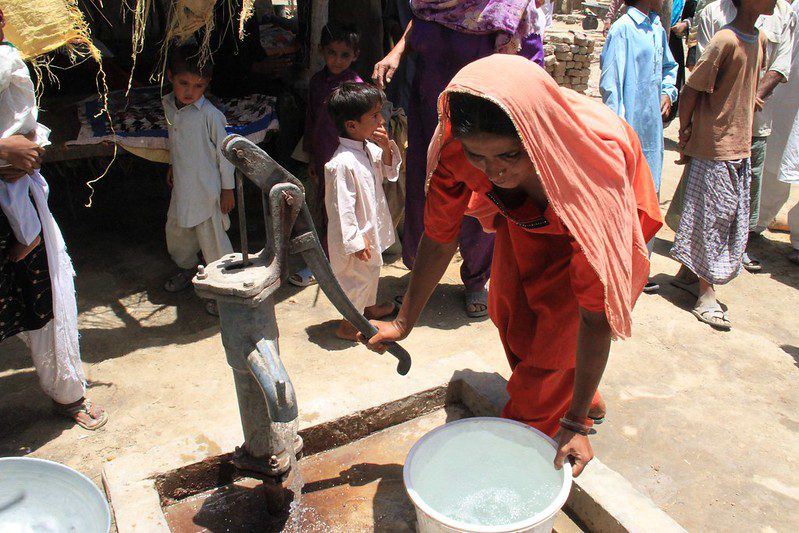
November 7, 2021
https://borgenproject.org/wp-content/uploads/borgen-project-logo.svg 0 0 Lynsey Alexander https://borgenproject.org/wp-content/uploads/borgen-project-logo.svg Lynsey Alexander2021-11-07 07:30:562021-11-05 06:36:46CAR Addresses Gender Inequality and HIV 
Developing Countries, Development, Global Poverty, Health

Solar Wells Bring Clean Water to Tharparkar, Pakistan

nba-star-provides-clean-water-in-pakistan
Kyrie Irving has gained much attention in the media for his basketball career, but his greatest accomplishment so far is off the court. In July 2021, the NBA All-Star funded and built a solar water well in Pakistan. The philanthropic effort by Irving intends to bring clean water to a town called Tharparkar in a lower socioeconomic area of Pakistan. Clean water and healthcare stand at the forefront of some of the issues in many areas with poverty. Many of the issues that plague small villages within Tharparkar are preventable and addressable. The poverty rate in Tharparkar stands at a staggering 87%. Not only is Irving providing clean water to Tharparkar but he is also bringing much-needed attention to other issues that afflict impoverished communities.

Bringing Clean Water to Tharparkar

The Brooklyn Nets Point Guard’s KAI Family Foundation funds the solar water project in Pakistan in partnership with the Paani Project. Irving built the solar water plant in the small village of Rohal in Tharpakar within the Sindh Province. Though the Sindh Province in Pakistan is experiencing an economic upturn in most urban areas, people often overlook the rural outskirts.

Tharparkar is one of the most impoverished areas of Pakistan, and thus, the people endure several issues of poverty. A lack of safe drinking water, high unemployment rates, food insecurity, poor health facilities, low educational attainment rates and malnutrition are among the issues plaguing Tharparkar. There are existing manual wells in Tharparkar, “but a lack of rainfall and inadequate maintenance” means existing wells “have either dried up or their contents are unsafe for human consumption.” Where a clean water supply does exist, villagers, mostly women, walk for more than an hour in conditions of extreme heat to access this water.

The Benefits of a Solar Well

Irving’s solar well will bring clean water to more than 1,000 villagers. Solar wells negate the need for ropes and pulleys commonly used in manual wells. Additionally, these solar wells can last up to 25 years. Current wells in Tharparkar almost exclusively necessitate the use of manual labor to pull the water up and livestock and agriculture pollute them. With only the turn of a lever, countless families will enjoy the benefits of clean drinking and bathing water.

Irving is not only bringing clean water to one of Pakistan’s most impoverished areas but is also bringing widespread attention to the other issues the area endures. Bringing attention to some of the issues sometimes forgotten in rural areas is important in order to improve overall living conditions in Tharparkar. These marginalized communities need aid to escape the cyclic effects of poverty. This philanthropic act by Irving is one that is garnering worldwide attention off the court rather than on it. Irving’s humanitarianism assists the many Pakistani families in poverty.

– Carter Haskel
Photo: Flickr
November 7, 2021
https://borgenproject.org/wp-content/uploads/borgen-project-logo.svg 0 0 Jennifer Philipp https://borgenproject.org/wp-content/uploads/borgen-project-logo.svg Jennifer Philipp2021-11-07 07:30:282021-11-05 07:09:43Solar Wells Bring Clean Water to Tharparkar, Pakistan
Children, Development, Global Poverty, Health

COVID-19 Vaccinations in Seychelles

COVID-19 Vaccinations in Seychelles
Seychelles is an archipelago of 115 islands located at the eastern edge of the Somali sea and is home to Africa’s smallest nation with just 97,625 people. The tropical climate, white sand beaches and crystal-clear lagoons make it a popular vacation destination. However, like many tourist economies, Seychelles’ tourism sector struggled under COVID-19 pandemic restrictions on travel. But, thanks to an ambitious campaign, COVID-19 vaccinations in Seychelles is a success story, putting the island in the spotlight for holding one of the highest rates of vaccinations in the world. This is despite a May 2021 surge in infections that led to the reimposition of mandates (such as school closures and a ban on bars and nightclubs), causing global concern about the efficacy of vaccination programs.

Facts About COVID-19 Vaccinations in Seychelles

  • On January 10, 2021, COVID-19 vaccinations in Seychelles hit the news when the nation became the first in Africa to roll out the vaccine after receiving a donation of 50,000 doses of the Chinese-made Sinopharm vaccine from the United Arab Emirates (UAE). As part of an effort to bolster vaccine confidence, President Wavel Ramkalawan stood as “the first African head of state” to receive this particular vaccine, followed by former president Danny Faure and other senior officials.
  • On January 23, 2021, Seychelles received a second donation of COVID-19 vaccinations, this time from India: 50,000 doses of the Oxford-AstraZeneca vaccine, also known as Covishield.
  • Seychelles had vaccinated more than 60% of its population against COVID-19 by May 2021. Still, the country saw a sharp increase of new cases, from 120 new COVID-19 cases confirmed on April 30, 2021, to more than 300 cases per day recorded on May 7 and May 8, 2021.  More than a third of these new cases were among people who received two doses of the vaccine. The remaining cases were people who only received a single dose or no dose at all.
  • In September 2021, the U.S. Embassy to Mauritius and Seychelles announced the delivery of more than 35,000 doses of the Pfizer COVID-19 vaccine from the United States. The donation forms part of the Biden-Harris administration’s commitment to sharing the U.S. vaccine supply with countries worldwide.
  • According to the World Health Organization (WHO), between January 3, 2020, and October 21, 2021, Seychelles has recorded 22,071 cases of COVID-19 and 114 deaths. As of October 15, 2021, the nation has administered a total of 159,392 COVID-19 vaccines.

Paving the Path to Recovery

With a majority vaccinated population, Seychelles is open for business and welcomes foreign visitors. To protect Seychellois, the government requires a negative COVID-19 test for all arrivals to the islands, including fully vaccinated travelers. As Seychelles rebuilds its tourist industry, the government is making progress with strategies to diversify the economy and is calling on investors. In a July 2021 interview with China Global Television Network (CGTN), President Ramkalawan reported that Seychelles’ new economic plan emphasizes fisheries and agriculture, construction of hotels and the launching of fish processing facilities. Ramkalawan’s administration is actively seeking ways for Seychelles to “build itself anew” in order to create a balanced and robust economy. A successful and robust vaccination campaign has paved the way for Seychelles to rebuild and recover.

–  Jenny Rice
Photo: Flickr

November 7, 2021
https://borgenproject.org/wp-content/uploads/borgen-project-logo.svg 0 0 Kim Thelwell https://borgenproject.org/wp-content/uploads/borgen-project-logo.svg Kim Thelwell2021-11-07 01:30:572024-12-13 18:02:36COVID-19 Vaccinations in Seychelles
Development, Education, Global Poverty

Addressing Poverty Reduction in Costa Rica

Poverty Reduction in Costa Rica
The recent COVID-19 pandemic greatly impacted the economic stability of Central America’s wealthiest country and caused a resurgence in poverty. As a result, poverty reduction in Costa Rica has become an important goal for the country. Many know Costa Rica for its lush rainforests and beaches, universal healthcare system and environmental activism. However, since the pandemic began, thousands of small businesses have shut down due to low demand. The decreased income levels led many families to live below the poverty line. According to UNICEF, one in three children under 18 years of age in Costa Rica now lives in poverty. Poverty reduction in Costa Rica is necessary to create a healthier population throughout the country.

Economic Reform

While Costa Rica displayed steady economic growth in the past three decades, the recent pandemic impacted that trajectory. The current goals of economic reform in the country are to address fiscal imbalances while decreasing income inequality and distribution. According to President Alvarado Quesada, Costa Rica plans to accomplish this by strengthening social assistance programs. These social assistance programs aim to promote greater formalization and support female labor force participation. The International Monetary Fund (IMF) is also aiding in economic recovery through a $1.7 billion arrangement. These assets will aid the country in improving public funding for subsidies to individuals the pandemic has heavily affected.

The government is seeking to continue decreasing income inequality through educating more children and adults, which could create long-term growth. Currently, the literacy rate in Costa Rica is high at 97.9%, but there is still a large gap in income inequality. In 2019, Costa Rica’s richest individuals held approximately 53.7% of the country’s income. The country will reduce poverty and income inequality by creating infrastructural reforms to streamline regulations and complete trade commitments, foreign direct investment and natural resources preservation. Increasing opportunities for females within the labor market is also vital to improving income inequality. In 2019, females made up 40.5% of the total labor workforce. This can improve through social assistance programs aimed at hiring females for jobs.

Tourism’s Effect on Poverty

In 2019, Costa Rica’s tourist industry represented 8.5% of gross domestic product and employed 9% of the population. However, in 2021, Costa Rica’s government estimates that the industry will only be worth approximately 3.5% of GDP and will decrease by approximately 100,000 jobs. In 2020, poverty in Costa Rica reached 26.2% of families, the highest level in 30 years due to the impact of the COVID-19 pandemic. About 45% of the working-age population is in a condition of informal employment. In other words, they perform jobs without being registered or contributing to taxes and social security. Many of these informal positions relied on tourism such as the restaurant, hotel and excursions industries. With a lack of job security, individuals with these informal jobs were the first people that layoffs impacted.

COVID-19 Vaccines

Moving past the COVID-19 pandemic is necessary to restore the livelihoods of many Costa Rican people in poverty. To do this, the country is focusing on vaccinating low-income individuals. Earlier in 2021, rather than creating stringent lockdowns, the Costa Rican government imposed restrictions on vehicle mobility and limited business hours and capacity. The country also requires COVID-19 vaccinations for people to enter most commercial centers and participate in many public activities. Fortunately, the latest vaccination rates show 82% of all Costa Ricans ages 12 and older have received at least one COVID-19 vaccine dose.  Travelers to Costa Rica must show proof of vaccination or a negative COVID-19 test in order to enter the country. These requirements can lead to a rapid return to tourism levels which will aid the country in returning to economic stability.

Moving Forward

With continued adherence to precautionary COVID-19 safety measures, individuals in Costa Rica can greatly protect public health. Meanwhile, the new social assistant programs promise to greatly assist in bringing about poverty reduction in Costa Rica.

– Robert Moncayo
Photo: Flickr

November 7, 2021
https://borgenproject.org/wp-content/uploads/borgen-project-logo.svg 0 0 Jennifer Philipp https://borgenproject.org/wp-content/uploads/borgen-project-logo.svg Jennifer Philipp2021-11-07 01:30:222021-11-04 21:34:49Addressing Poverty Reduction in Costa Rica
Global Poverty

Technological Advances Helping Mexican Farmers

Mexican Farmers
Warmer temperatures across the globe have drastically affected farmers’ ability to produce crops, especially in arid communities. Rising temperatures increase evaporation, reducing surface water and drying out the soil. Farmers in Mexico have experienced severe drought since 2012. As of April 15, 2021, nearly 85% of Mexico’s population faced one of the worst droughts in the nation in decades. However, a local engineer in Jalisco, Mexico, created a possible solution, called the “solid rain” technique, to help struggling Mexican farmers through times of drought.

The “Solid Rain” Technique

The “solid rain” technique involves a very absorbant powdery polymer substance that farmers can mix into a formula before adding to the soil. The mixture allows moisture to stay in the ground for up to 40 days, even during times of drought. In 2012, Sergio Rico Velasco, the person who came up with the formula for “solid rain,” told Aljazeera that he sold the idea to farmers in Peru and Ecuador and intended to receive funding from the Mexican government to expand the project to help more farmers in Mexico.

In 2013, the company said the government tested the “solid rain” technique and found that crop production increases by 300% when the technique is used correctly. More than 90% of Mexico’s crops are rainfed and farmers use 90% of the arable land for annual crops like forages and grain maize. Farmers cannot adequately produce the large supply of crops that rely on rain during Mexico’s ongoing droughts. As a result, technological advances like “solid rain” are even more crucial for farmers.

The United States directly benefits from agricultural production in Mexico. For example, in 1998, Mexico’s fruit and vegetables to the U.S. amounted to $2.9 billion and meat and fish exports generated $71 billion. Coffee and cocoa exports from Mexico to the U.S. equaled $682 million.

Water Access

Natural disasters and a changing environment negatively affect access to resources in Mexico. For example, clean water in Mexico is limited due to the hotter temperatures and drought, subsequently drying up Mexico’s water resources. According to the World Health Organization (WHO), increased levels of arsenic exist in about 60% of Mexico’s water resources, affecting 6.5 million children that drink hazardous water.

In Mexico’s valley, communities rely on water sources like rivers and lakes. However, these sources are dwindling due to an overharvest of river and lake resources.

Other organizations, like One Earth, are regularly visiting homes throughout Mexico City to supply communities with a technological system to harvest rainwater. Workers gather supplies like a “first flush diverter,” a water tank, piping and filters, and install the systems on the roof of houses in Mexico City. Ten years after it began, the organization has been installing around 50 systems per day. Thousands of homes that did not have a connection to the Mexican City’s water system now have access to rain harvesting systems and no longer need to rely on trucks to deliver water to their homes.

Though long-term drought is not likely to change soon in Mexico, initiatives to increase crop production through the use of “solid rain” and technology advances like rainwater harvesting systems are helping to mitigate the challenges individuals face in the nation. Hopefully, with new technological advancements, Mexican farmers will be able to produce crops more efficiently.

– Makena Roberts
Photo: Flickr

November 6, 2021
https://borgenproject.org/wp-content/uploads/borgen-project-logo.svg 0 0 Kim Thelwell https://borgenproject.org/wp-content/uploads/borgen-project-logo.svg Kim Thelwell2021-11-06 01:30:522024-12-13 18:02:36Technological Advances Helping Mexican Farmers
Global Poverty

The Elderly Poverty Rate in Romania

Elderly Poverty Rate in Romania
The elderly poverty rate in Romania is a challenge to not only the elderly population but also the country itself. Romania’s poverty rates for retired individuals and elders over the age of 65 have increased drastically from an already high level.

The Issue

Romania’s elderly at-risk poverty rate reached a record high of 25.1% in the year 2020, whereas it was previously 14.4% in 2012. Additionally, 24.5% of elderly women in Romania are under the poverty line with a pension, comparable to the record high of 25.7% in 2016 and a record low of 22.1% in 2010. Comparably, males with pensions reached a record high of 18% in 2020 and a record low of 7.9% in 2012.

These statistics present an evident truth; as the years pass in Romania, the elderly poverty rate is quickly rising. This leads poor elders to search for work to make enough money to survive, which they often do not have the qualifications for. In the end, impoverished elders rely on pension payments, which some do not even qualify for, while others struggle to survive below the poverty line.

Romania’s Health Care System

Romania has a dual health care system. Similar to countries such as Australia, it has both a private and a public health care system. However, its system differs from others when it comes to the government’s involvement. Romania’s government spends an average of 4% of the country’s GDP on health care, which is one of the lowest rates in the EU. The government does not fund private healthcare, thus leading those in poverty towards government-funded health care, which has proven to be inadequate. Furthermore, those who do pay for private health care do not always get a better deal. Since the government is uninvolved financially, private hospitals can overcharge patients exorbitant amounts for as little as a consultation.

Also, since the year 2007, about 15,700 Romanian medical experts from both private and government-funded institutions left the country to pursue a better salary in other European countries. With a sub-par salary for Romania’s government-paid doctors (some specialists receive as little as $350 a month), Romanian doctors often resort to bribery, in which they charge patients additional fees for even the simplest consultations.

In terms of the elderly poverty rate in Romania, it is clear that either of the two options for health care in Romania can be costly, and their physical health frequently undergoes neglect. As of 2020, only 23.4% of Romanians over the age of 65 would rate their health conditions as “good” or “very good,” while the EU average is almost double this, at 41.1%. Additionally, 66.7% of these people reported issues with walking, and 51.9% with vision problems, which they cannot treatments for. In comparison, only about 40% of adults over the age of 65 in the United States have a disability.

The Pension Problem

Romania’s pension system is likely to face challenges due to the country’s aging population. Romania is facing a demographic challenge, with a population decline of approximately 25% from 21.4 million in 2008 to approximately 15 million in 2050. Though Romania will most likely face additional challenges as a result of the projected population drop, one major issue could be pensions.

Furthermore, the proportion of elderly people in Romania could reach 29.9% by 2050, subsequently leading to a strain on the pension system. With an aging population, more people will require pensions, putting the government in a dilemma about whether to pay the full amount necessary. As proven with the health care system that the Romanian government provided, the corrupt country will not be eager to allocate so much money to pensions.

Having said that, Romania does have a solid pension system in place, which is based on citizens’ contribution to the economy over a minimum contribution period of 15 years. However, a growing elderly population could cause the country’s pension system to crash according to projections, potentially impacting the elderly poverty rate in Romania.

Lastly, another issue with the Romanian pension system is the fraud that seems to consistently reappear throughout the years. One of the greatest scandals occurred in 2009, in which Romania reported $7.15 million in pension fraud. Resolving an issue like this would require stronger pension security and a potential re-evaluation of the pension granting system.

People Against Poverty

People Against Poverty is an NGO that works in six countries, including Romania, to reduce poverty levels. It has been working to reduce poverty in Romania since 2003 and has hosted a variety of projects, including an Agricultural Project which provides resources for people in Romania who live in rural communities. NGOs like People Against Poverty are extremely important when considering poverty reduction in entire countries, and the implementation of its programs can help in solving Romania’s elderly poverty issue.

Elderly poverty in Romania has been an increasing problem within the past decade, and will likely continue to be one into the future. It remains in the hands of the Romanian government to solve this problem before the elderly population reaches a peak. However, hope exists that the population will regulate itself, or that the economy will open more jobs for impoverished elders. With the help of NGOs like People Against Poverty and the growing economy in Romania, there is certainly hope that the elderly poverty rate will decline over the upcoming years.

– Andra Fofuca
Photo: Unsplash

November 6, 2021
https://borgenproject.org/wp-content/uploads/borgen-project-logo.svg 0 0 Jennifer Philipp https://borgenproject.org/wp-content/uploads/borgen-project-logo.svg Jennifer Philipp2021-11-06 01:30:032021-11-11 06:23:08The Elderly Poverty Rate in Romania
Developing Countries, Global Poverty, Health

A One-Stick Hospital Stay to Promote Safety

One-Stick Hospital Stay
Needles pose a serious risk for people in developing countries, but nearly every hospital stay requires the use of needles in some way, whether it be for IV lines, blood draws or simple injections. One of the top medical technology companies in the world has a new plan for a “One-Stick Hospital Stay” that could change the safety and experience of global health care for everyone.

What is the Danger of Needles?

Because of poor access to medical equipment, hospitals in developing countries must routinely reuse needles. This unsafe practice leads to the transmission of bloodborne pathogens such as Hepatitis B and C, HIV and other unrecognizable infections. In many countries dealing with poverty, more than 60% of injections are unsafe, meaning that the needles may undergo use multiple times on multiple patients before people throw them away or sanitize them. The probability of transmission from unsafe needle use varies within different locations, but Hepatitis B, Hepatitis C and HIV are the most common bloodborne pathogens that occur through needles.

Along with infections, needles can cause anxiety for patients. Estimates have determined that trypanophobia, the fear of needles, affects 20% to 30% of adults. It has many possibly detrimental consequences, such as fainting, nausea, difficulty breathing, hypersensitivity and avoidance of necessary hospital visits. However, new technology could soon be on the way to eliminating these risks and the anxiety that goes along with needles and injections.

Becton, Dickinson and Company’s New Innovation

Becton, Dickinson and Company’s (BD) goal is to create a “One-Stick Hospital Stay” to eliminate the need for multiple needle sticks in a single hospital visit. As a result, it will reduce discomfort and anxiety and increase safety for patients. BD has been working towards this vision for the past 70 years. The company provides doctors with the tools they need to utilize needles correctly on each individual. This assistance helps to ensure success on the first needle stick as well as success with IV insertion and care. Recently, BD has entered into a partnership with Velano Vascular to continue approaching this one-stick goal.

Velano Vascular allows clinicians to go virtually needle-free by drawing blood through peripheral intravenous catheter lines (PIVC lines). This technology brings BD one step closer to achieving a “One-Stick Hospital Stay.” Velano Vascular is currently one of the most rapidly expanding medical device companies. In hospitals, 90% of patients receive IV therapy. About 95% of that therapy uses PIVC lines. Inserting these lines and performing venipuncture are some of the most common operations in hospitals. Reducing the number of needlesticks in these procedures can reduce the risk of stress, fear and possible infection and pain, creating an overall safer and more comfortable healthcare experience for everyone.

Future Repercussions

BD is present in nearly every country striving to enhance healthcare experiences for everyone. It is working to expand access to this new technology, and as it becomes available around the world, the impact will be significant. A “One-Stick Hospital Stay” can reduce the risk of unsafe injections, decrease bloodborne pathogens, provide more comfort and less stress to patients and assist countries in poverty that do not have access to large quantities of sterilized needles for each patient.

– Delaney Gilmore
Photo: Flickr

November 5, 2021
https://borgenproject.org/wp-content/uploads/borgen-project-logo.svg 0 0 Kim Thelwell https://borgenproject.org/wp-content/uploads/borgen-project-logo.svg Kim Thelwell2021-11-05 07:30:462024-05-30 22:25:23A One-Stick Hospital Stay to Promote Safety
Global Poverty, Hunger

The Threat of Hunger in Ethiopia

ethiopias-biggest-threat-hunger
Researchers have directly linked quality nutrition to a reduction in the risk of chronic diseases including cardiovascular disease, diabetes, cancer, and in some areas, malnutrition. In less developed countries like Ethiopia, this reality is even starker. The threat of hunger in Ethiopia is extremely prevalent, requiring significant attention.

According to USAID data in Ethiopia, more than half of infant deaths are a direct result of malnutrition. Children who survive past the age of 2 years old experience irreversible threats to their physical growth and delays in their cognitive development. This lack of proper nutrition places children at a disadvantage within schools, leading them into the same cycle of poverty wherein the food systems in Ethiopia continue to perpetuate their malnutrition. As of 2021, more than 70% of Tigray’s population is still hungry with 400,000 individuals facing hunger on a fatal level.

The high rates of malnutrition in Ethiopia are a result of several factors, with food insecurity and less access to nutritious services being among the most prominent determining factors. Increased incidence rates of infectious diseases and inadequate maternal and child feeding practices follow closely behind. A combination of household wealth and income, education levels and a family’s ability to plan long-term drive all of these factors. Despite the threat of hunger in Ethiopia, some organizations are providing help.

The World Food Programme (WFP)

Within the past decade, several programs and organizations dedicated to fighting world hunger have worked within countries in Eastern Africa to not only provide food to its civilians but to support local farmers. The World Food Programme (WFP) is among one of the most active of these organizations in Ethiopia. The WFP has worked in many areas, donating resources, helping smallholder farmers develop better climate resistance and implementing school feeding programs. Most recently, the World Food Program has called for action from governments and their constituents while articulating how they will respond to the crisis.

The World Food Programme’s three main objectives now and in the coming months are to:

  • Provide emergency food assistance to the Northwestern and Southern regions of Tigray to reach over 2 million individuals in need of emergency food assistance.
  • Increase its emergency nutrition response to reach as many as 70 districts.
  • Continue to advocate for increased funding of $203 million to bolster its response program.

These goals aim to increase the quality of life for families in Ethiopia, and, since late September 2021, the World Food Programme has succeeded in doing just this. According to recent news and press releases, the WFP has helped communities in Ethiopia in one leading way.

Progress in Ethiopian Food Systems

The World Food Programme’s largest success in Ethiopia has been creating a system for farmers to access and manage their own finances. Having the ability to save money and apply for loans supports sustainable farming while empowering working women and providing a sense of self-sufficiency for many adults. The WFP has worked closely with villages in Ethiopia by helping small farmers pair up with the Village Savings and Loan Associations (VSLA), allowing communities to buy materials for personal businesses and ensure financial protection from the future. In 2002, the World Bank approved a loan of $85 million to Ethiopia’s food security program, all of which have contributed to these efforts of helping small farmers learn to support themselves. The WFP also aids Ethiopia in dealing with urgent issues by directly providing communities with emergency food. Since July 2021, the WFP has provided over 135,000 individuals with emergency meals.

USAID has also worked to promote agriculture and secure food systems in Ethiopia over the last decade. The implementation of its Feed the Future initiative has focused on supporting sustainable agriculture-led growth, bolstering resilience and improving nutrition. USAID has estimated a 19% decrease in poverty because of its efforts in the areas where it has worked from 2013 to 2018. In 2019, USAID’s Feed the Future initiative recognized its achievements of reaching 5 million children under the age of 5 years old with nutritional aid as well as tending to 131,000 hectares of improved land. This is due to improved technologies and practices provided by nonprofit organizations. Moving forward, USAID is seeking to continue working on strengthening resilience programs for farmers who rely solely on agriculture.

Collective Vision is the Future’s Hope

While the world continues to face many challenges, hunger may be one of the most pressing humanitarian concerns at the moment. Additionally, while it is important to sufficiently nourish everyone, it is even more important to ensure that each person has the knowledge and resources they need to continue healthfully providing for themselves moving forward. Organizations like the World Food Programme have already taken a strong initiative to achieve this goal in the countries that need it most, like Ethiopia. Other hands-on organizations like USAID have also spread their assistance to reach more countries, including attempting to strengthen the food systems in Ethiopia.

While the threat of hunger in Ethiopia may seem like a challenge that is far too expansive for any individual to tackle alone, organizations have shown how collective thought and collaboration can make a world of difference in reaching those most in need. With the continued support of governments and more specifically, involved constituents, countries can set aside their differences and work together towards achieving this common goal.

– Chloé D’Hers
Photo: Flickr

November 5, 2021
https://borgenproject.org/wp-content/uploads/borgen-project-logo.svg 0 0 Jennifer Philipp https://borgenproject.org/wp-content/uploads/borgen-project-logo.svg Jennifer Philipp2021-11-05 07:30:292024-05-30 22:25:20The Threat of Hunger in Ethiopia
Global Poverty

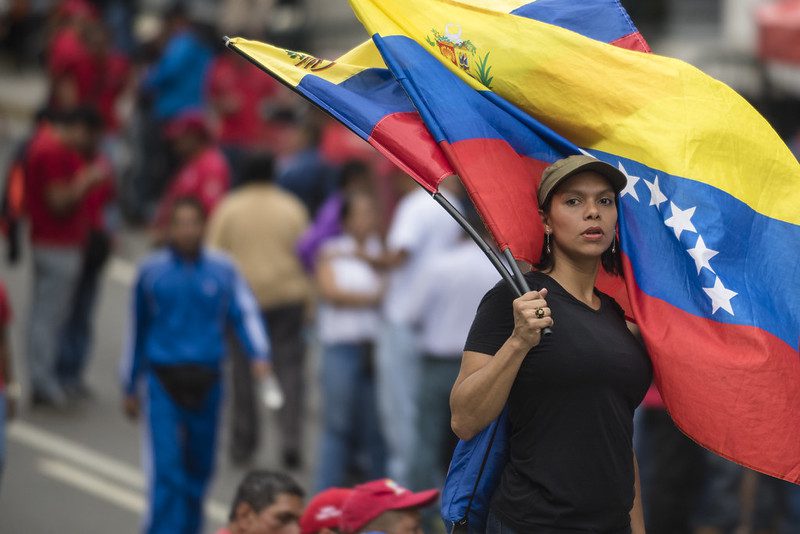
The Mega-Gangs of Venezuela 

Mega-Gangs of Venezuela 
Heavily armed with automatic weapons, hand grenades and military equipment, meta-gangs in Venezuela are unlike typical street gangs. Often, they have more weapons than the police, launching attacks against law enforcement and driving officers from gang territory. Numbering anywhere from 50 to more than 200 members each, the mega-gangs of Venezuela rule over the fearful civilians in their territory with impunity.

The gangs have lost some of their power in recent years, but the political and economic crises in the country are driving people to join them, increasing their influence. Some of the most notorious gangs are “El Koki’s” gang, Los 70 del Valle, Tren de Aragua and El Picure.

El Koki’s Gang

In the Venezuelan capital of Caracas, El Koki and his allies had full control of neighborhoods such as El Valle and Cota 905 until July 2021, the latter of which served as his gang’s stronghold. El Koki is distinct from other gang leaders. He never served jail time and is running his gang outside of prison. Additionally, he has already lived to the age of 43 when the average criminal in the country’s poorest areas does not live past 25. He has also had an outstanding arrest warrant since 2012.

In 2012, the Venezuelan government developed the “peace zones” policy. It began negotiations with hundreds of gangs from all over the country. The government offered a truce in which police would stay out of designated neighborhoods if the gangs ceased criminal activity in addition to providing financial incentives for gangsters to disarm. One such incentive was the use of money and other resources meant for starting legitimate businesses.

The policy backfired, however, when gangs like El Koki’s gang began using the money to discretely acquire heavier weaponry, as reported in El Pais. El Koki and other gang leaders also took advantage of Venezuela’s criminal organizations gathering for negotiations to bolster the size of their gangs. Merging with these other groups, they formed the numerous mega-gangs of Venezuela that followed the implementation of peace zones.

The “Peace Zones”

One of the established peace zones was Cota 905. El Koki seized the opportunity there due to the lack of a permanent police presence. He strengthened his control as he killed off rival gang leaders and made alliances with others. For four years prior to June 2021, the police did not cross into Cota 905 once to enforce the law, something El Koki’s connections to the military and government may have had a hand in. In June, however, the truce between El Koki’s gang and law enforcement fully broke down. The two sides entered a war when the gang invaded the La Vega neighborhood southwest of Cota 905.

Demonstrating how empowered the mega-gangs of Venezuela have become, El Koki’s gang launched an attack on central police headquarters. The government retaliated by sending roughly 800 troops into Cota 905, where they went door to door battling the gang. According to InSight Crime, El Koki’s whereabouts are unknown. However, some have said that he may be in Cúcuta, Columbia, a common sanctuary for Venezuelan gangsters where he can continue to run his gang.

Tren de Aragua

In the state of Aragua, the mega-gang Tren de Aragua operates out of Tocorón prison. With nearly 3,000 members in groups spread across the country and expanding into nations like Columbia and Peru, Tren de Aragua, once a railroad workers’ union, is the most powerful criminal organization in Venezuela. Last spring, the gang made headlines with the completion of a baseball stadium it constructed within the prison it occupies. Reportedly possessing other luxuries such as a swimming pool and a disco hall while brandishing greater firepower than the police, the gang has demonstrated its financial success to an impoverished nation enduring an economic crisis.

Using its large arsenal, vast numbers and extreme wealth, Tren de Aragua has been able to expand rapidly as it repeatedly clashes with police and the military. Like other mega-gangs, it is alluring to people in poverty who do not get enough help from the government, have limited opportunities and are lacking in police protection. According to Mirror, to entice youths and build rapport with communities, it offers food packages at a time when much of the population faces starvation due to poor economic conditions that the COVID-19 pandemic has worsened.

Police Brutality

It is not strictly poverty and recruitment efforts that motivate people to join and comply with the mega-gangs. Police brutality is another contributing factor and extrajudicial killings in retaliation for gang violence are all too common. As El Pais reported, in July 2021, more than 3,000 officers responded to gun violence between police and El Koki’s gang. There were reports of the police committing extrajudicial executions and robberies, and the circumstance resulted in 24 victims. When police assume the role of executioner and their responses to gang activity cause innocents to die, people end up in the mega-gangs for membership and protection.

The Work of NGOs

Currently, various NGOs and nonprofits are working to alleviate the situation in Venezuela. One such nonprofit is InSight Crime, which conducts investigative journalism, data analysis and makes policy suggestions for governments regarding organized crime in Latin America and the Caribbean. InSight Crime speaks with police and officials when doing on-the-ground research. It also interacts with people involved in illegal activity to gain their perspective.

The International Crisis Group organization advises governments on preventing, managing and resolving deadly conflicts. Additionally, the Hebrew Immigrant Aid Society is an organization that operates in Ecuador and provides shelter and supplies to migrants who the ongoing turmoil and violence displaced. There are also local organizations such as Mi Convive, a nonprofit that feeds thousands of hungry children a week. Nonprofits providing food to children like Mi Convive are essential in preventing mega-gangs from bribing them with food.

Other Solutions

The Venezuelan government is addressing the high levels of gang violence with police reform and crackdowns to kill or drive gang leaders out of their territory. However, to put an end to organized crime and dismantle the mega-gangs of Venezuela, the government must take a complex, multifaceted approach. Corruption in politics and the military has led to impunity and the mega-gangs becoming better armed than the police. Eliminating financial incentives for organized crime is important. Otherwise, materially motivated criminals will continue to organize for profit. The police and other local public institutions should receive empowerment to rally their communities. They should act against the mega-gangs while scaling back military involvement.

The Venezuelan government, NGOs and foreign nations must work together. They have to ensure there is funding for robust social programs and that Venezuelans have economic opportunities where they live. They should be doing sufficient community outreach to sway people from the criminals and meta-gangs of Venezuela should be facing appropriate consequences.

– Nate Ritchie
Photo: Flickr

November 5, 2021
https://borgenproject.org/wp-content/uploads/borgen-project-logo.svg 0 0 Jennifer Philipp https://borgenproject.org/wp-content/uploads/borgen-project-logo.svg Jennifer Philipp2021-11-05 03:52:422024-05-30 22:25:24The Mega-Gangs of Venezuela 
Global Poverty

How Africa’s Tech Industry Could Reduce Poverty

africa's-tech-industry-a-saving-grace-for-global-poverty
Cryptocurrencies, online banking and mobile phones are the tools of the 21st century to combat global poverty. For Africa, these technological innovations may be the help necessary to get the world’s most concentrated area of impoverished people out of poor living conditions. Here is some information about Africa’s tech industry.

Tech Hubs in Africa

Africa’s tech industry has picked up pace in development over the last few years as international companies invest in local start-ups, creating technological hubs throughout the continent. With these tech hubs sprouting up throughout Africa, some of the poorest countries in the world are now able to access the internet, online banking and other digital enterprise advantages. There are more than 600 tech hubs across Africa providing jobs, resources and digital technologies. The three largest tech hubs in Africa are in Lagos, Nigeria; Cape Town, South Africa; and Nairobi, Kenya.

In Nigeria, there are 90 tech hubs providing internet to 122 million people accounting for 20% of all of Africa’s internet use. South Africa is home to 78 tech hubs with nearly 30 million people having access to mobile internet. As for Kenya, there are 50 tech hubs within the country, where more than 200 startups are operating with a total combined value of more than $1 billion.

The Necessary Basics

Although tech hubs provide internet access to many areas in Africa, the International Monetary Fund (IMF) reports that some countries like Rwanda and Nigeria have a high percentage of access to the internet. However, only 28% of Africa’s overall population uses the internet. 

This hurts the potential benefits that people can gain from these advancements because with all the innovations sprouting up throughout the world today, the first tool necessary in technological economic advancement is access to the internet. Without internet access, many programs such as online banking apps or AgTech innovations could not function. For Africa to utilize the growing tech industry on its home front, basic technological infrastructure must undergo intercontinental establishment.

Technology, Not Poverty

With such a large number of developing countries on one continent, the issues surrounding global poverty are ever-more pertinent. Africa is home to the top impoverished nations in the world, with nearly 70% of all the world’s poor people living in sub-Saharan Africa.

“Innovation, and the digital information technology that accompanies it, has become a necessary component of any effort to address such challenges as food security, education, health, energy, and competitiveness,” IMF reported. “Africa must shift its focus to retaining and creating wealth, better managing its resources, fostering inclusiveness, moving up on global value chains, diversifying its economies, optimizing the energy mix, and placing human capital at the center of policymaking.”

In many African nations, the poverty rates are increasing due to COVID-19. However, the pandemic has also provided the opportunity for these countries to accelerate their technological advancement in areas such as health, education and financial technology. As the pandemic pushes Africa’s acceleration in technological advancement, it has affected FinTech.

New Tech Programs to Help Develop Africa

One of the most significant investment programs happening in pan-Africa’s technological ecosystem is through the Global Innovation Initiative Group (GIIG), which recently started a $100 million program funding local tech start-ups in Africa. It aims to bring Africa up to speed in global network connectivity within the borders of Africa.

IBM, a global powerhouse in Information and Communication Technologies (ICT), has recently expanded its operations for cloud services in Africa, working with the pan-African bank, Ecobank, to provide online banking services to 33 countries.

A blockchain currency banking start-up in Africa, called KamPay, will soon launch in seven countries allowing more than 50 million potential users to make daily transactions with businesses and individuals. The company will be launching an “e-voucher system” for farmers to access means for growing crops more affordable, as a recent Forbes article has explained.

With the push from outside investors, international monitoring and local support, Africa’s tech industry is beginning to implement into the lives of the poor, giving them the tools and resources to lift themselves into a better standard of living. Only time and future investments and development into Africa’s tech world will prove how its innovative solutions in the fight against global poverty will spread.

– Ali Benzerara
Photo: Flickr

November 5, 2021
https://borgenproject.org/wp-content/uploads/borgen-project-logo.svg 0 0 Lynsey Alexander https://borgenproject.org/wp-content/uploads/borgen-project-logo.svg Lynsey Alexander2021-11-05 01:30:392024-06-06 01:05:41How Africa’s Tech Industry Could Reduce Poverty
Page 694 of 2181«‹692693694695696›»

Get Smarter

  • Global Poverty 101
  • Global Poverty… The Good News
  • Global Poverty & U.S. Jobs
  • Global Poverty and National Security
  • Innovative Solutions to Poverty
  • Global Poverty & Aid FAQ’s
Search Search

Take Action

  • Call Congress
  • Email Congress
  • Donate
  • 30 Ways to Help
  • Volunteer Ops
  • Internships
  • Courses & Certificates
  • The Podcast
Borgen Project

“The Borgen Project is an incredible nonprofit organization that is addressing poverty and hunger and working towards ending them.”

-The Huffington Post

Inside The Borgen Project

  • Contact
  • About
  • Financials
  • President
  • Board of Directors
  • Board of Advisors

International Links

  • UK Email Parliament
  • UK Donate
  • Canada Email Parliament

Get Smarter

  • Global Poverty 101
  • Global Poverty… The Good News
  • Global Poverty & U.S. Jobs
  • Global Poverty and National Security
  • Innovative Solutions to Poverty
  • Global Poverty & Aid FAQ’s

Ways to Help

  • Call Congress
  • Email Congress
  • Donate
  • 30 Ways to Help
  • Volunteer Ops
  • Internships
  • Courses & Certificates
  • The Podcast
Scroll to top Scroll to top Scroll to top