 About 36% of the 57 million people living in Tanzania fall below the poverty line. It is one of the most impoverished countries in the world. Many impoverished countries deal with severely inadequate healthcare. However, Tanzania has recently experienced tremendous advances in healthcare. Overall better accessibility to healthcare improved death rates and diseases in Tanzania and even prompted innovative disease prevention. Here are six facts about healthcare in Tanzania.
6 Facts About Diseases in Tanzania
- Health access and quality have increased. Healthcare access and quality are essential for a prosperous community. When disease and illness go untreated, entire populations of people can be affected. Tanzania received a Healthcare Access and Quality Index rating of 33.9 in 2016 compared to 21.9 in 1990. Some of the factors contributing to this increase include a flourishing economy, increased education and foreign aid.
- Malnutrition has decreased by almost 10%. Although malnutrition is still one of the leading causes of death and disability in Tanzania, it has been declining since 2007. Malnutrition causes many diseases, especially in children. Malnutrition is detrimental to children’s cognitive growth and overall health. UNICEF is an organization working with the government and other local partners in Tanzania to improve child nutrition by implementing a food and nutrition policy.
- HIV/AIDS death rates have decreased drastically. As one of the top 10 causes of death in Tanzania, the rapid spread of HIV/AIDS has prompted many years of advocacy and support from organizations and governments all around the world. As a result of these efforts, HIV/AIDS death rates have decreased tremendously in Tanzania. In 2007, HIV/AIDS was the number one leading cause of death in Tanzania, and by 2017, the death rate had declined by 75%.
- Only 15% of people in rural areas have improved sanitation facilities. Poor sanitation is one of the leading causes of the spread of disease. Many impoverished communities struggle with combating diseases that spread through poor sanitation facilities. In rural Tanzania, about 85% of the population struggles with poor sanitation equipment, including toilets, showers and water sources for drinking. UNICEF implemented the Behaviour Change Communication approach which sets an example on effectively educating communities on embarrassing topics, such as personal hygiene. The work of UNICEF and local communities has helped prevent the rapid spread of disease through poor sanitation in the impoverished areas of Tanzania.
- Tuberculosis has a 90% treatment success rate. Even though tuberculosis is one of the top 10 causes of death in Tanzania, it has a high treatment success rate. One of the contributing factors to tuberculosis treatment success is the increase in accessible quality healthcare. Considering that the tuberculosis mortality rate is less than half of a 10th percent, treatment options for tuberculosis have successfully prevented many deaths related to this disease in Tanzania.
- Around 78% of households have an insecticide mosquito protective net. Transmitted by mosquitoes, malaria is one of the leading causes of death in Tanzania. Preventative measures have been taken to decrease contact with mosquitoes, including the installation of the insecticide-treated mosquito net (ITN) in homes. These nets are safely treated with insecticide to block mosquitoes from entering. A more durable version of the ITN called a long-lasting insecticide-treated net (LLIN), has been produced. Both of these nets are recommended by WHO for malaria prevention.
Despite being one of the most impoverished countries in the world, Tanzania has made great advancements in its healthcare. Combating many of the issues that come with poverty, Tanzania has found innovative ways to combat disease. With the efforts of UNICEF and local community groups, Tanzania has decreased diseases that are caused by poor healthcare and malnutrition.
– Kaitlyn Gilbert
Photo: Flickr
 Haiti has a population of 11 million people and shares the Caribbean island of Hispaniola with its neighbor, the Dominican Republic. Coverage of Haiti’s poverty was launched into world news after the 2010 earthquake. The country is still recovering from this natural disaster which has had detrimental effects on every sector of the economy including healthcare. Here are five facts about healthcare in Haiti.
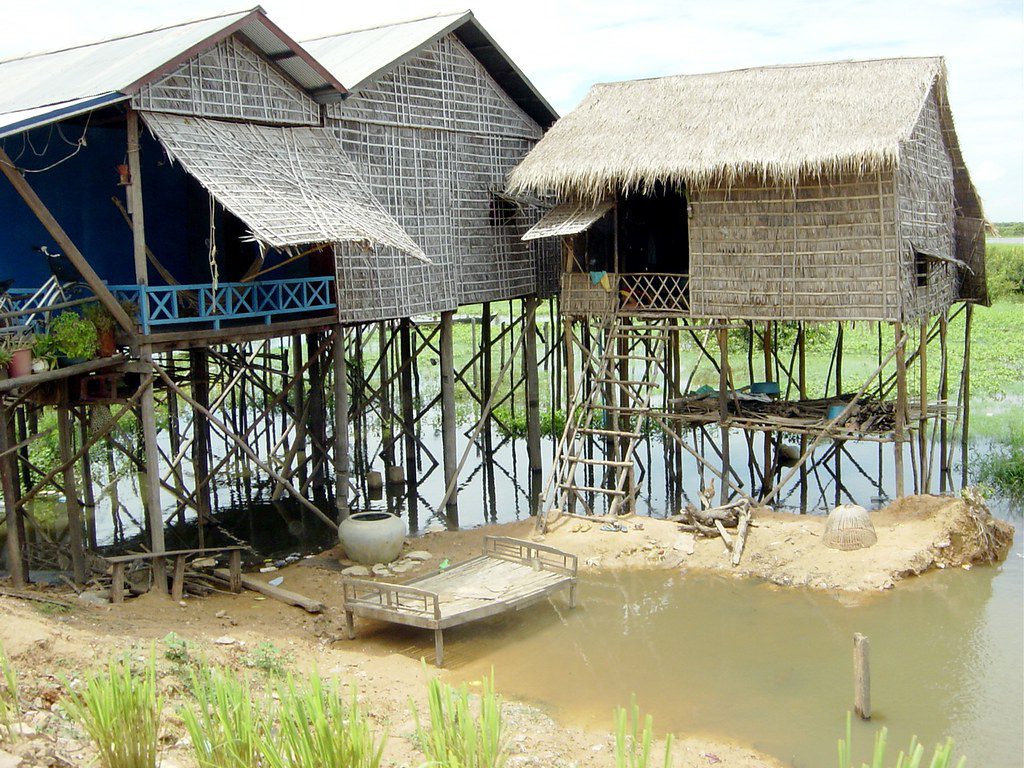 Cambodia is a developing country in Southeast Asia. With a population of more than 16 million, more than one-fourth of the country lives in poverty. Many live just above the poverty line of $1.25 per day and
  Like many social issues, the homelessness crises around the world has a multitude of underlying factors. To be homeless is not just about having no physical home. Being homeless is about economic, social, familial, poverty, mental health and community factors. Like many countries, homelessness in Russia has been perpetuated for decades by the historical stigma which has prevented transitional change since Russia’s move to a market economy.
 BABSON PARK, FL


