Strategies for Eradicating Global Health Threats
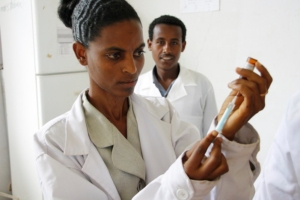 Infectious diseases cast a shadow over the health and well-being of communities around the world. The intersection of poverty and infectious diseases is a challenge that demands attention. Significant strides have been made in medical science to address this issue. This article will delve into the intricate relationship between poverty and global health threats while offering insight into strategies to combat them.
The Link Between Poverty and Global Health Threats
The connection between poverty and infectious diseases presents a vicious cycle. People in impoverished communities are susceptible to infectious diseases, exacerbating poverty. Poor communities often lack clean water, sanitation facilities and nutritious food. This lack weakens the immune system and makes individuals more susceptible to infection.
Overcrowded living conditions are often common among poorer communities, and they can foster the spread of diseases. Limited access to health care is another reason disease can spread among a community. Many diseases, like malaria, HIV/AIDS or tuberculosis, disproportionately affect low-income communities.
Among the poor, communicable diseases cause the most deaths and disabilities. Each year, approximately 1.5 million people die from tuberculosis. 77% of malaria deaths involve children, and 36 million people have died from HIV/AIDS globally.
On average, low-income countries spend about $23 per year per person on health. Health services and medicines are too expensive for many people in low-income countries, with 35% of the expenses handled by donors.
How to Address Global Health Threats
Addressing the cycle of poverty and infectious diseases requires a multi-pronged approach. This approach should not only target infectious diseases but should also address social and economic disparities. The following strategies include methods for addressing poverty and infectious diseases.
- Create Access to Clean Water and Sanitation – Access to clean drinking water and improved sanitation facilities is foundational to disease prevention. Waterborne diseases like cholera can be significantly reduced by ensuring access to safe water sources and proper sanitation. In 2022, the Water Project rehabilitated a well in Santiguiya Forie in Sierra Leone. This rehabilitation improved the drinking water for the community, and occurrences of waterborne diseases like typhoid and cholera were diminished.
- Introduce Vaccination Programs – Vaccination has been one of the most effective tools in controlling infectious diseases. The International Vaccine Access Center (IVAC) has helped provide vaccines to low- and middle-income communities around the world. IVAC helped establish vaccine knowledge hubs that educated communities in India about the importance of vaccination and helped train health workers in immunization advocacy. Widespread immunization campaigns can curb the transmission of diseases like measles, polio and hepatitis, even in resource-limited settings.
- Build Health Care Infrastructure – Strengthening health care systems in impoverished regions is crucial. This strengthening includes building clinics, training health care workers and ensuring the availability of essential medicines and diagnostic tools. Doctors Without Borders has delivered medical care in Gaza for 20 years. In addition to medical treatment, the organization has arranged for medical equipment to be delivered to clinics in Gaza.
- Provide Health Education – Empowering communities with knowledge about disease prevention and hygiene practices is pivotal. Educational initiatives can promote behaviors that reduce the risk of infection. Through its Sustainable Development Goals (SDGs) initiative, the United Nations emphasizes health education as a fundamental component of global development. Various U.N. agencies and local partners collaborate to empower communities with knowledge about disease prevention and hygiene practices. These educational initiatives, conducted worldwide, promote behaviors that significantly reduce the risk of infection, contributing to improved public health outcomes
- Conduct Research and Development – Investment in research to develop vaccines, treatments and diagnostic tools tailored to the needs of impoverished regions is vital. Multiple entities engage in research and development initiatives tailored to the needs of impoverished regions. Institutions like the Bill & Melinda Gates Foundation allocate resources to research new vaccines, treatments and diagnostic tools. Their efforts are focused on addressing diseases prevalent in low-income areas, ensuring that health care solutions are specifically designed to cater to the unique challenges faced by impoverished communities.
Although poverty and infectious diseases are inextricably linked, it is possible to overcome them. With concerted effort, governments and communities can address the root causes of disease and poverty to help create a world where impoverished communities no longer have to suffer from either issue. Access to clean water, sanitation, health care and education are basic human rights that can help eradicate poverty and infectious diseases. By investing in these areas, countries can collectively work towards improving the lives of millions of people and creating a healthier, more equitable future for all.
– Joy Loving
Photo: Flickr
