Food Systems in Guyana: The World’s Most Self-Sufficient Country
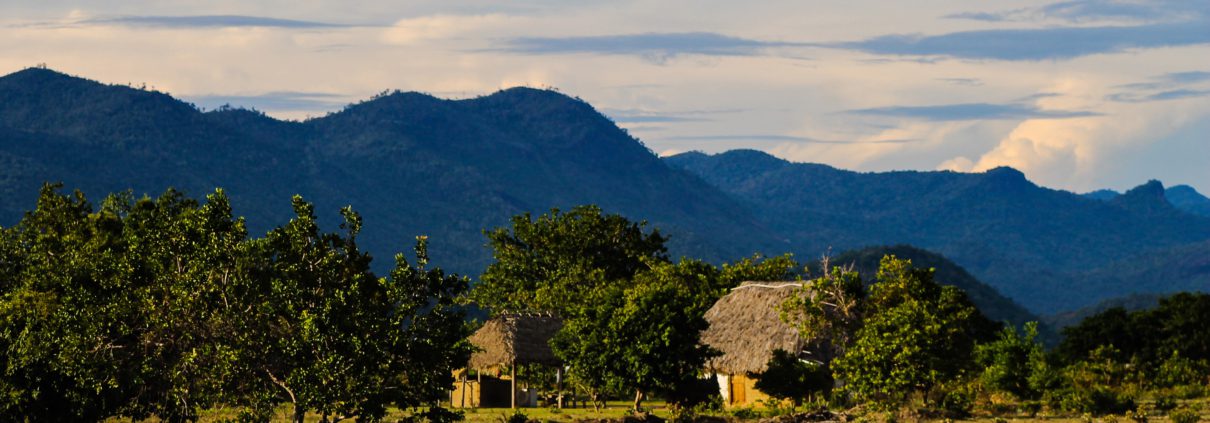 In 2025, a country roughly the size of Great Britain became the only nation that solely produces all the food it requires. Located on the northern coast of South America, Guyana is the first of 186 other countries to be able to “self-sufficiently feed” its people. Improvements in food systems in Guyana have resulted in less than 2.5% of the nation being undernourished.
Food systems encompass the whole process of producing, processing, transporting and consuming food. Successful and sustainable food systems can alleviate poverty through job creation and make communities more resilient in managing challenges such as disease outbreaks. Through the development of successful food systems, Guyana has no need for imports, producing all its needs in all seven necessary food groups.
However, Guyana, formerly a British colony, has not always been this self-sufficient. In the early 2000s, the nation was considered “one of the poorest” within the Western Hemisphere. It was the global pandemic in 2019 that finally served as a wake-up call for the Guyanese state. This medical emergency exposed the country’s overreliance on imports and lack of resilience to such shocks.
Regional Oil
A major factor that enabled food systems in Guyana to improve was an oil surge into the country. This influx began in 2019, after American corporation ExxonMobil discovered vast amounts of oil in the region in 2015. Currently, Guyana produces around 650,000 barrels of oil per day, with the country projected to pump the highest amount of oil per inhabitant.
The economic effects of this oil bonanza are evident in Guyana’s GDP growth, which has increased fivefold in the past five years. By 2030, government income from oil is expected to reach around $10 billion.
However, with over half of the approximately 840,000 population still living in poverty, the profits have not yet reached enough of the Guyanese people. Georgetown, Guyana’s capital, still lacks the infrastructure to reflect the country’s financial rise. Wooden houses, poor irrigation channels and regular power cuts are symptomatic of a system that has not yet invested enough in its people.
Guyana’s Food Systems Transformation
Present-day food security stems from the country’s long-term commitment to improving its agricultural sector. This commitment began in 2009, when exports of “other crops,” such as wheat, increased by 32.4% after the government launched a “grow more food” campaign. In 2011, the creation of the Food and Nutrition Security Strategy placed a focus on the nation’s people, particularly vulnerable groups facing food insecurity.
The Low-Carbon Development Strategy (LCDS), a further program introduced in 2009, aimed to ensure global climate action and biodiversity were balanced with the nation’s development. By 2030, the LCDS aims to build “climate resilience” in the agricultural sector through systems such as “climate-proof” sustainable farms.
However, 2021 was a major year in the journey to improving food systems in Guyana. A National High-Level Dialogue was held prior to the country’s appearance at the United Nations Food Systems Summit. There, obstacles to agricultural progress were identified, as well as the need to create a “food systems approach.” From the discussions, a clear objective was cited: “deliver healthy and nutritious diets to all Guyanese.”
United Nations Assistance
Since the 2021 United Nations (U.N.) Food Systems Summit, the U.N. has been essential in assisting with the strategic investment of food systems in Guyana. Today, examples of this investment can be found in the country’s remote regions, where innovations in farming techniques, such as greenhouse systems, have led to increased harvests and climate shock protection.
The benefits of these initiatives have also been reaped in an area outside of the agricultural sector. The collaborative Home-Grown School Feeding (HGSF) program, championed by the World Food Programme (WFP) and the Food and Agriculture Organization (FAO), uses ingredients sourced from local farms. This global framework feeds around 2,500 Guyanese schoolchildren across 14 to 16 primary schools. The impact of this improved nutrition is noticeable, with children more consistently attending school.
Through investment in “dedicated training and reliable buyers,” 75 smallholder farmers, including 28 women, are being enabled to create a consistent business income. The U.N., through both food and opportunity, is helping to facilitate the revival of some of Guyana’s most forgotten communities and promote a more inclusive future.
Framework for the Future
A mission that began in 2009 has today resulted in achieving full food self-sufficiency across all essential food groups. Through novel legislation such as crop production insurance and a clear goal of reducing the region’s food import bill by 25%, Guyana aspires to become the food-producing capital of the Caribbean.
An ongoing large share of internal poverty, combined with external tension with the neighboring Venezuelan government, means Guyana will still face obstacles. However, by following Guyana’s framework of farmer-focused policies and global organization assistance, many other forgotten nations could join Guyana in the global spotlight.
– William Snow
William is based in Chepstow, Wales and focuses on Good News and Technology for The Borgen Project.
Photo: Flickr
