• Link to X
  • Link to Facebook
  • Link to Instagram
  • Link to TikTok
  • Link to Youtube
  • About
    • About Us
      • President
      • Board of Directors
      • Board of Advisors
      • Financials
      • Our Methodology
      • Success Tracker
      • Contact
  • Act Now
    • 30 Ways to Help
      • Email Congress
      • Call Congress
      • Volunteer
      • Courses & Certificates
      • Be a Donor
    • Internships
      • In-Office Internships
      • Remote Internships
    • Legislation
      • Politics 101
  • The Blog
  • The Podcast
  • Magazine
  • Donate
  • Click to open the search input field Click to open the search input field Search
  • Menu Menu

Archive for category: Food Security

environment, Food Security, Global Poverty

Mauritania’s Fisheries: From Ocean Wealth to Food Security

Mauritania’s FisheriesOn the shores of Mauritania lies one of the world’s most abundant fishing zones, created by the convergence of two ocean currents of contrasting temperatures. This unique environment sustains an extraordinary diversity of marine life. The richness of these waters makes them a prime destination for the Mauritania locals and fishing fleets across the globe.

Mauritania’s Fisheries

The high demand of Mauritania’s fishing industry is being threatened by foreign vessels and climate instability, among other things. The fishing industry represents 10% of Mauritania’s GDP, contributes between 35% and 50% of the country’s exports and generates 29% of national budget revenue while supporting as many as 45,000 jobs directly and indirectly.

Safeguarding fishing resources for future generations requires careful monitoring of the country’s 200-mile exclusive economic zone and strict protection of designated conservation areas. Addressing these issues requires a balanced combination of policies, enforcement and community engagement.

Who Is Helping?

A German government-owned development bank, KfW, acting on behalf of the German Federal Government, has played a central role in supporting Mauritania’s efforts. It serves as a leading donor in this vital industry. Funding has been directed toward building a monitoring system integrating satellite technology with radar stations, patrol ships and surveillance vessels, strengthening the fight against illegal fishing.

Nouadhibou is one of two artisanal fishing ports undergoing significant upgrades. Improvements enhancing the oversight of local catches, raising hygiene standards and enabling safer processing all add greater value to the products.

Much of Mauritania’s catch is diverted to fishmeal and fish oil production, often because the quality is too low for direct consumption. However, the government aims to shift this trend by ensuring more of the harvest reaches people’s tables, strengthening food security domestically and across the region. To support this, KfW has introduced a line of credit for Mauritanian banks, enabling them to finance fishing businesses committed to boosting local processing and adding value within the country.

Along with KfW, Mauritania is striving to align economic growth with environmental responsibility through its Sustainable Fishery Partnership Agreement with the European Union (EU). Under this deal, the EU contributes more than $60 million yearly, allowing European fishing vessels to operate in Mauritanian waters, provided they harvest only surplus fish stocks.

Launched in 2022, the agreement features a science-driven management plan that defines catch limits, establishes protected no-fishing areas and enforces seasonal closures to support fish reproduction. Also, regulating fishmeal production and freezing methods. EU funding under the pact strengthens Mauritania’s infrastructure, enhancing ports, coast guard fleets, research facilities, nature reserves and fish markets.

Technical Measures

Over time, several technical measures have been implemented to safeguard marine populations. Starting in 1991, a seasonal pause in fishing was enforced during August and September to allow stock recovery, to which May was added in 2004.

Since 1998, restrictions on demersal fishing (fishing activities that target fish on or near the seabed) have included a cap on overall effort and a requirement that trawl nets use a minimum size. Shallow water trawling, particularly in areas below 20 meters deep, has been prohibited to protect spawning grounds and regulations now mandate minimum sizes for harvested fish.

Fishing activities are regulated through a permit system that considers vessel size, tonnage, number of fishing days, target species, operational zones and the type of gear employed. Most permits are valid for a year, though some are issued for shorter periods. Obtaining a permit requires payment of an access fee, typically determined by the vessel’s gross tonnage and the fishing method.

For pelagic species (fish typically in the midwater/upper layers of the ocean, often in large shoals), a total allowable catch (TAC) framework is in place. The scientific panels convened by the Mauritanian Institute of Oceanographic Research (IMROP) review quotas every five years.

These developments demonstrate a holistic strategy, connecting Mauritania’s fisheries policy with programs such as the Poverty Reduction and Growth Strategy. The approach promotes inclusive growth, economic diversification and social cohesion. It also enhances the coordinated management of the coastlines, ultimately strengthening the sustainability and livelihoods of those communities fishing for a living in Mauritania.

Final Remarks

Mauritania’s fisheries are vital to its economy and food security. With stronger policies, international support and sustainable practices, the country can protect its marine wealth while securing lasting livelihoods and growth.

– Gabriella Luneau

Gabriella is based in Raleigh, NC, USA and focuses on Good News and Global Health for The Borgen Project.

Photo: Wikimedia Commons

September 15, 2025
https://borgenproject.org/wp-content/uploads/borgen-project-logo.svg 0 0 Lynsey 2 https://borgenproject.org/wp-content/uploads/borgen-project-logo.svg Lynsey 22025-09-15 07:30:182025-09-15 02:25:34Mauritania’s Fisheries: From Ocean Wealth to Food Security
Food Security, Global Poverty, Technology

Improving Food Security with Solar Cold Storage in Cambodia

Solar Cold Storage in CambodiaPol Pot ruled Cambodia from 1975 to 1979. During this period, he was known for brutally purging dissidents and attempting to transition Cambodia into an agrarian society. As a result, Cambodia has not experienced the same levels of urbanization as other nations. Currently, more than 70% of the population resides in rural communities.

Cambodia has experienced significant economic growth since the Khmer Rouge era. From 2007 to 2014, Cambodia’s poverty rate dropped from 47.8% to 13.7%. Although the COVID-19 pandemic caused an uptick in poverty, not all gains have been lost. Despite significant progress in Cambodia, rural communities still struggle. Of the five million people currently living in poverty, an estimated 90% live in rural areas.

Issues With Food Spoilage

Food scarcity remains a major driver of poverty, with about 16% of Cambodian households unable to afford adequate nutrition. Rural communities, which depend heavily on fishing and agriculture, face challenges from geographic isolation.

The problem is not a lack of arable land or resources, but insufficient infrastructure for storage and transportation. Solar-powered cold storage offers the most viable solution to preserving food quality in rural Cambodia.

Solar-Powered Cold Storage and Its Champions

Solar-powered cold storage offers an off-grid, sustainable solution for maintaining the freshness of perishables. This helps farmers and fishermen increase their profits and lowers food costs through reduced spoilage. Private and charitable organizations are leading initiatives, demonstrating solar-powered cold storage’s ethical and commercial viability.

EGE Energy Solution is a tech startup focused on transitioning Cambodia’s agrarian economy from fossil fuels and hydropower to solar solutions. The company is currently developing a solar-powered cold storage system and seeking investment. EGE believes that while solar energy requires a significant upfront investment, it is the right solution because it is reliable and has low long-term expenses.

Similarly, the United Nations Development Programme (UNDP) partnered with Korea’s Ministry of Agriculture, Food and Rural Affairs to bring solar-based technology, including solar-powered cold storage, to Cambodia and Myanmar. Their goal is to advance solar-powered technology among 7,000 farms in Cambodia.

At the nexus of market and charitable solutions is the Aggrinovation Fund in ASEAN (AIF). Recently, AIF partnered with the Kasekor Akphiwat Thmei Agricultural Cooperative (KATAC), which proposed adding solar-powered cold storage units in their province. The goal was to reduce dependence on crop harvesters and protect against low yields.

Final Remarks

While not as groundbreaking as crop rotation or seed drill, solar-powered cold storage is an innovative technology for rural farmers. By cutting spoilage, boosting farmer income and making nutritious food more accessible, it addresses both poverty and food insecurity at their roots. With continued investment and collaboration, this sustainable solution can help transform Cambodia’s rural economy for the long term.

– Patrick Feeney

Patrick is based in Los Angeles, CA, USA and focuses on Business and Technology for The Borgen Project.

Photo: Flickr

August 31, 2025
https://borgenproject.org/wp-content/uploads/borgen-project-logo.svg 0 0 Lynsey 2 https://borgenproject.org/wp-content/uploads/borgen-project-logo.svg Lynsey 22025-08-31 01:30:292025-08-30 10:58:57Improving Food Security with Solar Cold Storage in Cambodia
Agriculture, Food Security, Global Poverty

How Urban Farming in Lebanon is Combating Food Insecurity

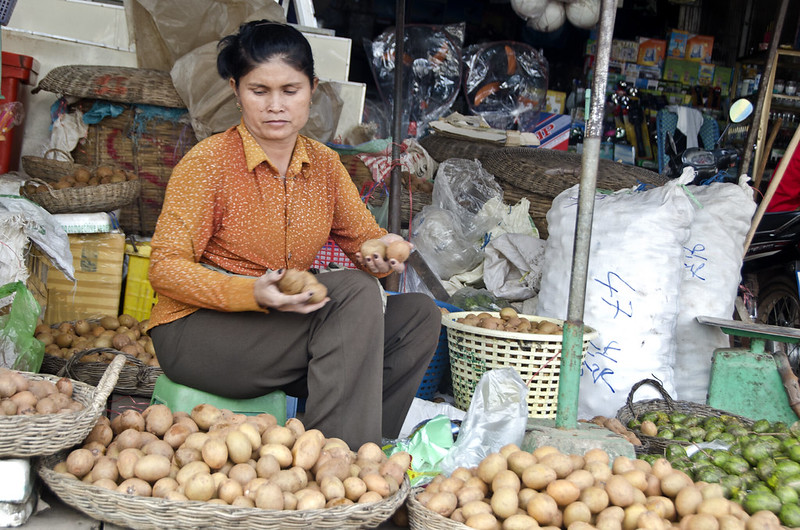
urban farming in lebanonFood insecurity has become one of Lebanon’s most pressing challenges. Years of economic collapse, political instability and rising global commodity prices have left millions struggling to access basic nutrition. Estimates show that 42% of the population faced high acute food insecurity in early 2023. This crisis is especially severe in urban areas like Tripoli, where high population density, unemployment and reliance on expensive imports leave communities vulnerable to market shocks. In the Shalfeh neighbourhood of Abou Samra, a new initiative is addressing this challenge through a solution rooted in sustainability, urban farming.

Changing the System

Launched by U.N.-Habitat and funded by the Government of Japan, the Al-Marjeh project integrates food production, renewable energy and clean water access to strengthen community resilience and combat Lebanon’s food insecurity.

The program has trained 100 women and 50 youth in planting, harvesting, composting, packaging and marketing. Participants gain both technical knowledge and business skills, enabling them to produce and sell fresh produce locally.

To support this shift, the project has installed renewable energy systems and water filtration units in two public schools and a health dispensary, benefiting the residents. These improvements enhance hygiene facilities, reduce the risk of waterborne diseases like cholera and ensure sustainable access to clean water – an essential component of urban agriculture.

Reducing Poverty and Building Livelihoods

The Al-Marjeh project’s benefits extend beyond the harvest. Many graduates have received agricultural toolkits to continue production at home, reducing household food costs while generating income from surplus sales. Others have joined cash-for-work initiatives, expanding cultivation on larger plots and strengthening local food supply chains.

For residents, the training has been transformative. By learning to grow their own crops, citizens have reduced reliance on expensive imported vegetables and built more stable income streams. Examples like Omar, a young participant, who now applies his training to community gardens and helps neighbours adopt sustainable cultivation techniques, highlight the transformative impact.

This impact reflects a broader trend: urban farming fosters self-reliance, reduces dependency on volatile markets and creates spaces for community cooperation that works together to reverse Lebanon’s food insecurity. By linking food production directly to urban residents, the initiative could shorten supply chains, reduces transportation costs and improve access to fresh produce in neighbourhoods that have long relied on limited and costly imports.

Long-Term Development Impact

Urban farming in Lebanon is also a climate resilience strategy. With arable land scarce and extreme weather patterns intensifying environmental pressures, localized farming offers a way to meet food needs sustainably. The Al-Marjeh project promotes water-efficient irrigation and composting practices, reducing environmental strain while maintaining productivity.

U.N.-Habitat highlights that these projects strengthen social cohesion by involving diverse community members in collective goals. The combination of environmental sustainability, economic opportunity and improved nutrition provides a blueprint for scaling similar initiatives in other urban centres facing similar issues as Lebanon’s food insecurity.

Looking Ahead

As Lebanon continues to navigate overlapping economic and political crises, urban farming offers a practical and empowering response. By equipping residents with the skills, resources and infrastructure to produce their own food, projects like Al-Marjeh reduce vulnerability to external shocks and lay the foundation for inclusive, sustainable growth. In Tripoli’s Shalfeh neighbourhood, a simple idea—growing food locally—is helping build a more resilient future.

– Thomas Finighan

Thomas is based in London, UK and focuses on Business and Global Health for The Borgen Project.

Photo: Flickr
August 21, 2025
https://borgenproject.org/wp-content/uploads/borgen-project-logo.svg 0 0 Naida Jahic https://borgenproject.org/wp-content/uploads/borgen-project-logo.svg Naida Jahic2025-08-21 01:30:542025-08-20 15:50:07How Urban Farming in Lebanon is Combating Food Insecurity
Africa, Food Security, Global Poverty

Extreme Weather and Food Security in East Africa

Food Security East AfricaEast Africa is grappling with worsening food security due to the increasing frequency and severity of extreme weather patterns. In countries like Ethiopia, Somalia and Kenya, shifting rainfall patterns and prolonged droughts are devastating agricultural systems, the backbone of local economies. This instability is contributing to widespread food insecurity, displacing millions and threatening livelihoods across the region. According to the U.N. Office for the Coordination of Humanitarian Affairs (OCHA), food insecurity affected more than 48.1 million people in East Africa as of May 2024, largely due to weather-related shocks.

Ethiopia, Somalia and Kenya: A Regional Snapshot

Each country in East Africa faces unique but interrelated challenges. In Somalia, four consecutive failed rainy seasons, including the October–December 2024 deyr season, have caused severe pasture and water shortages, significantly reducing crop yields and weakening livestock health.

Across Ethiopia, insufficient rainfall during the June 2023–September 2023 kiremt season led to localized cereal shortfalls and about 4.5 million livestock deaths.

Meanwhile, northern and eastern Kenya experienced its driest rainy seasons in more than 40 years, exacerbating desertification and displacing pastoralist communities.

FAO’s Global Information and Early Warning System

FAO’s Global Information and Early Warning System (GIEWS) is a critical tool used across East Africa to anticipate and respond to food crises. It provides near real-time monitoring of agricultural production, food prices and extreme weather patterns.

In Somalia, for instance, GIEWS reported that the 2024 deyr rainy season saw below-average and erratic rainfall, leading to pasture and water shortages in pastoral areas and below-average cereal yields. As a result, the livestock-to-cereal terms of trade deteriorated; in January 2025, a goat in Burao Market could purchase only 48 kg of sorghum, compared to 68 kg the previous year, a decline that severely impacted household food access.

The R4 Rural Resilience Initiative

The World Food Program (WFP), in partnership with Oxfam, is helping farmers manage weather-related agricultural risks through the R4 Rural Resilience Initiative. R4 enables smallholder farmers to access crop insurance, savings accounts, and weather adaptation training.

In Ethiopia alone, as of 2020, more than 54,000 households have enrolled in the program since its launch and participants have reported improved yields and greater resilience to seasonal shocks. R4 not only safeguards livelihoods but also reduces the need for emergency food aid during extreme weather events.

Kenya’s National Smart Agriculture Strategy

Kenya has implemented a National Smart Agriculture Strategy aimed at mainstreaming adaptation to extreme weather into every level of agricultural planning. The strategy focuses on three key pillars: increasing productivity, building resilience, and lowering emissions. It promotes drought-resistant crops, precision irrigation, and agroforestry techniques. Supported by international donors and NGOs, the initiative seeks to create a sustainable agricultural model that can withstand future weather-related challenges.

Toward a Resilient Agricultural Future

The future of food security in East Africa depends on continued investment in adaptive strategies that address both immediate hunger and long-term resilience. Strengthening regional cooperation, funding scalable programs like GIEWS and R4, and supporting national policies such as Kenya’s CSA Strategy will be crucial.

By aligning weather adaptation with food systems planning, East African nations have a path forward to reduce vulnerability and build sustainable food security.

– Joseph Hasty

Joseph is based in Winter Park, FL, USA and focuses on Global Health for The Borgen Project.

Photo: Flickr

July 23, 2025
https://borgenproject.org/wp-content/uploads/borgen-project-logo.svg 0 0 Naida Jahic https://borgenproject.org/wp-content/uploads/borgen-project-logo.svg Naida Jahic2025-07-23 03:00:292026-04-16 10:21:40Extreme Weather and Food Security in East Africa
Agriculture, Food Security, Global Poverty

Rural Fishermen Safeguard Small-Scale Fishing in Honduras

Small-Scale Fishing in HondurasArtisanal fishermen on the Caribbean coast of Honduras are celebrating the creation of a marine protected area managed in partnership with their small-scale fishing communities. The ordinance for the Santa Rosa de Aguan Site of Importance for Wildlife, overseen by the Honduran Forest Conservation Institute, was signed on May 28, 2025. Created in collaboration with Rare, an ecological nonprofit, the project saw the communities of Colon, Cortes, and Atlantida rejoice at the declaration and join together in envisioning a positive future for the fishing industry.

Background

Honduras is a lower-middle-income country, as 63% of the population lives in poverty, one in five rural residents experiences extreme poverty, and 19% of children under 5 experience malnutrition, causing developmental delays. Unstable access to essential services, increasing violence and inequality alongside the changing climate and disproportionate economic growth have contributed to food insecurity and malnutrition.

Additionally, in 2024, the country faced several challenges, including droughts, unpredictable rainfall, inflation, and economic instability, which led to struggles in the agricultural sector and a decline in household incomes. These problems were significantly more damaging in rural and marginalized communities.

Fishing Project

The plan in Santa Rosa de Aguan will involve collaboration with local fishermen, who will survey and patrol coastal waters to combat illegal fishing, utilize sustainable fishing gear, and protect the long-term health of shoreline ecosystems. Beaches, rainforests, coastal mangroves and 12 nautical miles of open ocean comprise the 112-square-mile zone accessible to fishermen working within the new project. With the help of Rare, the project aims to protect 100% of mangrove swamps and reserve 12 nautical miles of open seas exclusively for small-scale fishing and conservation, Good News Network reports.

Rare, through its Fish Forever initiative, has helped create more than 28,000 square miles of community fisheries in 2,000 cities and towns around the world. The global project recognizes that healthy coastal fisheries are essential to the food security, economic prosperity, and climate resilience of coastal communities worldwide. Furthermore, they work with fishers to revitalize coastal fisheries and partner with local governments, funders, leaders, and NGOs to support local communities in managing them sustainably.

Outcomes

According to the Statistics Institute of Honduras, the indigenous Garifuna speakers of Santa Rosa de Aguan live with half their population in extreme poverty. These small-scale fishing communities, comprising multiple generations of fishermen, have exclusive access to sustainable food supplies, employment opportunities, and secure wages. The scheme enables locals to utilize traditional fishing methods, building upon the fishing industry and developing it into a sustainable source of employment in the country. With the help of Rare, fishermen have gained access to an expansive region of waters that will be used to continue developing the fishing industry and eventually contribute to Honduras’ economy. Mayor of Santa Rosa de Aguan, Heber Flores, states, “By protecting the resources that sustain us—fishing and agriculture—we’re securing a future of dignity, resilience, and opportunity for our communities,” Good News Network reports.

The Future

In conclusion, the establishment of the Santa Rosa de Aguan Site of Importance for Wildlife marks a significant step toward sustainable small-scale fishing practices and community empowerment on the Caribbean coast of Honduras. By involving local fishermen and prioritizing environmental conservation, this initiative aims to uplift impoverished communities while ensuring the long-term health of vital marine ecosystems.

As these communities come together to protect their resources, they pave the way for a brighter future where dignity, resilience, and economic opportunity can flourish in harmony with nature. Through collaborative efforts, the vision for sustainable fishing addresses not only immediate needs but also strengthens the overall welfare of future generations.

– Phoebe Guildford

Phoebe is based in Cardiff, Wales and focuses on Good News for The Borgen Project.

Photo: Flickr

July 13, 2025
https://borgenproject.org/wp-content/uploads/borgen-project-logo.svg 0 0 Naida Jahic https://borgenproject.org/wp-content/uploads/borgen-project-logo.svg Naida Jahic2025-07-13 01:30:492025-07-13 01:11:36Rural Fishermen Safeguard Small-Scale Fishing in Honduras
Food Security, Global Poverty, Hunger

Everything To Know About Hunger in Fiji

Hunger in FijiFiji is an island nation in the South Pacific, consisting of more than 300 islands and a population of approximately 930,000 people. While it is known internationally for its tourism and bottled water exports, the country faces measurable levels of poverty, food insecurity and malnutrition. Here is what to know about hunger in Fiji.

Hunger in Fiji

According to The Global Hunger Index, in 2024, Fiji received a score of 10.2, indicating moderate levels of hunger. However, according to official statistics, approximately 11% of rural households live below the “food poverty” level (less than 25.68 FJD per week).

Fiji faces a double burden of nutritional problems, including malnutrition, micronutrient deficiencies and overweight and obesity. For example, according to UNICEF, 8% of children under 5 years of age live in “severe child food poverty,” receiving only 0–2 food groups per day.

Additionally, a third of children aged 5–19 are overweight and 70–75% of adult deaths are related to noncommunicable diseases and obesity.

Despite being a major exporter of bottled water, 12% of the population does not have reliable access to clean drinking water. The country’s best-known export, Fiji Water, is consumed globally, but water infrastructure within the country remains uneven, especially in informal settlements and outer islands.

The Cause of Malnutrition and Eating Disorders

Besides the lack of food distribution in Fiji due to the geographical location, political instability and corruption are some of the major causes of poverty in Fiji. Some of the challenges that Fiji is facing that exacerbate poverty are limited rural investment and weak food program implementation as well.

Climate events like cyclones and floods frequently damage crops and disrupt food supply, affecting thousands of households each year. At the same time, Fijians are experiencing a shift in diets: processed items that are high in sugar, salt and fat are replacing traditional, healthy foods. This has led to both undernutrition and high obesity rates. Around 8% of children under five experience severe food poverty, while a third of school-aged children are overweight.

Finally, the COVID-19 pandemic worsened food insecurity through job losses and rising prices, especially in tourism and informal sectors. Together, these issues create a cycle that keeps many Fijians, especially in rural areas, in a state of food and nutrition insecurity.

Solutions

Fiji faces a significant challenge in addressing hunger, but solutions are possible. For example, in 2019, Save the Children’s Knowledge and Action in Nutrition and Agriculture (KANA) programme provided education about the hunger situation in Fiji to the youngest generation all the way up to seniors. The program provided training, tools and seeds to farmers and schools on Ra and Koro islands. To date, the program has supported 1,171 students in nutrition education, trained 357 adults and established 33 school gardens.

Meanwhile, the Ministry of Agriculture launched Fiji’s Home Gardening Programme in March 2020 to provide seeds to farmers. By January 2022, the ministry distributed more than 1 million seed packs (four to six crop varieties) to 203,792 households. Ongoing efforts aim to assist more than 77,000 households and 500 women farmers through related programs.

Looking Ahead

Expanding initiatives like home gardening can enable families to grow their own food and cut costs. To ensure long-term food security, Fiji may also need to invest in climate-resilient farming to mitigate the impact of cyclones and floods on food production. By taking decisive steps, Fiji can build a more sustainable and secure food system for its people.

– Nika Khomenko

Nika is based in London, UK and focuses on Global Health for The Borgen Project.

Photo: Unsplash

July 12, 2025
https://borgenproject.org/wp-content/uploads/borgen-project-logo.svg 0 0 Jennifer Philipp https://borgenproject.org/wp-content/uploads/borgen-project-logo.svg Jennifer Philipp2025-07-12 03:00:312025-07-11 12:00:19Everything To Know About Hunger in Fiji
Agriculture, Food Security, Global Poverty

Food Systems in Yemen

Food Systems in YemenYemen is enduring one of the most severe and unprecedented humanitarian crises of the 21st century. After years of economic collapse, political corruption and civil war, around half of the population now depends on humanitarian aid to survive. Here is information about the food systems in Yemen and efforts to improve them amidst the country’s crisis.

A Nation in Crisis

In the wake of decades of tribal alliances, the pursuit of land and misuse of national resources, the people of Yemen are suffering among the most complex conflicts in the Middle East, with around a total of 20 million Yemenis facing inadequate access to clean water, sanitation or hygiene services.

Following over a decade of conflict, a UN report estimates that the total death toll stood at 377,000, with at least 150,000 killed as a direct consequence of violence by the beginning of 2022. Many more have since perished due to the ongoing humanitarian crisis.

With a rapidly rising population, widespread poverty and major damage to public infrastructure, food prices in Yemen have also soared by 300% in the last 10 years with families in rural areas and those displaced among the worst affected.

Ranked 10th lowest on the Human Development Index (HDI), food shortages are now at an all time high with outbreaks of vaccine-preventable diseases constantly being exacerbated by scarcity and poor nutritional standards.

Food Insecurity in Yemen

While Yemen hosts some of the most fertile land in the Arabian peninsula, the economic, social and environmental functions of its agriculture are being shattered. 

Once a thriving agrarian society, Yemeni agriculture is not just an important economic sector, but a way of life that is under imminent threat. With around one in two children under the age of 5 facing malnourishment, this decline is directly affecting food security throughout the region.

Due to these challenges, Yemen is increasingly reliant on imported food supplies with around 90% of its wheat acquired overseas. Here, an ongoing Saudi-imposed naval blockade is also majorly compounding scarcity and starvation due to the ongoing conflict. 

Despite the risks of famine and poverty spreading, around 30% of Yemen’s national irrigation water is currently used to grow Khat, a mild stimulant that not only uses up valuable water but also crowds out food crops as climate change decreases access to arable land.

Reviving Family Farming in Yemen

In line with a report from the United Nations in 2022, the fragmented Yemeni government is now endorsing a plan to develop its family farming industry, identifying agro-ecological conditions and improved knowledge and access to terrain and markets as key drivers for future agricultural developments.

In light of Yemen’s growing dependence on imports, improved domestic farming has the potential to contribute more significantly to the nation’s long-term food security, as its real gross domestic product (GDP) could potentially fulfill up to 25% to 30% of its needs.

Though improving food systems in Yemen remains a formidable challenge, greater efforts are now being taken to allow local farmers to engage more comprehensively in these processes, with strategies tailored to the obstacles they are facing in their everyday lives.

Yemen’s Fishing Industry

Prior to the war, the fishing industry was Yemen’s second largest export, employing more than half a million people. With financial support from the European Union, the Norwegian Refugee Council (NRC) is now actively supporting the coastal community in Aden and other areas in the south. 

With a coastal strip extending around 2,500 kilometers, fishing is re-emerging as a promising sector in improving Yemen’s food supply, enriching nutrition levels whilst stimulating the economy through increased trade.

For instance, a fish market at Al Hotta Lah was recently rebuilt and is now in use after being destroyed during the war. Around 100 tonnes of fish are sold there per month with an estimated value of $18,000 and more than 100 traders and retailers using it daily.

As a result, understanding the roles of local traders, farmers and fishermen in improving Yemen’s food systems is underpinning the importance of combining humanitarian relief with development responses that can support small businesses and empower local economies at a time of growing crisis.

In any case, as the humanitarian disaster persists, it has become clear that improving Yemen’s fishing and agriculture must play a vital role in improving food systems in Yemen, whilst also assisting the economic and social conditions of a nation ravaged by war and political uncertainty.

– Gabriel John Gunn

Gabriel is based in Paisley, Scotland and focuses on Technology and Global Health for The Borgen Project.

Photo: Unsplash

July 12, 2025
https://borgenproject.org/wp-content/uploads/borgen-project-logo.svg 0 0 Jennifer Philipp https://borgenproject.org/wp-content/uploads/borgen-project-logo.svg Jennifer Philipp2025-07-12 03:00:082025-07-11 11:51:32Food Systems in Yemen
Food Insecurity, Food Security, Global Poverty

Food Security in the U.S. Virgin Islands

Food Security in the U.S. Virgin Islands
The U.S. Virgin Islands (USVI), an unincorporated United States territory, comprises the three Caribbean islands of Saint Thomas, Saint John and Saint Croix. They span 737 square miles of hilly, rugged and mountainous terrain, with little flat land and less than 3% arable. The islands are sparsely populated (a total of 104,477) with low density. The USVI is a high-income country based on tourism due to its beautiful beaches and subtropical climate. Although on the whole its climate is attractive, the islands also experience frequent hurricanes, e.g., the back-to-back Category 5 Hurricanes Irma and Maria in 2017. Here is information about food security in the U.S. Virgin Islands.

Food Security in the U.S. Virgin Islands

Several factors challenge food security in the U.S. Virgin Islands. These include climate (hurricanes and drought), poor soil quality, limited crop diversification, lack of value-added processing, high cost of food production and limited food distribution networks. The government offers no programs or incentives to encourage the development of agricultural or food businesses. The U.S. Virgin Islands import almost all food consumed (97%). A recent study of USVI food systems also noted infrastructure issues, especially related to water capture and storage; and sociocultural factors (e.g., lifestyle, history of slavery, land ownership questions). 

Adding to food security challenges in the U.S. Virgin Islands is the islands’ extent of poverty, reported by the 2020 Decennial Census to be 23% (19% on St. John, 21% on St. Thomas and 25% on St. Croix). 

In November 2022, the country’s food insecurity was acknowledged in USVI Governor Bryan’s proclamation of November 12-20, 2022, as “Hunger and Homelessness Awareness Week.” The proclamation thanked those who provided services and called upon everyone to partner financially and/or volunteer to provide aid to eliminate hunger and homelessness.

USVI Hunger: US Assistance

Likely due to its size, the USVI is not included in global assessments such as the Global Hunger Index and the Global Nutrition Report. But that does not mean that hunger is nonexistent in the islands. As a U.S. territory, the Virgin Islands benefits from various assistance programs—SNAP (Supplemental Nutrition Assistance Program/food stamps), school meal programs, food programs for low-income students and families. 

When the U.S. Congress cut SNAP benefits in December 2022, it was reported that the reduction of average SNAP benefits to $6/person/day affected almost 11,000 USVI households. The steepest drop was for many older adults. The cuts were due to ending Emergency Allotments related to COVID-19 and meant that USVI lost $2.1 million in assistance. These cuts had a domino effect down the food chain, on farmers and ranchers, food manufacturers, truckers, retailers and their employees. In the spring of 2025, this assistance was in jeopardy, the extent of impact depending on the budget to be approved by the U.S. Congress.

Addressing Food Security

Virgin Islands Good Food (VGF), established in 2012, is a nonprofit whose mission is “to cultivate a unique and nourishing food system for innovation, economic development, and agricultural growth,” connecting consumers, the government and private industry. Its work includes, but is not limited to, market creation and access, education and services and assistance for farmers. In February 2024, VGF hosted the first Island Food Systems Summit at the University of the Virgin Islands. U.S. Department of Agriculture representatives and representatives from the National Black Food & Justice Alliance participated with other partners and Virgin Island farmers and producers. They discussed multisector collaboration, farmer empowerment, disaster response strategies and youth engagement in food systems, in an overall effort to increase food security and sustainability. 

For 20 years, the University of the Virgin Islands has observed World Food Day as an educational initiative aiming to eradicate hunger in the Virgin Islands. The university’s School of Agriculture focuses on food security and especially children’s access to nutritious meals. World Food Day 2024 included a seedling giveaway and educational workshops on cooking, composting and gardening. The School of Agriculture also organizes food drives to support local organizations such as My Brother’s Table and the Lighthouse Mission.

In January 2025, Governor Bryan signed into law the Virgin Islands Comprehensive Land and Water Use Plan. The framework of the Comp Plan focuses on:

  • Development guidance
  • Responsible land and water resource use, consistent with environmental protection
  • Preservation of environmentally sensitive areas, coastlines and historic sites
  • Prioritization of investments to improve community services and infrastructure

Self-Sufficiency and Food Security in the U.S. Virgin Islands

In February 2025, the USVI Delegate to Congress, Stacey Plaskett, encouraged the islands to increase agricultural independence, which could lead to greater food self-sufficiency and thus reduce the country’s total reliance on food imports. “We here in the Virgin Islands, we don’t just need to tighten our belts,” Plaskett said. “That’s austerity measures that we know we need, but we need to create self-sufficiency, food security, to come up with innovative ways that we will make up that gap for our students and for our elders.”

Although hunger is not a significant problem for the Virgin Islands, its dependence on imports is. One can see the recognition of the need for self-sufficiency for food security in the several examples above—government legislation, the role of the University of the Virgin Islands and Virgin Islands Good Food and other nonprofits. Intersectoral activities can work effectively to improve farming communities, the supportive infrastructure and food security overall.

– Staff Reports
Photo: Unsplash

June 27, 2025
https://borgenproject.org/wp-content/uploads/borgen-project-logo.svg 0 0 Jennifer Philipp https://borgenproject.org/wp-content/uploads/borgen-project-logo.svg Jennifer Philipp2025-06-27 08:43:082026-04-16 10:10:35Food Security in the U.S. Virgin Islands
Food Security, Global Poverty, Hunger

What to Know About Hunger in Switzerland

hunger in switzerlandSwitzerland is a well-off central European country with a high standard of living. It is one of the top 10 European economies in GDP per capita, with low unemployment and low inflation. Its estimated 2024 population was almost 8.9 million, with 74.2% living in urban areas. 

Switzerland’s high standard of living, however, comes with a high cost of living. The average total household expenditure in Switzerland can be two-to-three times higher than some other European cities in countries with similar standards of living. Switzerland boasts some of the highest salaries in Europe, but basic health and accident insurance are mandatory, monthly rent is relatively high, and transportation and grocery costs are significant.

Hunger and Nutrition in Switzerland

The level of hunger in Switzerland is below the threshold for the country’s inclusion in the Global Hunger Index. But hunger and nutrition are two different things. In the 2022 Global Nutrition Report, Switzerland was reported as being “on course” to meet only one of the global nutrition targets (for which data was available)—women’s diabetes. It was “off course” for all MIYCN (maternal, infant and young child nutrition) targets, and “off course” with limited progress regarding diet-related noncommunicable disease targets. There was no progress or worsening regarding anemia in women of childbearing age and low birth weight. 

A small 2021 study of older medical patients found a “significant association” between age and food insecurity, with food insecurity contributing to malnutrition in approximately 7% of the patients studied. The objective in identifying such pockets of food insecurity was to enable the development of interventions for at-risk populations.

Poverty, Hunger and Welfare in Switzerland

Even with a high standard of living, not everyone in Switzerland is well off. The rate of poverty is low, but not nonexistent; in 2023, the poverty rate was 8.1%. The poverty rate was higher for the employed in 2023 than it had been in the previous two years, but half what it was for the unemployed. In addition to the unemployed, single people and single-parent households with young children were particularly hard hit. 

One reason hunger in Switzerland is rare is because Swiss welfare payments cover necessities such as food, clothing, housing, health insurance and other personal needs. Social benefits spending was $2.78 billion in 2022, falling for the fourth year in a row. The decrease resulted from fewer recipients, as well as lower expenditure per recipient. Almost 250,000 people received a financial benefit on at least one occasion in 2023, with urban regions seeing a higher rate of assistance. (Welfare is distributed at the cantonal level, with local benefits preceding financial social assistance.) 

Global Hunger and Food Security: Switzerland’s Role

While hunger in Switzerland itself is not much of an issue, the country’s constitution includesa commitment to local and global sustainable food systems, important, especially because the country imports 50% of its food. Switzerland is involved in many related international efforts, contributing to food security globally.

These activities include:

  • Research: Switzerland participates in the Consultative Group on International Agricultural Research: (CGIAR), a global partnership for agricultural research and one of Switzerland’s 15 priority organizations for global development. CGIAR supports research in 80 countries on food quality and sustainable natural resource management. The goal of their research is to stabilize agricultural production and food supply for a rising global population. The Swiss Federal Council renewed its contributions to CGIAR in 2022, pledging to contribute $66 million in the 2022-2024 period.
  • Policy: Switzerland is active in the Committee on World Food Security, a governance mechanism established in 1974 to achieve global food security and nutrition through global “policy convergence,” or the development of similar or even identical policies across countries over time. Its 52nd plenary session in October 2024 updated for 2024-2027 its CFS Multi-Year Programme of Work. The platform for this work is biannual meetings to achieve “collaborative governance for coordinated policy responses to [the] emerging global food crisis towards sustainable agriculture and food system transformation.” The projected policy products are reducing inequalities for food security and nutrition (2024), strengthening urban and peri-urban food systems (2025), building resilient food systems (2026), focusing on indigenous peoples’ food and knowledge systems and traditional practices (2027), followed by sustainable fisheries and aquaculture.
  • International Events: Switzerland’s dedication to supporting other countries in facing food insecurity was obvious in its World Food Week celebrations in 2024. These events included a forum offered by FAO Liaison Offices focused on empowering girls and women to lead the change towards agrifood systems. Other events included a Right to Food Dialogue, a U.N. press briefing, posters, and local celebrations. More than a dozen food safety conferences will be held in Switzerland in 2025.
  • Development Activities: The Swiss Agency for Development and Cooperation (SDC) has been active since the 1970s, coordinating Swiss Confederation humanitarian aid and development activities with Eastern Europe. SDC’s focus on the entire food system, “from farm to fork,” is to ensure adequate, sufficient and good-quality food for all. This includes support for projects that prioritize functioning local markets and long-term balanced and sustainable nutrition. The agency has research partnerships with Swiss universities and private companies, collaborates with farmers’ organizations and emphasizes the role of young people and women in food production and nutrition.
  • Financial Support: Switzerland contributed almost $48 million to the World Food Programme in June 2020, and over $800,000 to WFP assistance to smallholder rural farmers in Sri Lanka in 2023. The Swiss 2025 annual commitment of food assistance to the global Food Assistance Convention is $50 million. This six-member convention (Canada, Denmark, the European Union, Japan, Switzerland and the U.S.) was initiated in 2013, preceded by multilateral cooperation instruments operating since 1967. FAC provides a broad array of food assistance products and activities, including vouchers and cash, with a significant focus on nutrition.

A small country known for the care of its own, Switzerland plays a large role in the care of those beyond its own borders.

– Staff Reports
Photo: Flickr

June 18, 2025
https://borgenproject.org/wp-content/uploads/borgen-project-logo.svg 0 0 Jennifer Philipp https://borgenproject.org/wp-content/uploads/borgen-project-logo.svg Jennifer Philipp2025-06-18 07:30:582025-06-18 01:07:36What to Know About Hunger in Switzerland
Food Security, Global Poverty, Refugees

Fighting Malnutrition in Refugee Camps With Microgreens

Malnutrition in Refugee CampsIn many parts of the world, malnutrition in refugee camps remains a persistent and deadly challenge. Refugee families often lack access to nutrient-rich foods due to limited agricultural space, inconsistent supply chains and poor infrastructure. Yet, a promising solution is emerging, one that requires minimal space, water or sunlight: microgreens.

The Power of Microgreens

Microgreens are tender, immature greens harvested just after sprouting, typically within seven to 21 days. Though small in size, they hold quite a bit of nutritional value. According to the Cleveland Clinic, microgreens are rich in vitamins C, E and K and beta-carotene and antioxidants that support heart health, reduce inflammation and may help fight chronic disease. Their concentrated nutrient content makes them an effective dietary supplement, especially in low-resource settings.

Since microgreens grow quickly and require minimal space, water and equipment, they are well-suited for refugee camps where access to fresh produce is limited. They can thrive in shallow trays with basic soil or growing mats, using only sunlight or low-energy lights. This makes them an efficient, low-cost solution for improving food security and nutrition in overcrowded and under-resourced environments.

Growing Health at Home

Families in refugee settlements across Lebanon and Jordan are improving their nutrition through small-scale gardening initiatives. Supported by the United Nations High Commissioner for Refugees (UNHCR) and local partners, refugees are adopting keyhole gardens. This includes circular raised beds that use compost and greywater to grow various vegetables in spaces of limit and restriction. These gardens are built using readily available, recycled materials, making them affordable and sustainable for displaced households.

UNHCR reports that such gardens help increase access to fresh produce and empower families to participate actively in food production. By cultivating vegetables at home, refugees can supplement their diets with fresh, nutritious ingredients while reducing reliance on food aid.

Growing Solutions Across Africa

Refugees are improving their food security and nutrition in parts of sub-Saharan Africa through sustainable gardening practices. In Kenya’s Kakuma refugee camp, programs like the permagarden initiative have trained residents to grow vegetables using climate-resilient techniques that conserve water and enhance soil health. These small plots can be built with locally available materials and thrive in limited space, making them ideal for approaching malnutrition in refugee camps.

According to Devex, participants in the permagarden program reported increased access to diverse vegetables and greater household nutrition. Beyond physical health, gardening has also helped reduce stress and build a sense of purpose among participants. However, as the Humanitarian Practice Network notes, efforts like these face challenges from environmental extremes, such as drought and flooding, which threaten the fragile resilience systems in Kakuma.

Organizations Making an Impact

The Lemon Tree Trust is transforming how displaced communities interact with their environments by promoting gardening as a tool for resilience, dignity and self-reliance. Working primarily across the Kurdistan Region of Iraq in fighting malnutrition in refugee camps, the organization helps residents reclaim unused spaces for growing food and flowers. Through initiatives like garden competitions, community garden spaces and the distribution of seeds and plants, the Lemon Tree Trust supports displaced families in creating green spaces that nourish both body and spirit. These gardens improve access to fresh produce and foster community cohesion, mental well-being and a sense of home in uncertain settings.

Mercy Corps is also taking bold steps to support refugee self-reliance by integrating food security initiatives like microgreen farming into broader economic and social development programs. Its approach goes beyond immediate relief, aiming to unlock the long-term potential of displaced individuals. For example, Mercy Corps has significantly invested in job training, agricultural innovation and women-led entrepreneurship. These efforts are helping refugees transition from reliance on aid to lead productive, independent lives. Through partnerships and strategic funding, the organization is scaling initiatives offering nutritional and economic benefits, enabling communities to thrive even in the most challenging environments.

A Path Toward Self-Reliance

Microgreens are not a complete solution to malnutrition in refugee camps, but they offer an affordable, fast-growing and scalable way to improve health outcomes. More importantly, they place the power of food production back into the hands of the people who need it most. As international aid agencies look for sustainable ways to enhance food security, microgreens represent a small but mighty innovation with the potential to transform lives.

– Vasara Mikulevicius

Vasara is based in West Bloomfield, MI, USA and focuses on Good News and Global Health for The Borgen Project.

Photo: Pexels

June 15, 2025
https://borgenproject.org/wp-content/uploads/borgen-project-logo.svg 0 0 Lynsey 2 https://borgenproject.org/wp-content/uploads/borgen-project-logo.svg Lynsey 22025-06-15 01:30:522025-06-15 01:16:19Fighting Malnutrition in Refugee Camps With Microgreens
Page 6 of 18«‹45678›»

Get Smarter

  • Global Poverty 101
  • Global Poverty… The Good News
  • Global Poverty & U.S. Jobs
  • Global Poverty and National Security
  • Innovative Solutions to Poverty
  • Global Poverty & Aid FAQ’s
Search Search

Take Action

  • Call Congress
  • Email Congress
  • Donate
  • 30 Ways to Help
  • Volunteer Ops
  • Internships
  • Courses & Certificates
  • The Podcast
Borgen Project

“The Borgen Project is an incredible nonprofit organization that is addressing poverty and hunger and working towards ending them.”

-The Huffington Post

Inside The Borgen Project

  • Contact
  • About
  • Financials
  • President
  • Board of Directors
  • Board of Advisors

International Links

  • UK Email Parliament
  • UK Donate
  • Canada Email Parliament

Get Smarter

  • Global Poverty 101
  • Global Poverty… The Good News
  • Global Poverty & U.S. Jobs
  • Global Poverty and National Security
  • Innovative Solutions to Poverty
  • Global Poverty & Aid FAQ’s

Ways to Help

  • Call Congress
  • Email Congress
  • Donate
  • 30 Ways to Help
  • Volunteer Ops
  • Internships
  • Courses & Certificates
  • The Podcast
Scroll to top Scroll to top Scroll to top