 The COVID-19 pandemic has made life more challenging for everyone, including the people living in South Africa’s largest city. Johannesburg inner-city residents are especially vulnerable during this pandemic due to unemployment and food insecurity. But there is hope. The Johannesburg zero-waste grocery bus has a mission of bringing healthy food to locals in a sustainable manner.
From Idea to Bus
The idea of a mobile grocery store was imagined by founder Ilka Stein and her team at the social enterprise ForReal. Starting in 2020, Stein and the 12 young volunteers of the ForReal team transformed an old bus into a mobile grocery store in just three months. Inside the “skhaftin bus,” metal containers are filled with dry foods, such as lentils, black beans, oats, samp, spices and brown sugar. The concept of the skhaftin bus is to bring your own “skhaftin,” a South African slang word for “lunchbox,” and fill it with the items you need. In addition to dry foods, the Johannesburg zero-waste grocery bus has paired up with Bertrams Inner City Farm to provide fresh local produce, bread, juices and sauces. Stein believes that this bus will provide many locals with access to nutritious food in an affordable and eco-friendly way.
Fill Up with Food
The Johannesburg zero-waste grocery bus plans on operating three days a week. During these three days, customers can come to the bus to pick up needed food. Procedurally, the inner-city residents bring their skhaftin and enter the front of the bus, spoon out dry goods from metal containers, pick up desired produce and finally head to the register. At the register, the customer pays according to the weight of the skhaftin and leaves through the back of the bus. Not only is it a quick food store, but it is also an environmentally conscious store.
Customers bring their own containers, which promote a plastic-free shopping experience. Additionally, the products are placed in metal tins to avoid the unnecessary use of plastic. The concept of fill-it-yourself versus pre-packaged amounts saves people from overbuying and eliminates food waste. These features aid in helping the planet as well as the poor. By eliminating excess packaging, Stein doesn’t have to pay the extra costs incurred from packaging and can lower the overall price of the skhaftin. Further, the take-what-you-need model saves the customers from paying for food that will just go to waste.
Money Matters
The affordable prices definitely draw people to the Johannesburg zero-waste grocery bus. Shoppers find they can typically get more food for less money when buying from the bus versus the local grocery store. This has been a major source of relief for those unable to find a job, especially during COVID-19 and its consequential high unemployment rates.
The Johannesburg zero-waste grocery bus provides job opportunities in addition to providing affordable food to combat poverty. Currently, Stein employs three young people from the local area to work on the bus. Stein also ensures that the bus is mindful of the surrounding businesses. The team continues to test out new parking locations so as not to interfere with local shops. The bus aims to aid the local community fight against poverty in a contentious way.
Rolling Into the Future
The Johannesburg zero-waste grocery bus plans to keep its valuable service going even when COVID-19 is no longer part of the picture. Overall, this mobile grocery store is proving to be extremely beneficial to people of inner-city Johannesburg. The food is inexpensive, nutritious, unprocessed and free from single-use plastics. Ilka Stein and her team are actively helping alleviate poverty in South Africa, one lunchbox at a time.
– Lucy Gentry
Photo: Flickr



 Thai researcher
 Canadian food banks have been providing meals for those in need across Canada for the past 40 years. The more than 11,000 food banks in Canada saw a spike in clients in 2020, with a report of more than 1.1 million people going to food banks in March alone. Additionally, in 2020,
 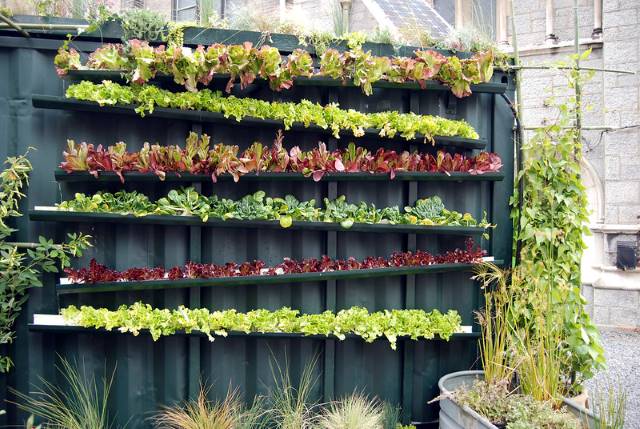 The new
  In the effort to reduce poverty around the world, scientific innovations and technological solutions are welcomed. Developments in technological capabilities provide new potential approaches to reducing poverty. One such development that has received increased attention is the emergence of lab-grown meat as an alternative source of food for populations in developing countries. Lab-grown meat has only emerged as a potential solution quite recently, and even at this young stage of development, there are many who argue both for and against its potential effectiveness and applicability in the effort to reduce poverty.
 The COVID-19 pandemic is deemed a global health crisis that has resulted in an economic crisis and a hunger crisis too. In the Dominican Republic, Cabarete Sostenible seeks to address the root cause of hunger.
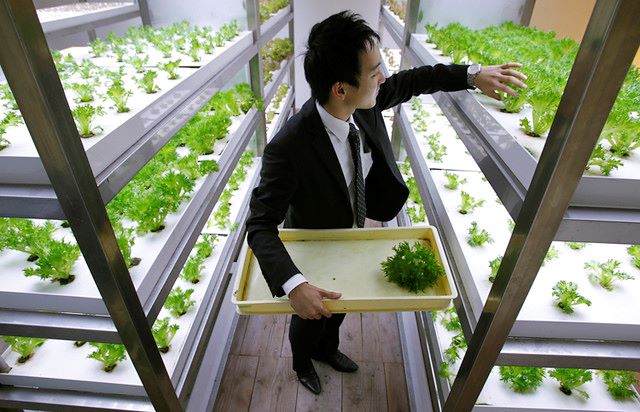 Agri-tech, a growing term used to describe Japan’s digital farming technology has greatly advanced farming systems in the country in order to combat a potential water shortage by 2030. Both experienced and inexperienced farmers in Japan are using new technologies to limit the overuse of water and fertilizer, which in turn, is fighting food insecurity and poverty for the entire population. Professor Kiyoshi Ozawa, from Meiji University Kurokawa Field Science Center, summarizes the system, “instead of spraying a large amount of water with sprinklers or the like, fertigation uses narrow pipes to place drops of water and fertilizer at the roots of the growing crops.” Farming innovations in Japan aim to reduce overall poverty in the country.